
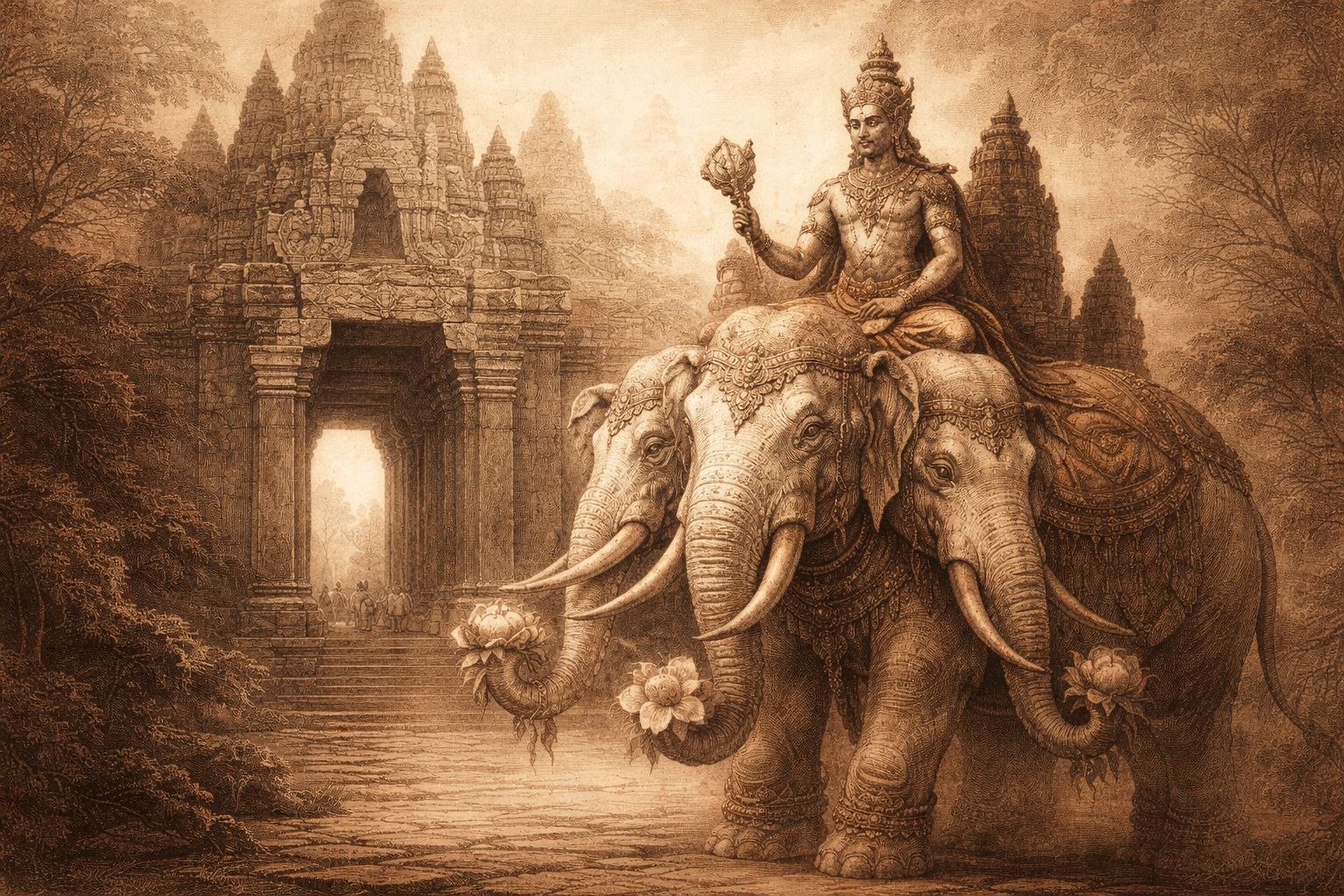

Indra — The East, the Storm, and the Fading Crown
Indra arrives before doctrine.
Before temples.
Before stone.
He comes as pressure in the air, as the thickening of clouds over dry land, as the long-held breath before rain breaks. In the earliest hymns of the Veda, he is not yet moralised, not yet diminished. He is force—unapologetic, necessary, feared. The sky cracks open because he strikes it. The rivers run because he has broken what held them back. The world lives because he is violent enough to tear water from the dragon’s grip.
In those earliest songs, Indra is the god a nomadic people needed: lord of storms, guardian of survival, bringer of monsoon. He drinks soma to amplify his strength, hurls the vajra like lightning itself, and destroys cities not from cruelty but from function. Where the rains must come, resistance must be shattered. Where order is stalled, it must be broken open.
This is why Indra is king.
Not a philosopher-king. Not an ascetic god. A warrior monarch, enthroned in cloud and thunder, ruling not through restraint but through release. His power is visible, audible, immediate. He is the heavens in motion.
At Angkor, this memory remains embedded in stone.
Indra is almost always placed to the east—the direction of first light, first rain, first arrival. On lintels and towers he sits astride his elephant, vajra raised, watching the approach. He does not preside from the centre. He guards the threshold. The storm always comes from somewhere.
Angkor Thom receives him repeatedly at its gates, mounted on the three-headed white elephant, each trunk lowered to pluck the lotus of emergence. This is not decoration. It is instruction. Before one enters the sacred city, one passes through Indra’s domain—the unstable realm of clouds, battle, weather, contingency. The gods are not reached through stillness alone. One must first survive the storm.
Indra’s mount, Airavata, is itself a condensation of meaning: elephant, cloud, rain-bringer, royal vehicle. Born from the Churning of the Ocean of Milk, Airavata carries the residue of primordial abundance. Where he steps, fertility follows. Khmer kings understood this well. To call oneself “Indra on Earth” was not metaphor but mandate. Kingship meant the successful arrival of rains, the regulation of waters, the avoidance of excess. Sovereignty was meteorological before it was moral.
Above all rises Mount Meru.
Indra’s abode crowns its summit, in the Heaven of the Thirty-Three. There, in the golden city, apsaras dance, gandharvas sing, and the gods assemble in the hall of Sudharma. It is a vision of order held aloft by power. Angkor’s temple-mountains are not symbols of transcendence; they are claims. Each ascent restates the old conviction: that the world must be held upright by force, ritual, and command.
Yet Indra does not endure unchanged.
As Hindu thought matures, he is slowly unseated. His intoxication becomes weakness. His reliance on soma contrasts unfavourably with the austerities of Shiva, the cosmic composure of Vishnu. In the stories, he grows anxious, jealous, easily humiliated. When the cowherds cease to worship him, he answers with floods—and is quietly defeated when Krishna lifts the mountain and shelters the people beneath it. Rain is no longer sovereignty. Protection is.
This is not merely theological evolution. It is political critique.
Indra represents an older model of rule: power without inward discipline, kingship sustained by force rather than restraint. The Khmer world absorbed this lesson without erasing him. Indra remains present—but repositioned. He is still honoured, still vigilant, still placed at the gates and the east. But the centre belongs elsewhere now.
In Buddhism, Indra does not vanish. He kneels.
As Buddha renounces the world, Indra catches his severed hair in a golden reliquary. The storm god becomes attendant. Power bows to awakening. In this gesture, Indra finds a different dignity—not as ruler, but as witness. The thunder learns silence.
This, perhaps, is why Indra remains so resonant at Angkor.
He stands at the edge of things: between storm and stillness, force and law, kingship and renunciation. He reminds the pilgrim that the sacred is not reached by purity alone. It is reached by passing through instability without being destroyed by it.
Indra still holds the vajra.
But he no longer strikes first.
—
Receive the next work
Subscribe free to receive new work from the Lucas Varro Library by email.
More from the Library


See Also
A concise and impartial dictionary of absence, promises, quarrels, ordinary objects, and the troublesome instability of words.
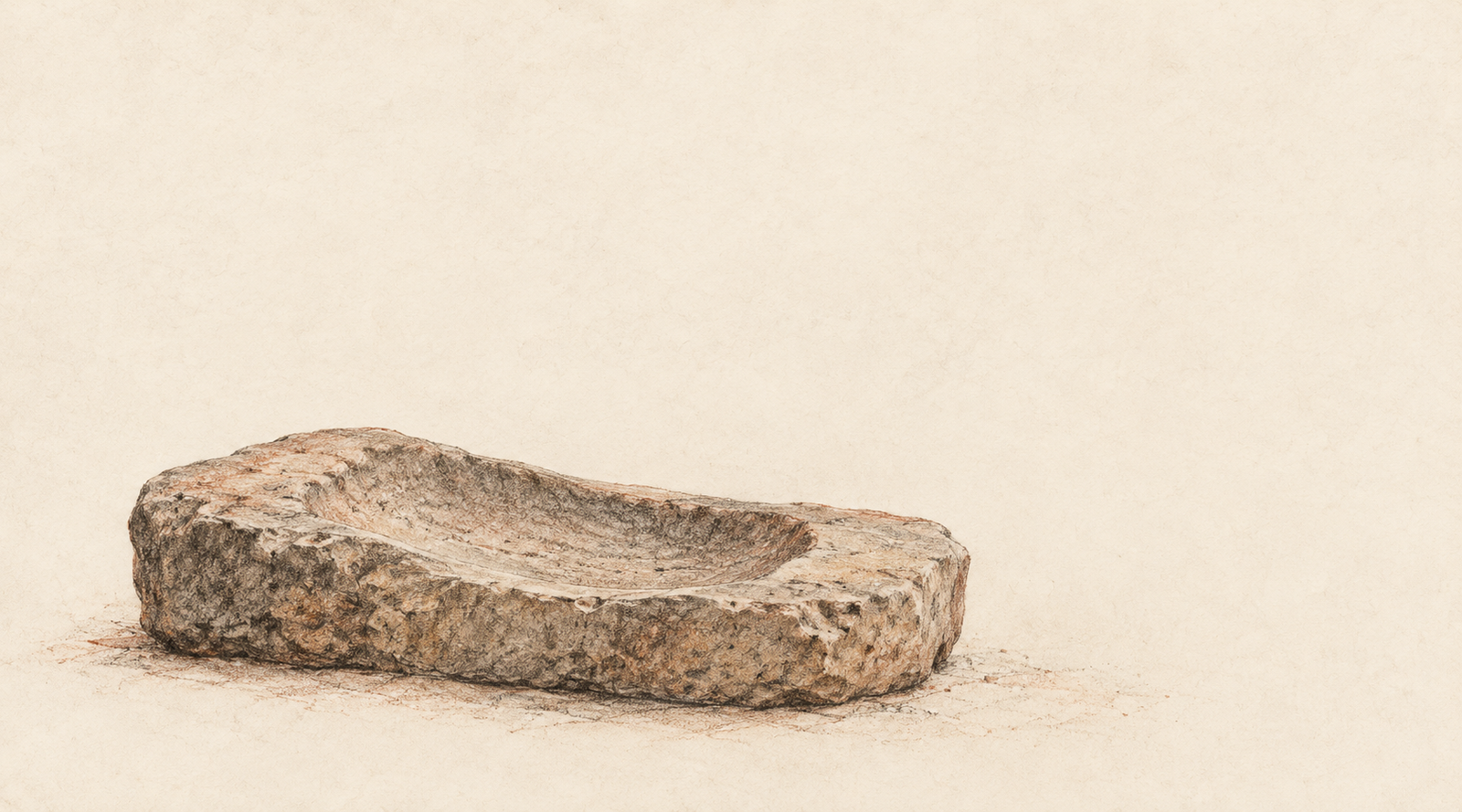

The City of Service
The temple we inherit is a building from which almost all necessity has been removed. Nothing must be brought for it to continue being what we call a temple. The sanctuary asks nothing of us. Stone is good at this kind of independence.
A living temple was otherwise.
Water had to come in. So did grain, cloth, oil, aromatic substances, fuel. The things required for worship arrived because someone carried them across a threshold.
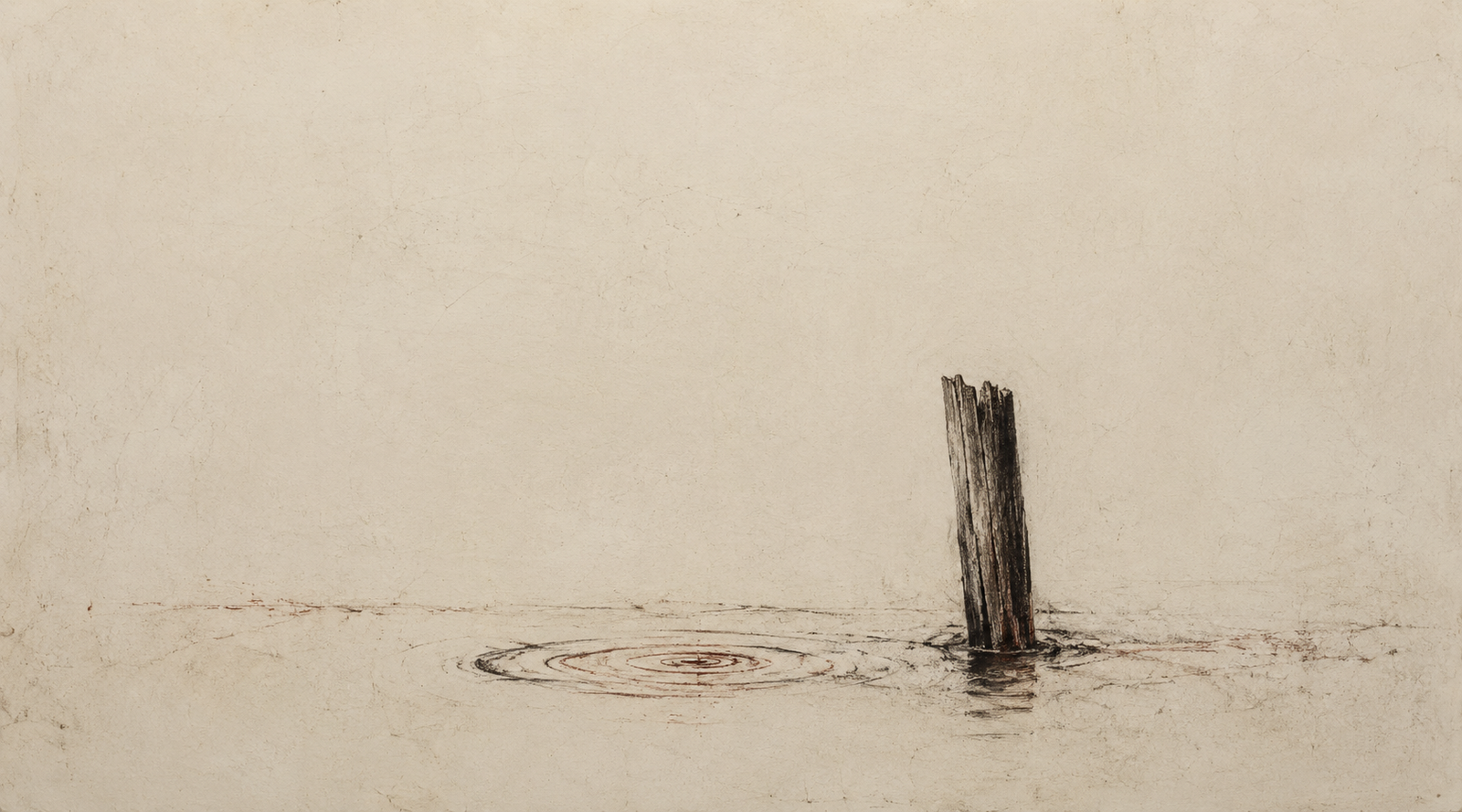

Houses of Wood, Light, and Smoke
Some of Angkor’s most intimate ruins do not rise above the ground at all. They are postholes, low mounds, hearths and ponds: durable traces of a domestic city built largely from things that decay. To restore that city is to see Angkor not only as stone, but as wood, smoke, water, repair, and people living within calling distance.