
The Library gathers the written works of Lucas Varro — journals of the temples, mythic retellings, contemplative essays, poems, and volumes shaped by shadow, silence, and wonder. Here, words stand beside images as offerings: field notes from Angkor, meditations on sacred stone, old stories rekindled, and reflections carried beyond the visible world.
Within these shelves you will find many rooms: Angkor journals, myth and legend, apsara meditations, contemplative essays, poems, children’s mythic wonder, literary retellings, and quieter devotions of the page. Wander chronologically, enter by theme, or pass through one of the dedicated publication houses now gathered within the wider Library.
For those who wish to follow these paths further, several of these writings continue on Substack and in dedicated archive blogs: The Lantern Chronicles , where myth, legend, contemplative essays, poetry, and other imaginative works are carried onward; The House of Cadmus , where Greek myth and tragedy are reopened through inheritance, violence, fate, and recurrence; The Mytharium , where myth, Tolkien, fairy stories, and old literature are read and retold with seriousness; The Alexander Series , where A. M. Sharp retells Greek myths for children who want to be trusted by stories; and The Hospitable Dark , where A. M. Sharp offers literary myth retellings shaped by darkness, shelter, endurance, and return.
Library

See Also
A concise and impartial dictionary of absence, promises, quarrels, ordinary objects, and the troublesome instability of words.

The City of Service
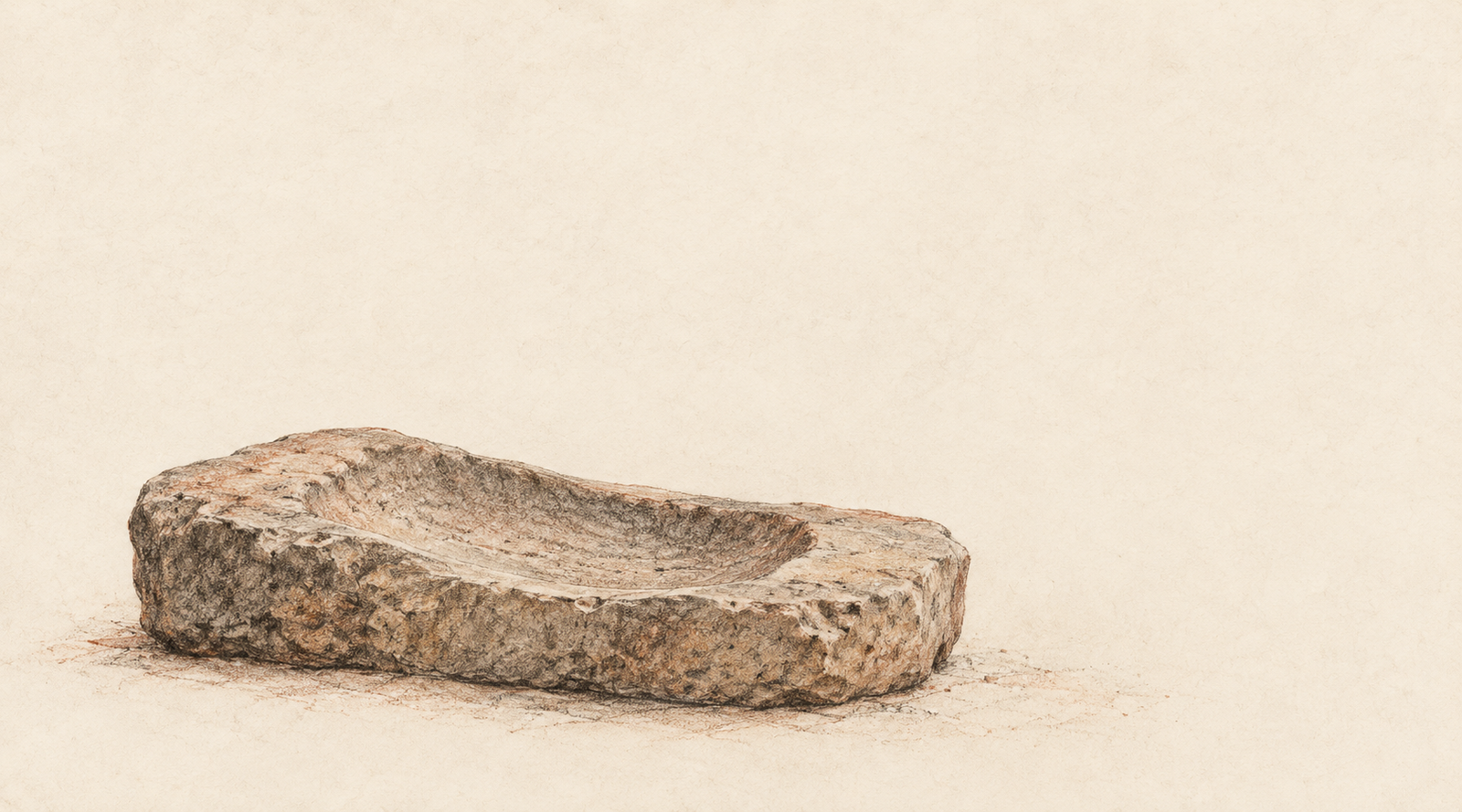
The temple we inherit is a building from which almost all necessity has been removed. Nothing must be brought for it to continue being what we call a temple. The sanctuary asks nothing of us. Stone is good at this kind of independence.
A living temple was otherwise.
Water had to come in. So did grain, cloth, oil, aromatic substances, fuel. The things required for worship arrived because someone carried them across a threshold.

Houses of Wood, Light, and Smoke
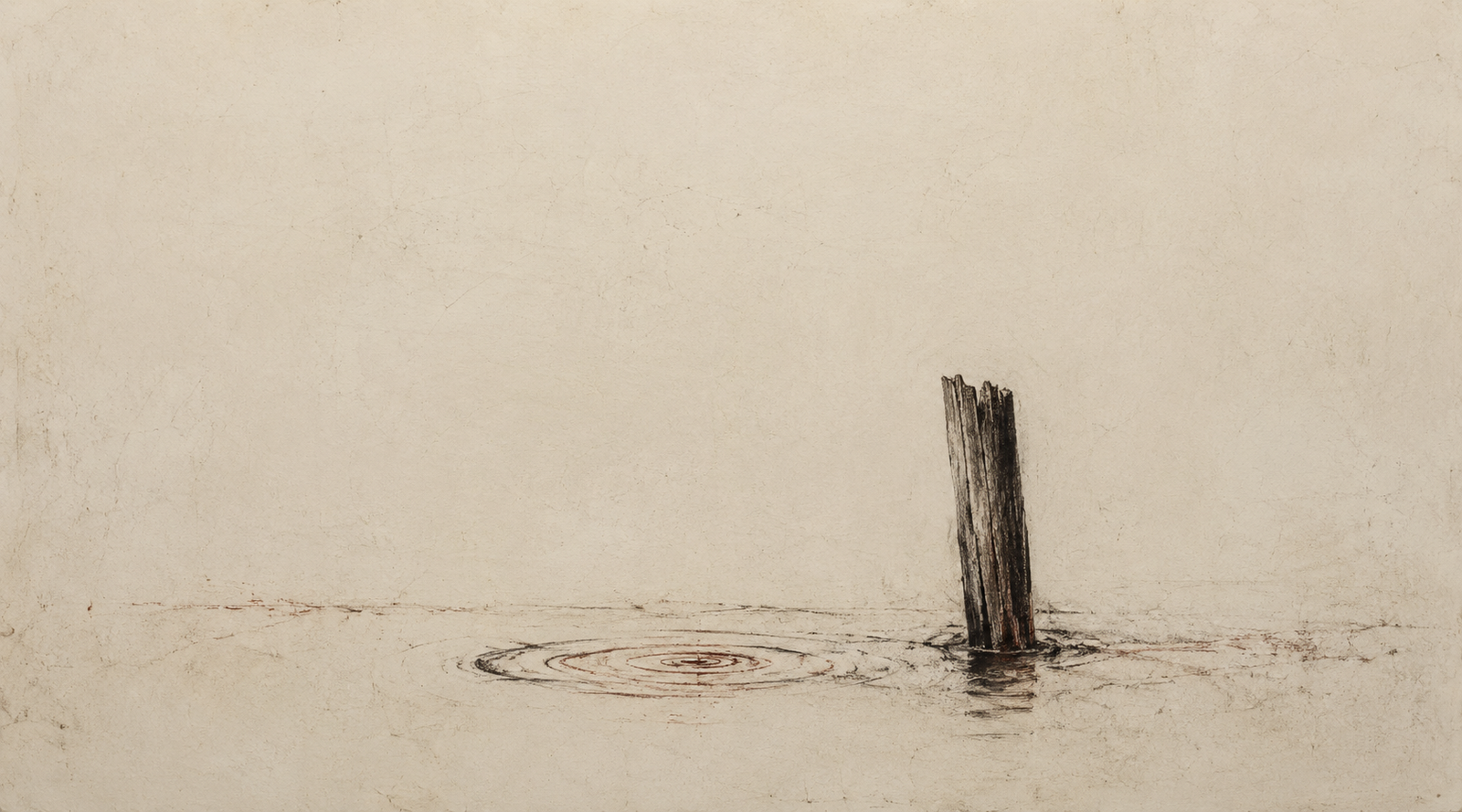
Some of Angkor’s most intimate ruins do not rise above the ground at all. They are postholes, low mounds, hearths and ponds: durable traces of a domestic city built largely from things that decay. To restore that city is to see Angkor not only as stone, but as wood, smoke, water, repair, and people living within calling distance.

Harmonia and the Fatal Union
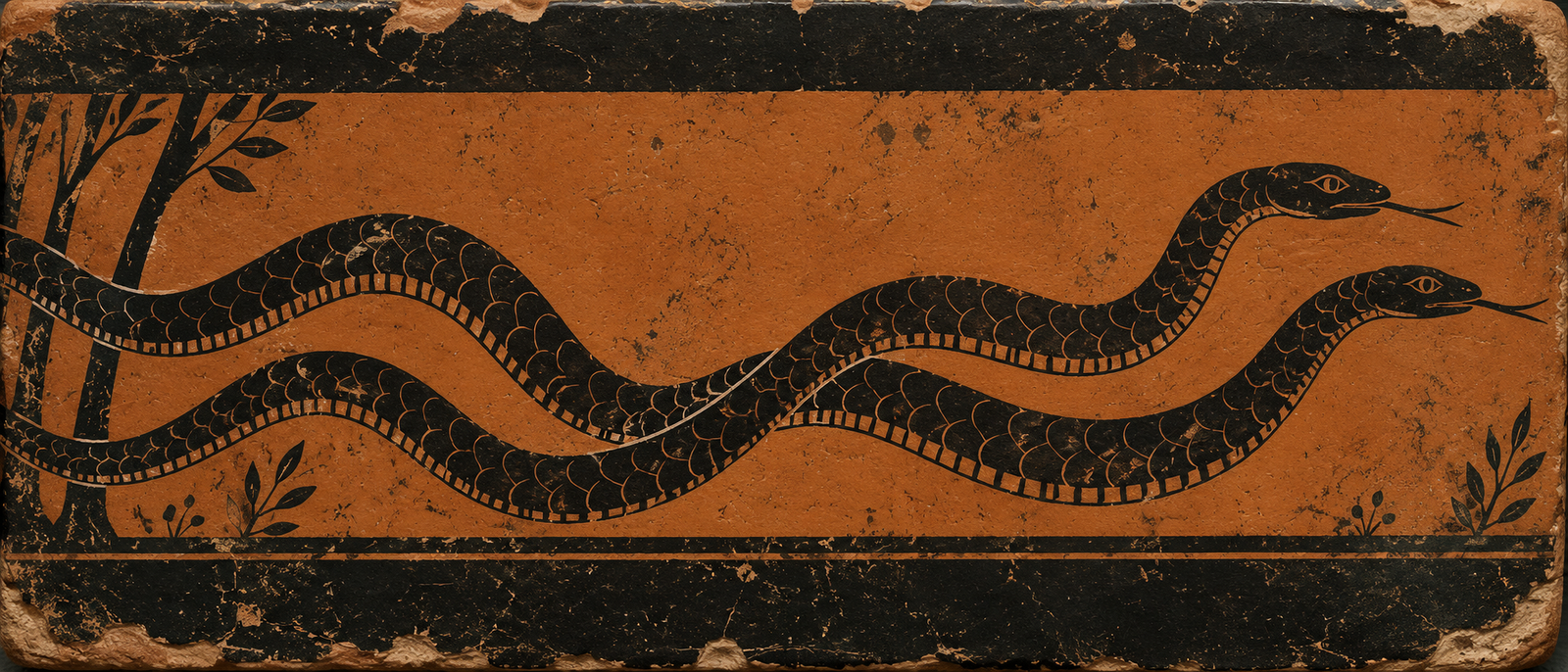
The gods came to Thebes for Harmonia’s wedding.
The Muses sang in the house Cadmus had built, and Cadmus fastened around her neck a necklace wrought by Hephaestus. They feasted with the gods.
The day had been beautiful.
Nothing that came later took that day from them.
In the years that followed, the house filled with children, grandchildren, ordinary voices—and losses for which no beginning could finally provide an answer.

What Stone Brings Forth
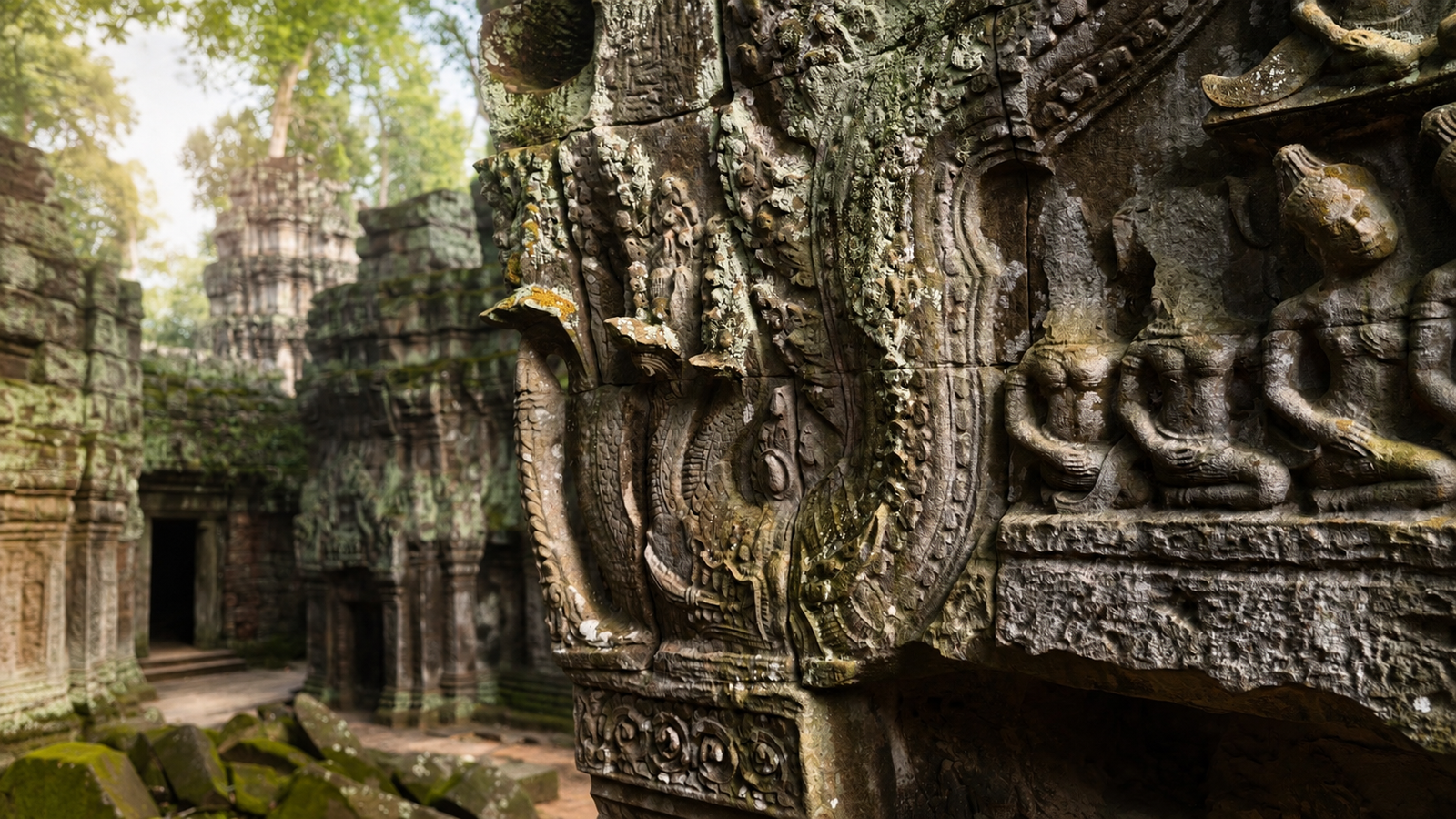
I had mistaken a gift for something being expelled.
Beneath the nāga's mouth, a stone garland descended bead by bead. Nearby, a makara opened its jaws and another form emerged. Looking closer, the whole temple began to change: serpent became ornament, ornament became architecture, architecture became foliage.
The forest did not introduce this language.
It answered it.

The Eighth Daughter
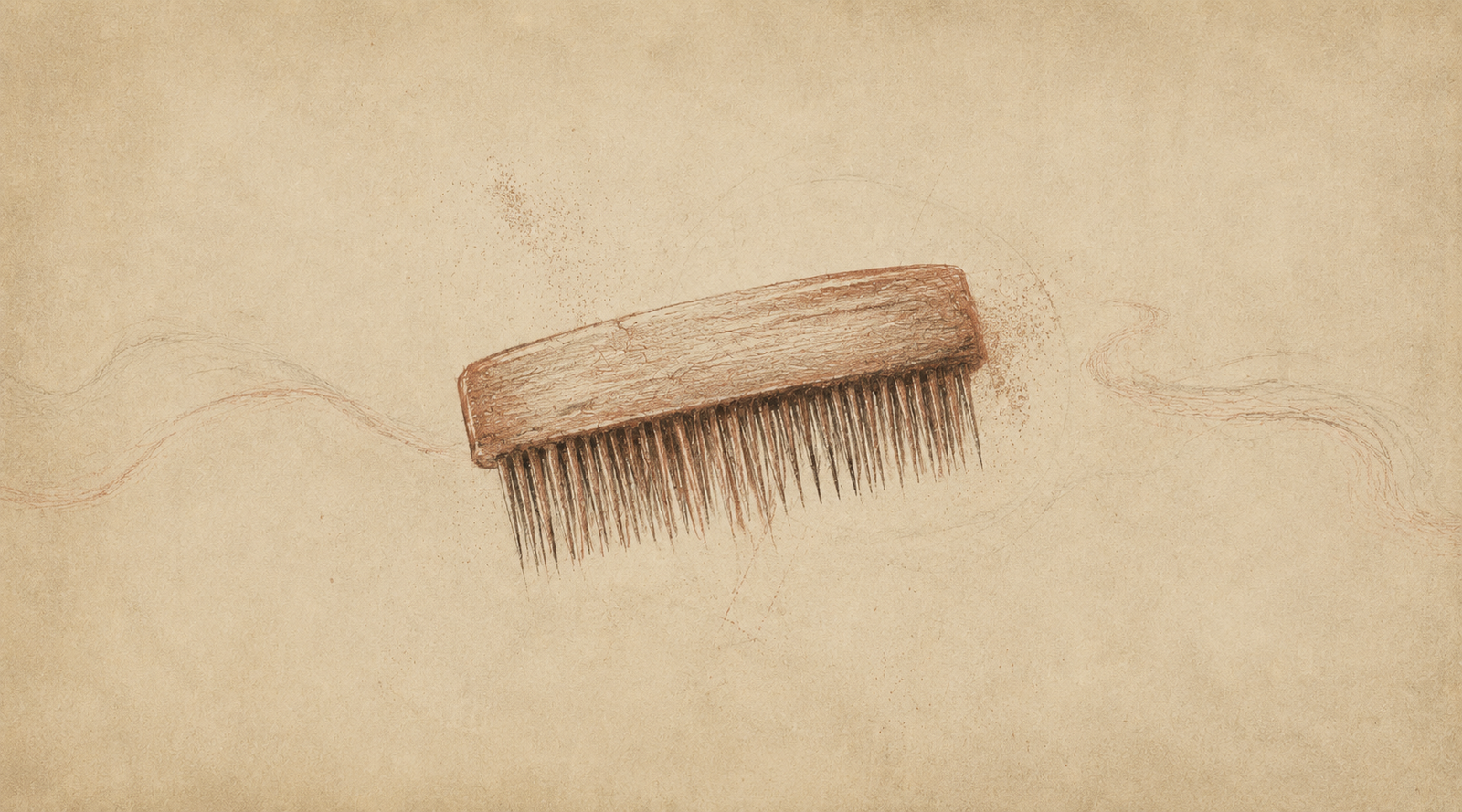
Seven daughters have already been taken by Yamata-no-Orochi when Susanoo reaches the River Hi. Only Kushinada-hime remains. The Eighth Daughter retells the Kojiki episode through a family’s waiting, a girl transformed into a comb, and the patient preparation for the serpent’s return.

After Six
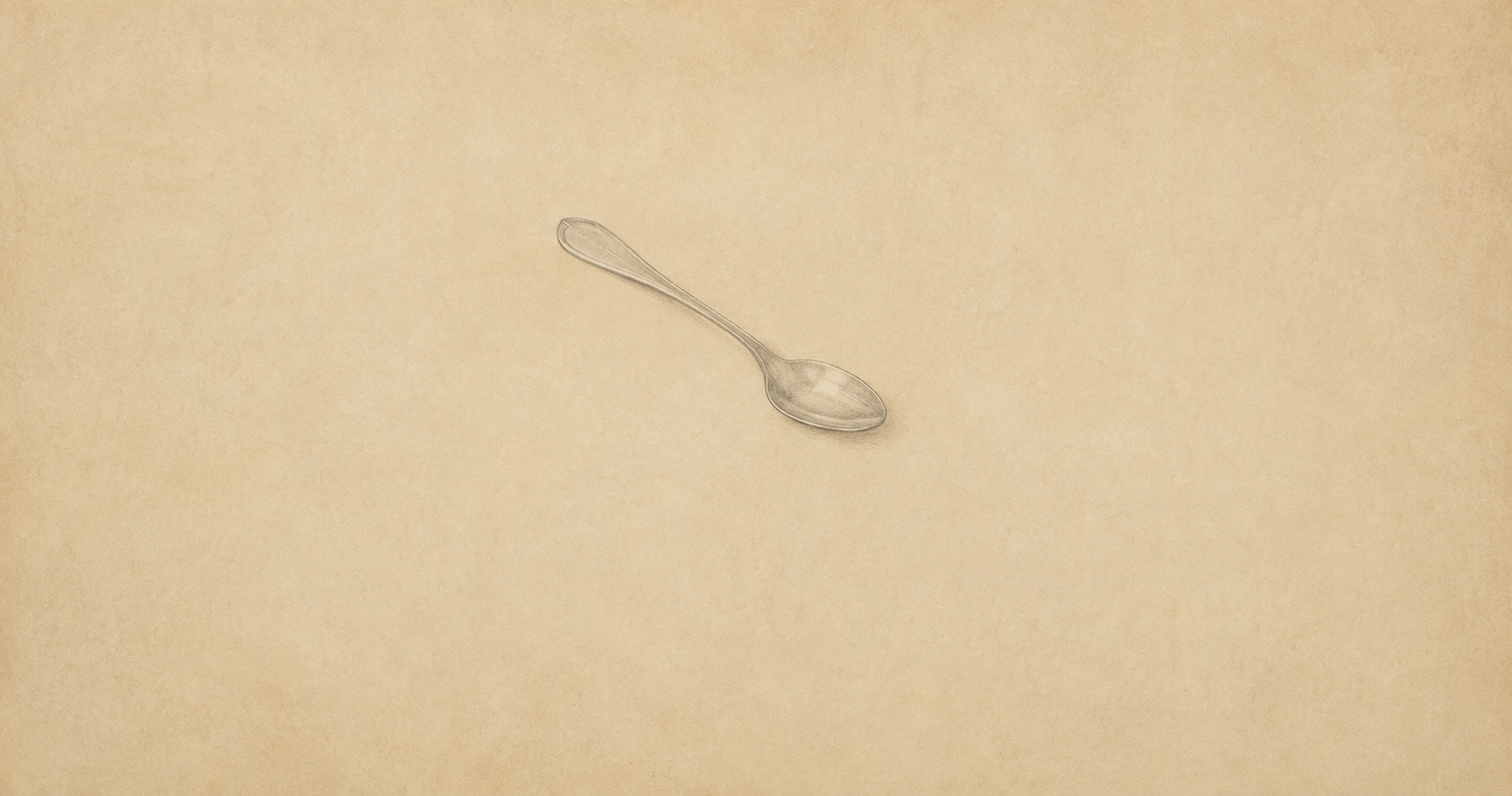
At six the west wall whitens.
I turn the radio down.
My hand stays
on the dial
a moment longer.


Fires of the Old World XXI — The Storm-King’s Lesson
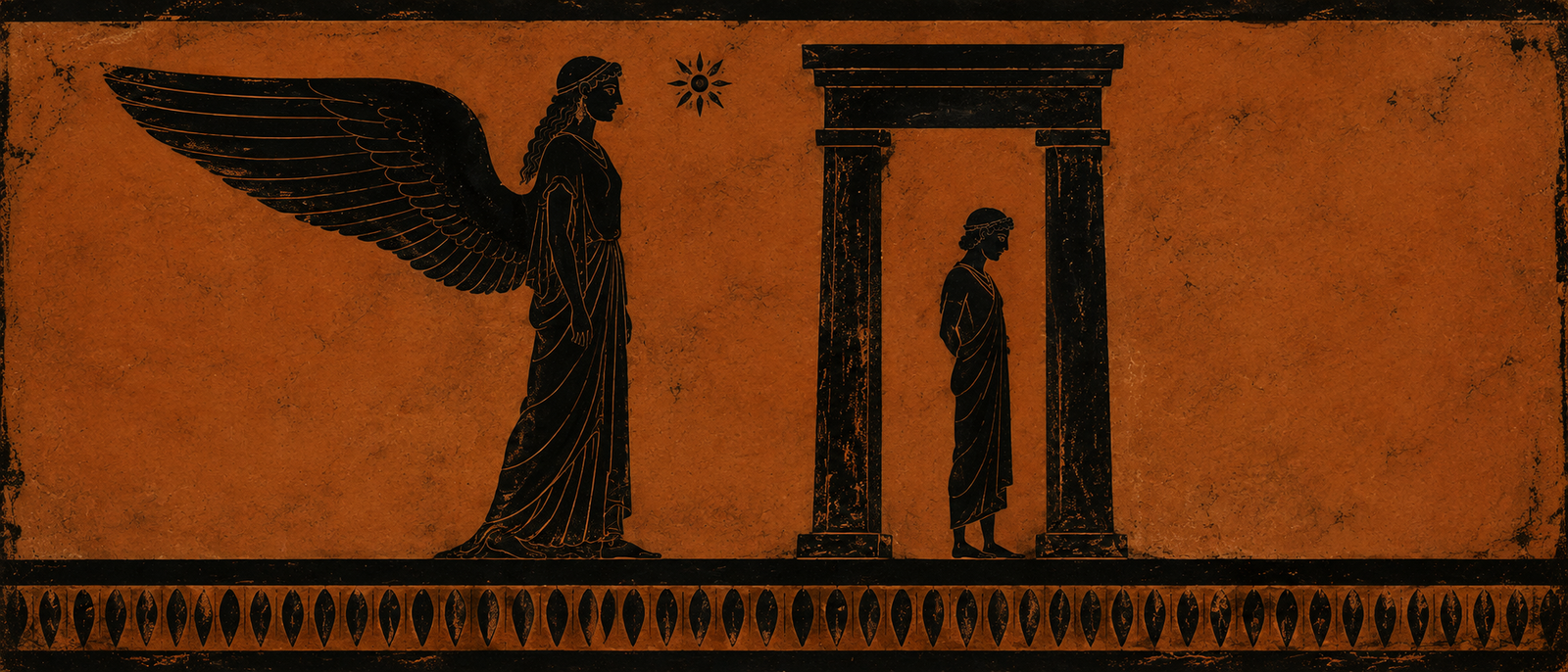
The storm has ended, but Govardhana still stands. Below, the cowherds emerge into washed light while Indra watches from heaven, knowing that every cloud obeyed him and yet his will did not prevail. At last the storm-king descends—crowned, armed, and still entrusted with the rain.

The Poor Man’s House and the True Law of Welcome
Eumaeus does not believe him.
That is what makes Book XIV’s hospitality so difficult. He listens to the stranger, judges his story doubtful, and continues to feed him. In Homer, welcome does not require the host to surrender judgement. It asks something harder: that another person’s need not disappear merely because certainty has.
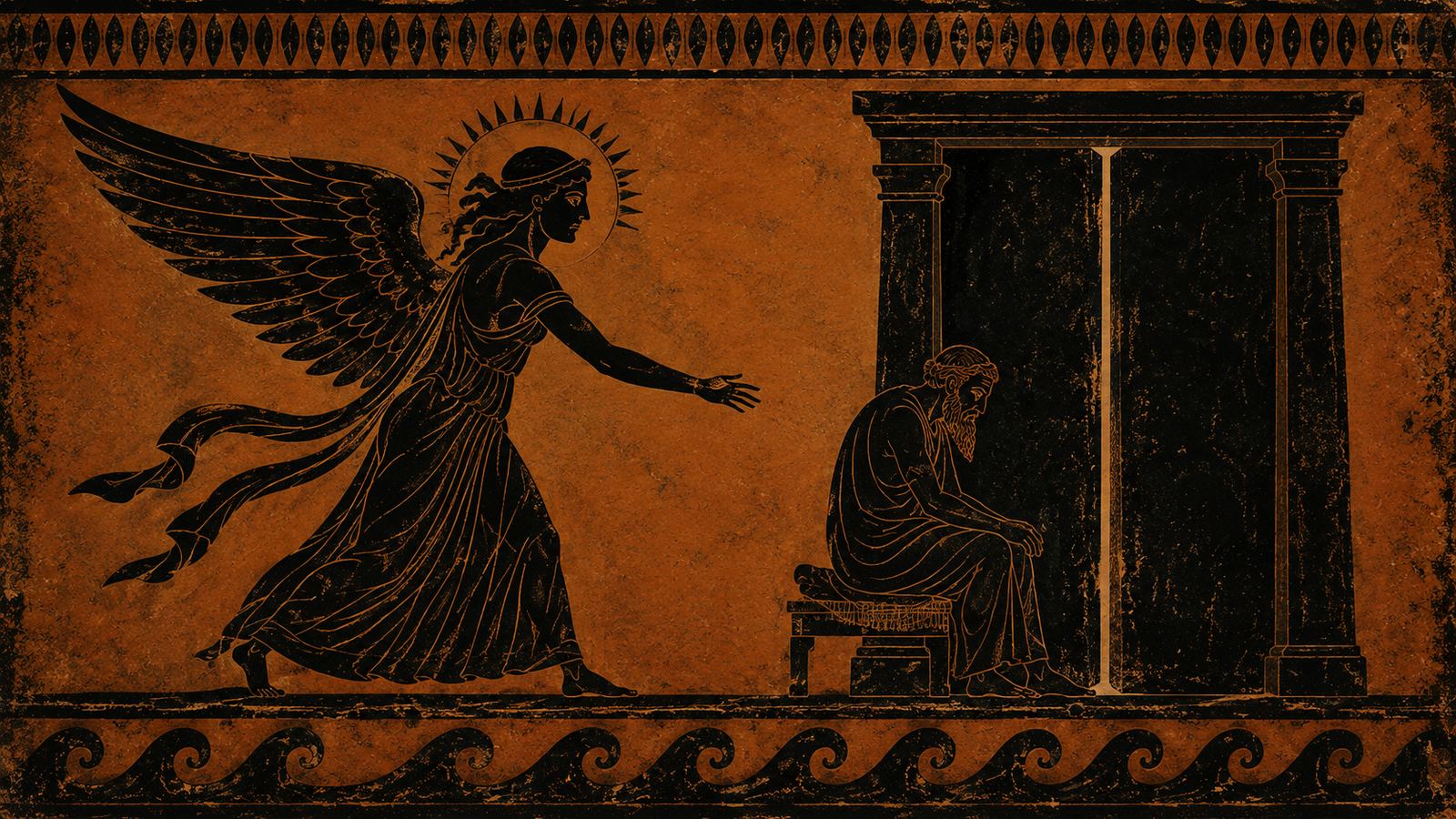

Tithonus — Behind the Shining Doors
Eos asked only that the man she loved should never die. The wish was granted. As Dawn returned each morning unchanged, Tithonus continued ageing—and the world around him slowly narrowed to a room behind shining doors.

The Long Return XIV — In the Swineherd’s Hut
Odysseus reaches a poor swineherd’s hut and discovers hospitality, scepticism, and a loyalty that has survived his long absence.
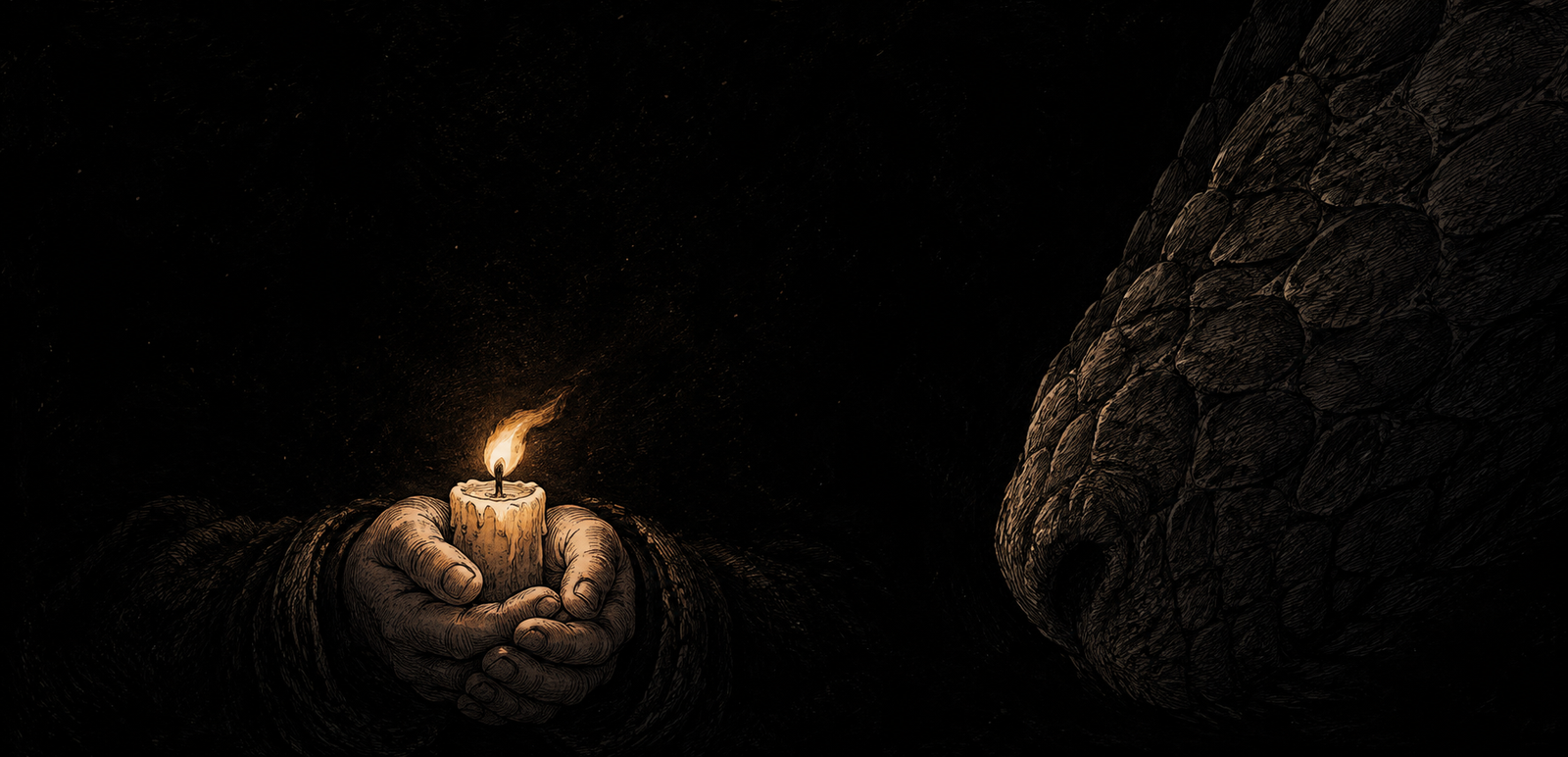

The Last Ember
An ancient dragon has carried the first earthly fire for ten thousand years. When the ember begins to fail, one last flight brings her to a child protecting an ordinary candle against the wind—and to a truth about fire she had never understood.
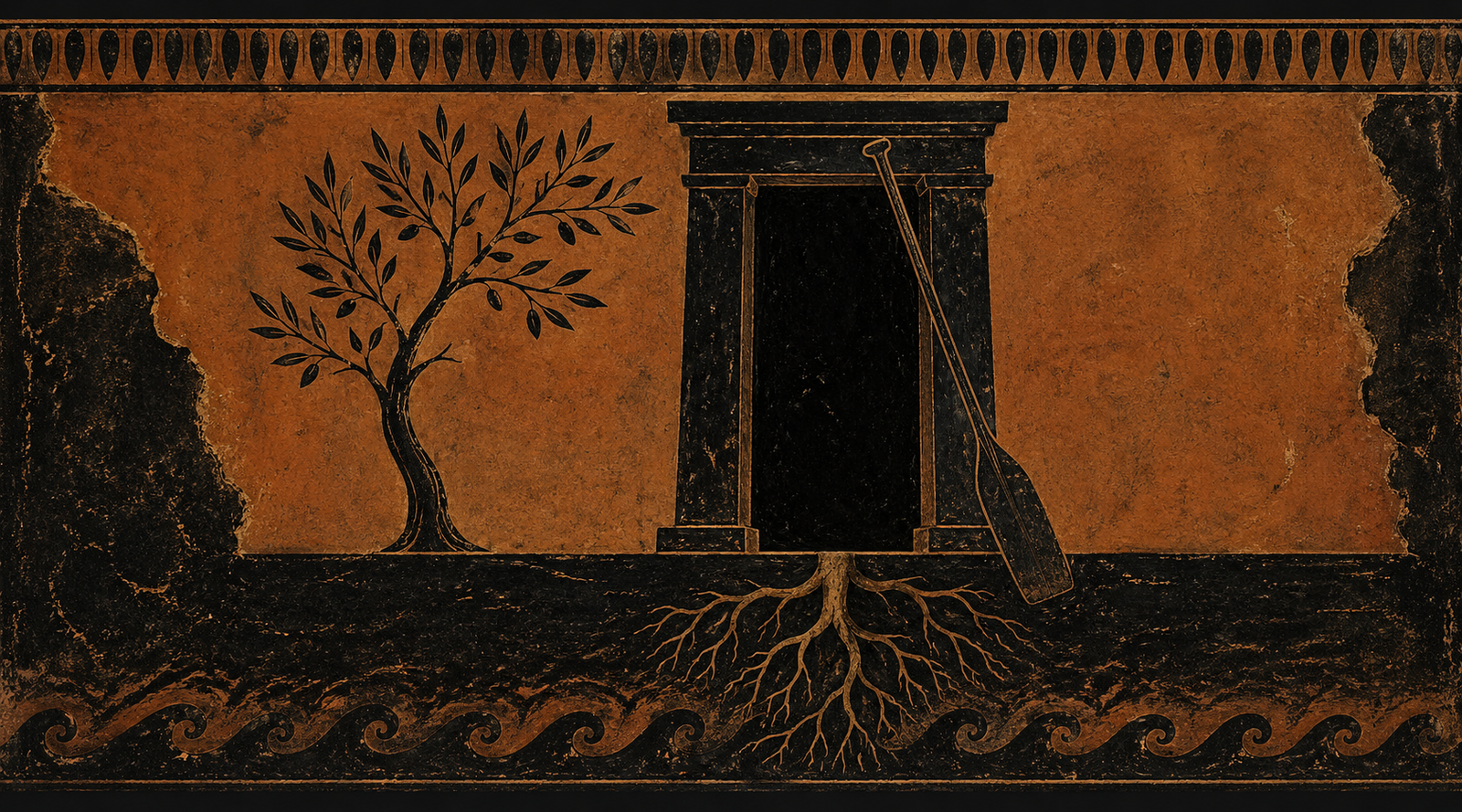

After the Door
Arrival is geographic. Return is moral. A ship can bring a man to shore, but no proof can make twenty years unhappen.
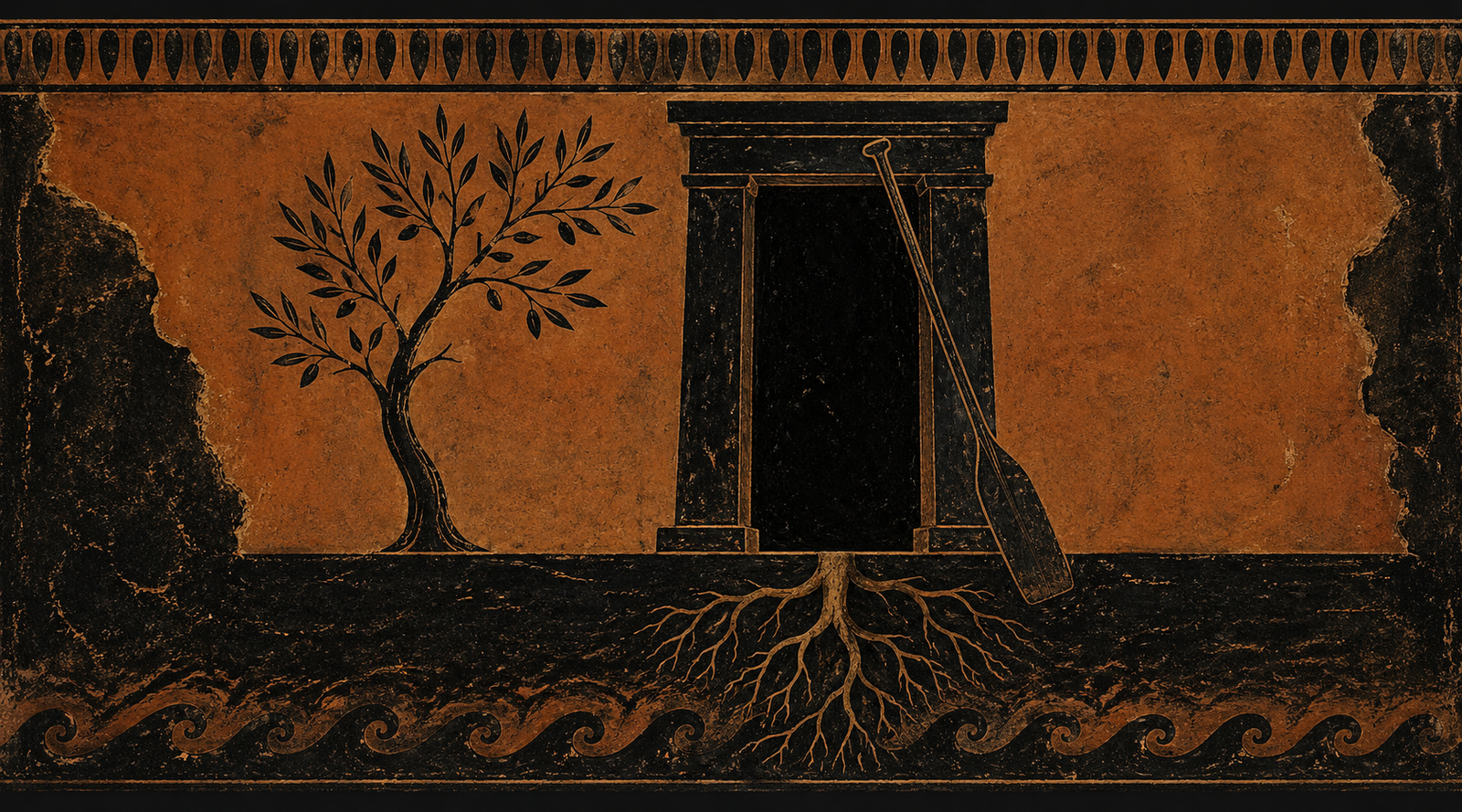

No Man Comes Home XII — The Long Work of Morning
No proof can make twenty years unhappen. No door opens backwards. Odysseus had come home by hiding, and now the house required him to be known
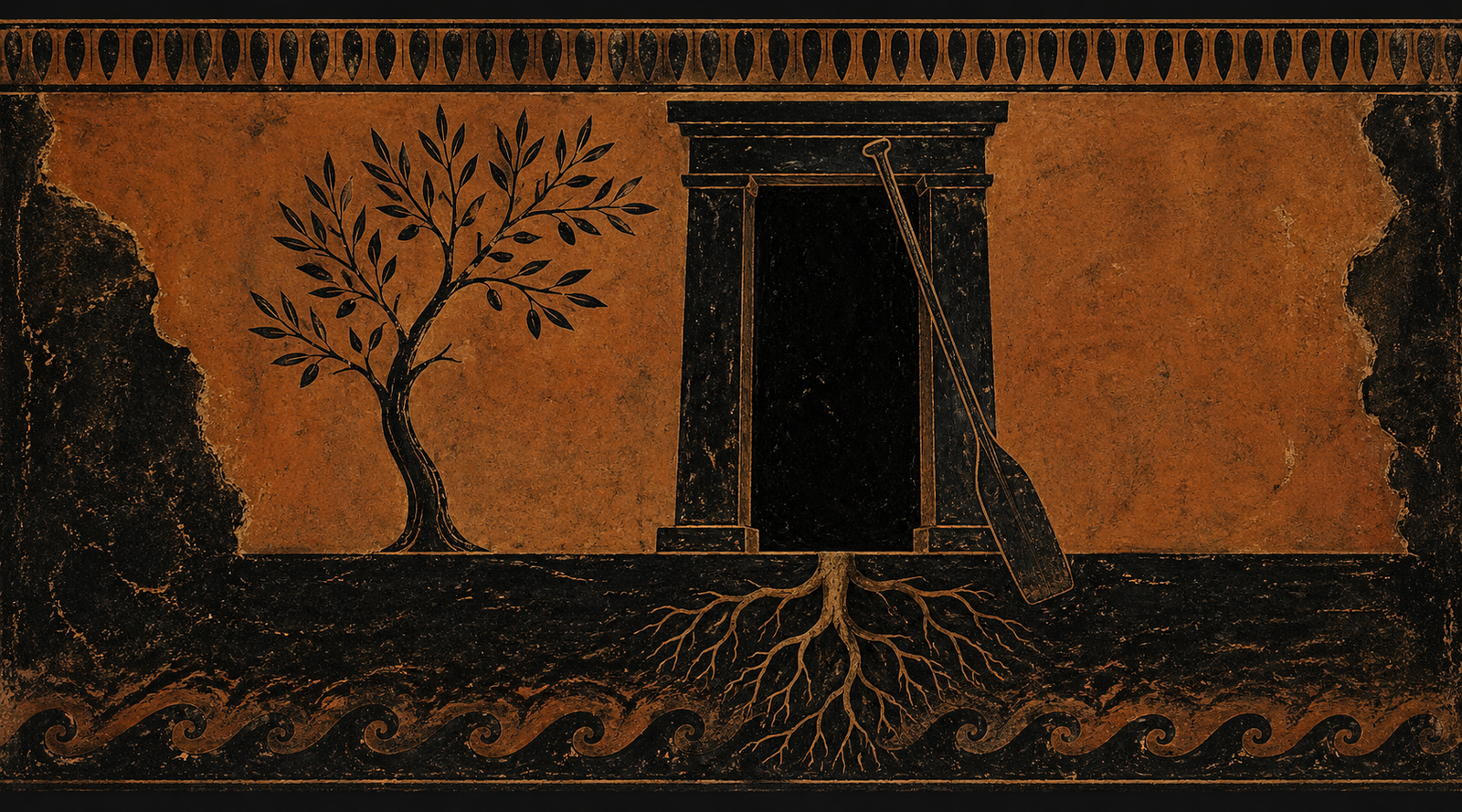

No Man Comes Home XI — The Woman Who Waited Without Waiting
The nurse had recognised. The son had recognised. The bow had recognised. Penelope would not let even the true Odysseus become another false completion.
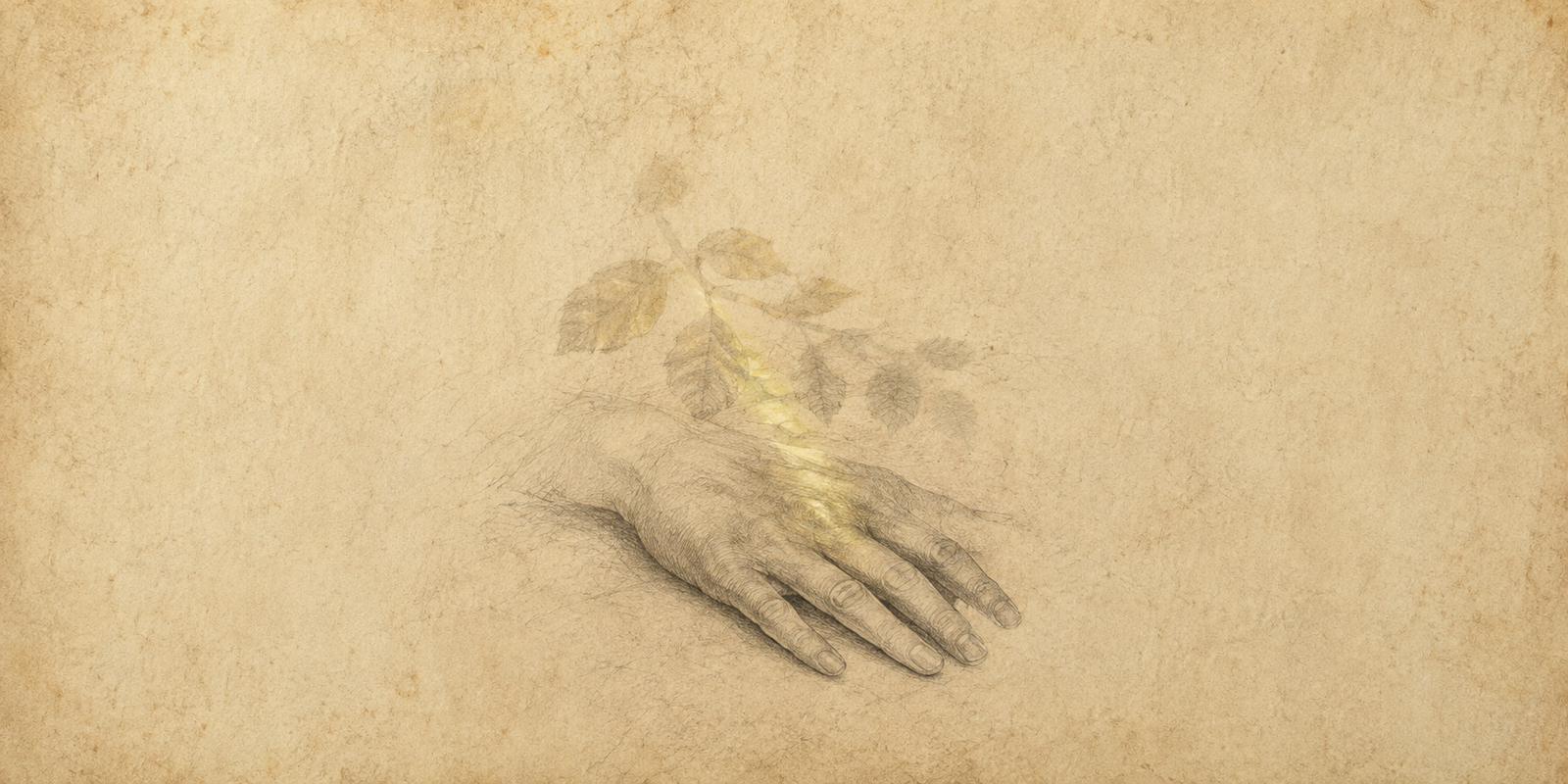

The Joy Sorrow Cannot Foresee
Sam wakes beneath green leaves and asks whether everything sad will come untrue—but Frodo’s wounded hand already complicates the answer. This Mytharium essay explores Tolkien’s eucatastrophe, grace at Mount Doom, and the sudden joy that does not erase sorrow but denies it final authority.

What the World Remembers
July moved through walls, bodies, songs, scars, cups, pages and stones—ordinary and mythic things that remember what human beings forget. Across Angkor, the Odyssey, Tolkien, Vedic creation, Greek war and quiet domestic rooms, the Library returned to one governing question: when memory fails, what in the world continues to know us?

The Mirror, the Ledger, and the Box
Three ordinary acts—tending a mirror, keeping a ledger, reading a page—draw three voices into the same unseen machinery. In this original flash-fiction triptych by Lucas Varro, hunger becomes debt, witness becomes participation, and attention itself acquires a price. Enter through Mirror Hunger, where one rule has always been enough: do not lean close.

What the Hand Knows
When does effort become interference? This contemplative essay from The Living Way explores wu wei, attention and the human compulsion to force—whether in work, conversation, ambition or the private demand that reality unfold according to plan.
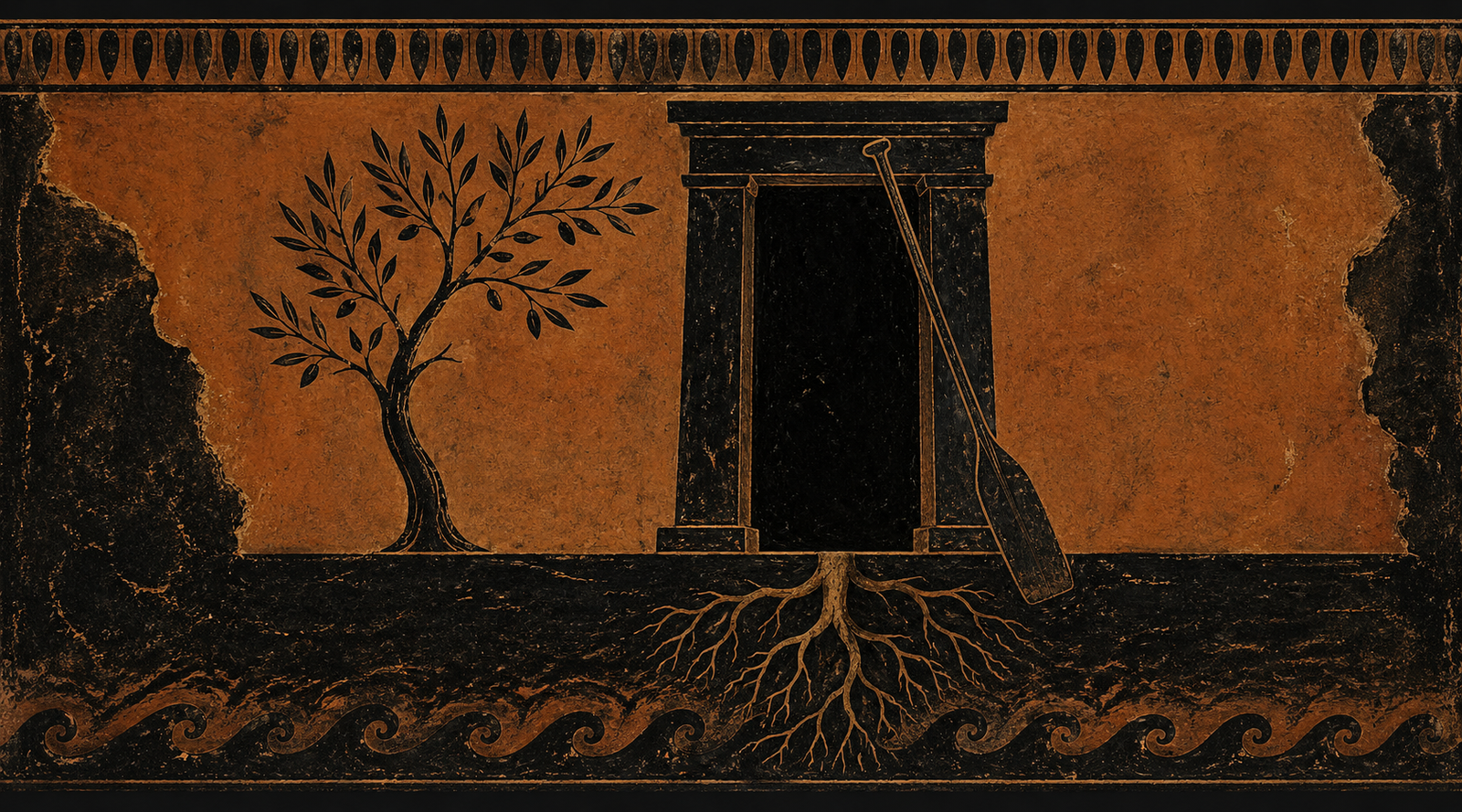

No Man Comes Home X — The Hall Reveals Itself
Odysseus returns to Ithaca disguised as a beggar, but the first creature to recognise him is the neglected dog Argos. In this severe literary retelling of The Odyssey, the king enters his own hall as need, and every act of hospitality, contempt and blindness becomes part of the house’s final testimony.
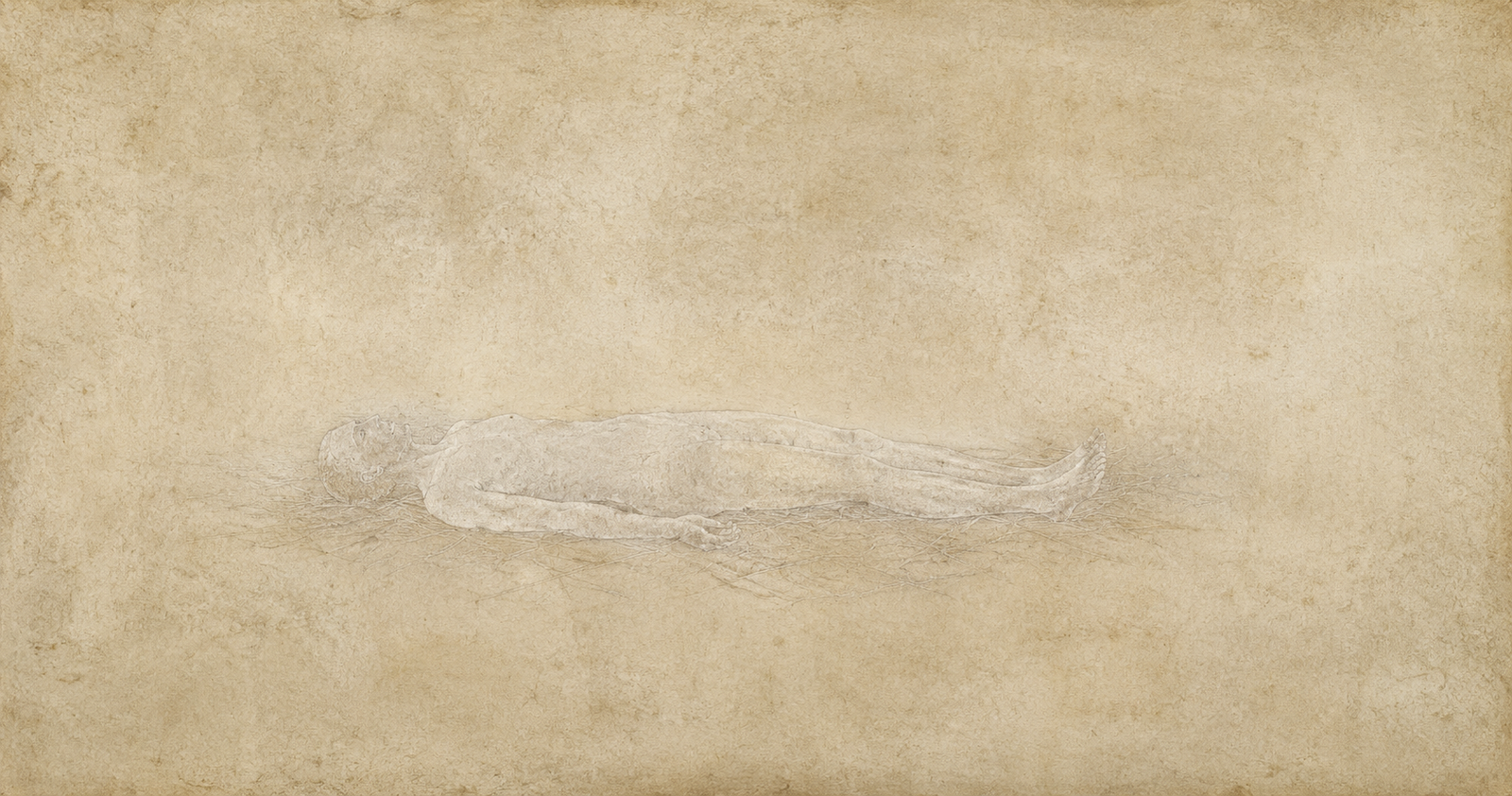

The Body on the Sacred Grass: A Vedic Myth Retelling
A source-faithful literary retelling of the Purusha Sukta from the Rigveda. The gods lay the immeasurable Purusha upon the sacred grass, and from the primordial sacrifice begin to emerge animals, ritual speech, human order, and the cosmos itself. Yet the world will receive only one quarter of him.
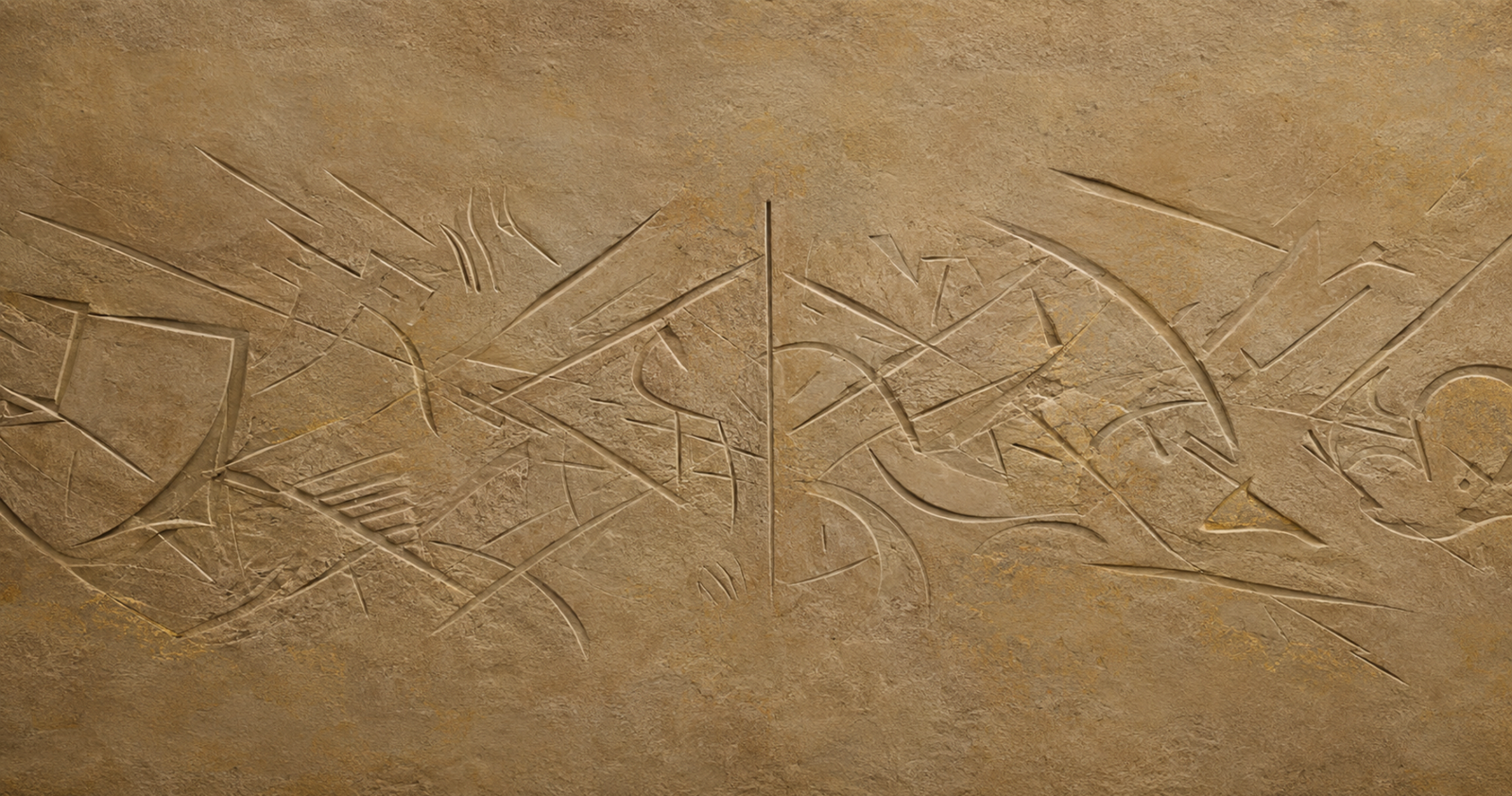

The Story on the Wall
At Angkor Wat, more than fifty metres of carved sandstone hold the Battle of Lanka. Rama is present, but he must be found. This Prologue to The Story That Became Cambodia begins with the monumental certainty of the wall—and asks what the finished image cannot reveal about the Ramayana’s earlier journey into Khmer history.
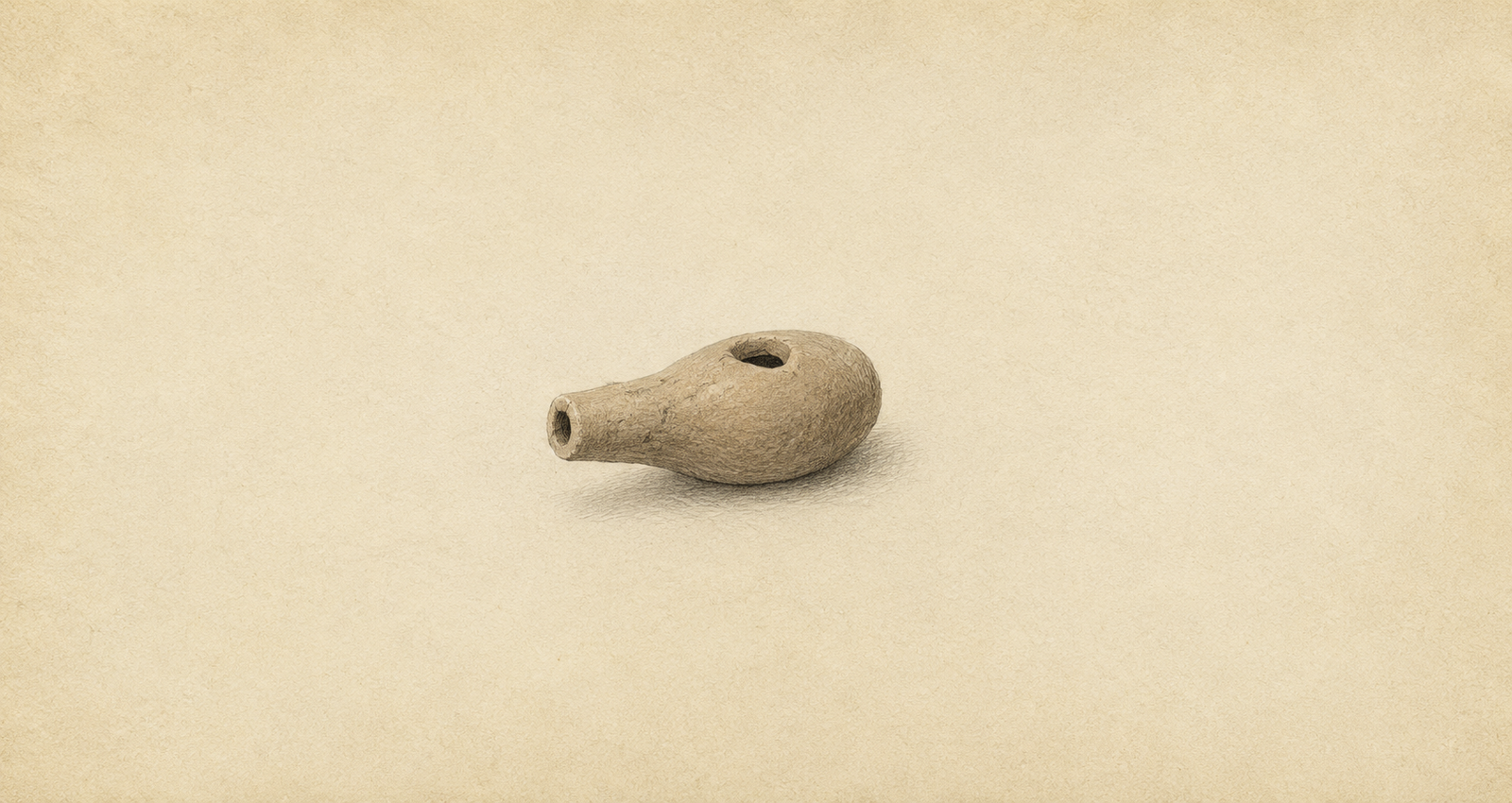

The Mouth You Gave Me
A spare lyric poem from The Vow on breath, speech, gratitude, and the received body through which every answer must be formed and released.

The Debt of Being Here
Before a vow is spoken, almost everything required to speak it has already been given. The mouth. The breath. The language in which one person may promise something to another.
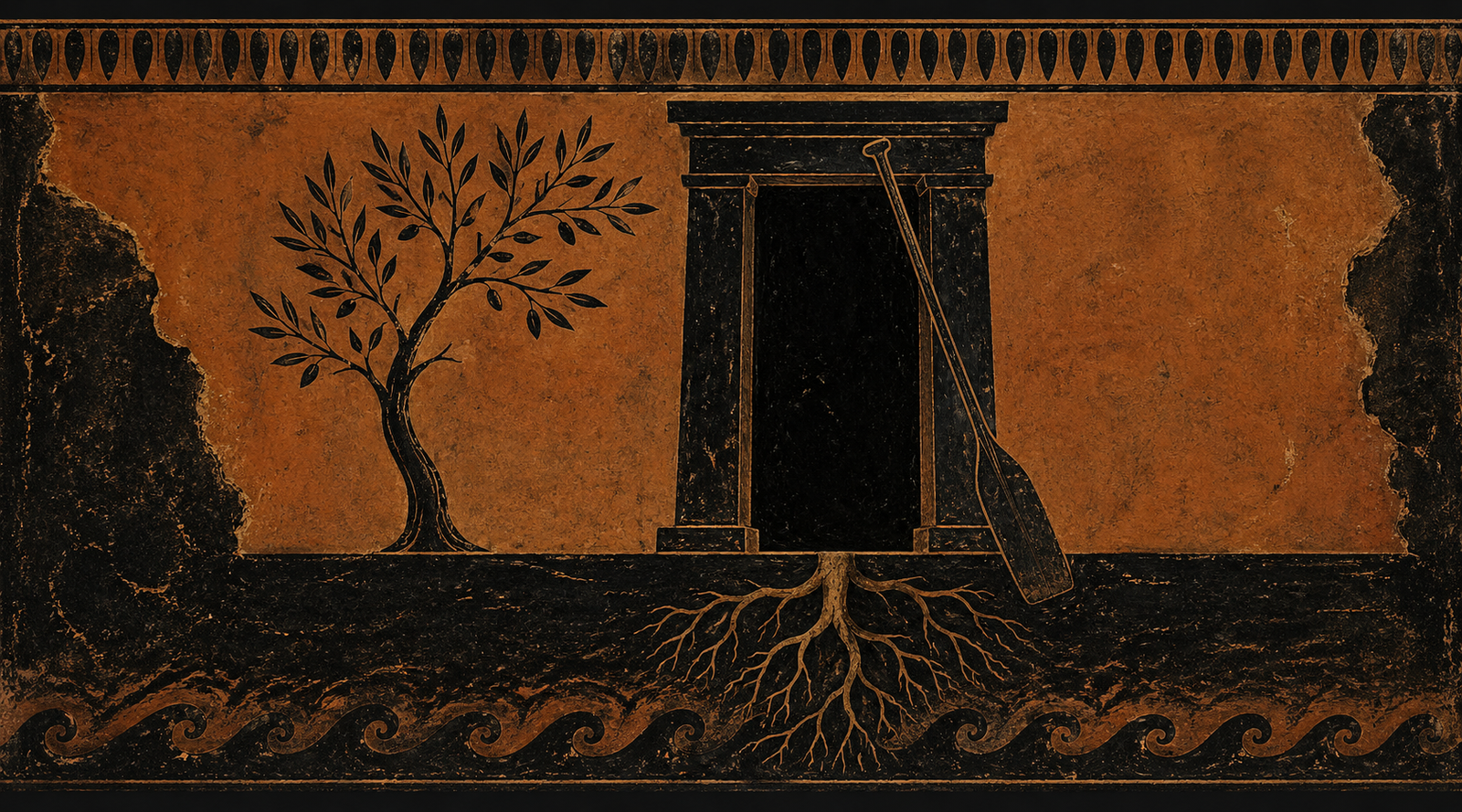

No Man Comes Home IX — The Beggar at His Own Door
Odysseus reaches Ithaca at last, but return does not grant him recognition, reunion, or peace. Disguised by Athena as a beggar, he must enter his own kingdom without name or power and allow the house to reveal what it has become. The ninth canto of No Man Comes Home turns homecoming into a test of loyalty, restraint, and concealed violence.

The Story That Became Cambodia
How did the Ramayana become part of Cambodia’s monumental, literary and performed imagination? This introduction opens a serial history moving from seventh-century recitation and Angkorian stone to the Middle Khmer Ramakerti, Buddhist painting and living performance—following what the evidence can carry and refusing to invent continuity where the record falls silent.
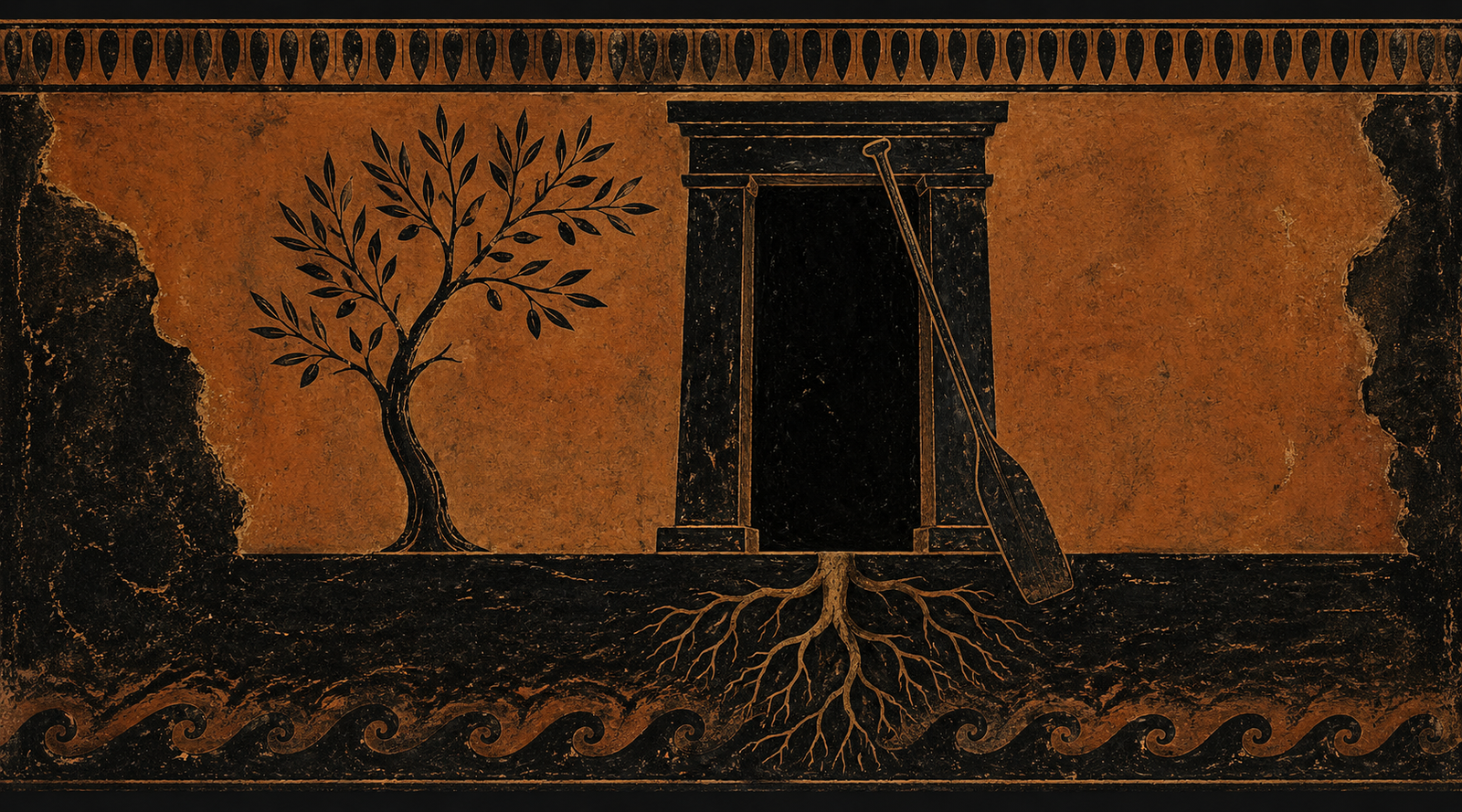

The Objects That Know Him
Name, oar, wax, scar, bow, bed, door: ordinary things carry a quieter authority beneath the marvels of The Odyssey. This House of Cadmus essay considers how objects recognise Odysseus, judge the concealments that preserved him, and make return more difficult than merely reaching Ithaca.

The Beauty Time Is Allowed to Make
A literary-philosophical essay on wabi-sabi, handmade kozo paper, and the modern demand for seamlessness. Beginning with red chalk meeting a resistant surface, Lucas Varro asks whether value must arrive untouched—and whether care becomes destructive when it begins erasing the visible history of objects and human lives.

No Man Comes Home VIII — What the Oarsmen Did Not Hear
Odysseus seals his oarsmen’s ears with wax and orders them to bind him to the mast. In this severe literary retelling of the Sirens episode from The Odyssey, knowledge becomes privilege, obedience becomes rescue, and command begins to reveal its hidden cost. The men will row through what they cannot hear. Their captain must live with what he alone receives.

The Body That Became the World
Before the world became separate things, the Rigveda gave it a body. This Mytharium essay reads the sacrifice of Purusha as an image of creation, sacred unity, social hierarchy, and the cost of becoming many.

Fires of the Old World XX — The Mud-Hunter
A hearthlit retelling of Arjuna and the Kirata from Fires of the Old World. A warrior seeks a divine weapon in the forest, but the god comes first as a mud-dark hunter, laughing beside a fallen boar, before the open hand can receive what pride cannot hold.
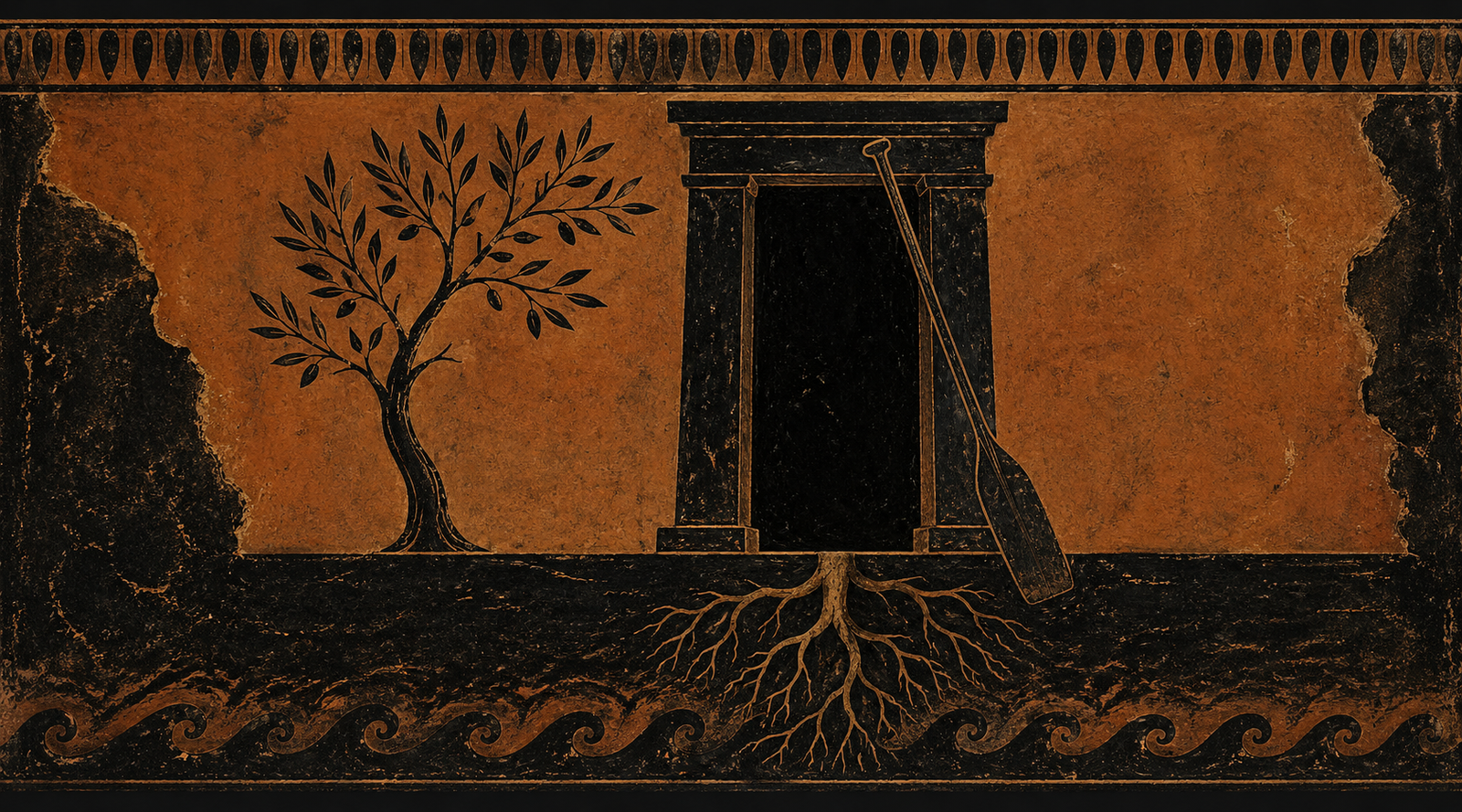

No Man Comes Home VII — The Dead Know the Way Home
Odysseus enters the underworld seeking the road to Ithaca. Before Tiresias can reveal the future, however, the dead confront him with an older obligation: the companion left unburied. A grave literary retelling of prophecy, memory, mortality, and the knowledge that every homecoming contains what cannot return.

Morgoth’s Ring: The World Evil Cannot Unmake
A serious Mytharium reading of Morgoth’s Ring, Arda Marred, Sauron, matter, evil, and Tolkien’s wounded but good world. The essay asks how deeply evil can enter creation without ever becoming its source.
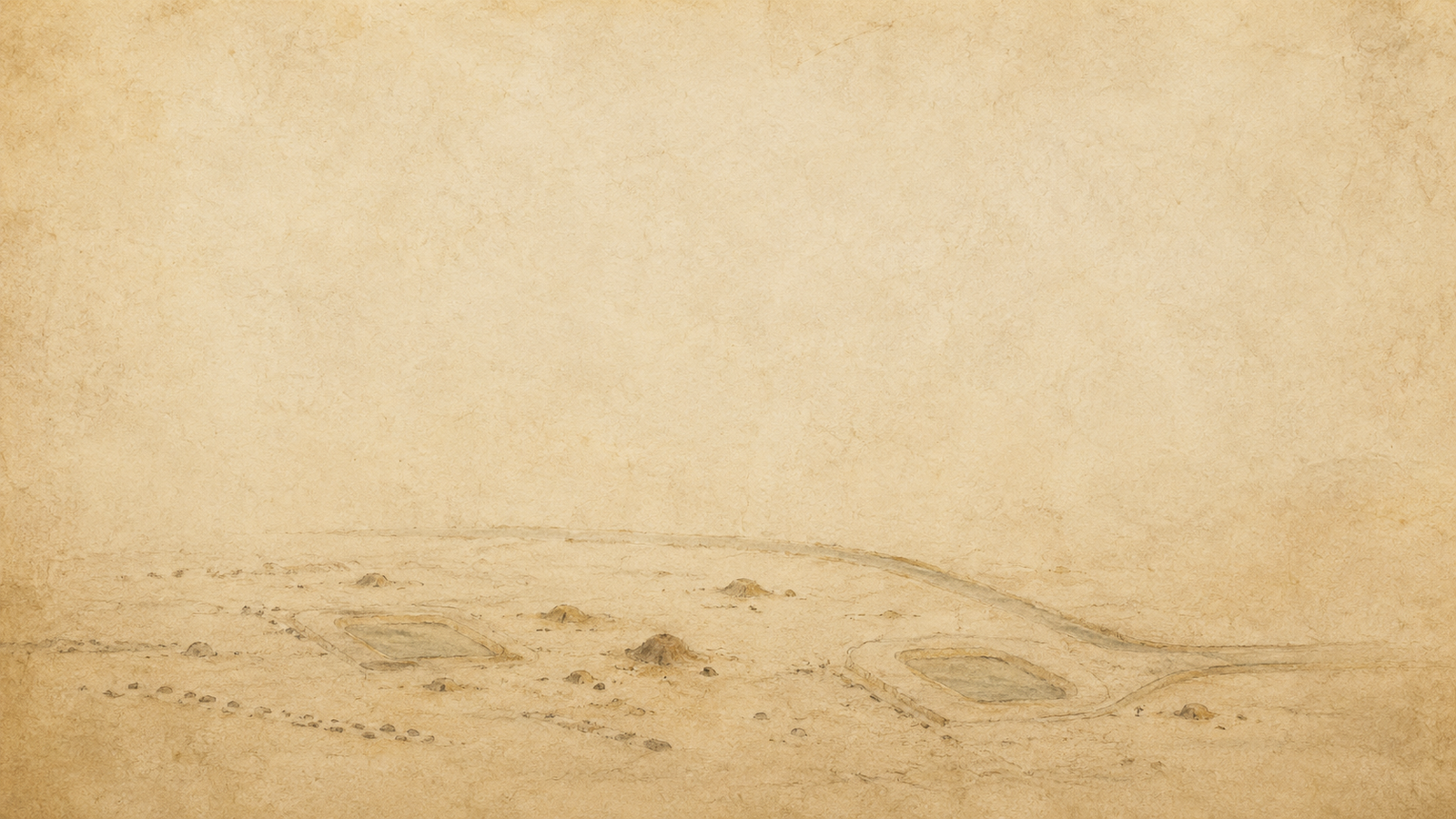

The City Behind the Temples
A contemplative Angkor essay on the empty-looking ground around the temples: mounds, ponds, roads, embankments, fields, water lines, and the vanished low-density city hidden behind the monument-centred imagination. After this piece, Angkor can no longer be seen as isolated monuments in emptiness.
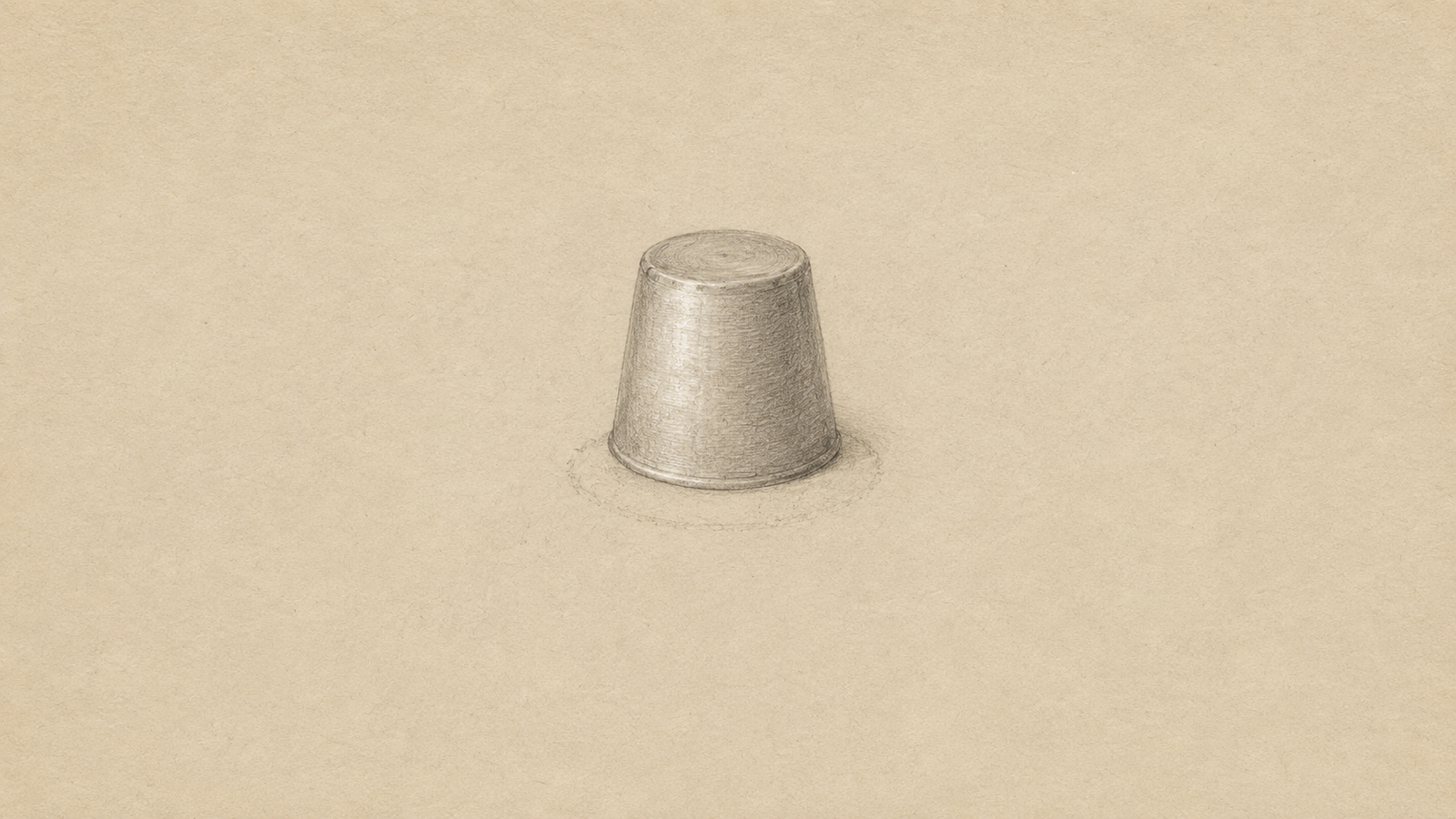

The Left Side of the Bed
A spare Penelope poem from The Vow, shaped through sandals, cloth, knife, cup, dog, and years of household time. The Left Side of the Bed lets ordinary objects carry the pressure of absence without explaining what they mean.

June 2026 in The Varro Library | Strangers, Stones, Wings, and the Work of Welcome
June 2026 moved through strangers, storms, sacred stones, wings, houses, and the difficult mercy of receiving what has not yet explained itself. This monthly Varro Library digest gathers The Lantern Chronicles, House of Cadmus, The Mytharium, The Alexander Series, The Hospitable Dark, and Medium into one guided archive.
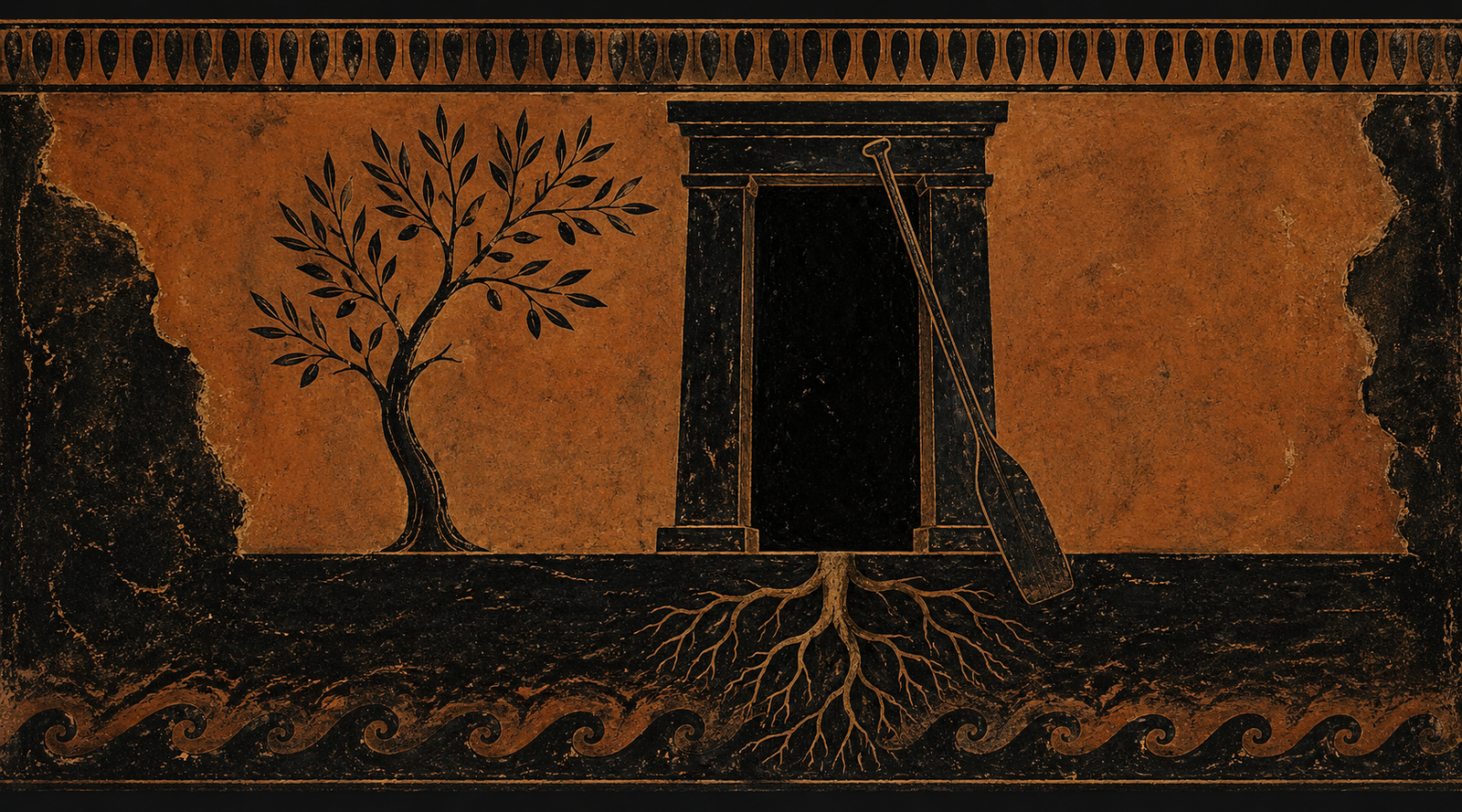

No Man Comes Home VI — The Oar That Could Not Belong
A grave Odyssey retelling from No Man Comes Home: Tiresias gives Odysseus a prophecy stranger than return itself. After Ithaca, after the suitors, after the bed and the bow, he must carry an oar inland until the sea’s own instrument is mistaken for something else.
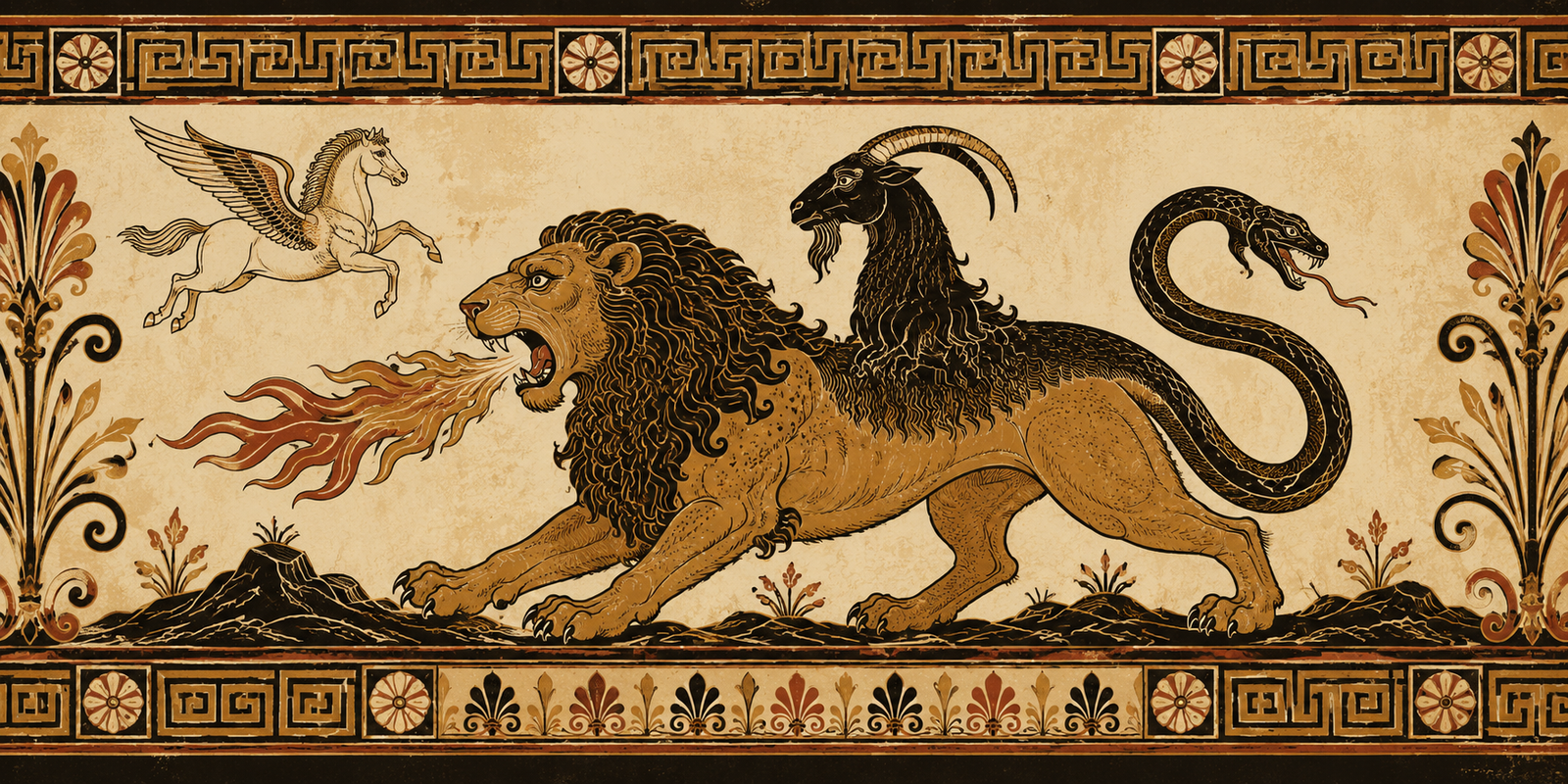

The Chimaera
A child-readable Greek myth guide to the Chimaera: lion, goat, serpent, fire, and the monster’s many joined dangers. This excerpt from The Greek World shows why Bellerophon needed Pegasus, and why the Chimaera is not merely a strange animal mixture, but a precise Greek monster-sign.

The Evil That Wants No World
A serious Tolkien essay on Morgoth, Sauron, domination, nihilism, and the difference between the will to rule and the will to unmake. The Evil That Wants No World asks why Sauron is Tolkien’s most immediate image of evil, but Morgoth is the deeper terror.
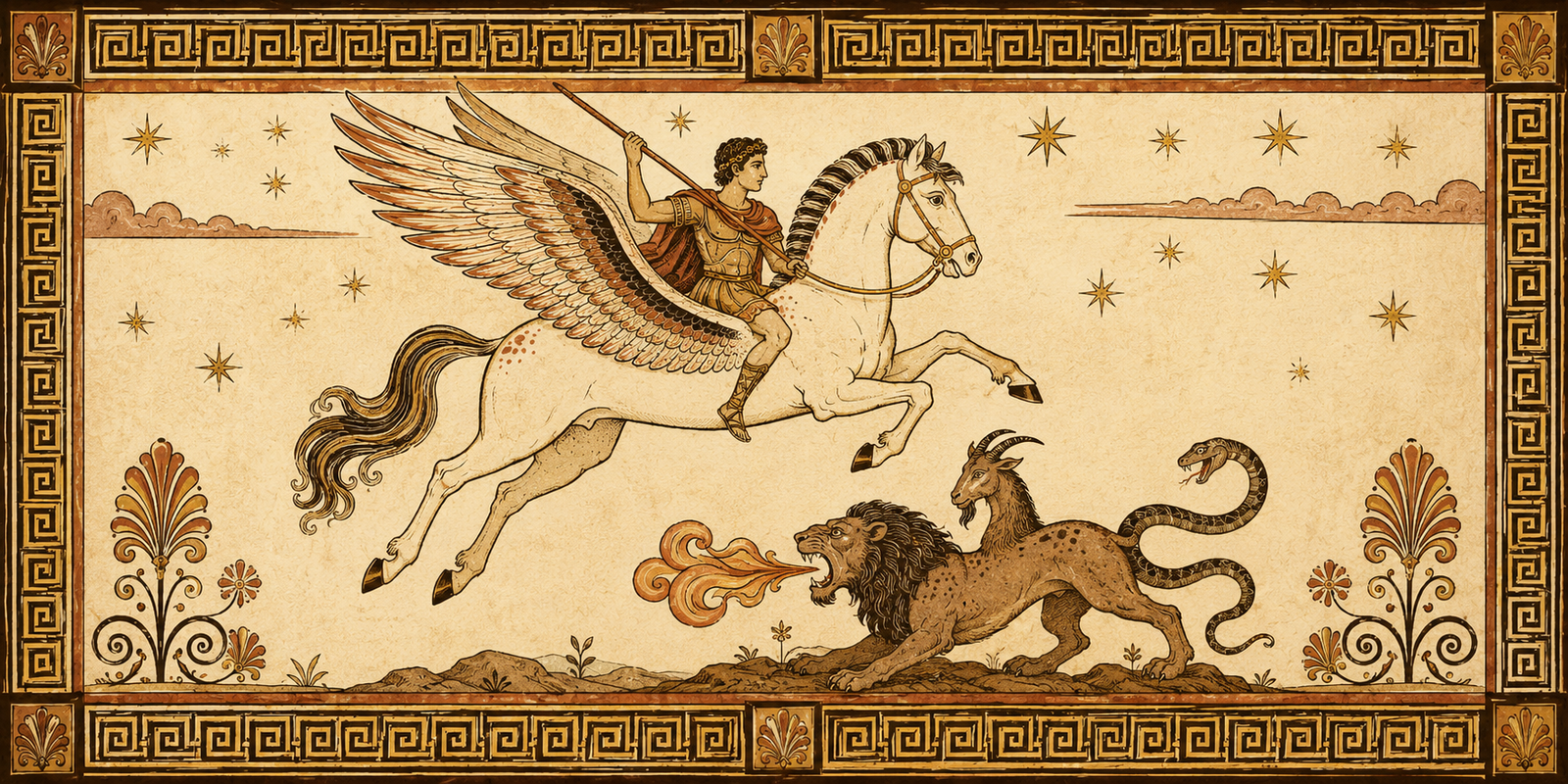

Bellerophon and Pegasus — A Greek Myth Retold for Children
A sealed message, a fire-breathing monster, a golden bridle, and the winged horse Pegasus. This Alexander Series tale retells the Greek myth of Bellerophon for serious child readers, preserving wonder, danger, courage, and the old warning hidden inside height.
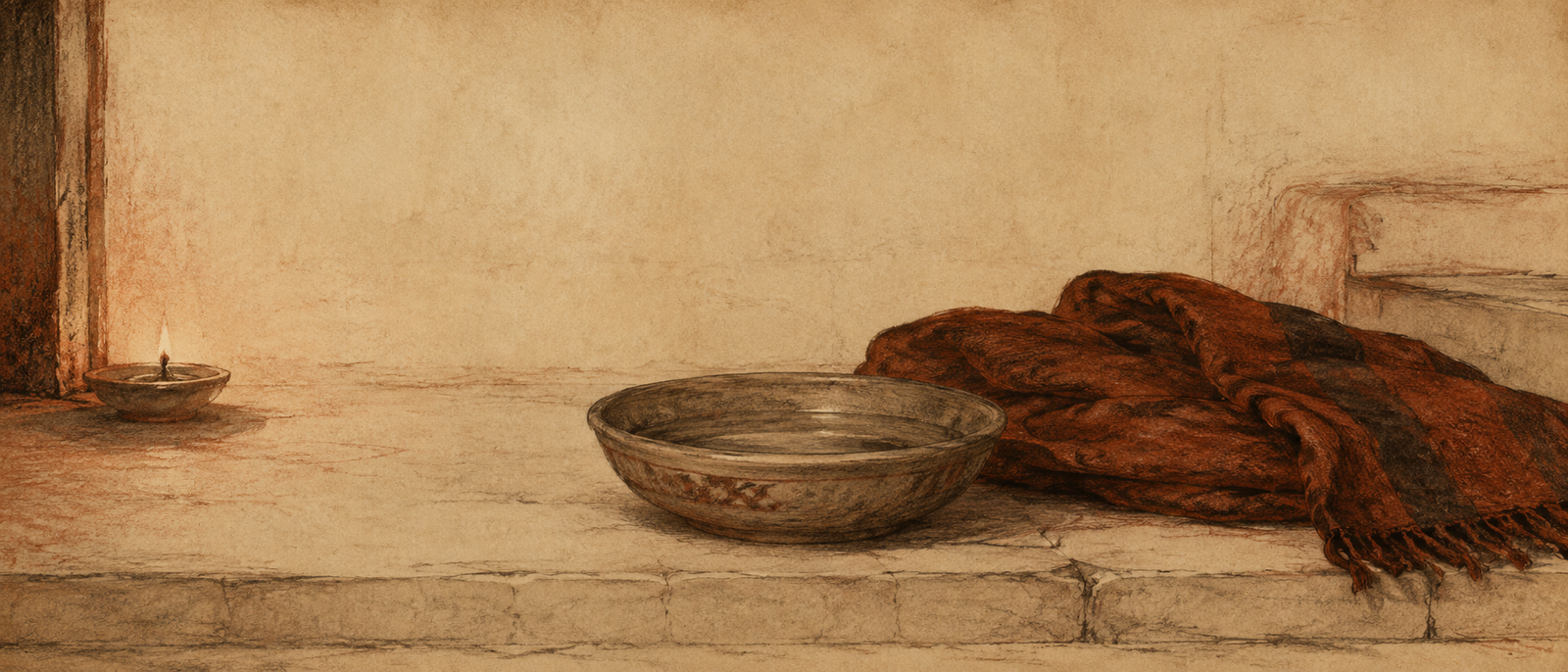

The Long Return VII — The Palace of Alcinous
Odysseus reaches the palace of Alcinous, but safety is not yet home. In this seventh instalment of The Long Return, hospitality becomes a moral test: a good house receives the stranger’s body before demanding his story.
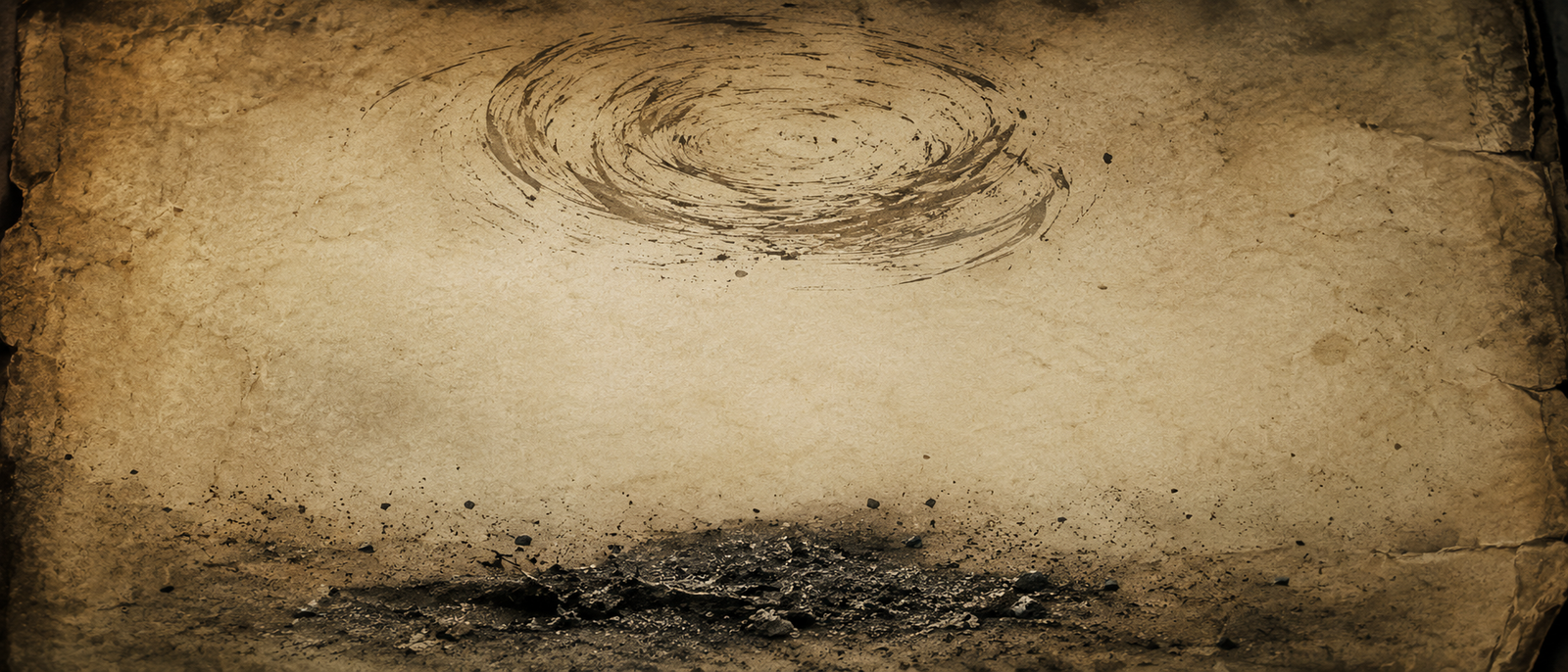

The Man in the Ashes
A grave Mytharium retelling from the Book of Job: a righteous man is brought to ashes, his friends sit with him in silence, and the old story begins its movement toward accusation, whirlwind, and restoration without erasure.
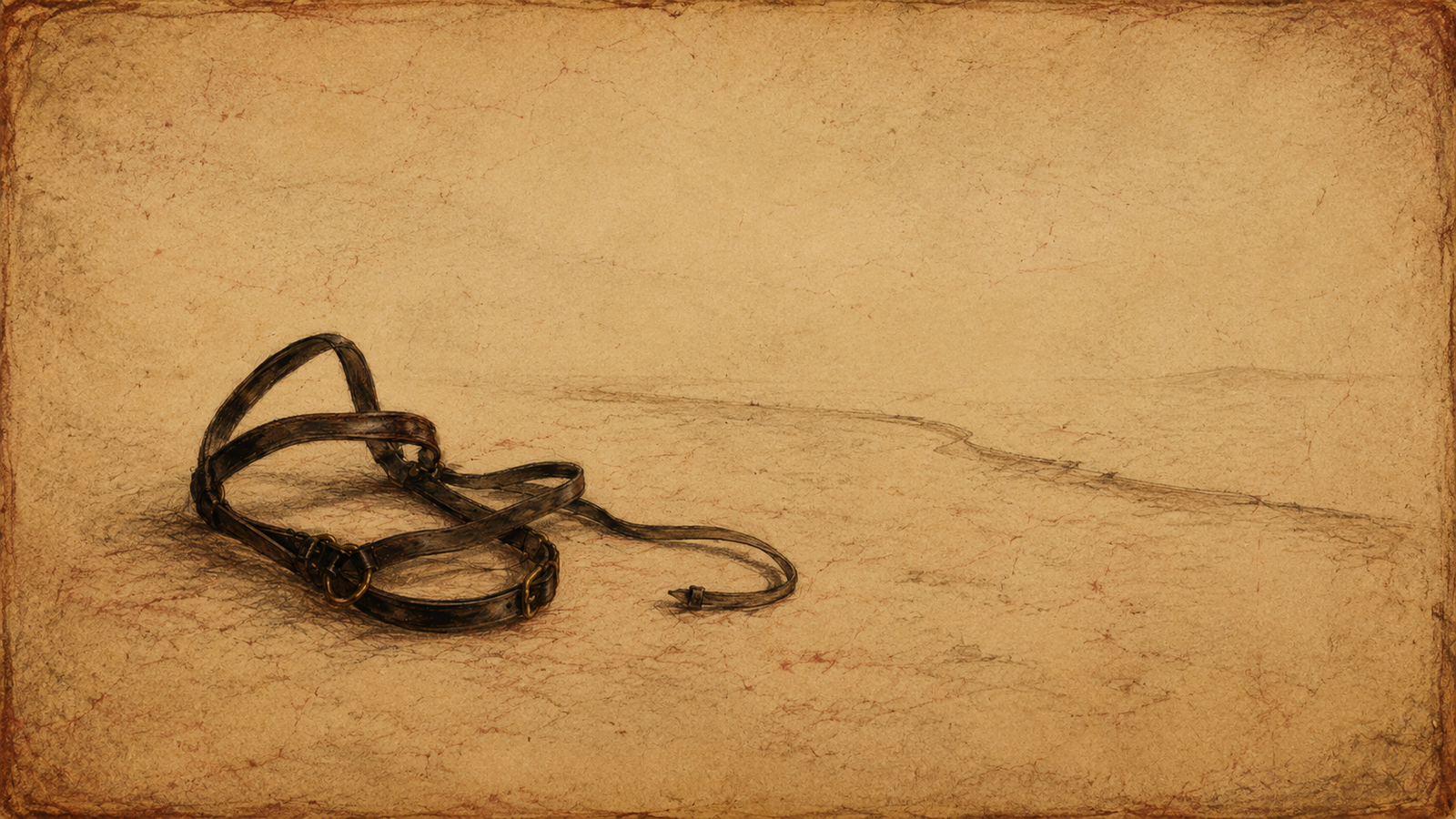

When Favour Is Mistaken for Right
A companion essay to Bellerophon — The Bridle and the Fall, exploring Pegasus, divine favour, the bridle, heroic ascent, and the danger of mistaking help for permanent right. From The Hospitable Dark, this essay asks why Bellerophon’s tragedy is not false greatness exposed, but real help wrongly remembered.

The Stranger Is Where Inheritance Is Weighed
A Living Way essay on faith, inheritance, empire, and moral humility. The Stranger Is Where Inheritance Is Weighed asks how the stories that form us can become either mercy or contempt — and why the true test of any tradition is whether it can still see the stranger.
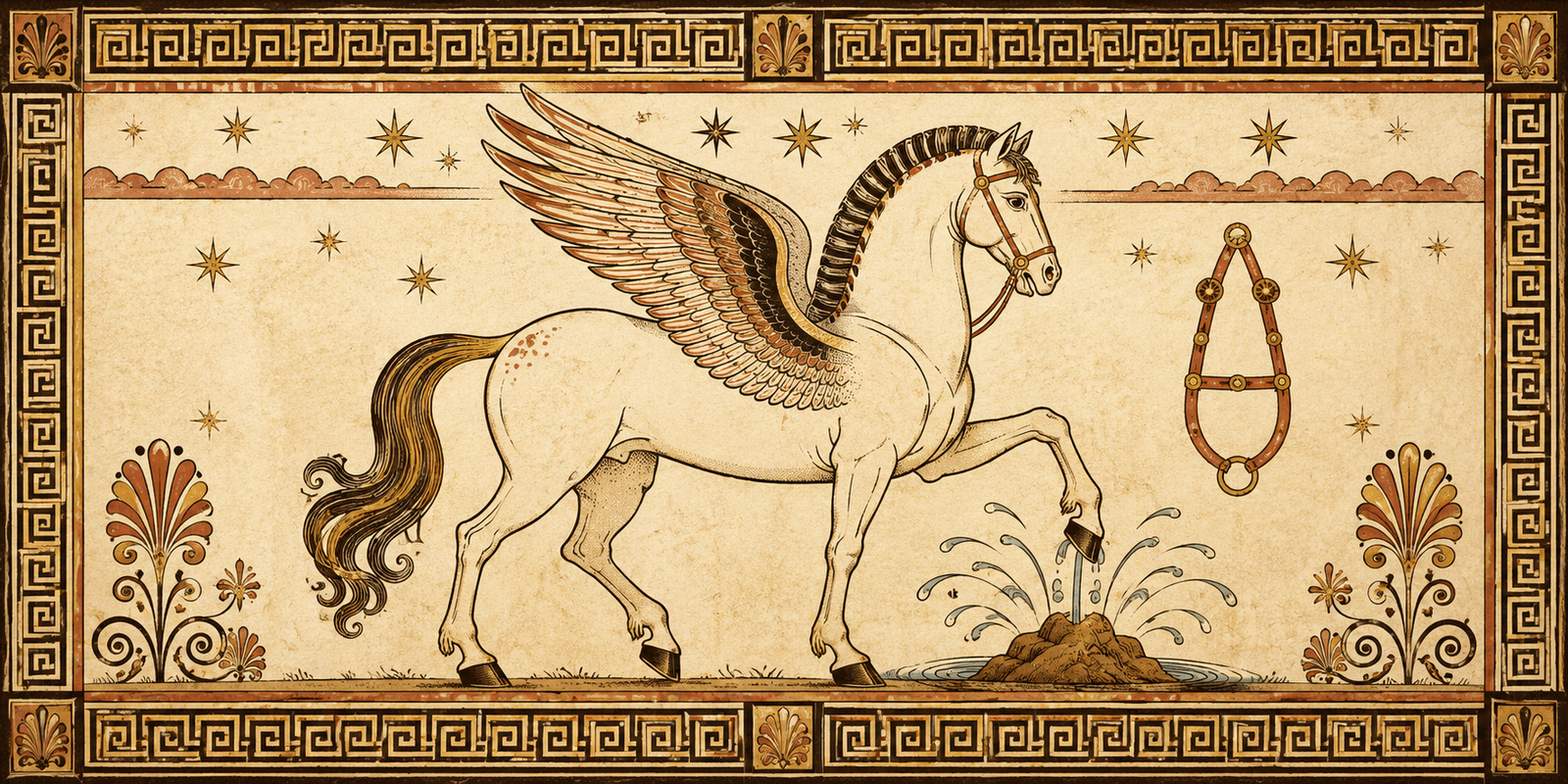

Pegasus
Before Bellerophon takes the bridle, a child should know that Pegasus is not a pet, not a cloud, and not a harmless fantasy creature. This Greek World entry introduces the winged horse of Greek myth as wonder with hooves, wings, danger, and rules.
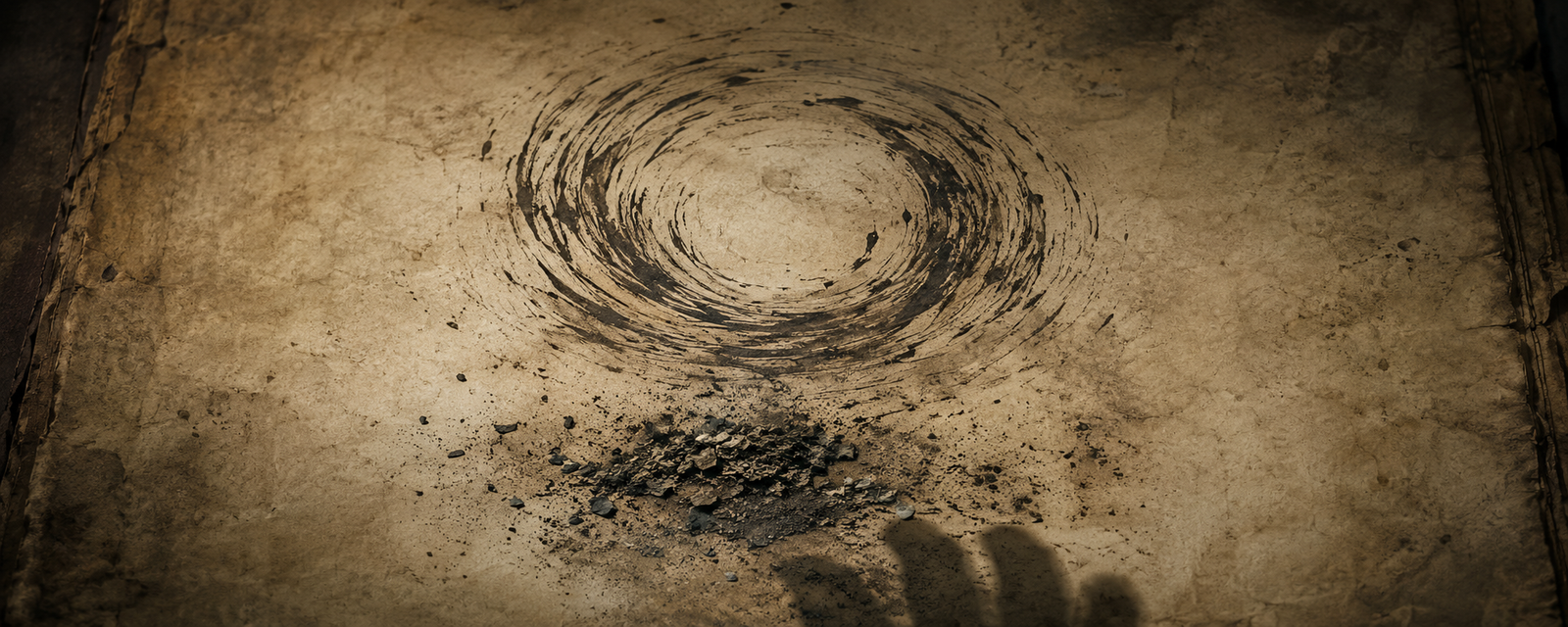

Job and the Answer from the Whirlwind
A serious Mytharium essay on Job, suffering, false comfort, and the voice from the whirlwind. The Book of Job does not offer easy explanation; it gives the sufferer scale, silence, and a creation accusation cannot fill.
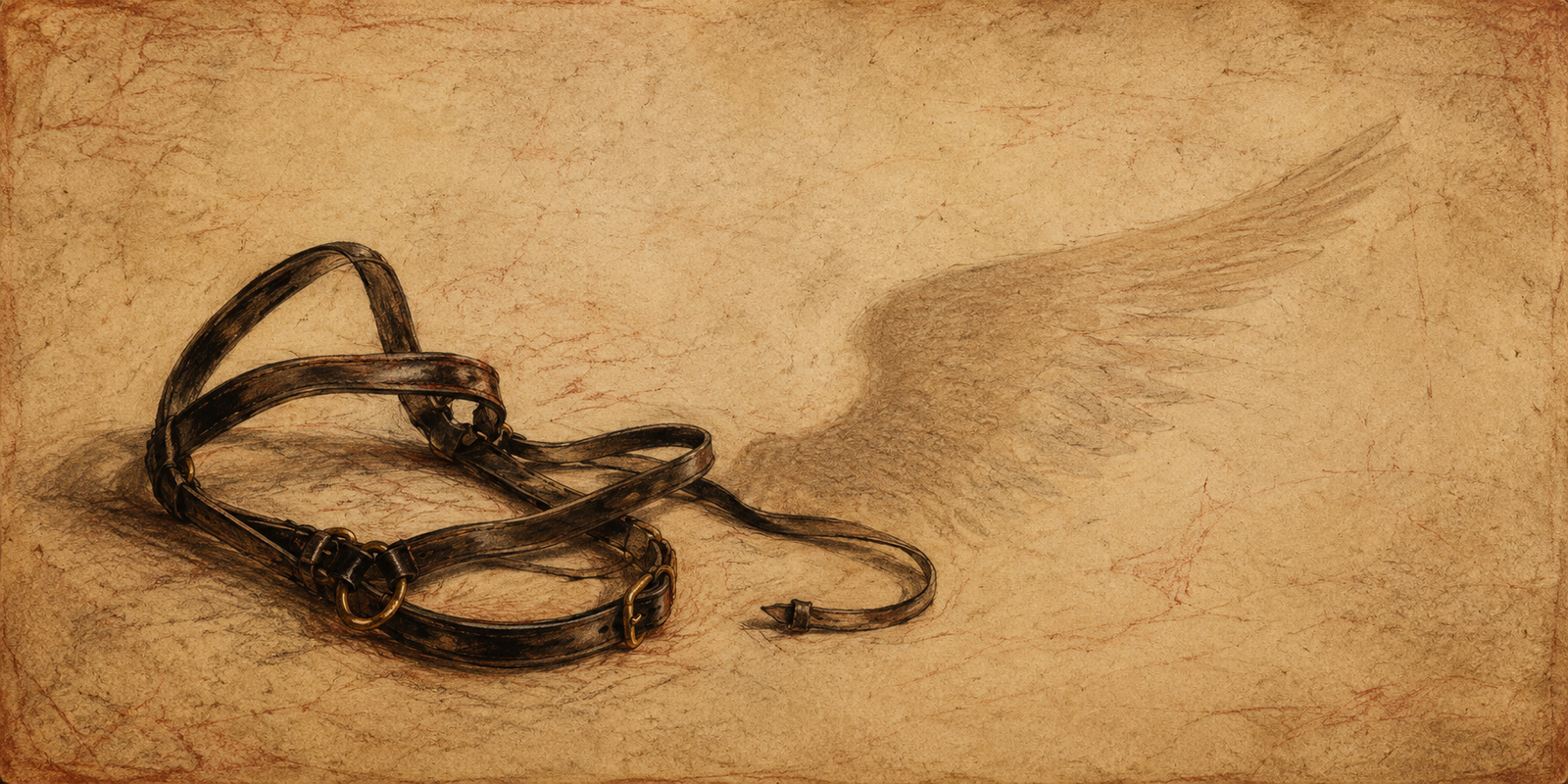

Bellerophon — The Bridle and the Fall
A literary Greek myth retelling of Bellerophon, Pegasus, and the divine bridle: a tale of heroic ascent, misremembered grace, and the moment a true gift becomes proof in the wrong hands. From The Hospitable Dark, where old stories are retold in a warm, grave voice.
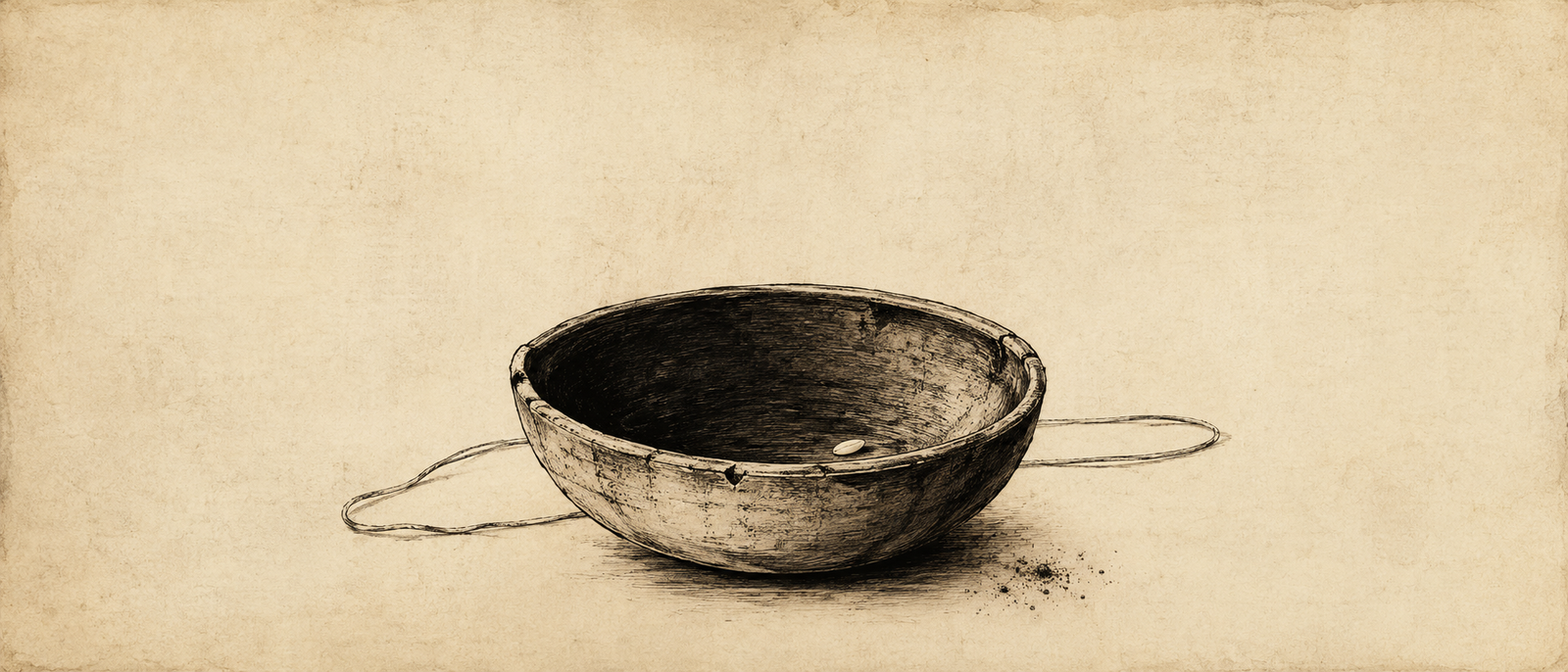

Fires of the Old World XIX — The Beggar God
A hearthlit retelling of Bhikshatana: Shiva enters the forest as a barefoot beggar, carrying only ash, silence, and an empty bowl. In this Fires of the Old World tale, spiritual pride is not defeated by argument or spectacle, but revealed by what the hand cannot yet release.
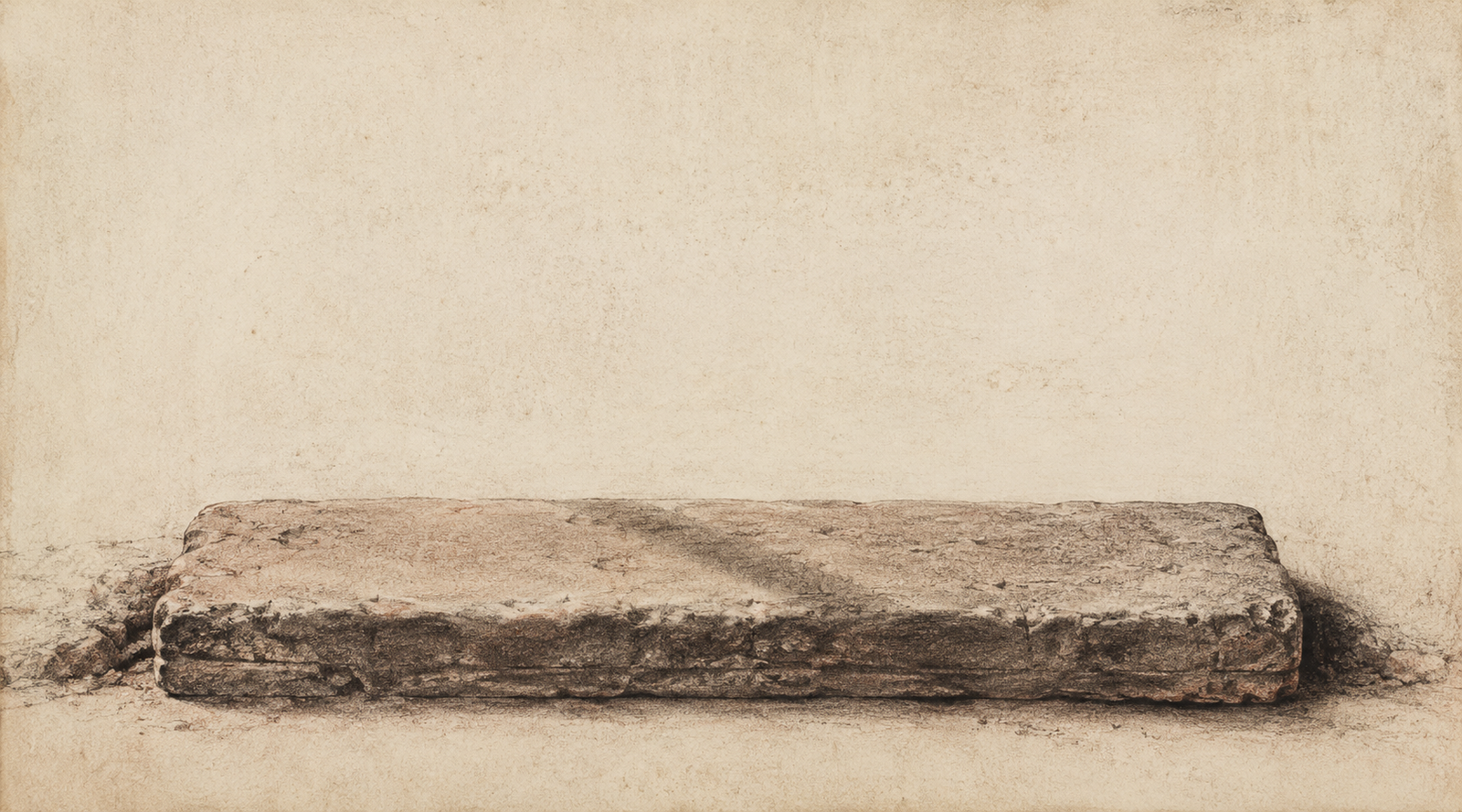

The Stone Is Not the World
A contemplative Angkor essay on how surviving stone has shaped the way Angkor is seen — and why the vanished world of wood, water, labour, smoke, roads, bodies, weather, and devotion must be allowed to return around the temples in What the Stone Hides.