
The Library gathers the written works of Lucas Varro — journals of the temples, mythic retellings, contemplative essays, poems, and volumes shaped by shadow, silence, and wonder. Here, words stand beside images as offerings: field notes from Angkor, meditations on sacred stone, old stories rekindled, and reflections carried beyond the visible world.
Within these shelves you will find many rooms: Angkor journals, myth and legend, apsara meditations, contemplative essays, poems, children’s mythic wonder, literary retellings, and quieter devotions of the page. Wander chronologically, enter by theme, or pass through one of the dedicated publication houses now gathered within the wider Library.
For those who wish to follow these paths further, several of these writings continue on Substack and in dedicated archive blogs: The Lantern Chronicles , where myth, legend, contemplative essays, poetry, and other imaginative works are carried onward; The House of Cadmus , where Greek myth and tragedy are reopened through inheritance, violence, fate, and recurrence; The Mytharium , where myth, Tolkien, fairy stories, and old literature are read and retold with seriousness; The Alexander Series , where A. M. Sharp retells Greek myths for children who want to be trusted by stories; and The Hospitable Dark , where A. M. Sharp offers literary myth retellings shaped by darkness, shelter, endurance, and return.
Library
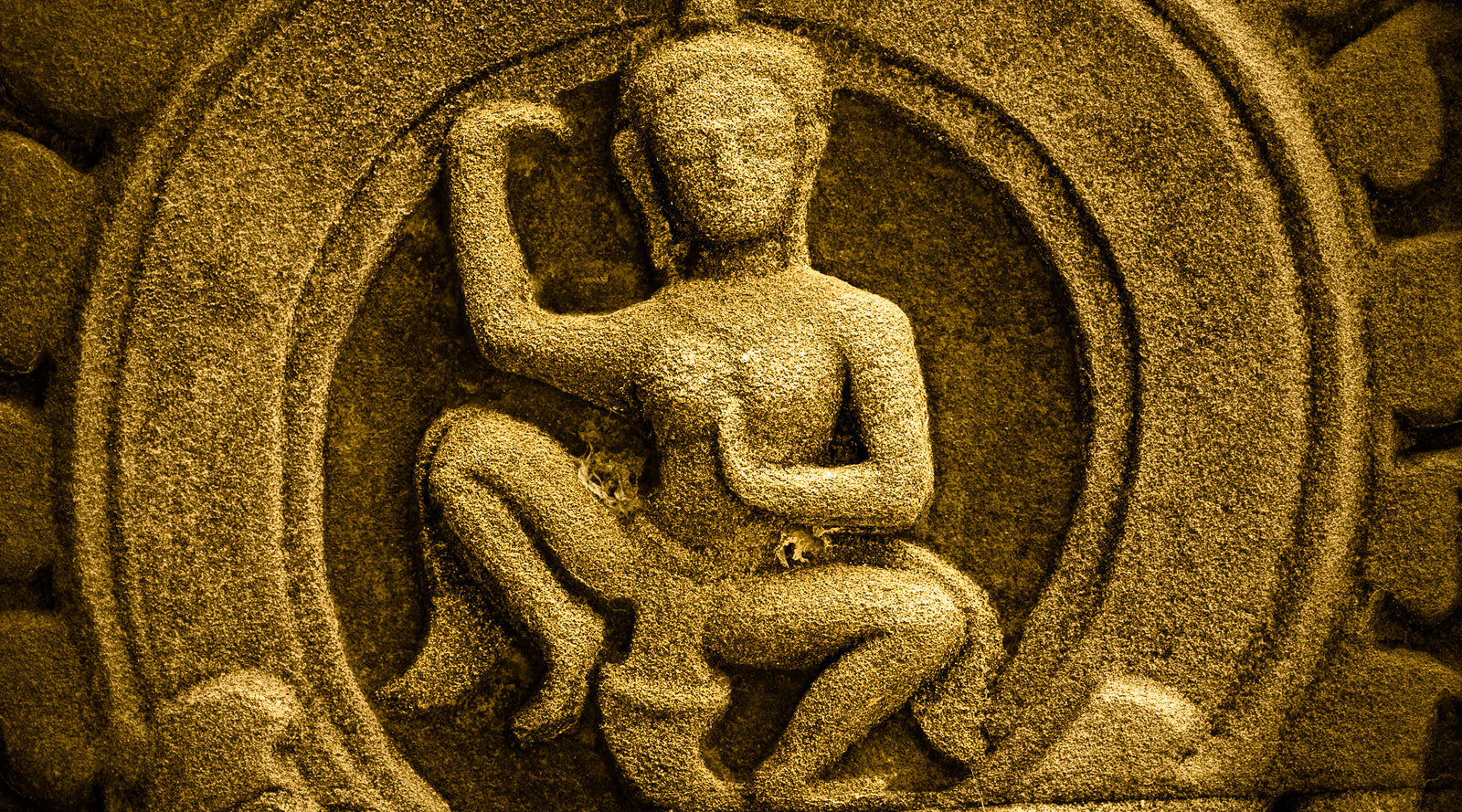

Where Joy Still Breathes
Before the shutter, gold pressed into the leaves. A dancer turned inside the stone, listening for the step that never ends.
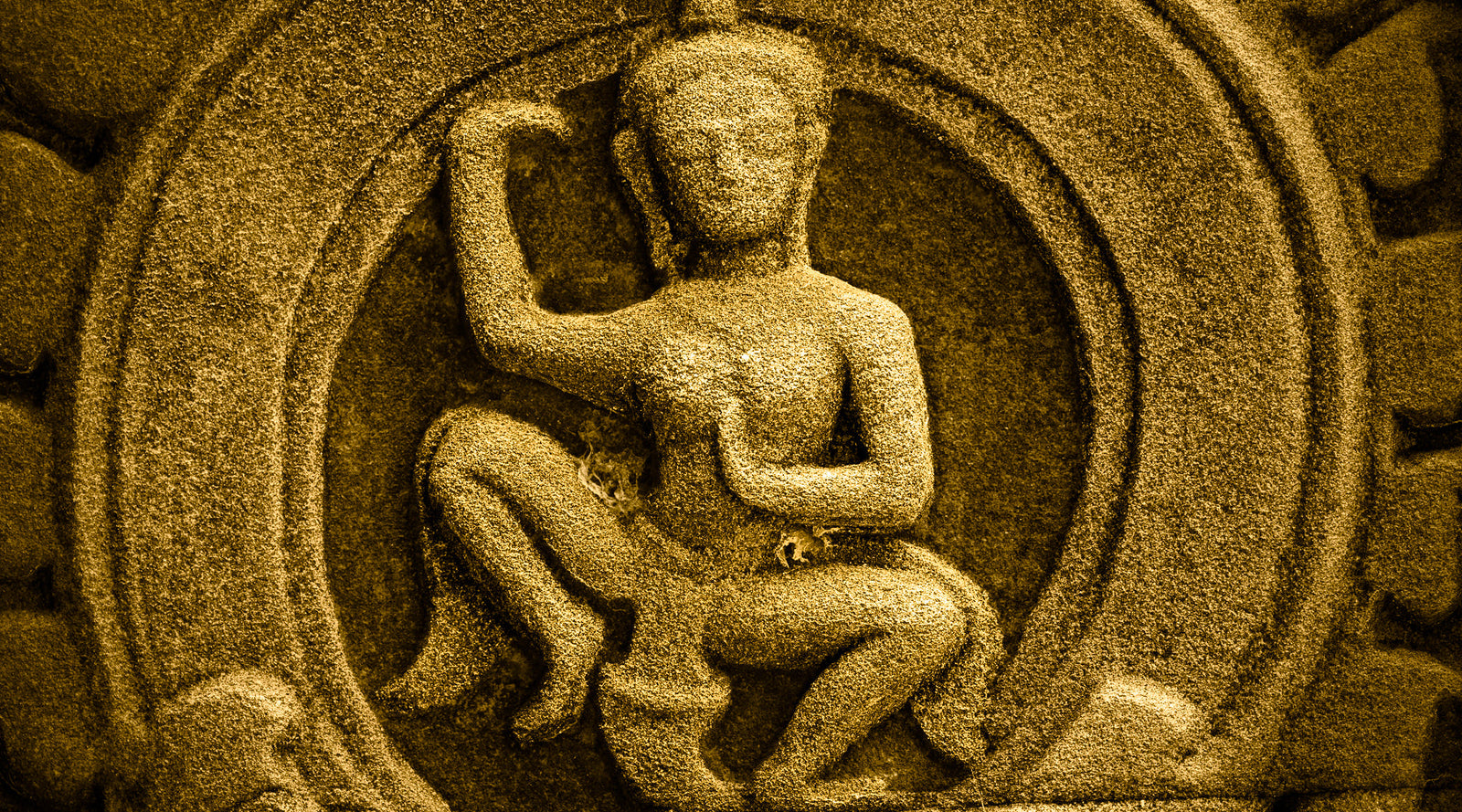

A Gesture Held in Light
At the edge of dusk, a single gesture glows within stone. A foot lifts. A smile remains. The wall does not move—and yet she dances.
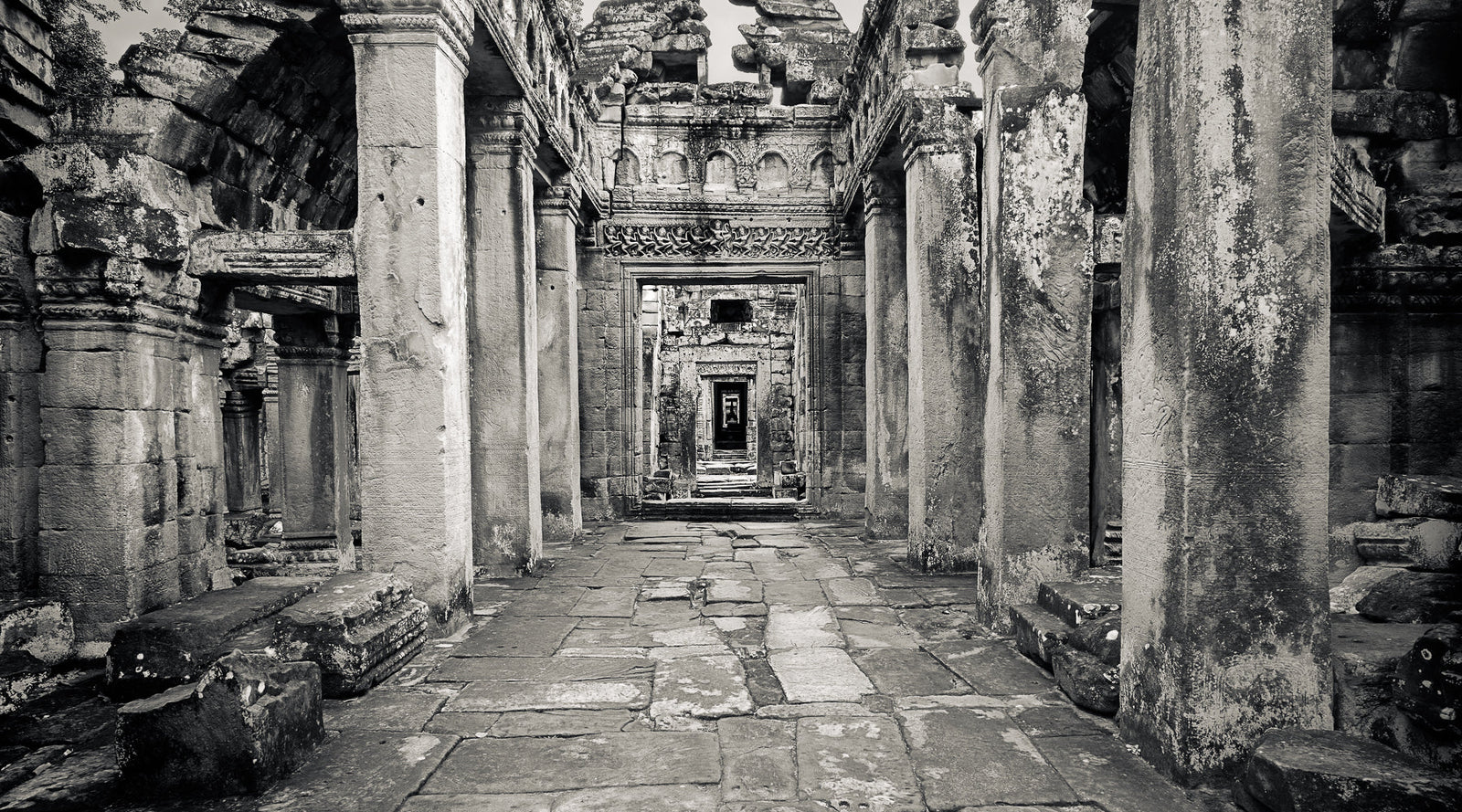

The Silence That Still Walks
The roof is gone, but the temple breathes. This longform reflection invites you through corridor and shadow into the silence that remains—not as ruin, but as presence that never left.
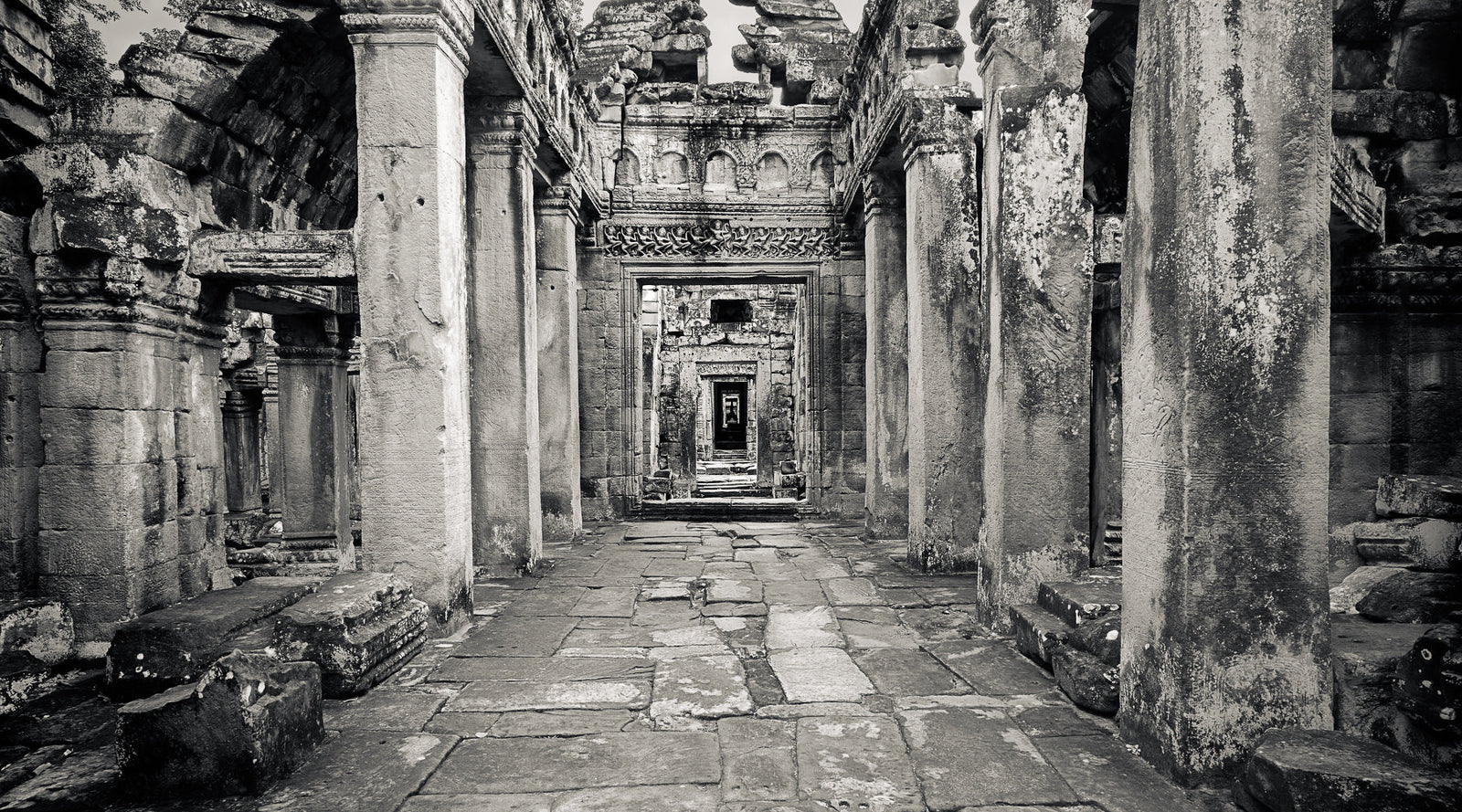

Stone Still Holding Breath
Nothing moves. And yet, the breath returns. This haibun brings you to a single moment in the Hall of Dancers, where a wall receives light as if listening—and where silence is never empty.
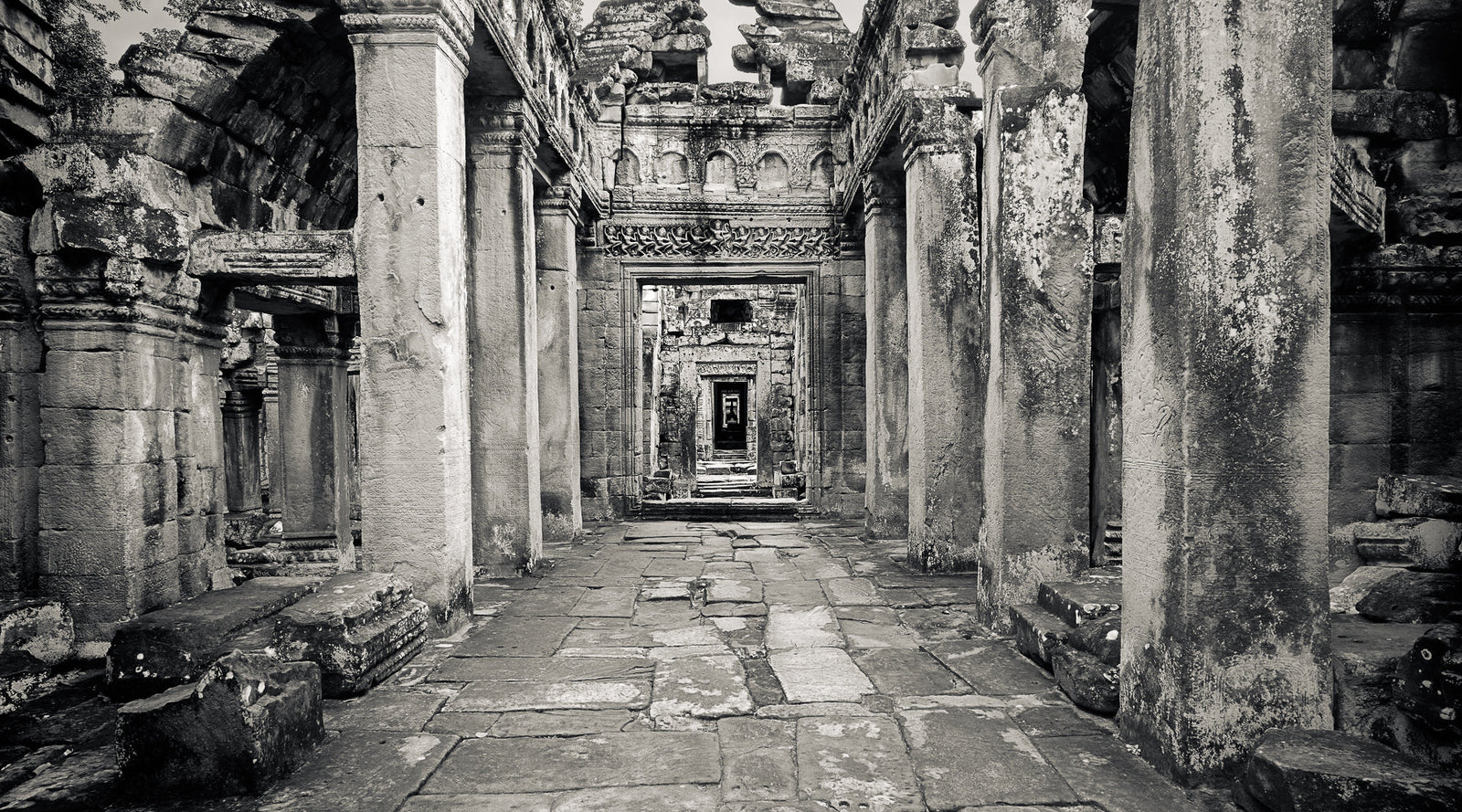

What the Dancers Still Remember
Columns lean and light listens. This piece begins in the hush after rain and unfolds into a quiet poem—a meditation on memory, apsaras, and the breath that returns to what still listens.
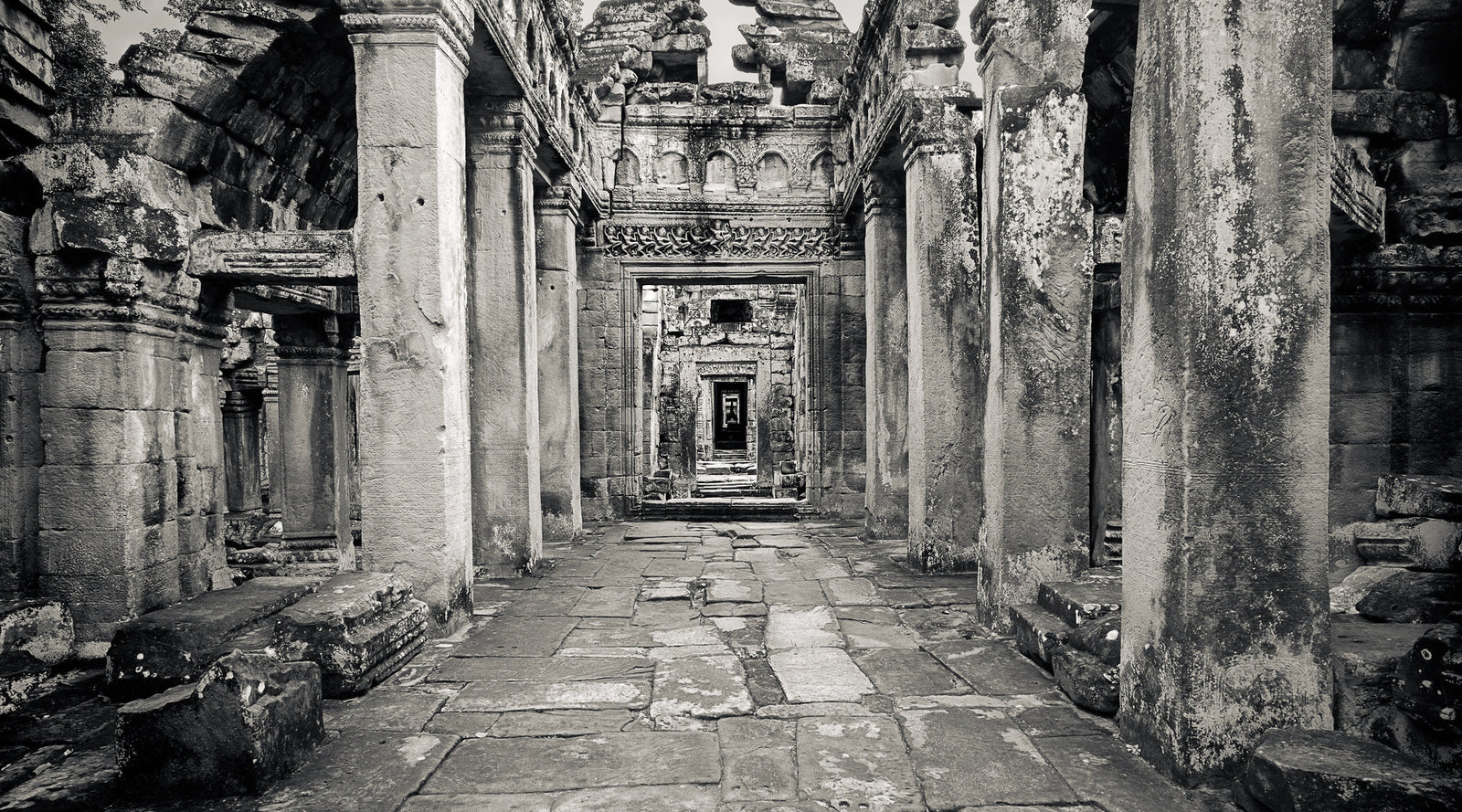

A Breath Beneath the Broken Roof
The roof is gone, but the breath remains. In the hush after rain, the artist waits beneath a listening apsara as light walks in. This journal entry is an offering in stillness—where nothing is lost, and presence endures.
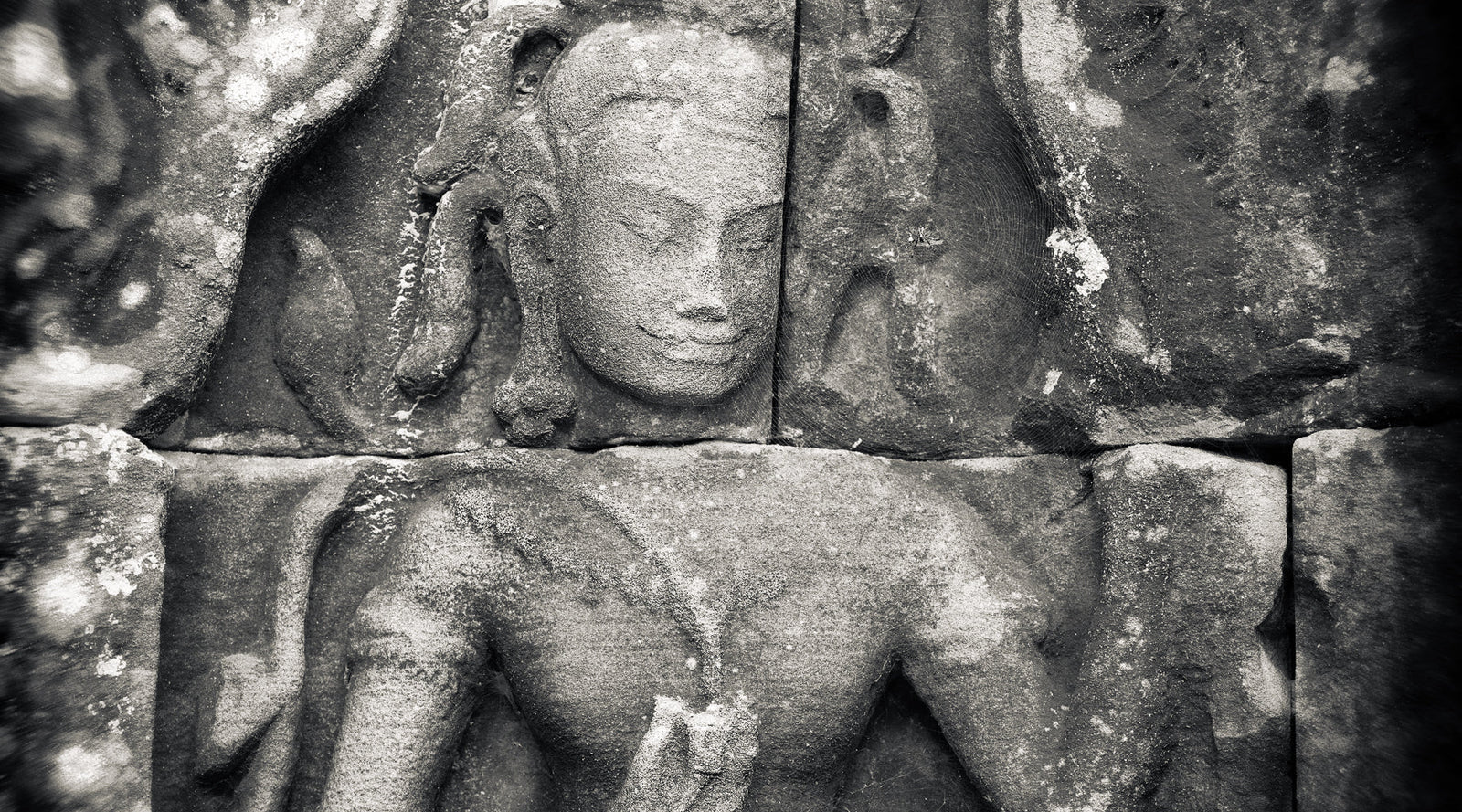

“Grace That Remains After Rain”
After the rain, she offers no display—only a smile softened by time, a lotus held in hush. This print keeps company with what still listens.
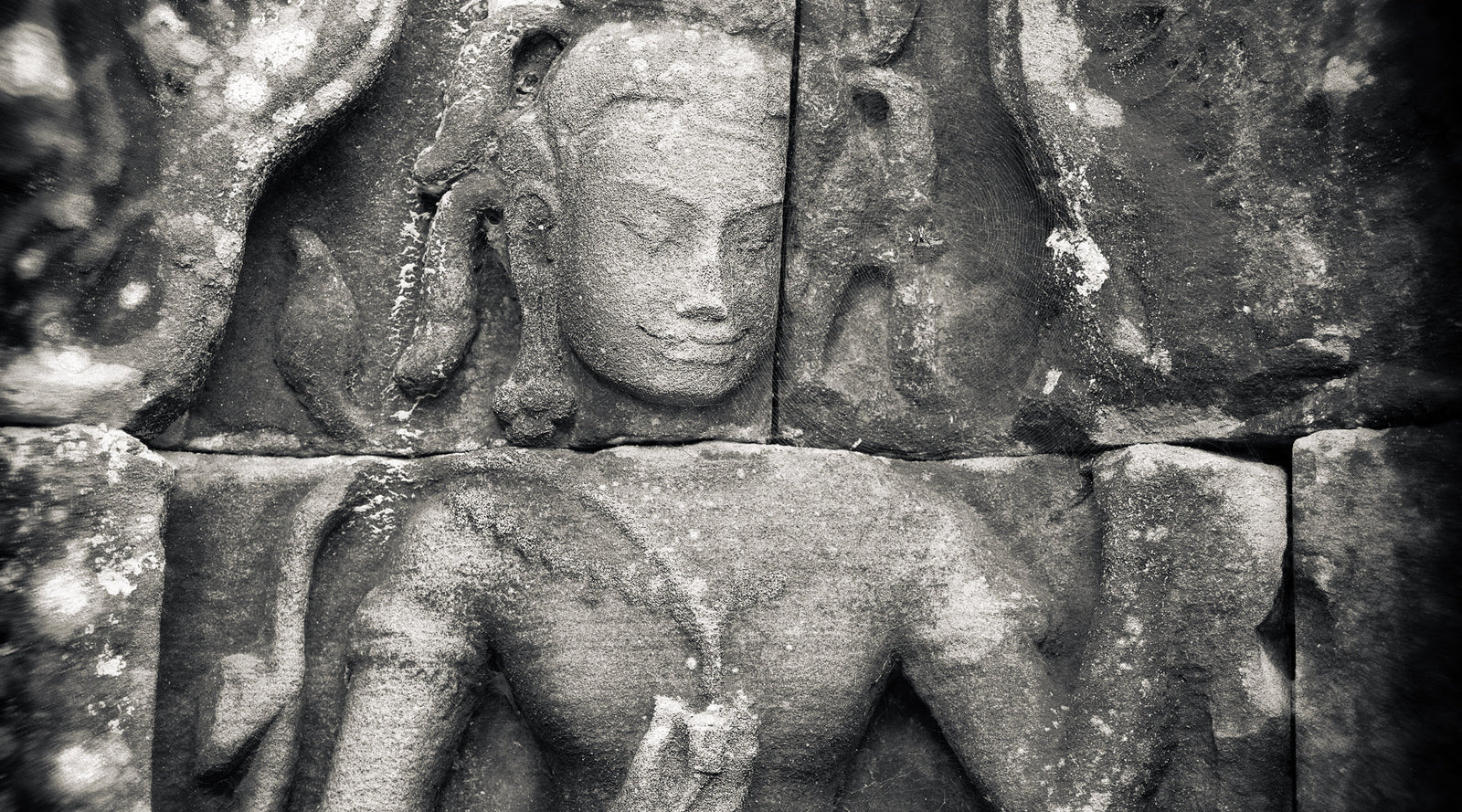

“Before Light Spoke Her Name”
Light hasn’t arrived yet, but she is already waiting. One hand holds the lotus. One breath enters the frame. Something eternal listens back.
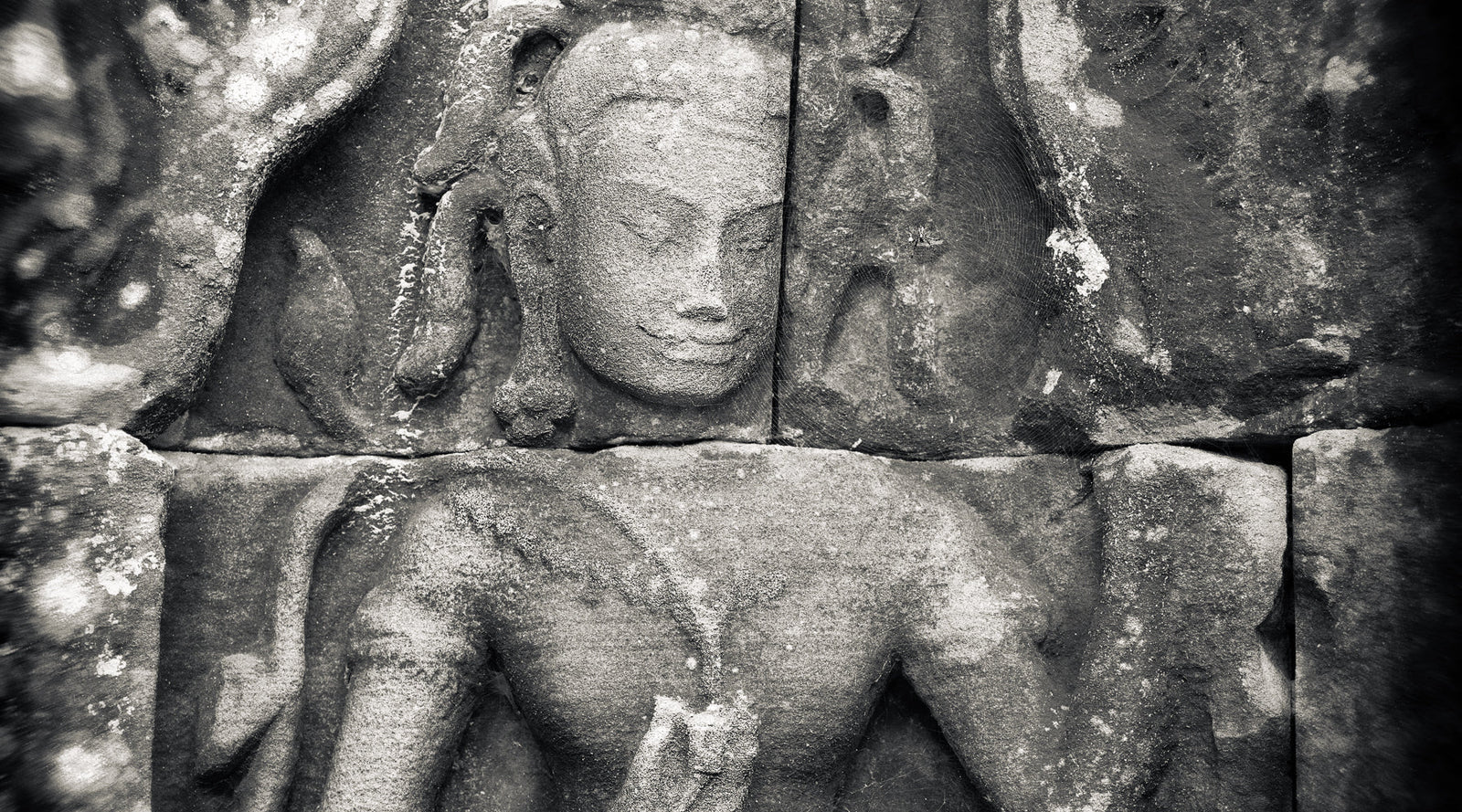

“When the Lotus Didn’t Stir”
She doesn’t move, but something in the stone breathes. The lotus rests in her hand. Light answers a question she never asked. I keep the shutter open.
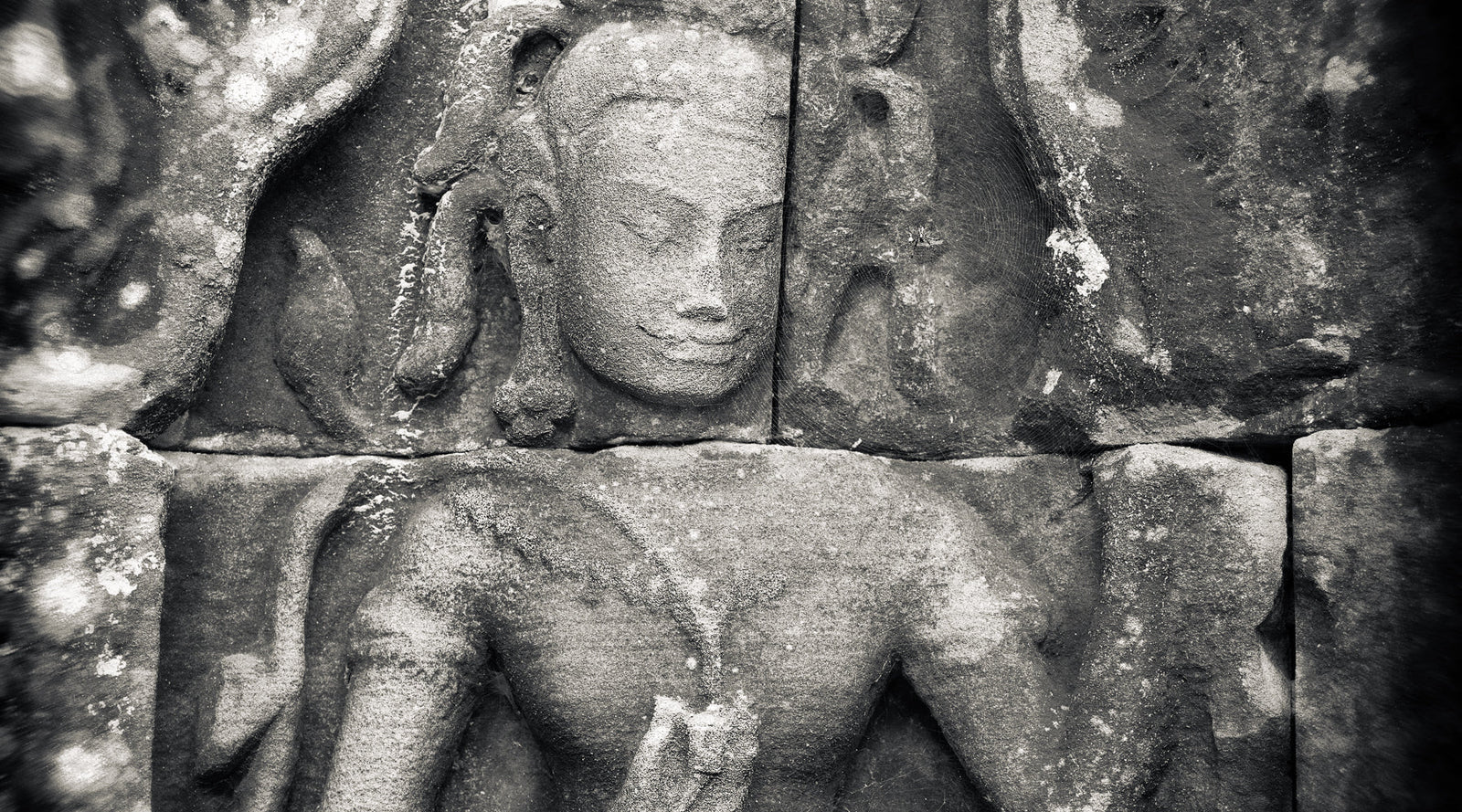

“Outside the Gopura, the Breath Waited”
Rain hushes the corridor beyond the gate. I wait, breath held. Her smile remains—unmoved, uncarved, remembering. The shutter falls like a leaf returning home.
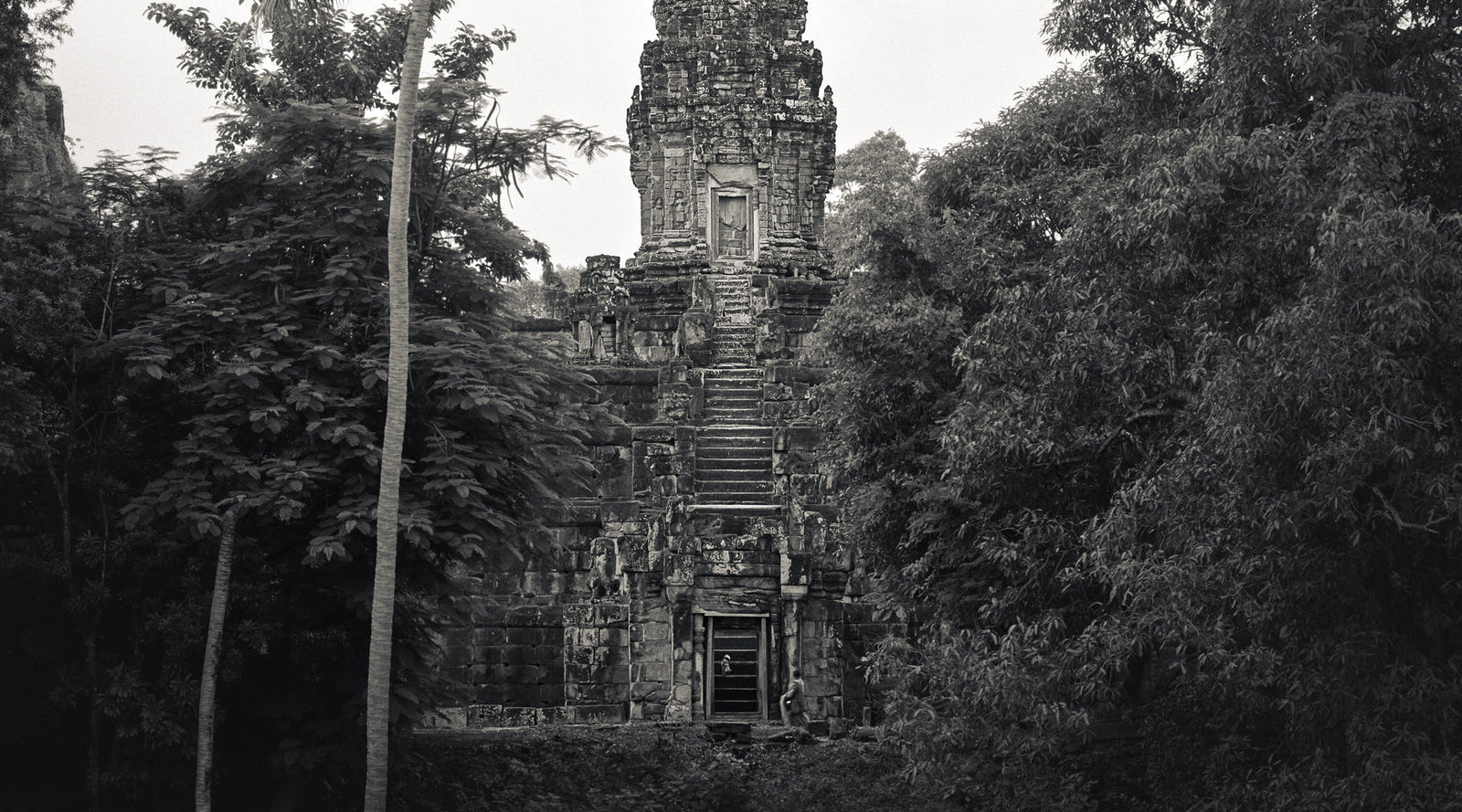

Bakong’s Dawn and the Art of Devotion
A dog’s joyful rush, a monk’s measured ascent, and a pyramid that listens: this curatorial meditation traces the alchemy of large-format film, hand-toned warmth, and living devotion, inviting you to stand where stone and loyalty share the same breath.
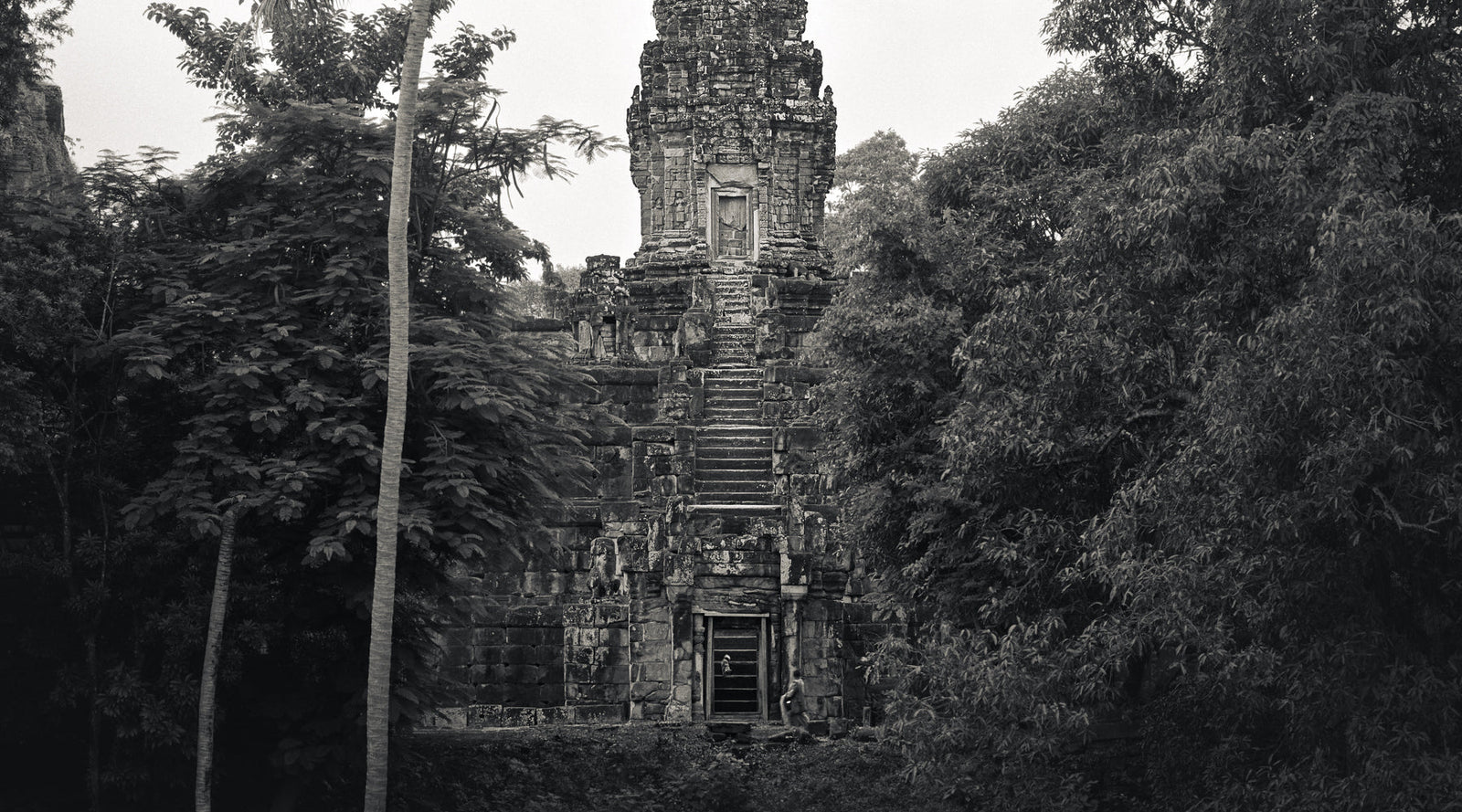

Silence Inhales the Stair
Stone inhales, mist lingers, and a single encounter illumines the entire pyramid. This brief haibun lingers in the after-sound of footsteps, inviting the reader to touch the hush that dawn leaves behind.
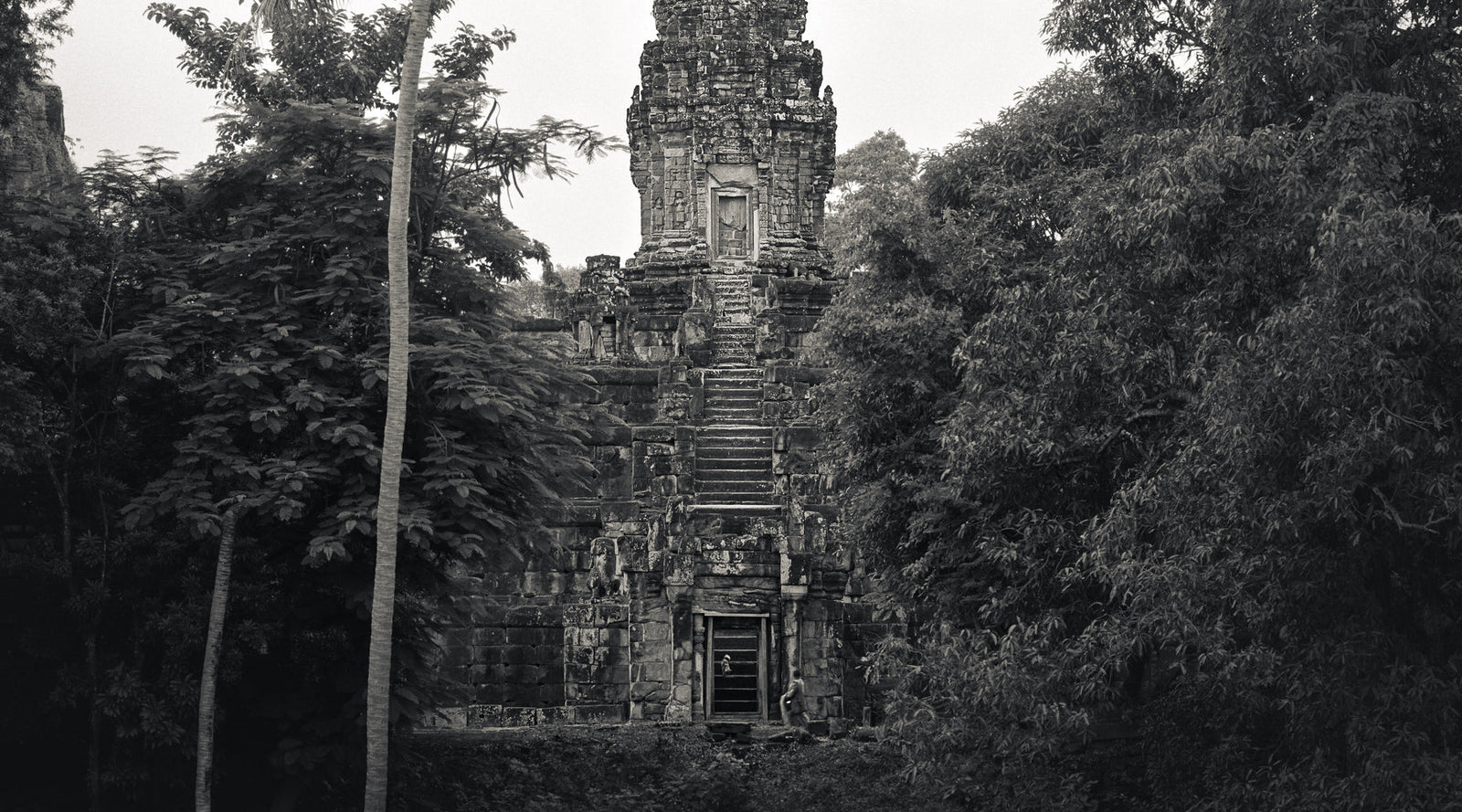

Rainlight Between Paw and Prayer
Rainlight slips from palm to stair as monk and dog trade silence for movement. In this lyrical meditation and poem, watch stone discover its pulse and hear how loyalty teaches prayer to walk soft across the morning.
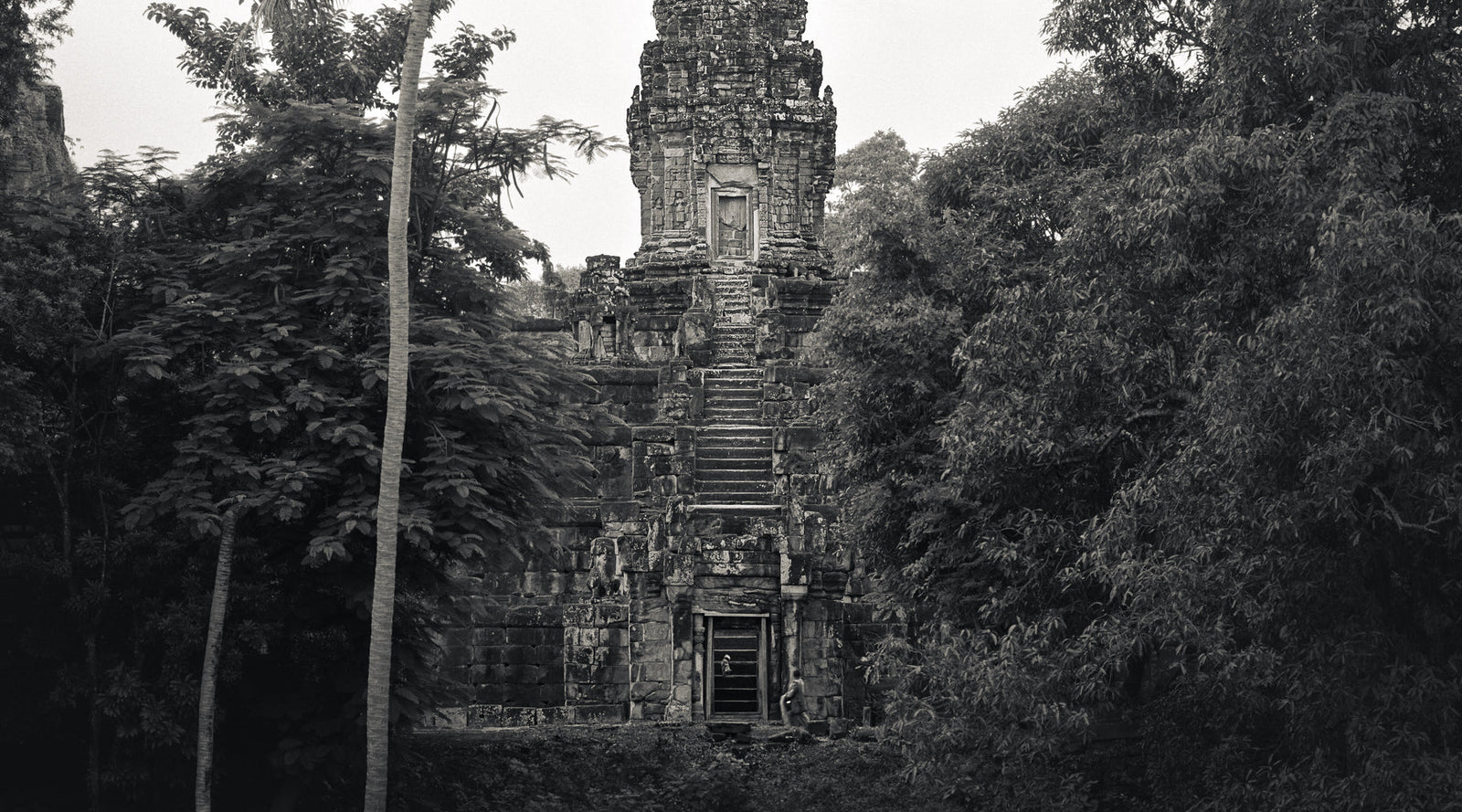

When Stone Draws Its First Breath
Morning mist beads on stone while a monk and his dog share an unspoken prayer. Across the moat the artist waits, breathing with the temple until film and silence converge, inviting you into the first hush of dawn’s remembering.
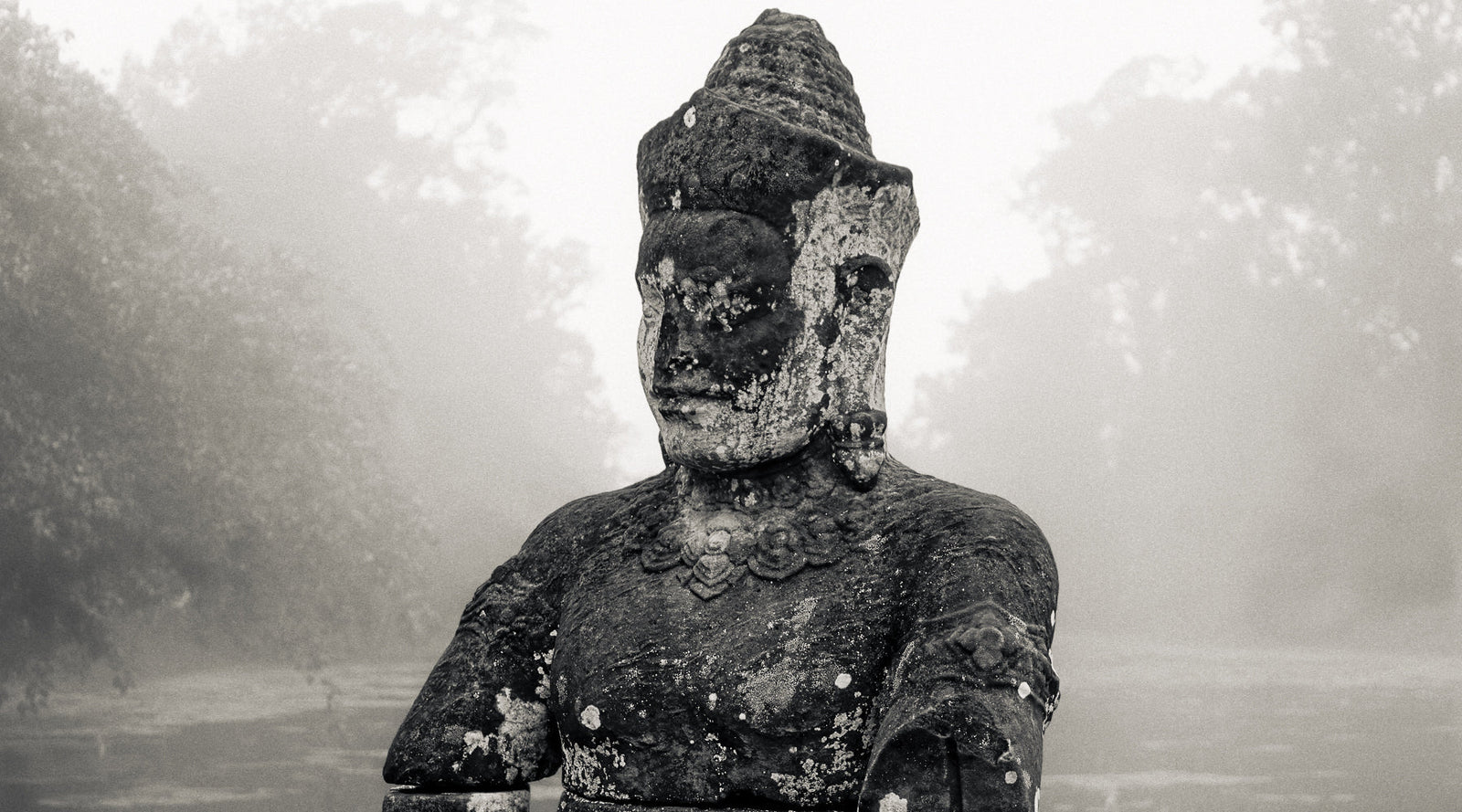

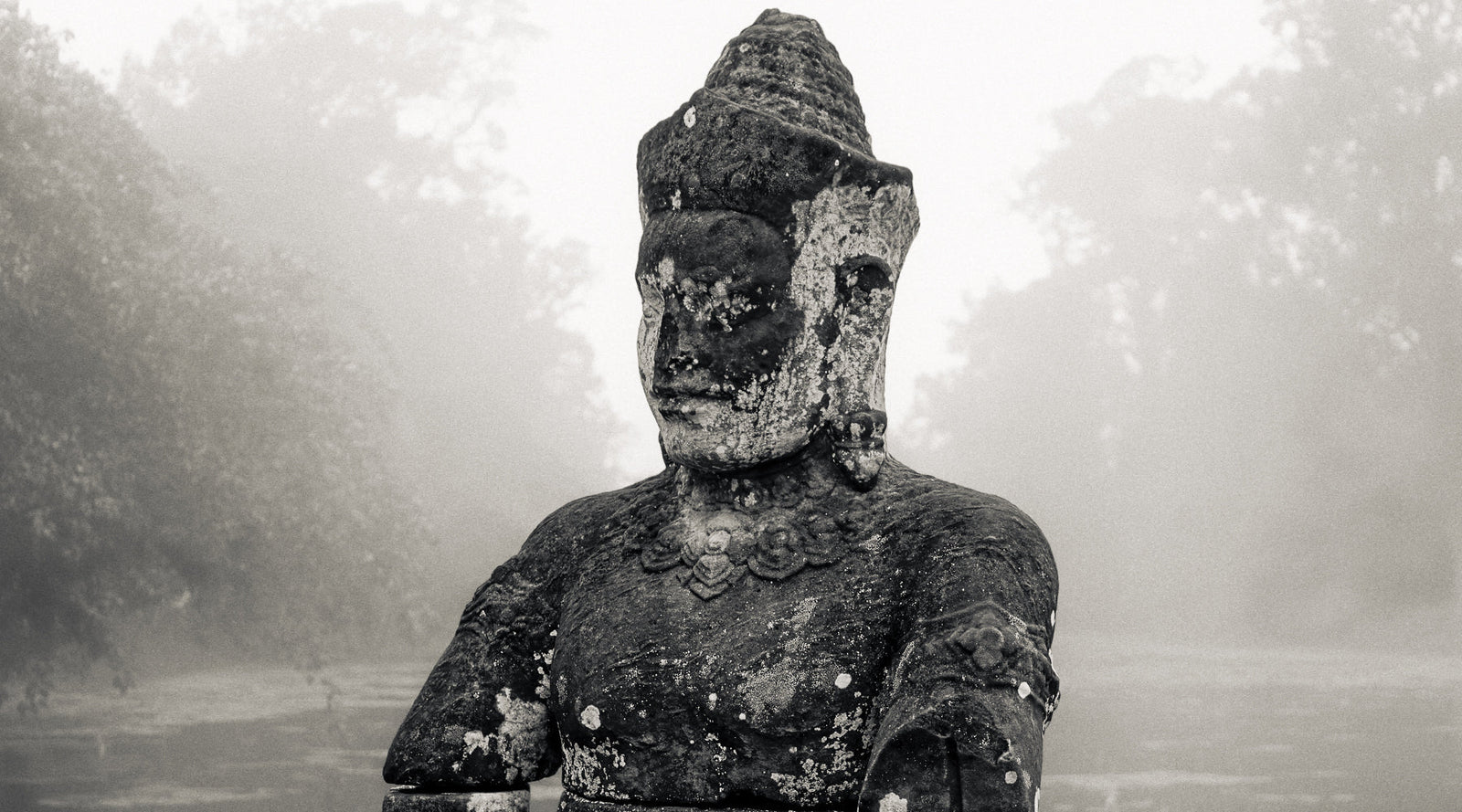
Vigil in Stone, Breath in Silver
Before dawn, a guardian leans into silence. In this full-length reflection, the artist traces the breath of presence through film, hand-toning, and stone—until the image becomes devotion.
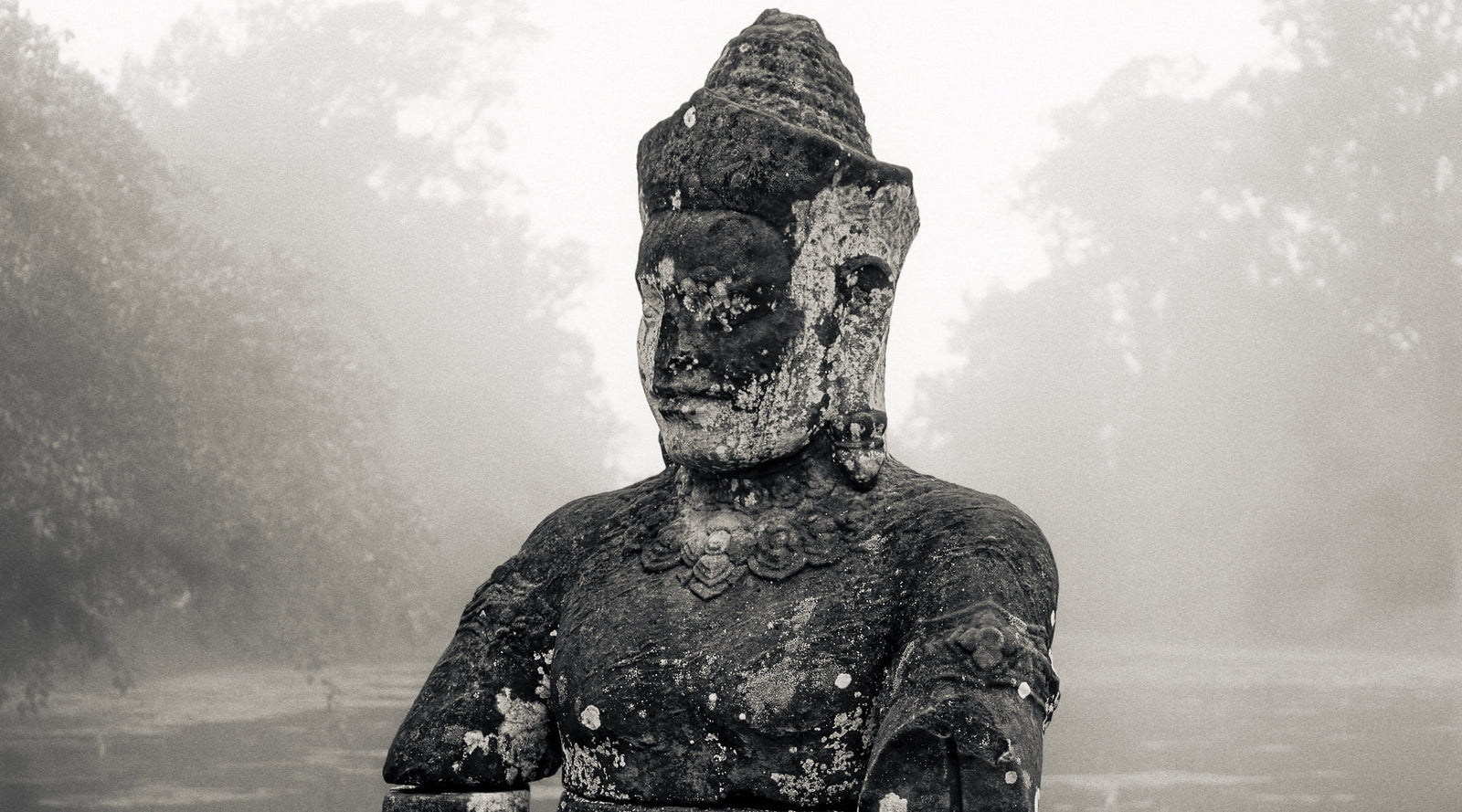

The Hush Before the Image
The image begins before the shutter falls. In this quiet haibun, Varro recalls the moment the Deva’s softened form leaned into light—and how the hush became the photograph.

Breath Held in Stone
Stone does not defend. It listens. In this lyrical meditation, Lucas Varro enters the hush of the causeway, where the Deva’s gesture becomes a quiet vow held in breath.
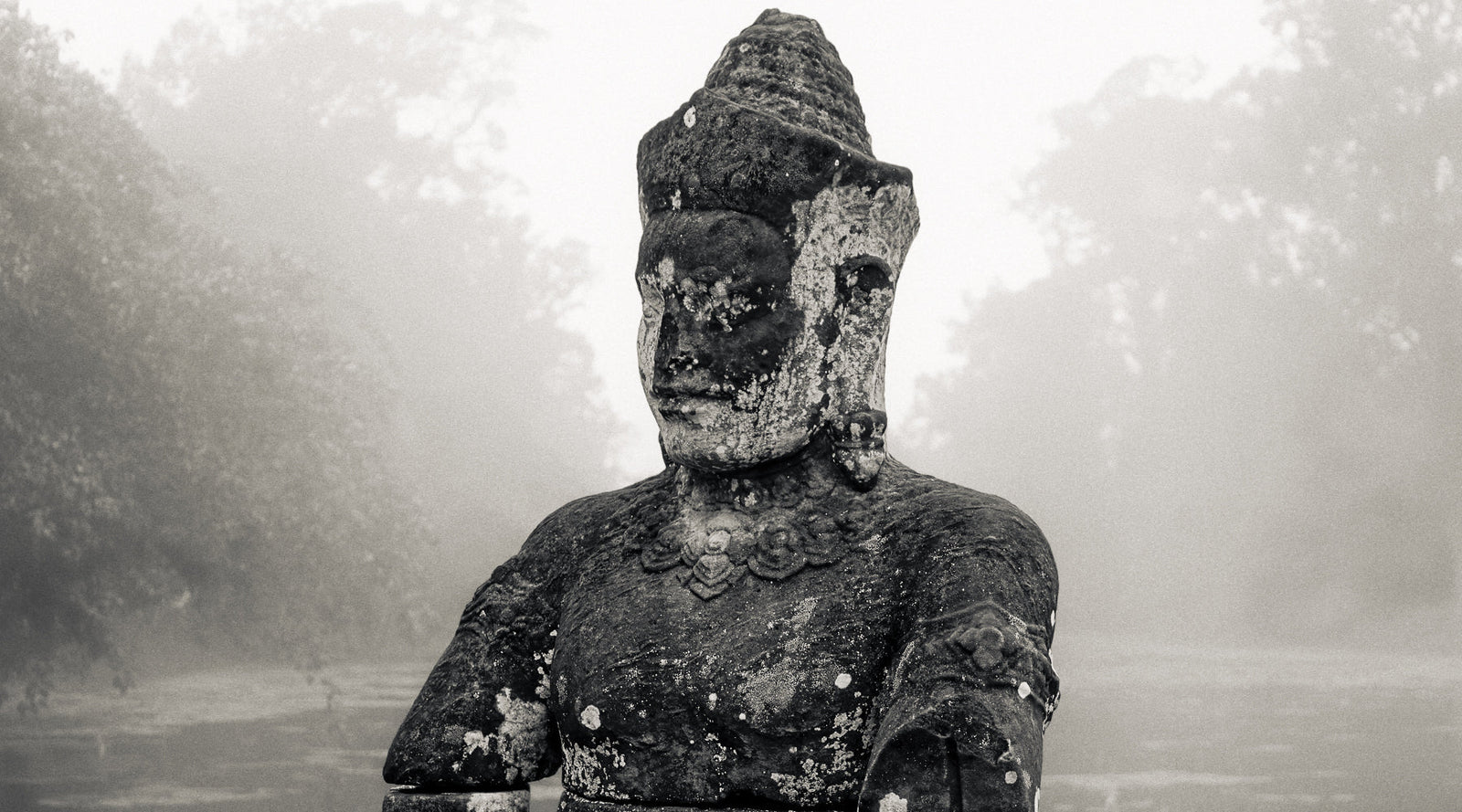

When Light Begins to Listen
Dawn thickens before form. In this field journal reflection, Lucas Varro stands in reverent stillness beside a guardian Deva, waiting for the moment when light begins to listen.
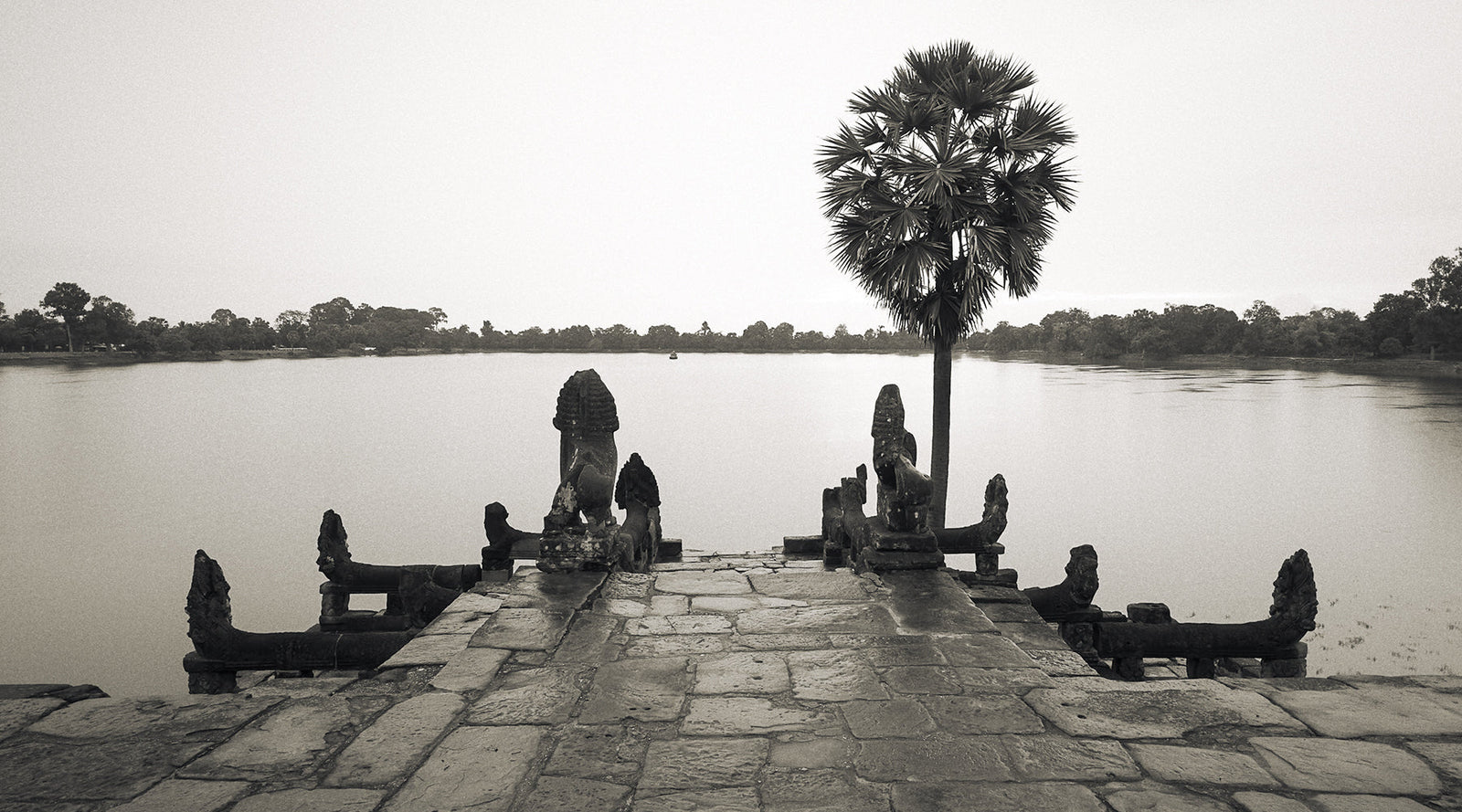

Where Stillness Becomes the Frame
Stone leans toward stillness, and the lake forgets how to move. In this lyrical meditation on presence and process, Sanctum is revealed not as subject, but as threshold.
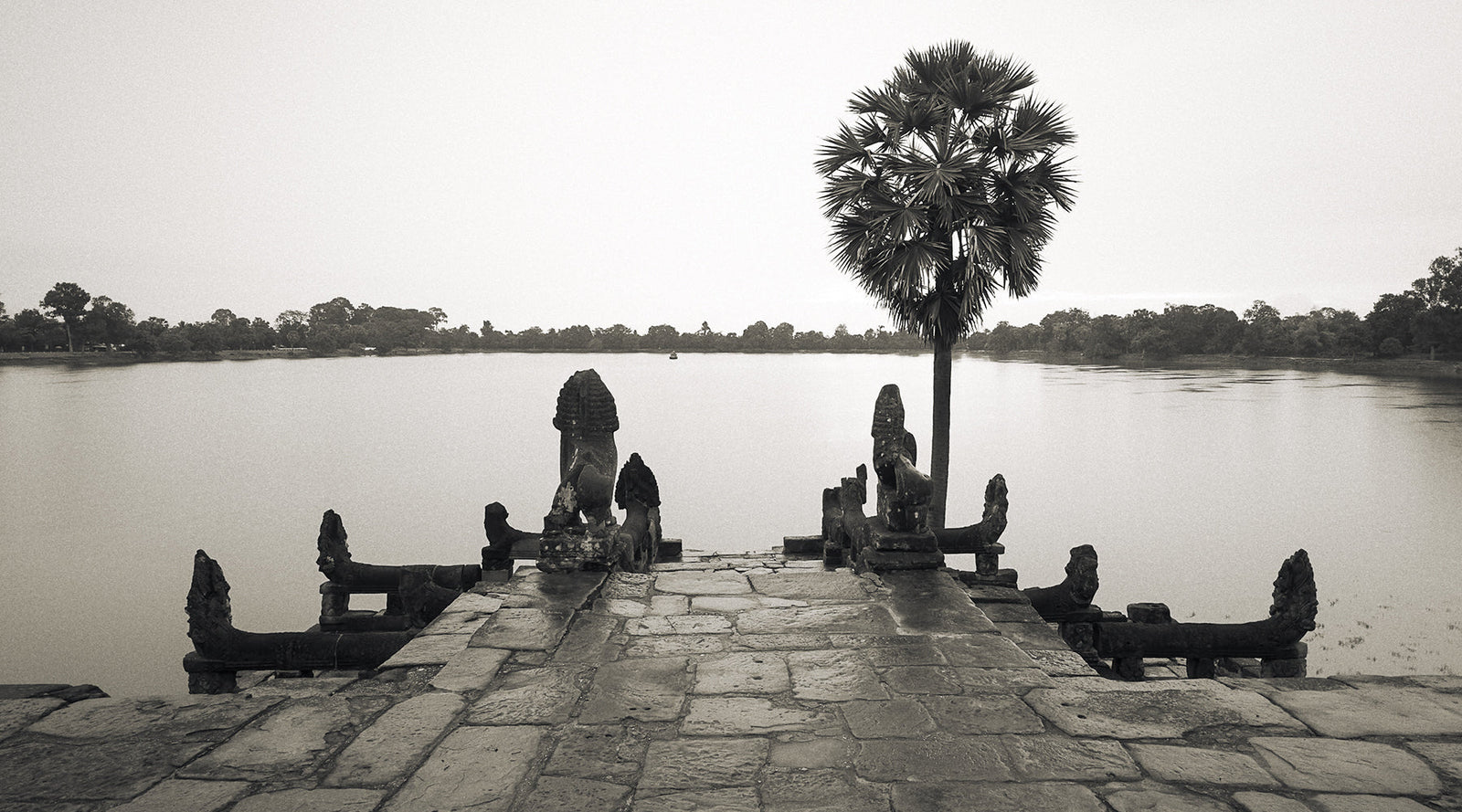

Held Between Realms
Between rain and light, the jetty breathes. A lion does not roar. A palm does not move. In this brief haibun, silence becomes both threshold and mirror.
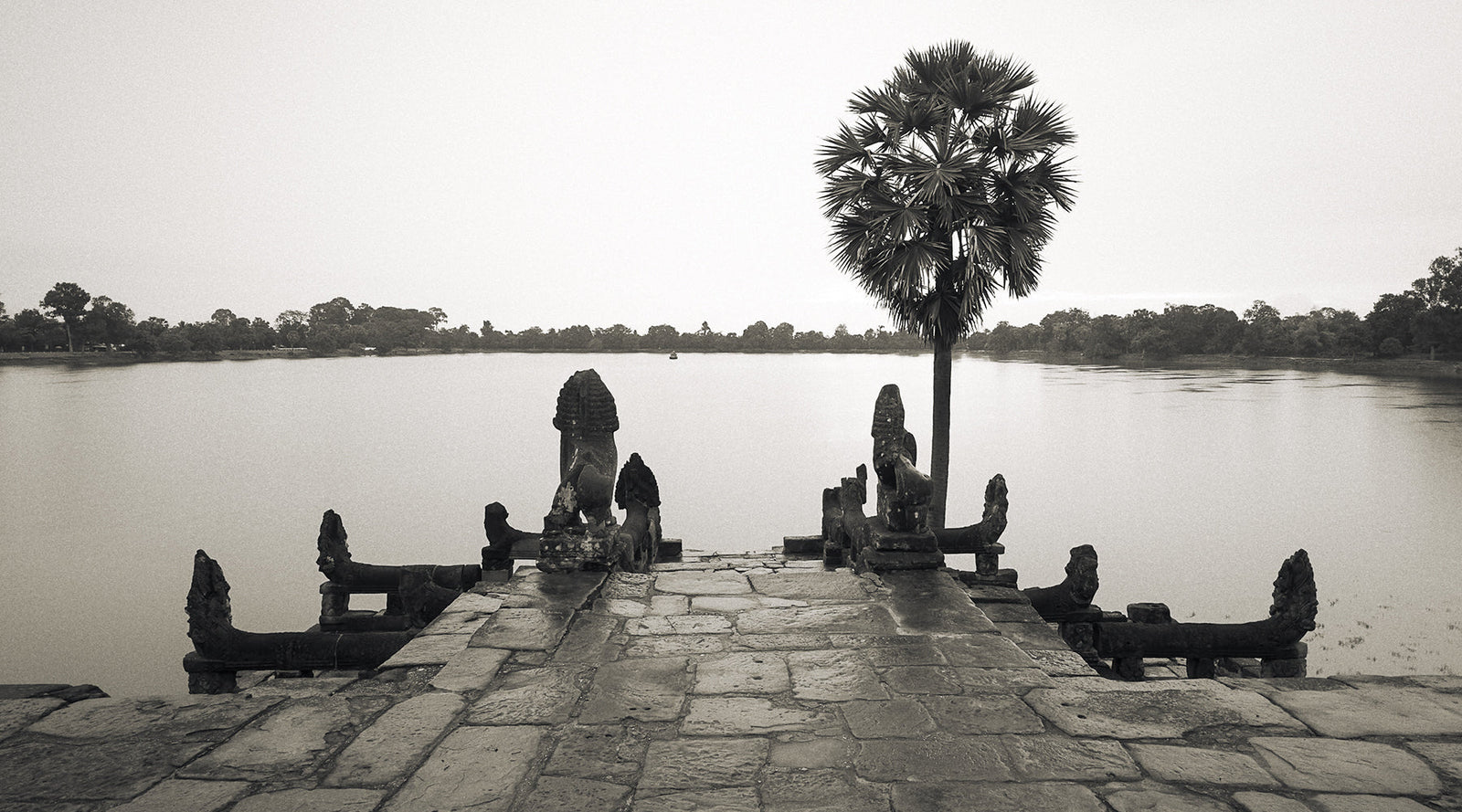

The Lake Does Not Ask to Be Seen
At the edge of the royal baray, even the nāga curl into gentleness. This meditation enters the waiting, where water receives sky and the shutter listens longer than thought.
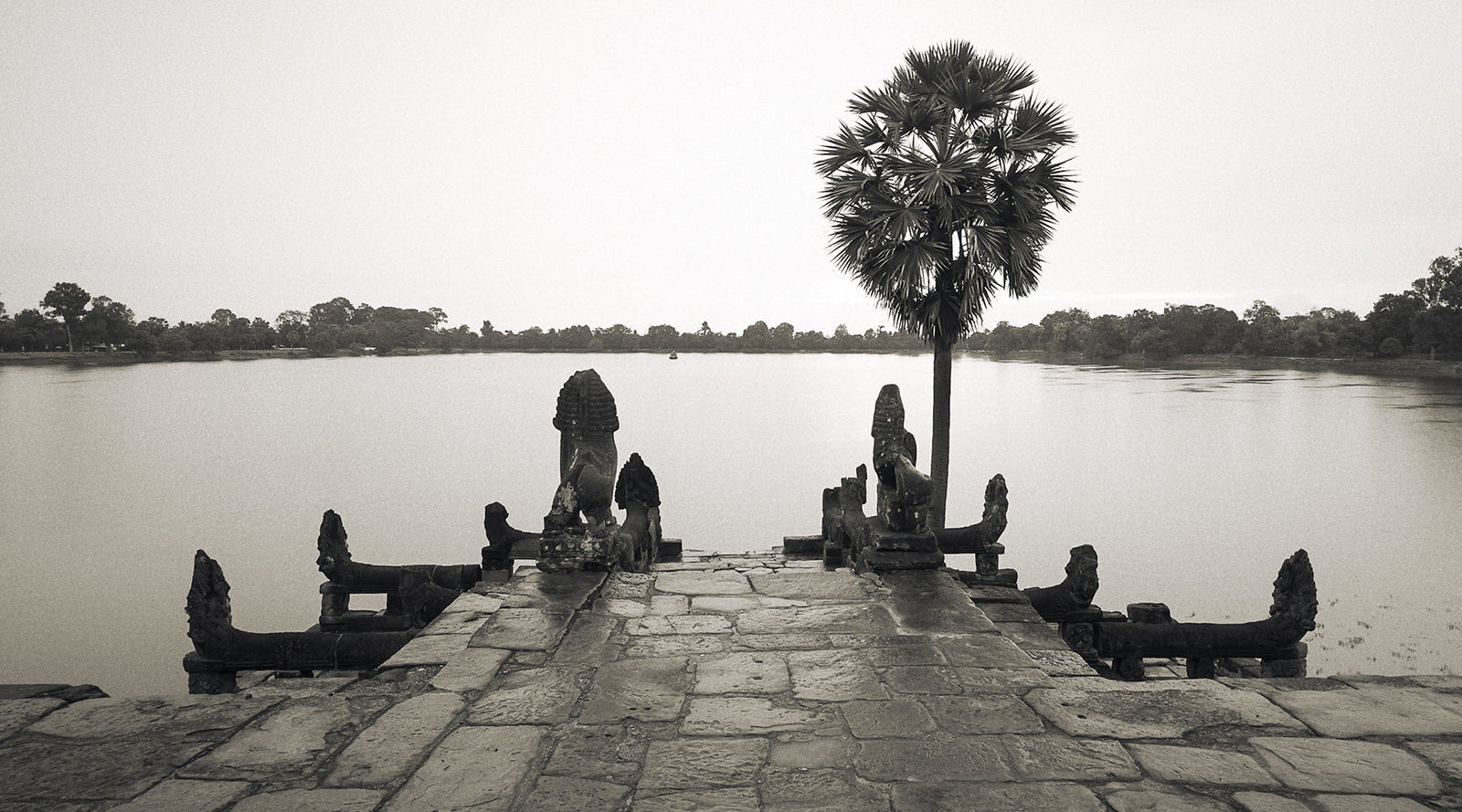

A Silence That Watches Back
Before dawn at Srah Srang, the artist steps into a silence that watches back. The lake forgets to move. Lions lean forward. A single palm stands, needing nothing.


Stone-Root Symphony: A Curatorial Reflection
Root clasps shrine; shrine shelters root. Varro’s long exposure and gold toning reveal their mutual vow, casting permanence and decay as one steady breath. Enter the symphony, and let the wall teach patience to the tree—and to you.
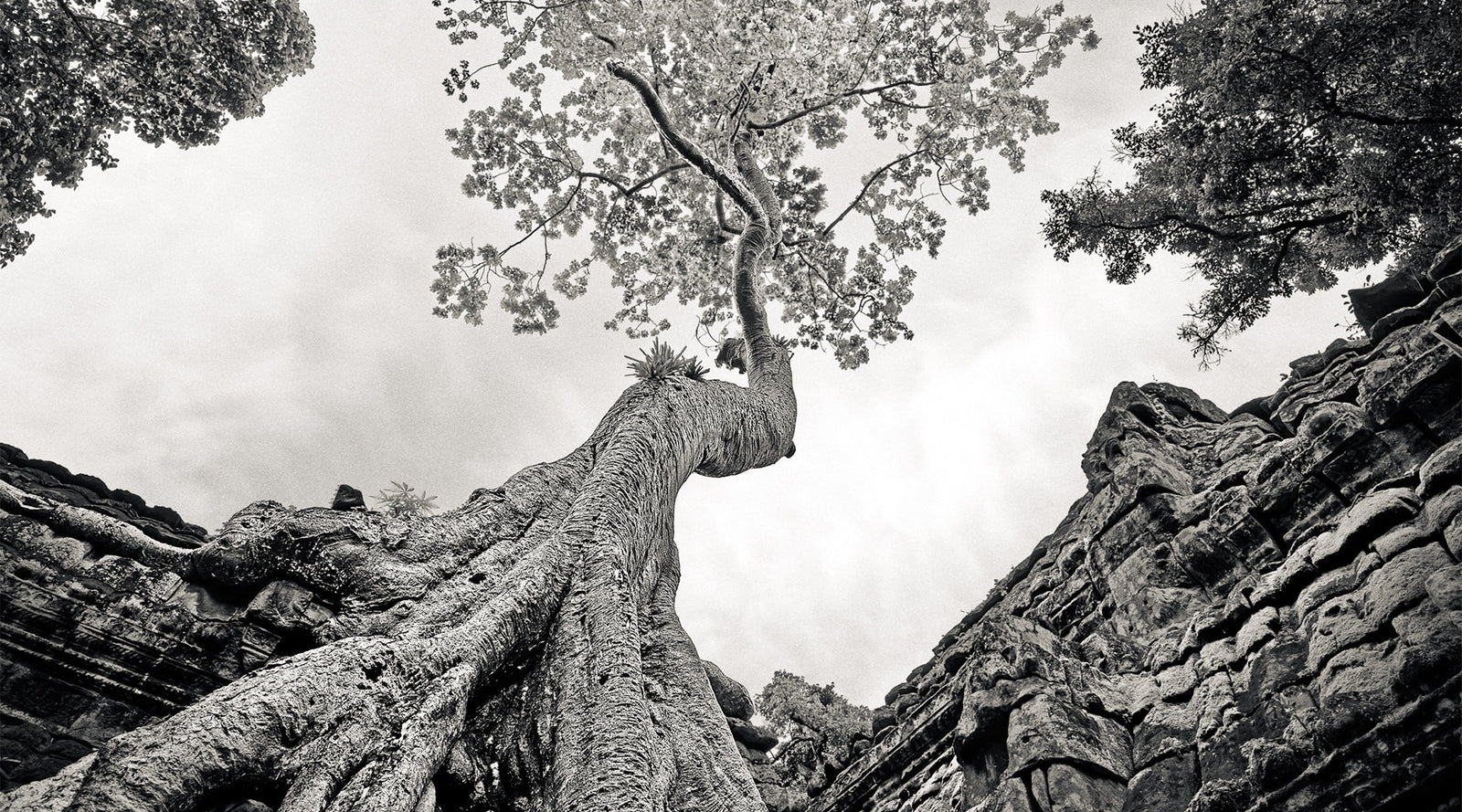

Rain-Chant at the Eastern Gate
Dripping rain, breathing root, listening wall—three voices entwine in a brief haibun. An exposure as slow as prayer steadies their union; a haiku distils the vow they share. Step under the arch and feel the chant continue.
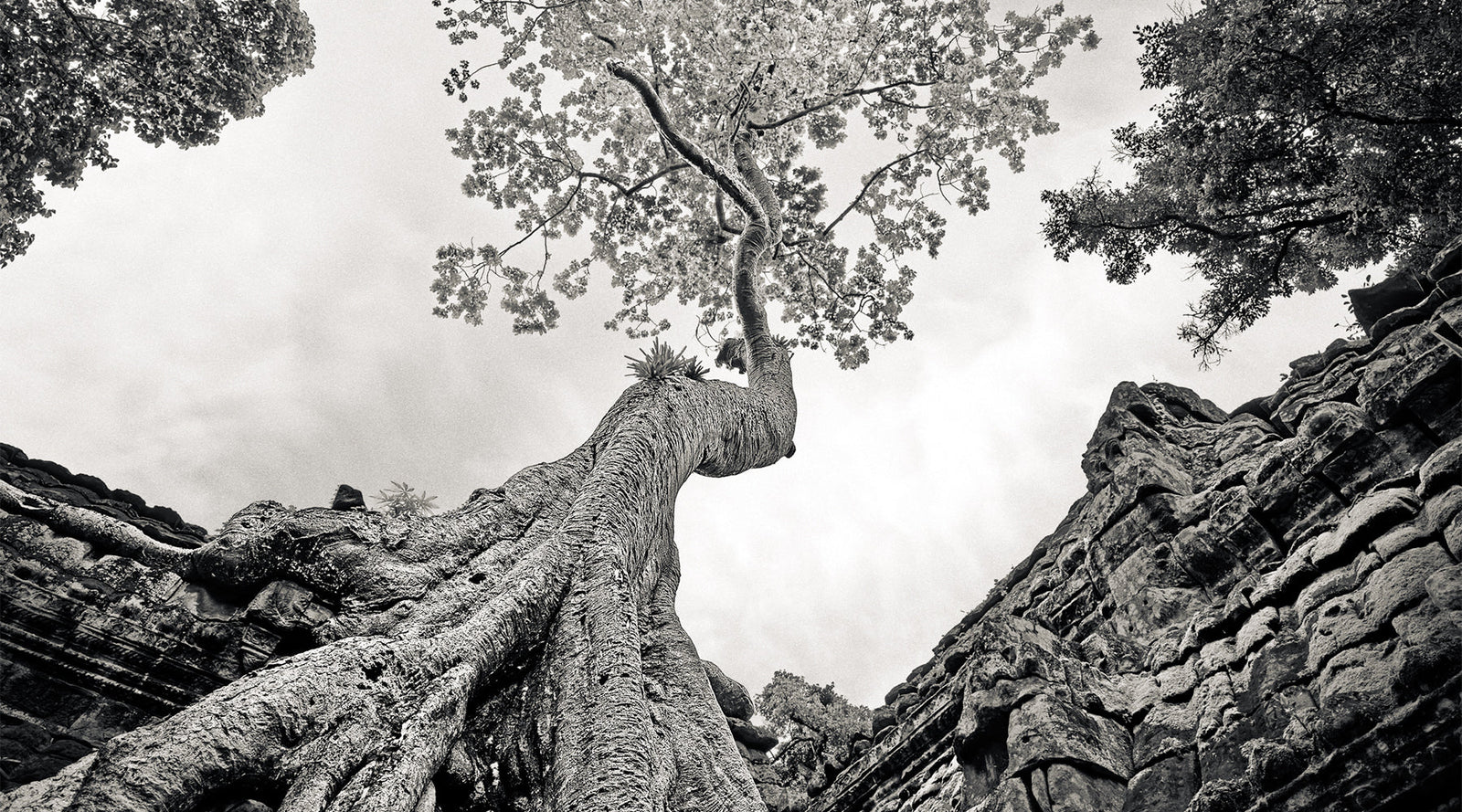

Root, Wall, and the Listening Eye
A single droplet mirrors jungle and shrine. The artist’s note—let light speak first—unfurls into a poem where shadow leans toward root, and dawn releases itself back to stone. Follow the droplet’s fall, and find what remains poised in mid-air.


When Silence Lifts Its First Light
Dawn hovers over Ta Prohm in mist and breath. The artist waits until stone, root, and rainlight meet in one shared silence, then opens the shutter for a single, tremoring prayer—an image that will carry dawn’s hush wherever it dwells. Enter, and listen.
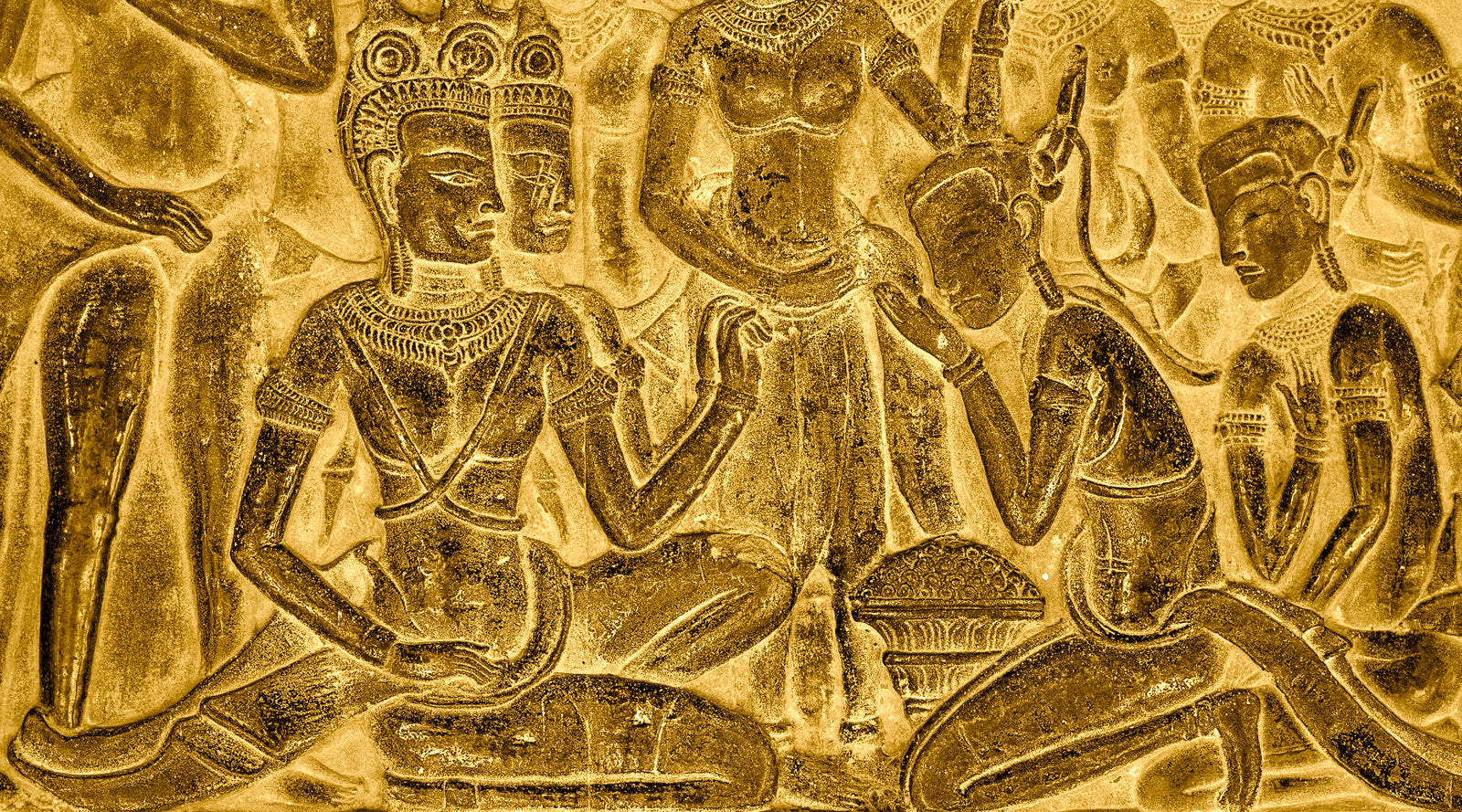

Where the Wall Became Flame
A royal gesture, a corridor of dusk, a wall aglow with presence. This refined essay reveals the devotional process behind Where Light Receives the Soul, where photography becomes ritual, and image becomes offering.
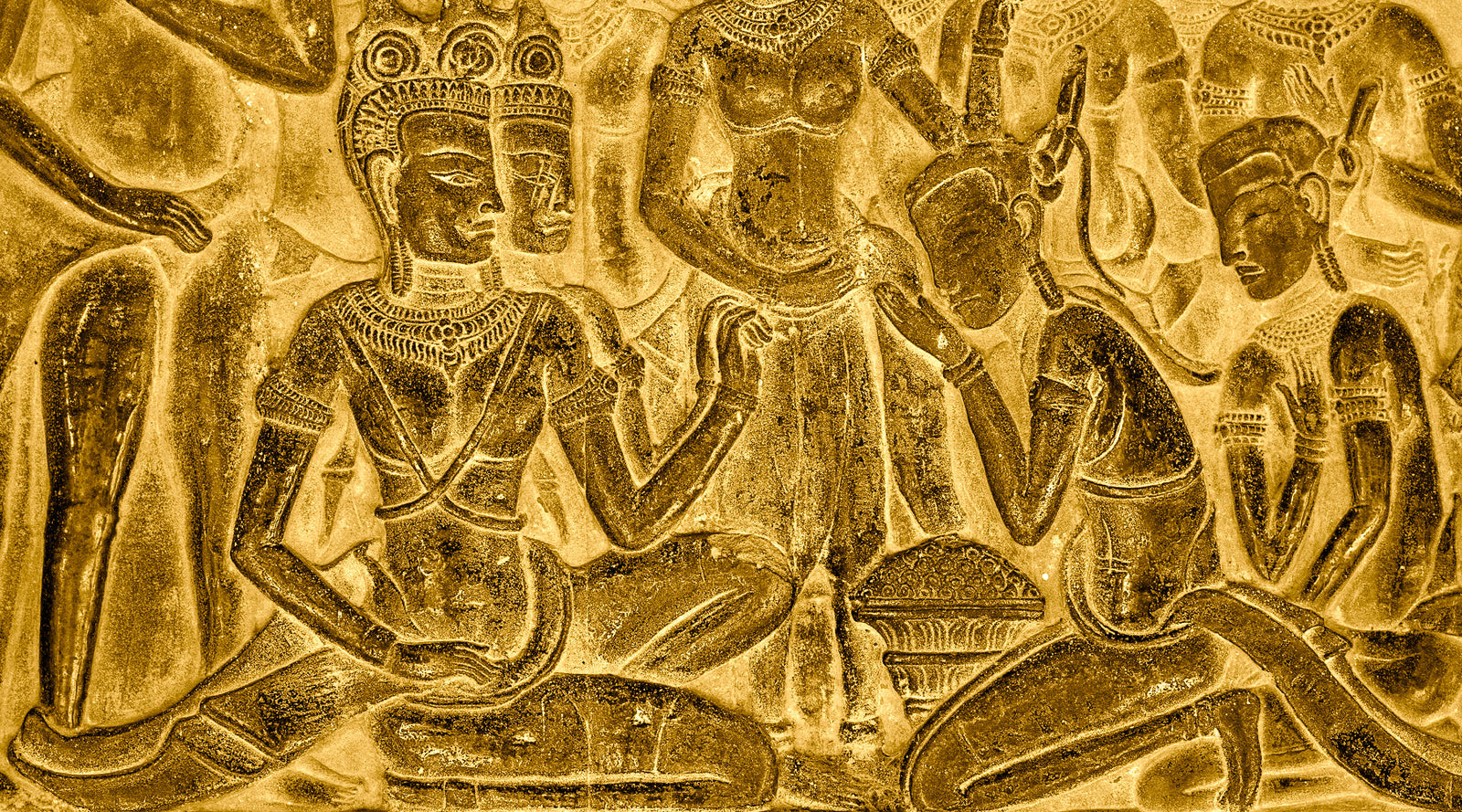

Corridor of Return
A brief passage through light and breath. This haibun recalls the corridor’s sacred hush—where one glance, one gesture, and a single kneeling hand become a threshold into stillness.
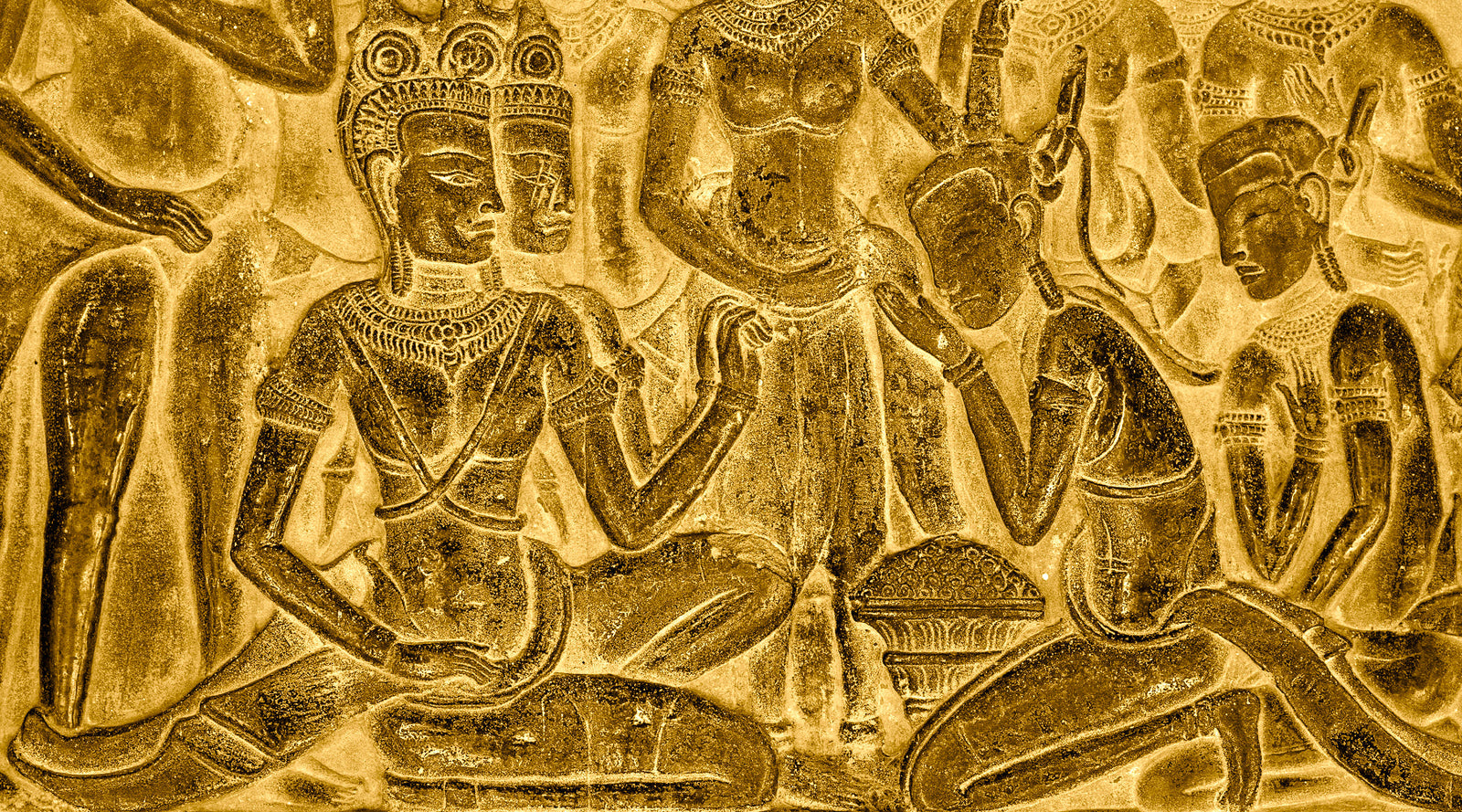

When Gold Became Gesture
In this meditation of light and form, the artist recalls how carved hands and jungle gold became one slow gesture. A free verse poem rises from silence to echo what the stone revealed.
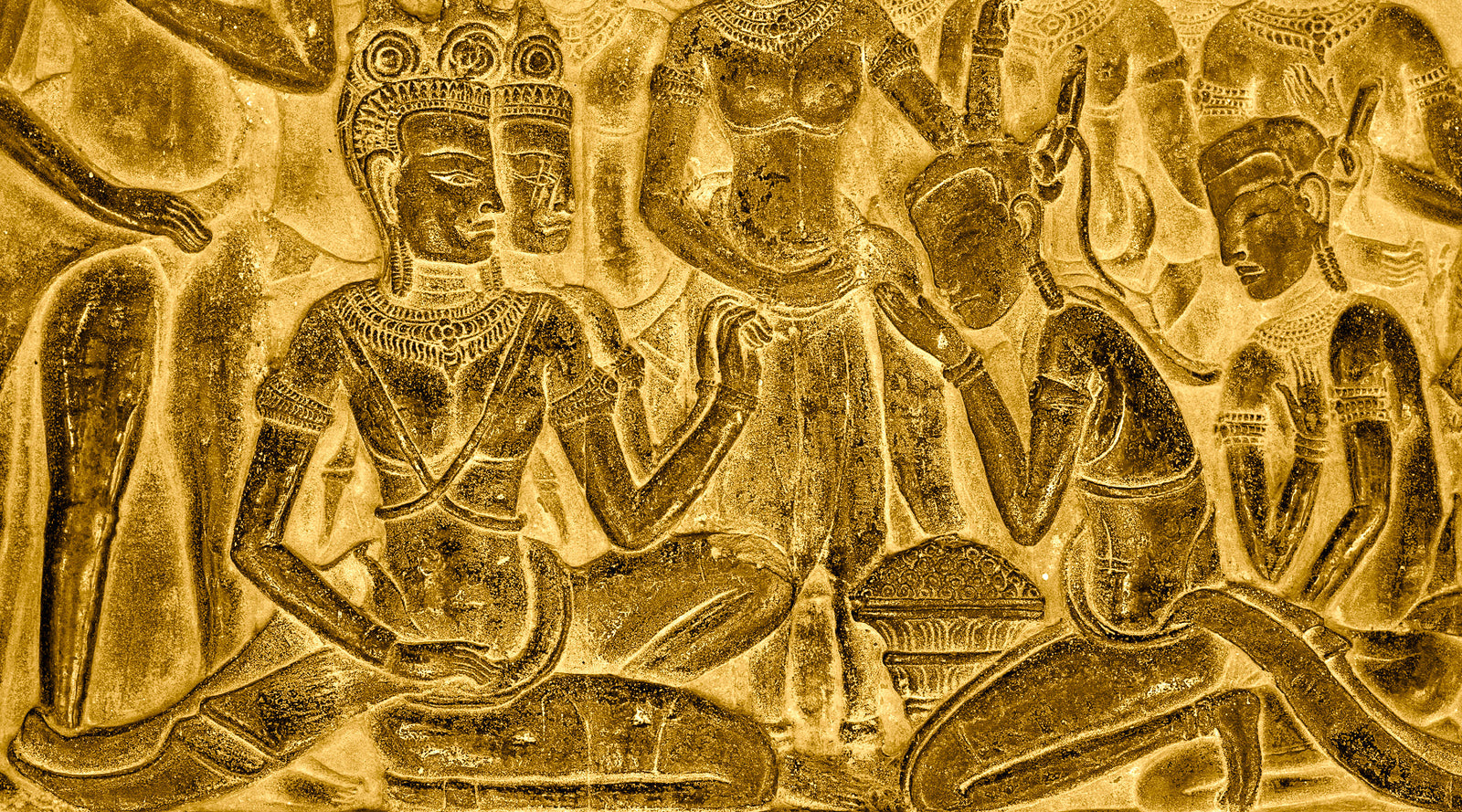

The Moment Light Knelt
Late in the day, light returns to stone with reverent hush. The artist recalls a single luminous moment in the corridor of Angkor Wat—where gesture, gold, and breath converge in quiet recognition.
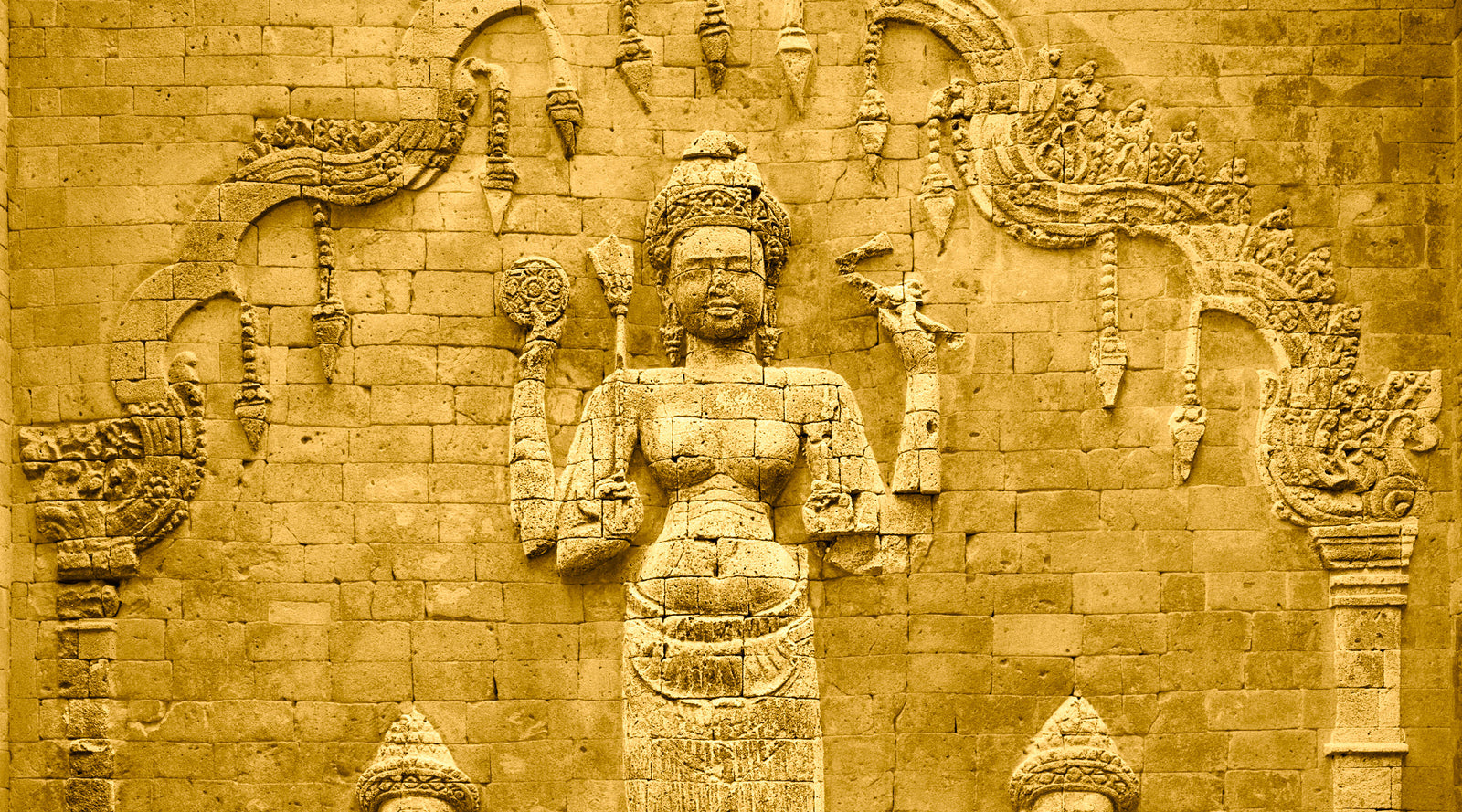

When Light and Shakti Become One
When Lakshmi meets the final light of day, the brick does not remember—it becomes. This reflective essay unites the mythic and material, drawing collectors into the breath of Shakti’s dusk.
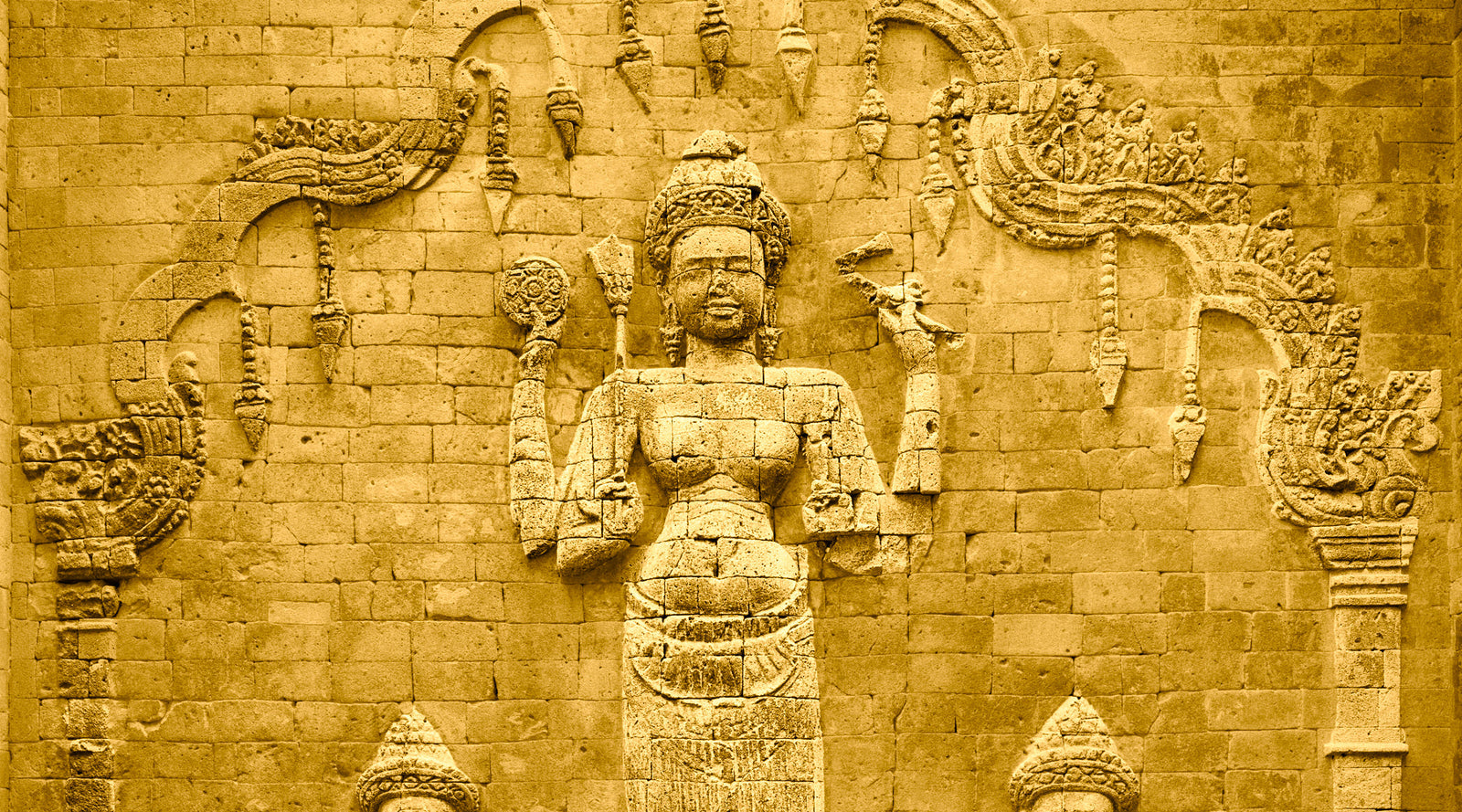

A Prayer Cradled in Brick
In a temple open to sky and shadow, the goddess emerges not from craft, but from light itself. A brief meditation and haiku reveal how Shakti continues to rise through silence.
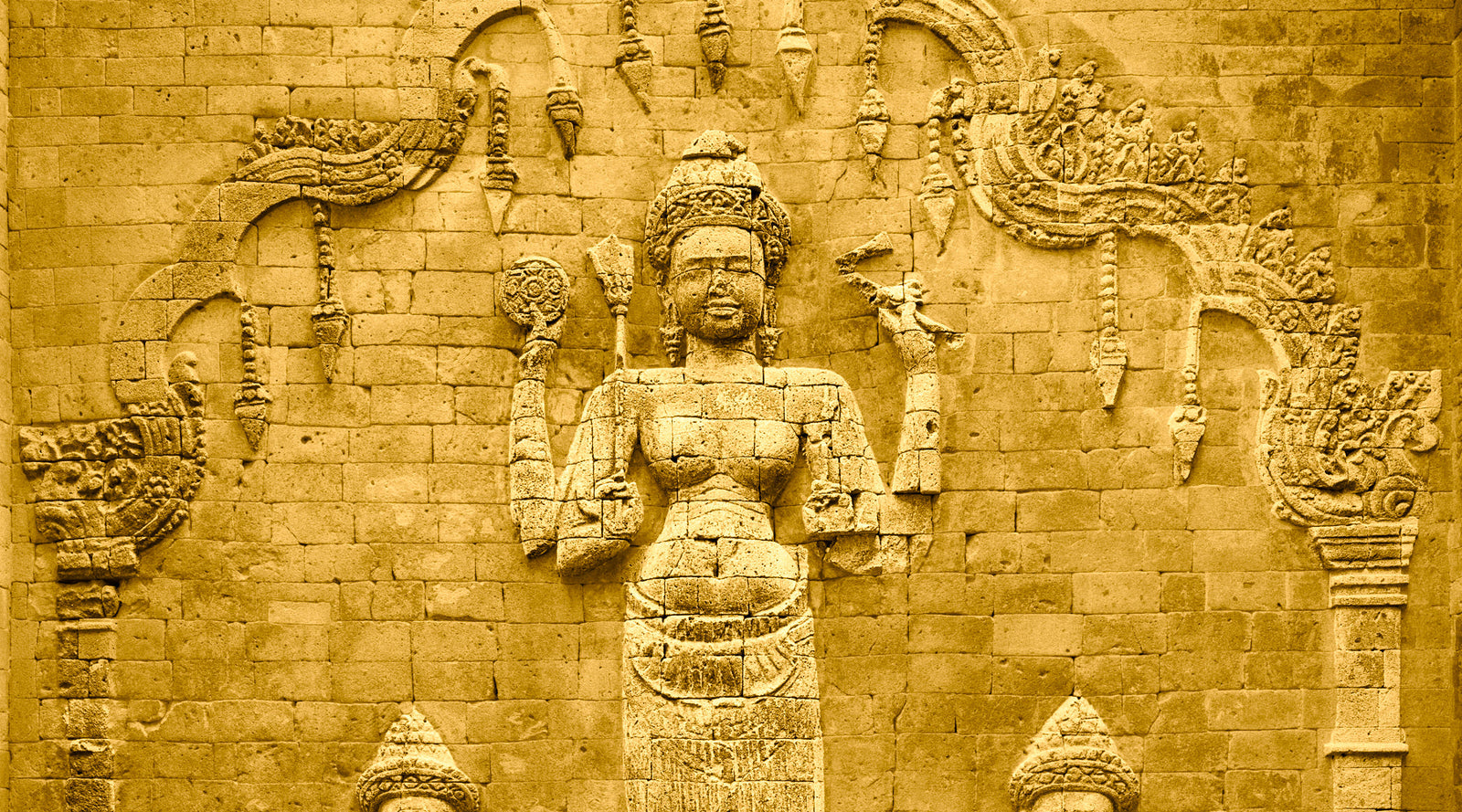

The Roofless Shrine That Holds the Sun
A tower open to the sky, a goddess glowing from within. This poetic field note and verse trace the lingering hush of light as it gathers, lingers, and transforms into breath.
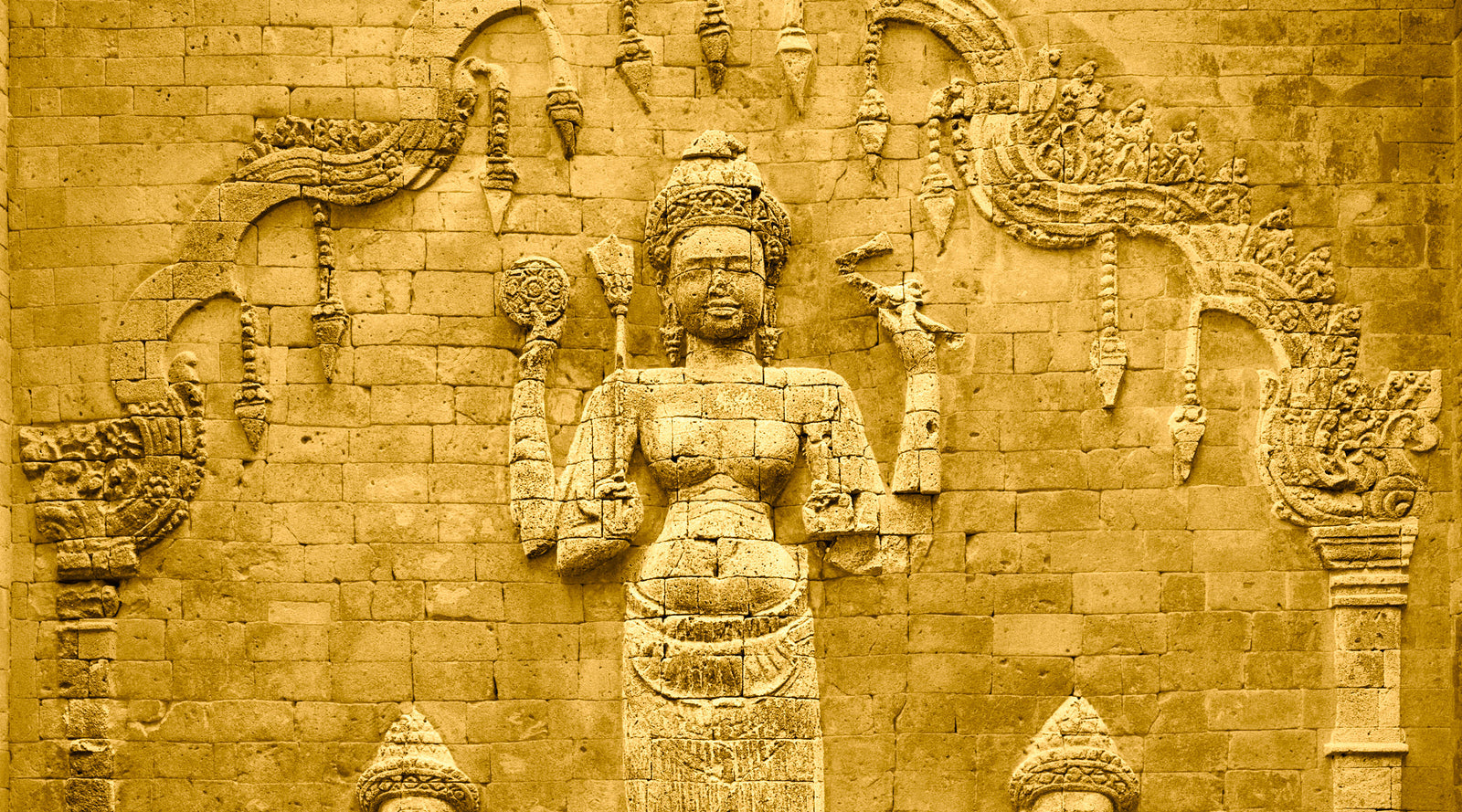

A Chamber Lit from Within
Light slips into a ruined tower and gathers at Lakshmi’s brow. In this field journal entry, the artist follows that final beam into silence—where a haiku quietly keeps the breath of prayer alive.
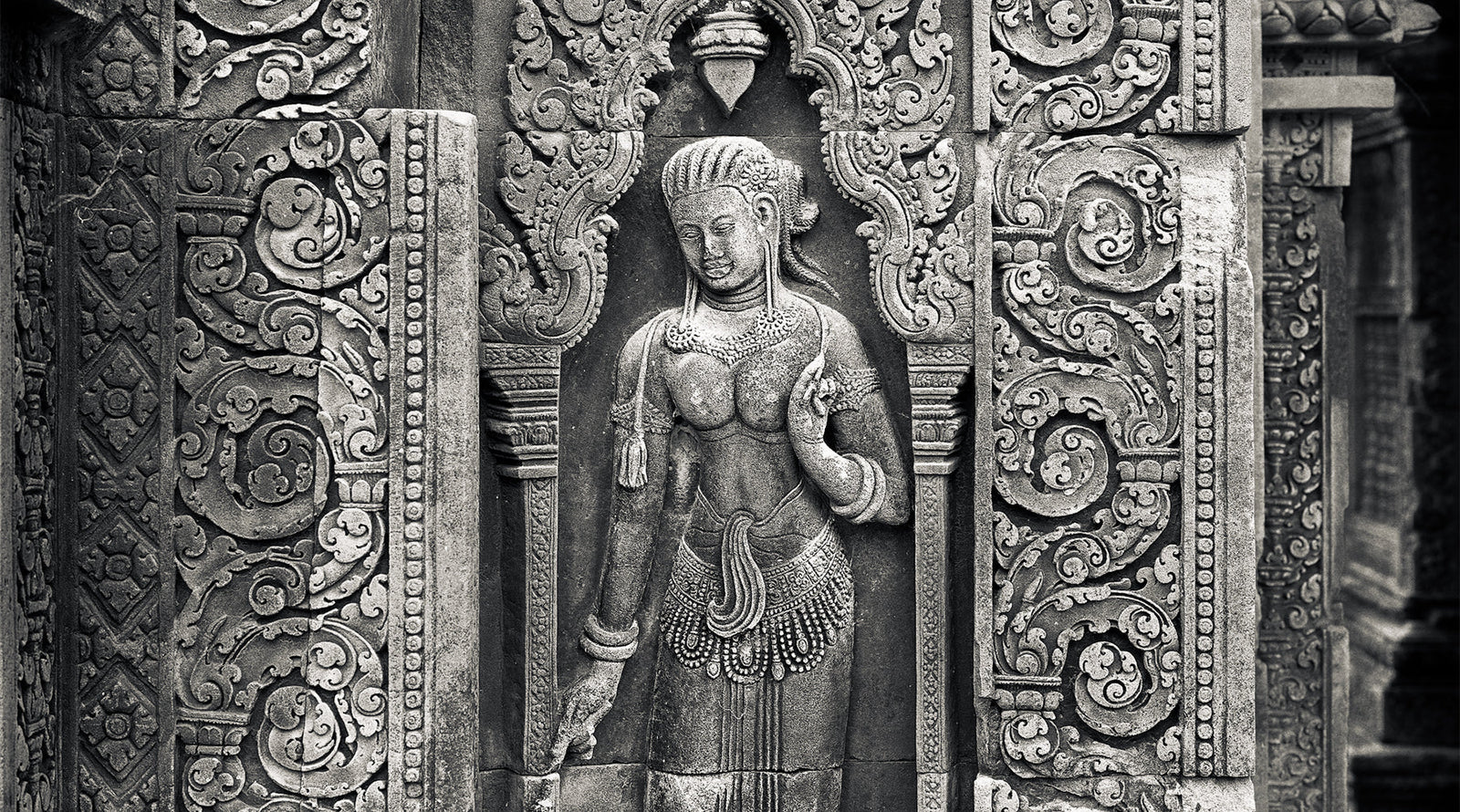

Grace at the Threshold
In the citadel of grace, one apsara leans toward light. This curatorial meditation unveils the sacred craft and reverent process behind the image—an offering shaped through stillness.
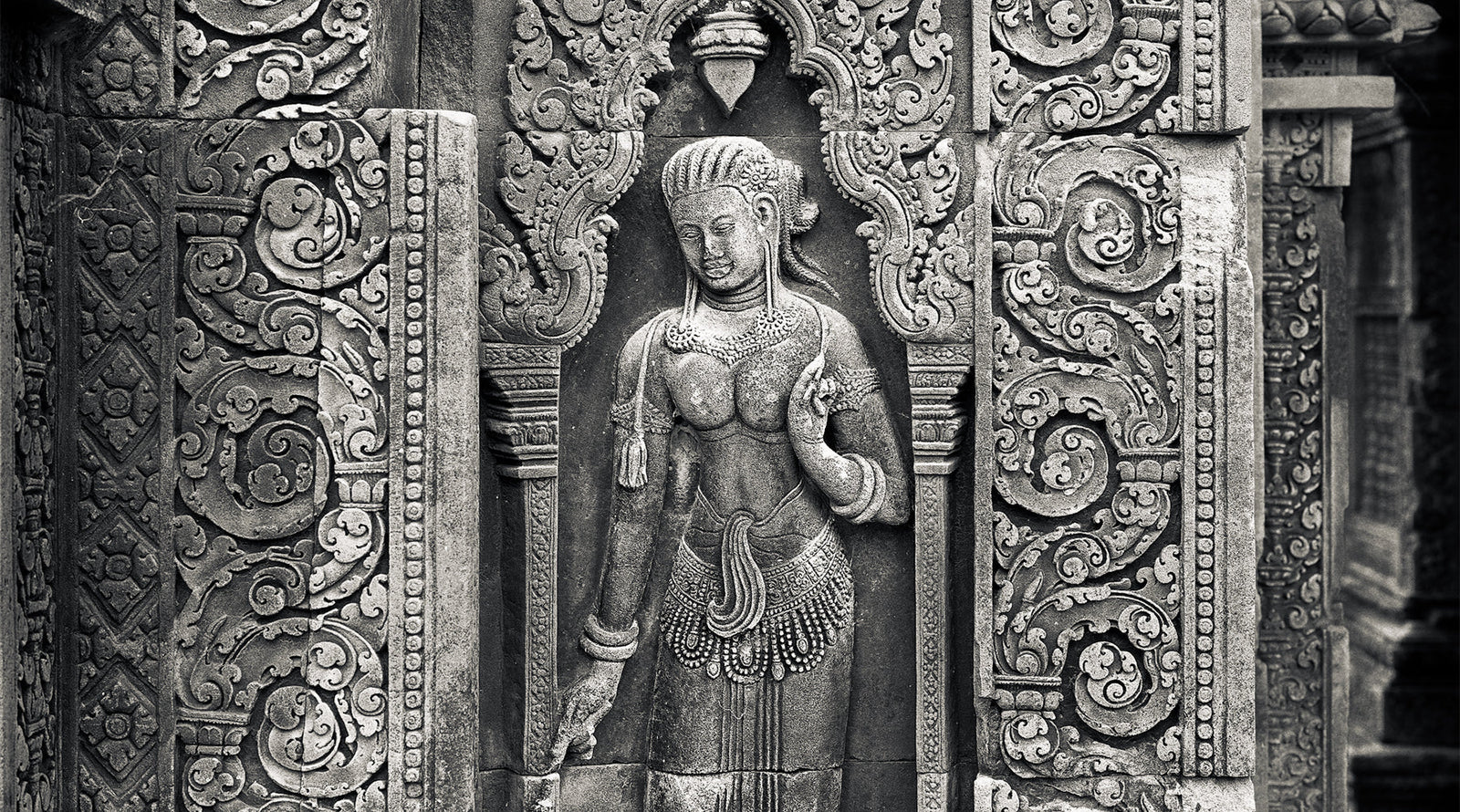

Where Hush Becomes Form
A breath held between gesture and stillness. She waits—not for arrival, but recognition. This quiet meditation listens for the moment form becomes presence.
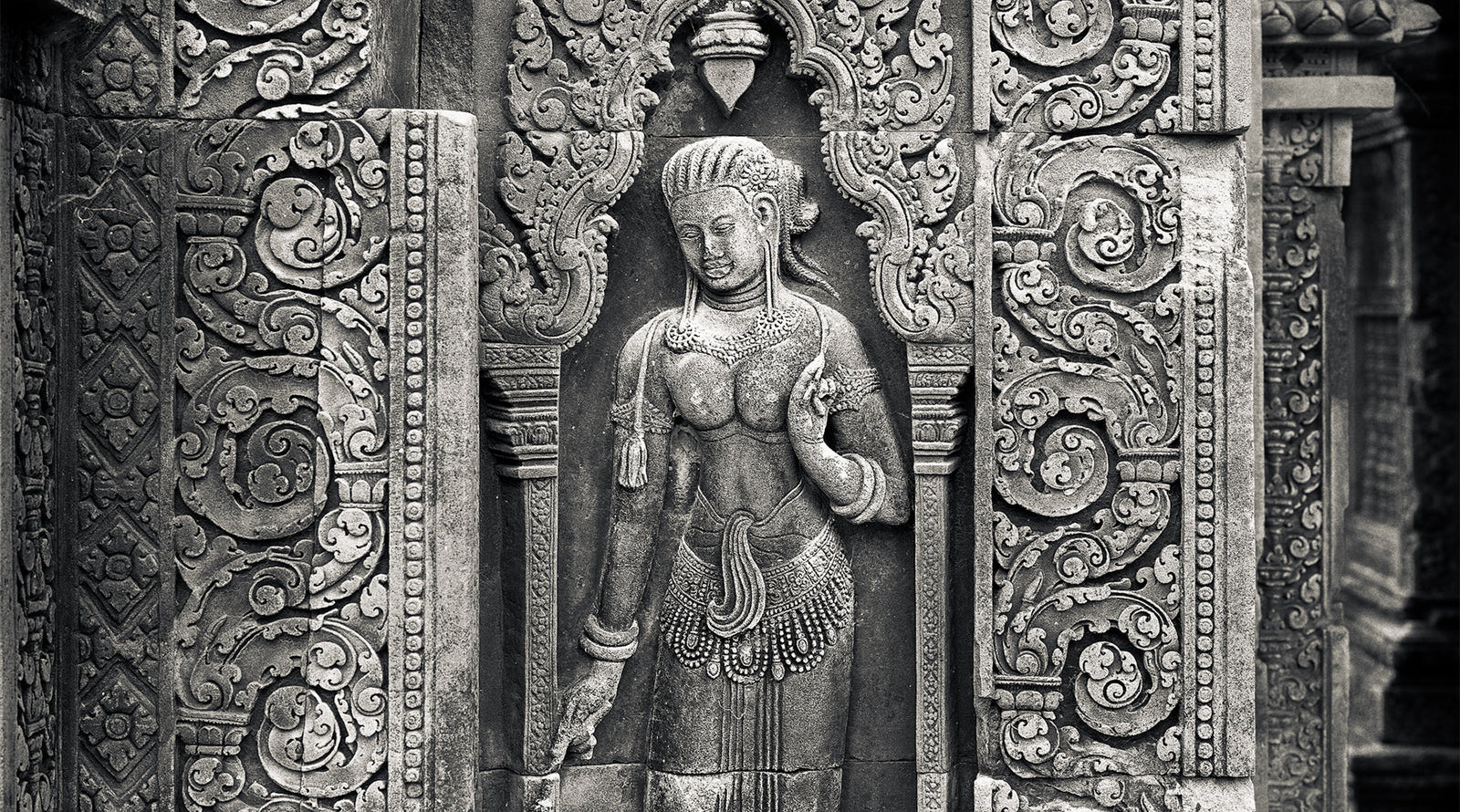

The Silence That Sees
The print begins where sound ends. Through damp stone and soft breath, the artist steps across a threshold of light and form—until gesture becomes invitation.
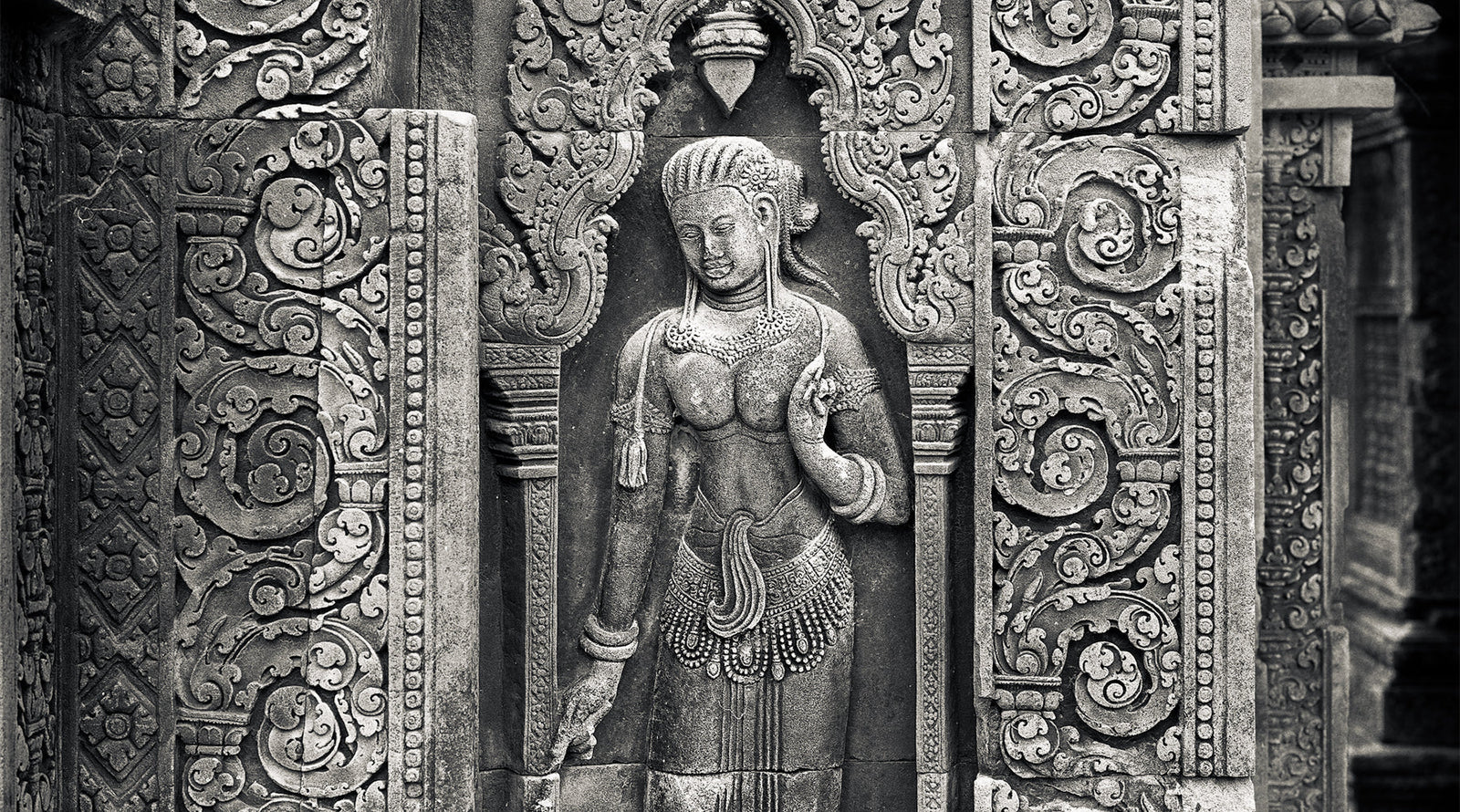

An Apsara Before the First Light
Before the birds stir, she leans into shadow. The artist meets her there—in presence, not pursuit—and breathes with the silence that forms the print before the shutter falls.
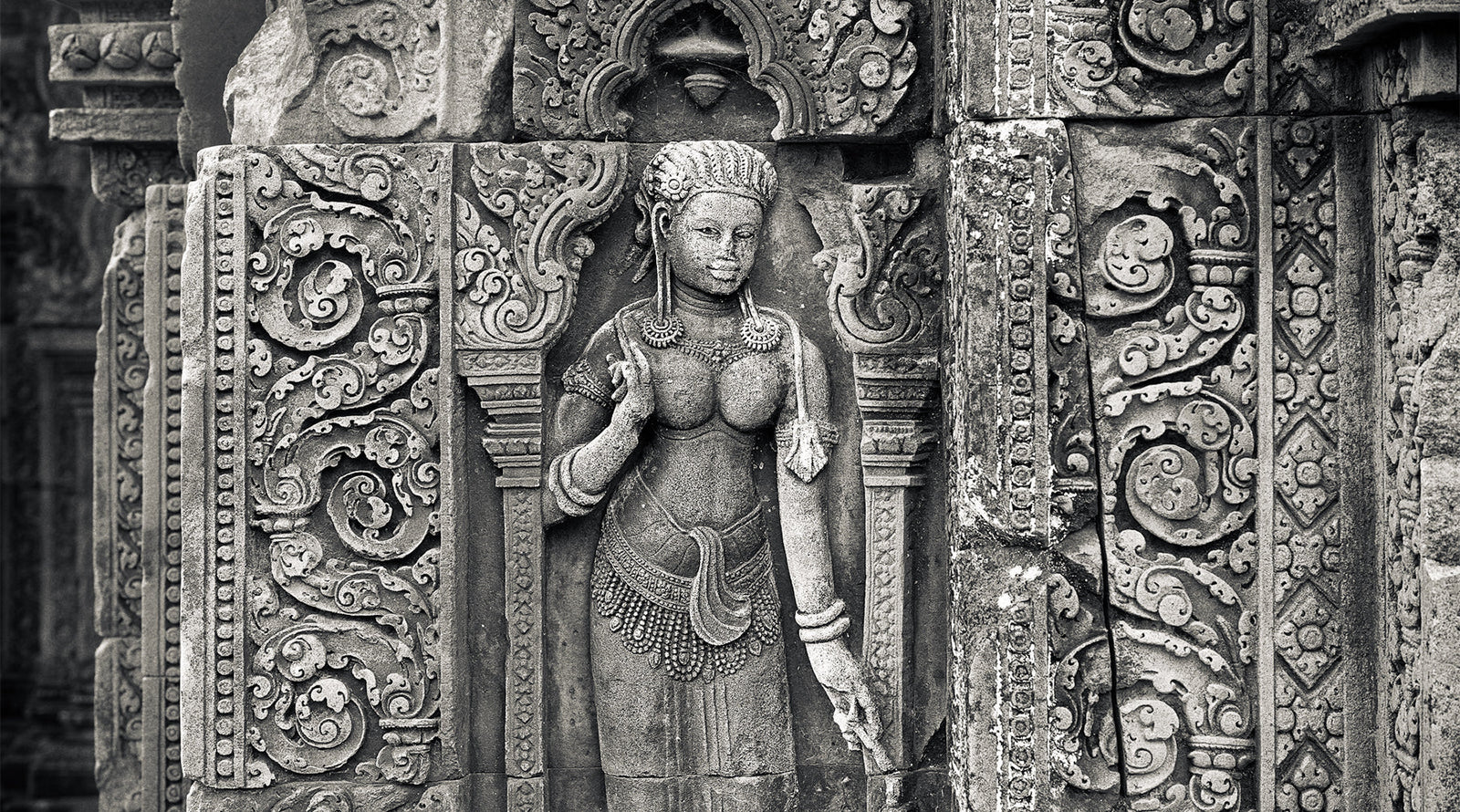

Where Silence Takes Form and Flight
Before the jungle wakes, the artist kneels. Eight minutes of silver and breath render an apsara whose gesture holds the sacred pause between worlds. This reflection invites quiet entry into form, presence, and the silence that remembers.
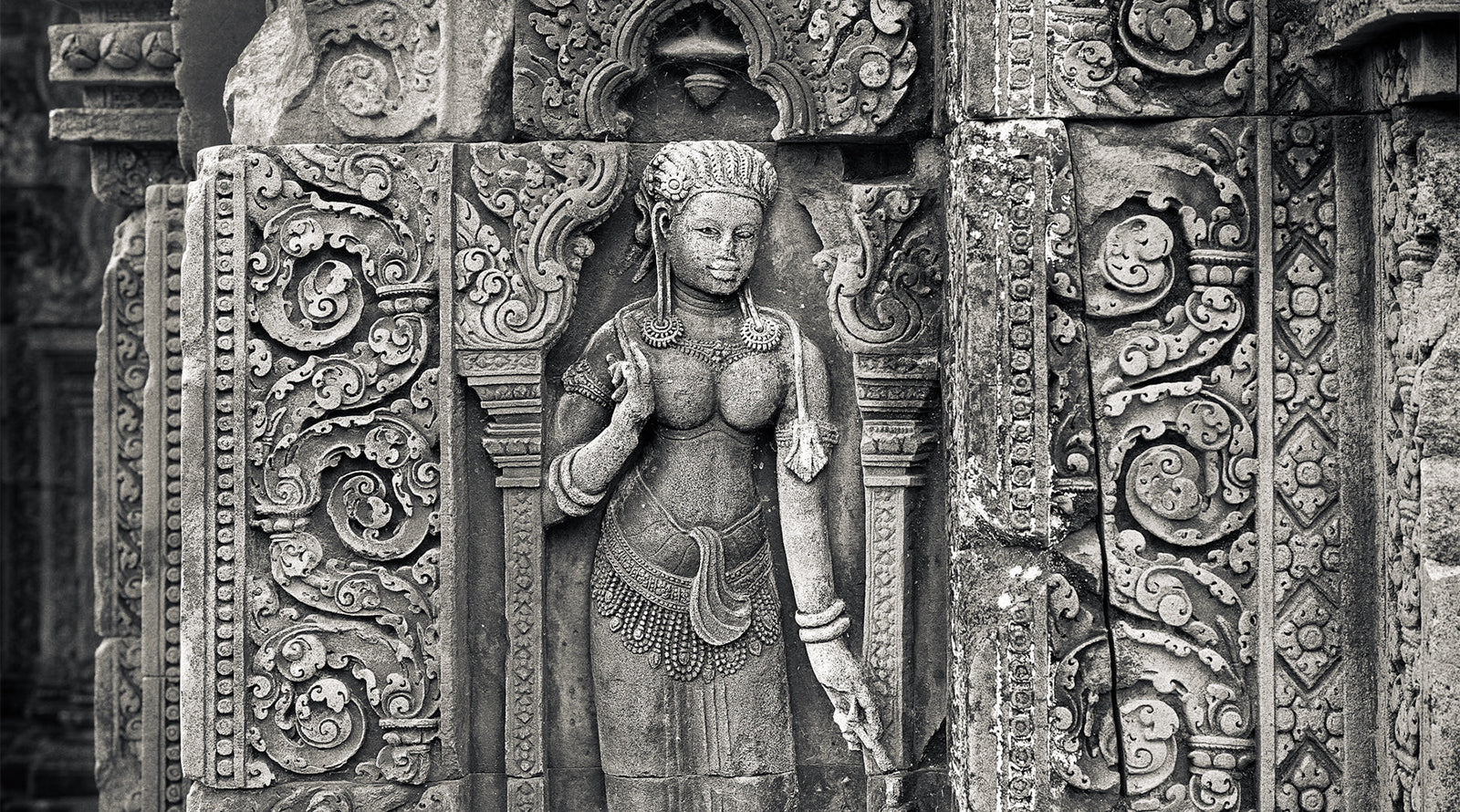

Petal of Stone,
Breath of Rain
SpiClouds linger. The apsara waits. One breath and a slow shutter gather the hush of Banteay Srei’s carved dancer. This quiet haibun captures the instant where memory becomes form, and stone nearly takes flight.
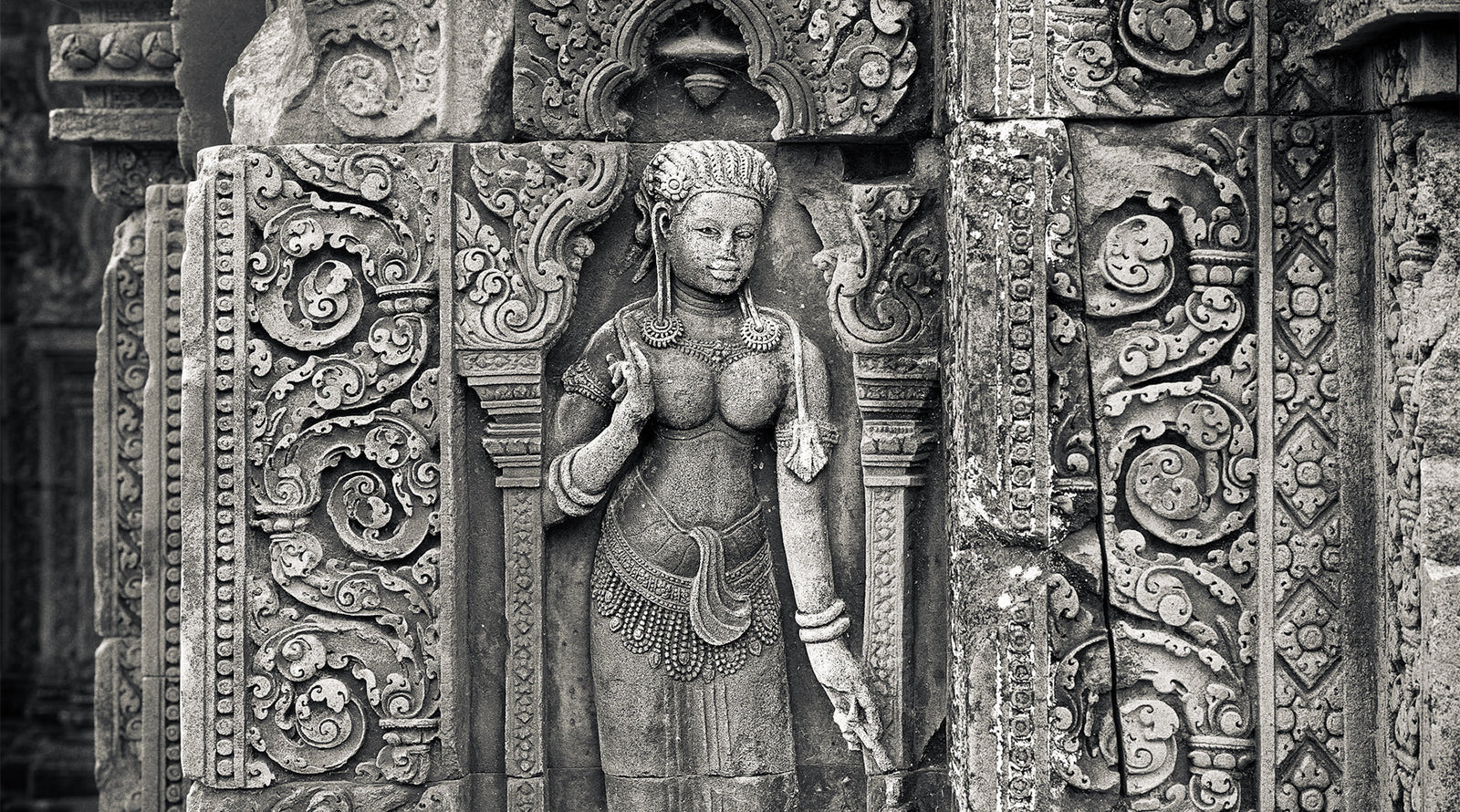

Listening for the Drum Between Raindrops
A droplet slips down carved stone and is gone. Yet the air holds its rhythm, and the apsara listens. This field note opens into poem—where rain, gesture, and memory carry the breath of a vanished drum.
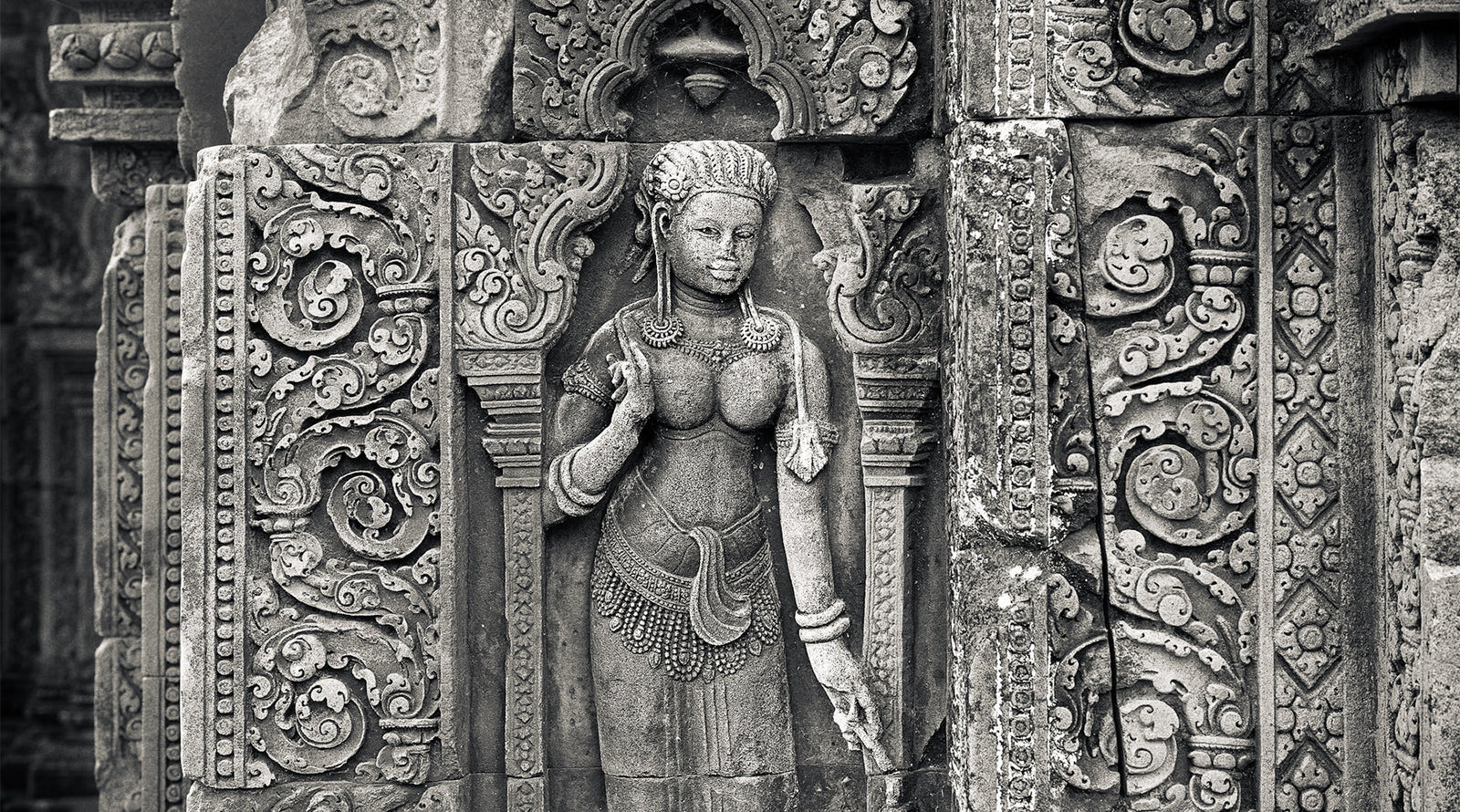

Alabaster Dawn, Unspoken
Morning gathers softly over rain-dark stone. The artist waits—not for light, but for the breath between stillness and movement. A haiku blooms like mist within the field journal, where silence becomes memory in silver and tone.
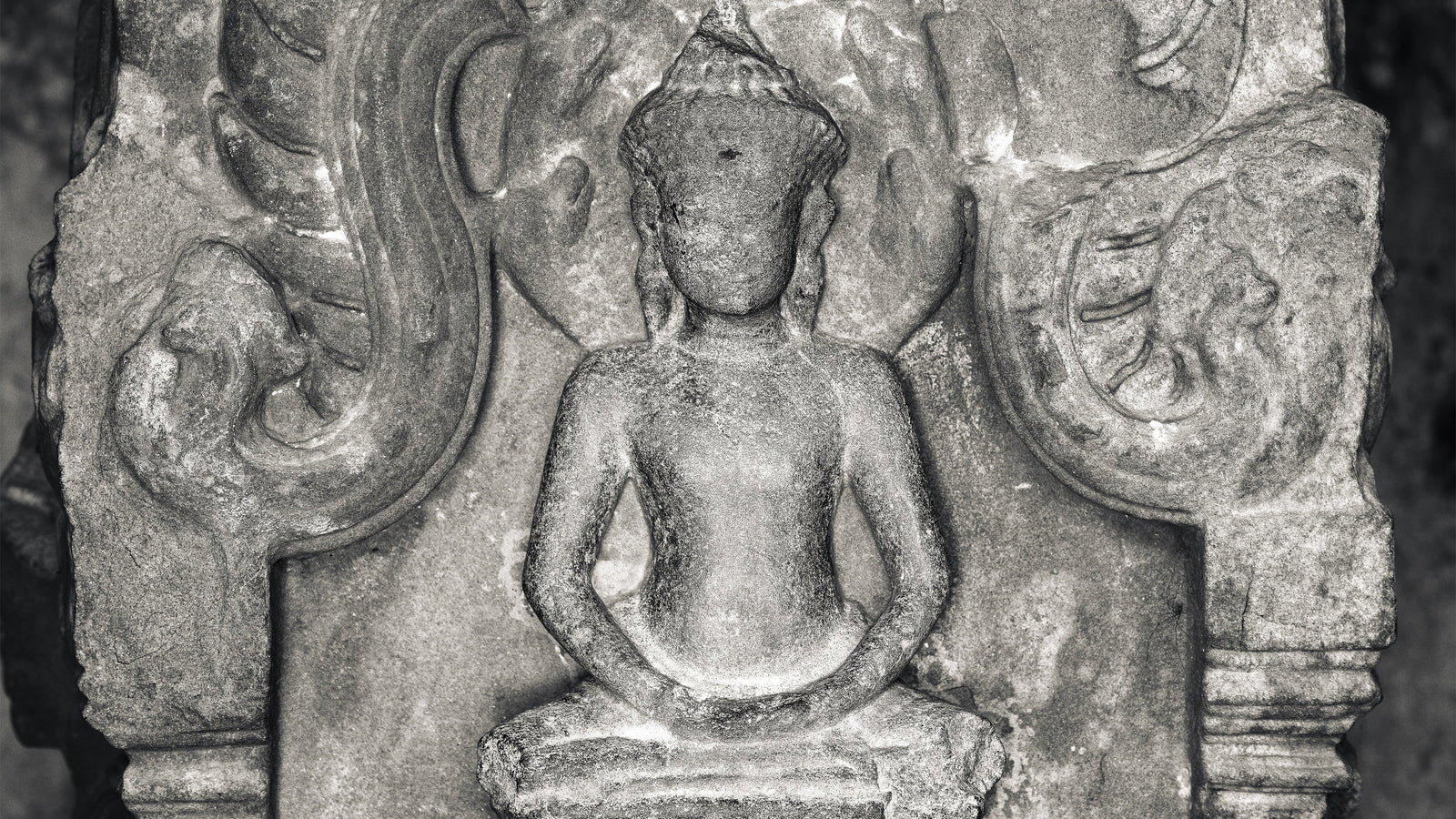

Stillness Shelters Light
Anahata Nada is the hush itself: dawn caught on serpent stone, silver held within bamboo fibres, silence hand-toned into luminosity. The print waits, breathing with whoever approaches, inviting the viewer into a listening presence that precedes every word …
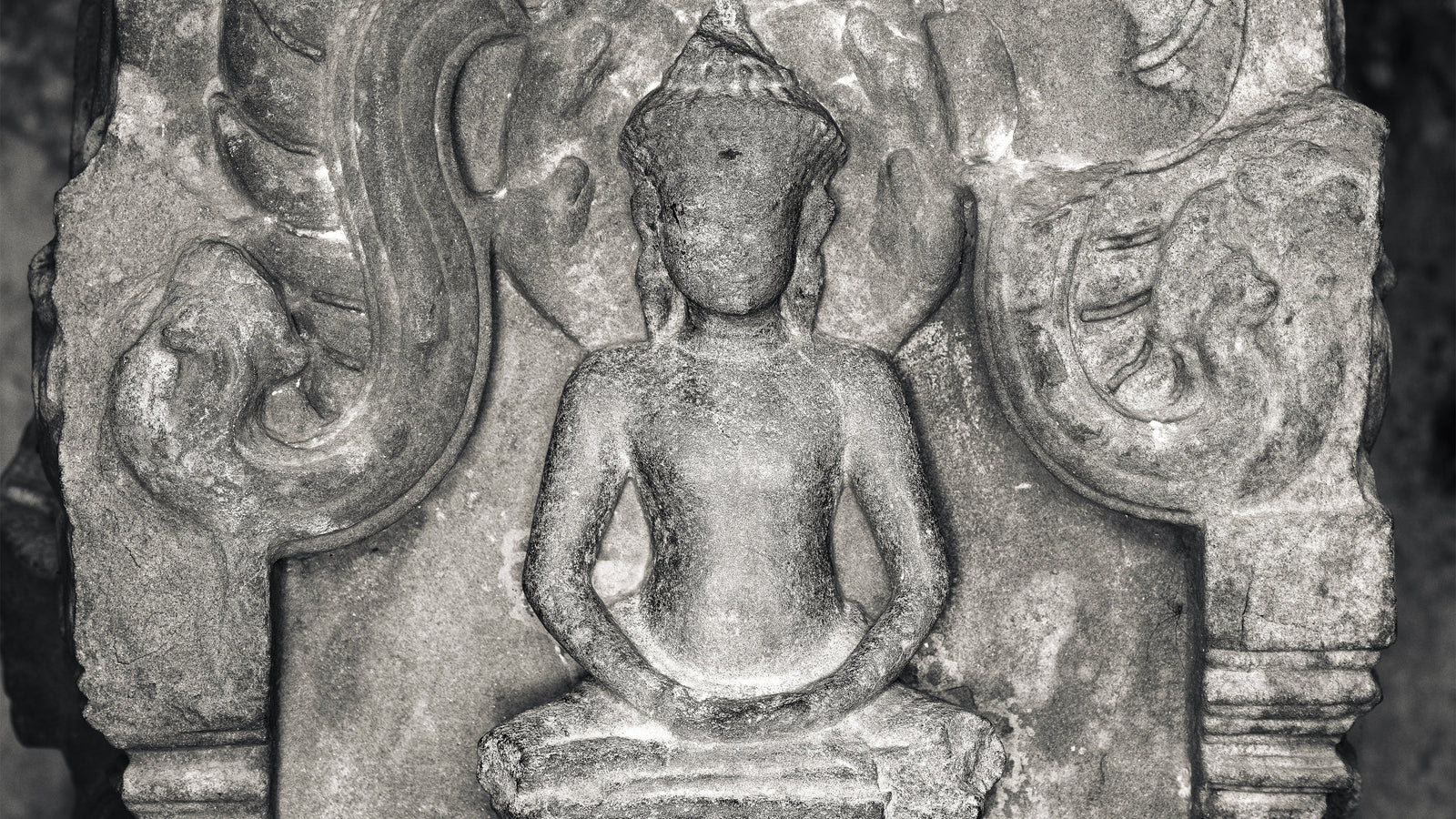

Prayer Not Yet Spoken
Stone inhales and the photographer waits. One exposure gathers the hush before language—the unfinished prayer held beneath a serpent’s coils. The resulting image listens more than it speaks, asking the viewer to enter the space where breath becomes intention …
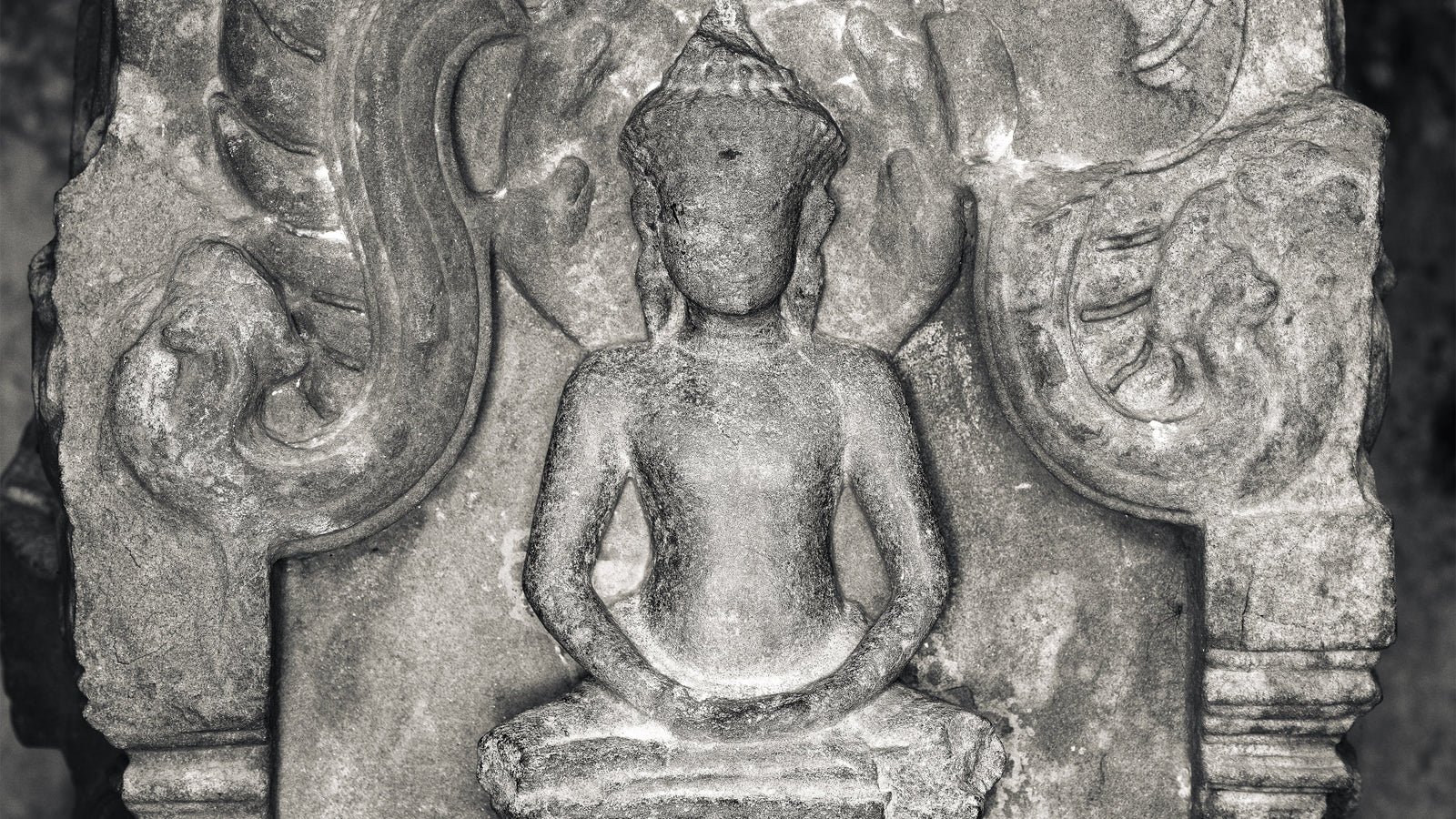

The Hush Before Vibration
A strand of dawn loosens the final darkness. Beneath a serpent’s hood the Buddha absorbs the first radiance, and an image rises from pure listening. Stone, light, and analogue film conspire in a hush that quivers before vibration, inviting the reader to linger on the edge of sound …
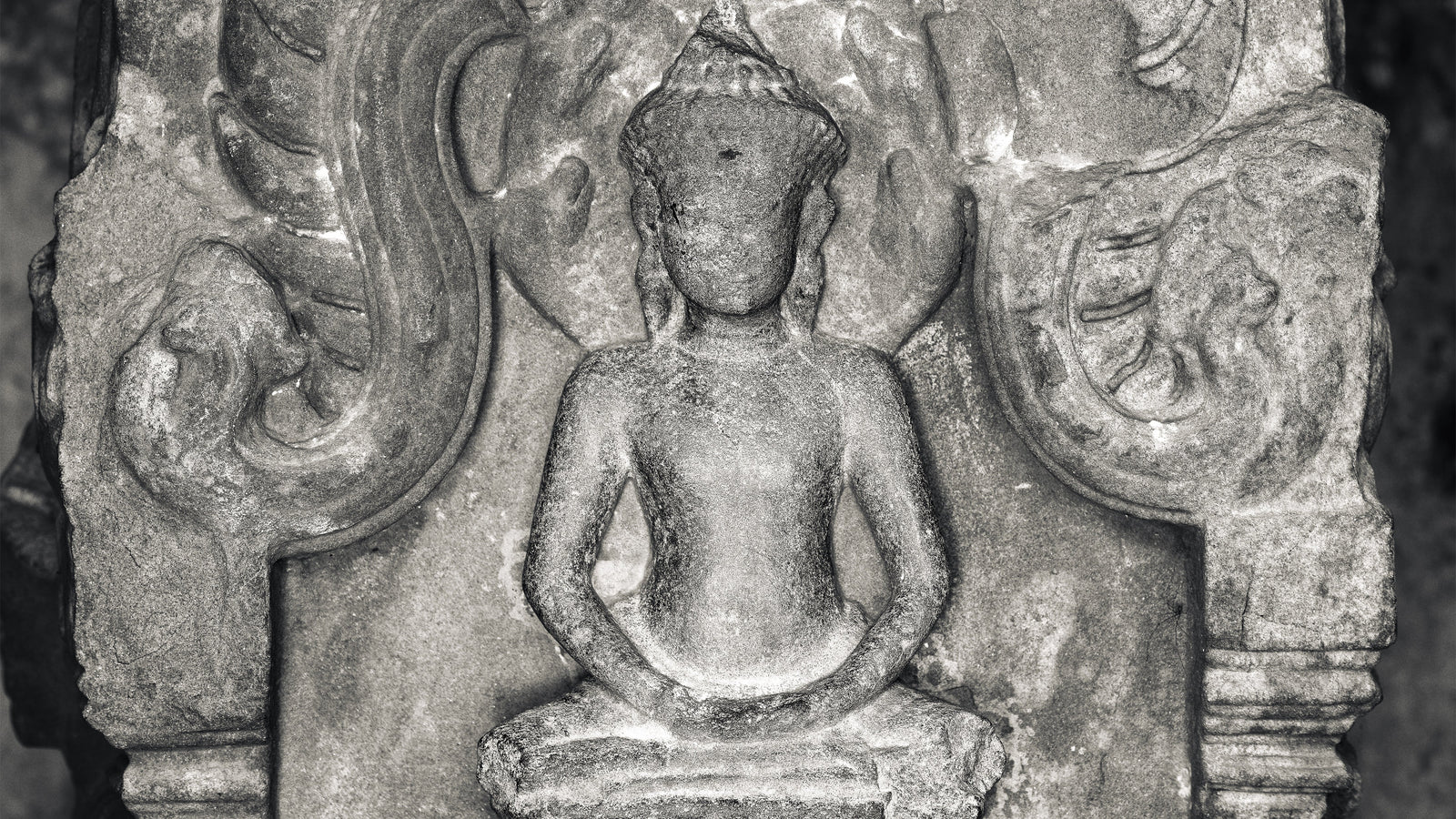

Unstruck Sound Beneath the Naga
In Angkor Wat’s cruciform dark, a Buddha waits beneath Muchilinda. Dawn threads a single line of gold; the artist answers with one quiet exposure. The photograph is less taken than breathed—an unstruck sound held between heartbeat and light, inviting the reader to pause and listen …
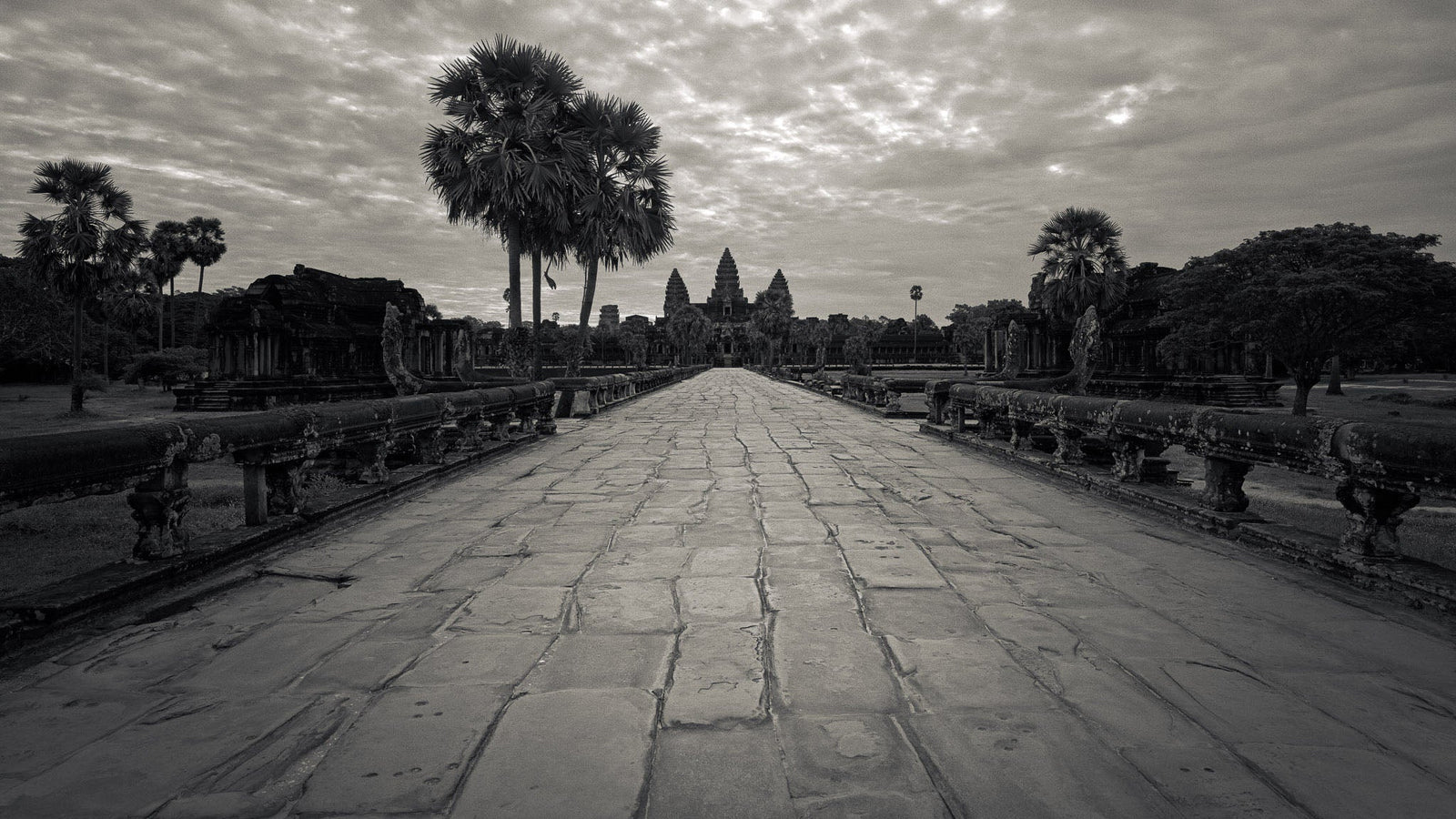

Where the Temple Begins
Before the towers appear, before stone becomes form, the path remembers. This is the axis of reverence, the hush where a print is not made—but received.
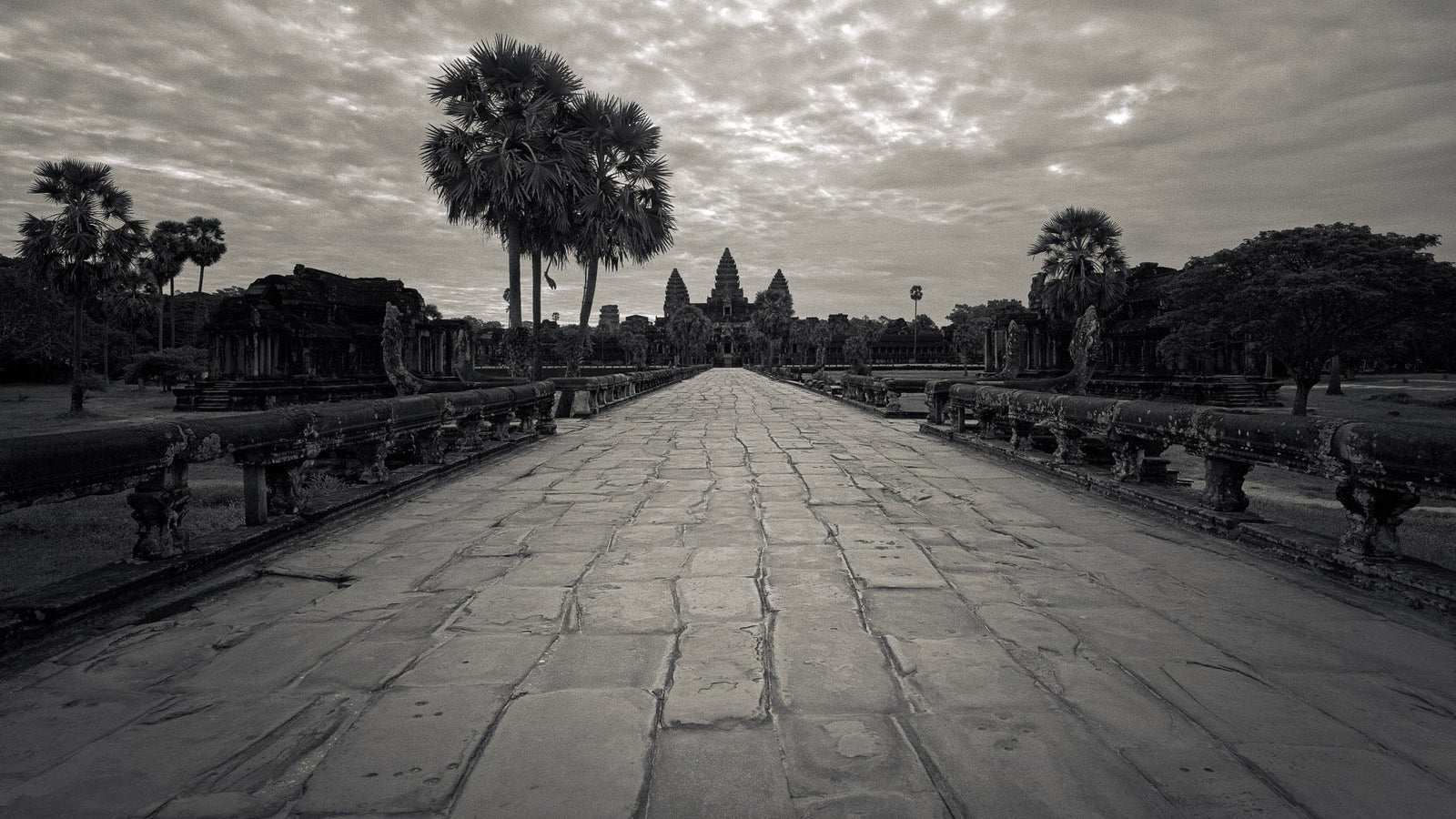

The Moment Before Form
A mist-draped causeway, wet with night. A breath held before the shutter falls. A memory begins to rise—not of sight, but of presence…
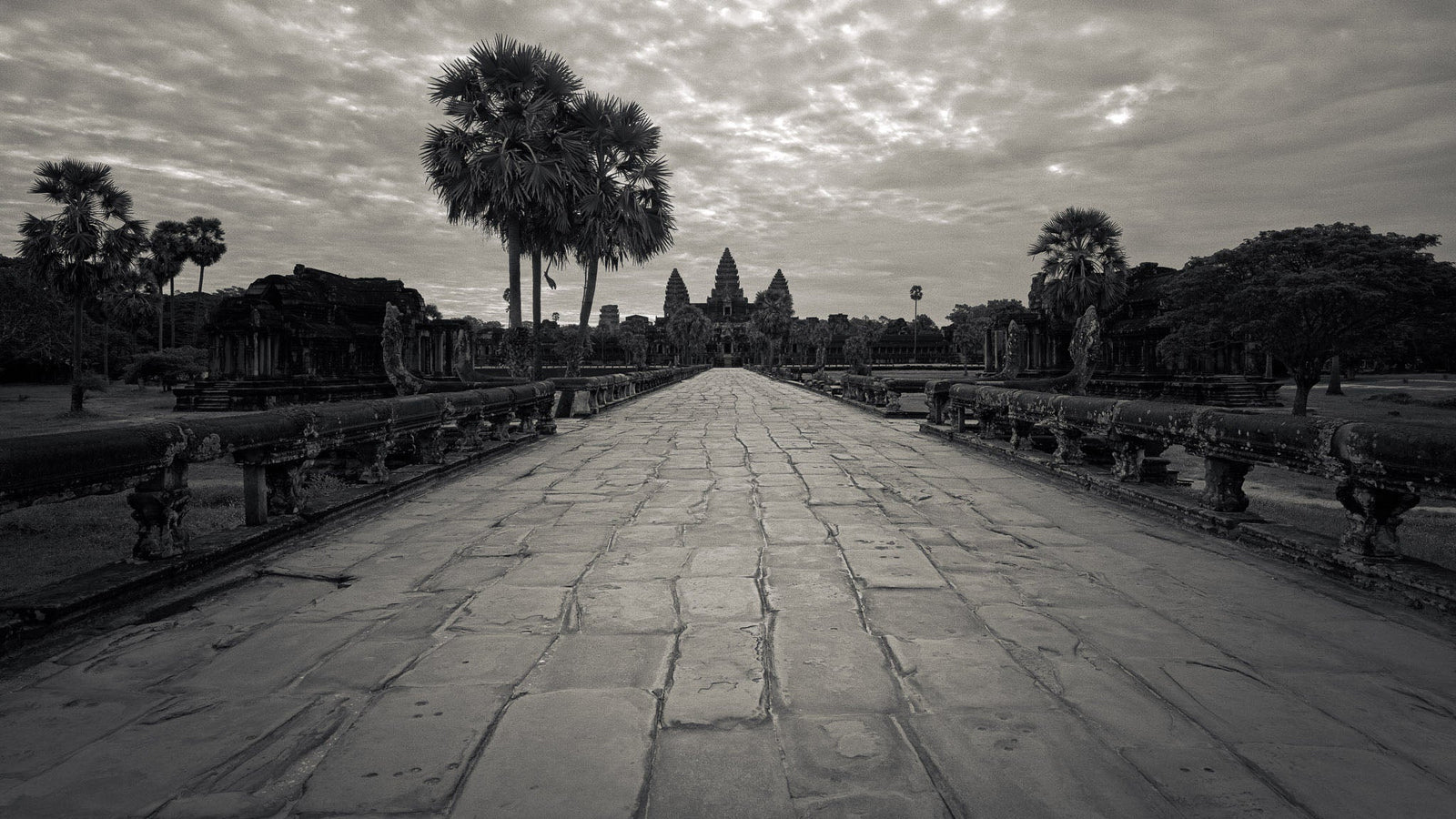

In the Stillness That Watches
The temple doesn’t rise—it watches. A long breath opens into dusk-grey sky. In the hush before exposure, before birds, before names, something sacred begins to remember itself…
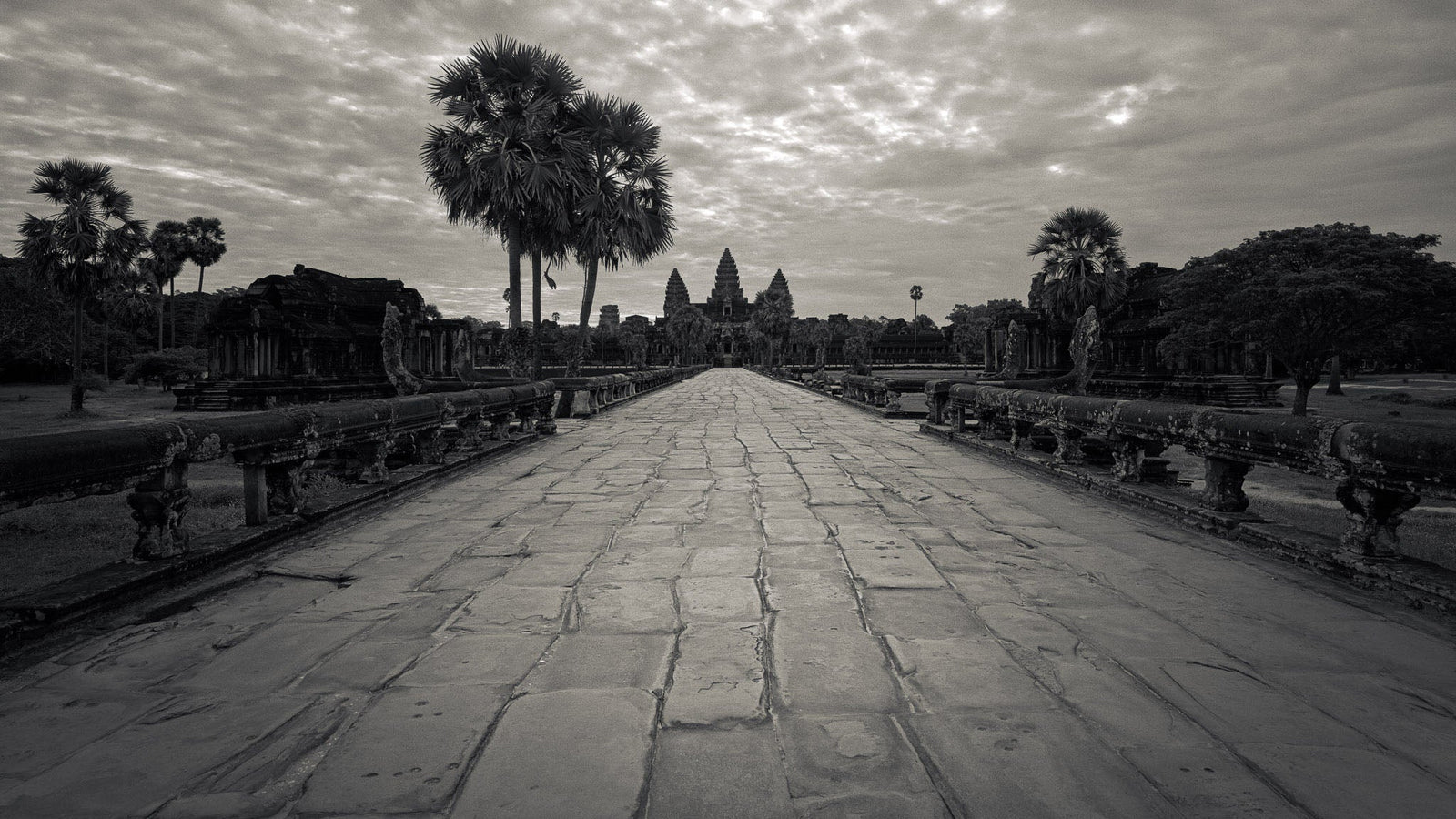

At the Edge of Becoming
A breathless hush covers the causeway at first light. The stone waits. The sky forgets itself in cloud. The artist does not frame, but listens—until the lens, like the moment, learns how to receive…