
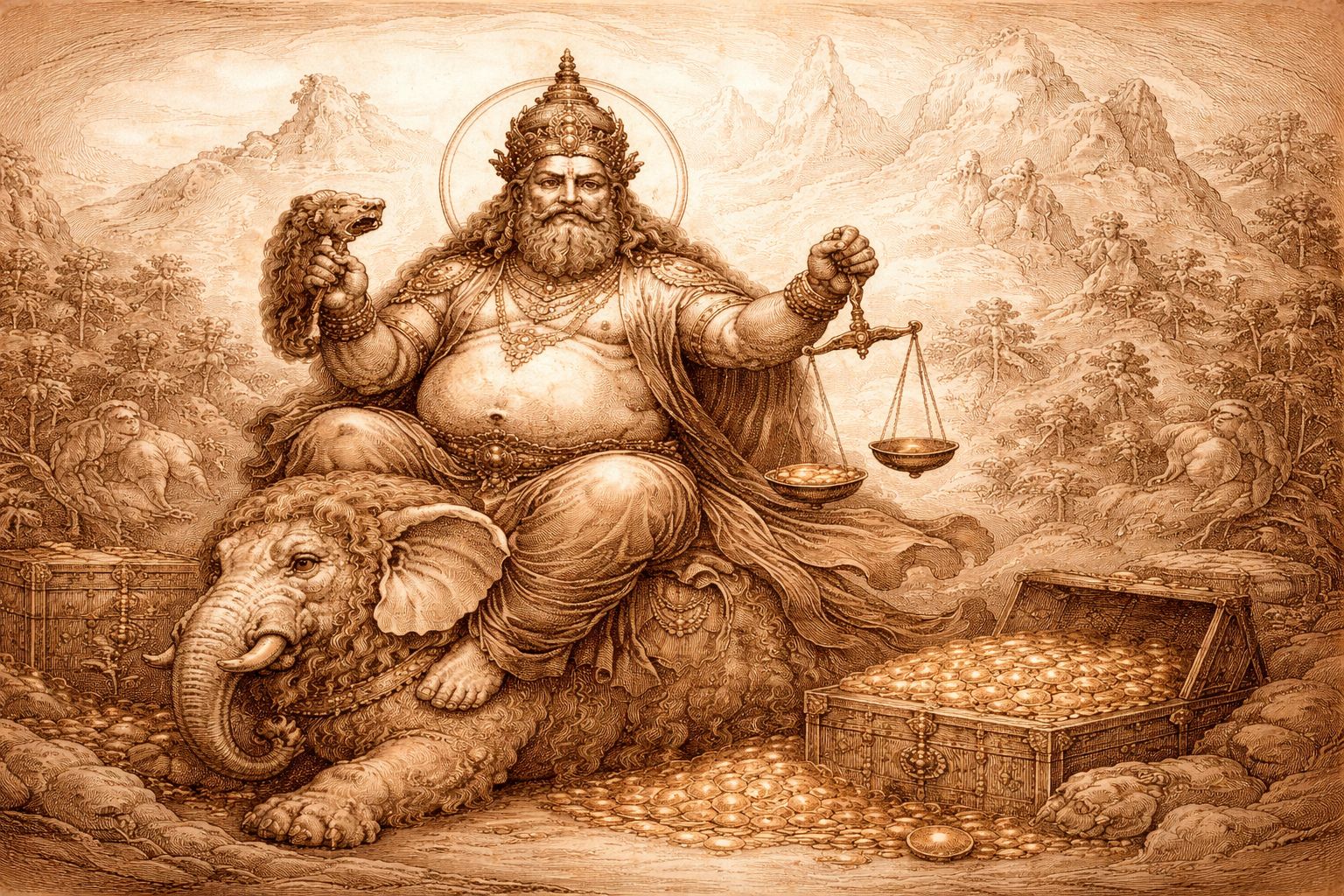

Kubera — The Measure of Wealth
Kubera is not the god of abundance as spectacle, nor of wealth as indulgence. He is the god of measure.
In the Hindu and Buddhist cosmologies, Kubera—also known as Vaisravana—stands watch over the North, the direction of accumulation, stillness, and storage. Where the East is concerned with beginnings, and the South with endings, the North is where things are kept. It is the quarter of mountains and vaults, of caves and hidden seams of ore. Kubera belongs there not because he creates wealth, but because he guards what already exists.
His story begins in disinheritance. Born among the asuras, he was not originally aligned with the gods at all. He ruled Lanka before it was seized by his half-brother Ravana, who expelled him and stole the Pushpaka chariot—the aerial palace that symbolised effortless movement and unearned splendour. This loss is essential. Kubera does not become the lord of riches by conquest or inheritance, but through privation. Cast out, he retreats northward into the mountains and submits himself to a millennium of austerity. Only after this long renunciation is he granted immortality and appointed custodian of the world’s buried wealth.
Kubera’s riches, therefore, are not liquid. They do not circulate freely. They are bound in stone and earth—gold in the mountain, jewels in the root of hills, grain sealed in granaries. His dominion is subterranean and accounting-based. He is the chief of the yakshas, the earth-spirits who guard mineral veins, forest abundance, and the slow fertility of soil. In some traditions he is even called the lord of goblins, a reminder that wealth, when hoarded or mishandled, acquires a grotesque and distorting power.
This moral tension is written into his body. Kubera is famously depicted as deformed: pot-bellied, short-limbed, sometimes hunchbacked. He wears jewels yet does not appear beautiful. His wealth has weight. It bends him. In Khmer sculpture this ambiguity is preserved rather than corrected—crowned figures with swollen torsos, heavy necklaces pressing into flesh, hands gripping scales rather than weapons. Kubera does not strike. He weighs.
The scale is his true attribute. Not the cornucopia, not the overflowing purse, but the instrument of balance. Wealth, in Kubera’s cosmology, is always subject to accounting. Nothing is gained without cost. Nothing is stored without consequence. This makes him a quiet counterpart to Citragupta, the cosmic scribe. Where Citragupta records actions, Kubera records resources—what has been taken from the earth, and what remains.
Even his planetary association reinforces this logic. In the Khmer system of the nine planets, Kubera governs Venus and the day Friday. Venus here is not romance but metal—gold as a planetary substance, a condensed form of beauty that must be refined, weighed, and guarded. It is beauty that has passed through fire.
In Jain tradition, Kubera’s role becomes momentarily extravagant. At the command of Indra, he showers the city of Benares with diamonds and celestial flowers to mark the descent of Parshvanatha into his mother’s womb. Yet even this miracle is temporary. The rain of jewels is not an economy; it is a sign. It marks a sacred event and then ceases. Kubera does not linger in excess.
To understand Kubera correctly is to understand that wealth is not blessing by default. It is trust. He is the treasurer of the universe not because he distributes riches freely, but because he knows how easily abundance turns feral. His vigilance protects the world from both scarcity and glut.
Kubera stands at the threshold between possession and stewardship. He reminds us that what we call “ours” is always borrowed from deeper strata—from stone, from time, from labour unseen. To encounter him in the temples of Angkor, carved into lintels or half-hidden in reliefs, is to be reminded that prosperity was once understood as a moral weight, not a reward.
The North, under Kubera’s watch, is not a promise of gain. It is a question: What will you do with what has been entrusted to you?
—
Receive the next work
Subscribe free to receive new work from the Lucas Varro Library by email.
More from the Library


See Also
A concise and impartial dictionary of absence, promises, quarrels, ordinary objects, and the troublesome instability of words.
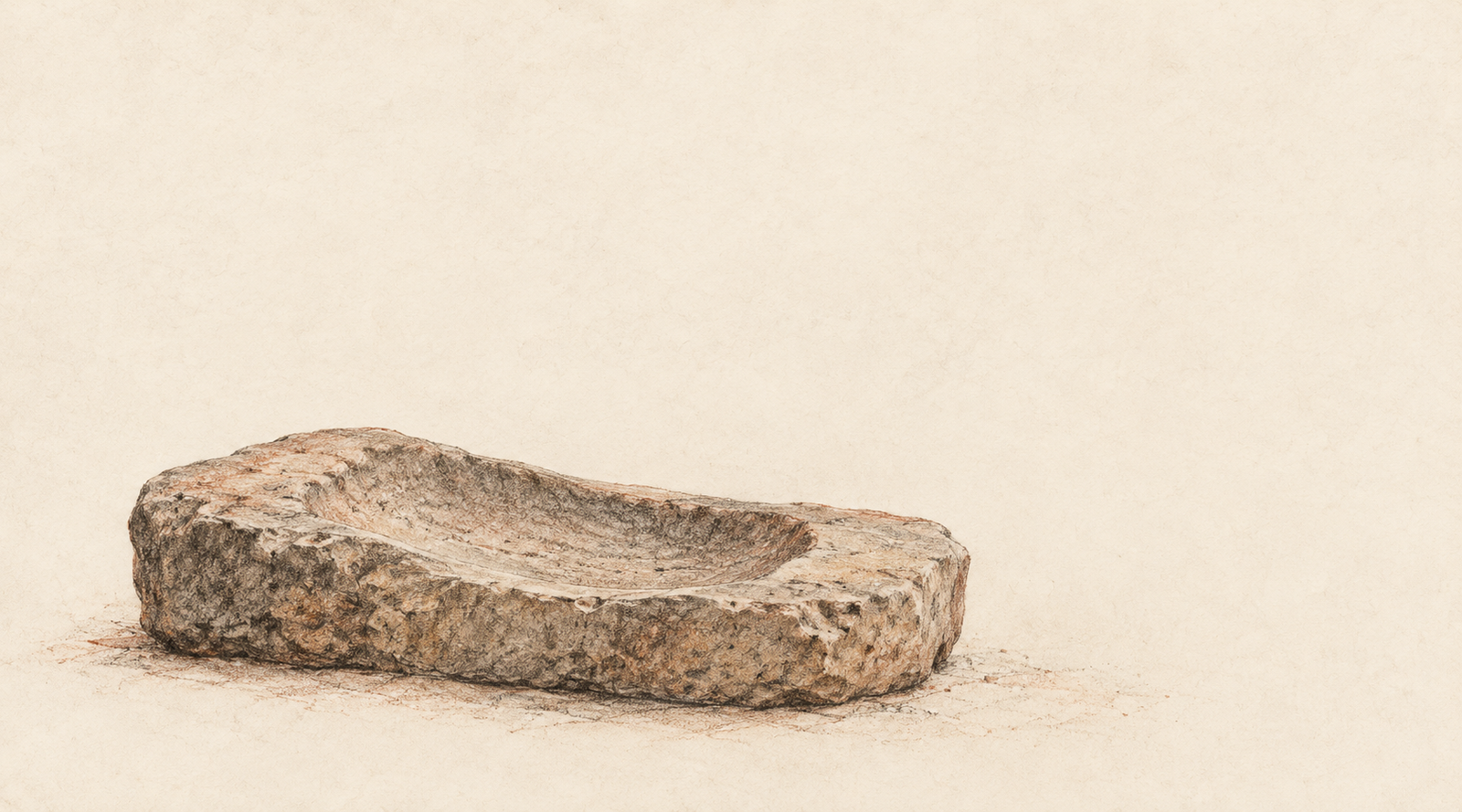

The City of Service
The temple we inherit is a building from which almost all necessity has been removed. Nothing must be brought for it to continue being what we call a temple. The sanctuary asks nothing of us. Stone is good at this kind of independence.
A living temple was otherwise.
Water had to come in. So did grain, cloth, oil, aromatic substances, fuel. The things required for worship arrived because someone carried them across a threshold.
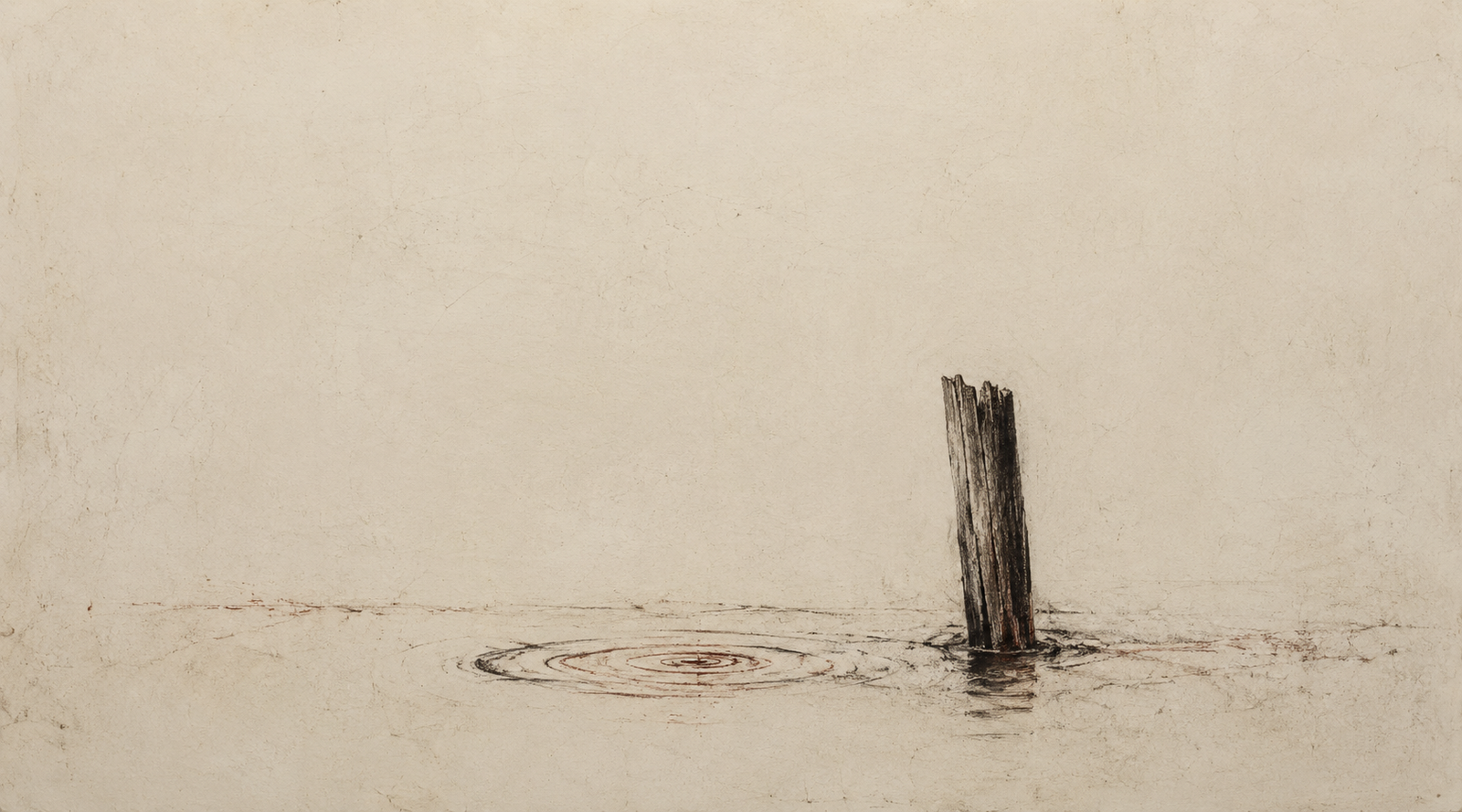

Houses of Wood, Light, and Smoke
Some of Angkor’s most intimate ruins do not rise above the ground at all. They are postholes, low mounds, hearths and ponds: durable traces of a domestic city built largely from things that decay. To restore that city is to see Angkor not only as stone, but as wood, smoke, water, repair, and people living within calling distance.