
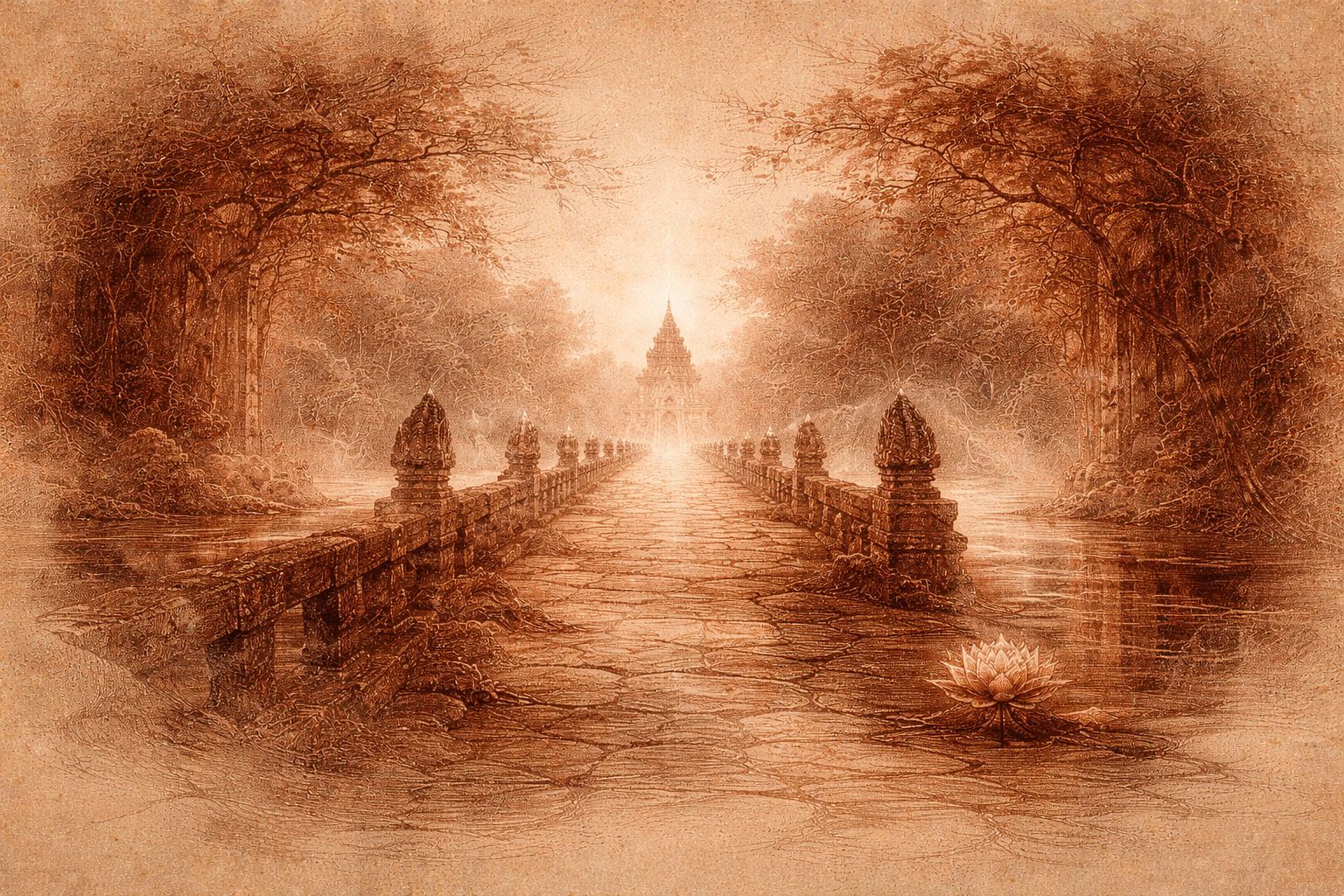

The Causeway, Remembered
Some thresholds are not crossed once.
They are carried.
Causeway
The road narrows.
Then the light.
Water on either side
holds the sky.
The body slows
without instruction.
Stone does not open.
It waits.
Your shoulders lower.
You did not tell them to.
Inside, distance lengthens.
Breath slows.
Figures in shadow,
mid-gesture,
balance undecided.
Movement has not happened—
and yet the air knows.
You step back.
Out of courtesy.
Rain arrives.
Leaves.
You carry away
a change in weight.
What Remains of the Causeway
Not the stone.
Not the water.
The slowing.
The way the body
learned to wait
without being told.
Light resting
where it fell.
Time
unshouldered.
You stood.
That was enough.
Now—
elsewhere—
rooms move too quickly.
Yet sometimes
your foot hesitates.
Your breath
does not follow at once.
The causeway exists.
You know this.
What is gone
is the measure
that held you
and let you remain.
—
Receive the next work
Subscribe free to receive new work from the Lucas Varro Library by email.
More from the Library

See Also
A concise and impartial dictionary of absence, promises, quarrels, ordinary objects, and the troublesome instability of words.
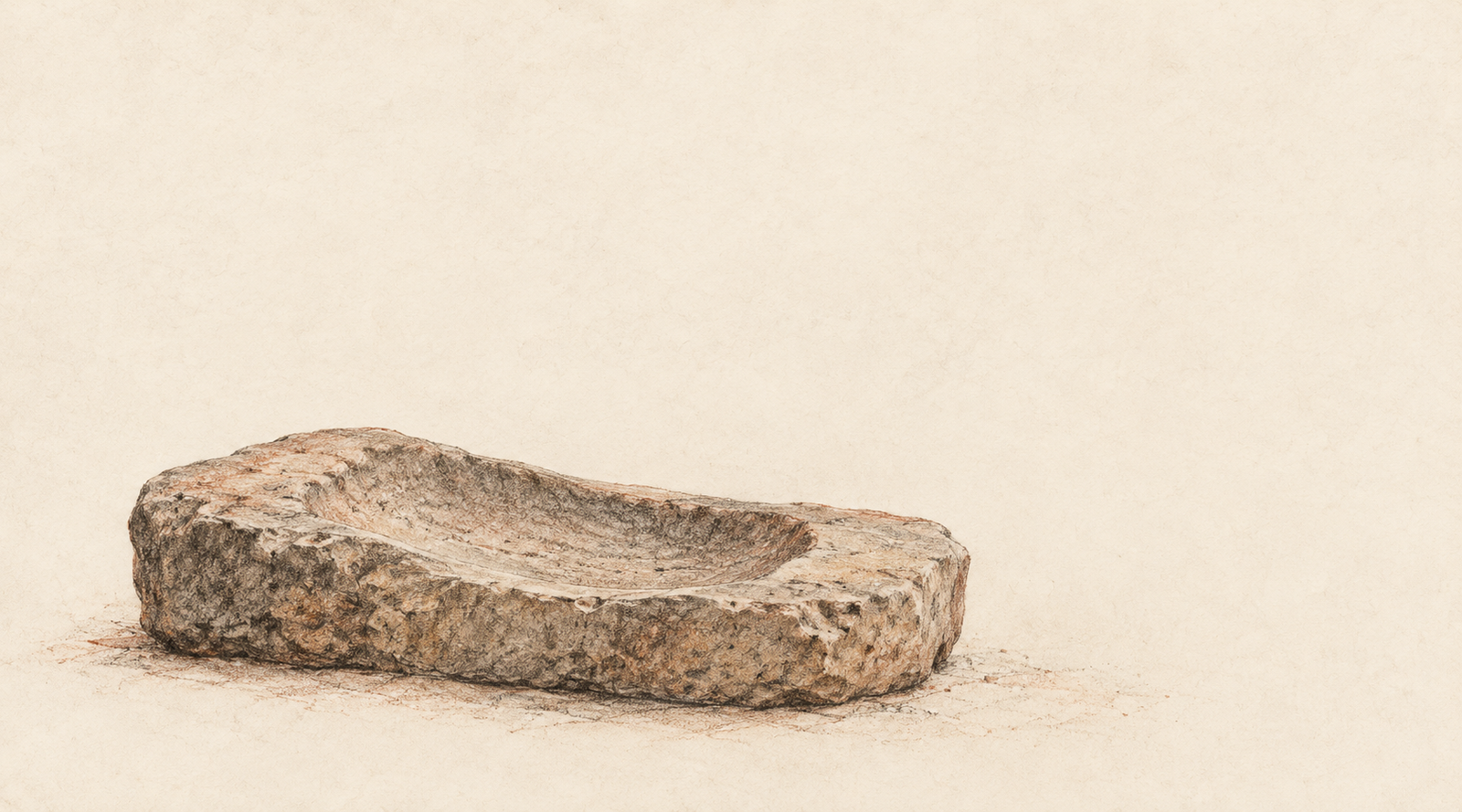

The City of Service
The temple we inherit is a building from which almost all necessity has been removed. Nothing must be brought for it to continue being what we call a temple. The sanctuary asks nothing of us. Stone is good at this kind of independence.
A living temple was otherwise.
Water had to come in. So did grain, cloth, oil, aromatic substances, fuel. The things required for worship arrived because someone carried them across a threshold.
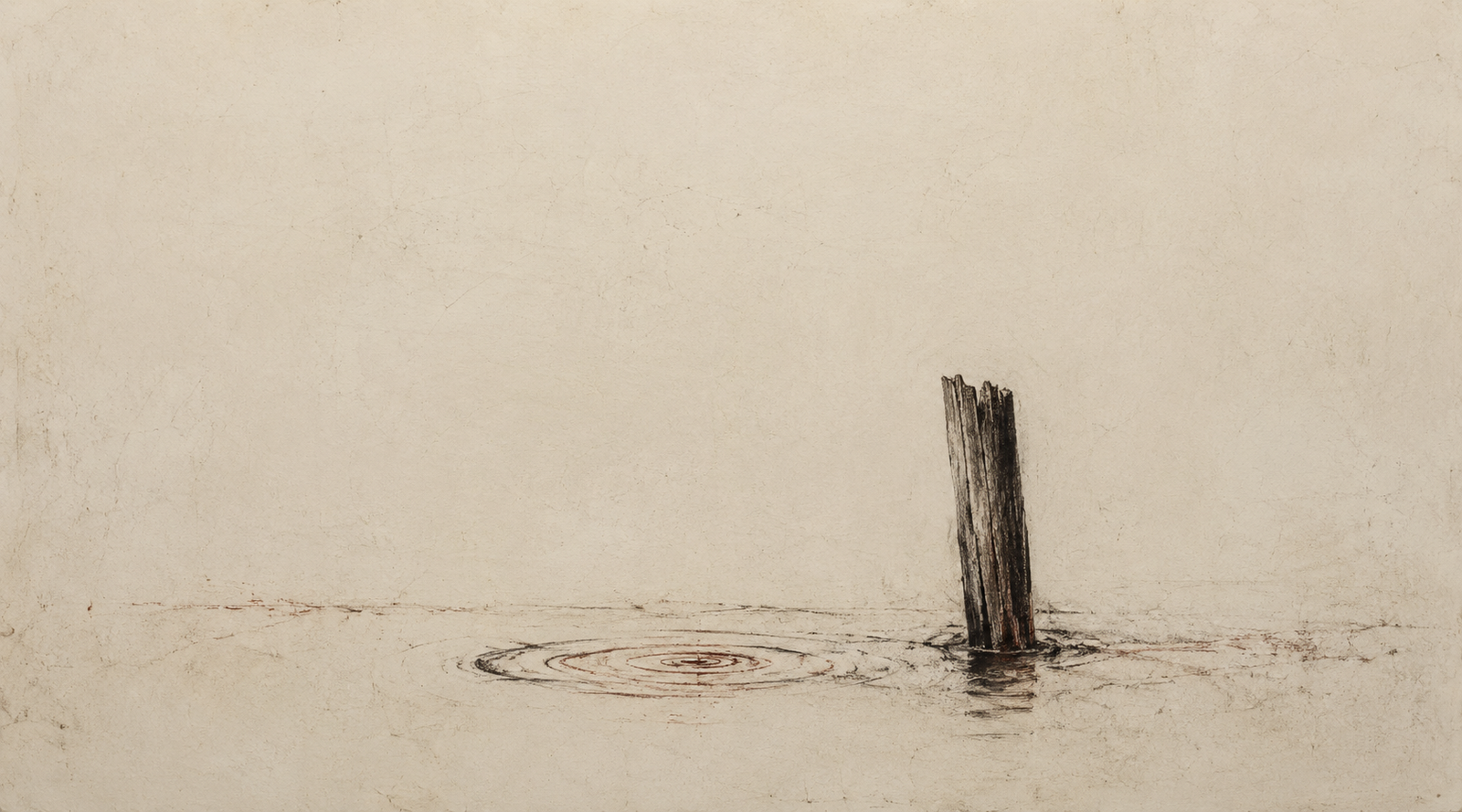

Houses of Wood, Light, and Smoke
Some of Angkor’s most intimate ruins do not rise above the ground at all. They are postholes, low mounds, hearths and ponds: durable traces of a domestic city built largely from things that decay. To restore that city is to see Angkor not only as stone, but as wood, smoke, water, repair, and people living within calling distance.