
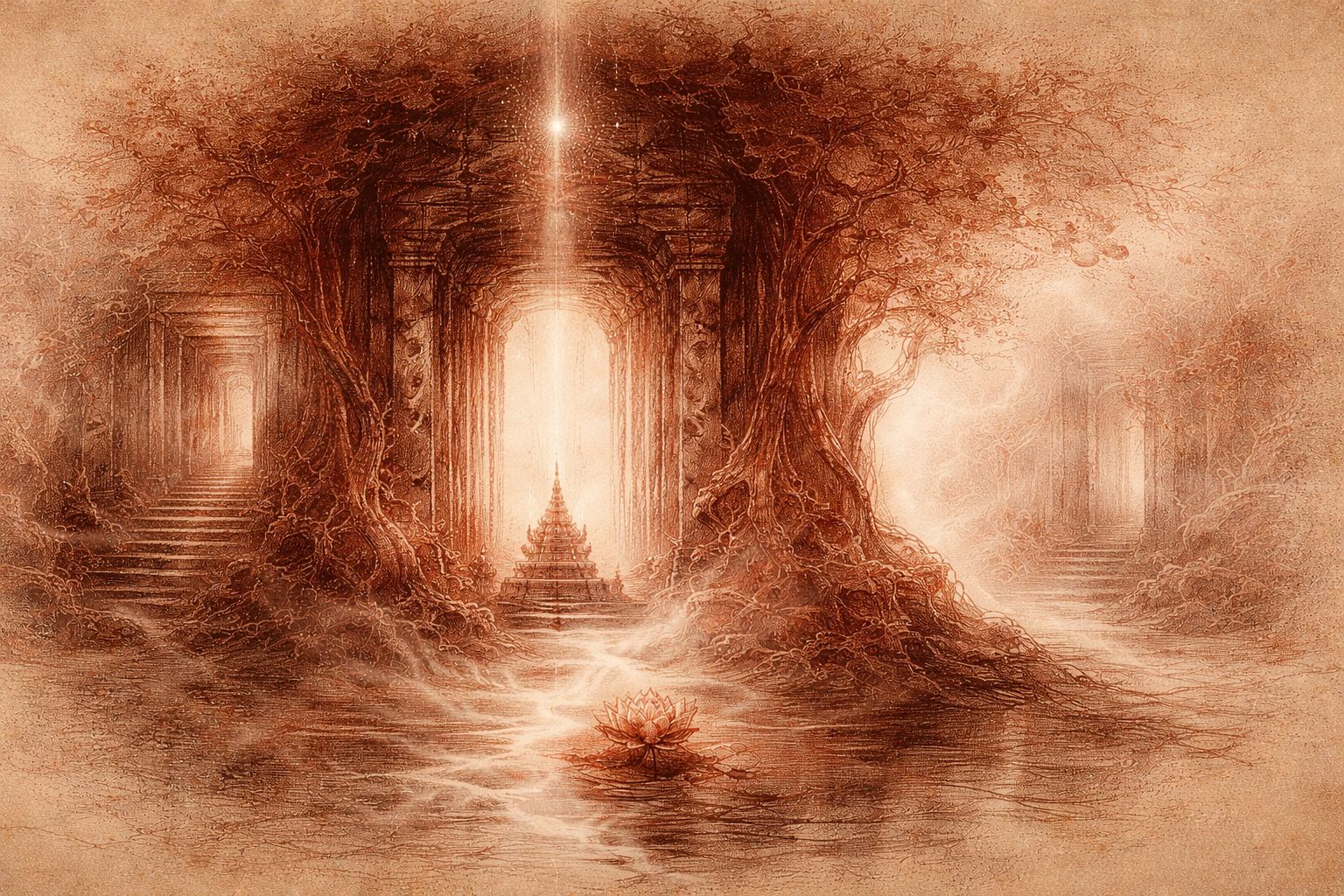

Before Seeing / After Leaving
Some places are entered before the body arrives,
and remain standing after it leaves.
I have not been there,
and yet something in me is already tired from walking.
I know the colour of stone at dawn
without having earned it.
I imagine corridors that cool the air
by remembering water.
I imagine doorways
that do not hurry you.
Sometimes the longing arrives
as a weight in the chest,
sometimes as relief—
as if a life elsewhere
were quietly continuing
without me.
I want to stand where devotion
was once an ordinary task,
where hands learned patience
by touching the same surface
for centuries.
I want to be smaller
without being diminished.
I want to look at the world
long enough
that it forgets
I am watching.
I have been there,
and now everything else asks less of me
than it should.
I walk streets that function perfectly
and feel almost accused.
Stone taught me a different pace—
one that does not improve,
only deepens.
I remember light entering halls
as if it were allowed,
as if it had waited.
The absence is not dramatic.
It is precise.
A quiet pressure behind the ribs,
the sense that something essential
has remained upright
somewhere else.
I return in fragments:
breath slowing,
footsteps choosing silence,
attention becoming a form of care.
I am careful now
with what I give myself to—
knowing how easily
a place can take you whole,
and leave you
remembering how.
—
Receive the next work
Subscribe free to receive new work from the Lucas Varro Library by email.
More from the Library


See Also
A concise and impartial dictionary of absence, promises, quarrels, ordinary objects, and the troublesome instability of words.

The City of Service
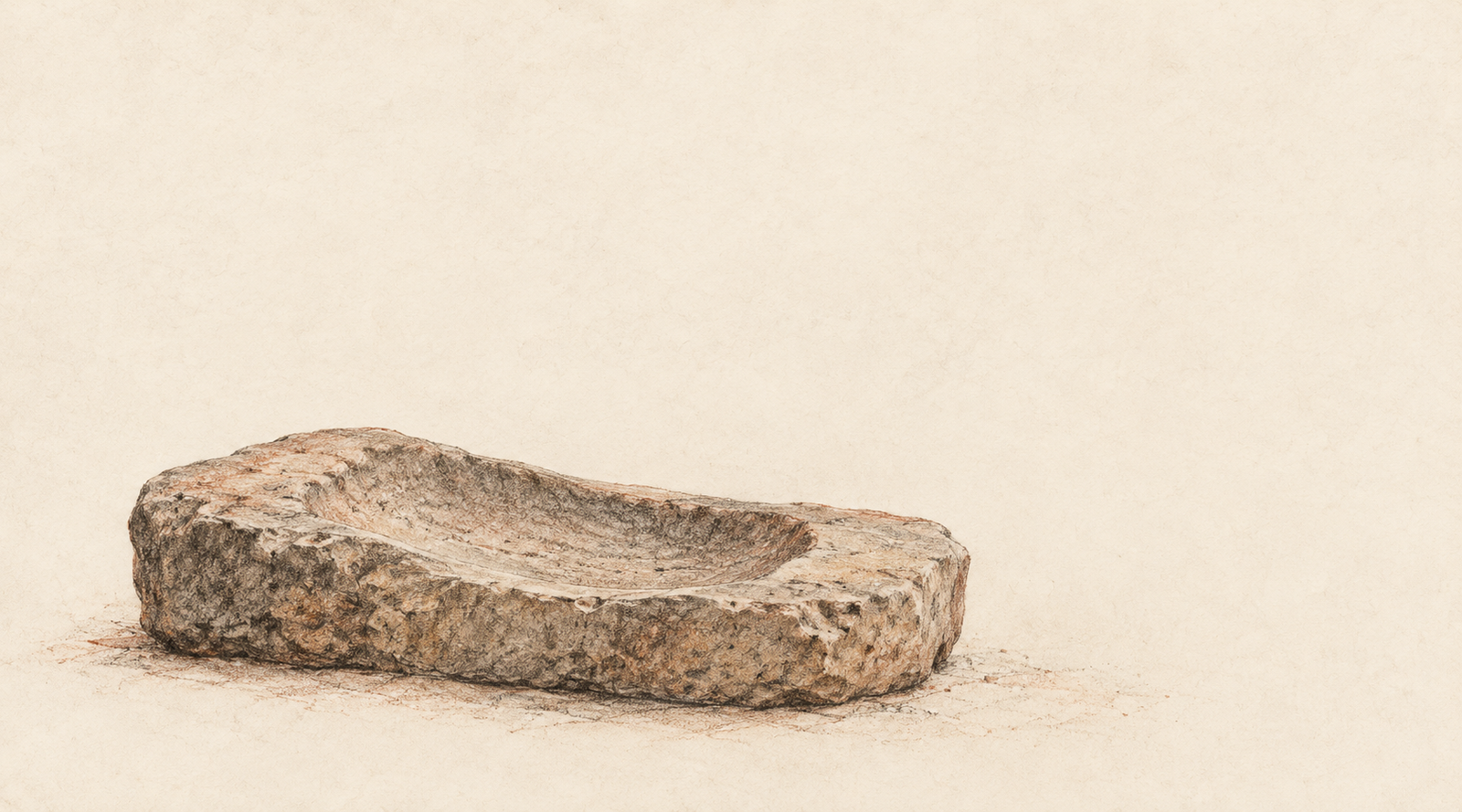
The temple we inherit is a building from which almost all necessity has been removed. Nothing must be brought for it to continue being what we call a temple. The sanctuary asks nothing of us. Stone is good at this kind of independence.
A living temple was otherwise.
Water had to come in. So did grain, cloth, oil, aromatic substances, fuel. The things required for worship arrived because someone carried them across a threshold.

Houses of Wood, Light, and Smoke
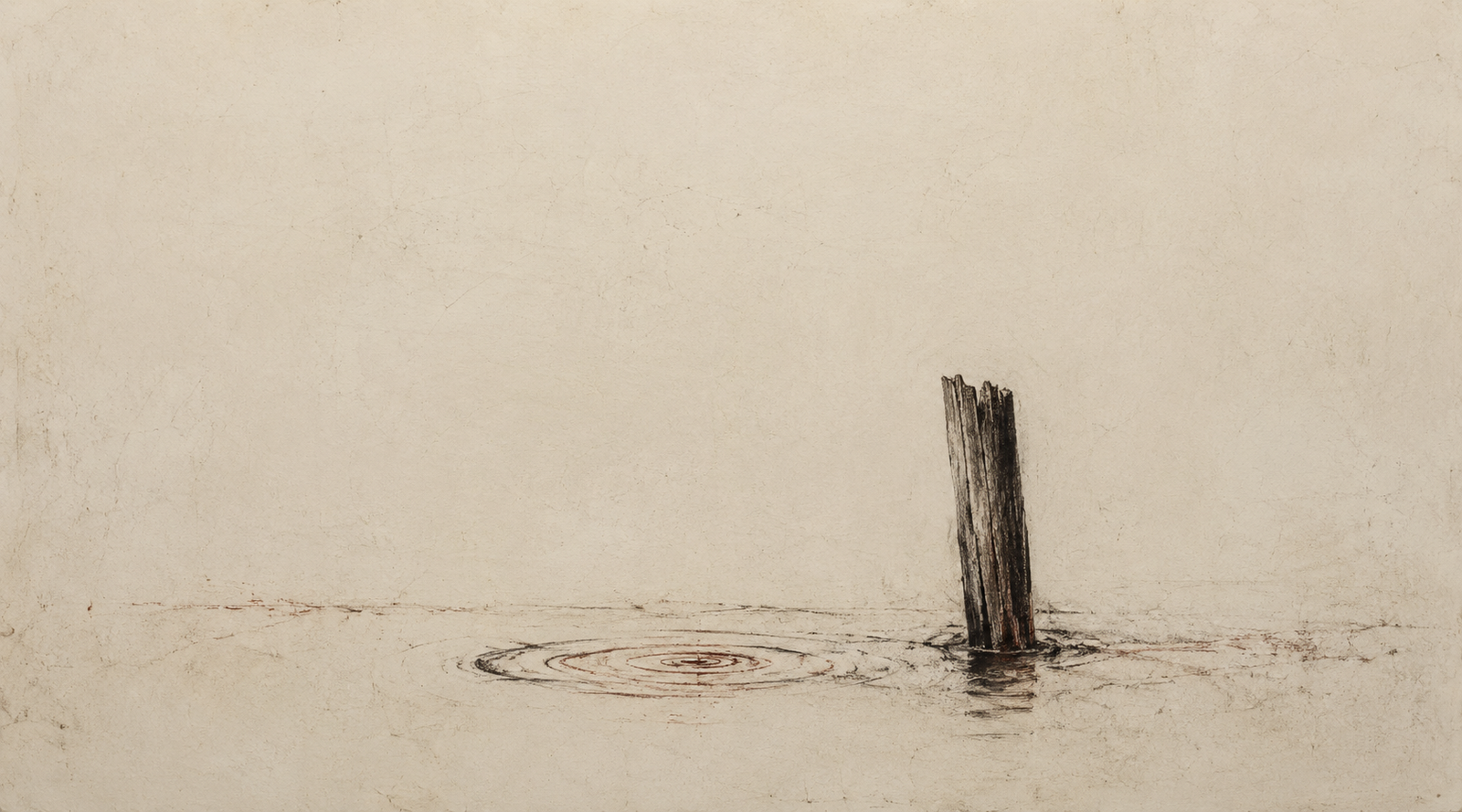
Some of Angkor’s most intimate ruins do not rise above the ground at all. They are postholes, low mounds, hearths and ponds: durable traces of a domestic city built largely from things that decay. To restore that city is to see Angkor not only as stone, but as wood, smoke, water, repair, and people living within calling distance.