
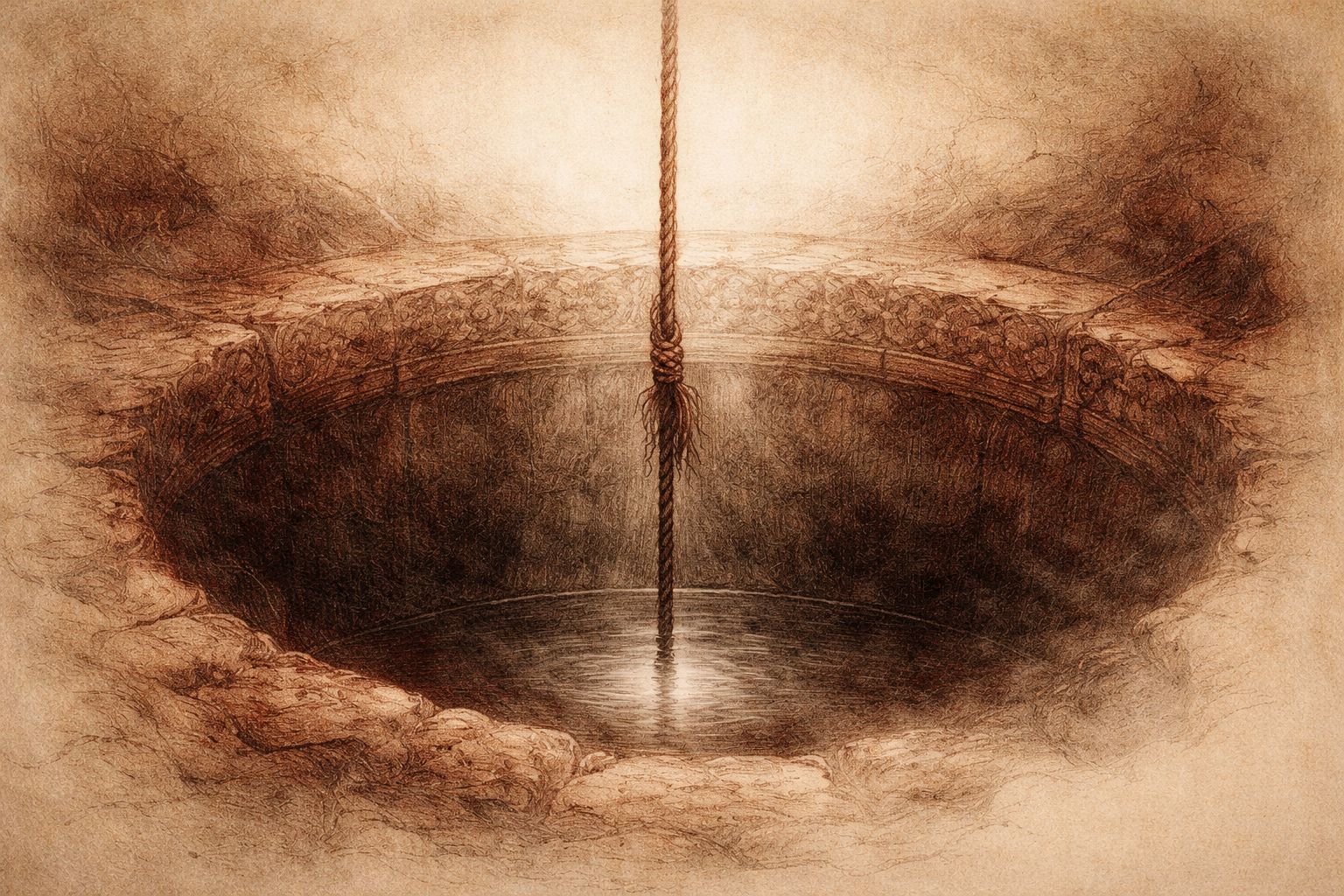

The Well
Morning.
The rope damp in his hands.
Stone cool against his knees.
He lowered the bucket.
It struck the wall,
rang once,
then went quiet.
Someone stood behind him.
He did not turn at first.
The air felt thinner,
like breath held too long.
When he looked,
she was there—
bare feet in the dust,
watching the mouth of the well
as if it might answer her.
They said nothing.
The bucket rose, heavy with water.
It spilled over his wrist,
cold enough to sting.
She reached for his hand.
Her fingers were cool.
Unfinished.
For a moment,
everything stayed.
The rope stopped burning.
The world balanced
on the sound of water
settling in the bucket.
Then it ended.
No sign.
No wind.
Light thickened.
A bird cried out.
The rope bit again.
Years later,
he still drew water there.
Sometimes, at dawn,
the air thinned.
He would pause,
hand on the rope,
and feel the place
where something once stood
and taught his body
what it would not keep.
—
Receive the next work
Subscribe free to receive new work from the Lucas Varro Library by email.
More from the Library


See Also
A concise and impartial dictionary of absence, promises, quarrels, ordinary objects, and the troublesome instability of words.

The City of Service
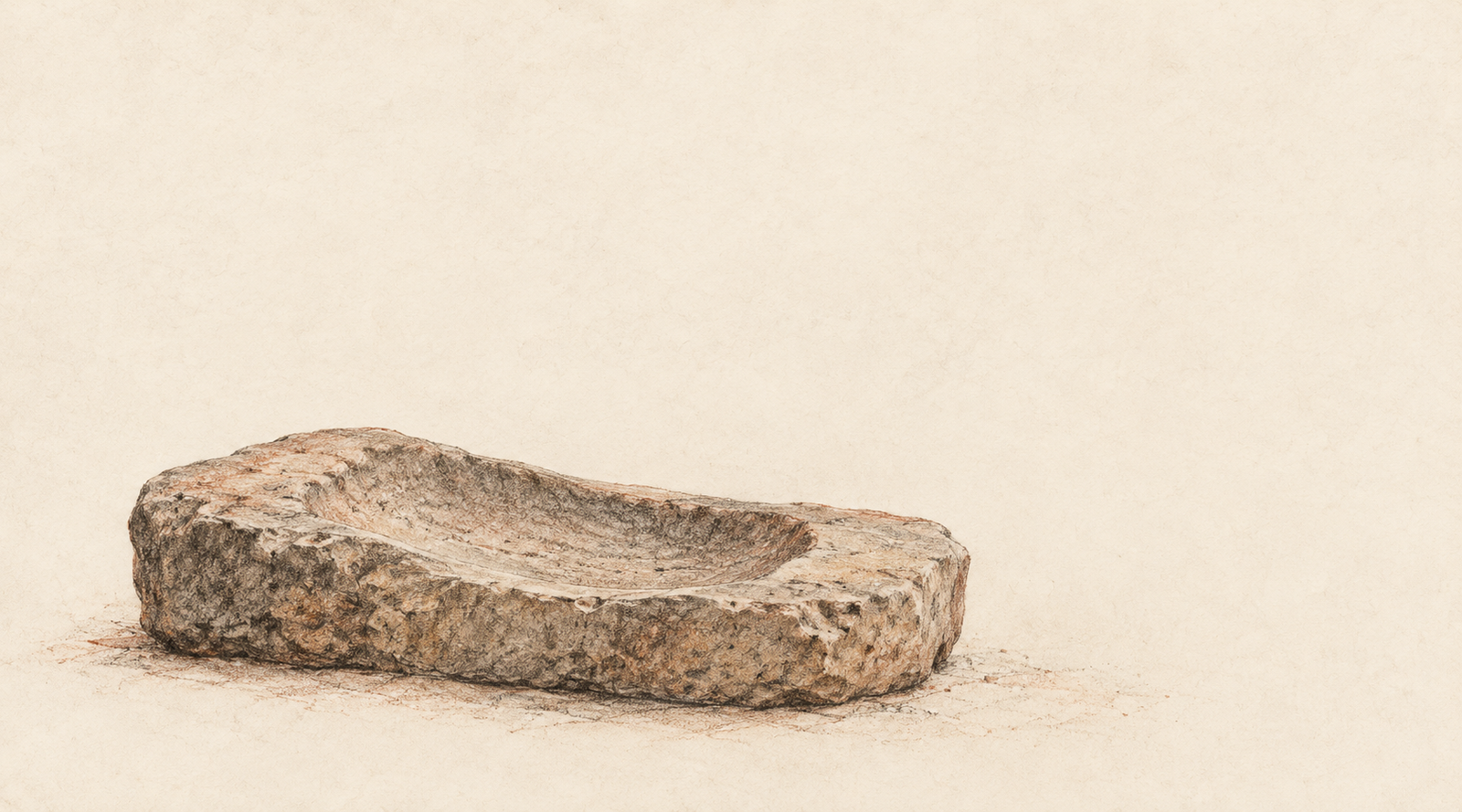
The temple we inherit is a building from which almost all necessity has been removed. Nothing must be brought for it to continue being what we call a temple. The sanctuary asks nothing of us. Stone is good at this kind of independence.
A living temple was otherwise.
Water had to come in. So did grain, cloth, oil, aromatic substances, fuel. The things required for worship arrived because someone carried them across a threshold.

Houses of Wood, Light, and Smoke
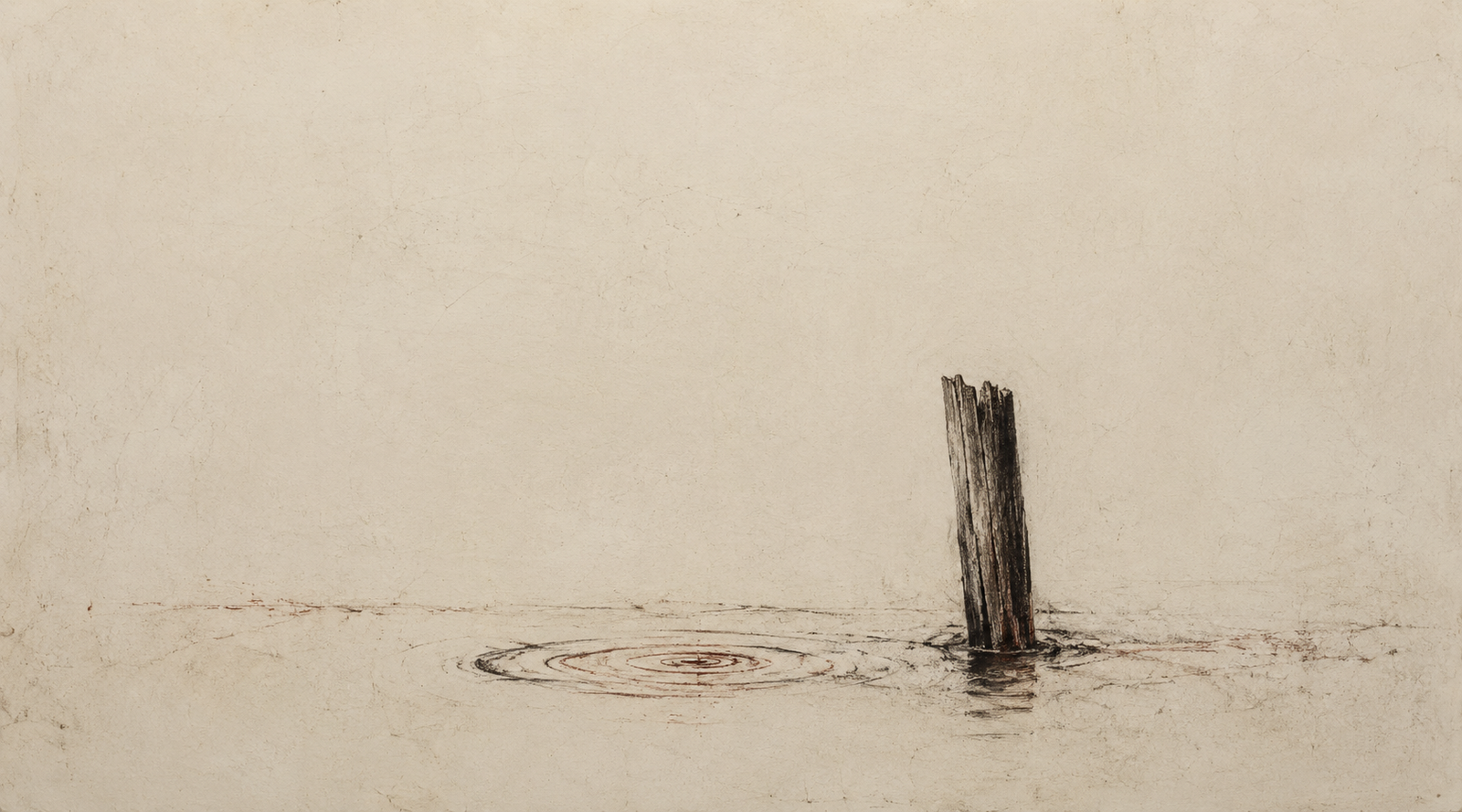
Some of Angkor’s most intimate ruins do not rise above the ground at all. They are postholes, low mounds, hearths and ponds: durable traces of a domestic city built largely from things that decay. To restore that city is to see Angkor not only as stone, but as wood, smoke, water, repair, and people living within calling distance.