
The Library gathers the written works of Lucas Varro — journals of the temples, mythic retellings, contemplative essays, poems, and volumes shaped by shadow, silence, and wonder. Here, words stand beside images as offerings: field notes from Angkor, meditations on sacred stone, old stories rekindled, and reflections carried beyond the visible world.
Within these shelves you will find many rooms: Angkor journals, myth and legend, apsara meditations, contemplative essays, poems, children’s mythic wonder, literary retellings, and quieter devotions of the page. Wander chronologically, enter by theme, or pass through one of the dedicated publication houses now gathered within the wider Library.
For those who wish to follow these paths further, several of these writings continue on Substack and in dedicated archive blogs: The Lantern Chronicles , where myth, legend, contemplative essays, poetry, and other imaginative works are carried onward; The House of Cadmus , where Greek myth and tragedy are reopened through inheritance, violence, fate, and recurrence; The Mytharium , where myth, Tolkien, fairy stories, and old literature are read and retold with seriousness; The Alexander Series , where A. M. Sharp retells Greek myths for children who want to be trusted by stories; and The Hospitable Dark , where A. M. Sharp offers literary myth retellings shaped by darkness, shelter, endurance, and return.
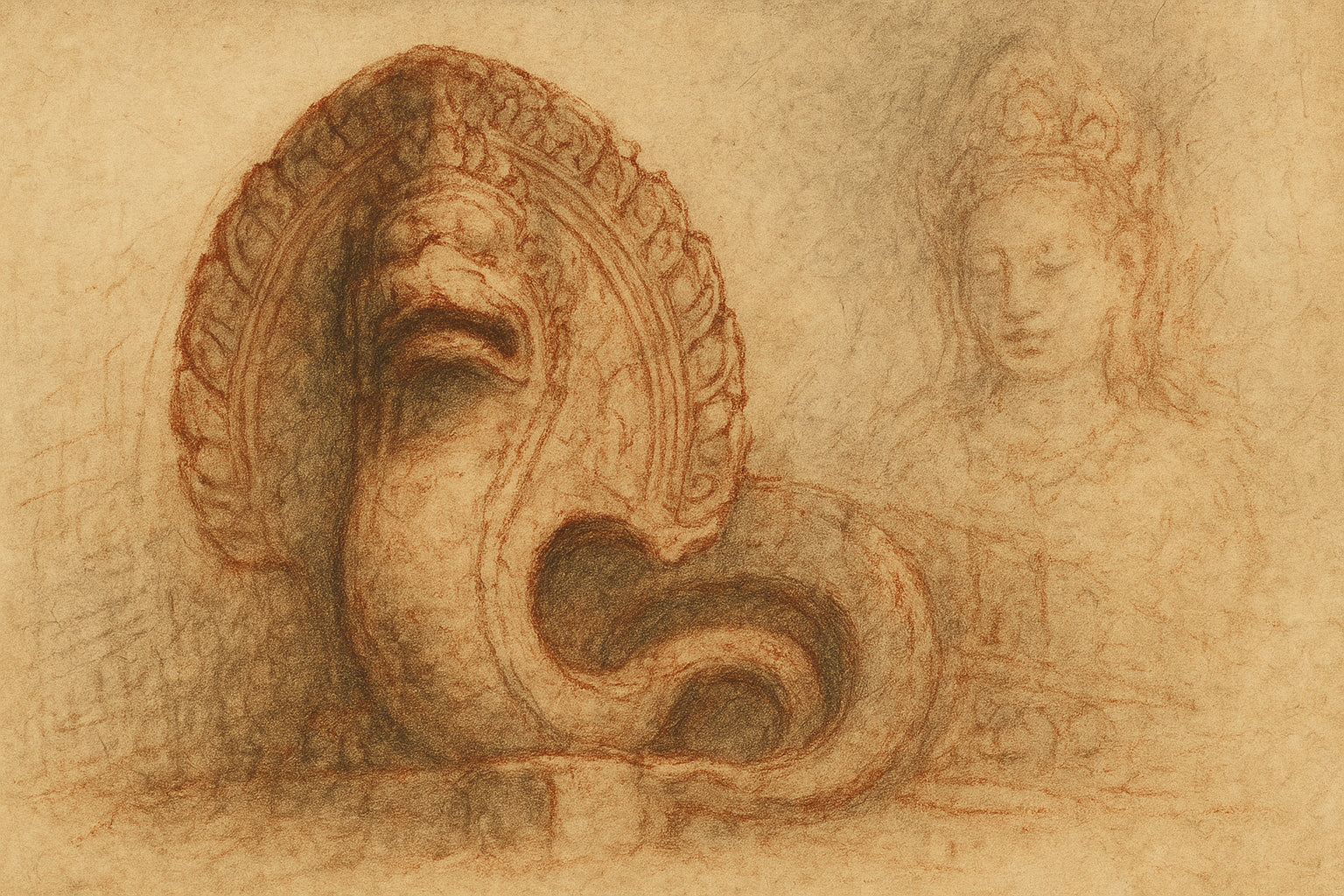

Field Note: Blue Hour at Angkor
The blue hour settles over Angkor like a hush in stone. Naga coils dissolve into shadow, carvings soften into silence, and hunger without teeth endures. A sketch becomes listening. Each fracture is a hymn, each hollow a river. A field note on patience, memory, and the stillness that lingers.
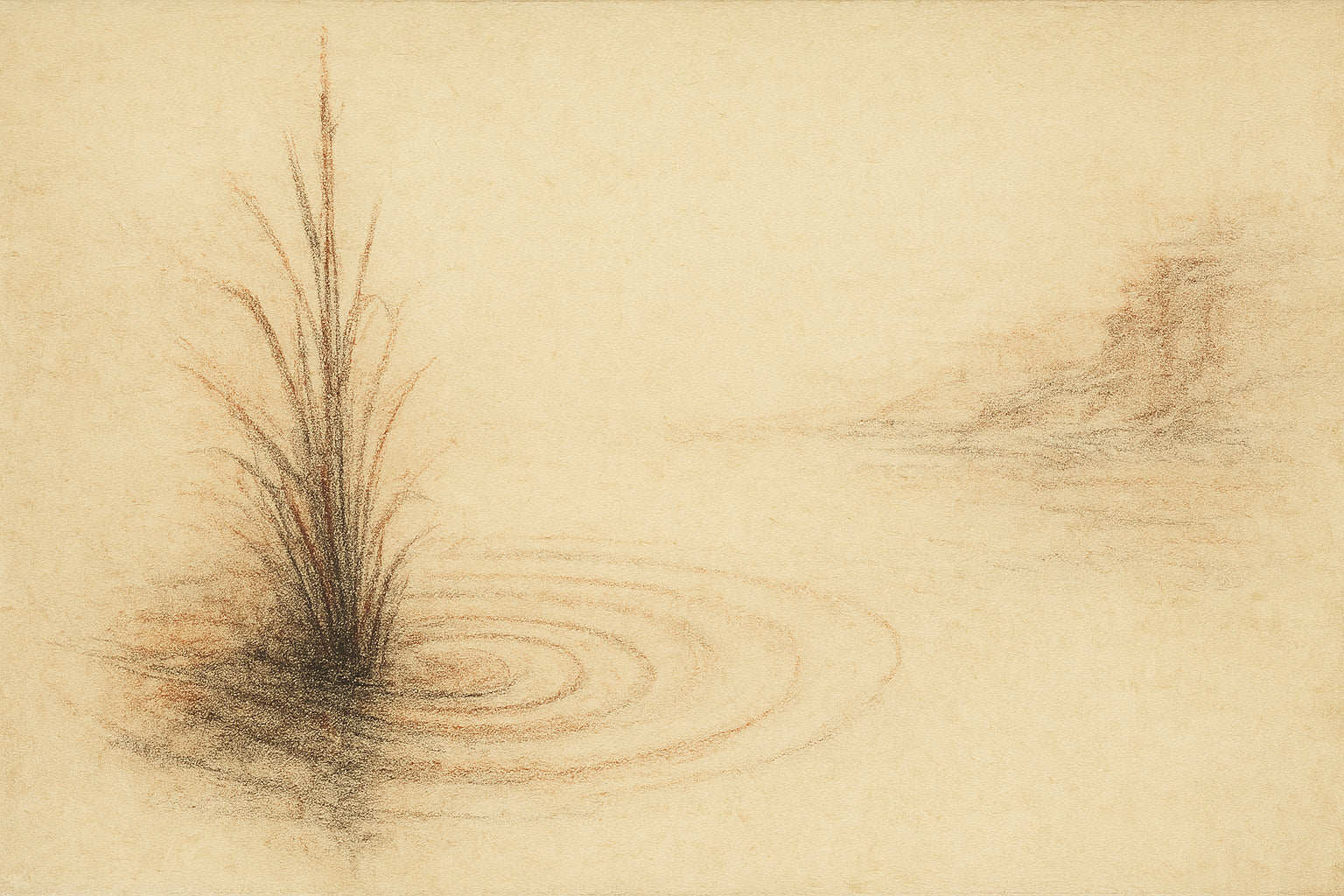

At the River’s Bend
Dusk leans against the bank and the water forgets its hurry. A heron holds one bead of light. In the reeds, someone counts—commas between breaths. The river practises memory; cicadas re-thread a broken necklace. Perhaps art is only this: placing the pause so the note can be heard.
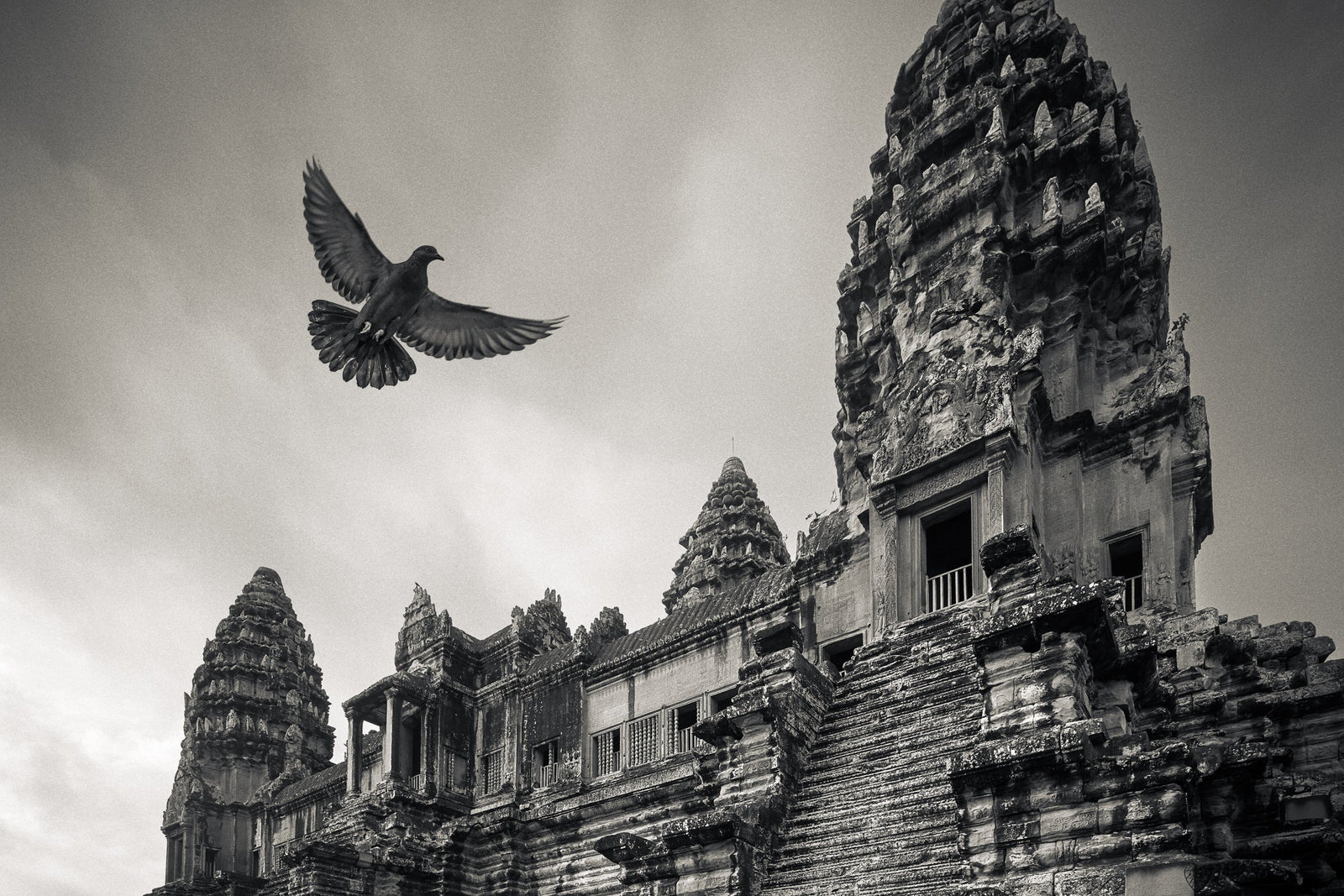

Breath Between Stone and Sky
You arrive in silence. A wing lifts. You do not follow it—you follow what it leaves behind. Stone, shadow, and the hush that holds everything.
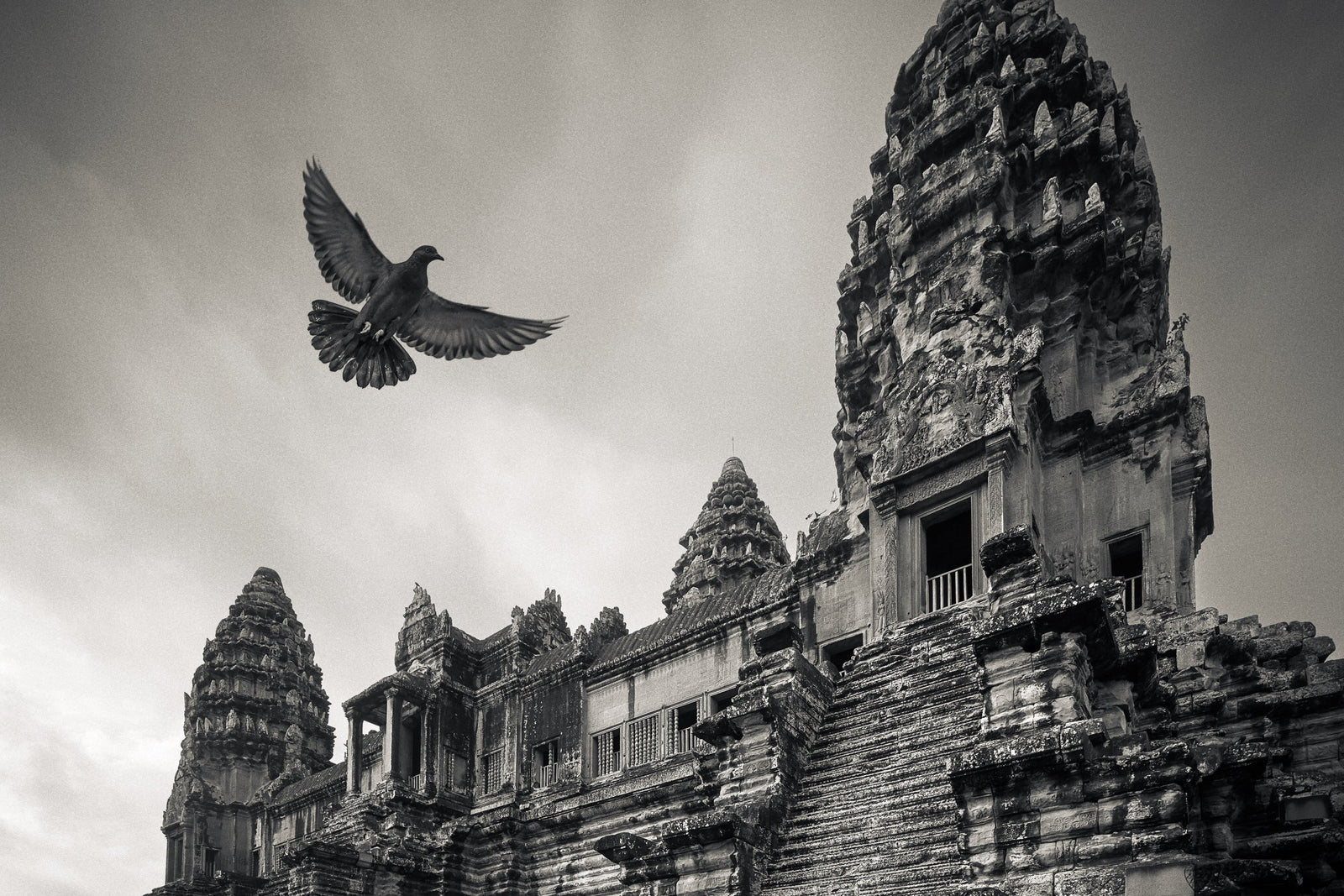

Quiet Ascent Before Light
Before sunrise, a bird lifts through the temple’s quiet. Rain still clings to the stone. You do not move. You feel what remains after flight.
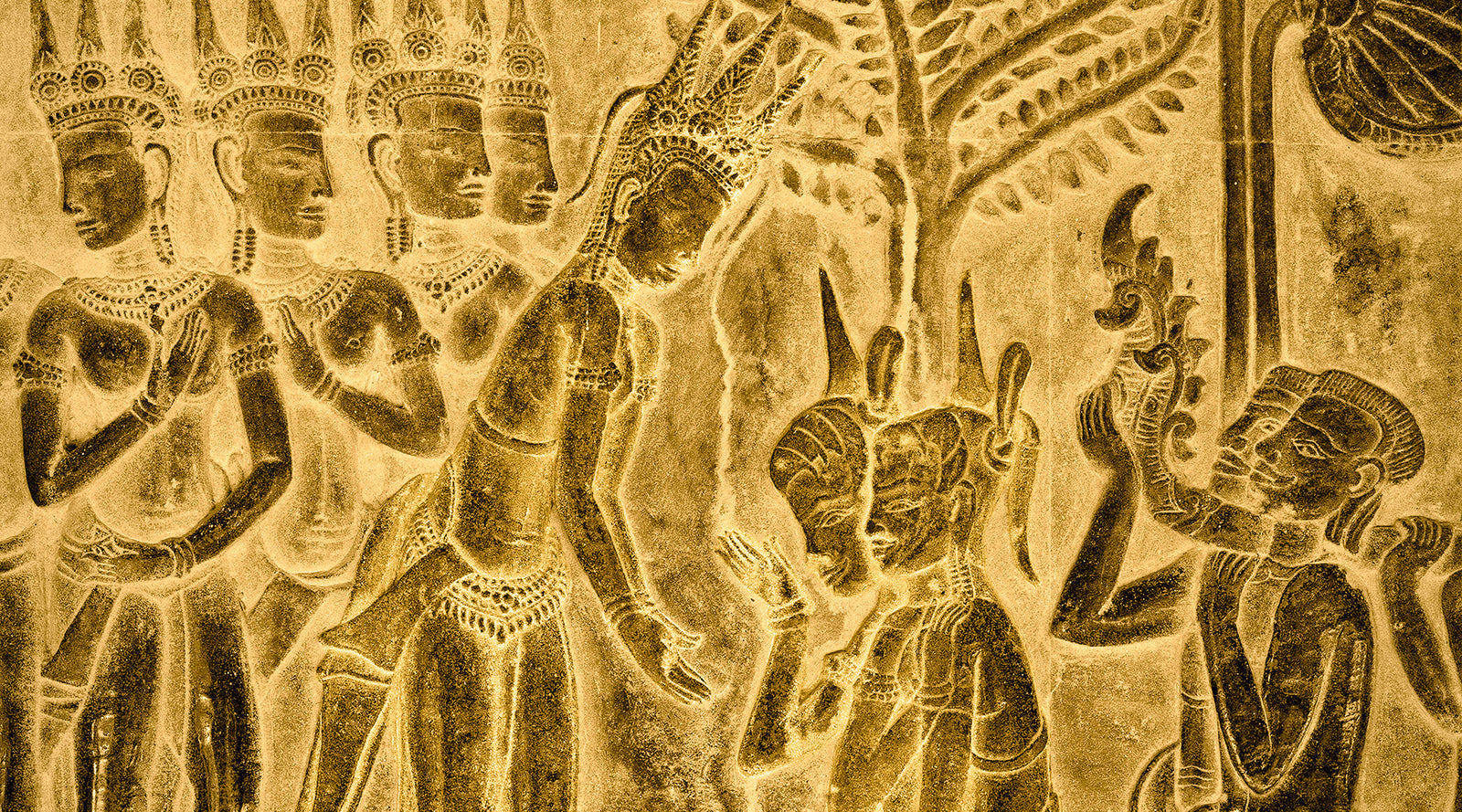

In the Pause Between Two Gestures
She offers nothing—and yet the light comes to her. In this breath between hands and presence, even stone listens for what cannot be named.
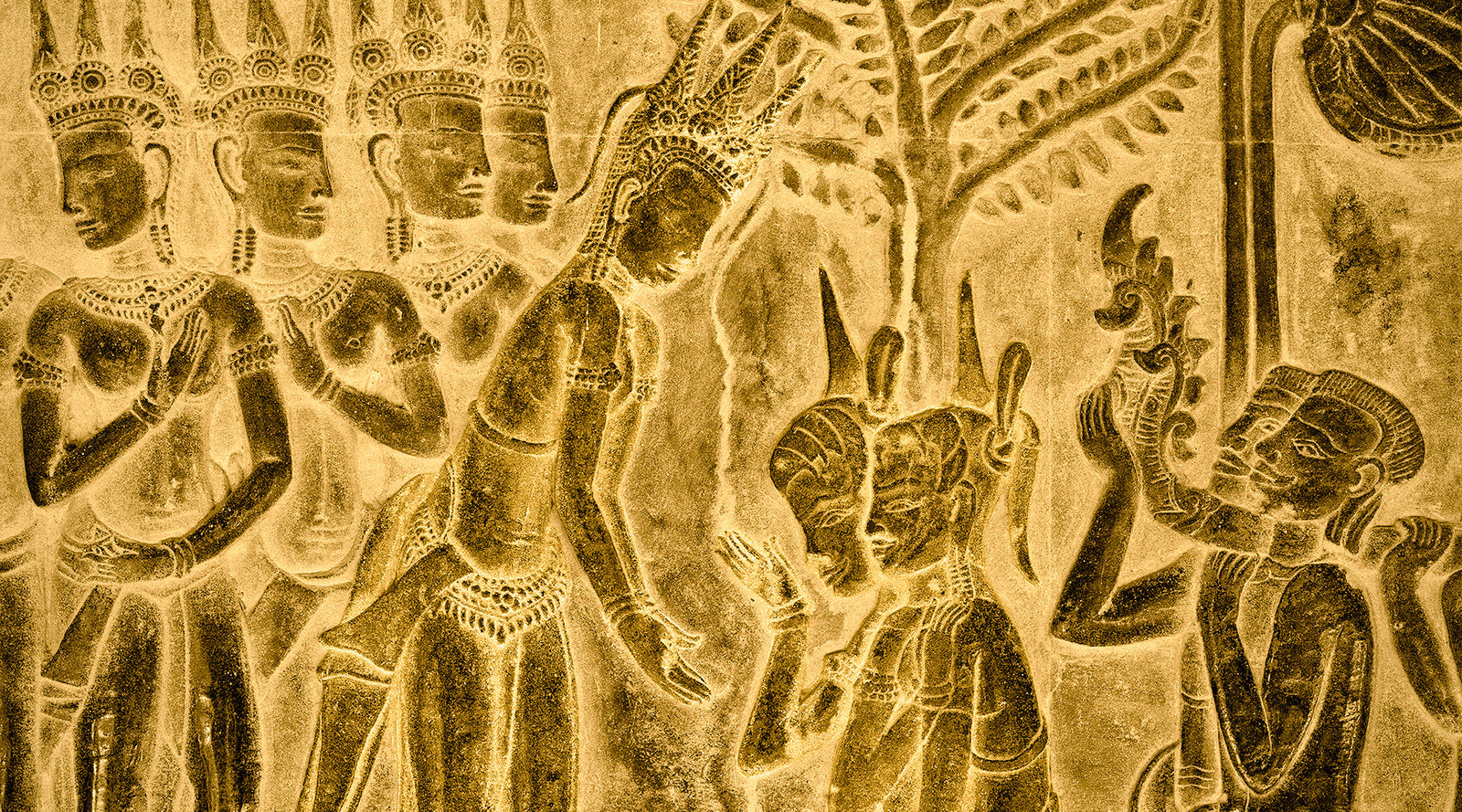

The Gesture That Light Remembered
A quiet offering, never spoken. The light arrives like a blessing, bows before the stone, and is received in silence beyond gesture.
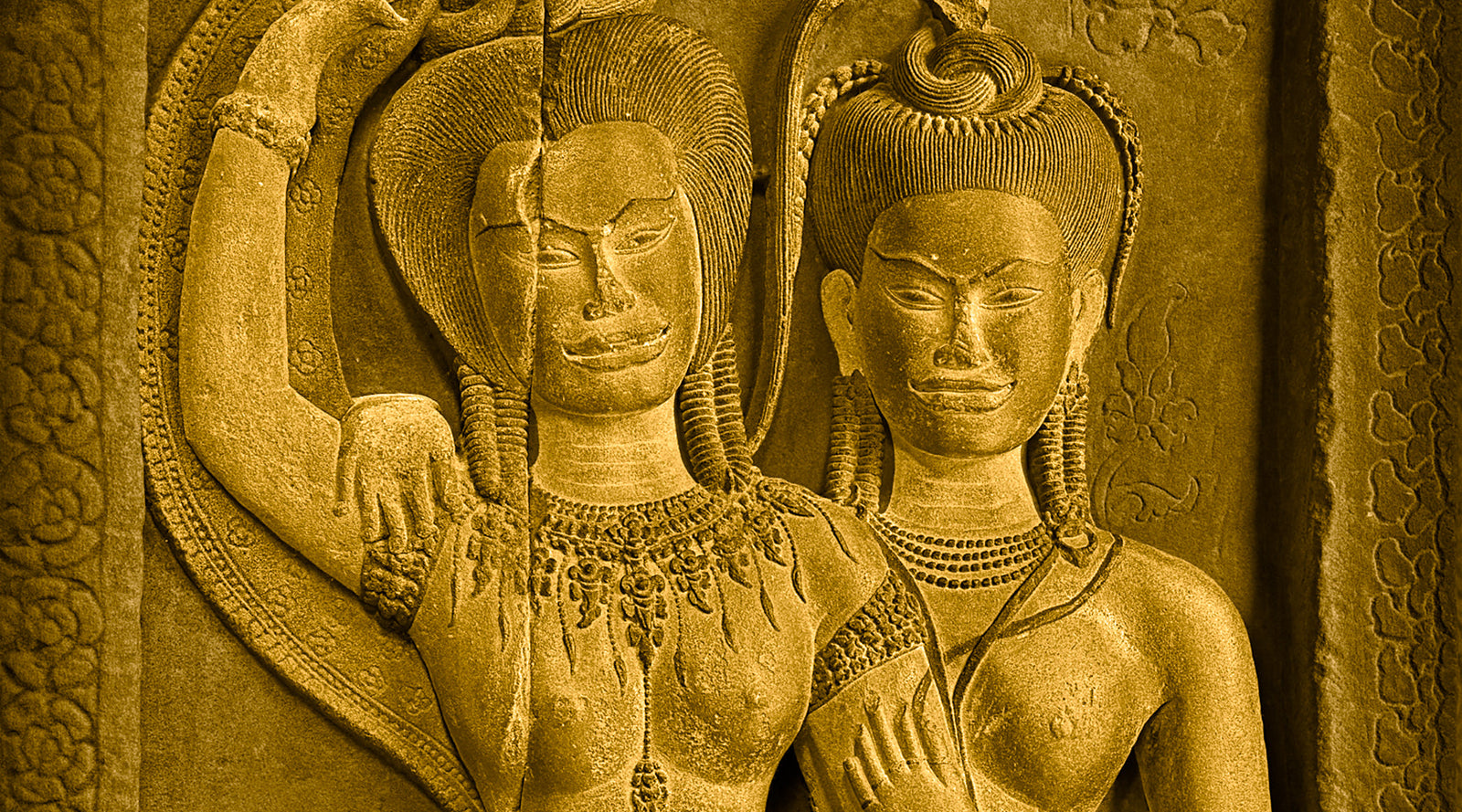

The Quiet Between Their Names
In the galleries’ hush, two carved figures lean toward one another. One smiles—and in that smile, the gold between them glows with what the sun left behind.
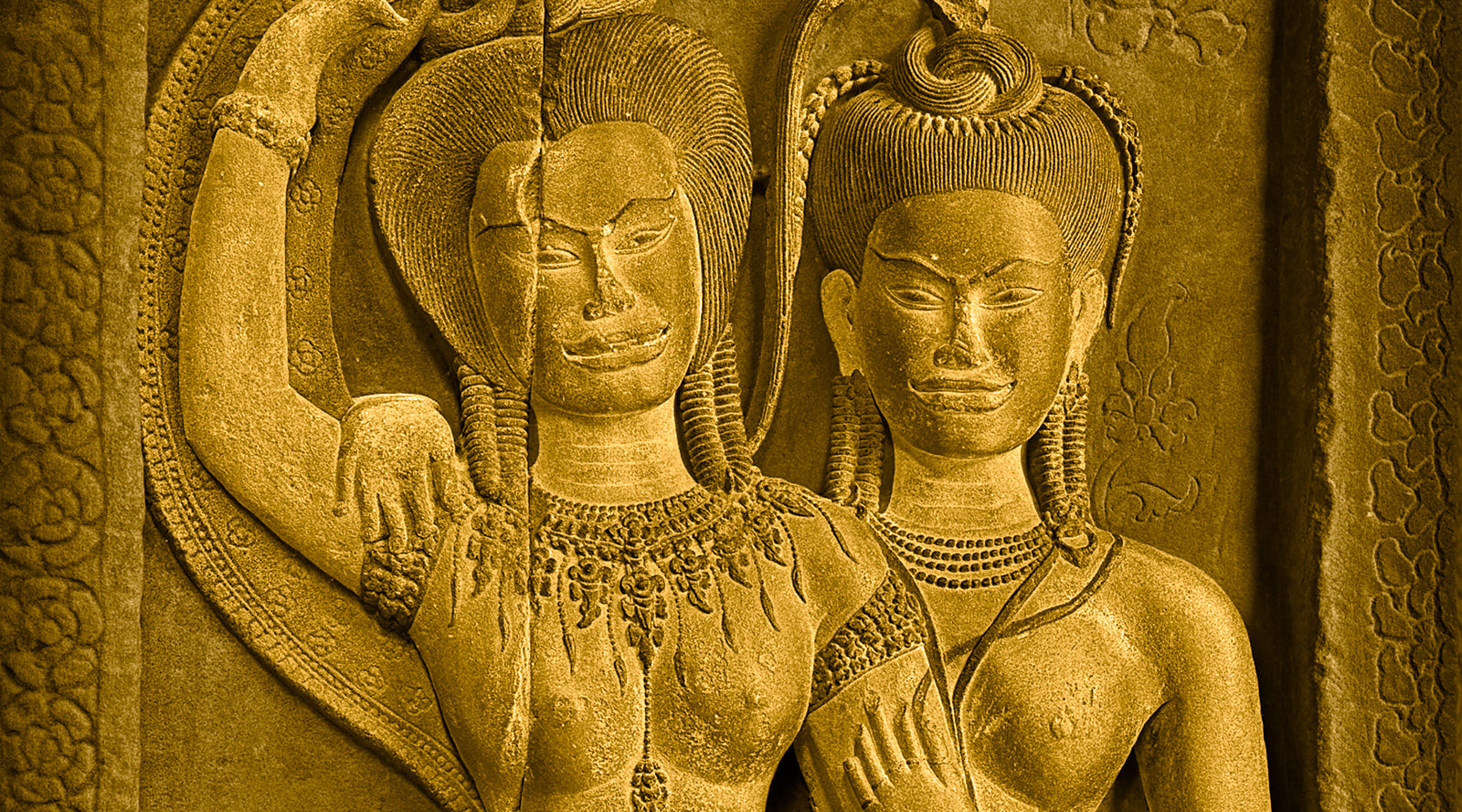

Where Stone Leans Toward Memory
Evening gold fills the galleries like memory. Across the courtyard, two apsaras lean into one another—silent, eternal, and touched by something older than light.
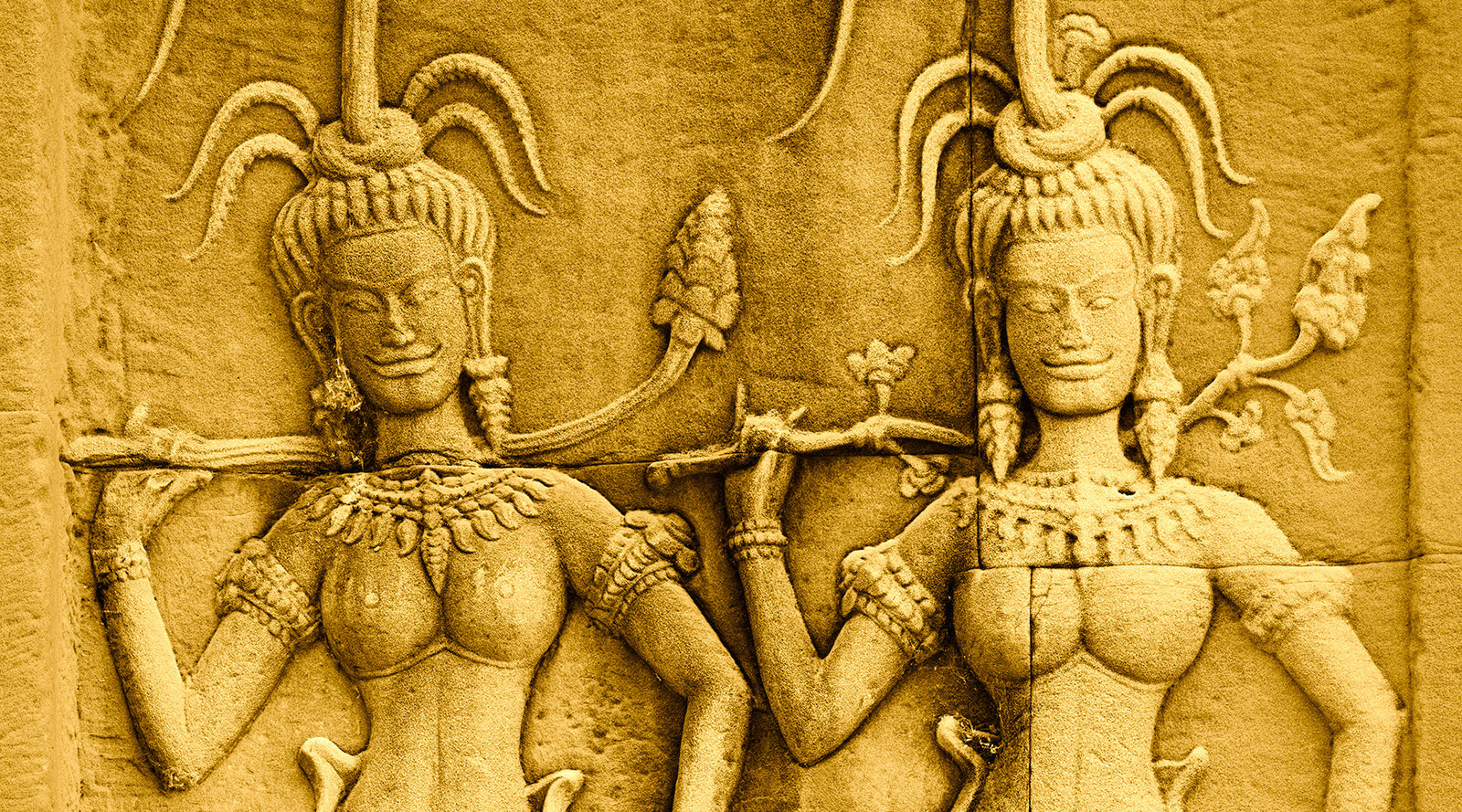

Carved in Joy
Twin devatas stand beneath Angkor’s towers—stone-warm, nearly smiling. In their tilt and lotus curve, joy is not forgotten. It is carved. And still it waits.

The Silence Between Sisters
In the quiet courtyard beneath Angkor’s towers, two devatas share a silence warmer than stone. As one leans and the other listens, the light lingers—waiting to be received.
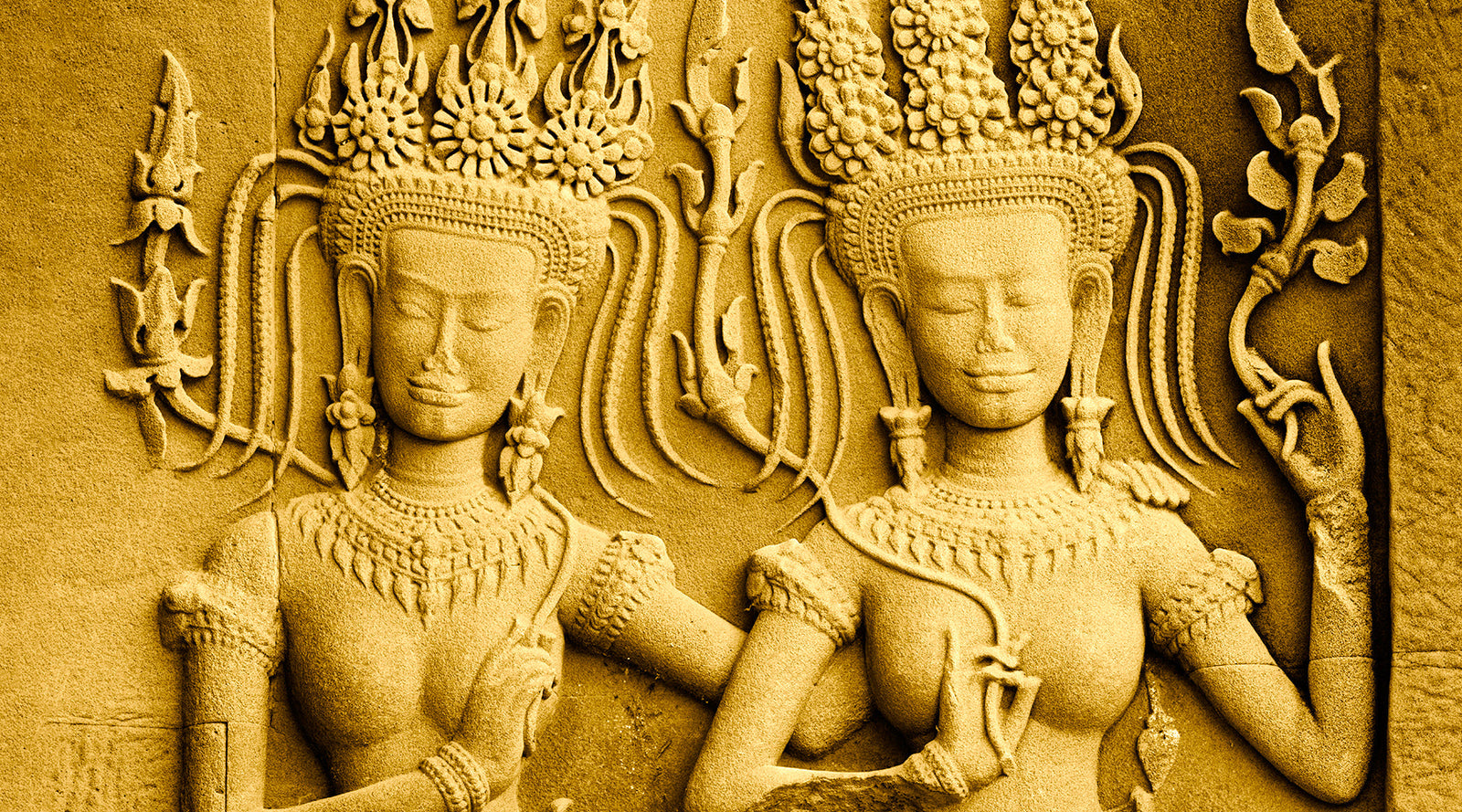

The Memory That Stood Still
Twin devatas in quiet embrace. A hand extended, a lotus raised. Beneath Angkor’s towers, silence is not absence—it is memory made visible in stone.

The Light That Became Remembering
Evening settles on Angkor’s upper courtyard. Two entwined devatas become vessels of stillness and sacred recall. A touch, a gaze, and the hush of gold remain.
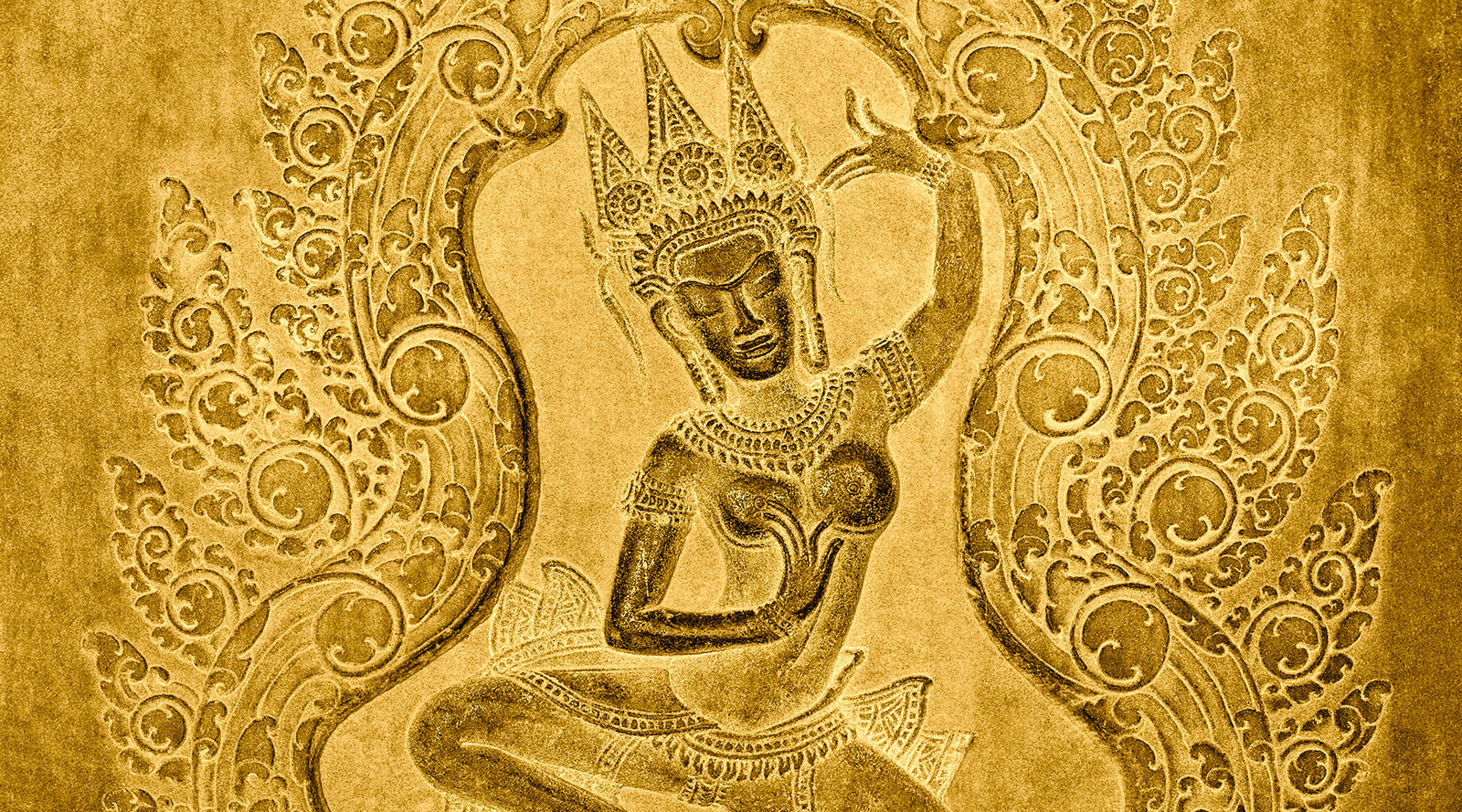

Apsara in the Last Light
At the gate of Angkor, where sandstone breathes dusk, the carving does not invite—it remembers. The shutter waits. The gesture stays. The light returns.
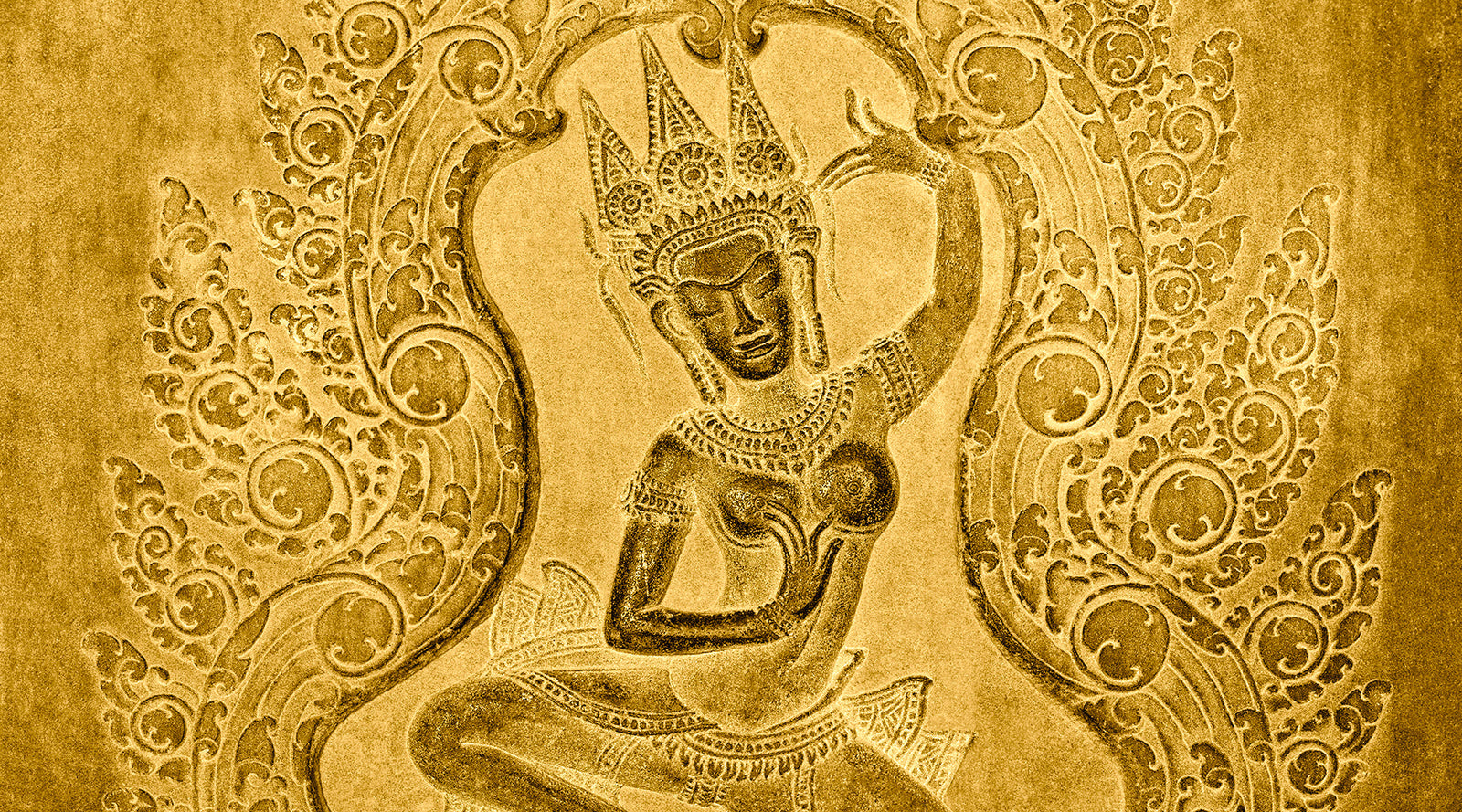

The Listening Flame
The sandstone glows not with sunlight, but with remembrance. As the shutter opens, the figure does not dance—she listens. The gods, it seems, are listening too.
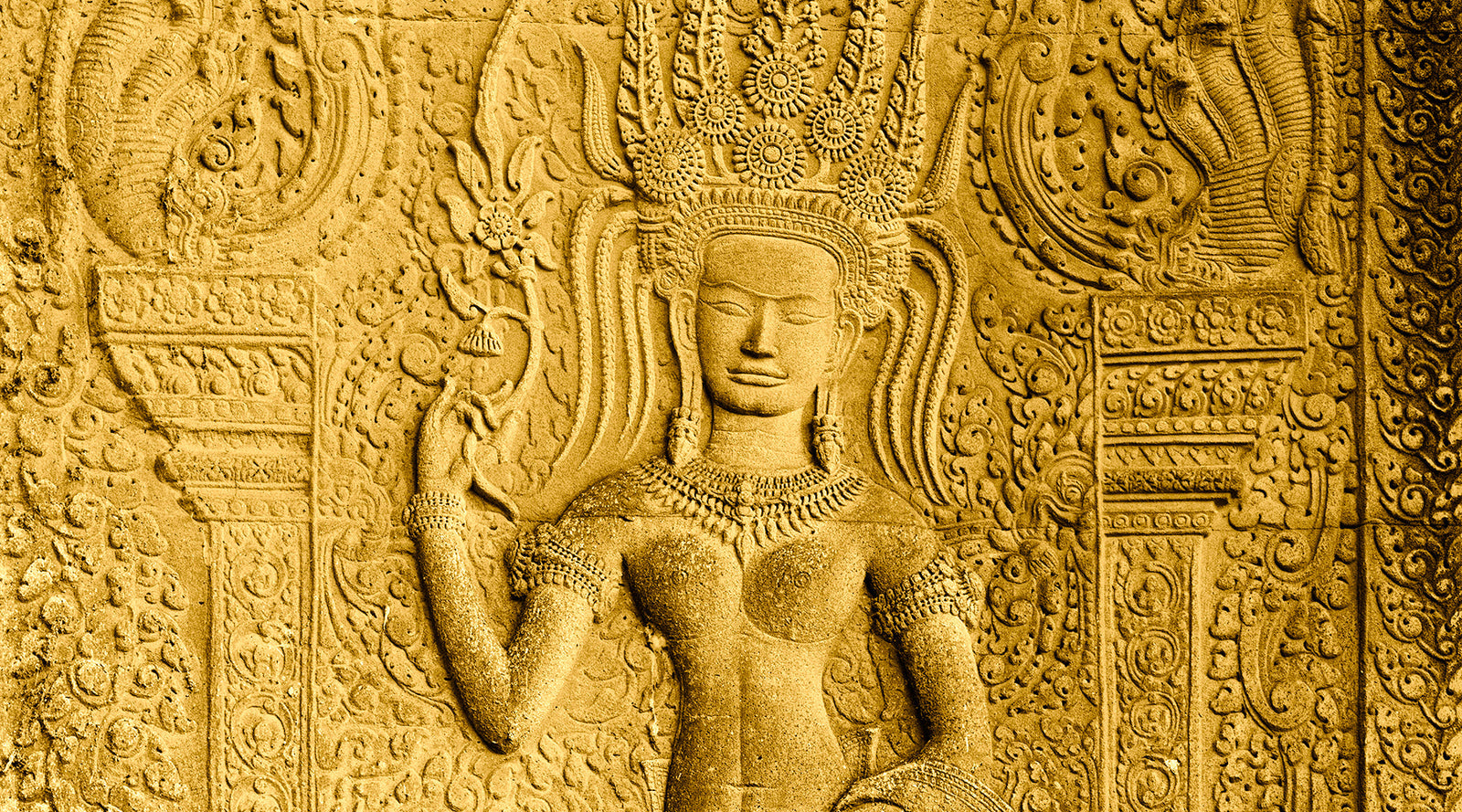

Where Time Refused to Pass
She does not wait in shadow, but lives in the pause between light and silence. Beneath the western gate, memory becomes form, and form becomes flame.
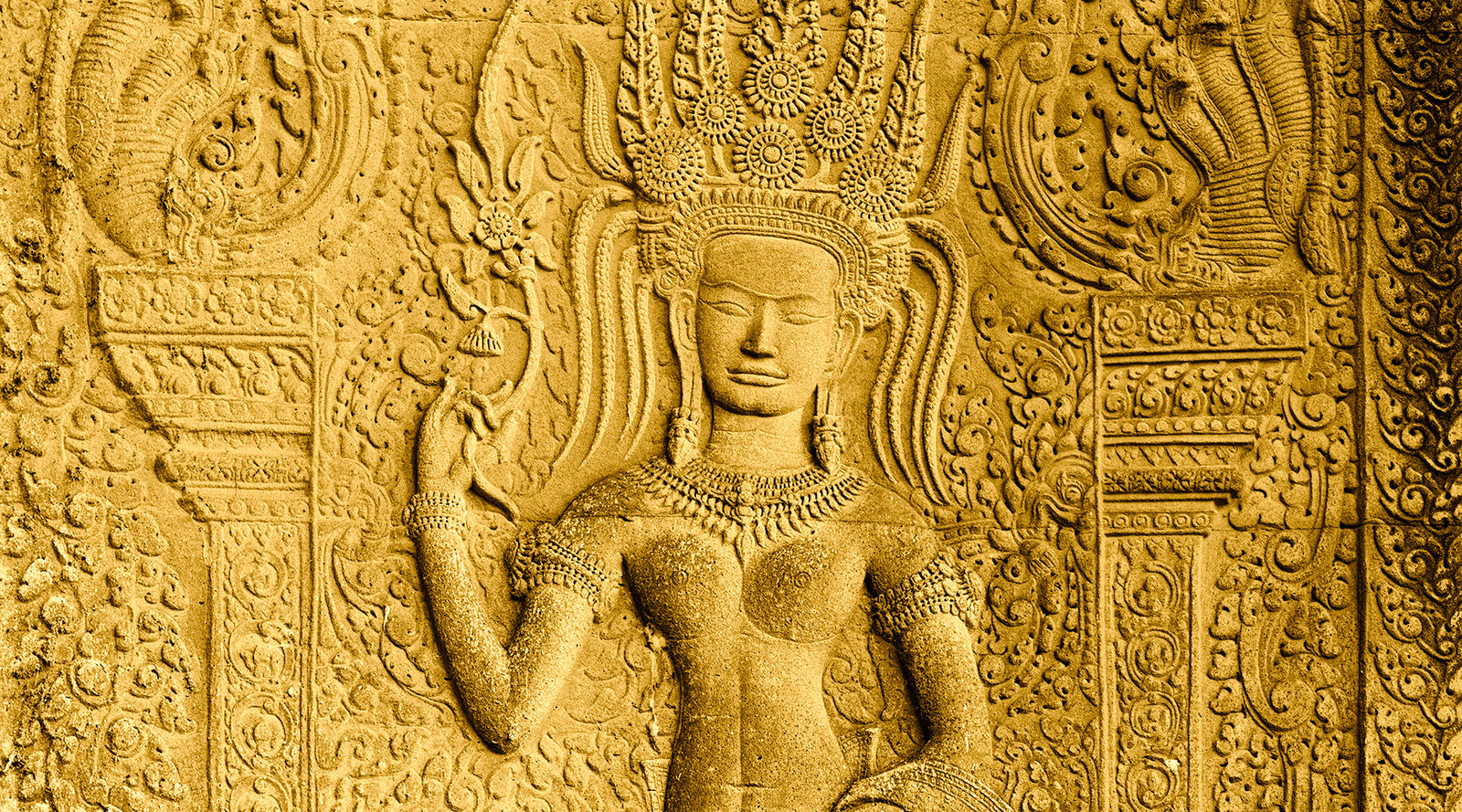

What the Light Chose to Remember
Evening gathers on the temple’s threshold. A devata stands above the hush, and the artist waits—not to capture, but to remember. This is what remains when light has passed.
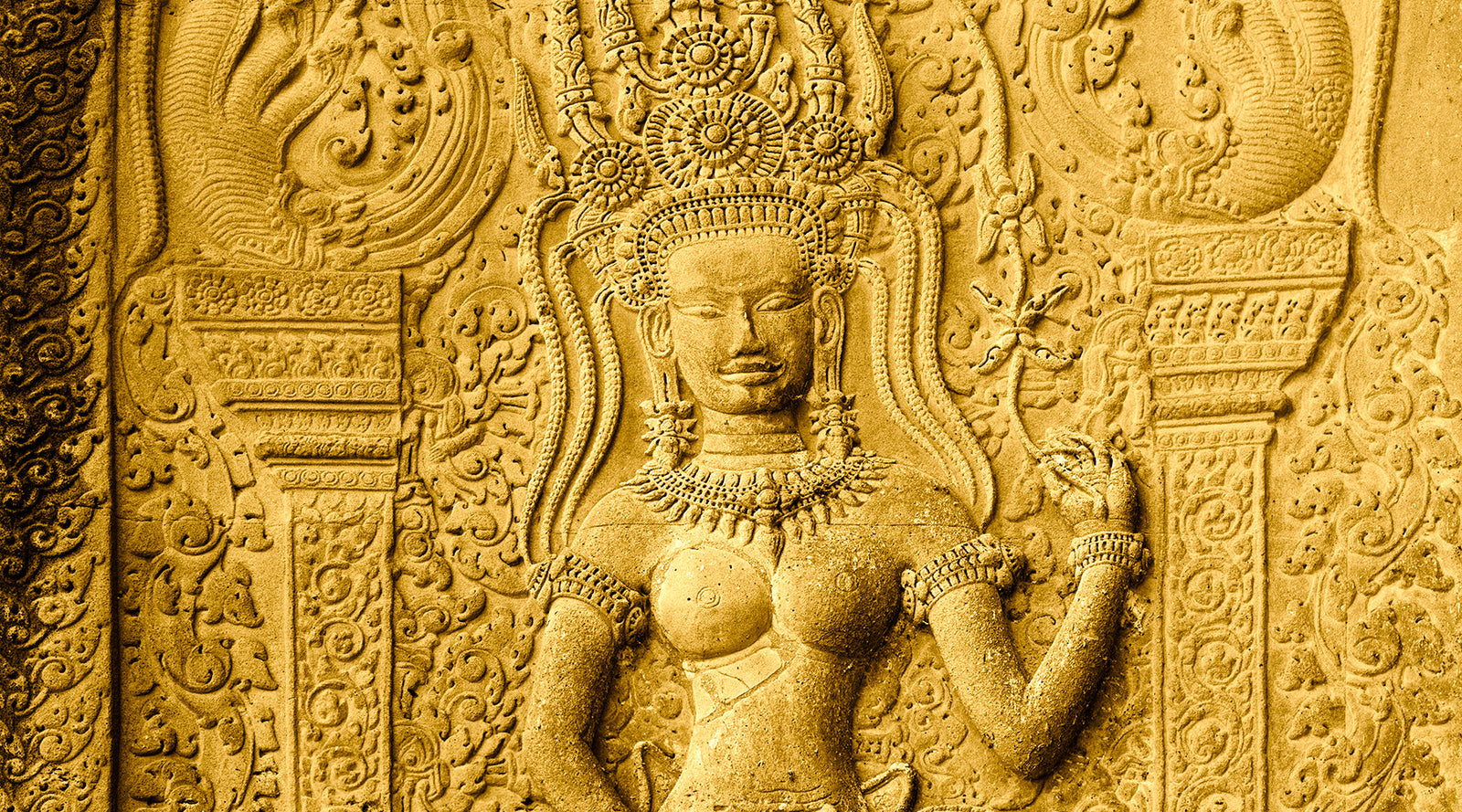

The Offering Beyond Light
As the fire fades, her gesture holds. A devata carved in silence offers more than light—she offers the ember that never left.
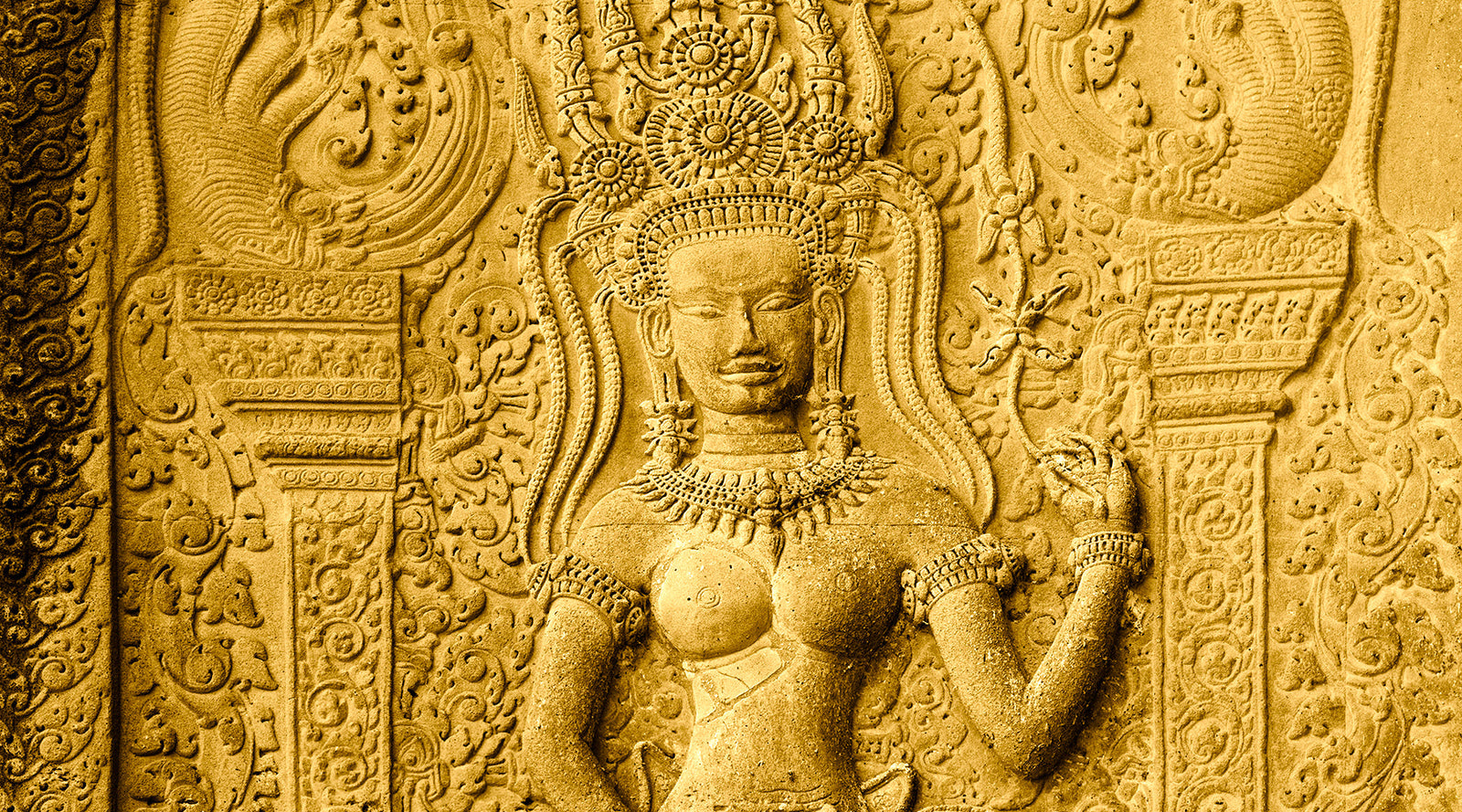

When Light Becomes Memory
A devata offers not light, but what endures after it. Beneath the descending sun, the artist waits in stillness—where stone remembers fire, and gesture becomes spirit.
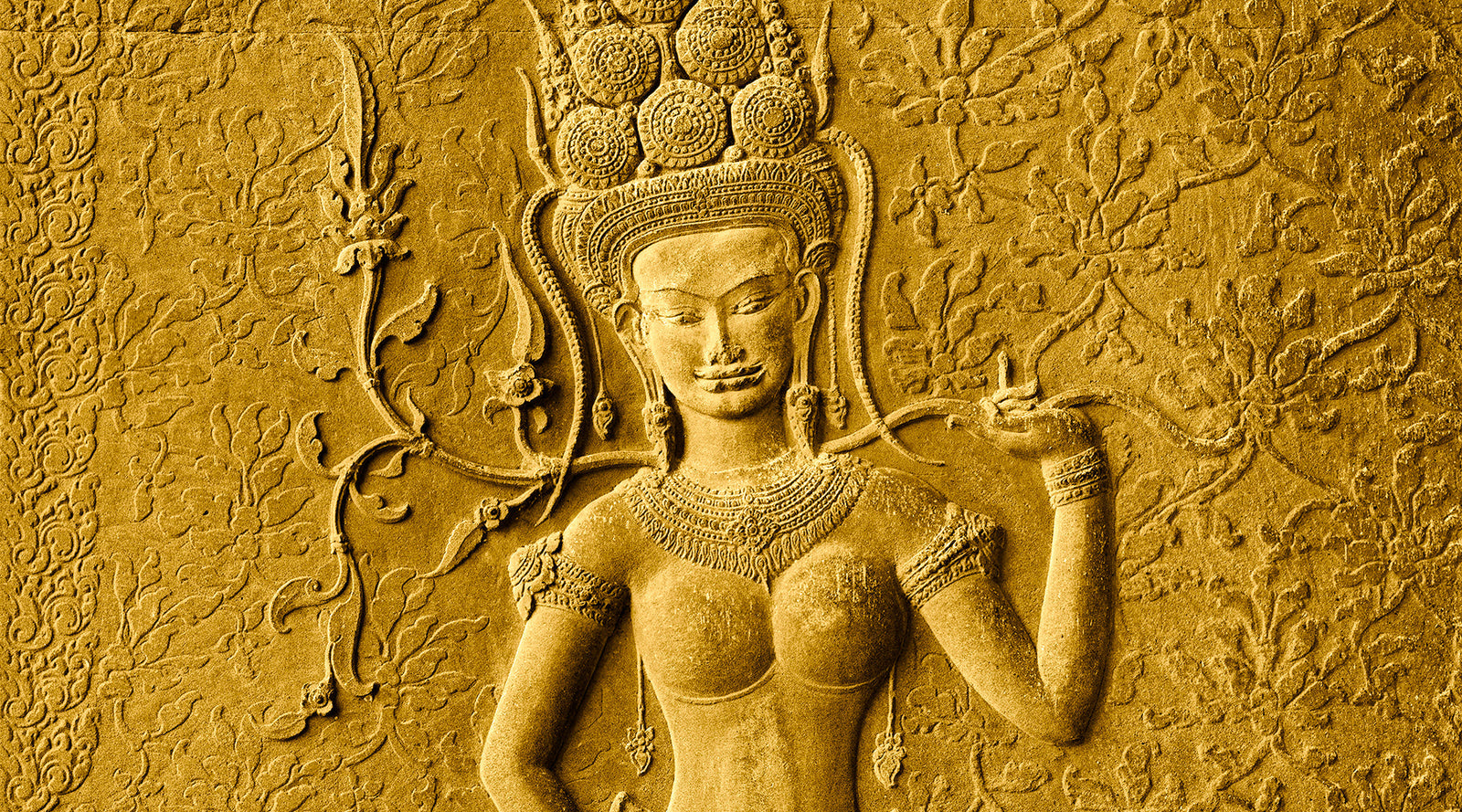

A Temple’s Final Breath of Day
In the moment before shadow disappears, she stands without weight—lifted by memory alone. This brief meditation enters the gate as light departs, and finds the devata not carved, but breathed.
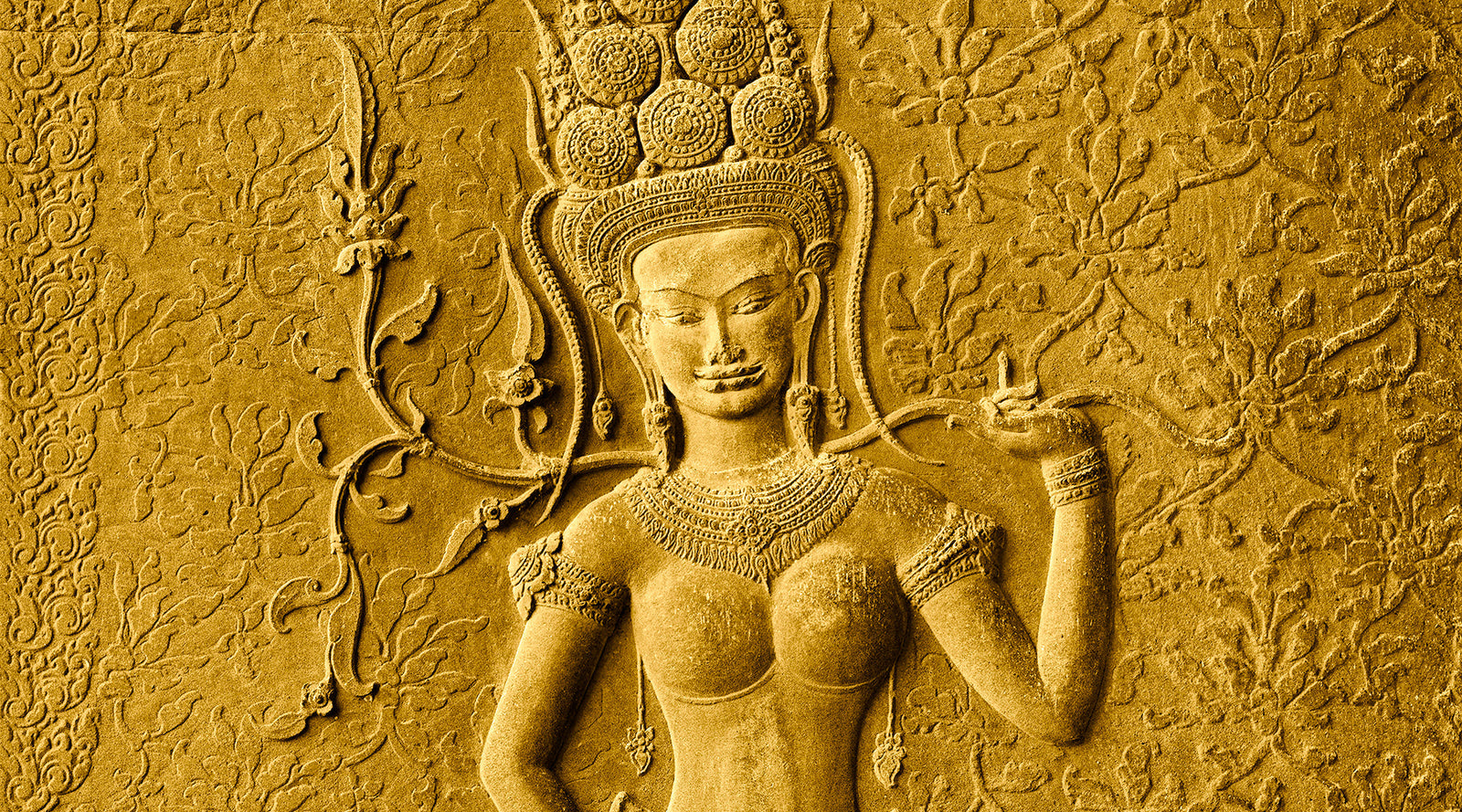

Beneath the Flame That Did Not Burn
Evening gathers at the gate. She does not catch the light—she releases it. Beneath her flame-shaped crown, stillness rises. The shutter waits. A photograph begins where silence lingers longest.
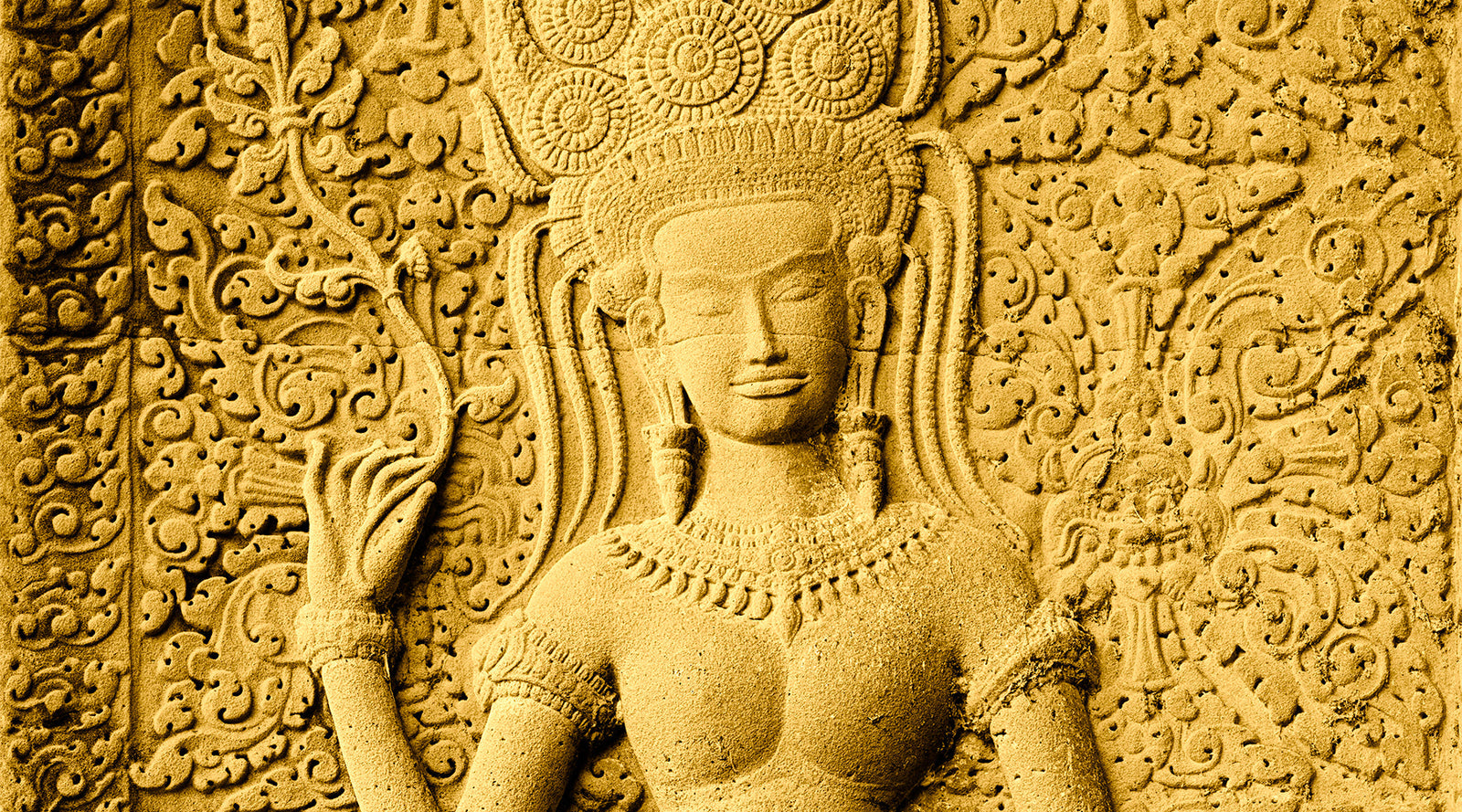

Where Gold Becomes Memory
Some light does not fall. It remembers. This haibun captures the hush of that return—where gesture becomes vow and gold becomes memory. A breath of prose and haiku carved from the silence that remains.
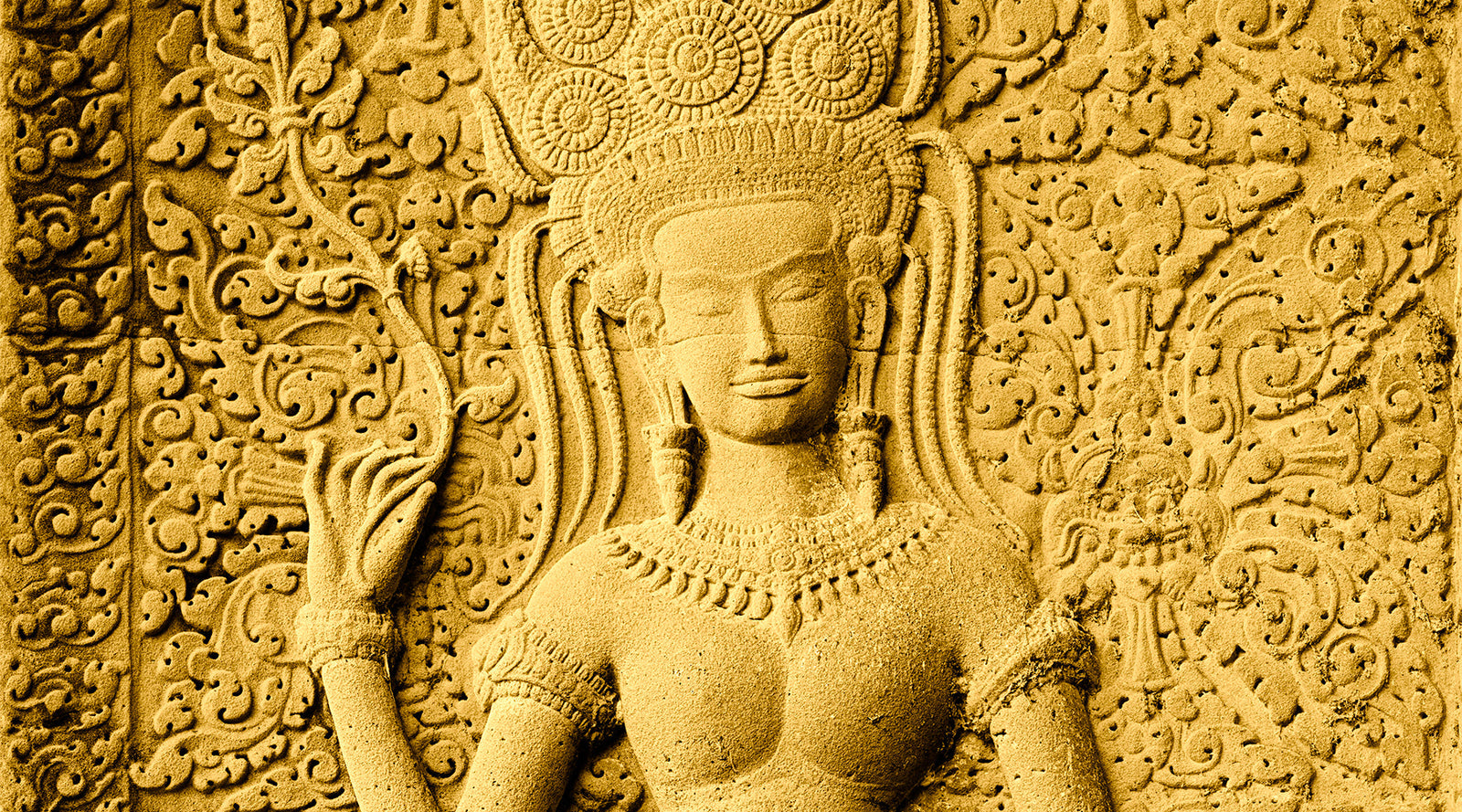

The Flame She Carried Within
She stands crowned in flame, lifting a blossom the sun once kissed. This entry lingers in the hush of her presence and the golden breath that rose from stone. A meditation on light not as radiance—but as remembrance.
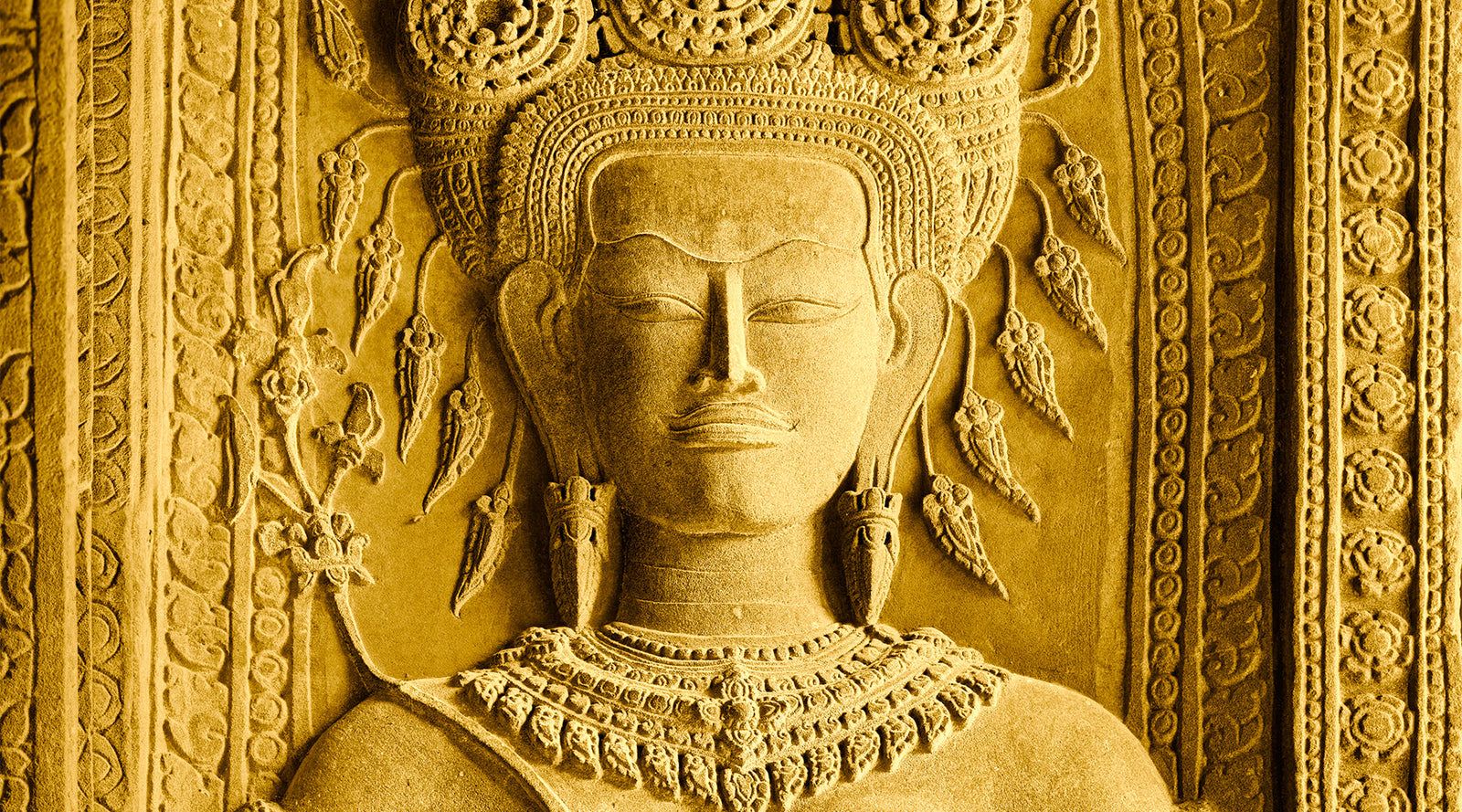

The Moment That Did Not Fade
One last flare of gold finds the lips of a forgotten goddess. In the hush of the eastern wall, the artist receives—not a photograph, but the memory of presence.
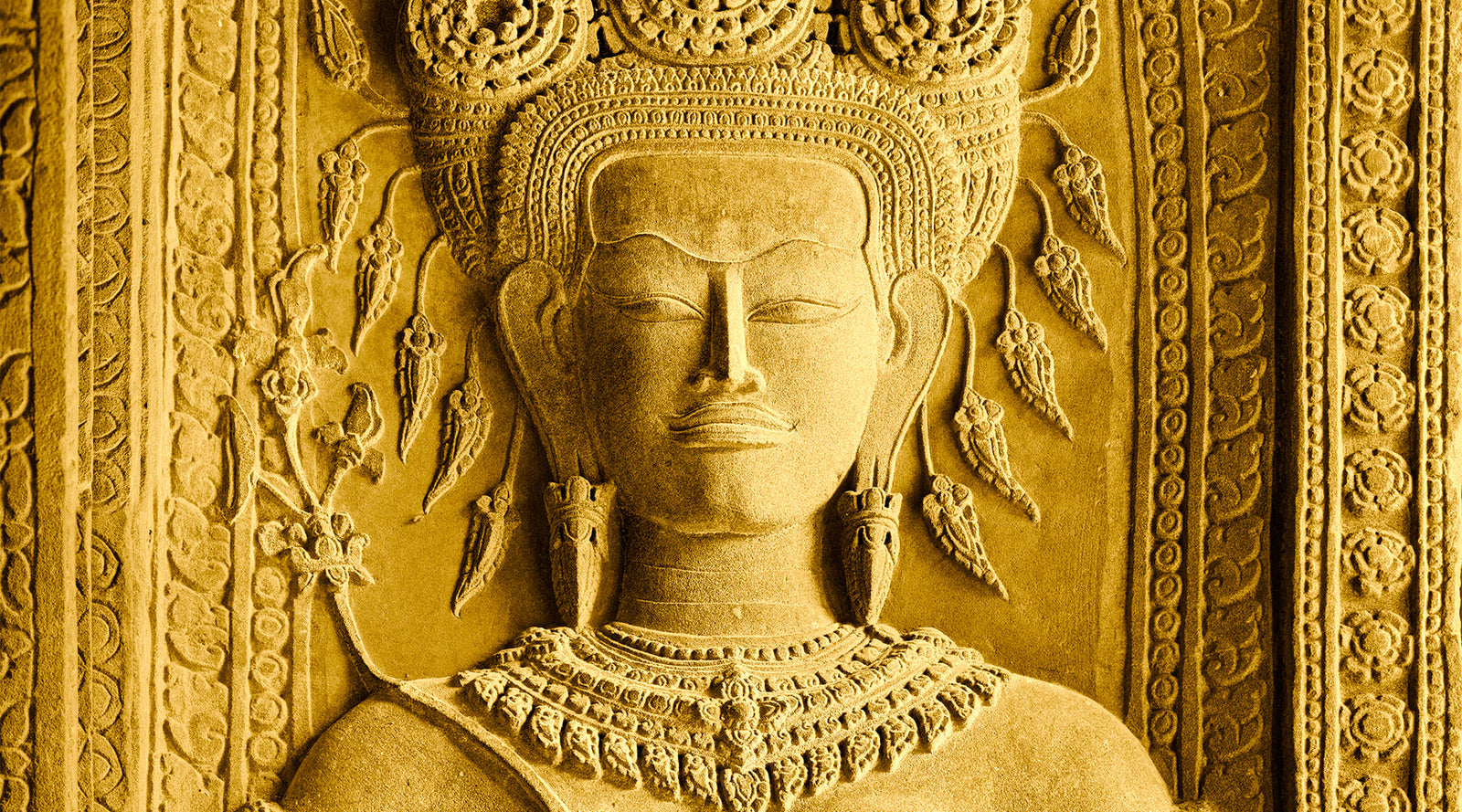

The Light That Named Her
In the hush before sunset, the artist stands before a goddess in stone, her face ignited by light returning through the sanctuary. In this stillness, something unnamed is remembered.
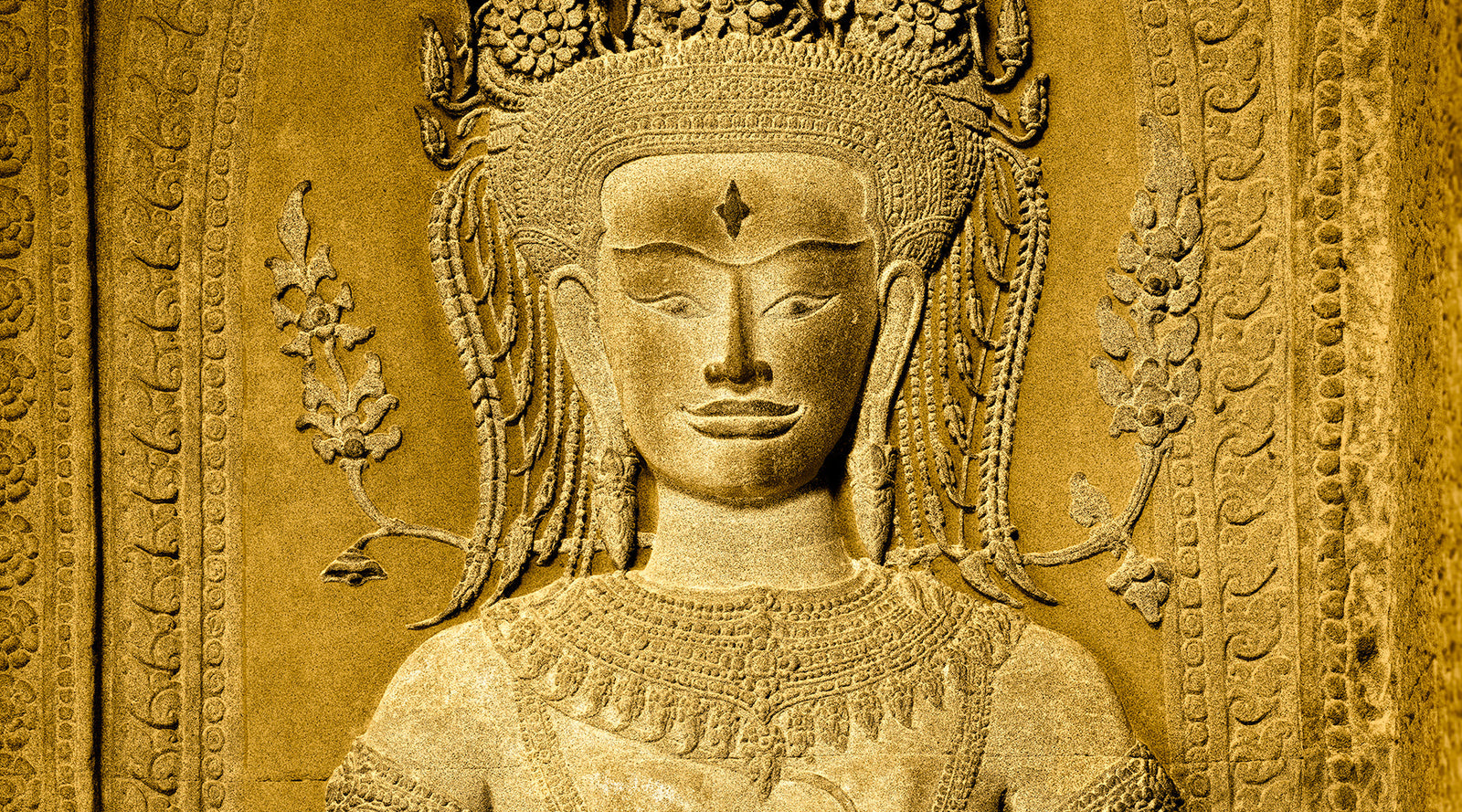

The Light That Entered Her
Light doesn’t fall on her—it arrives and remains. This compact haibun captures a moment of quiet astonishment in Angkor’s holiest sanctuary, where presence becomes permanence.
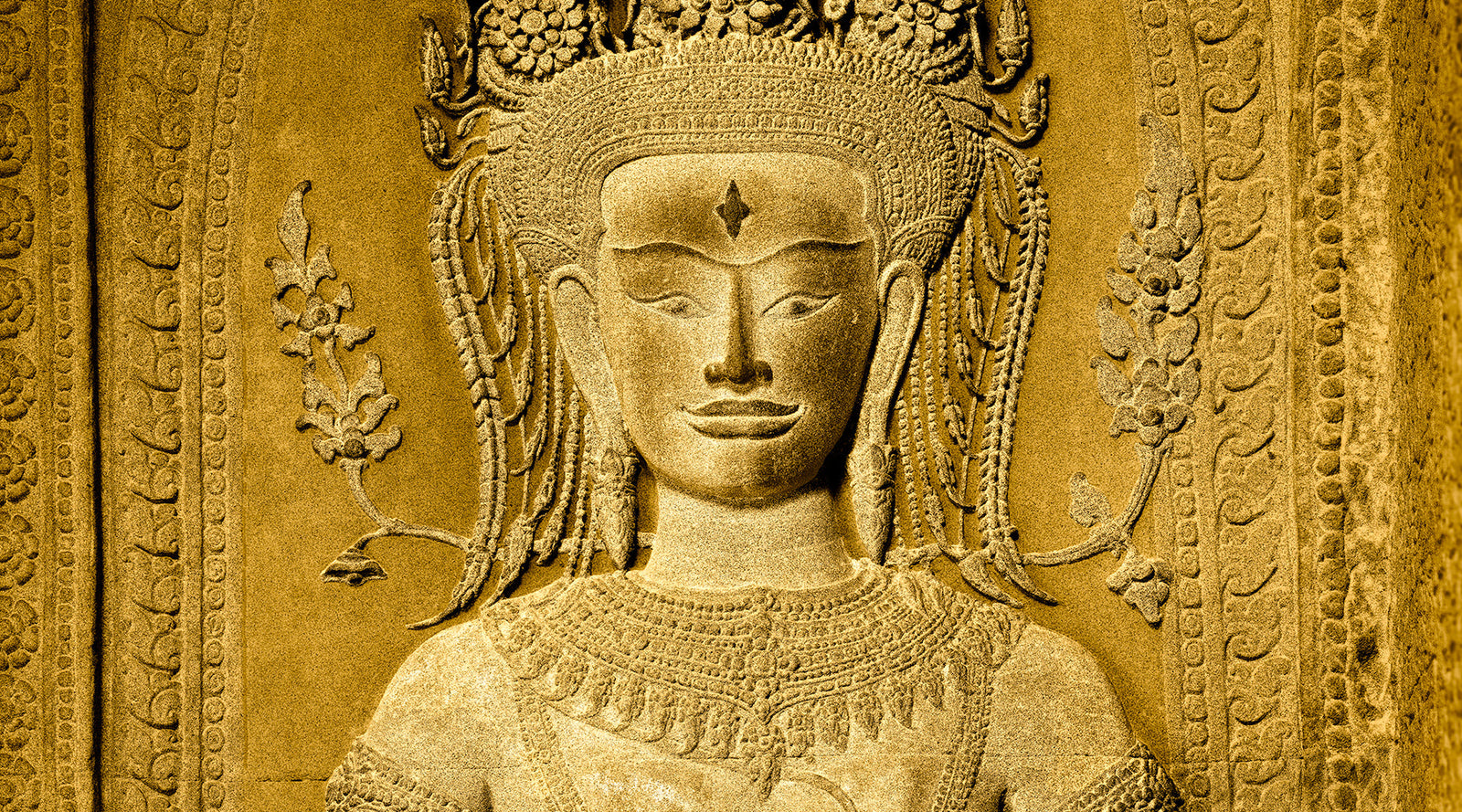

When the Light No Longer Fell
As dusk deepens in Angkor’s sacred heart, a goddess receives the final breath of light. This field entry recalls the stillness that shaped the image—and the silence that remains.
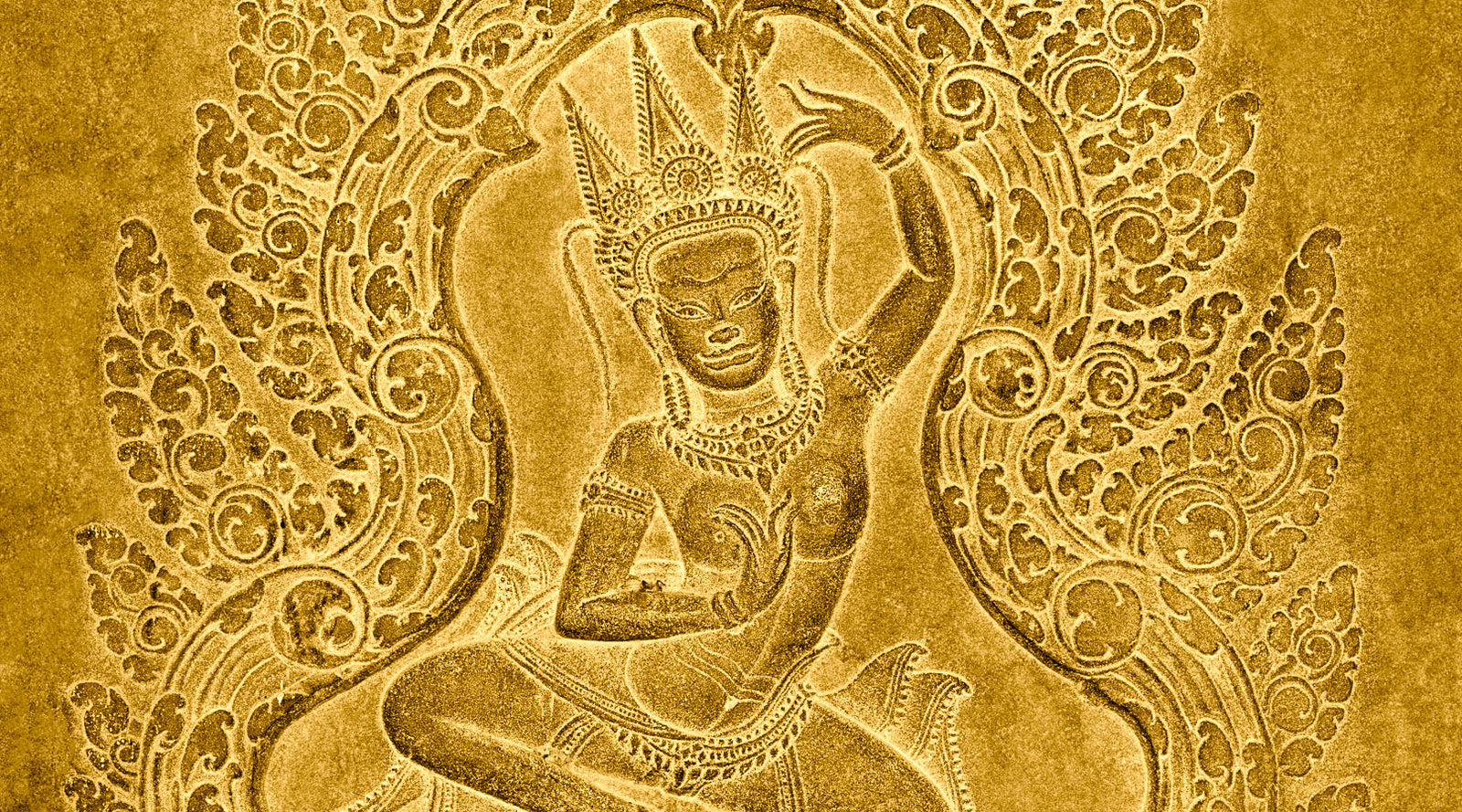

No Hand Carved Her Light
She rose between dusk and breath—not as something made, but as something remembered. The light did not fall upon her. It entered where she stood.
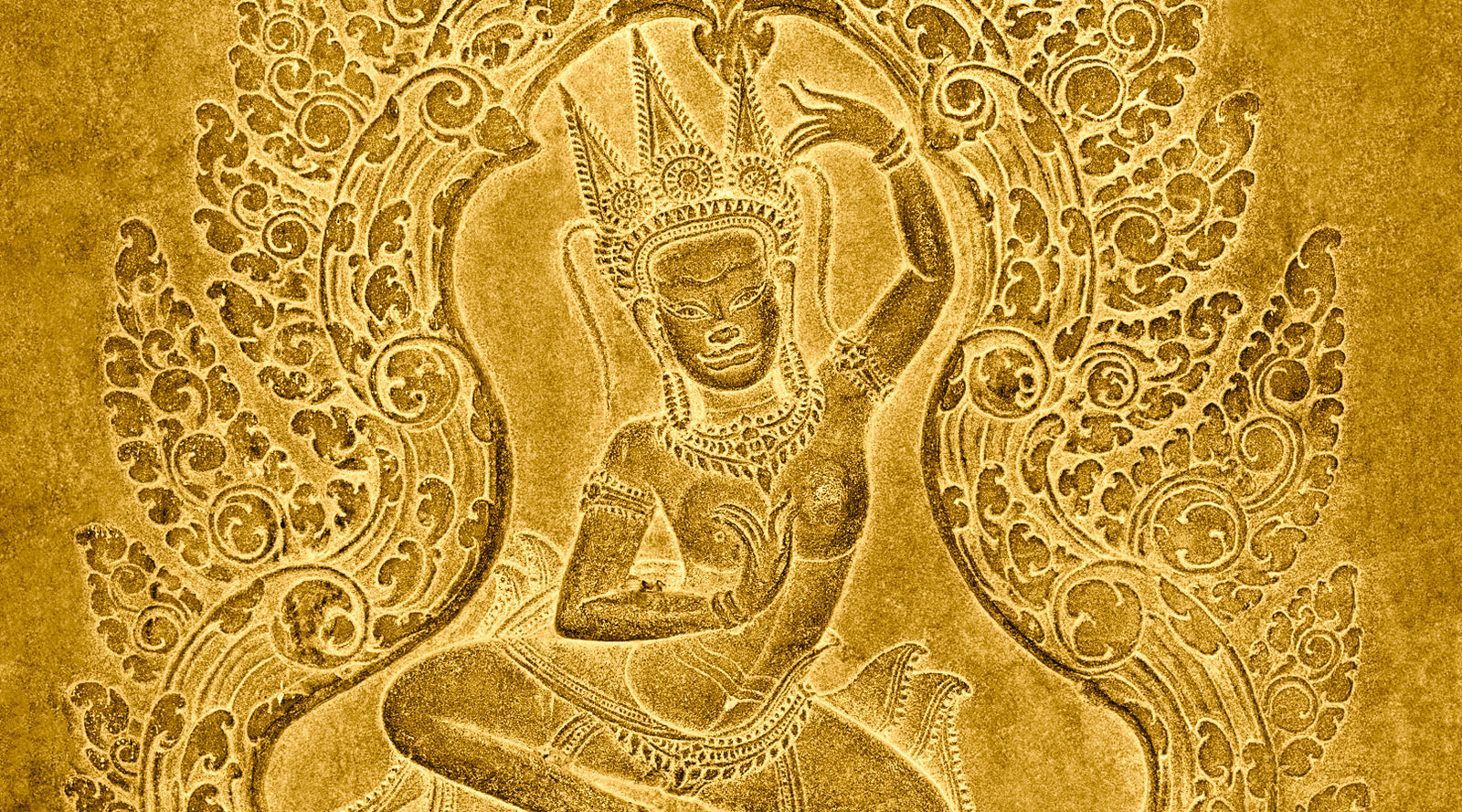

She Appeared in the Breath Before Gold
She was not revealed. She was kept—and offered. In the hush before dusk, the stone flared gold and the dancer returned to breath. Her hand traced a silence that no sculptor gave her.
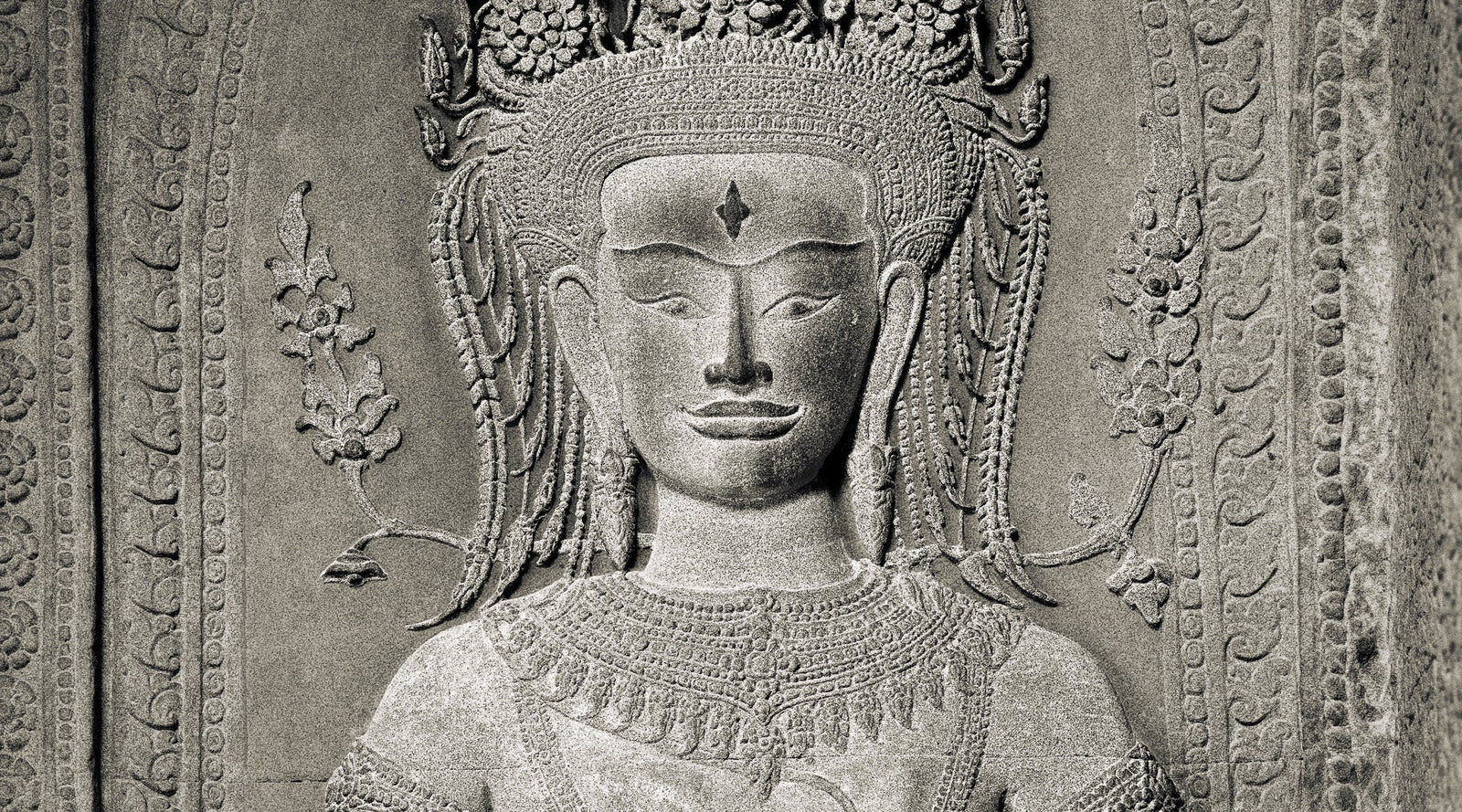

The Patience of Shadow
She does not shimmer or declare. She waits. In this quiet haibun, stone and memory entwine as the artist meets a devata not by seeking, but by standing still.
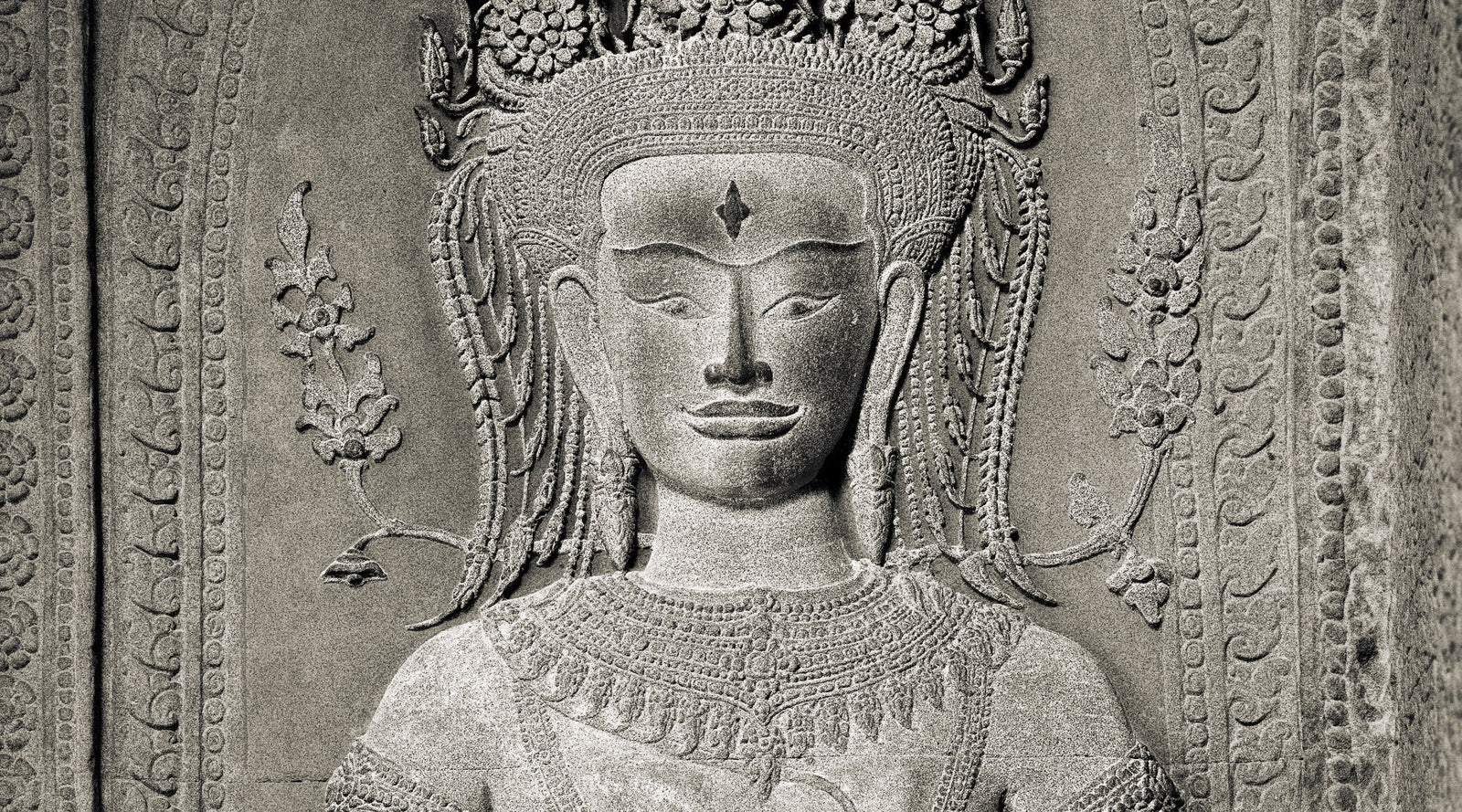

Stone Waits Before Light
In the sanctum of Angkor Wat, a devata cloaked in darkness emerges through stillness, not sight. The artist waits—then breathes. A long exposure begins not with the shutter, but with the hush before it.
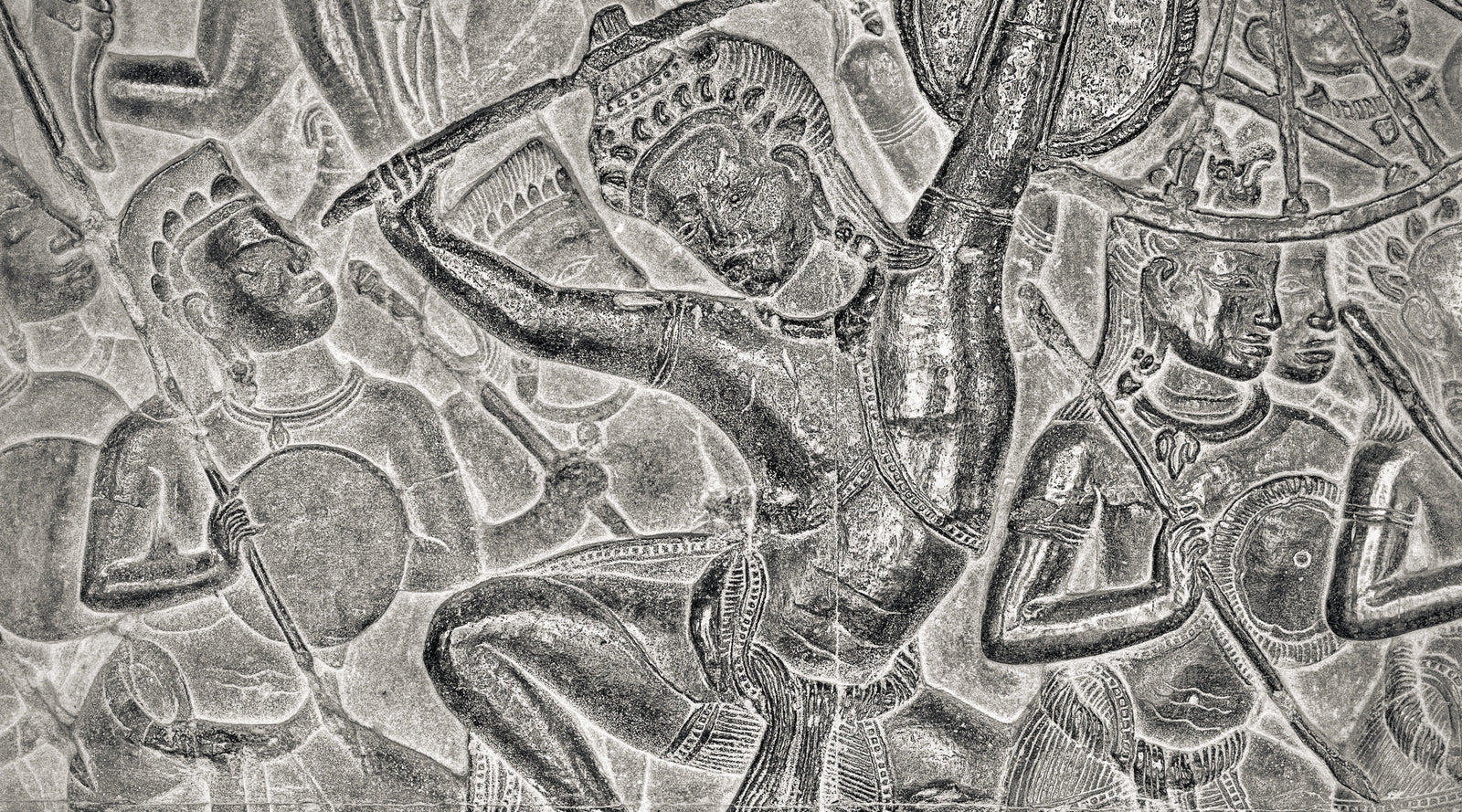

The Moment That Never Finished
In the hush of Angkor, one figure holds a breath the world forgot. His silence still dances. His shadow still speaks.
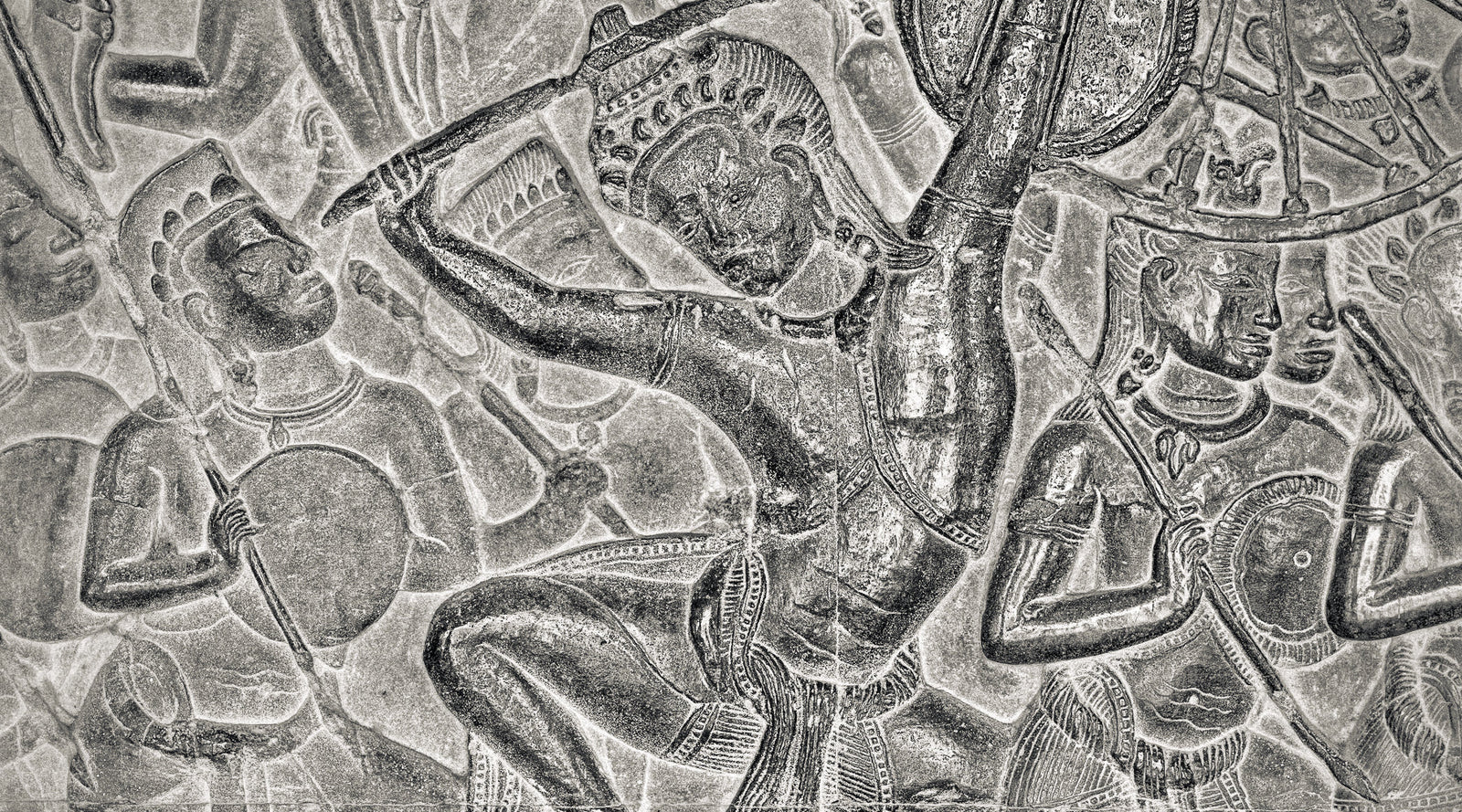

Breath Before the Blade
Rain-washed stone and the hush after war—Lucas Varro follows the breath of a forgotten figure through one lifted arm, held forever in mid-gesture.
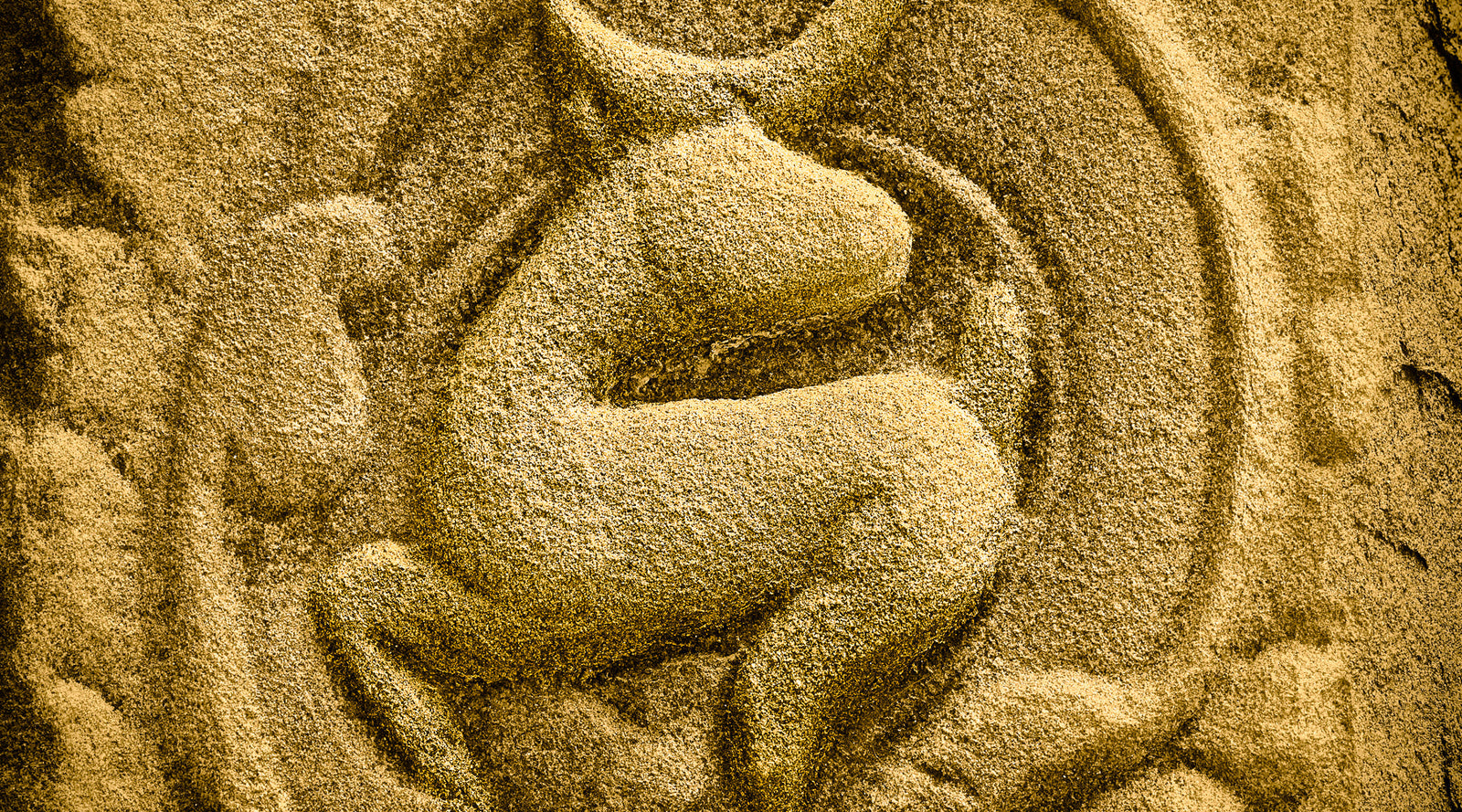

Where Motion Folds into Stone
Stone does not move, but light listens. A quiet meditation on the gesture of a carved deer, the hush of dusk, and the moment when presence glows through stillness.
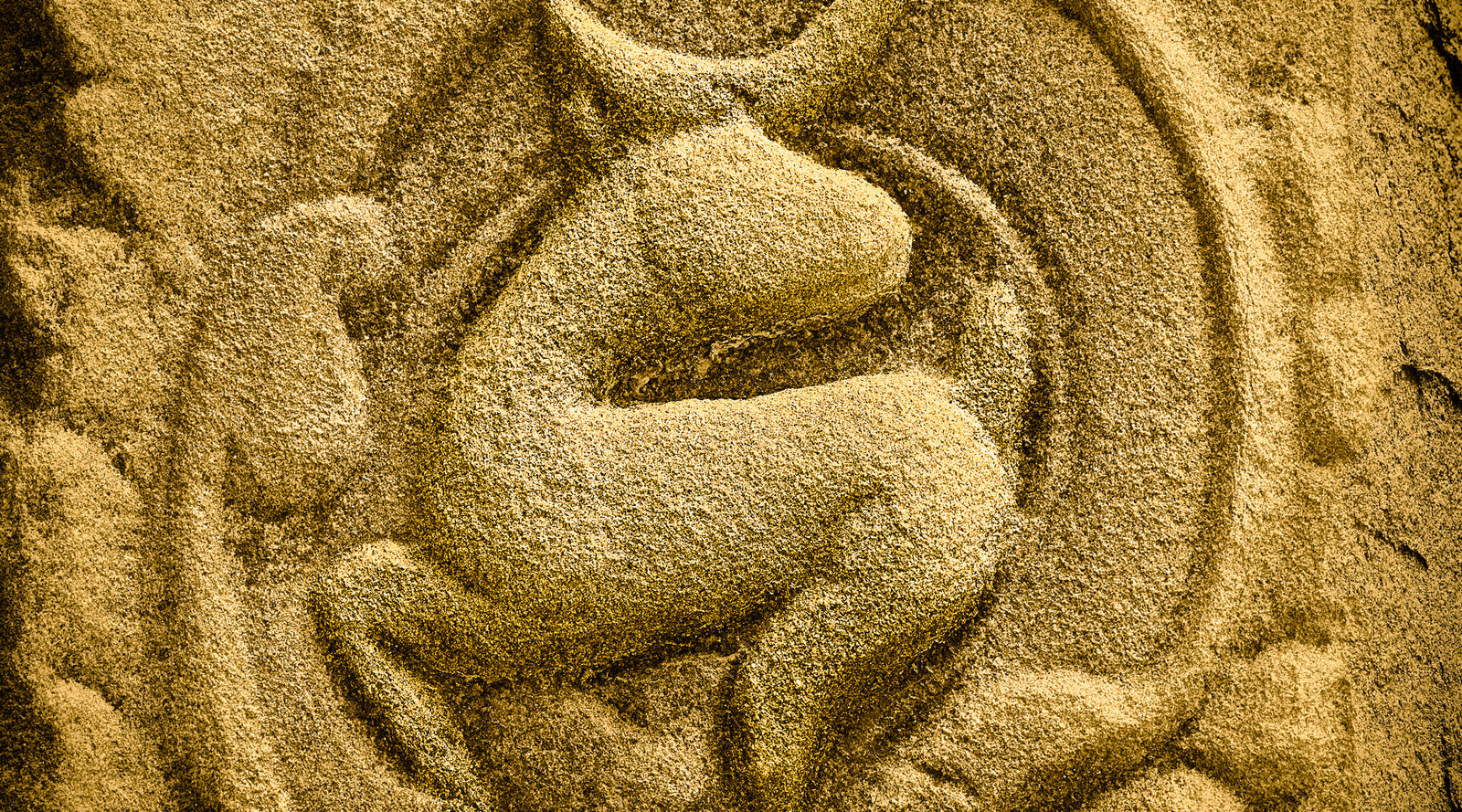

A Gesture That Gathers the Light
The deer does not move, yet the sun bows as if summoned. In this quiet journal reflection, the artist recalls a moment when gesture became invocation—and stone remembered how to hold the light.
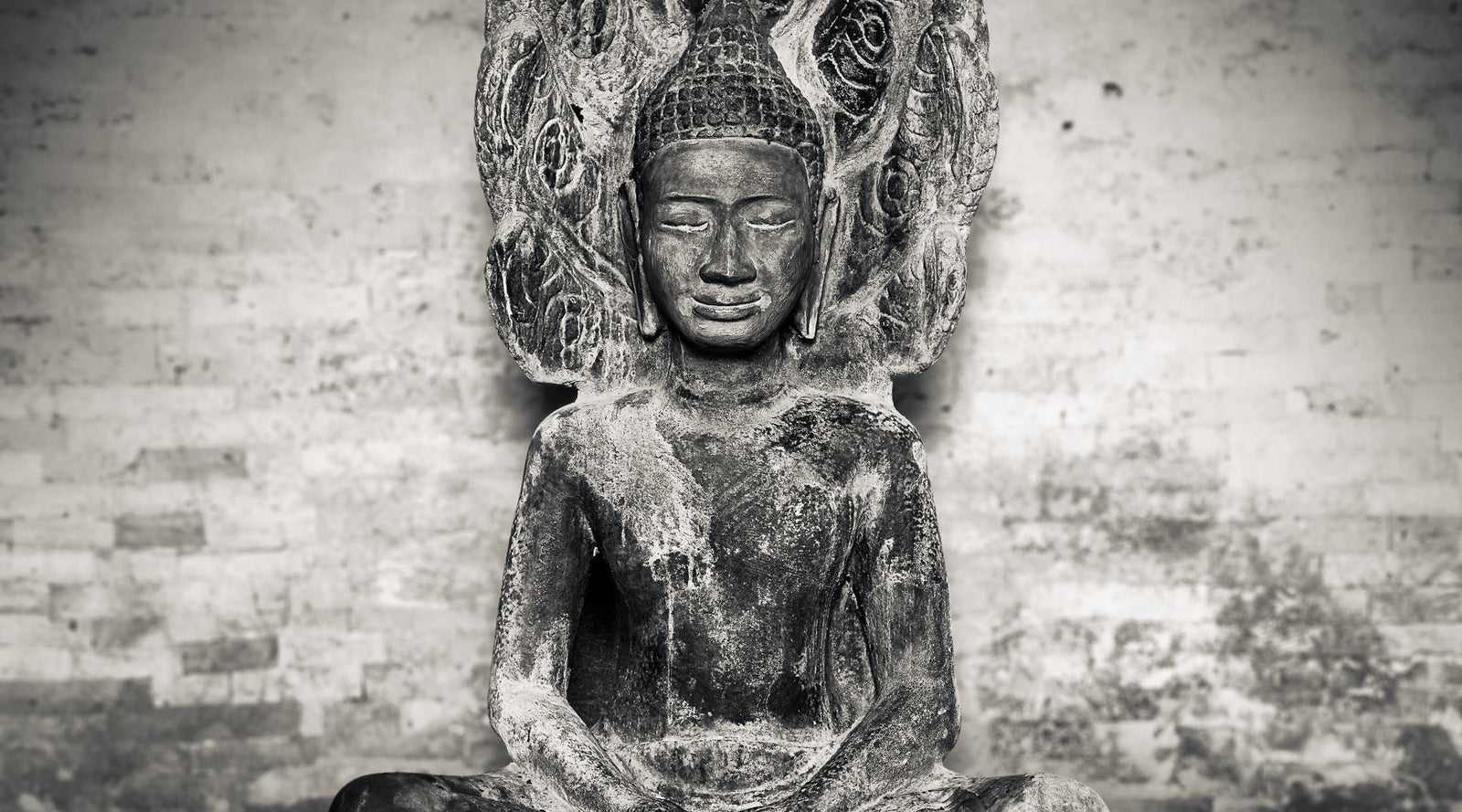

The Shelter That Remains
Time gathers around the Buddha as breath, not burden. In this haibun, the artist offers a moment that does not explain itself—it simply remains, unmoving beneath the shelter of silence.
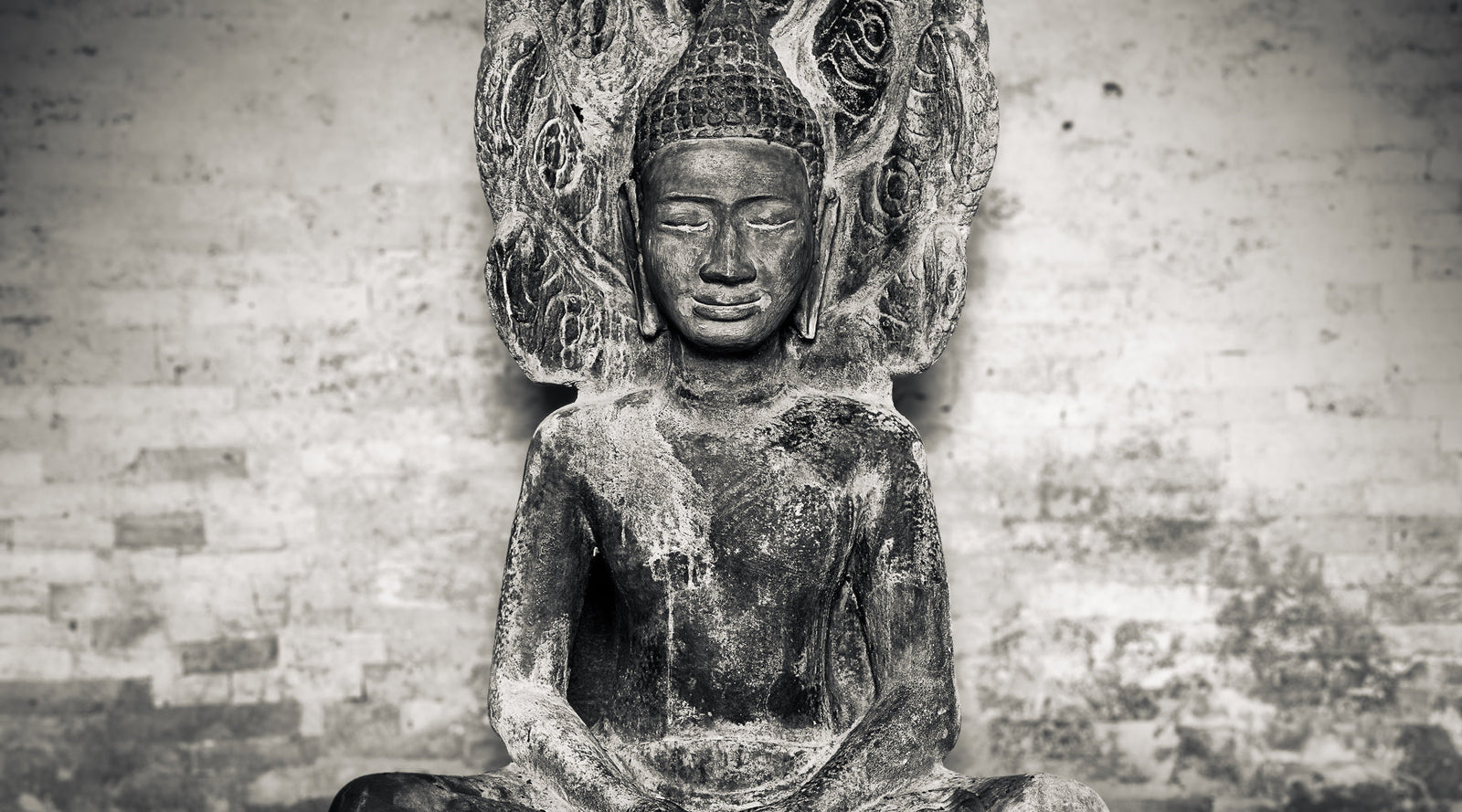

Beneath the Hood, the World Falls Silent
The artist enters a rain-stained sanctuary where a Buddha waits beneath serpent coils and silence. He listens before he photographs. He receives before he records. The moment is still breathing.
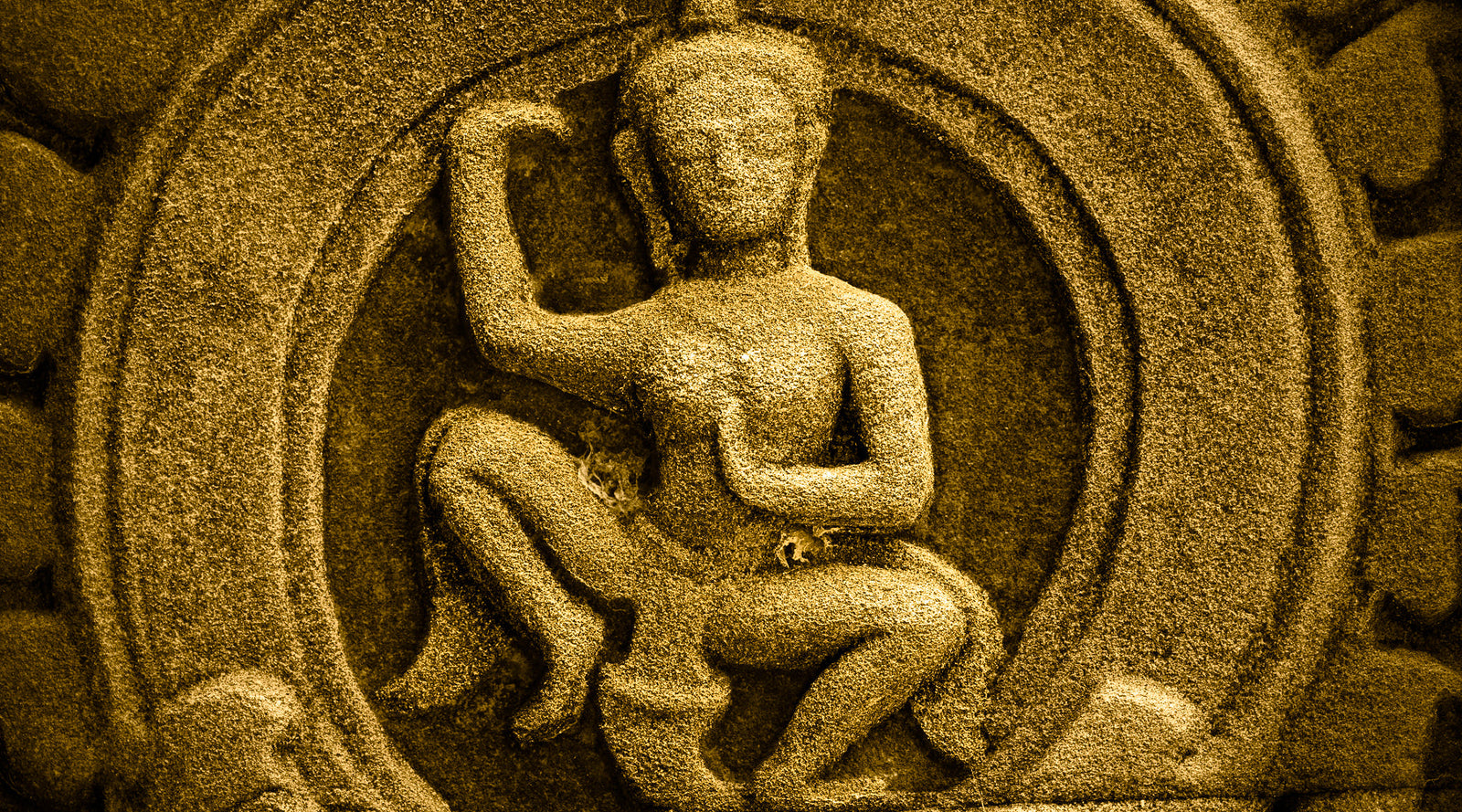

The Dance That Remains
A moment carved from dusk returns in gold. She moves, then stays—joy eternal, held not in form, but in the breath before it breaks.
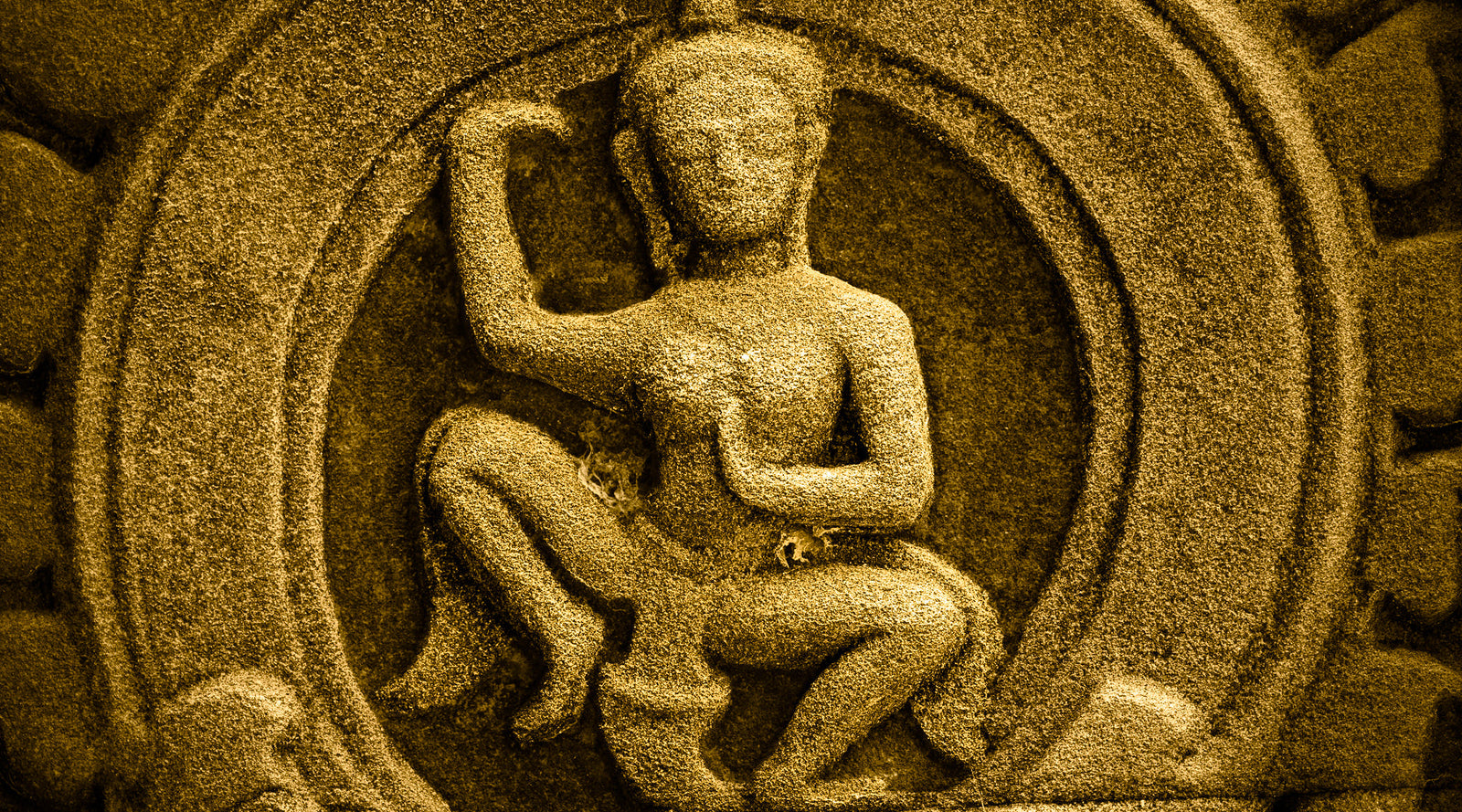

A Gesture Held in Light
At the edge of dusk, a single gesture glows within stone. A foot lifts. A smile remains. The wall does not move—and yet she dances.
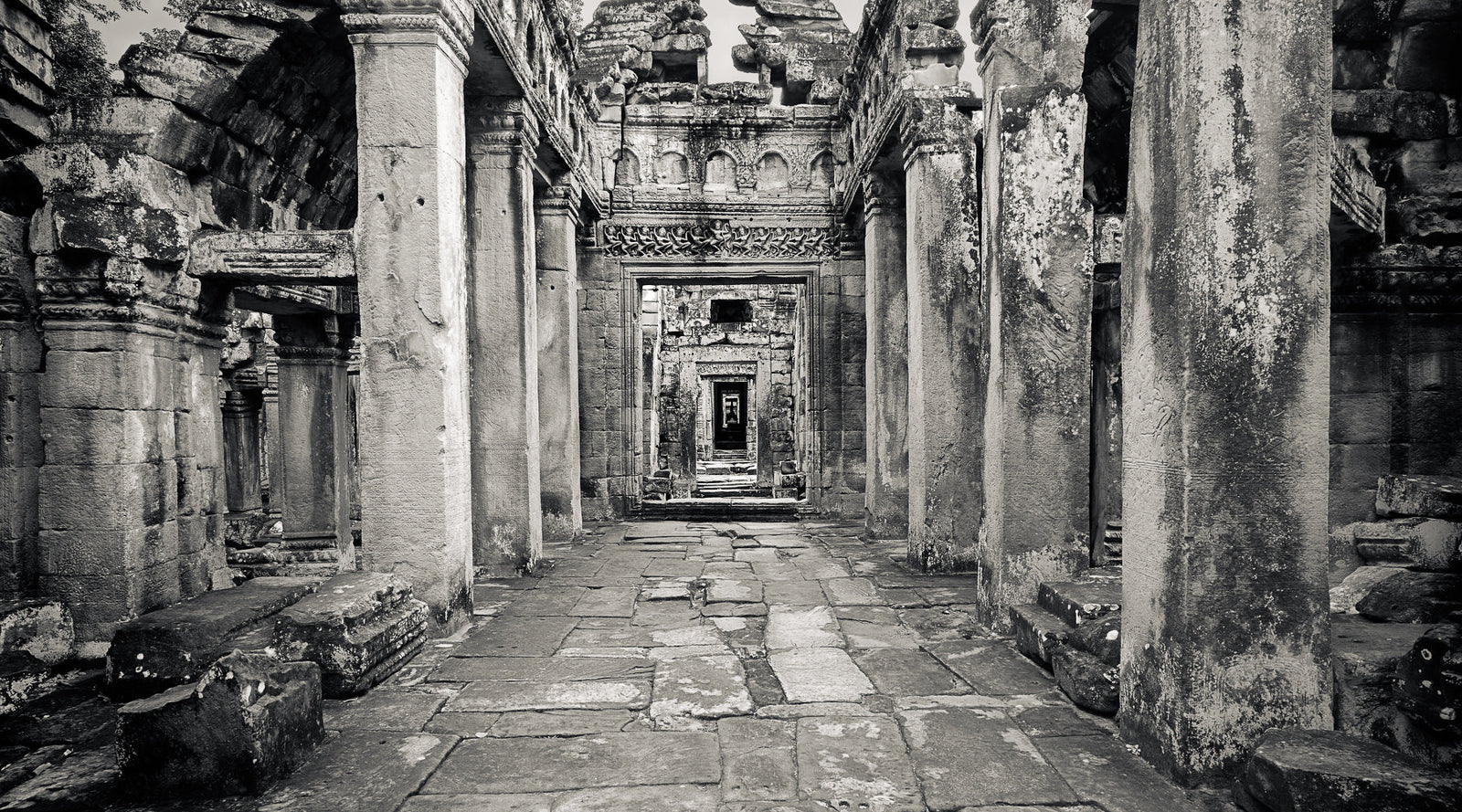

Stone Still Holding Breath
Nothing moves. And yet, the breath returns. This haibun brings you to a single moment in the Hall of Dancers, where a wall receives light as if listening—and where silence is never empty.
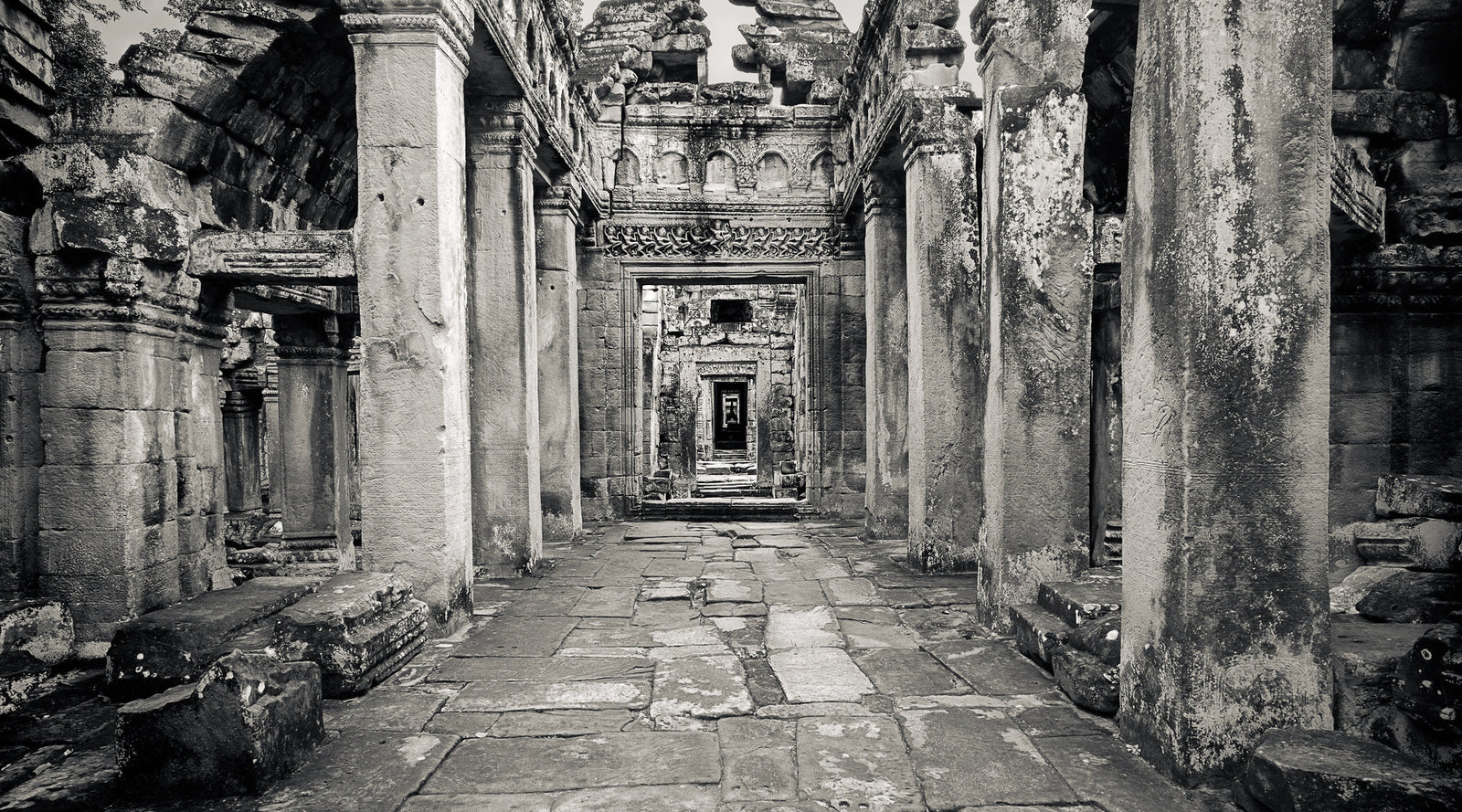

A Breath Beneath the Broken Roof
The roof is gone, but the breath remains. In the hush after rain, the artist waits beneath a listening apsara as light walks in. This journal entry is an offering in stillness—where nothing is lost, and presence endures.
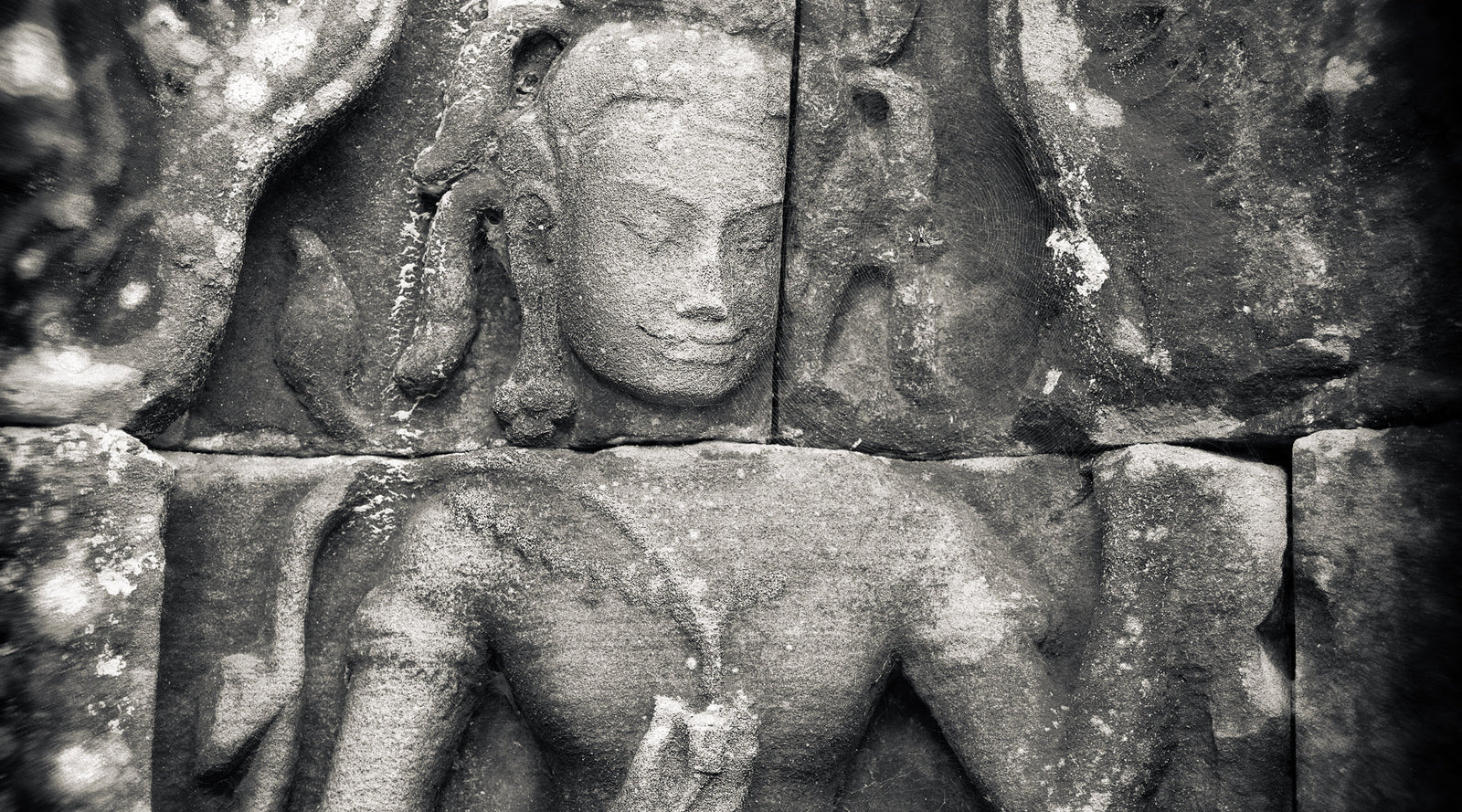

“Before Light Spoke Her Name”
Light hasn’t arrived yet, but she is already waiting. One hand holds the lotus. One breath enters the frame. Something eternal listens back.
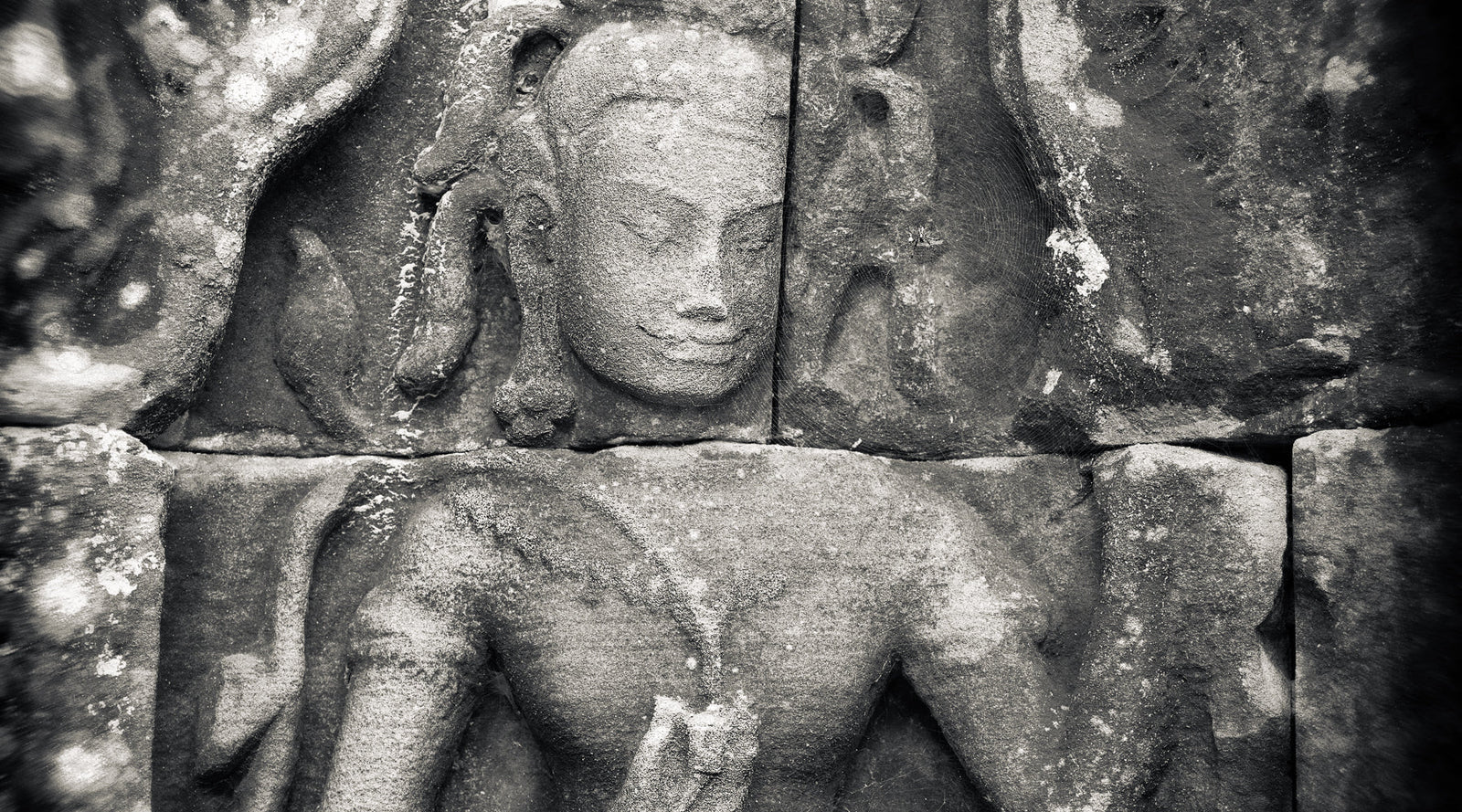

“Outside the Gopura, the Breath Waited”
Rain hushes the corridor beyond the gate. I wait, breath held. Her smile remains—unmoved, uncarved, remembering. The shutter falls like a leaf returning home.
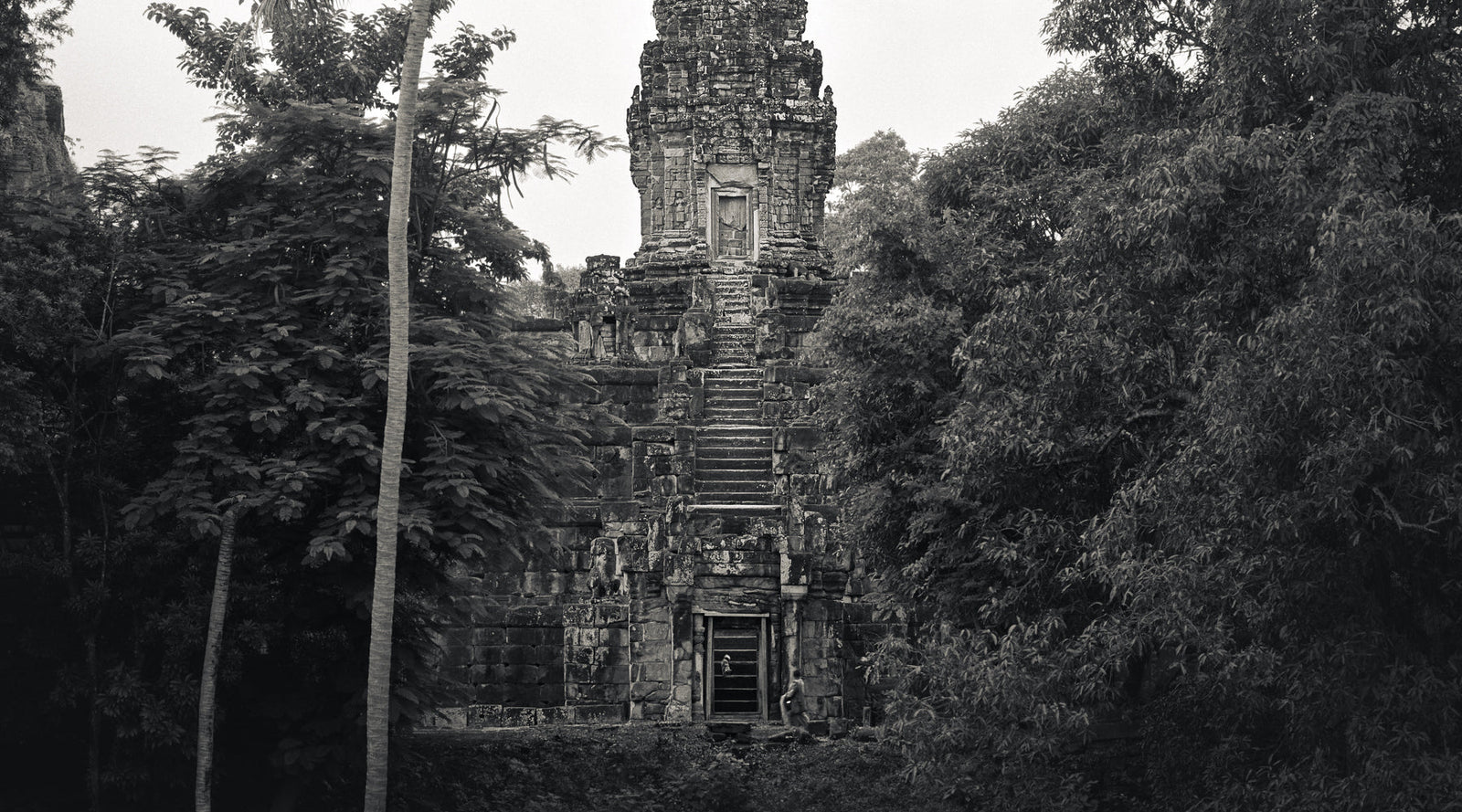

Silence Inhales the Stair
Stone inhales, mist lingers, and a single encounter illumines the entire pyramid. This brief haibun lingers in the after-sound of footsteps, inviting the reader to touch the hush that dawn leaves behind.
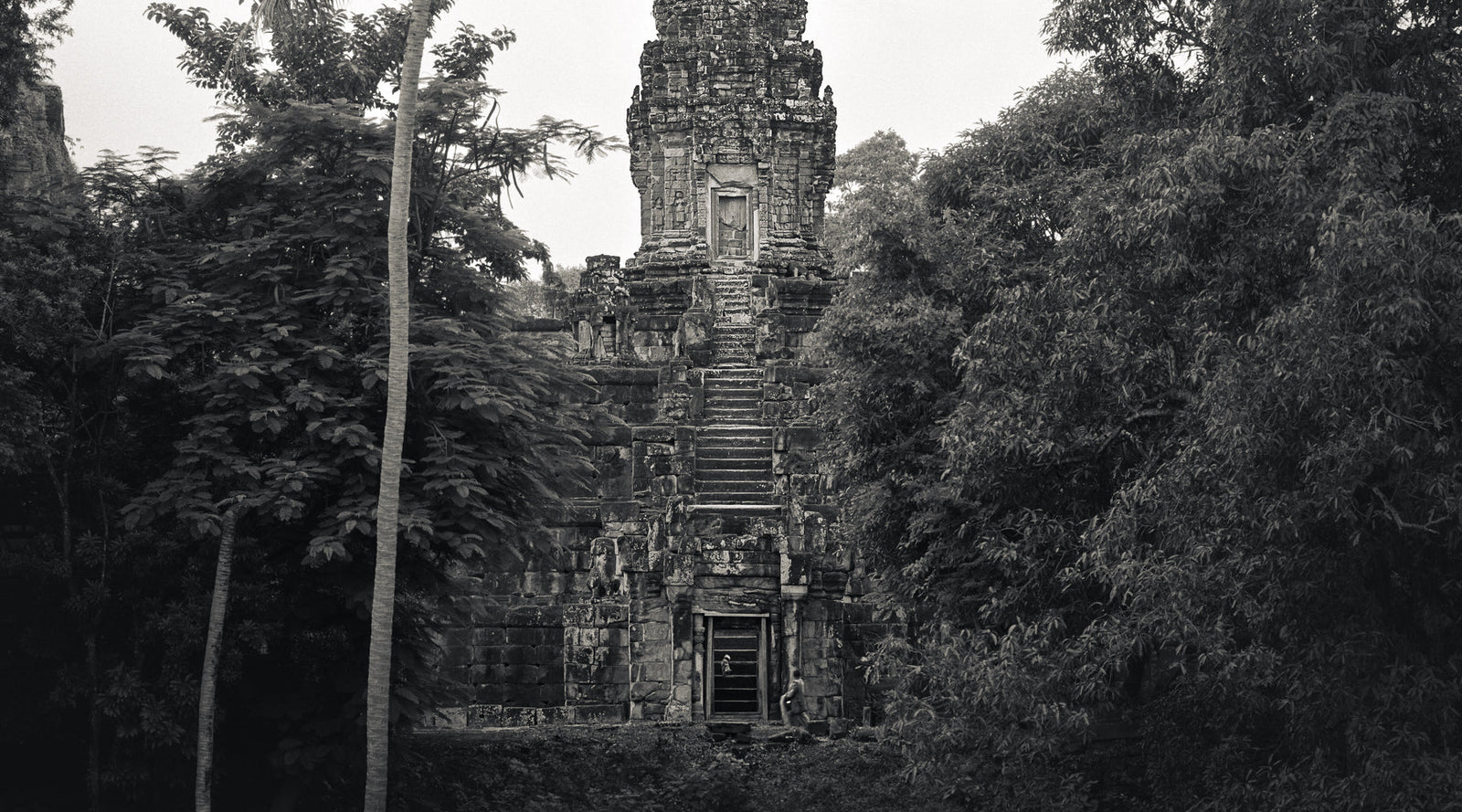

When Stone Draws Its First Breath
Morning mist beads on stone while a monk and his dog share an unspoken prayer. Across the moat the artist waits, breathing with the temple until film and silence converge, inviting you into the first hush of dawn’s remembering.
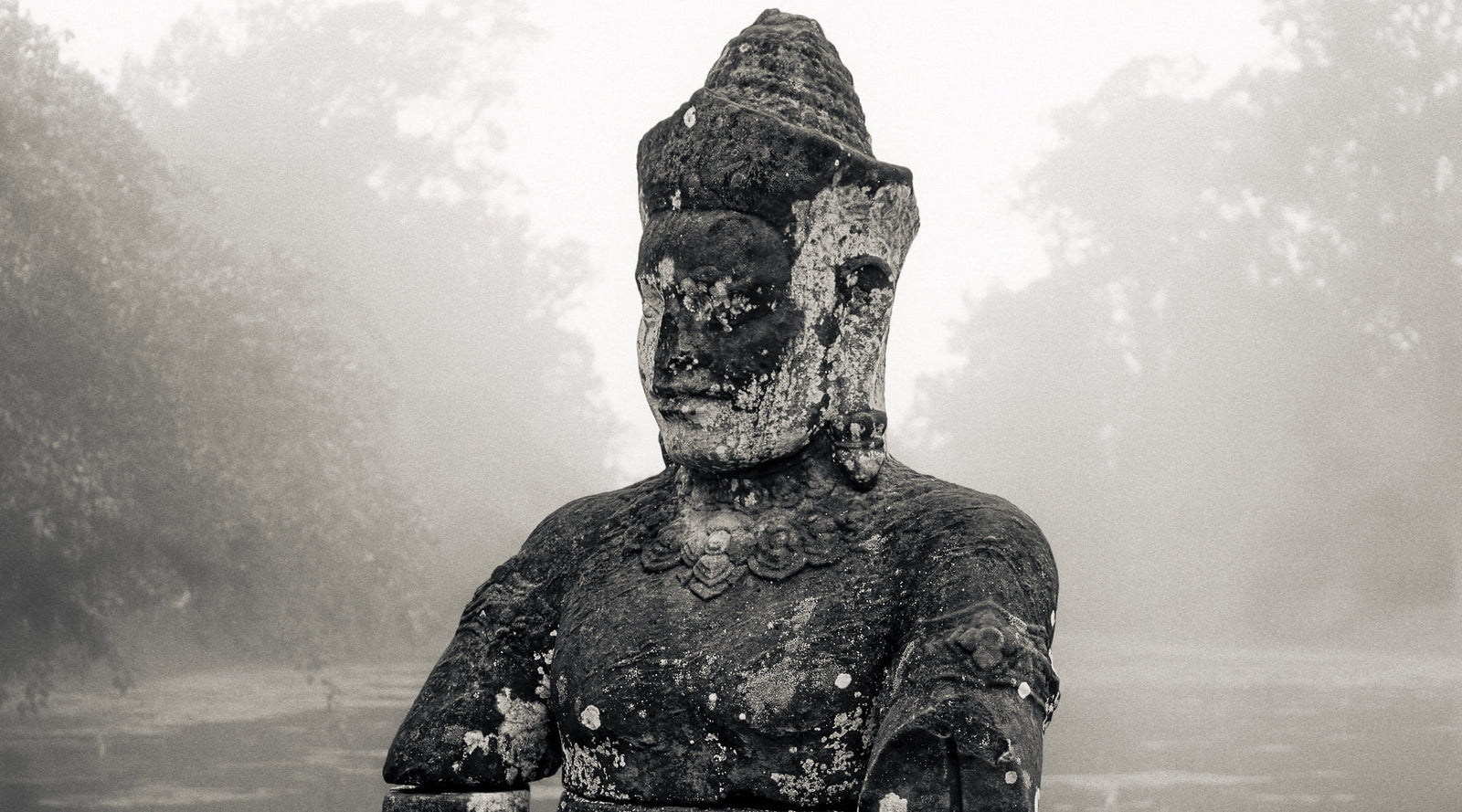

The Hush Before the Image
The image begins before the shutter falls. In this quiet haibun, Varro recalls the moment the Deva’s softened form leaned into light—and how the hush became the photograph.
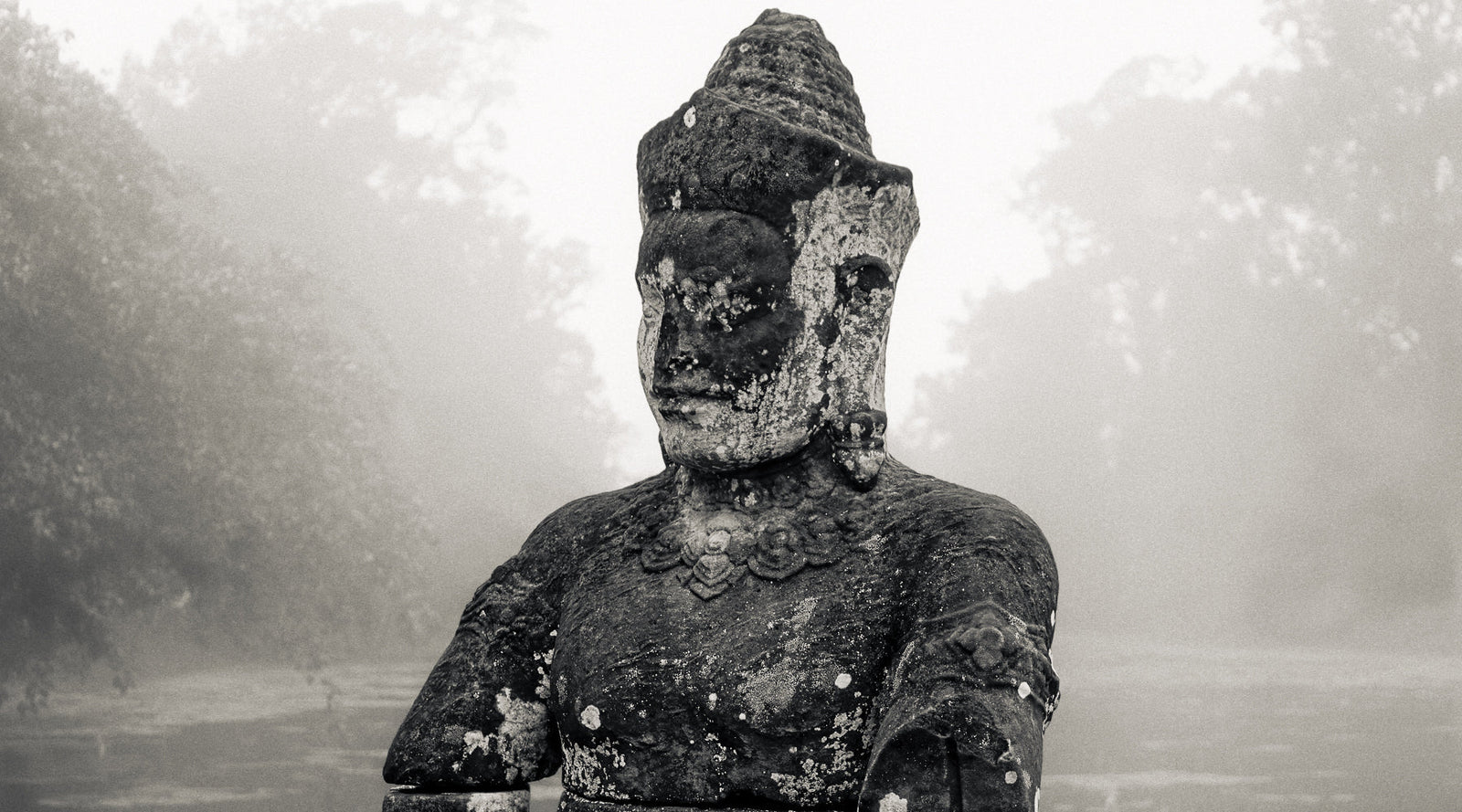

When Light Begins to Listen
Dawn thickens before form. In this field journal reflection, Lucas Varro stands in reverent stillness beside a guardian Deva, waiting for the moment when light begins to listen.
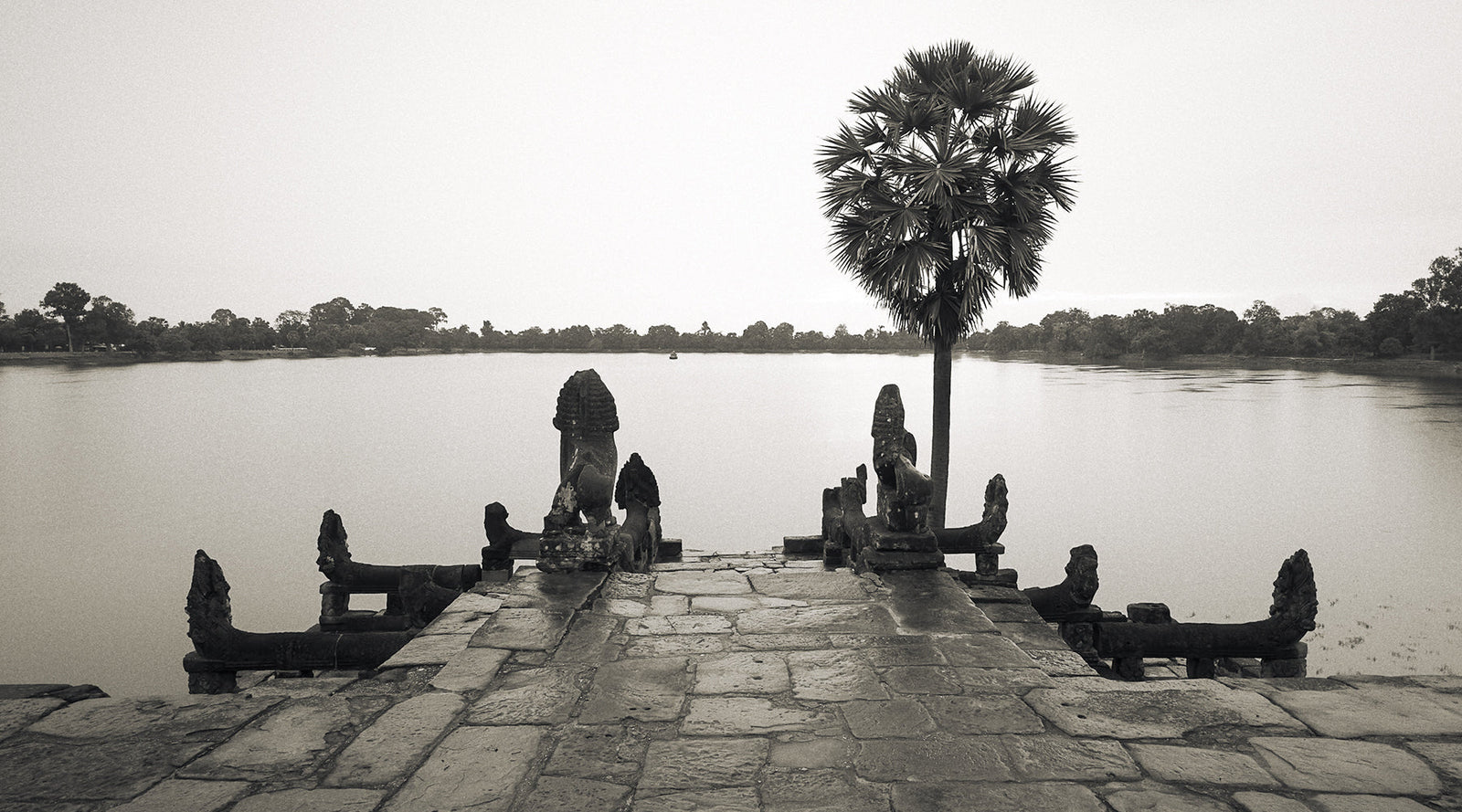

Held Between Realms
Between rain and light, the jetty breathes. A lion does not roar. A palm does not move. In this brief haibun, silence becomes both threshold and mirror.
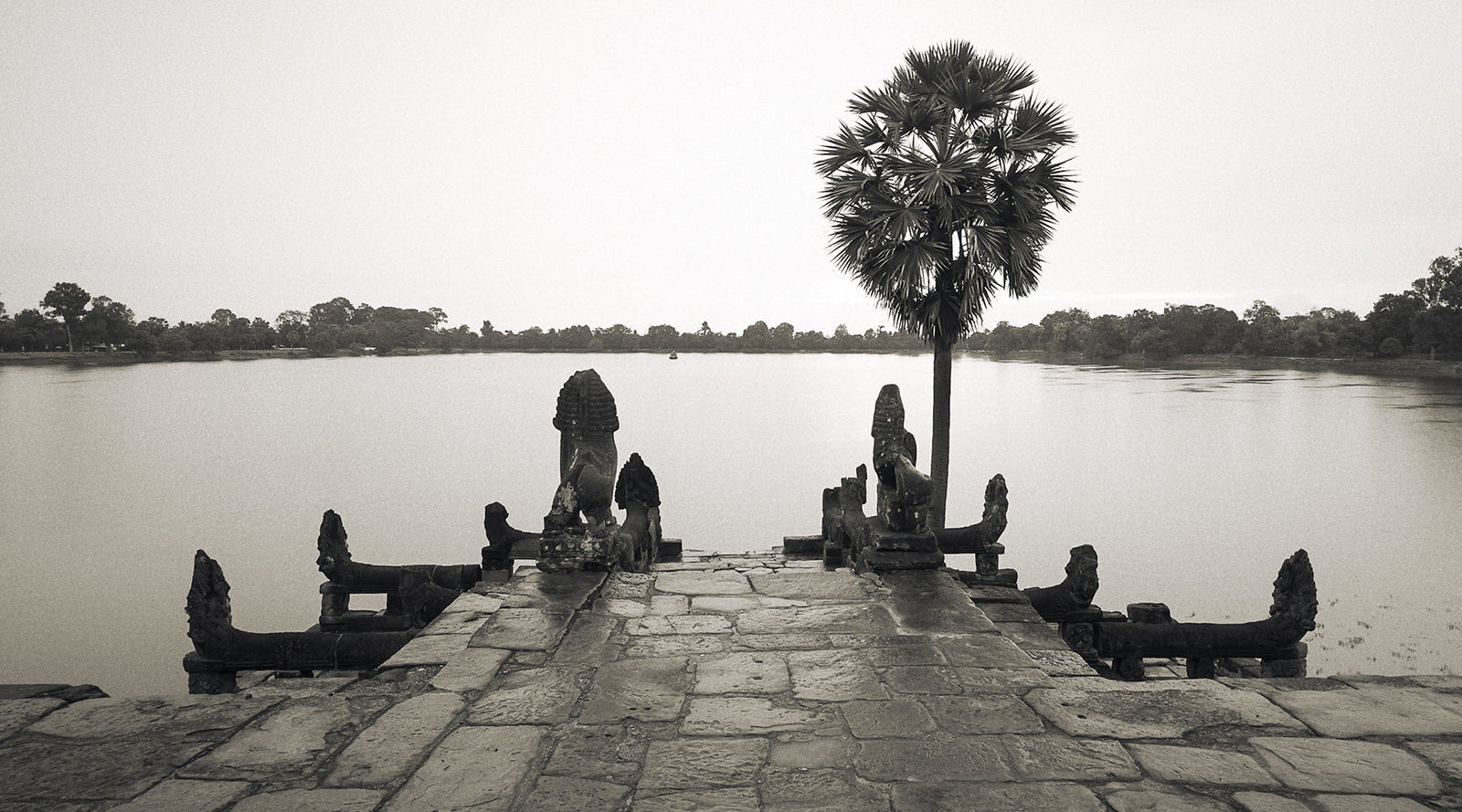

A Silence That Watches Back
Before dawn at Srah Srang, the artist steps into a silence that watches back. The lake forgets to move. Lions lean forward. A single palm stands, needing nothing.

Rain-Chant at the Eastern Gate
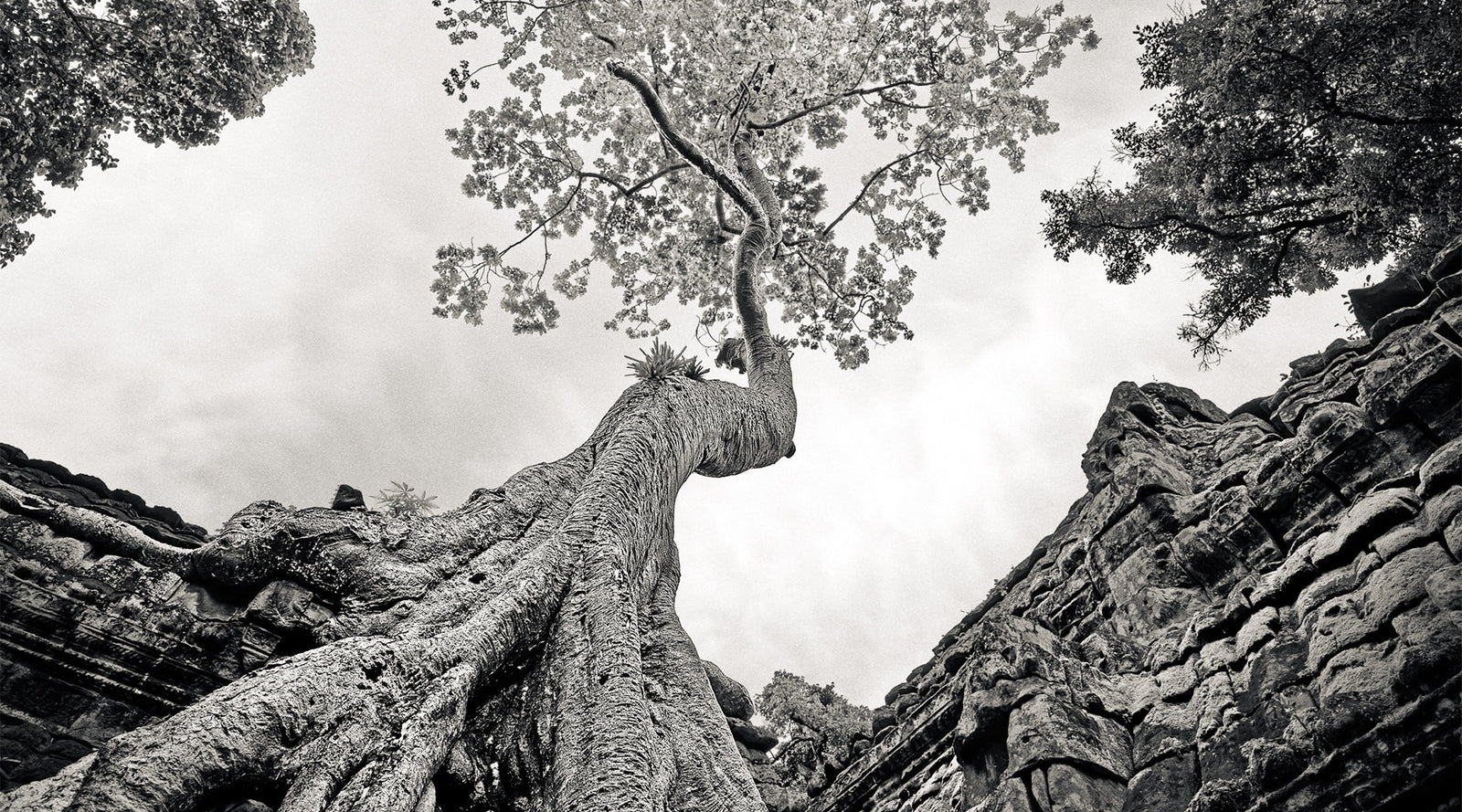
Dripping rain, breathing root, listening wall—three voices entwine in a brief haibun. An exposure as slow as prayer steadies their union; a haiku distils the vow they share. Step under the arch and feel the chant continue.


When Silence Lifts Its First Light
Dawn hovers over Ta Prohm in mist and breath. The artist waits until stone, root, and rainlight meet in one shared silence, then opens the shutter for a single, tremoring prayer—an image that will carry dawn’s hush wherever it dwells. Enter, and listen.