

The Silence Between Sisters
Evening was kind that day.
The sun did not vanish—it withdrew gently, trailing warmth across the sandstone. I arrived as the heat of the day exhaled its last breath, and the second-tier courtyard of Angkor Wat held everything in stillness. The kind of stillness that feels inhabited. Not empty, but waiting.
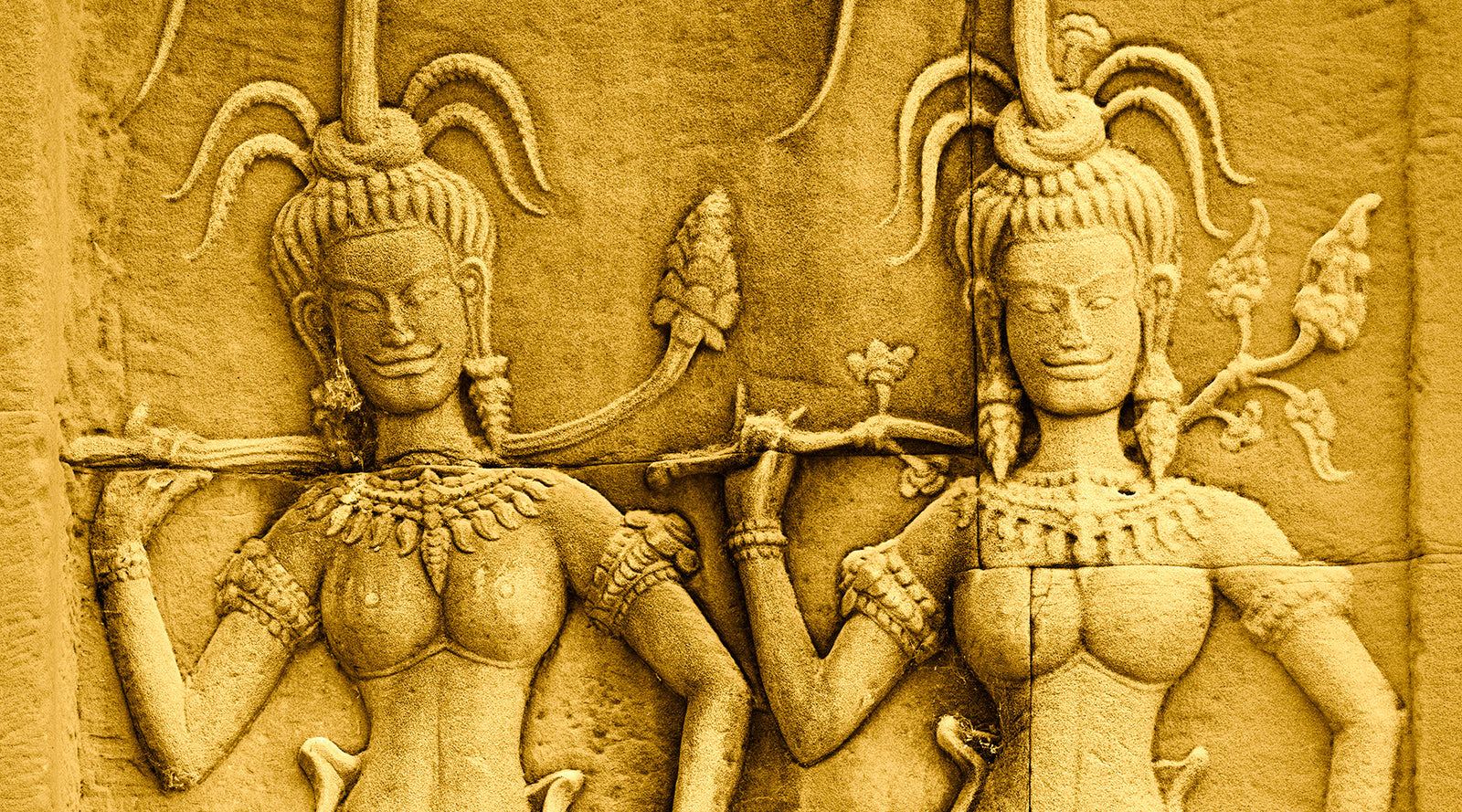
They stood together in high relief: two devatas carved side by side into an unfinished wall, smiling not at the world, but into it. Their lotus stems rested upon relaxed shoulders. Their ornaments gleamed softly. One leaned slightly toward the other, a motion barely held in stone.
I had seen many devatas before—but these two did not instruct or beckon. They simply remained. Their joy was not performance. It was presence.
I lowered the tripod slowly, not for caution, but out of respect. Even my breath felt intrusive. They did not move, of course. But something passed between them—some secret, invisible exchange—and I felt it. Not as a concept. As warmth.
I opened the shutter, and the film received what I could not name.
stone lips curve in light—
a secret between sisters
no wind, yet they move
That moment was not about capturing light.
It was about listening to what remains when light departs.
More from the Library


See Also
A concise and impartial dictionary of absence, promises, quarrels, ordinary objects, and the troublesome instability of words.

The City of Service
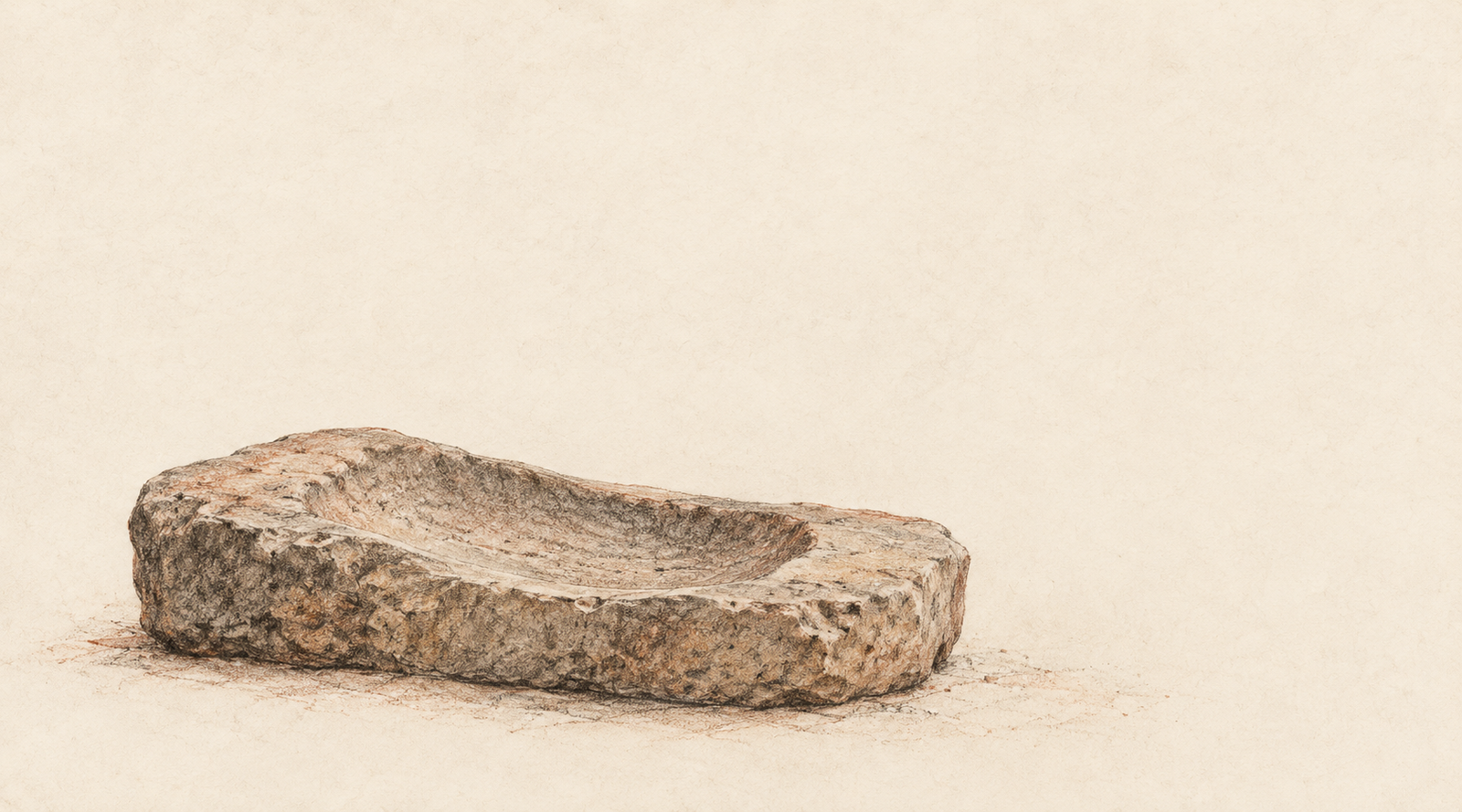
The temple we inherit is a building from which almost all necessity has been removed. Nothing must be brought for it to continue being what we call a temple. The sanctuary asks nothing of us. Stone is good at this kind of independence.
A living temple was otherwise.
Water had to come in. So did grain, cloth, oil, aromatic substances, fuel. The things required for worship arrived because someone carried them across a threshold.

Houses of Wood, Light, and Smoke
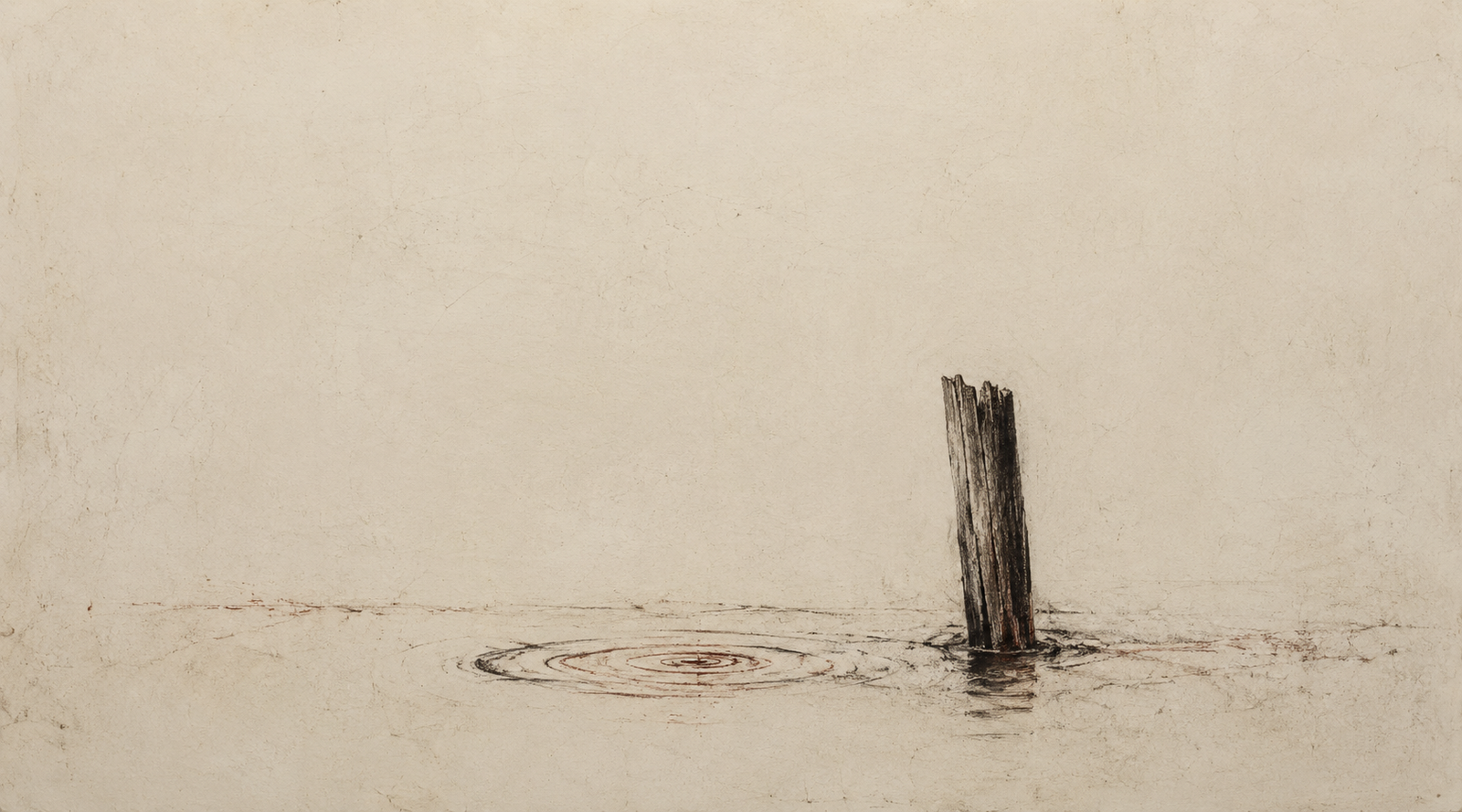
Some of Angkor’s most intimate ruins do not rise above the ground at all. They are postholes, low mounds, hearths and ponds: durable traces of a domestic city built largely from things that decay. To restore that city is to see Angkor not only as stone, but as wood, smoke, water, repair, and people living within calling distance.

$895
Angkor Wat Temple, Angkor, Cambodia — 2020
Limited Edition Archival Pigment Print
Edition
Strictly limited to 7 prints + 2 Artist’s Proofs
Edition Number
This listing is for the first numbered print from the Large Collector Edition: 1/7
Medium
Hand-toned black-and-white archival pigment print on Hahnemühle Bamboo — a museum-grade fine art paper chosen for its quiet tactility and reverent depth, echoing the spirit of the temples.
Signature & Numbering
Each print is individually signed and numbered by the artist on the border (recto)
Certificate of Authenticity
Accompanies every print
Image Size
9.5 x 6.8 inches (24.1 x 17.3 cm)
There are devatas who guard, and devatas who guide—but these two, carved in gold-shadowed stone at the courtyard of Angkor Wat’s second floor, do something rarer still: they smile. And what passes between them is not silence, but sisterhood.
The sandstone wall from which they emerge was left unfinished, and perhaps because of this, their presence feels even more alive—two figures poised mid-laughter, lotus blossoms resting across their shoulders like garlands passed between gods. They are nearly identical, yet subtly distinct, and in that tension blooms a sacred mischief.
Captured by Lucas Varro on large-format black-and-white film in the golden hush of evening, the image was shaped with classical chiaroscuro and later hand-toned in gold. This final gesture—the gold—was not for show, but for remembrance: a way to honour what the light had once touched, and what it now leaves behind.
Printed on museum-grade Hahnemühle Bamboo paper, each impression is hand-toned, signed, and presented in a strictly Limited Edition of 25 + 2 Artist’s Proofs. These are not multiples, but meditations.
To live with this image is to welcome the hush of joy into your home.
Click here to follow their whispered laughter into the Artist’s Journal.