

Where Motion Folds into Stone
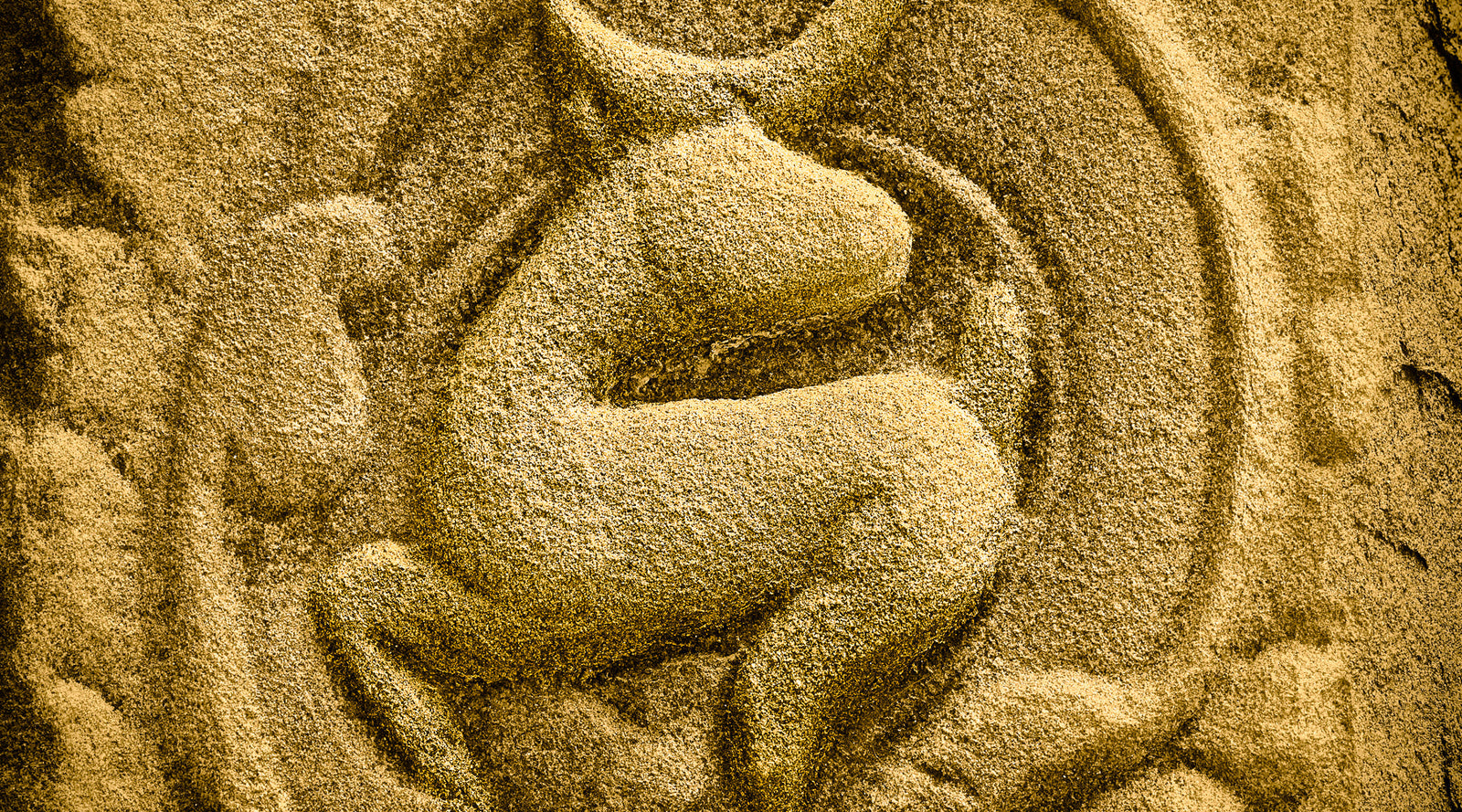
At the edge of Ta Prohm, I found a moment more than a carving. A deer, prancing within a ring of leaves, lifted one hoof into the last golden hush of day. The light didn’t strike it—it arrived like breath.
There was no grandeur. No monument. Just this: a curve, a shadow, a silence that reached back. And in that stillness, something stirred. The deer didn’t move, but dusk bowed to it.
That is what I made the exposure for—not for what could be seen, but for what asked to be remembered.
One silent circle—
a deer dances down the sun,
the stone never blinks.
More from the Library


See Also
A concise and impartial dictionary of absence, promises, quarrels, ordinary objects, and the troublesome instability of words.

The City of Service
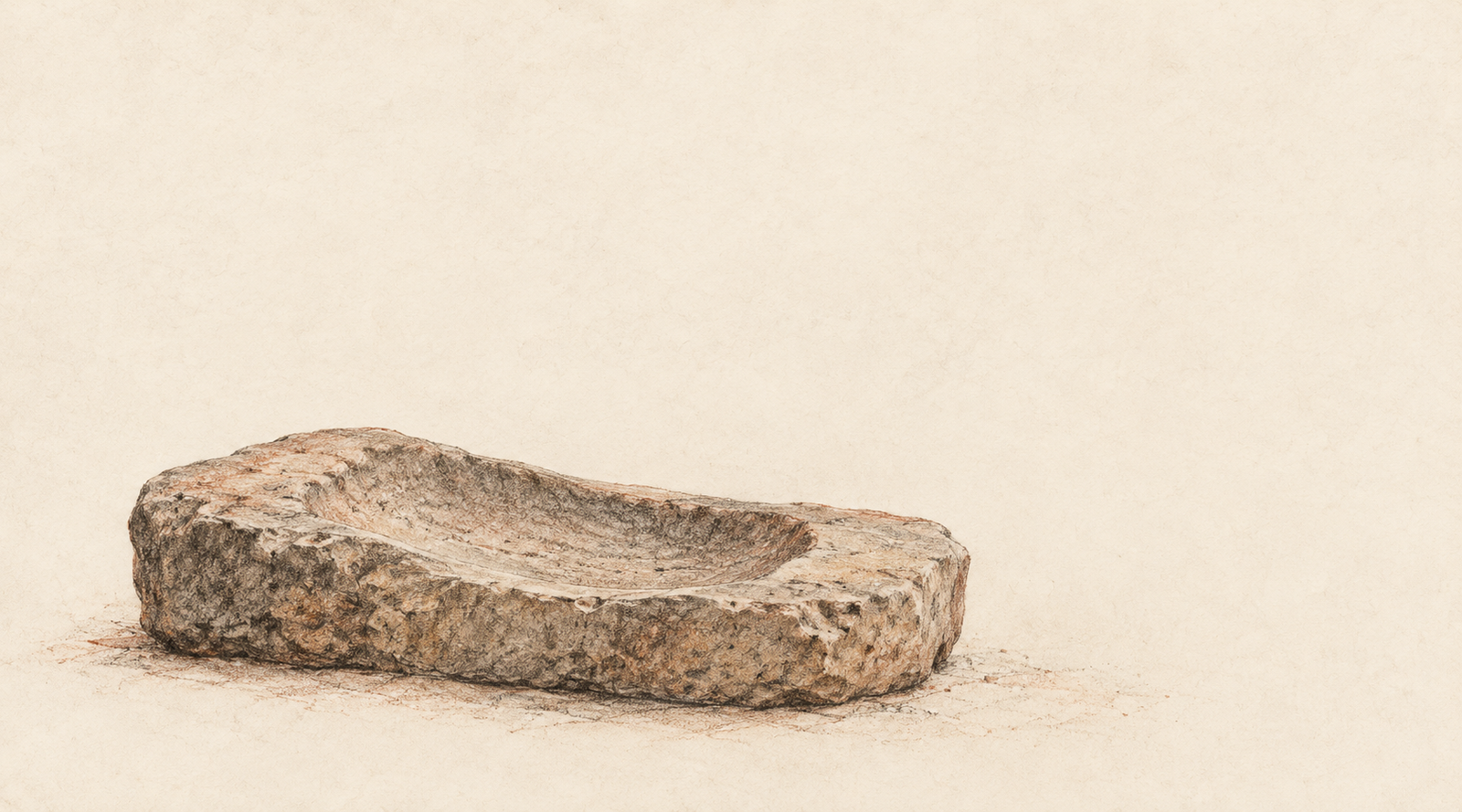
The temple we inherit is a building from which almost all necessity has been removed. Nothing must be brought for it to continue being what we call a temple. The sanctuary asks nothing of us. Stone is good at this kind of independence.
A living temple was otherwise.
Water had to come in. So did grain, cloth, oil, aromatic substances, fuel. The things required for worship arrived because someone carried them across a threshold.

Houses of Wood, Light, and Smoke
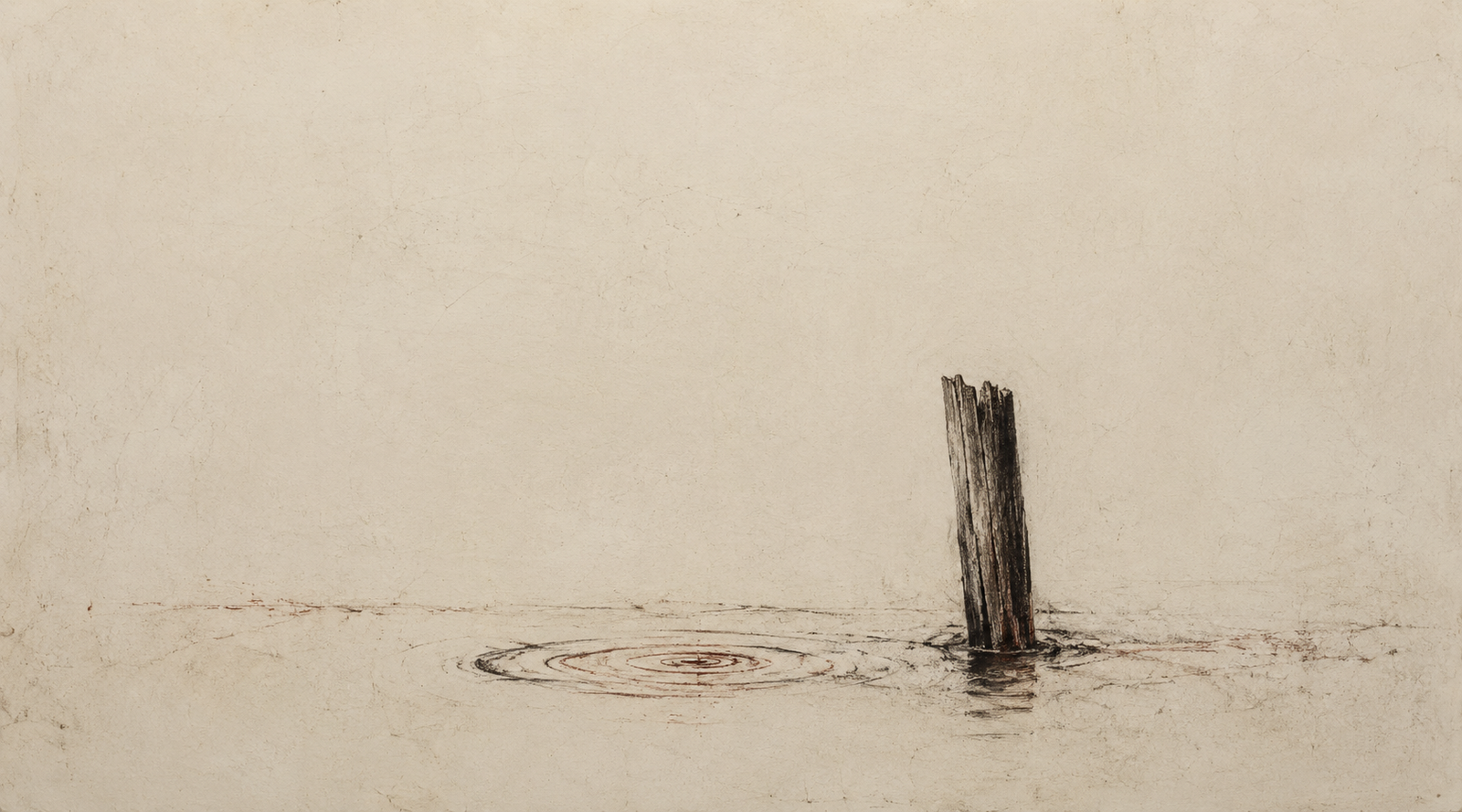
Some of Angkor’s most intimate ruins do not rise above the ground at all. They are postholes, low mounds, hearths and ponds: durable traces of a domestic city built largely from things that decay. To restore that city is to see Angkor not only as stone, but as wood, smoke, water, repair, and people living within calling distance.

$895
Ta Prohm, Temple, Angkor, Cambodia — 2021
Limited Edition Archival Pigment Print
Edition
Strictly limited to 7 prints + 2 Artist’s Proofs
Edition Number
This listing is for the first numbered print from the Large Collector Edition: 1/7
Medium
Hand-toned black-and-white archival pigment print on Hahnemühle Bamboo — a museum-grade fine art paper chosen for its quiet tactility and reverent depth, echoing the spirit of the temples.
Signature & Numbering
Each print is individually signed and numbered by the artist on the border (recto)
Certificate of Authenticity
Accompanies every print
Image Size
28 x 28 inches (71.1 x 71.1 cm)
A deer, encircled by stone leaves, raises one hoof into light that feels both remembered and newly born. When the Deer Danced the Sun Down captures a moment not of action, but of invocation—a gesture held in silence that seemed to draw dusk from the sky.
At Ta Prohm Temple, as the Cambodian sun vanished behind the jungle canopy, a sandstone medallion shimmered with sudden presence. The deer appeared to glow from within, its curved form receiving light as breath, not surface. The image evokes sacred circularity—motion paused in eternity.
Captured on medium format black-and-white film with long exposure, the photograph was later shaped using classical chiaroscuro techniques to reveal its quiet gravity. Each print is hand-toned in gold, echoing the molten warmth of that sacred dusk.
Printed on museum-grade Hahnemühle Bamboo paper, this archival pigment print is signed and numbered in a strictly limited edition of 25 + 2 Artist’s Proofs.
Let it offer stillness—the kind that glows in the corner of your room long after the sun has gone.
Click here to enter the Artist’s Journal and step deeper into the hush behind the light.