

Stone Waits Before Light
It had rained in the night. Not heavily—just enough for the stone to exhale. The corridors of Angkor Wat were slick, and silence thickened in the air like the scent of wet lichen. I ascended slowly toward the heart of the temple, the third tier, where gods once turned inward and kings sought communion in breathless stillness.
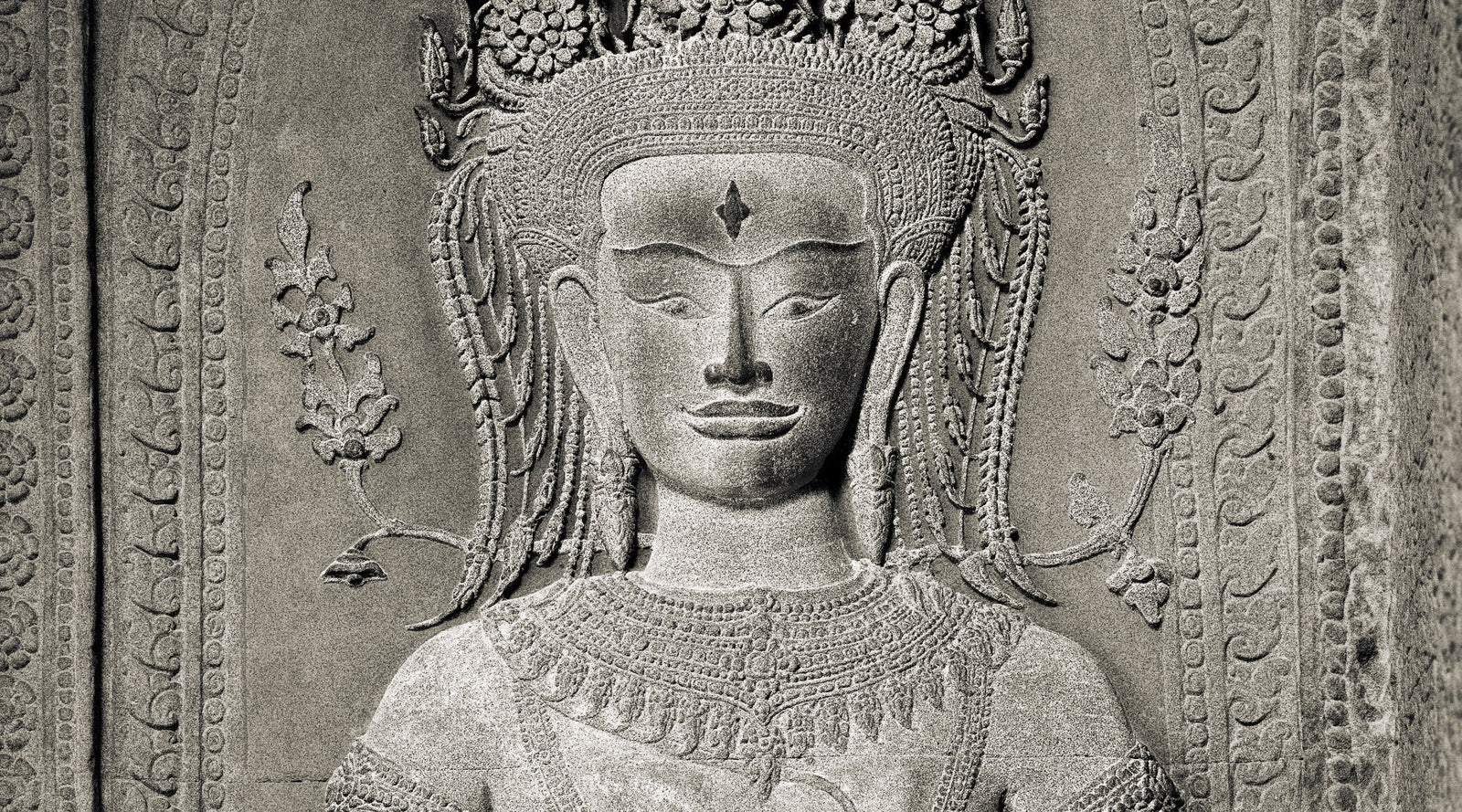
She emerged before me—not from light, but from the absence of it. A devata, carved yet conscious, cloaked in darkness so deep it felt ancestral. Her face bore the touch of centuries. Her lotus hand rested not in display, but in repose. Her eyes held not presence, but patience.
I stood without movement. No adjustment. No lens. The moment did not need me—it was already complete.
Only when breath returned to me did I reach for the shutter. The exposure lasted minutes, but it could have been years. She did not change. I changed.
Later, in the quiet of my studio, I would coax the negative into form—chiaroscuro shaping her shadow, hand-toning her presence into warmth. But the image was never made there. It was received here.
lotus in her hand—
light hesitates on her cheek,
stone remembers breath
More from the Library


See Also
A concise and impartial dictionary of absence, promises, quarrels, ordinary objects, and the troublesome instability of words.

The City of Service
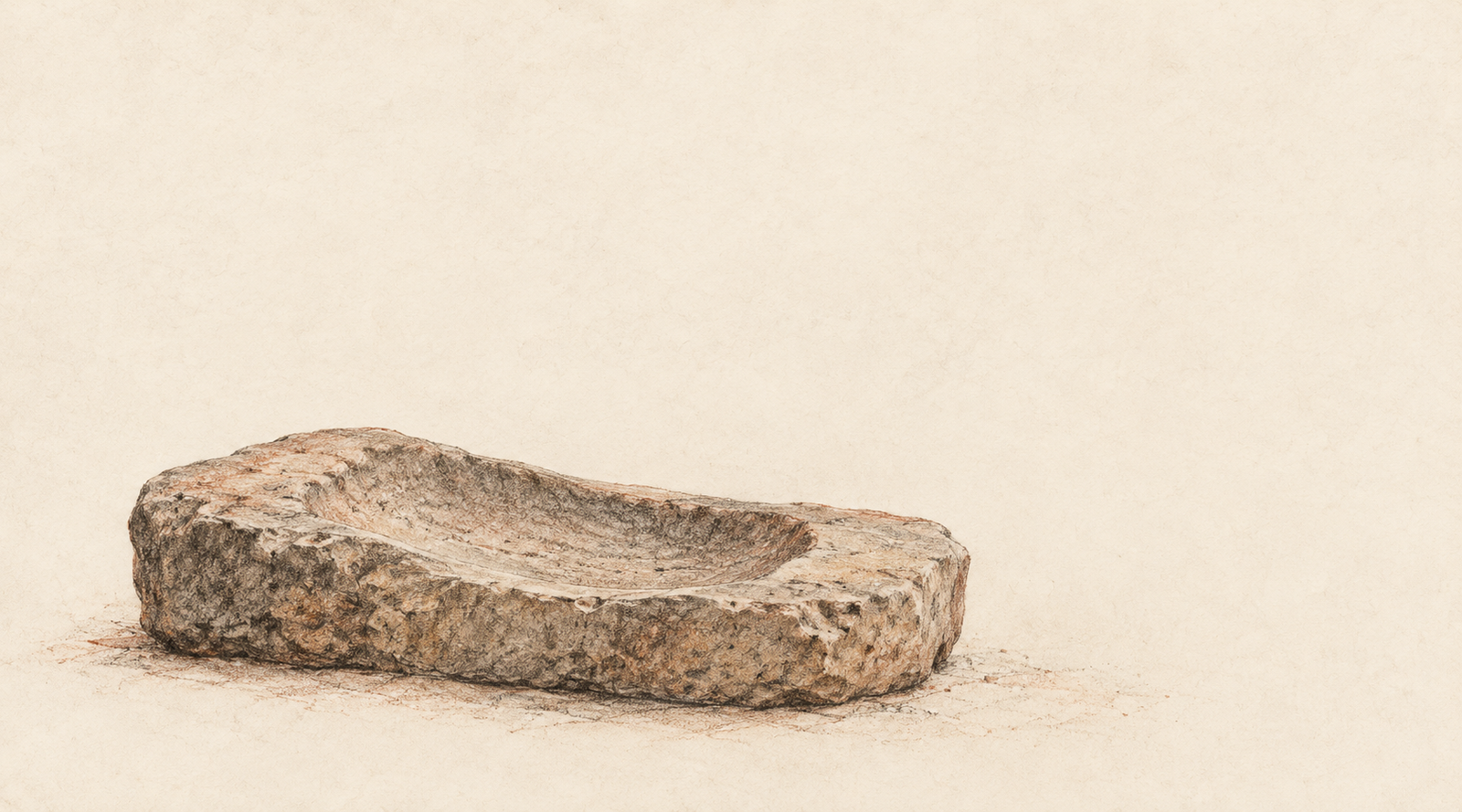
The temple we inherit is a building from which almost all necessity has been removed. Nothing must be brought for it to continue being what we call a temple. The sanctuary asks nothing of us. Stone is good at this kind of independence.
A living temple was otherwise.
Water had to come in. So did grain, cloth, oil, aromatic substances, fuel. The things required for worship arrived because someone carried them across a threshold.

Houses of Wood, Light, and Smoke
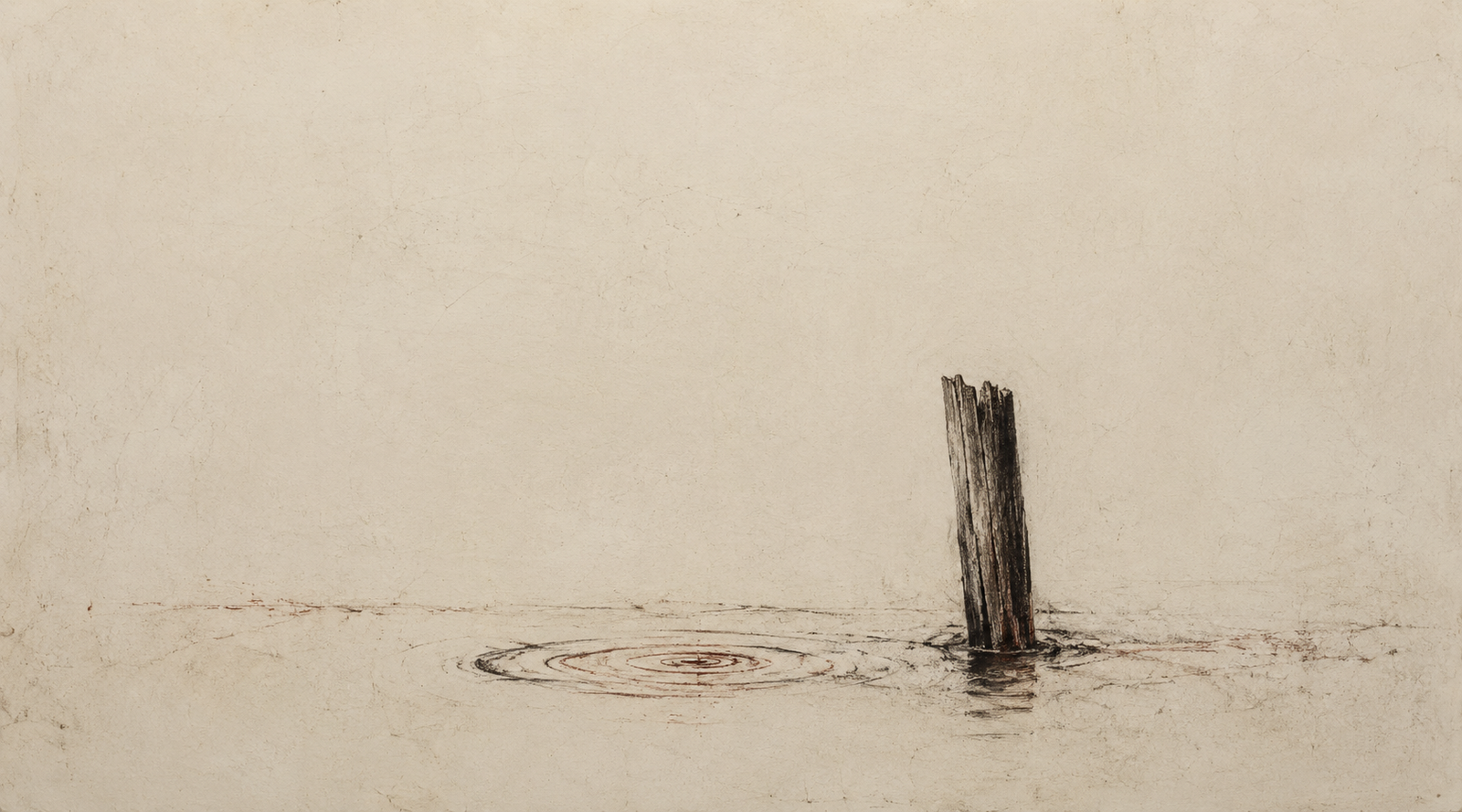
Some of Angkor’s most intimate ruins do not rise above the ground at all. They are postholes, low mounds, hearths and ponds: durable traces of a domestic city built largely from things that decay. To restore that city is to see Angkor not only as stone, but as wood, smoke, water, repair, and people living within calling distance.

$895
Angkor Wat Temple, Angkor, Cambodia — 2020
Limited Edition Archival Pigment Print
Edition
Strictly limited to 7 prints + 2 Artist’s Proofs
Edition Number
This listing is for the first numbered print from the Large Collector Edition: 1/7
Medium
Hand-toned black-and-white archival pigment print on Hahnemühle Bamboo — a museum-grade fine art paper chosen for its quiet tactility and reverent depth, echoing the spirit of the temples.
Signature & Numbering
Each print is individually signed and numbered by the artist on the border (recto)
Certificate of Authenticity
Accompanies every print
Image Size
36.9 x 21.3 inches (93.7 x 54.1 cm)
She waits in the silence of the sanctum, where time has stilled and stone has begun to breathe. Before the sun could reach her, before even the birdsong stirred, she stood in shadow—soft-lipped, bare-shouldered, crowned in stillness.
This devata, carved high into the third tier of Angkor Wat, reveals not only the beauty of divine form, but the sacred patience of centuries. Smoothed by reverent touch and wrapped in the hush of dawn, her presence transcends ornament. She is not a relic—she is remembrance.
The photograph was taken on large-format black-and-white film using long exposure in near darkness. It was shaped using classical chiaroscuro techniques and hand-toned by the artist to honor the emotional atmosphere of the moment. The result is a print of deep dimensionality and reverent quiet.
Each signed and numbered print is rendered on museum-grade Hahnemühle Bamboo paper, in a strictly limited edition of 25 + 2 Artist’s Proofs.
She does not ask to be seen—she waits to be welcomed into silence.
To step further into the breath behind this moment, click here to explore the Artist’s Journal.