

The Listening Flame
The hour before the sun kneels is the hour the gods listen.
The heat that evening was not oppressive, but full—rich with gold, with cicada-hum, with the breath of trees exhaling their final warmth. I moved slowly beneath the gate, not from fatigue, but reverence. The sandstone seemed to glow from within, not as reflection, but as memory.
And there she was.
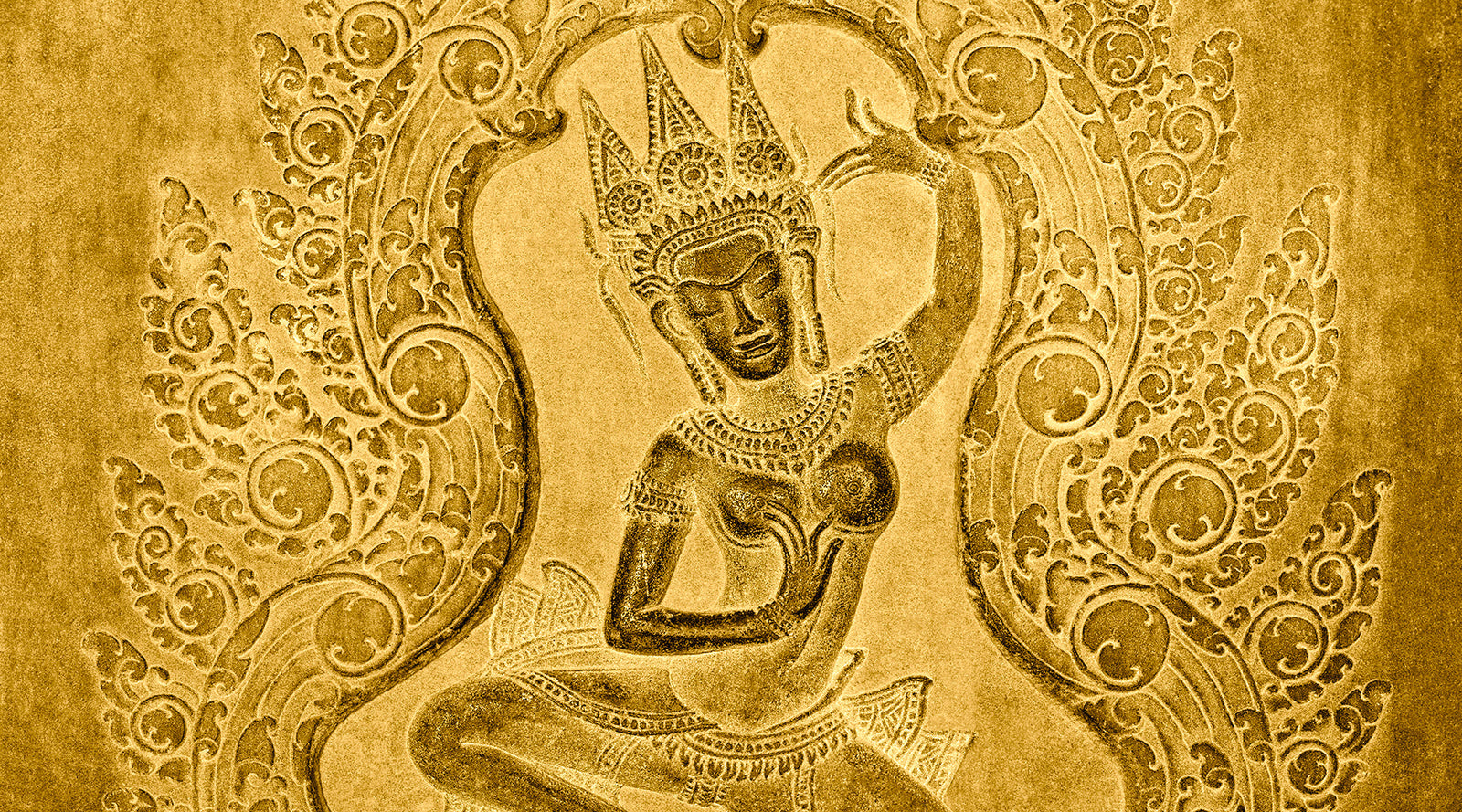
An apsara carved in perfect rhythm, flame-encircled, poised in a gesture too fluid to be still, too still to be movement. Her form did not call attention to itself. It radiated something quieter—remembrance, perhaps. Or prayer that had taken form.
She stood at the heart of the wall, but not as decoration. She was not what the wall held. She was what the wall had become.
I did not speak. I did not think. I simply stood, breathing the moment, waiting for the light to speak.
And when it did, it did not fall on her. It rose from her. As if, for one sacred breath, gold had returned to its origin.
The tripod was already set. My hand moved as if guided, my body still. The shutter opened like a sigh in the dark. And what entered the film was not an image—but flame remembering its shape.
Flame curled in stillness—
a gesture not made for time
but for memory.
More from the Library


See Also
A concise and impartial dictionary of absence, promises, quarrels, ordinary objects, and the troublesome instability of words.

The City of Service
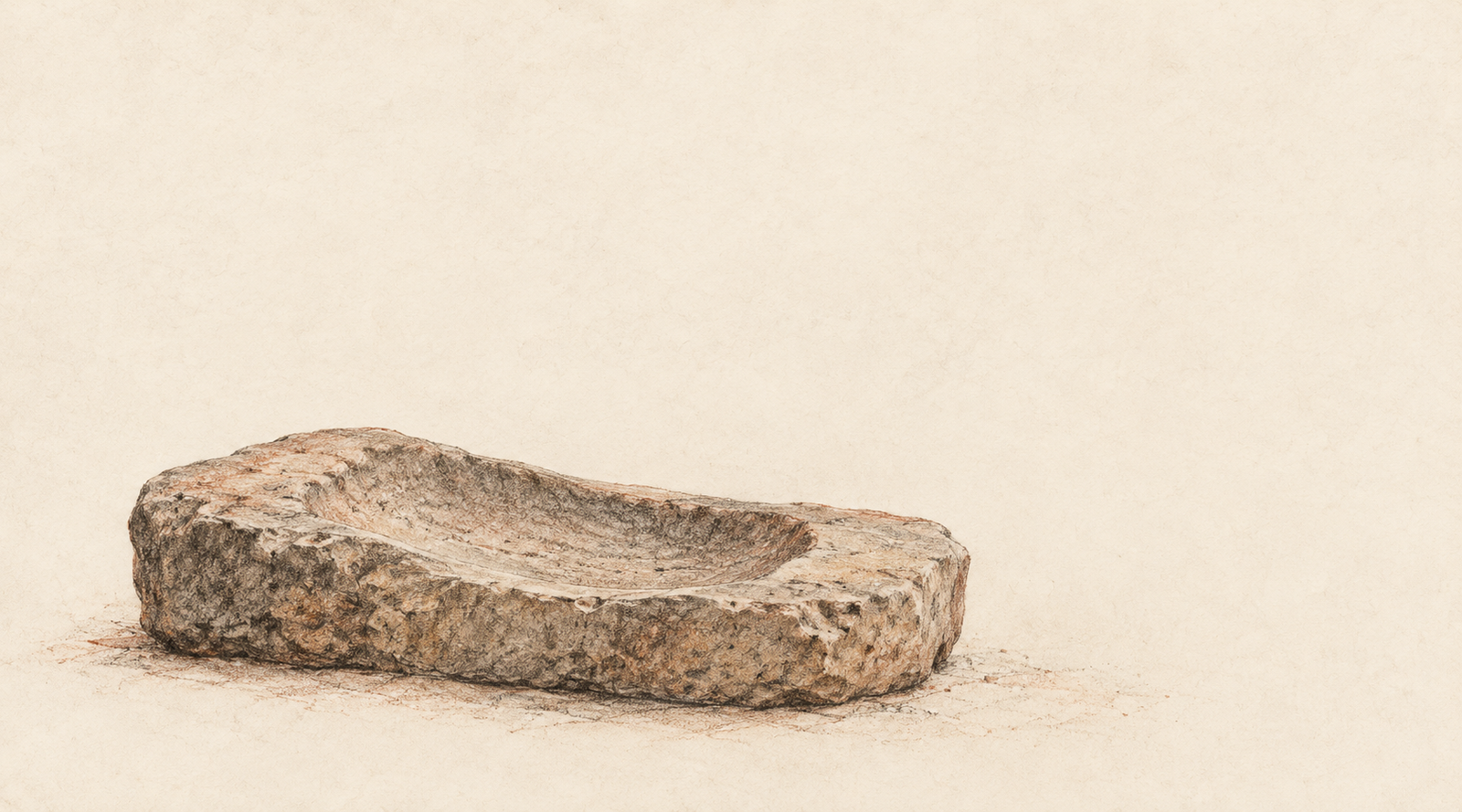
The temple we inherit is a building from which almost all necessity has been removed. Nothing must be brought for it to continue being what we call a temple. The sanctuary asks nothing of us. Stone is good at this kind of independence.
A living temple was otherwise.
Water had to come in. So did grain, cloth, oil, aromatic substances, fuel. The things required for worship arrived because someone carried them across a threshold.

Houses of Wood, Light, and Smoke
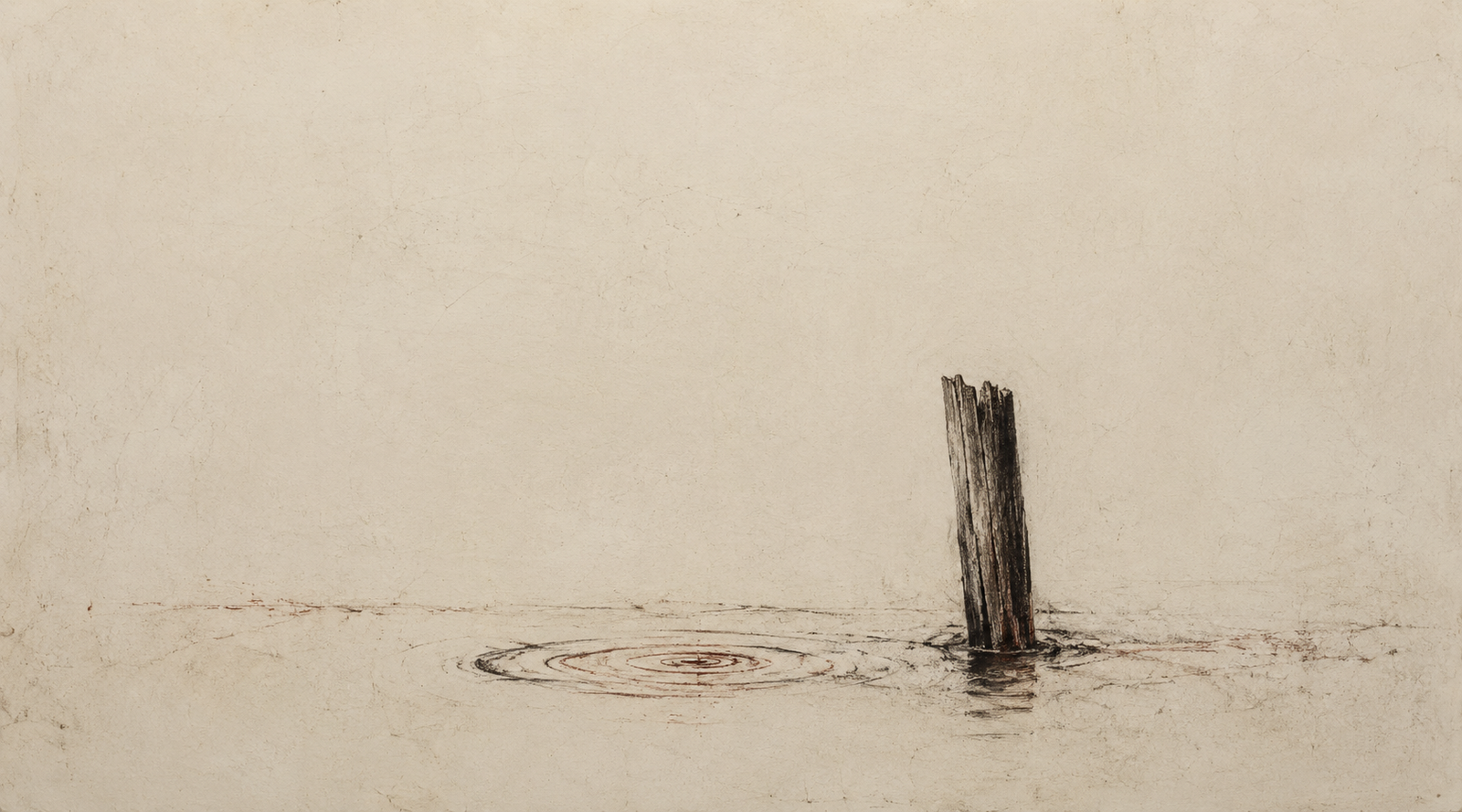
Some of Angkor’s most intimate ruins do not rise above the ground at all. They are postholes, low mounds, hearths and ponds: durable traces of a domestic city built largely from things that decay. To restore that city is to see Angkor not only as stone, but as wood, smoke, water, repair, and people living within calling distance.

$895
Angkor Wat Temple, Angkor, Cambodia — 2021
Limited Edition Archival Pigment Print
Edition
Strictly limited to 7 prints + 2 Artist’s Proofs
Edition Number
This listing is for the first numbered print from the Large Collector Edition: 1/7
Medium
Hand-toned black-and-white archival pigment print on Hahnemühle Bamboo — a museum-grade fine art paper chosen for its quiet tactility and reverent depth, echoing the spirit of the temples.
Signature & Numbering
Each print is individually signed and numbered by the artist on the border (recto)
Certificate of Authenticity
Accompanies every print
Image Size
31.4 x 25.1 inches (79.8 x 63.8 cm)
At the hour when fire becomes memory, a figure waits at the gate of Angkor Wat. She does not move, yet all gestures curve around her. Her silence is not still—it breathes.
The sandstone blazed as the sun bowed westward. Each tendril of carved flame flared to life, and the air thickened with reverence. The apsara’s lifted foot, her halo of fire, her curved wrist—all became conduits of a deeper presence. She was not lit. She was luminous.
Lucas Varro stood in quiet alignment with her. The shutter opened like a prayer. Captured on large-format black-and-white film, the image was later shaped in the darkroom and hand-toned in gold to reflect the inner radiance that marked the moment. Classical chiaroscuro gave form to her light.
Printed on museum-grade Hahnemüle Bamboo paper, this 8 × 8 inch archival pigment print is part of a strictly limited edition of 25, with 2 Artist’s Proofs. Each print is signed and hand-toned, a rare vessel of presence and quiet fire.
A gesture held the light—and let it return to us.
Click here to enter the Artist’s Journal and witness the dance that remembered the flame.