
The Library gathers the written works of Lucas Varro — journals of the temples, mythic retellings, contemplative essays, poems, and volumes shaped by shadow, silence, and wonder. Here, words stand beside images as offerings: field notes from Angkor, meditations on sacred stone, old stories rekindled, and reflections carried beyond the visible world.
Within these shelves you will find many rooms: Angkor journals, myth and legend, apsara meditations, contemplative essays, poems, children’s mythic wonder, literary retellings, and quieter devotions of the page. Wander chronologically, enter by theme, or pass through one of the dedicated publication houses now gathered within the wider Library.
For those who wish to follow these paths further, several of these writings continue on Substack and in dedicated archive blogs: The Lantern Chronicles , where myth, legend, contemplative essays, poetry, and other imaginative works are carried onward; The House of Cadmus , where Greek myth and tragedy are reopened through inheritance, violence, fate, and recurrence; The Mytharium , where myth, Tolkien, fairy stories, and old literature are read and retold with seriousness; The Alexander Series , where A. M. Sharp retells Greek myths for children who want to be trusted by stories; and The Hospitable Dark , where A. M. Sharp offers literary myth retellings shaped by darkness, shelter, endurance, and return.
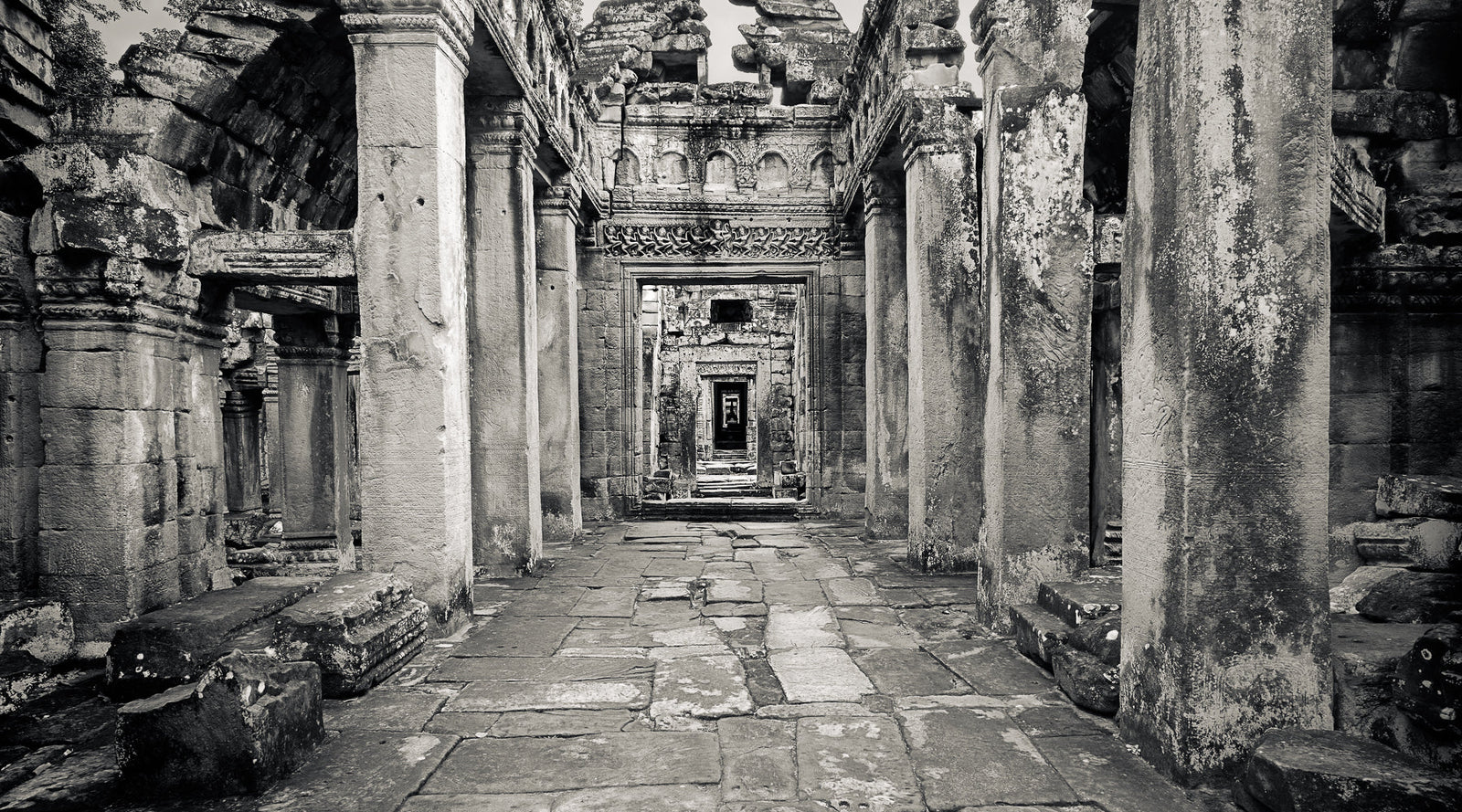

The Silence That Still Walks
The roof is gone, but the temple breathes. This longform reflection invites you through corridor and shadow into the silence that remains—not as ruin, but as presence that never left.
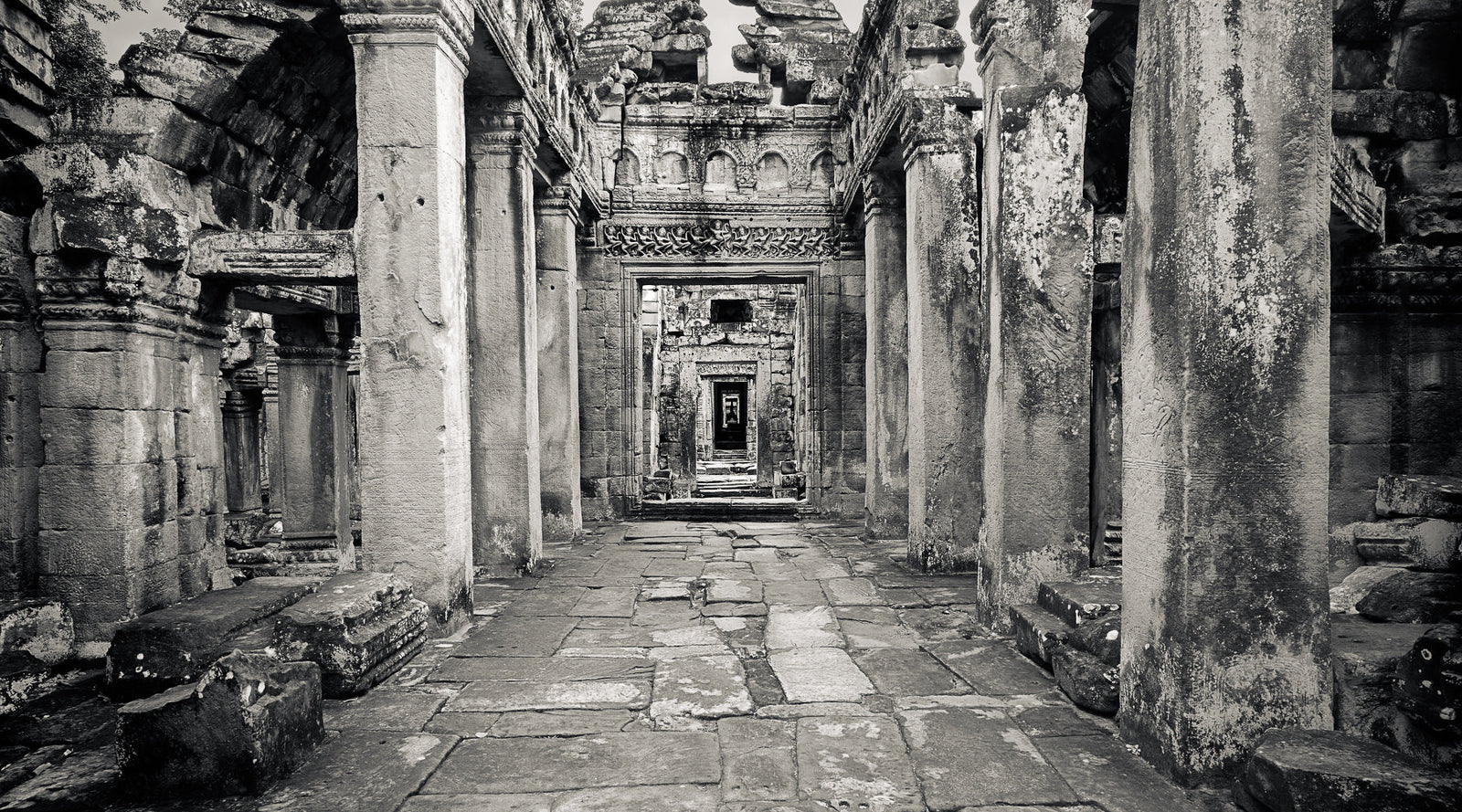

Stone Still Holding Breath
Nothing moves. And yet, the breath returns. This haibun brings you to a single moment in the Hall of Dancers, where a wall receives light as if listening—and where silence is never empty.
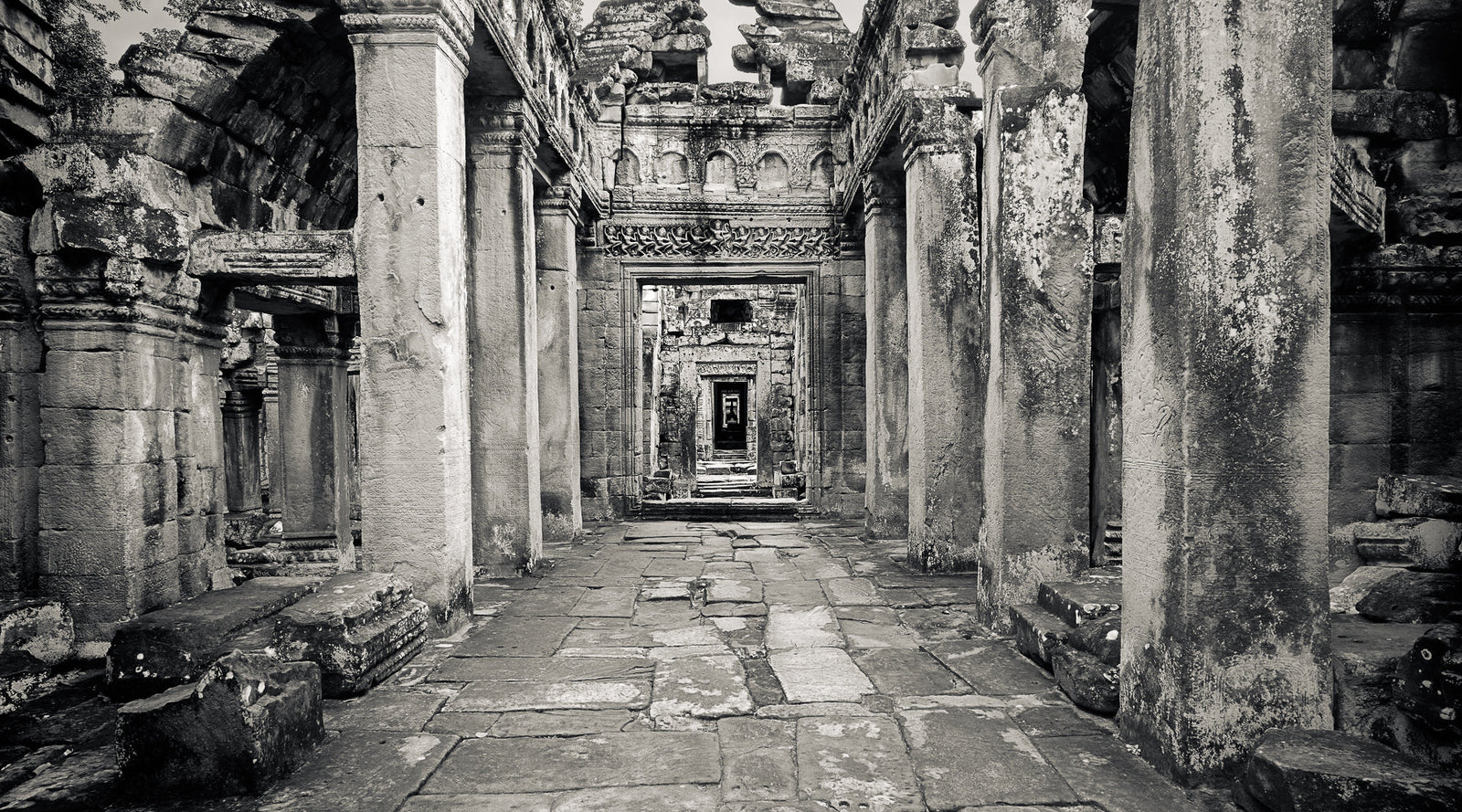

What the Dancers Still Remember
Columns lean and light listens. This piece begins in the hush after rain and unfolds into a quiet poem—a meditation on memory, apsaras, and the breath that returns to what still listens.
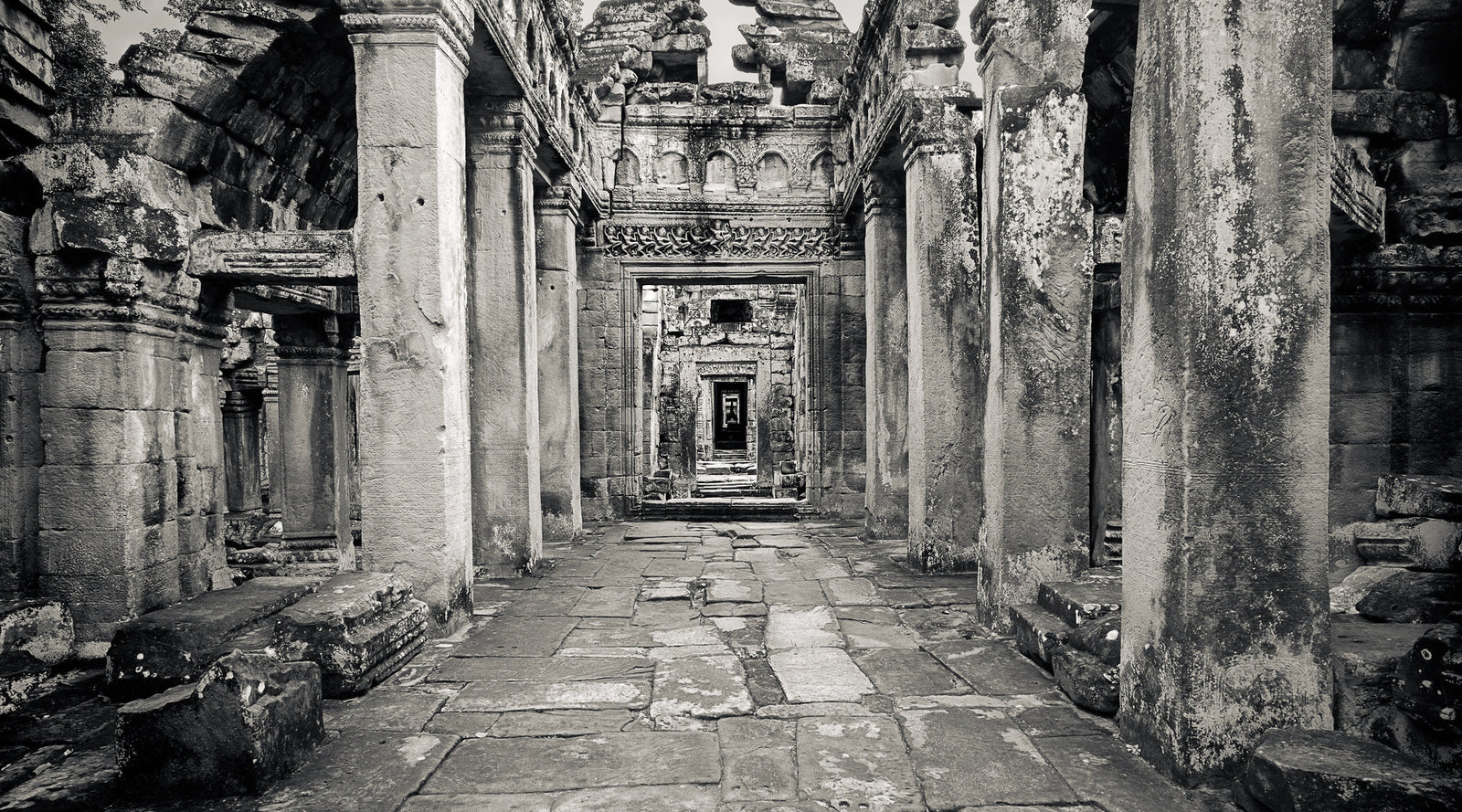

A Breath Beneath the Broken Roof
The roof is gone, but the breath remains. In the hush after rain, the artist waits beneath a listening apsara as light walks in. This journal entry is an offering in stillness—where nothing is lost, and presence endures.