
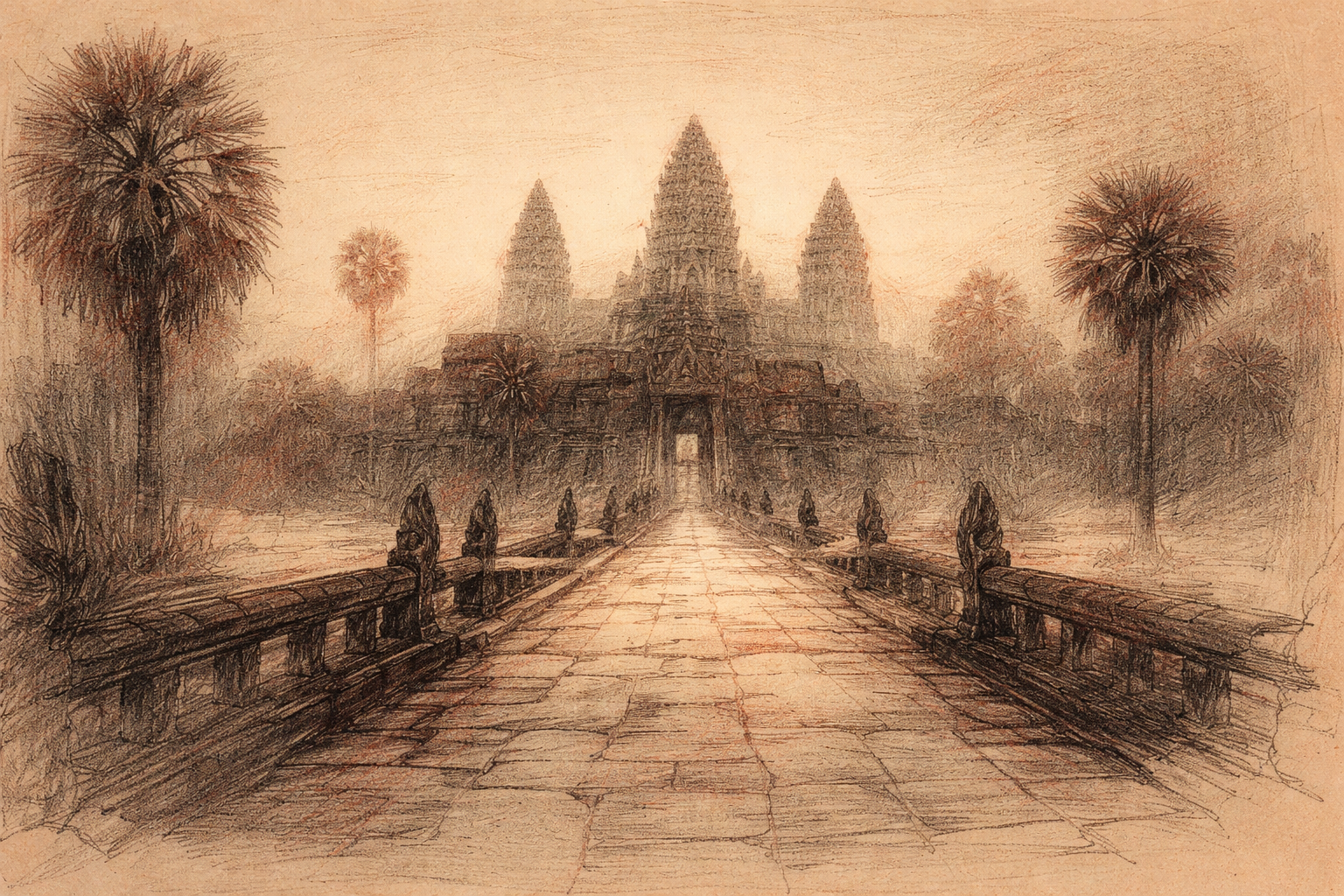

Axes of Inquiry
Axes of Inquiry
How the Sanctuary of Meaning Is Organised
The essays gathered under Sanctuary of Meaning are not arranged by topic, period, or monument. They are organised by work—by what each essay does within the moral and contemplative architecture of the Journal.
Each essay is written along a single Axis of Inquiry.
An Axis is not a theme. It is a direction of attention: a way of thinking, seeing, and listening that the essay commits to fully.
Some essays define an Axis clearly.
Others pass through it briefly, or rest at its edge.
A few resist classification altogether and are left deliberately ungrouped.
What follows is not a menu to browse exhaustively, but a map to orient yourself.
Cosmology & Moral Order
Essays along this Axis examine the forces that regulate the world: balance and excess, restraint and renewal, sacrifice and return. Myth appears here not as story, but as ethical machinery—systems designed to hold creation together when it strains toward collapse.
These essays often engage gods, cosmic events, or symbolic structures, but their concern is not theology. It is moral pressure: how order is maintained, lost, and provisionally restored.
View essays aligned with Cosmology & Moral Order
Sacred Architecture
Here, space itself is the teacher. These essays read temples, thresholds, orientation, and movement as disciplines of attention—forms that shape belief without instruction.
Stone, layout, procession, and proportion are treated not as backdrop, but as active agents in spiritual formation.
View essays aligned with Sacred Architecture
Kingship & Custodianship
This Axis addresses authority: its burden, its failure, and its ethical limits. Essays here examine rulers not as figures of power, but as custodians—those tasked with holding order on behalf of others, often at personal cost.
Coronation, legitimacy, penance, and abdication appear not as political events, but as moral tests.
View essays aligned with Kingship & Custodianship
Myth & Transmission
These essays attend to myth as something carried: across time, across media, across cultures. They ask how epic narratives survive translation into stone, ritual, silence, or fragment—and what is gained or lost in that passage.
Here, the Ramayana, Mahabharata, and related cycles are read not as texts alone, but as vessels of meaning continually reshaped by those who receive them.
View essays aligned with Myth & Transmission
Inscription & Silence
This Axis concerns what speaks—and what no longer does. Essays here engage writing, erasure, absence, and the limits of language. They attend to inscriptions worn smooth, names unspoken, meanings that persist only through attention.
Silence is not treated as lack, but as residue.
View essays aligned with Inscription & Silence
Religious Transition
Essays aligned with this Axis trace moments of doctrinal change: Hindu to Buddhist, Mahayana to Theravada, monument to practice. They are not surveys of belief systems, but studies in displacement—what remains when a worldview recedes, and what quietly replaces it.
View essays aligned with Religious Transition
Craft & Making
This Axis gathers essays where making itself is the subject: sculpture, masonry, drawing, photography, or any disciplined labour undertaken as devotion.
Attention, patience, unfinishedness, and ethical restraint in craft are foregrounded here—not as technique, but as moral posture.
View essays aligned with Craft & Making
Endings & Continuity
These essays stand near dissolution. They reflect on decline, survival, elegy, and persistence without nostalgia. Rather than closure, they offer continuity—forms that endure without claiming permanence.
View essays aligned with Endings & Continuity
A Note on Absence
Some of the strongest essays in Sanctuary of Meaning sit between Axes or refuse them altogether.
This is intentional.
If an essay is not listed under an Axis, it has not been overlooked.
It has been allowed to remain liminal.
—
Receive the next work
Subscribe free to receive new work from the Lucas Varro Library by email.
More from the Library

Houses of Wood, Light, and Smoke
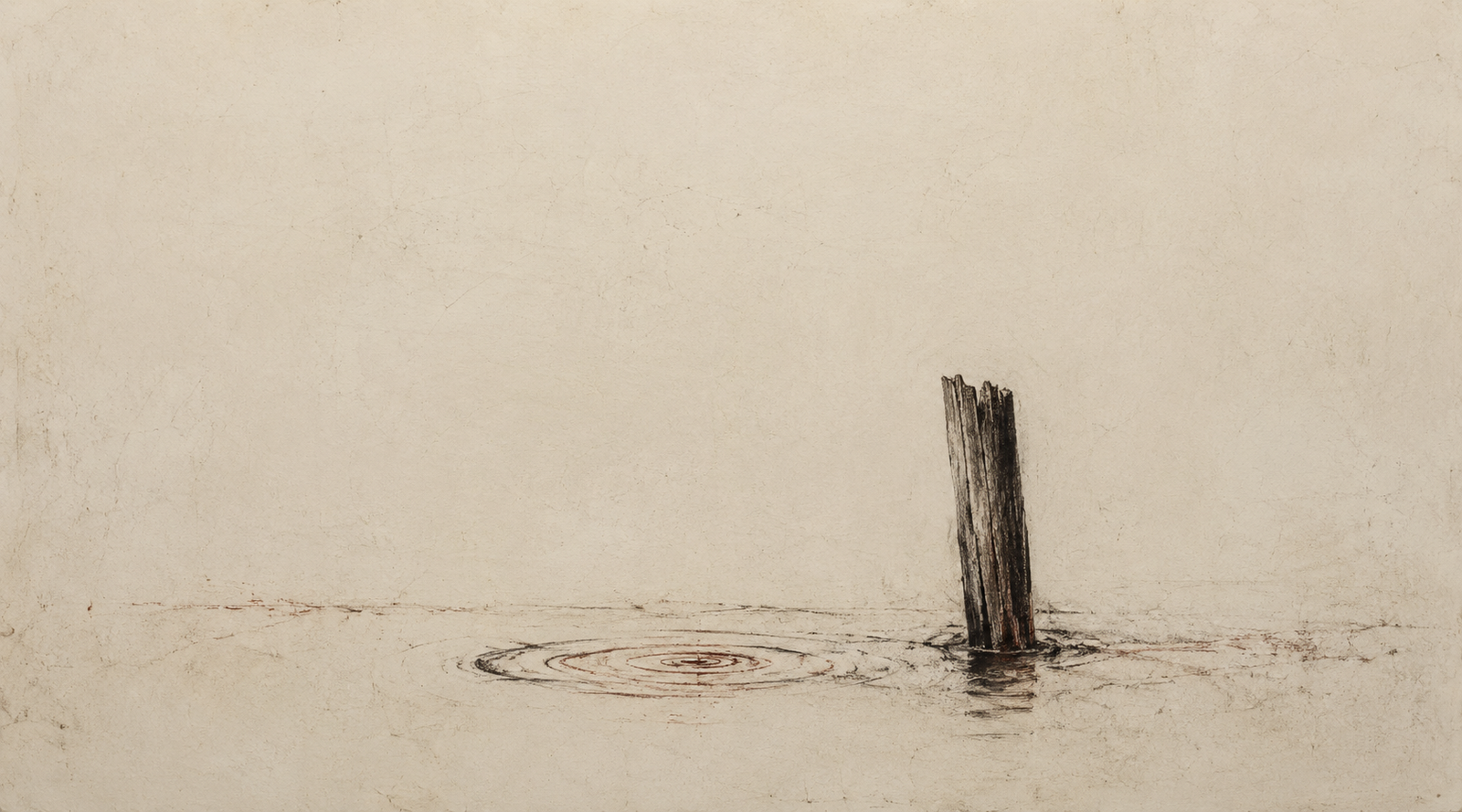
Some of Angkor’s most intimate ruins do not rise above the ground at all. They are postholes, low mounds, hearths and ponds: durable traces of a domestic city built largely from things that decay. To restore that city is to see Angkor not only as stone, but as wood, smoke, water, repair, and people living within calling distance.

What Stone Brings Forth
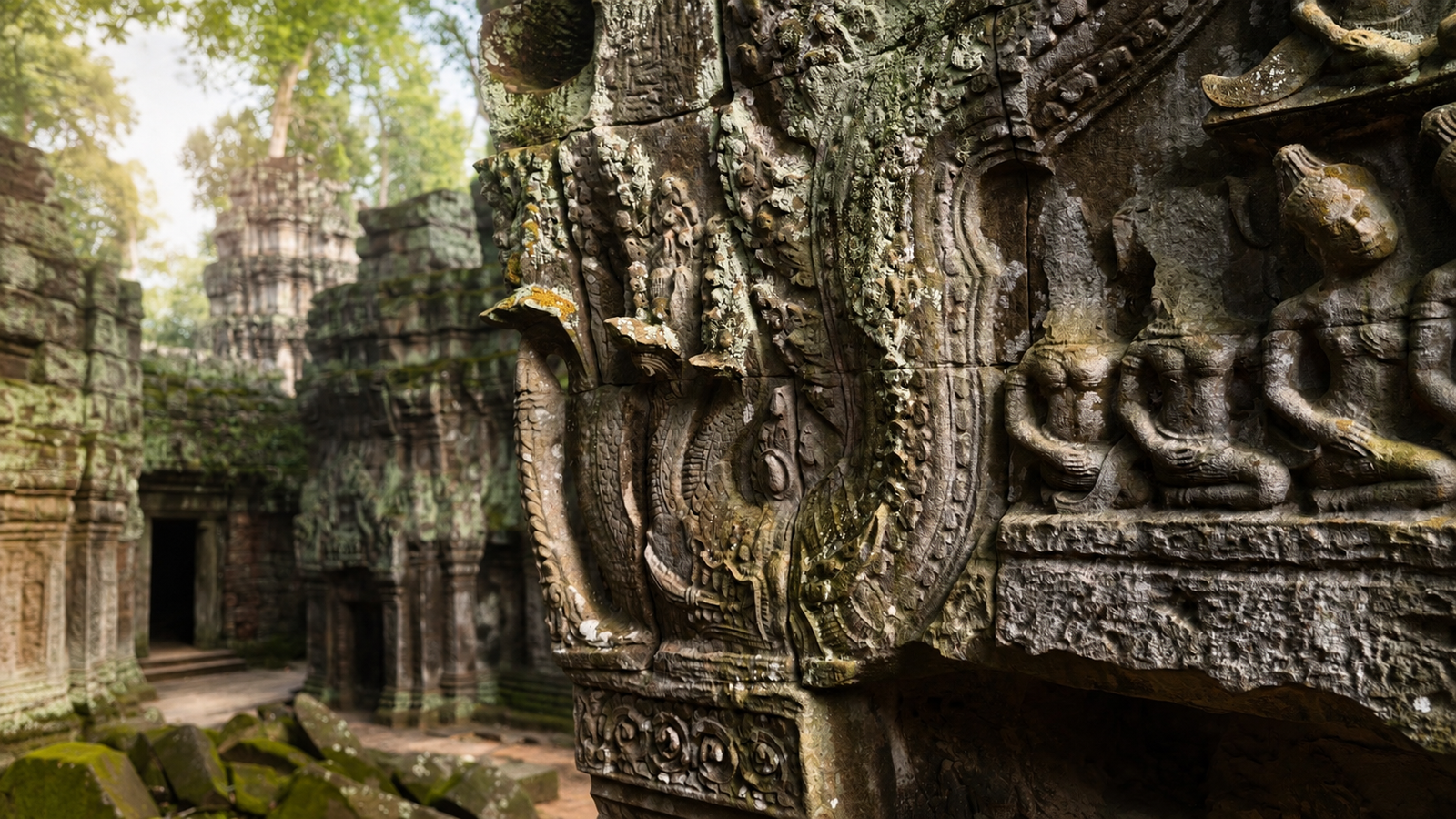
I had mistaken a gift for something being expelled.
Beneath the nāga's mouth, a stone garland descended bead by bead. Nearby, a makara opened its jaws and another form emerged. Looking closer, the whole temple began to change: serpent became ornament, ornament became architecture, architecture became foliage.
The forest did not introduce this language.
It answered it.

The Eighth Daughter
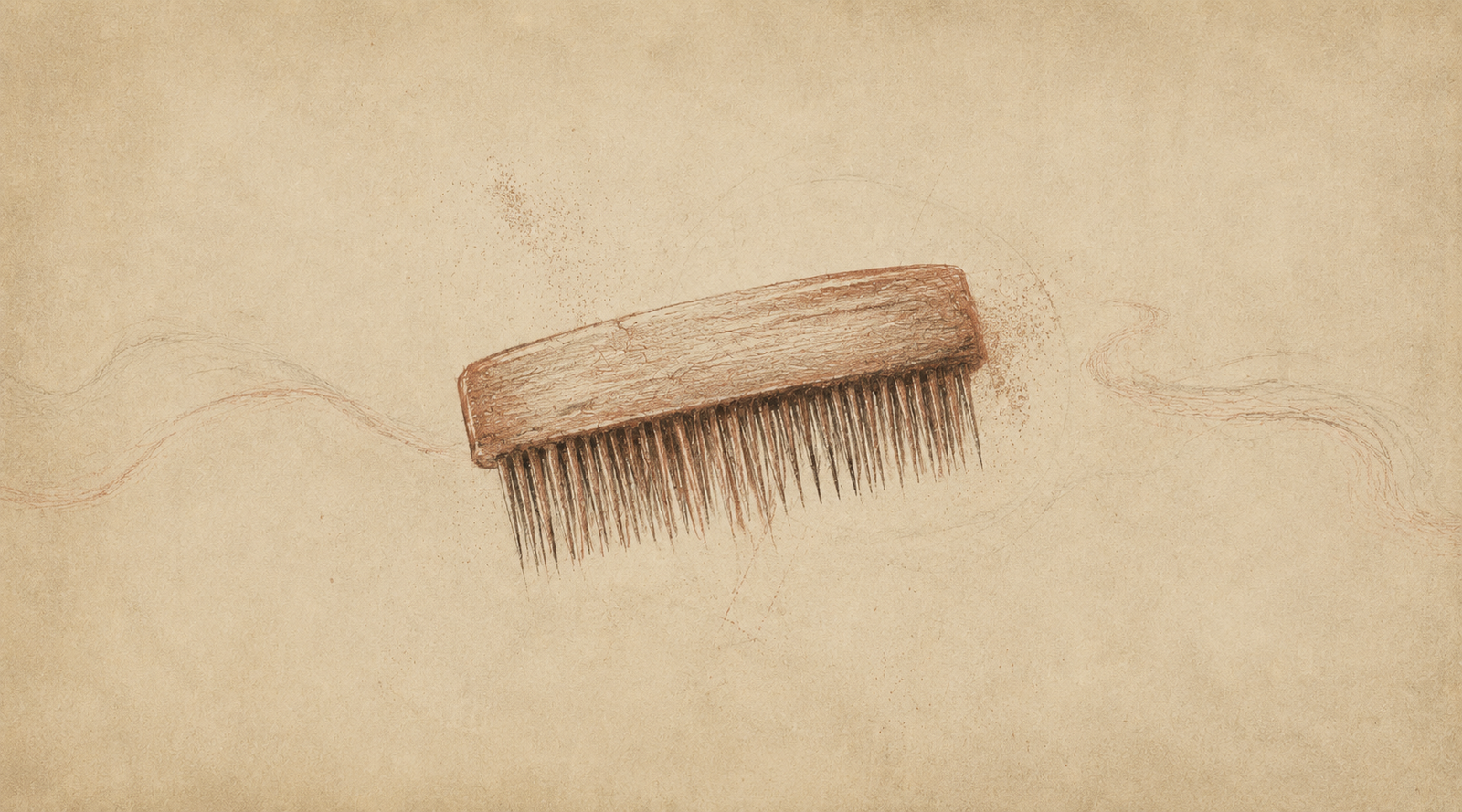
Seven daughters have already been taken by Yamata-no-Orochi when Susanoo reaches the River Hi. Only Kushinada-hime remains. The Eighth Daughter retells the Kojiki episode through a family’s waiting, a girl transformed into a comb, and the patient preparation for the serpent’s return.