

The Gesture That Light Remembered
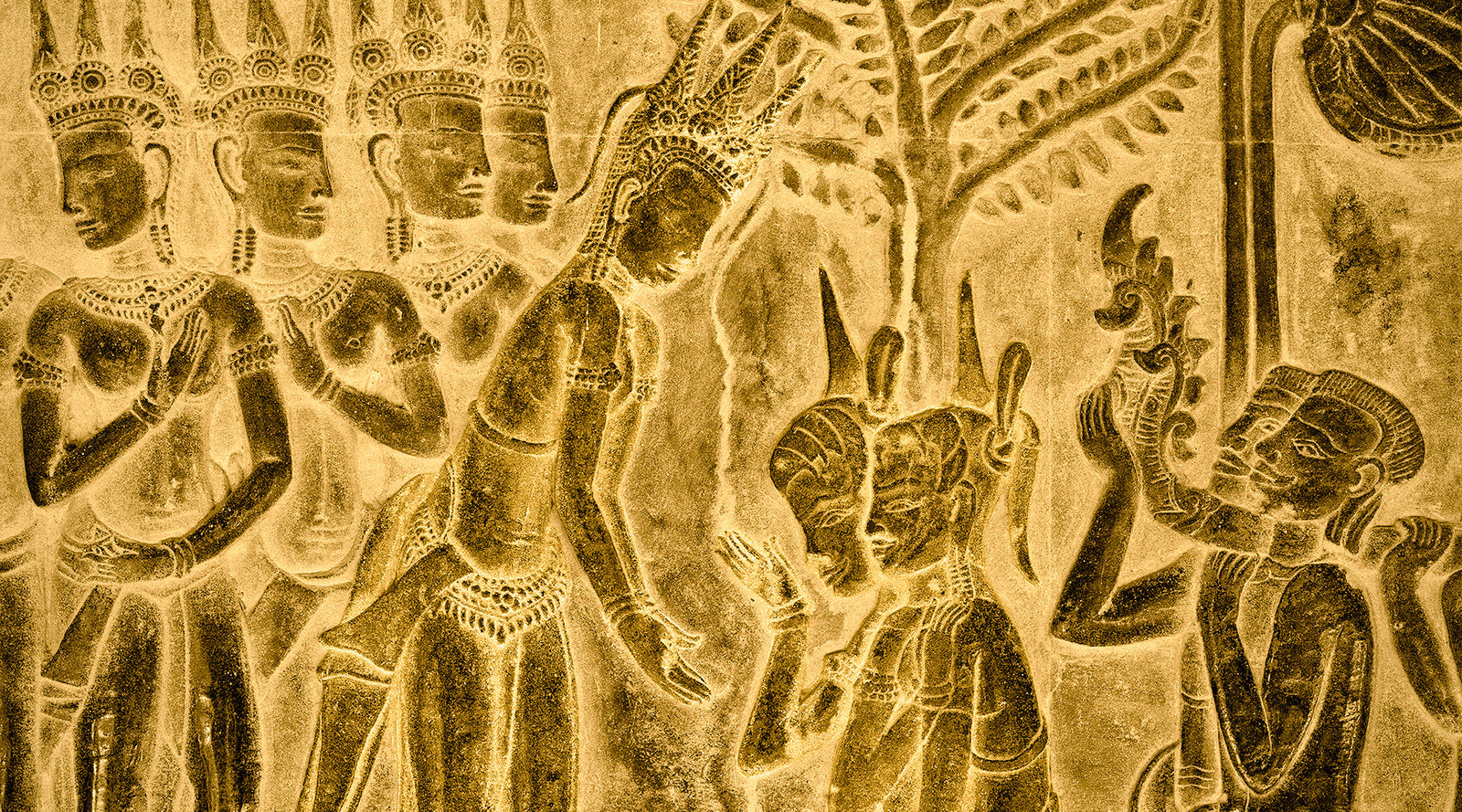
The colonnade was still. One last breath of light moved between the stone pillars and found her—the princess seated in silence, her hands not raised but waiting. The women approached with what could not be seen, only sensed. Behind her, the bearers of her palanquin stood without motion, each gesture carved into stillness centuries ago.
I had walked this gallery before, passed this scene without stopping. But that evening, something opened. The sandstone held the light differently, as if it had chosen to receive. It wasn’t brilliance, it was presence—something quiet, weightless, complete.
I set the tripod without sound. I wasn’t seeking to frame the composition; I was listening. The exposure began like a held breath. I remember thinking: the light has come not to illuminate, but to offer itself. I stood there, unmoving, until the shutter whispered closed.
Later, I shaped the image in the quiet of the studio, not to recreate the scene, but to honour it. The tones emerged slowly, the shadows deepened as if they had always been waiting. And when I lifted the final print into the golden bath, the light returned—not as memory, but as blessing.
gold light on still stone
a gift placed in open hands
the sun bows to her
More from the Library

See Also
A concise and impartial dictionary of absence, promises, quarrels, ordinary objects, and the troublesome instability of words.

The City of Service
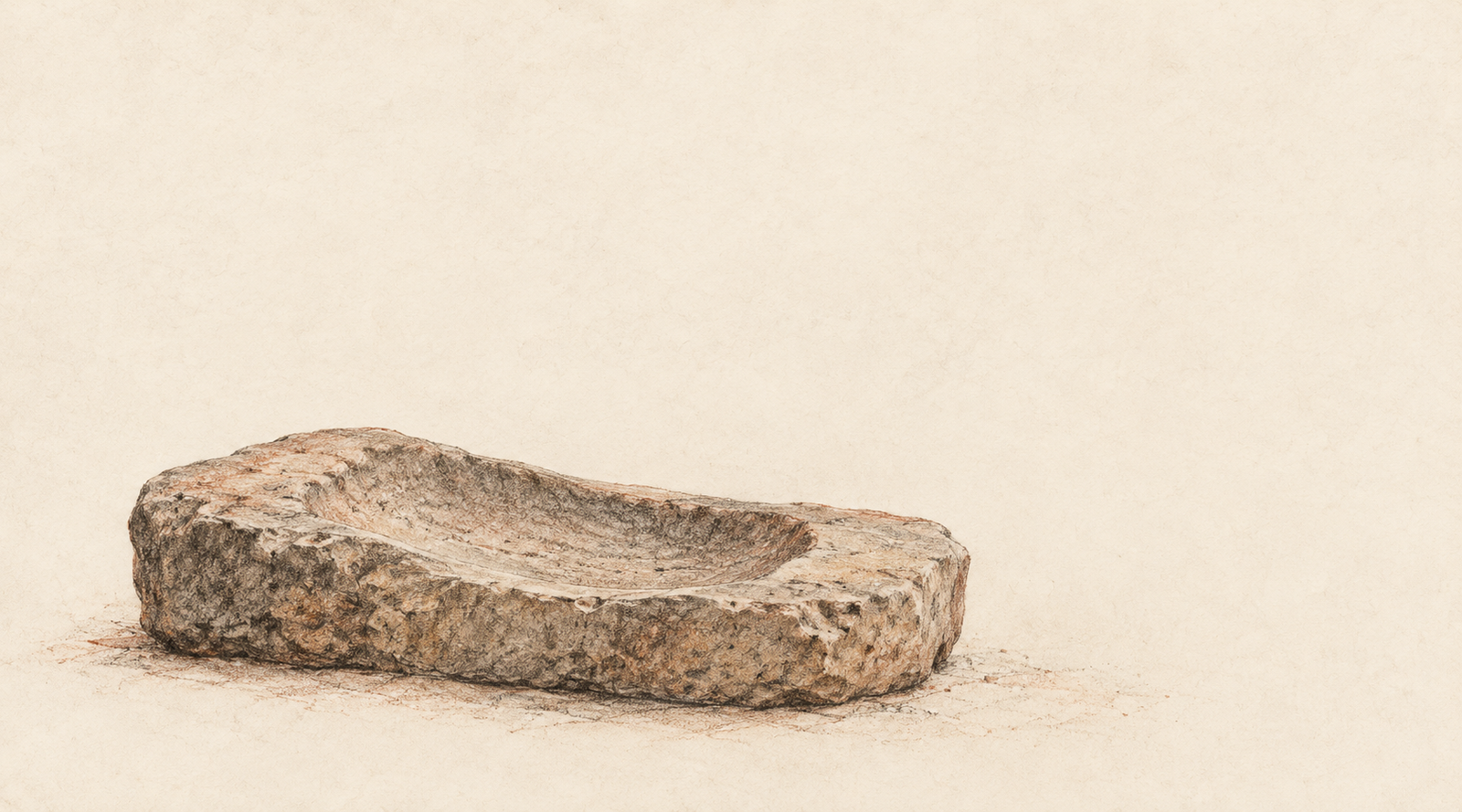
The temple we inherit is a building from which almost all necessity has been removed. Nothing must be brought for it to continue being what we call a temple. The sanctuary asks nothing of us. Stone is good at this kind of independence.
A living temple was otherwise.
Water had to come in. So did grain, cloth, oil, aromatic substances, fuel. The things required for worship arrived because someone carried them across a threshold.

Houses of Wood, Light, and Smoke
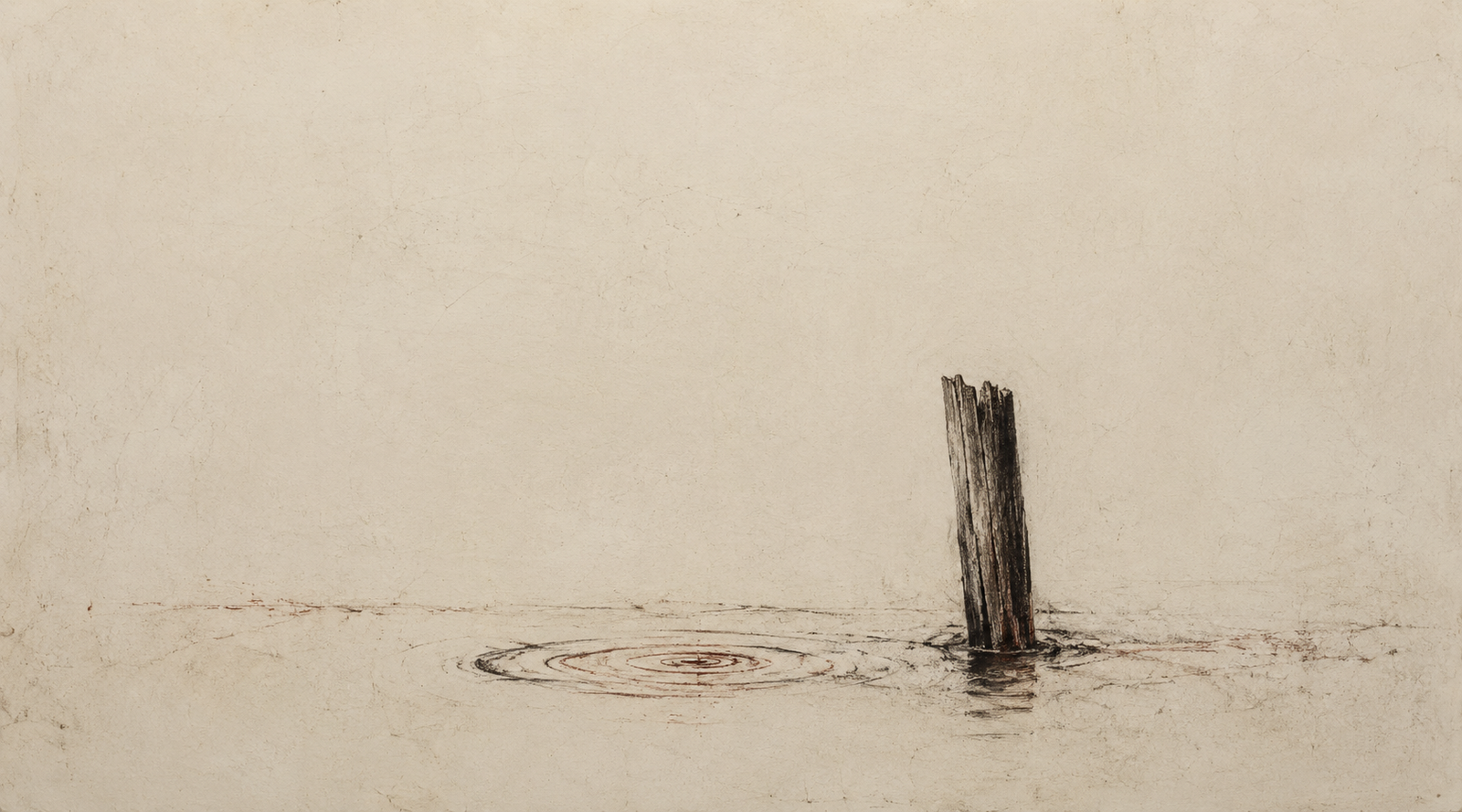
Some of Angkor’s most intimate ruins do not rise above the ground at all. They are postholes, low mounds, hearths and ponds: durable traces of a domestic city built largely from things that decay. To restore that city is to see Angkor not only as stone, but as wood, smoke, water, repair, and people living within calling distance.

$895
Angkor Wat Temple, Angkor, Cambodia — 2020
Limited Edition Archival Pigment Print
By Lucas Varro
Edition
Strictly limited to 7 prints + 2 Artist’s Proofs
Edition Number
This listing is for the first numbered print from the Large Collector Edition: 1/7
Medium: Hand-toned black & white archival pigment print on Hahnemühle Bamboo paper
Signed & Numbered: Each print is individually signed and numbered by the artist on border recto
Certificate of Authenticity: Included with every print
Image Size: 28 x 28 inches (71.1 x 71.1 cm)
The moment was nearly silent—only the breath of sunset and the hush of stone.
In the great western gallery of Angkor Wat, the sacred narrative unfolds: noble women approach a seated princess with gifts, while the men who carry her palanquin wait in timeless stillness. The carvings, though worn by centuries, catch the sun with grace—each gesture glowing as though kindled from within.
As the final light shimmered through the colonnade, I set the tripod and dissolved into stillness. I knew the image had to carry not only form, but the presence of that golden hush. Through long exposure and the intimacy of medium format black-and-white film, I allowed the light to etch itself into the emulsion—to remember what I could not describe.
In the studio, I shaped the image slowly through classical chiaroscuro, coaxing depth from shadow. And when it was ready, I hand-toned the final print in gold, not to add brilliance, but to return what had been given.
This is a hand-toned archival pigment print on Hahnemühle Bamboo paper, in a strictly limited edition of 25 + 2 AP.
A gesture of reverence, preserved in light.