
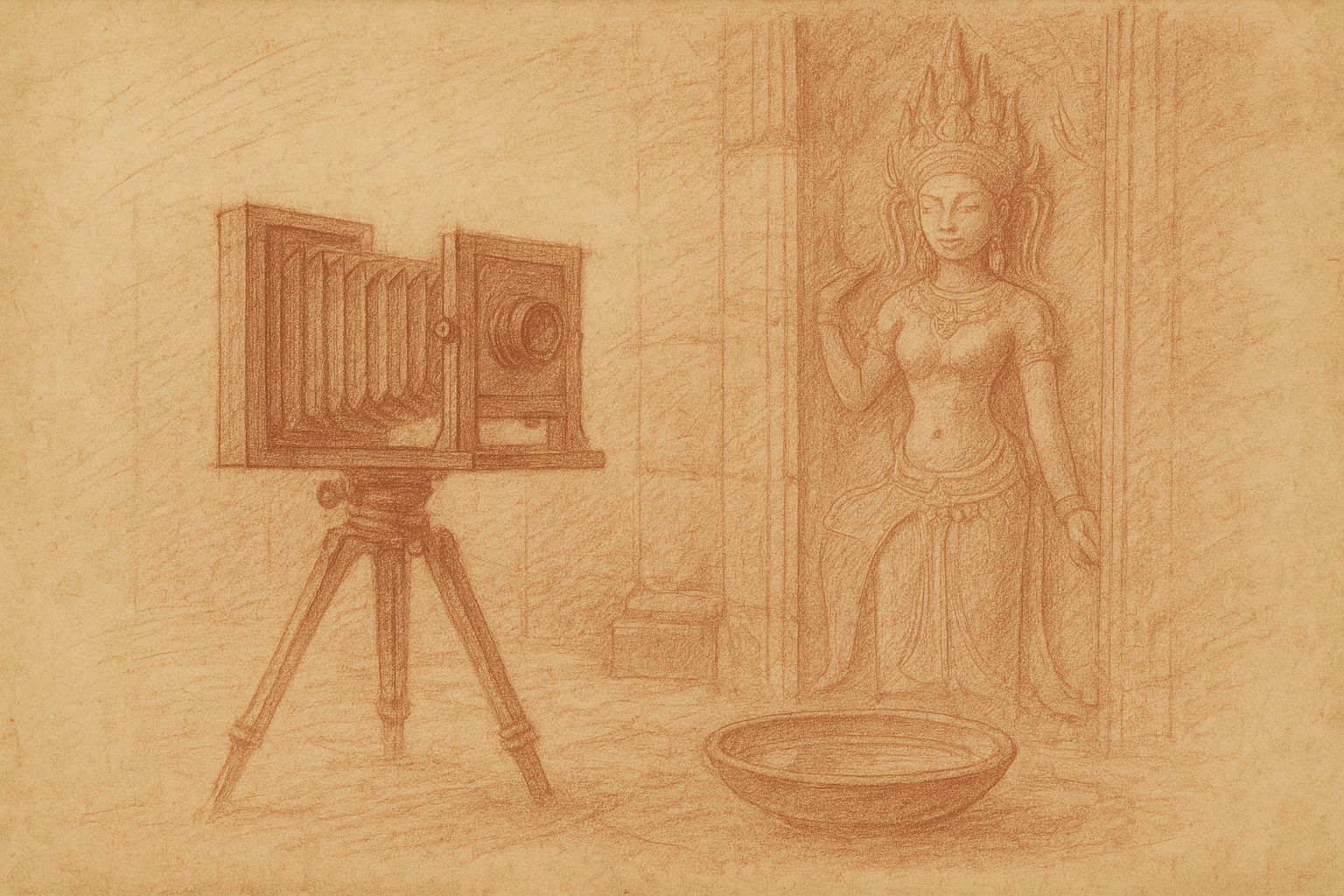

The Still Eye — Craft, Meditation, and the Listening Camera
The tray goes still; silver begins to breathe. What was hidden learns its light.
In the darkroom the world reduces to touch, scent, and the faintest shift of tone. I ease the print through developer, the paper whispering against porcelain. At first there is nothing—then a lintel, a seam of shadow, the slow bloom of a carved smile. The image arrives as if from the other side of breath. I learn again that the work begins in patience, not in the field but here, where darkness teaches how to wait.
A memory rises with the silver. Bayon, late rainy season, a morning that smelled of wet stone and sap. I reached the east gallery before dawn. Bats folded into the ceiling. A shy wind moved the leaves. When the first stripe of light struck a worn face, I set the tripod low, tilted the board, and metered for the shadowed cheek rather than the crown—f/45, several minutes, a long inhalation of time. While the negative drank that light, I stepped back and watched the corridor soften, the stone made tender by the hour.
Photography, here, is never an act of taking. It is consent. The scene agrees to be seen only when the body quiets to its rhythm. The camera becomes a vessel for that consent—glass, bellows, film—and my role reduces to alignment: spirit to breath, breath to light, light to stone. I keep returning to the phrase that steadies my hand: the still eye. Not the lens, but the inward gaze that refuses to grasp. When that gaze holds, the frame breathes without me.
Large-format film enforces this vow. Each exposure carries weight; indecision leaves fingerprints. Focus, aperture, time—no flourish can rescue a hurried choice. This is where craft passes into meditation. The discipline is not heroic; it is domestic, almost plain: unfold the tripod; level the spirit; set the rise; trace the plane of focus with a fingertip on ground glass; close the shutter; pull the dark slide; breathe—now. The ritual is the revelation.
The temples teach, with vines through cornice and lichen over brow, a patient geometry of surrender. Stone does not argue with rain. A frieze accepts its softening and, in doing so, becomes more like breath than boundary. To photograph that is not to preserve but to participate—to stand long enough that one’s own edges begin to ease. In that mutual softening, the image finds its tone.
I think of a frame I keep near my desk. Bayon again, later that same morning. The light slid along a bas-relief of apsaras; a butterfly strayed into the exposure and left the faintest veil near a wrist—motion rendered as tremor rather than blur. When people ask how I made it, I speak about time: not the minutes on the shutter, but the hours of attention before and after, the willingness to let the image season in silence until it chose its own contour.
The middle work—those long stretches when little seems to happen—is where repetition earns its grace. Waiting is not a pause between photographs; it is the medium they are made of. I have learned to trust that circling: returning to the same corridor, the same lintel, the same seam of stone, until sameness gives way and a new angle reveals the old truth. If the paragraphs of a day feel similar, it is because prayer repeats itself until presence answers.
When the negative dries, the meditation changes tense. In the darkroom I enter a second listening. The tray tilts, the tones knit: the near-black of recess, the breath-white lip of sandstone at the edge of dawn. A print is a map of held attention. If my gaze was hurried, the paper confesses it; if my patience was true, the silver carries that steadiness like a hidden bell note.
There is humility in knowing the print will outlast the light that made it. The gallery may shift; a tree may fall; a stone face may bloom with a fresh colony of moss. What remains is the stillness that gathered the moment—a field that is less a place than a way of being. The camera, used with reverence, simply collects the after-echo of that field.
I sometimes imagine the instrument as a shallow bowl. It does not grasp; it receives. When I release the shutter, I release myself from wanting. The photograph that results is not possession but offering—proof that, for a few breaths, stone, light, and witness agreed. If there is mastery, it lives not in control but in consent.
Tonight, as this print clears in the fixer and the room smells faintly of clean water and quiet satisfaction, I feel the day completing its circle. The still eye that watched the wall now watches its reflection come alive. Tomorrow I will return—Bayon’s corridors, or Ta Prohm’s pale chambers where roots dream of rain. I will set the tripod, level the spirit, and wait again for the world to grow still enough to see itself.
—
Receive the next work
Subscribe free to receive new work from the Lucas Varro Library by email.
More from the Library

See Also
A concise and impartial dictionary of absence, promises, quarrels, ordinary objects, and the troublesome instability of words.

The City of Service
The temple we inherit is a building from which almost all necessity has been removed. Nothing must be brought for it to continue being what we call a temple. The sanctuary asks nothing of us. Stone is good at this kind of independence.
A living temple was otherwise.
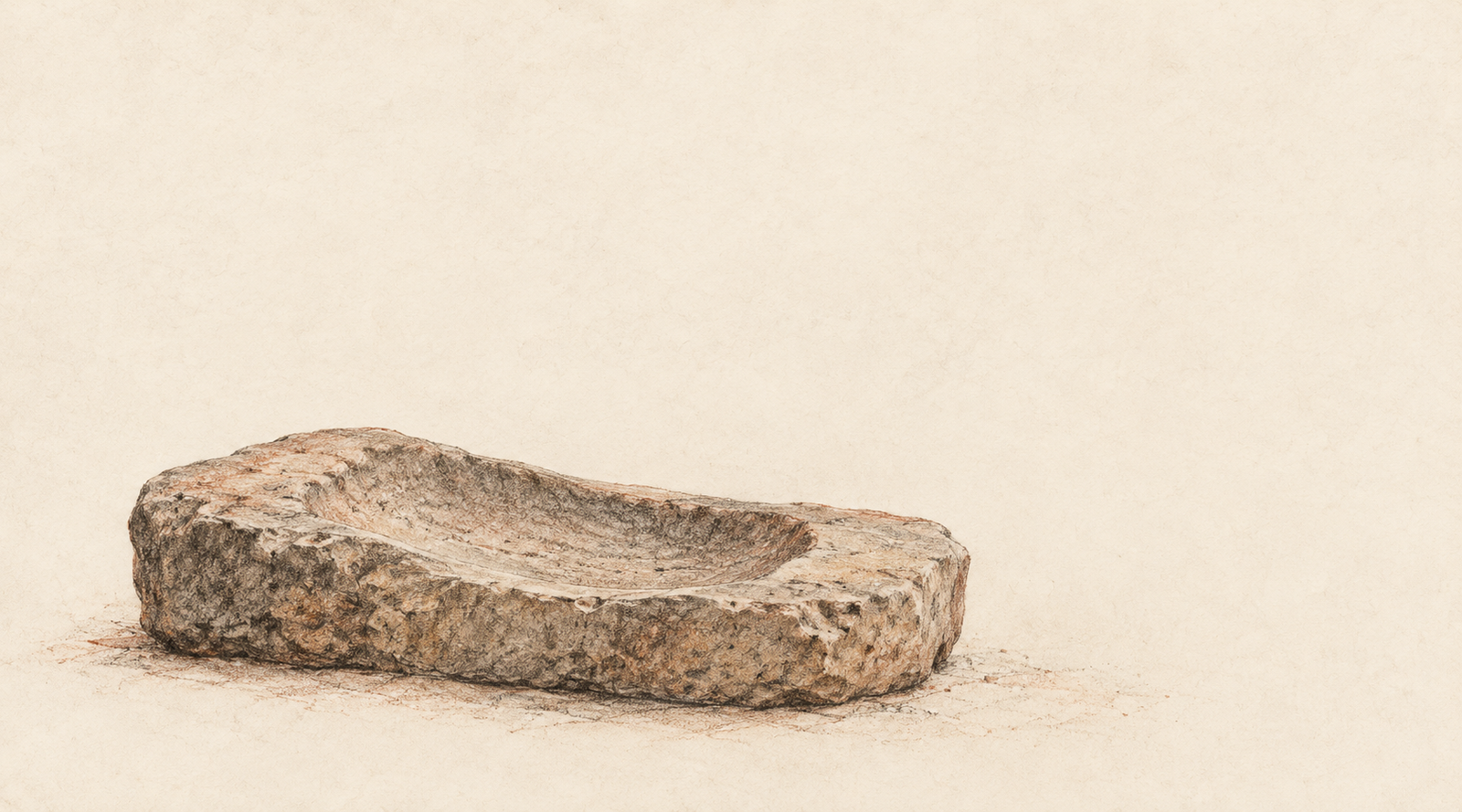
Water had to come in. So did grain, cloth, oil, aromatic substances, fuel. The things required for worship arrived because someone carried them across a threshold.

Houses of Wood, Light, and Smoke
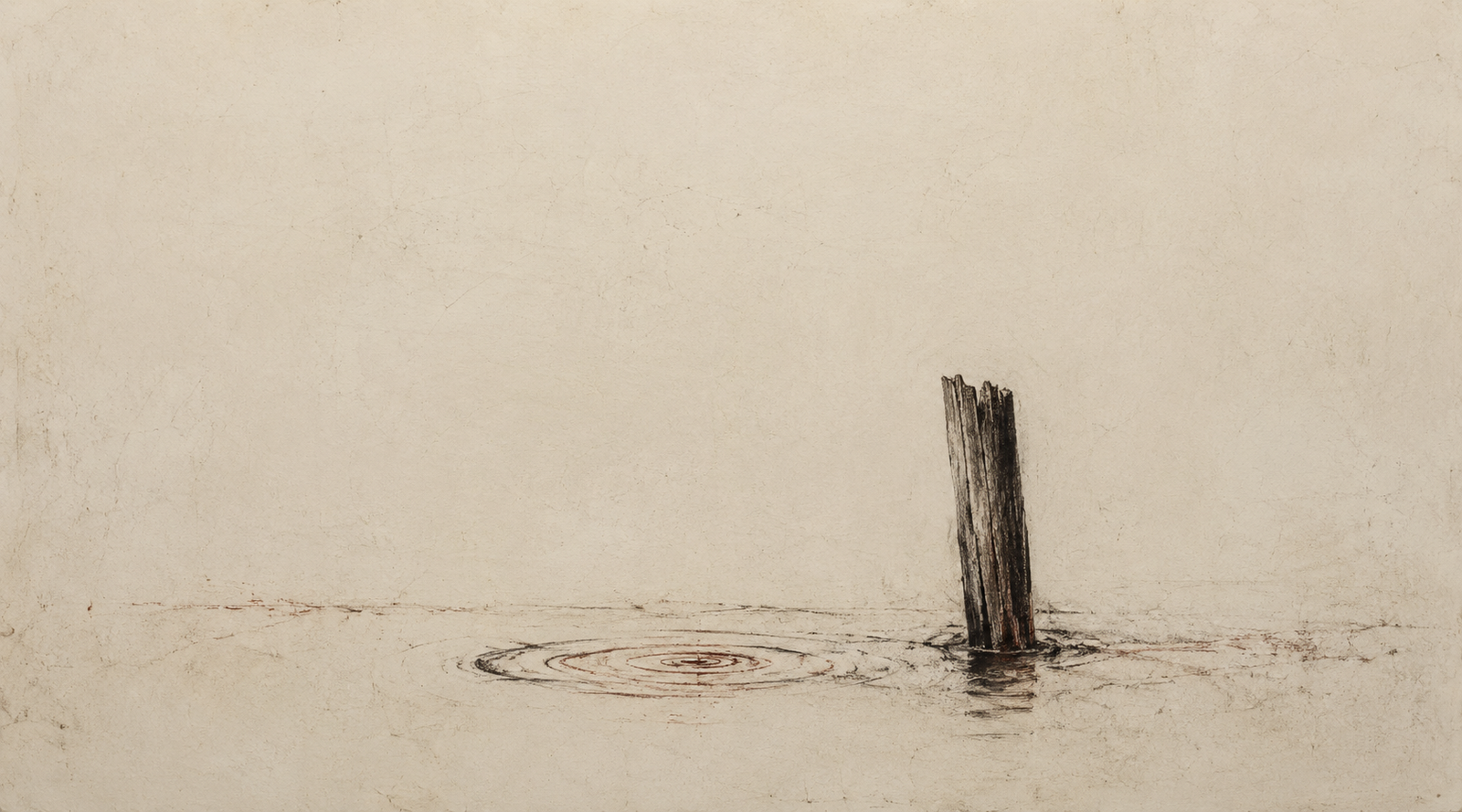
Some of Angkor’s most intimate ruins do not rise above the ground at all. They are postholes, low mounds, hearths and ponds: durable traces of a domestic city built largely from things that decay. To restore that city is to see Angkor not only as stone, but as wood, smoke, water, repair, and people living within calling distance.