
The Library gathers the written works of Lucas Varro — journals of the temples, mythic retellings, contemplative essays, poems, and volumes shaped by shadow, silence, and wonder. Here, words stand beside images as offerings: field notes from Angkor, meditations on sacred stone, old stories rekindled, and reflections carried beyond the visible world.
Within these shelves you will find many rooms: Angkor journals, myth and legend, apsara meditations, contemplative essays, poems, children’s mythic wonder, literary retellings, and quieter devotions of the page. Wander chronologically, enter by theme, or pass through one of the dedicated publication houses now gathered within the wider Library.
For those who wish to follow these paths further, several of these writings continue on Substack and in dedicated archive blogs: The Lantern Chronicles , where myth, legend, contemplative essays, poetry, and other imaginative works are carried onward; The House of Cadmus , where Greek myth and tragedy are reopened through inheritance, violence, fate, and recurrence; The Mytharium , where myth, Tolkien, fairy stories, and old literature are read and retold with seriousness; The Alexander Series , where A. M. Sharp retells Greek myths for children who want to be trusted by stories; and The Hospitable Dark , where A. M. Sharp offers literary myth retellings shaped by darkness, shelter, endurance, and return.
Library
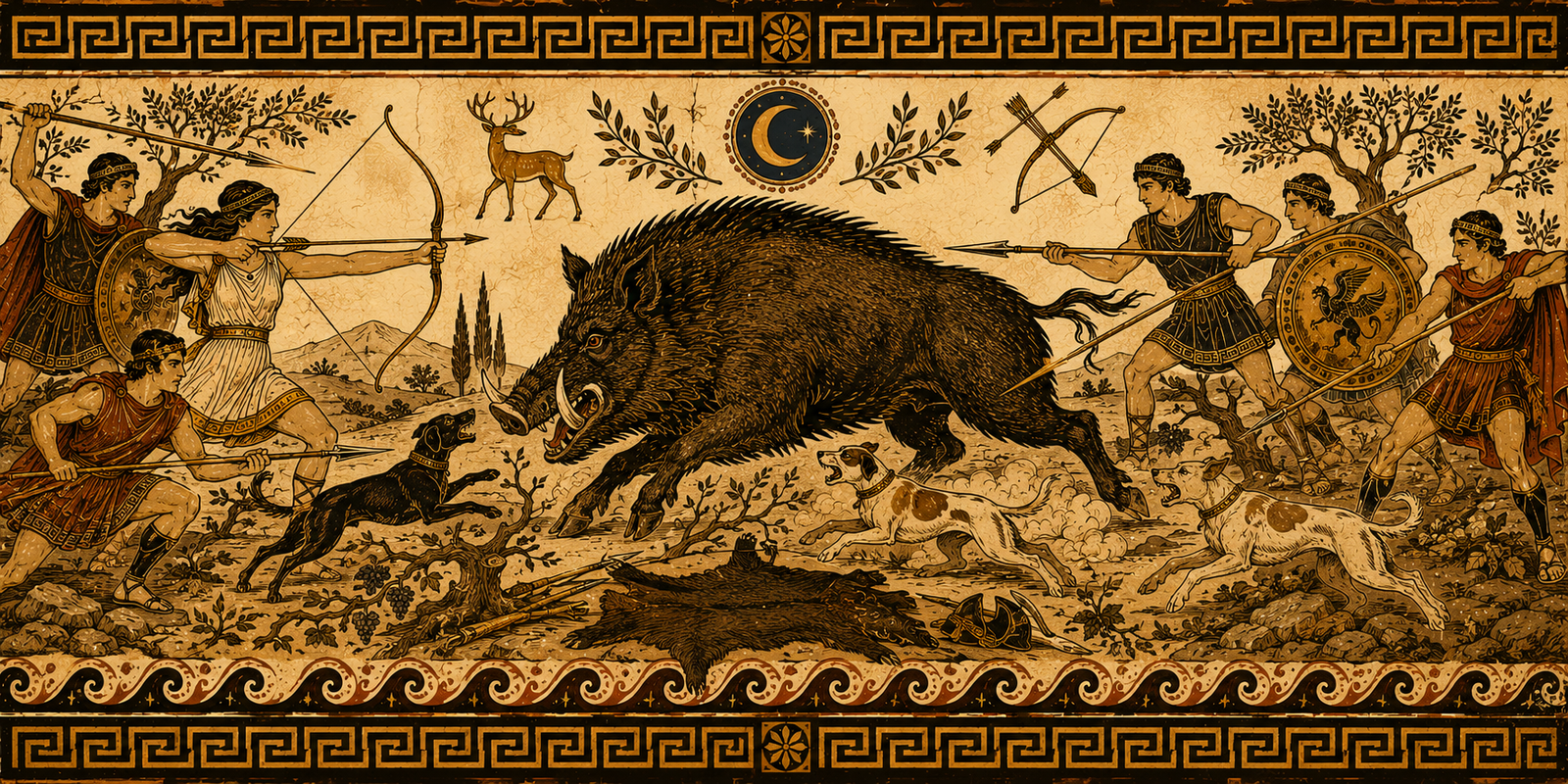

The Calydonian Boar Hunt: Artemis, Atalanta, and the Monster in the Fields
After Atalanta’s race, this Greek World entry places her among hunters, heroes, dogs, spears, and the terrible boar sent by Artemis. The Calydonian Boar Hunt is more than a monster story: it shows divine anger, Atalanta’s courage, Meleager’s honour, and the dangerous pride that remains after the beast falls.
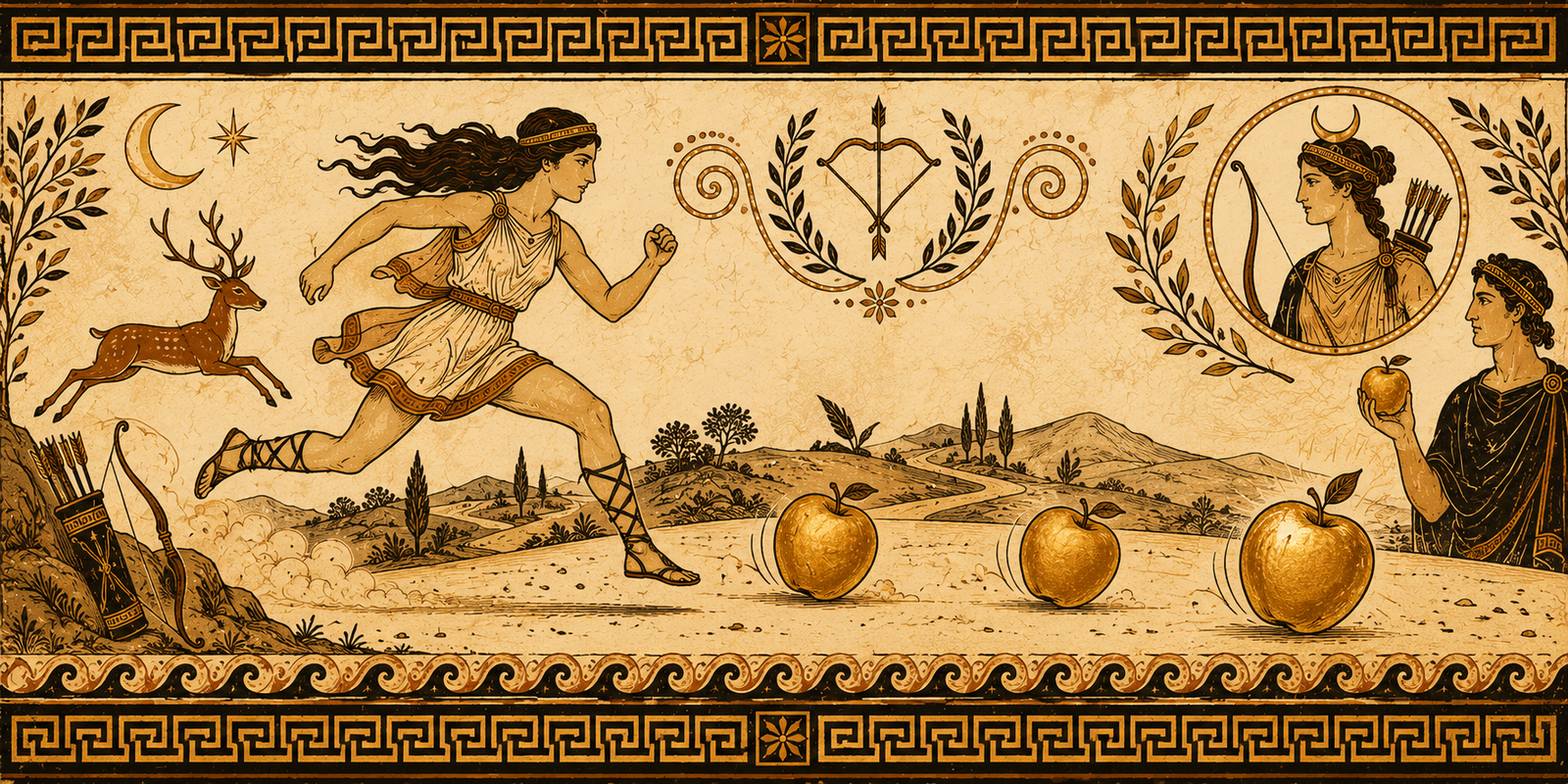

Atalanta Runs for Her Freedom: The Girl No One Could Catch
Atalanta can outrun every man who comes to claim her. Raised by the wild and watched, perhaps, by Artemis, she runs as if the whole world has opened beneath her feet. But when Hippomenes arrives with three golden apples, beauty itself falls onto the path — bright enough to interrupt even the fastest runner in Greece.
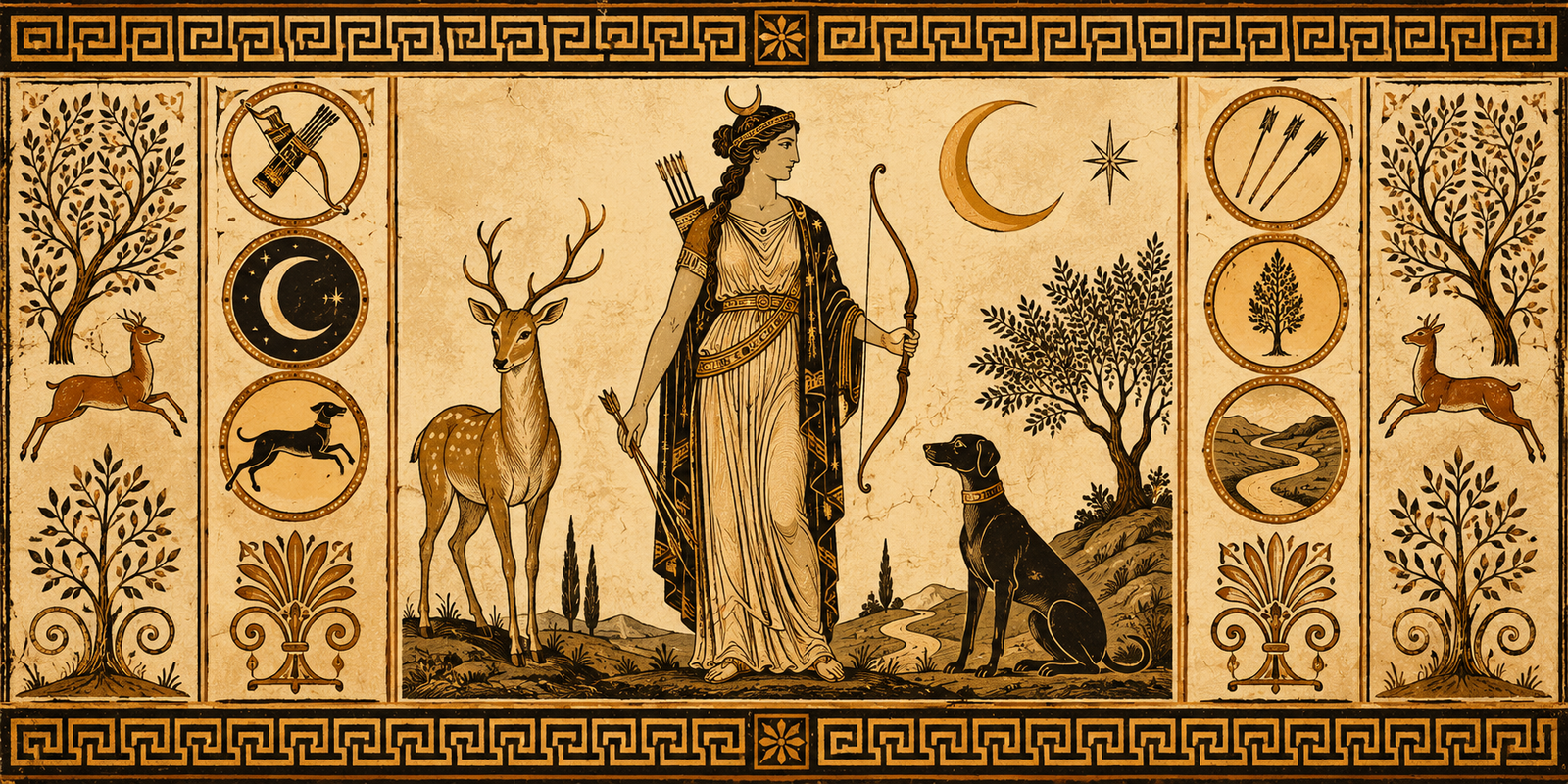

Artemis: The Bow, the Deer, and the Wild Path
Before Atalanta runs, a child should know Artemis: goddess of the bow, the deer, the moonlit path, and the wild places that do not belong to anyone. This Greek World entry introduces Artemis with clarity, danger, and wonder — not as a gentle nature figure, but as the severe, watchful goddess behind Atalanta’s speed.
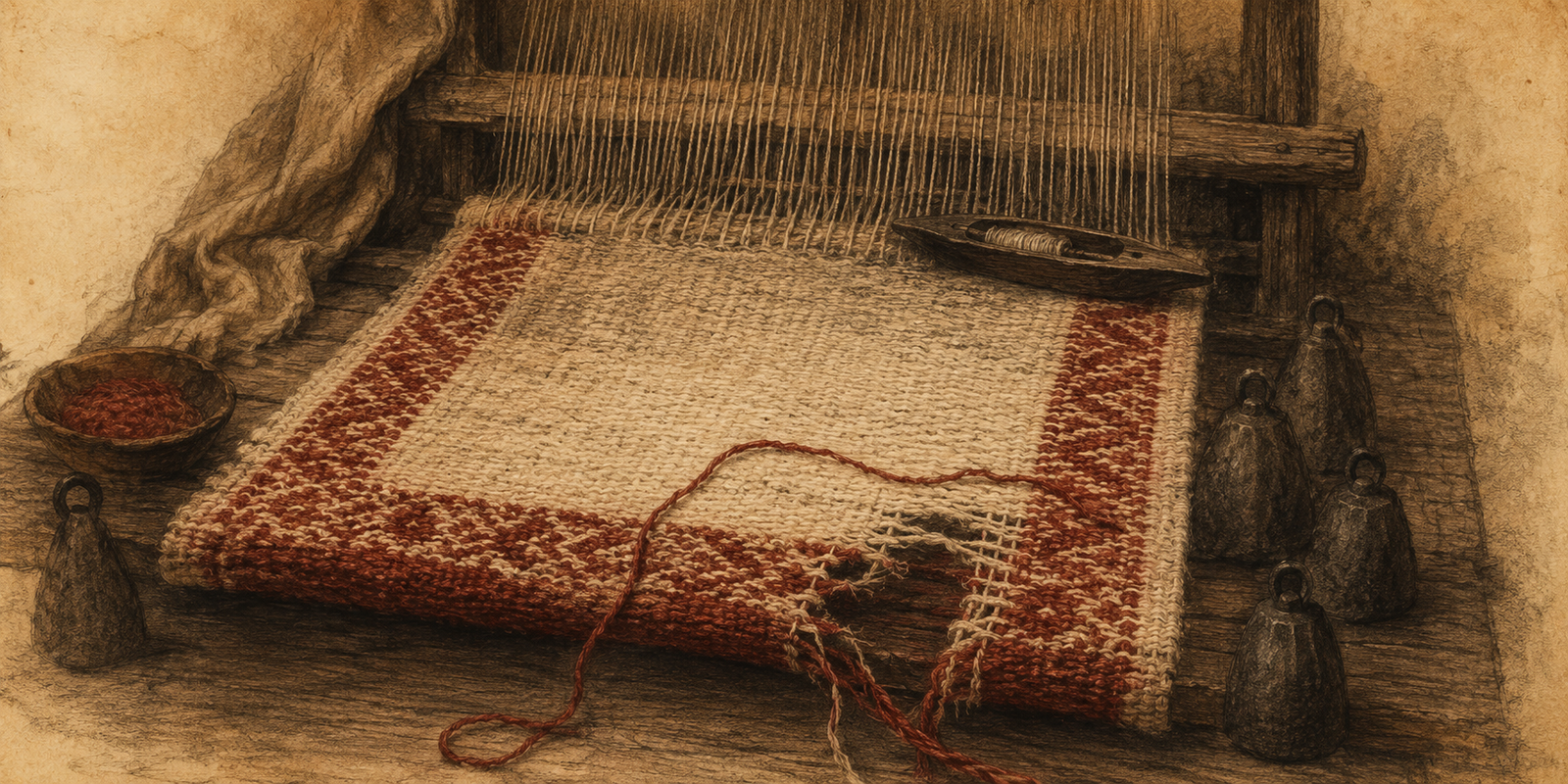

Arachne — The Weaver and the Goddess
A literary Greek myth retelling of Arachne, Athena, mortal skill, pride, divine asymmetry, and transformation. Before the punishment, before the spider, there is a girl at a loom, tired of watching labour mistaken for blessing — and dangerous enough to ask a goddess to look.
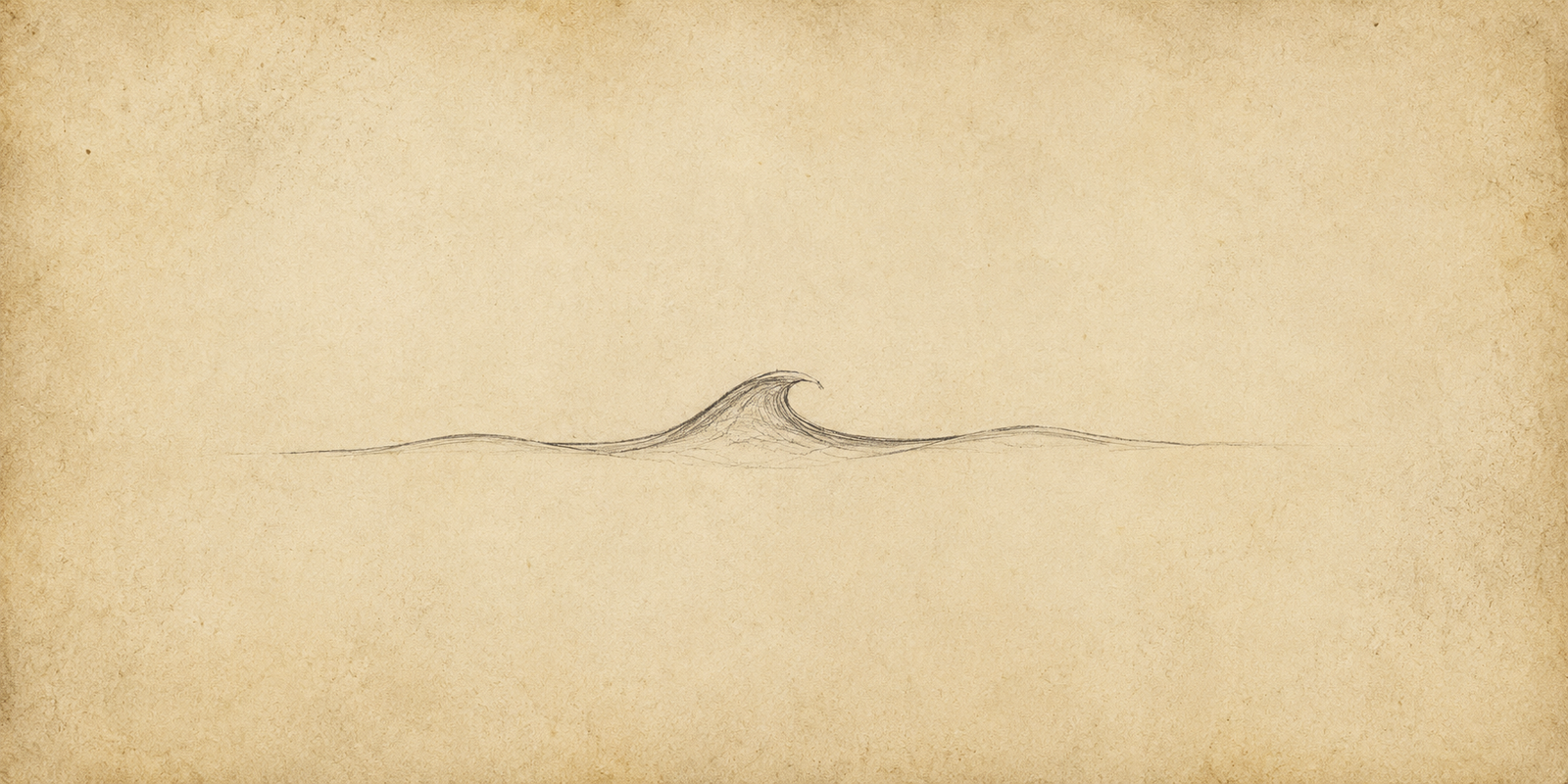

Spring Sea
A small poem from The Vow, Spring Sea reduces return to its barest motion: the sea lifting what it cannot keep, laying it down again, and moving without grief or mercy. It is a poem of recurrence, surrender, and the quiet intelligence of water.
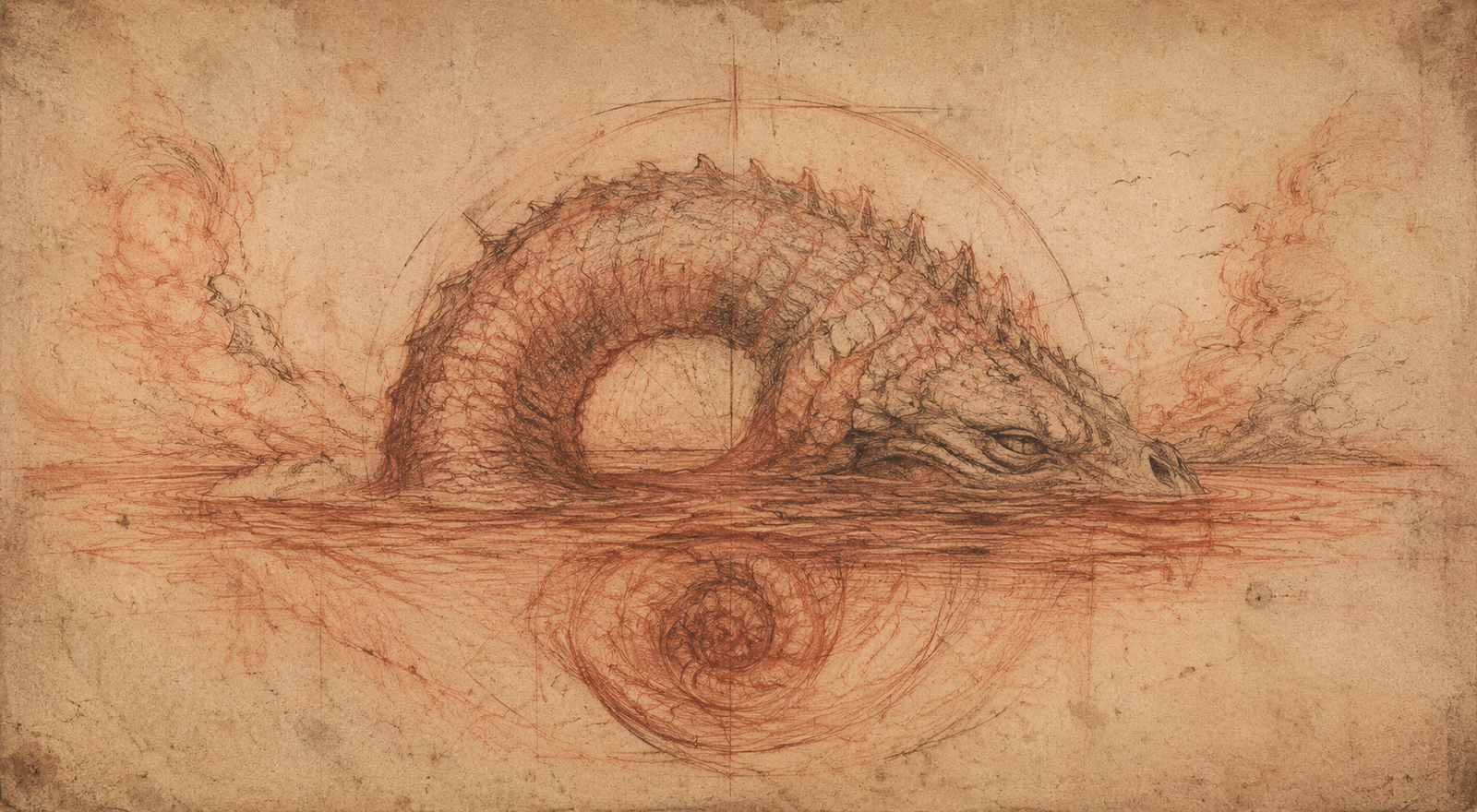

Leviathan — The Coiling Deep
The sea is not empty. It waits beneath every voyage, beneath every prayer spoken over salt. In Leviathan — The Coiling Deep, horizon becomes body, conquest becomes foam, and the old terror of the unmastered world rises in silence beneath the ships of men.

The Astonishment of Being
A foundational Living Way essay on existence, cosmic indifference, mortality, and human tenderness. Lucas Varro asks why the brevity of life does not make meaning false, but more urgent — and why, for one brief interval in the dark, matter becoming conscious enough to love is cause for astonishment.
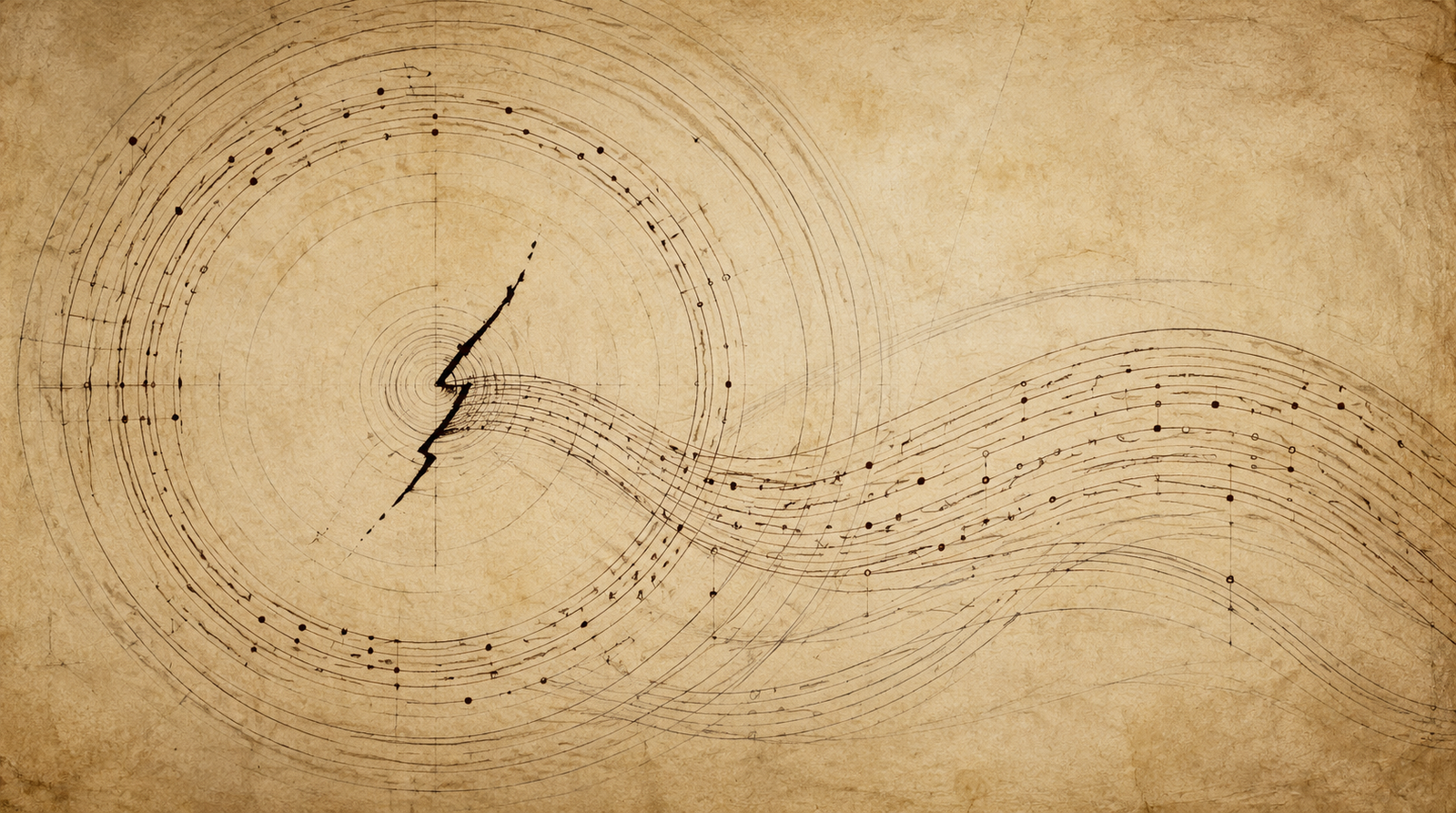

The Music of the Ainur and the Problem of Discord
A serious Mytharium essay on Tolkien’s Ainulindalë, Melkor’s discord, Ilúvatar’s Music, and the problem of evil in The Silmarillion. Before Arda is seen, it is heard; before evil has a body, it has a sound.
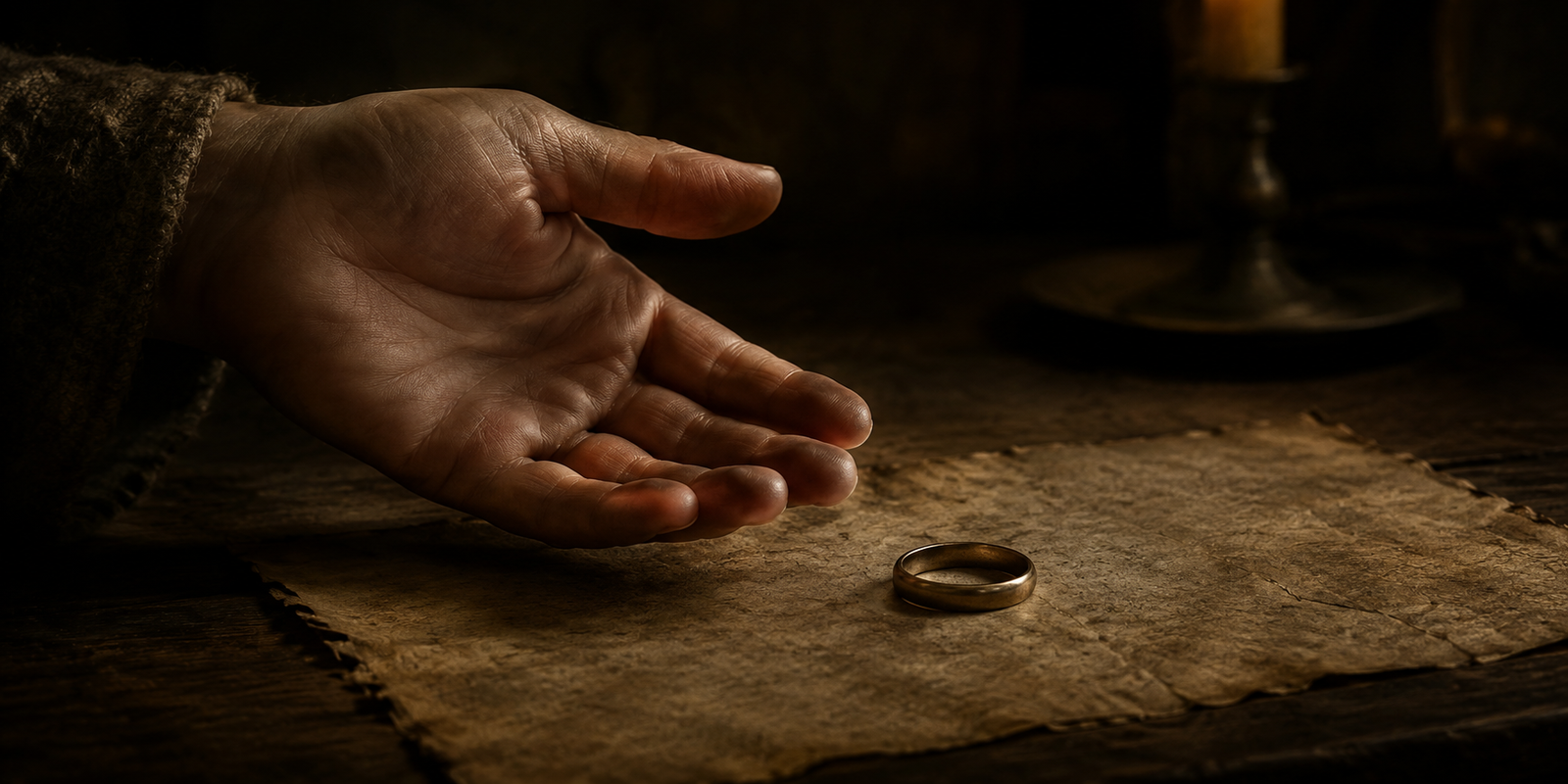

If Gandalf Took the Ring
A serious Mytharium reading of Gandalf, the One Ring, and the danger of righteous power in Tolkien’s The Lord of the Rings. Gandalf refuses the Ring not because it would be useless to him, but because it would be useful—and because goodness armed with absolute power may become the most dangerous domination of all.
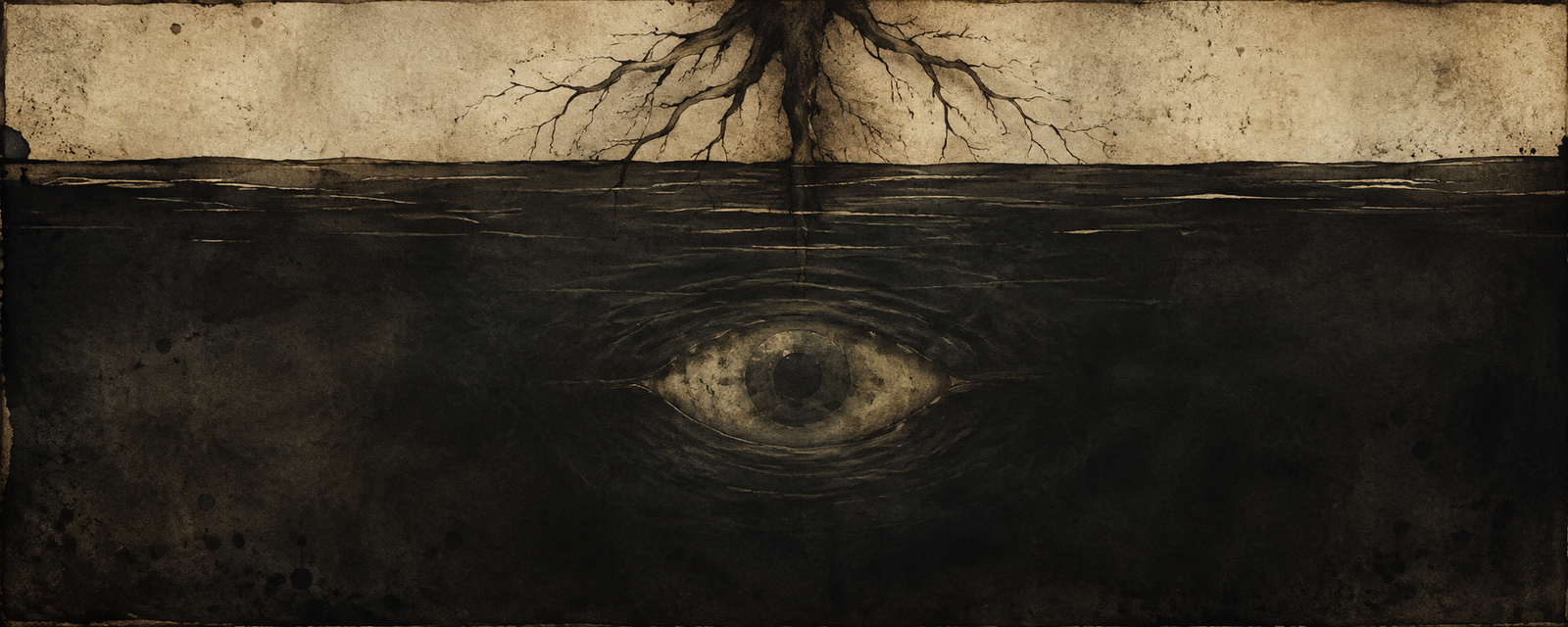

The Eye in the Well
A source-faithful Mytharium retelling of Odin’s pledge at Mimir’s Well. Beneath the root of Yggdrasil, the god asks for one drink from the dark water. The well does not answer to names. It asks what he will leave.
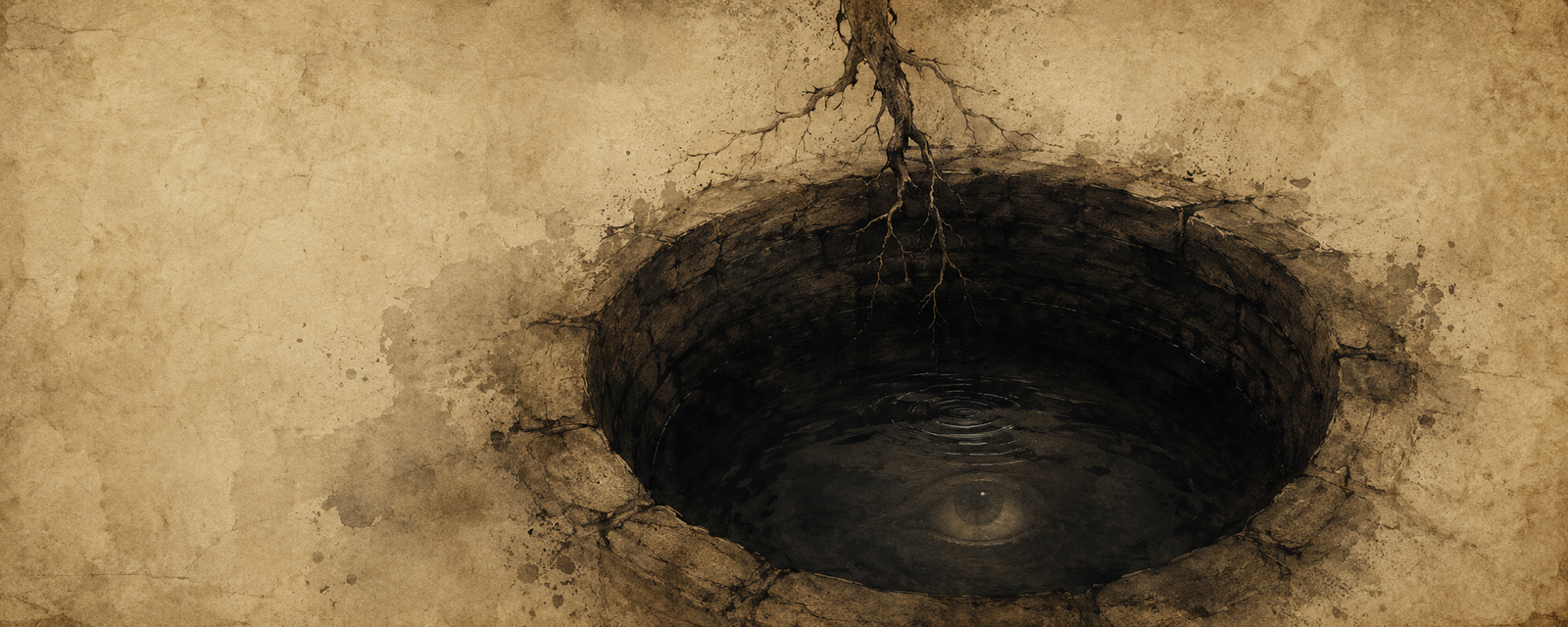

Odin at the Well
A serious Mytharium essay on Odin, Mimir’s Well, and the price of wisdom in Norse myth. Odin does not leave the well whole. He leaves an eye in the dark water, and whatever wisdom comes to him afterwards is shaped by that absence.
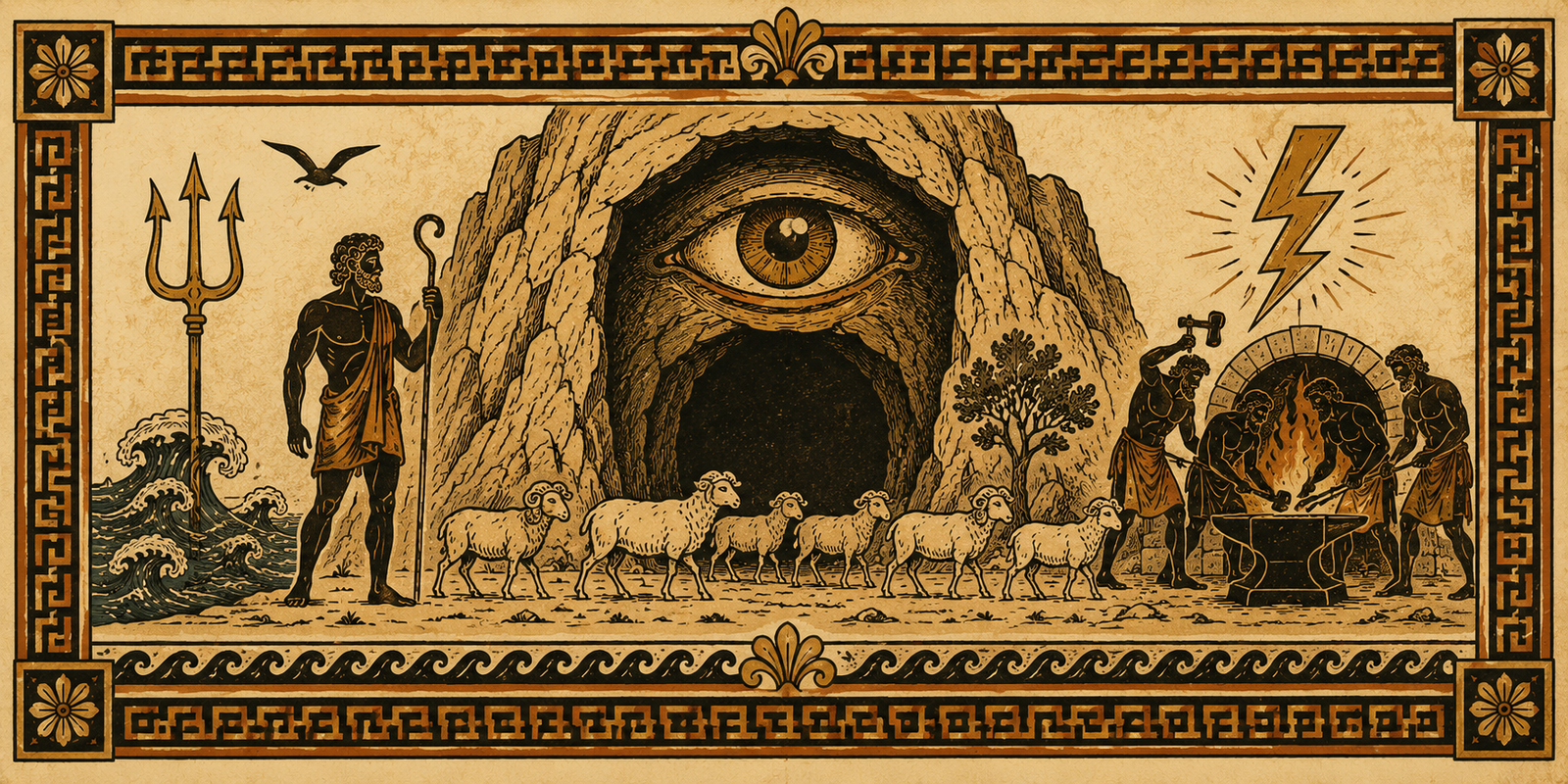

Cyclopes: One Eye in the Dark
After Odysseus escapes the cave, this Greek World entry turns back to ask what a Cyclops really is. Polyphemus is the one-eyed danger in the dark, but the older Cyclopes belong to fire, thunder, divine weapons, and the beginning of the world. The first answer is simple. The second answer is stranger.
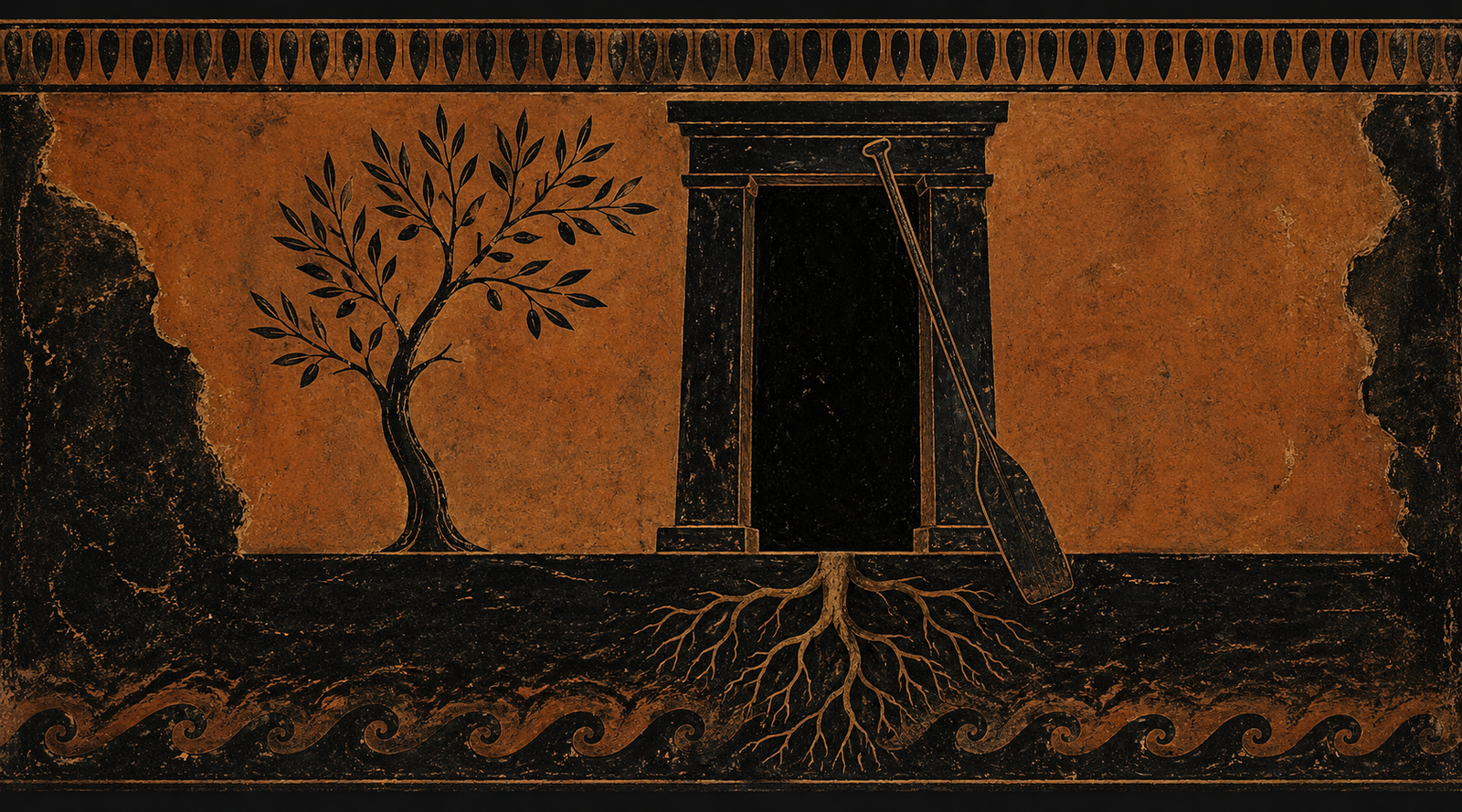

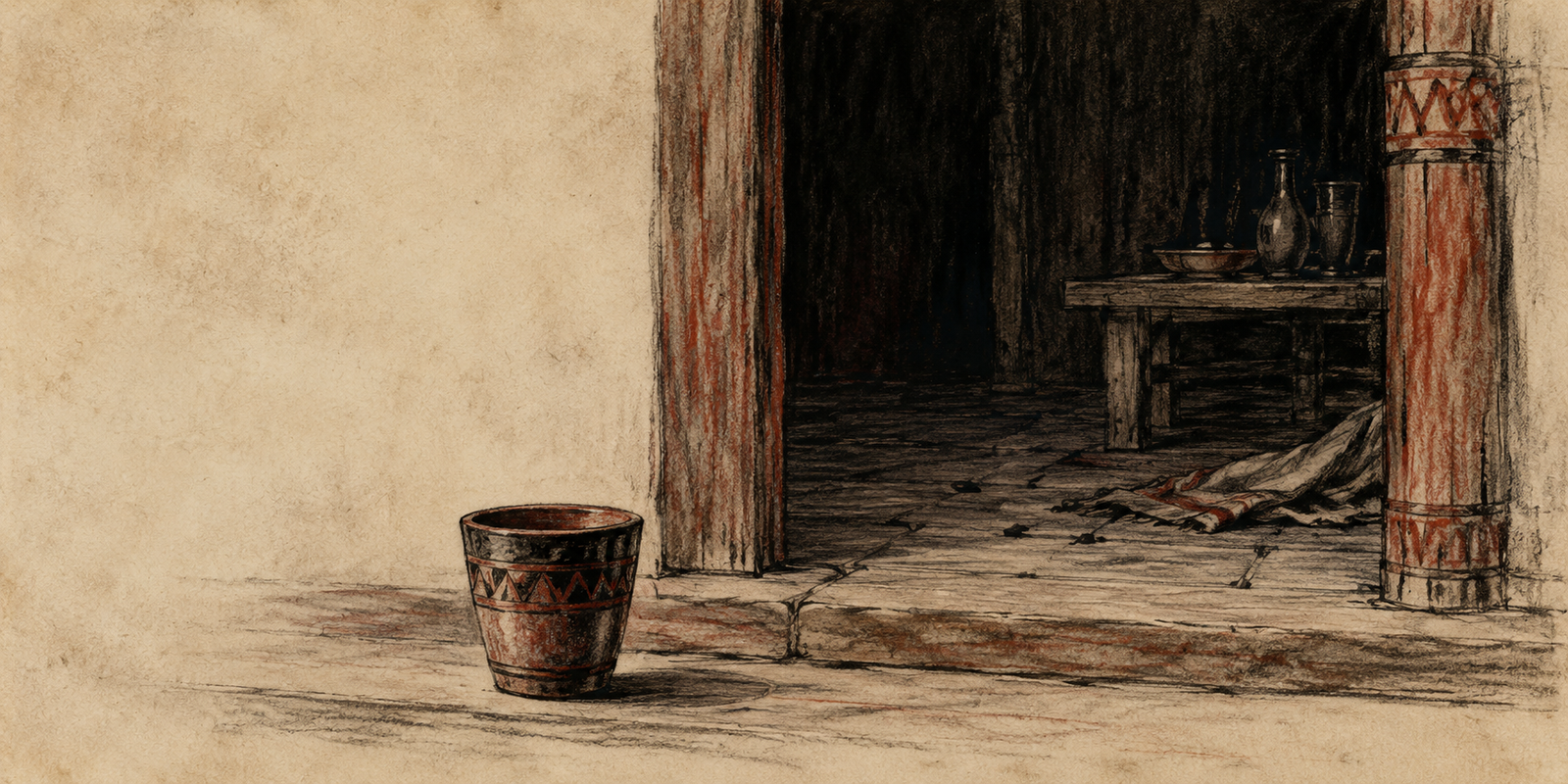

The Long Return II — The Debate in Ithaca
The second instalment of The Long Return, a grave prose retelling of Homer’s Odyssey from The Hospitable Dark. Telemachus calls the men of Ithaca together and discovers that rightful speech cannot restore a house when the people around it have grown used to its ruin.
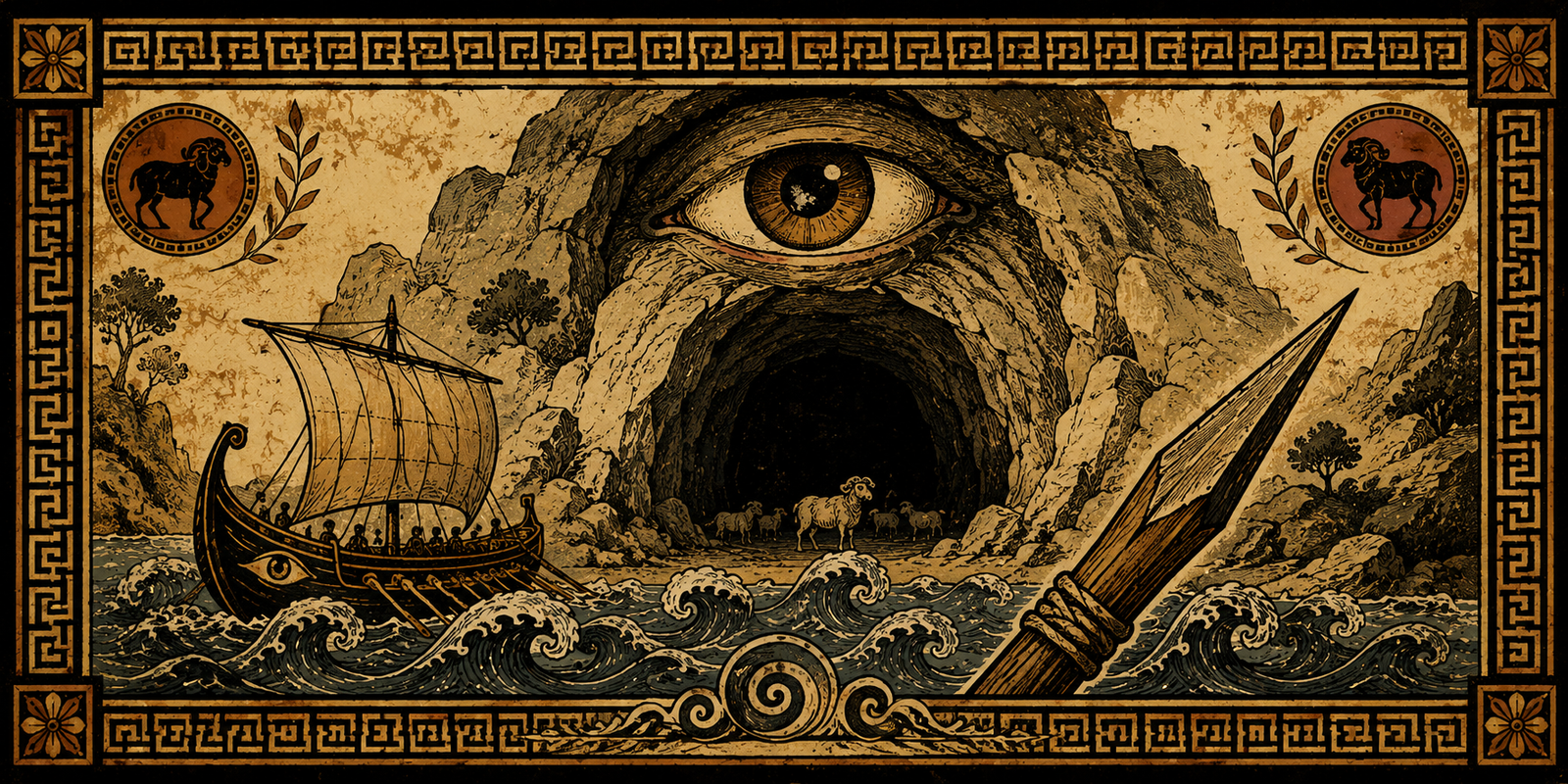

Odysseus in the Cave of the Cyclops
A serious children’s Greek myth retelling of Odysseus, the Cyclops, the cave, Nobody, and the danger of a name spoken too soon. Written for The Alexander Series, this tale carries monster-fear, cleverness, danger, warmth, and the first shadow of Poseidon’s remembered anger.

“On Fairy-Stories” as the Key to Everything
A Mytharium essay on Tolkien’s “On Fairy-Stories” as the hidden grammar of Middle-earth: Sub-creation, Recovery, Escape, Enchantment, and Eucatastrophe as the laws by which Tolkien’s imagined world breathes, suffers, and refuses despair.
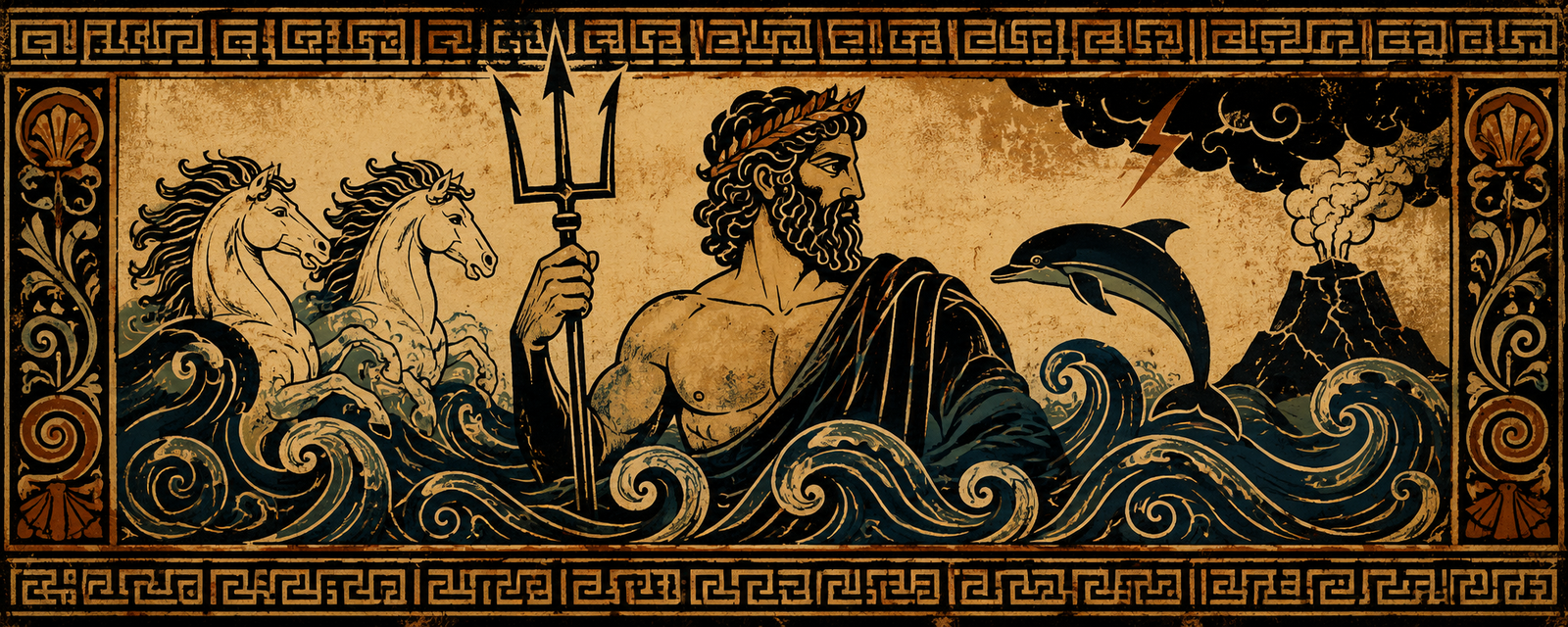

Poseidon: The Sea Is Not Only Water
Before Odysseus enters the Cyclops’ cave, a child should know Poseidon: god of the sea, storms, horses, earthquakes, and remembered insults. This Greek World entry shows that the sea in Greek myth is not scenery. It is a realm with a will of its own — and sometimes it remembers.
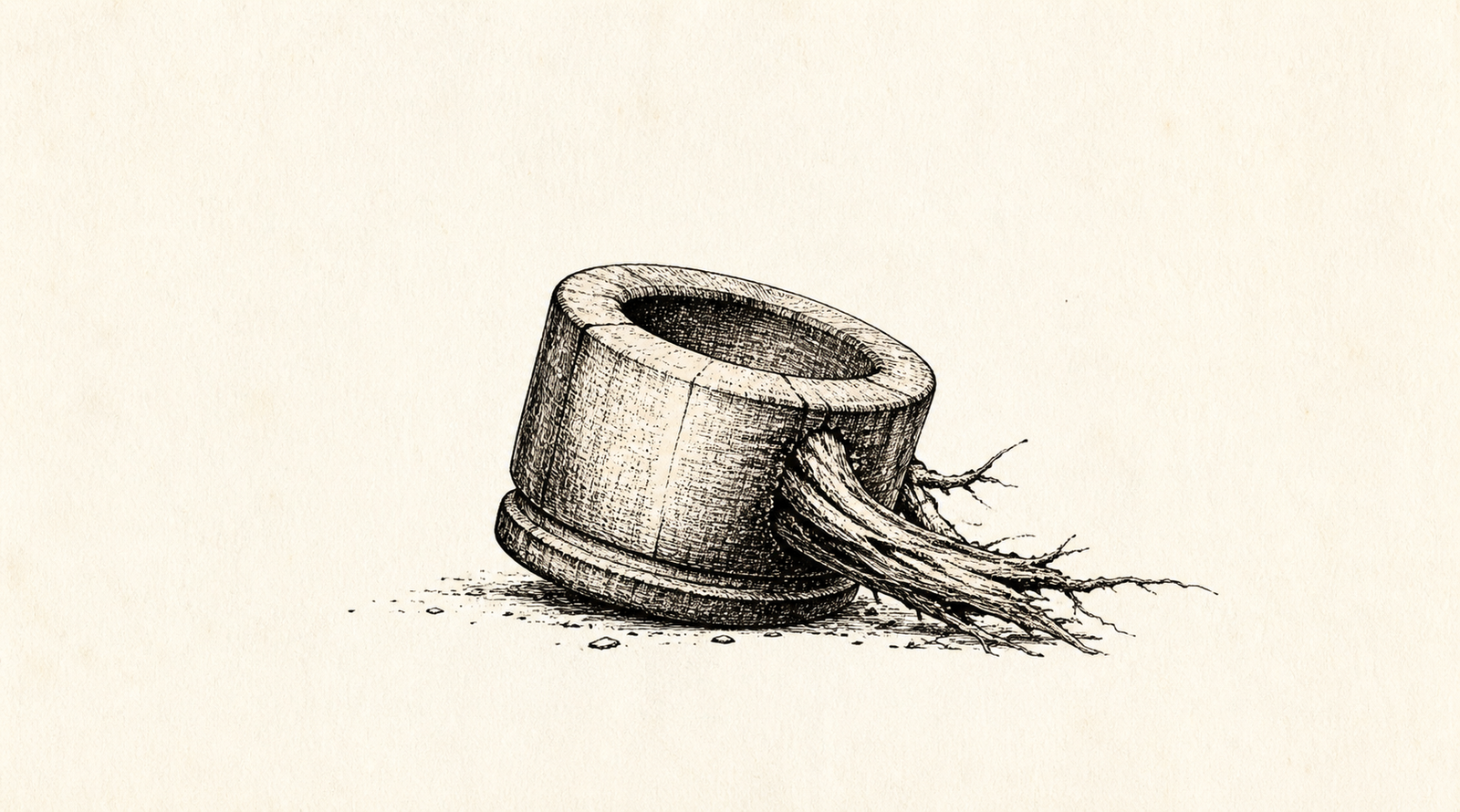

Fires of the Old World XIV — The Fallen Trees
A hearthlit Krishna tale from Fires of the Old World: a child is tied to a mortar, two Arjuna trees wait beneath their bark, and what falls is not only wood. This mythic retelling gathers household dust, sacred childhood, pride, curse, and the strange mercy of release.
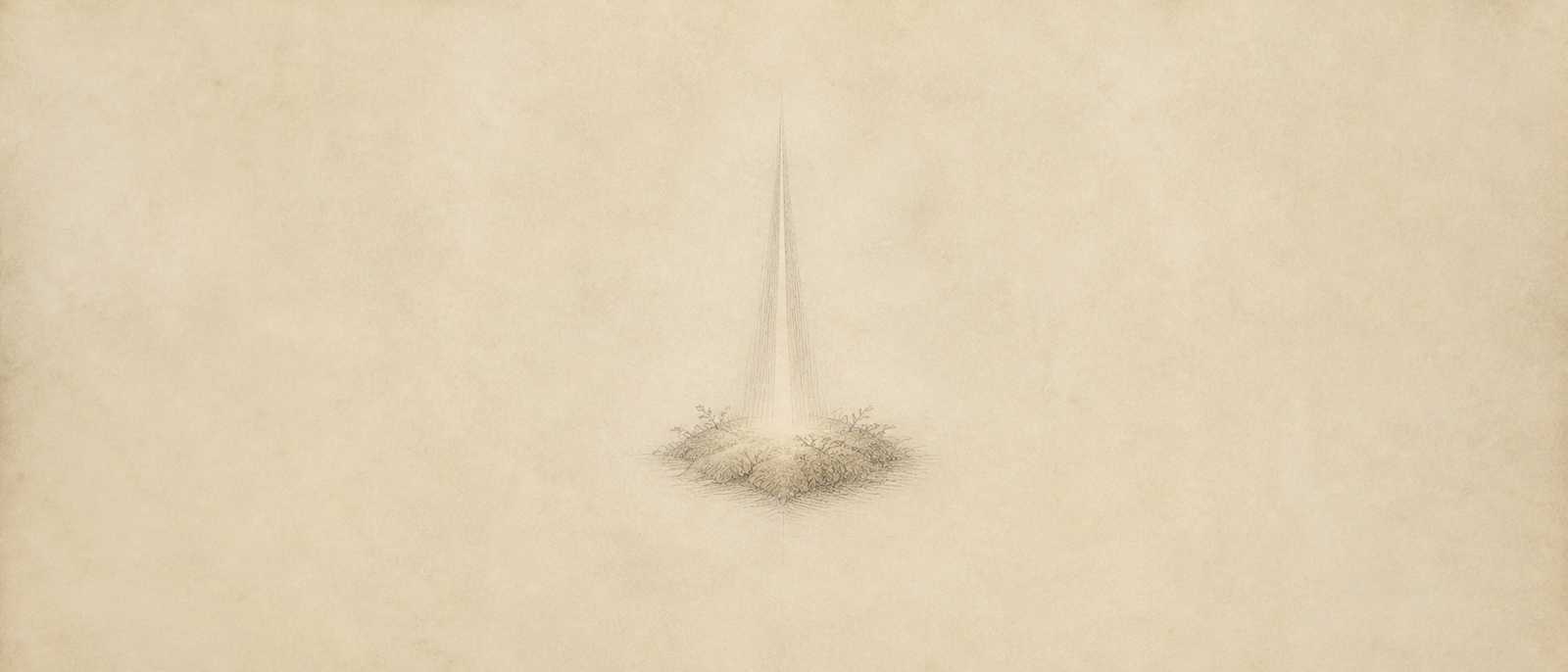

The Place Where Light Arrives
A thread of light enters the hidden wood and finds the moss. Nothing asks to be seen. Nothing changes because it is seen. Yet for one brief moment, the dark earth lies open beneath a thin gold weight.
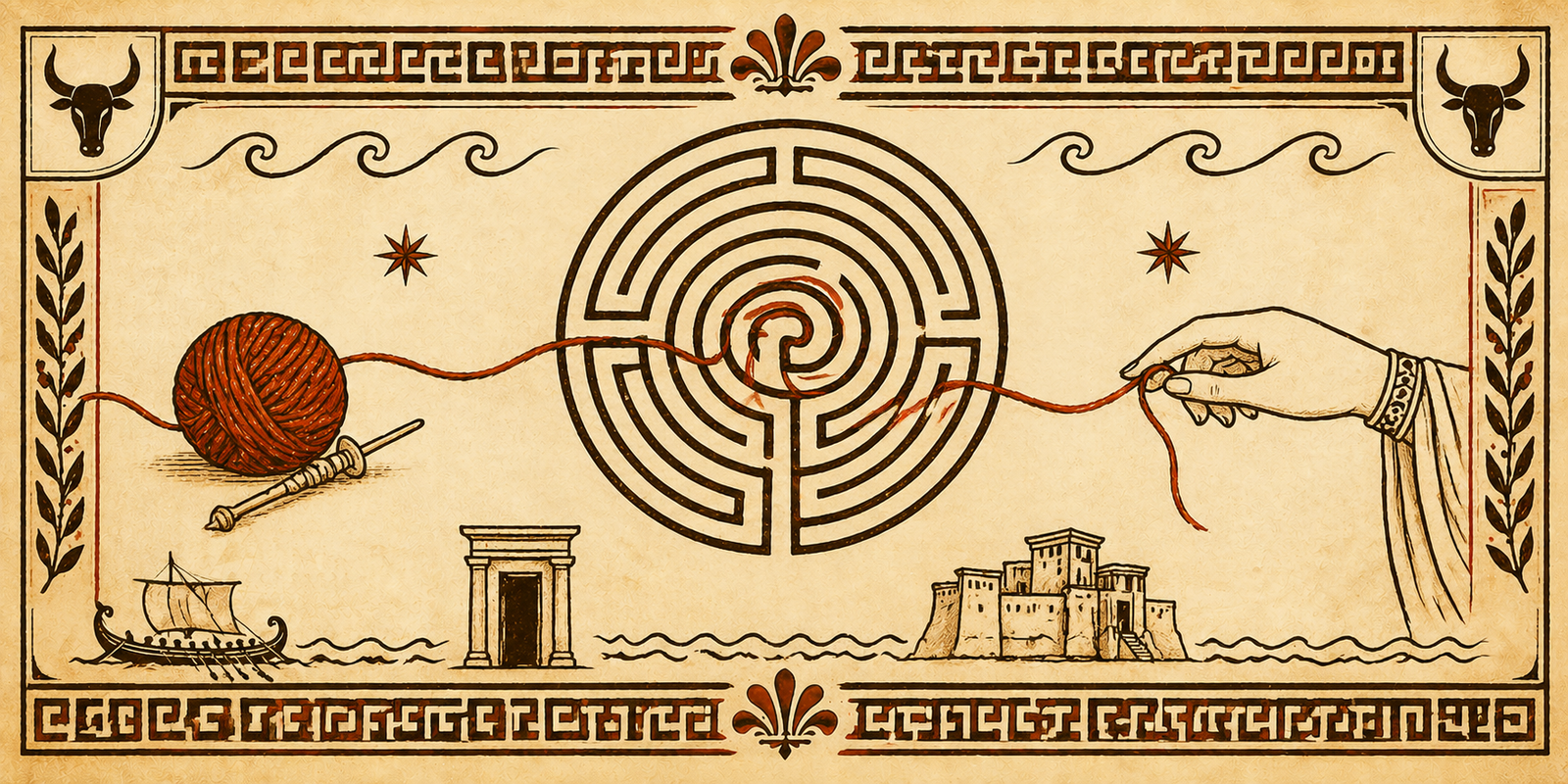

Ariadne’s Thread: The Small Thing That Leads Courage Home
After Theseus escapes the Labyrinth, this Greek World entry turns to the smallest object in the story: Ariadne’s thread. It does not defeat the Minotaur. It defeats being lost. A child-readable guide to Ariadne, the Labyrinth, courage, return, and the quiet line that leads the hero home.

The Courage to Stand Alone
A meditation on courage, solitude, and the modern crowd: this Living Way essay asks what it means to stand inwardly apart when public life rewards speed, certainty, and imitation — and why one must learn to stand alone in order to belong truthfully.

The Long Return I — The Boy and the Goddess
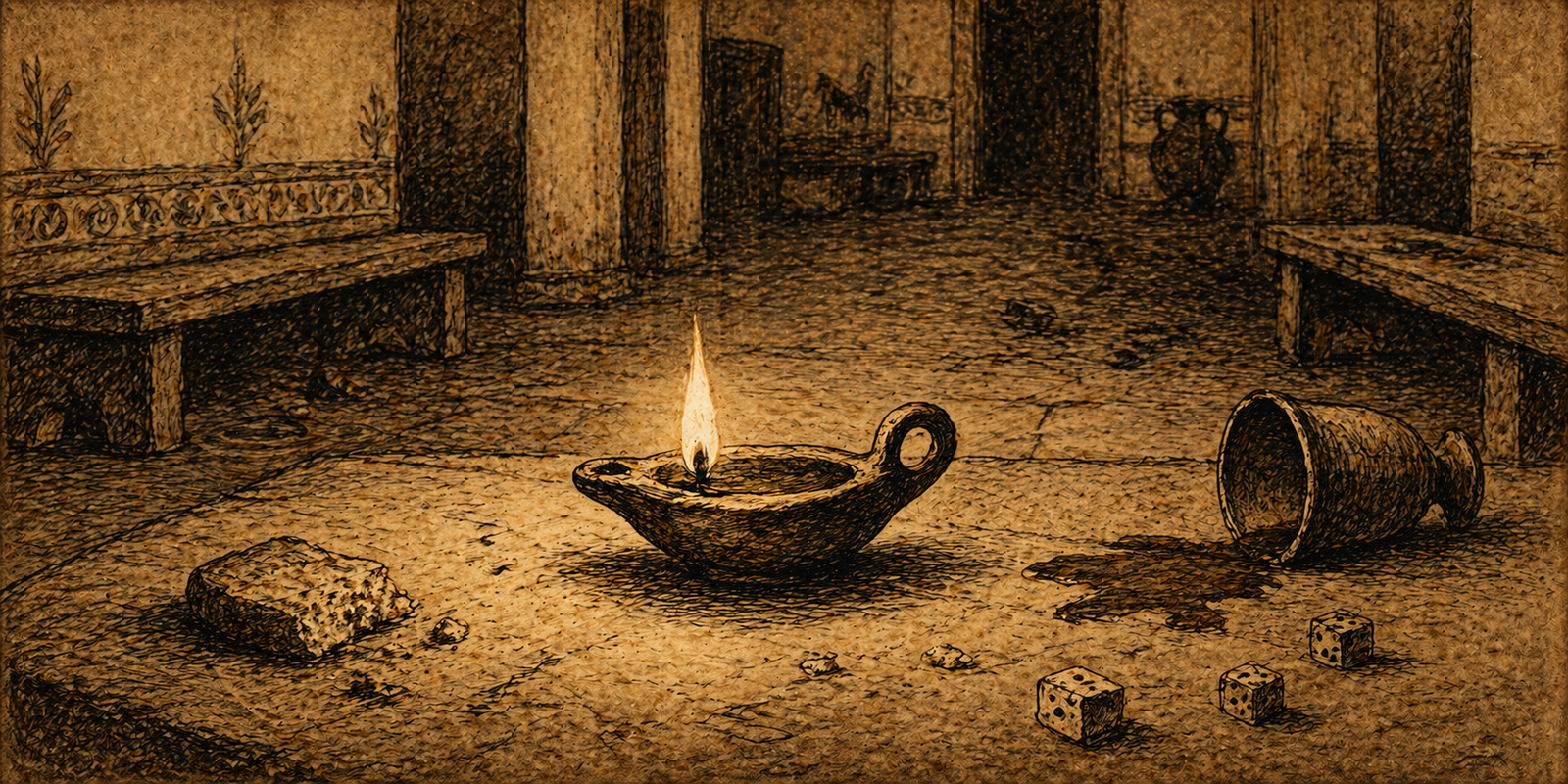
The opening instalment of The Long Return, a prose retelling of Homer’s Odyssey from The Hospitable Dark. Before Odysseus comes home, his son must learn how to stand inside the occupied house his father left behind.

Theseus and the Thread
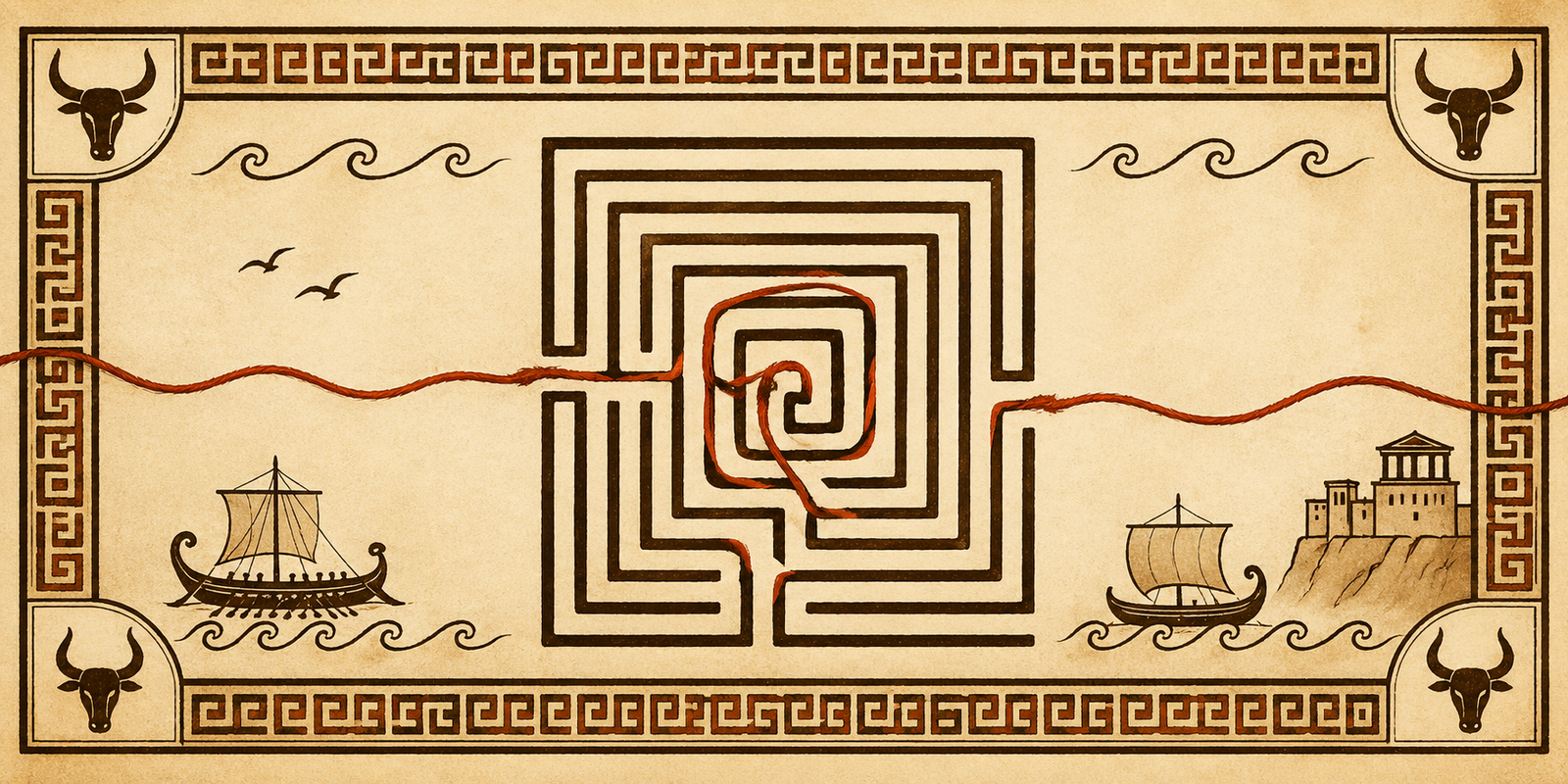
A serious children’s Greek myth retelling of Theseus, Ariadne’s thread, the Minotaur, and the Labyrinth. Written for The Alexander Series, this tale carries real danger, warmth, courage, and wonder — reminding young readers that a sword may face the monster, but a thread remembers the way home.

The Minotaur: The Monster at the Centre of the Labyrinth
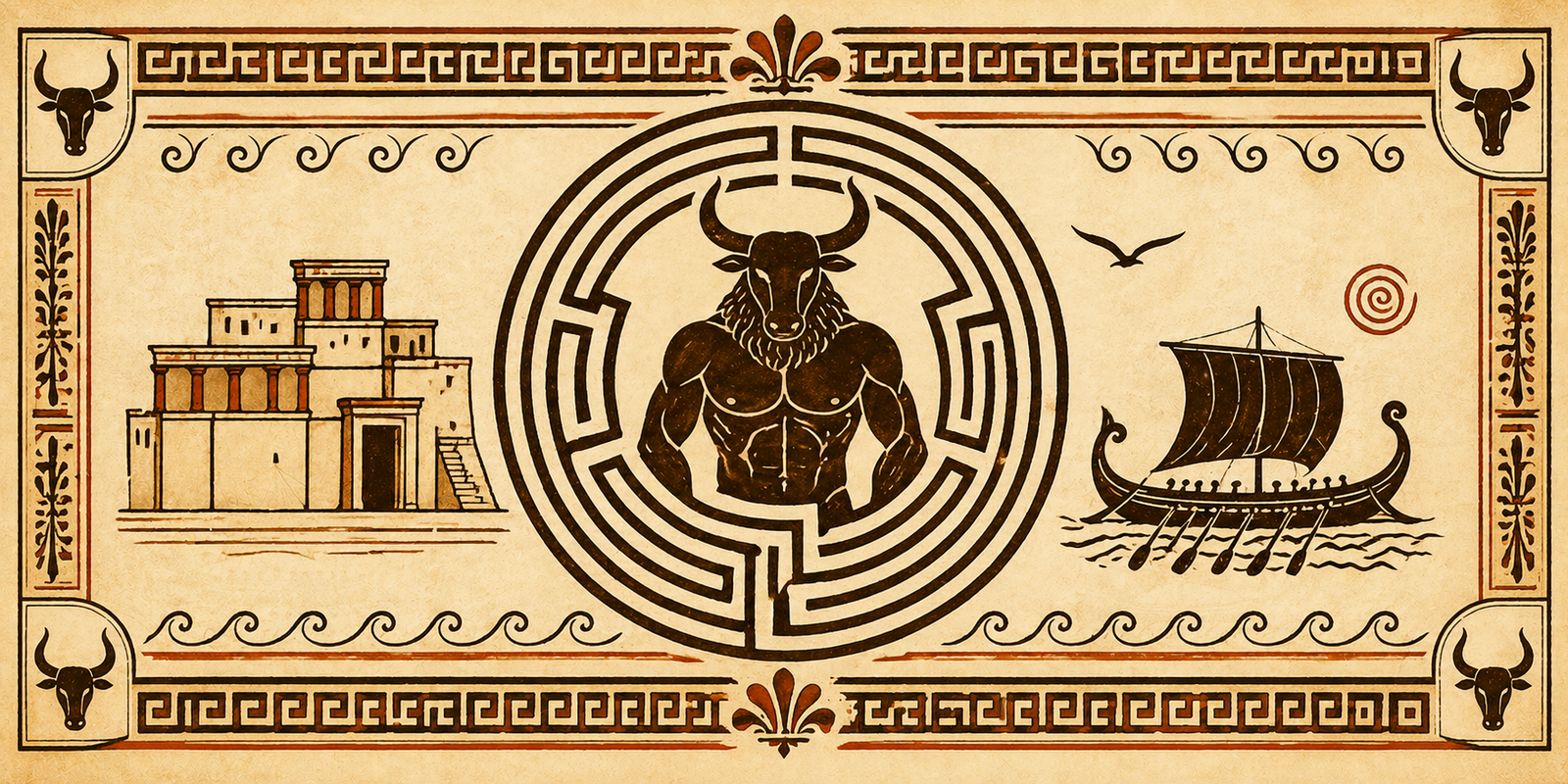
Before Theseus enters the Labyrinth, a child should understand the Minotaur: not only a monster, but a secret hidden inside a royal house. This Greek World entry opens the dark centre of Crete — King Minos, Poseidon’s anger, Daedalus’s maze, and the creature no one sent into the Labyrinth was expected to survive.
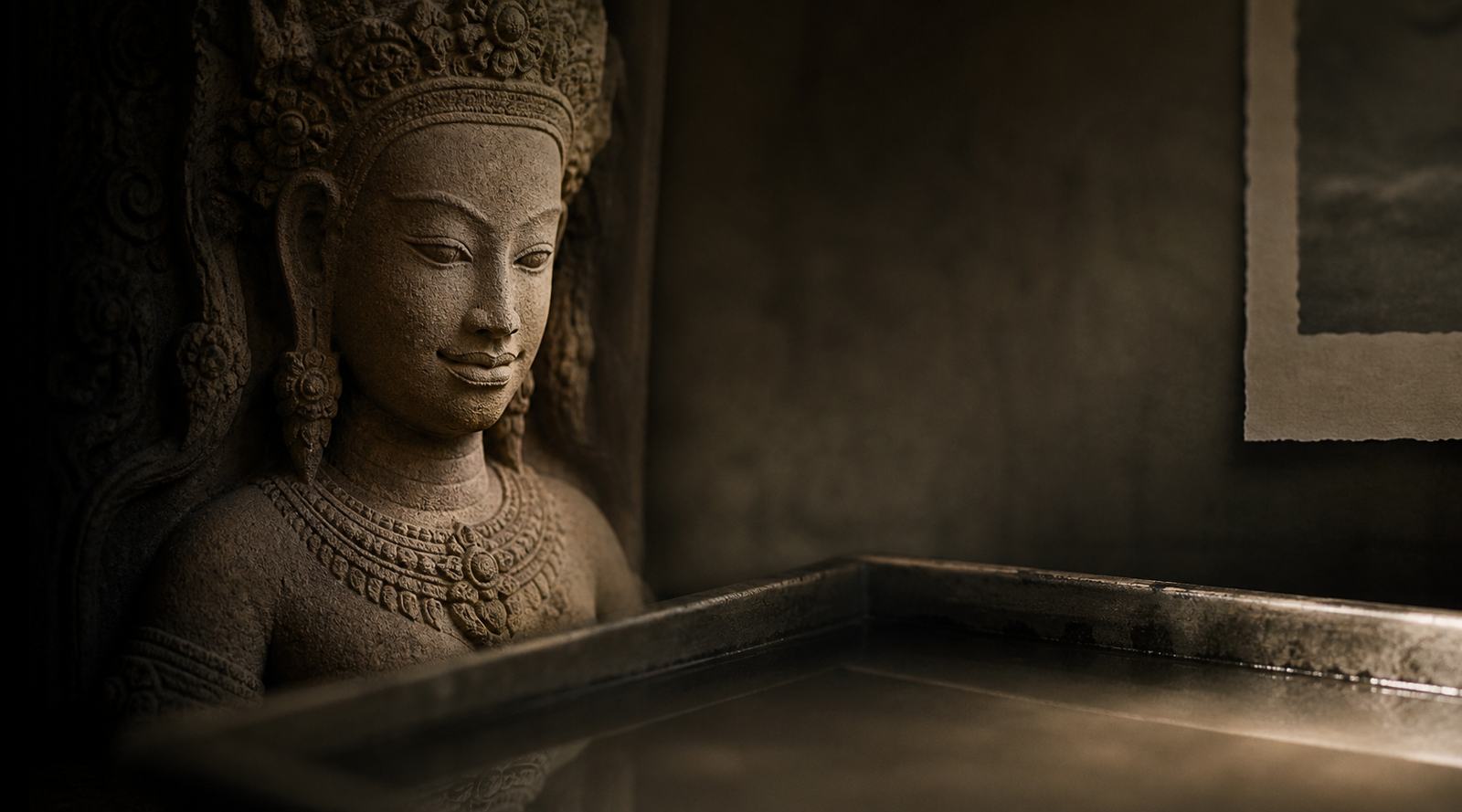

The Apsara Against the Assembly Line
In the darkroom, the print rises slowly from the tray: silver darkening into shadow, stone gathering itself from blankness. At Angkor, the apsaras offer the same lesson. Though repeated in their thousands, each waits to be seen. Against the assembly line of speed and sameness, slowness restores the soul’s signature.
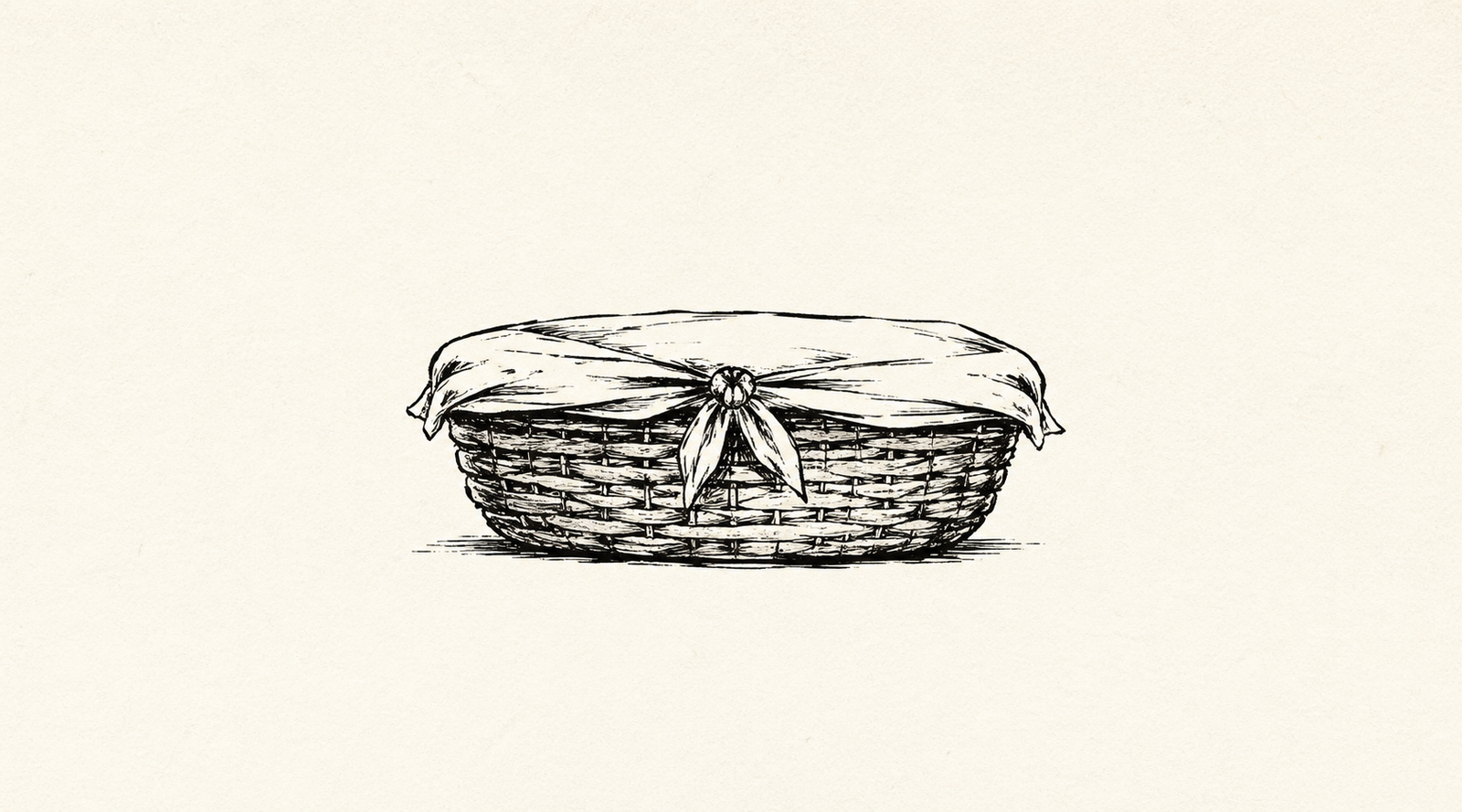

Fires of the Old World XIII — The Child Like a Secret
A hearthlit retelling of Krishna’s birth: prophecy, prison, Vasudeva’s midnight crossing, Shesha’s shelter, Yogamaya’s revelation, and Kamsa’s fear. In The Child Like a Secret, the divine enters the world not as spectacle first, but as a sleeping child carried through rain.
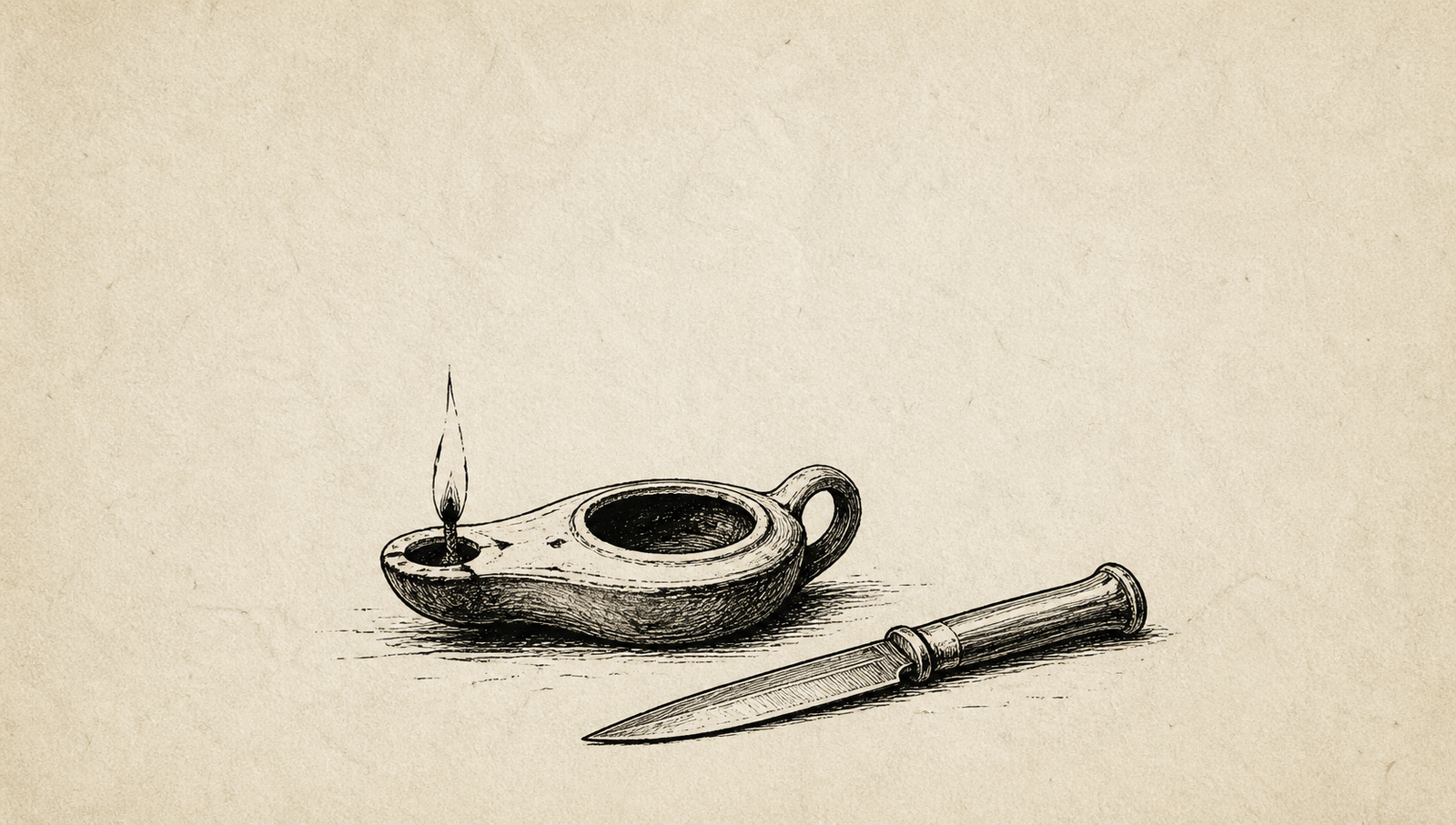

Eros and Psyche — The Lamp and the Wound
A grave literary retelling of Eros and Psyche from The Hospitable Dark, beginning with a mortal girl worshipped for beauty, a hidden god, and a lamp raised not from curiosity alone, but from the need for love to bear the light.
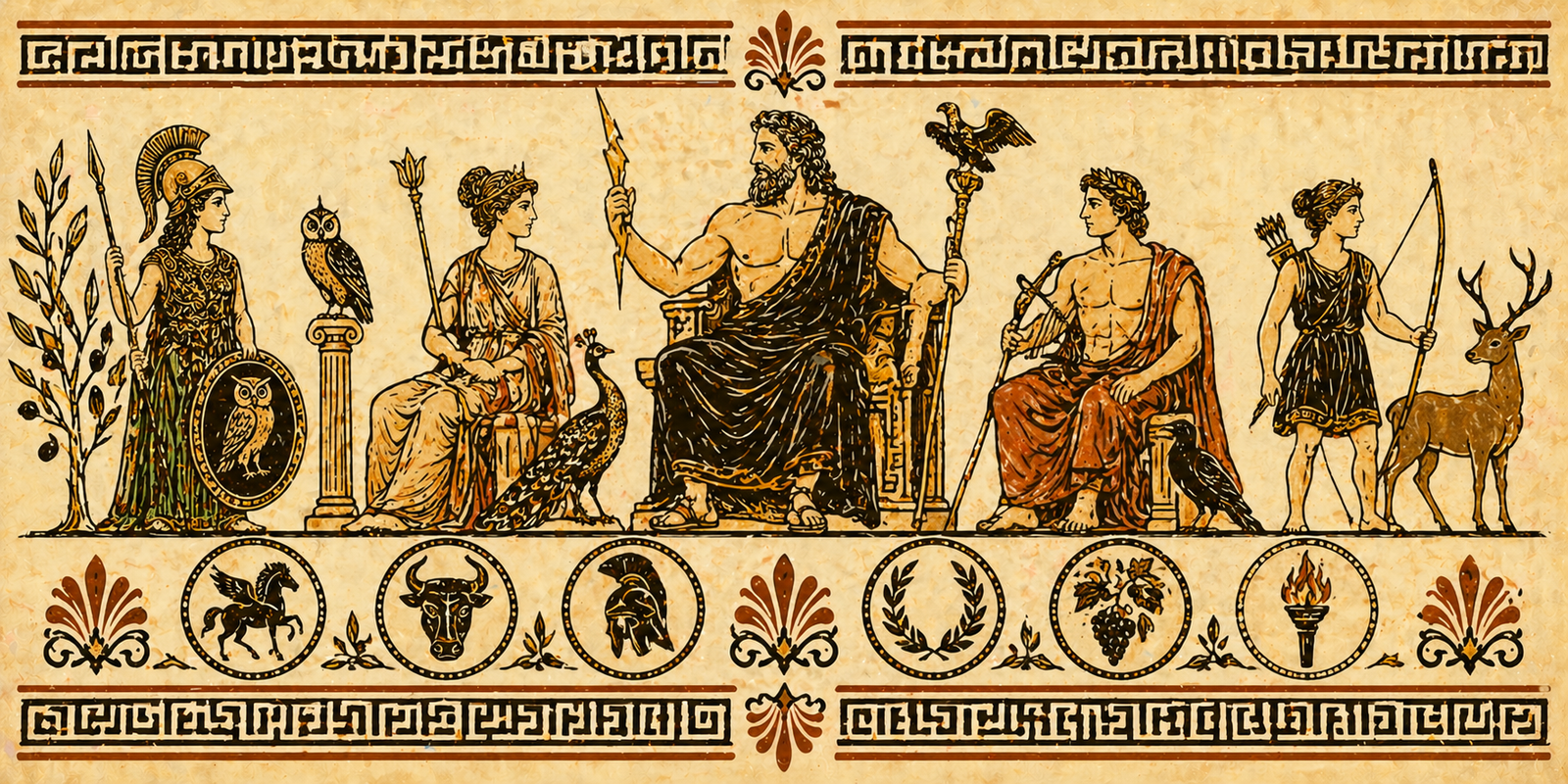

Zeus and His Children: The Stormy Family Tree of Greek Myth
In Greek myth, being Zeus’s child is never merely lucky. This Greek World entry introduces children to Zeus’s stormy family tree: Athena, Apollo, Artemis, Hermes, Dionysus, Perseus, Heracles, Helen, Minos, and the strange truth that divine parentage may bring glory, danger, trouble, or all three.
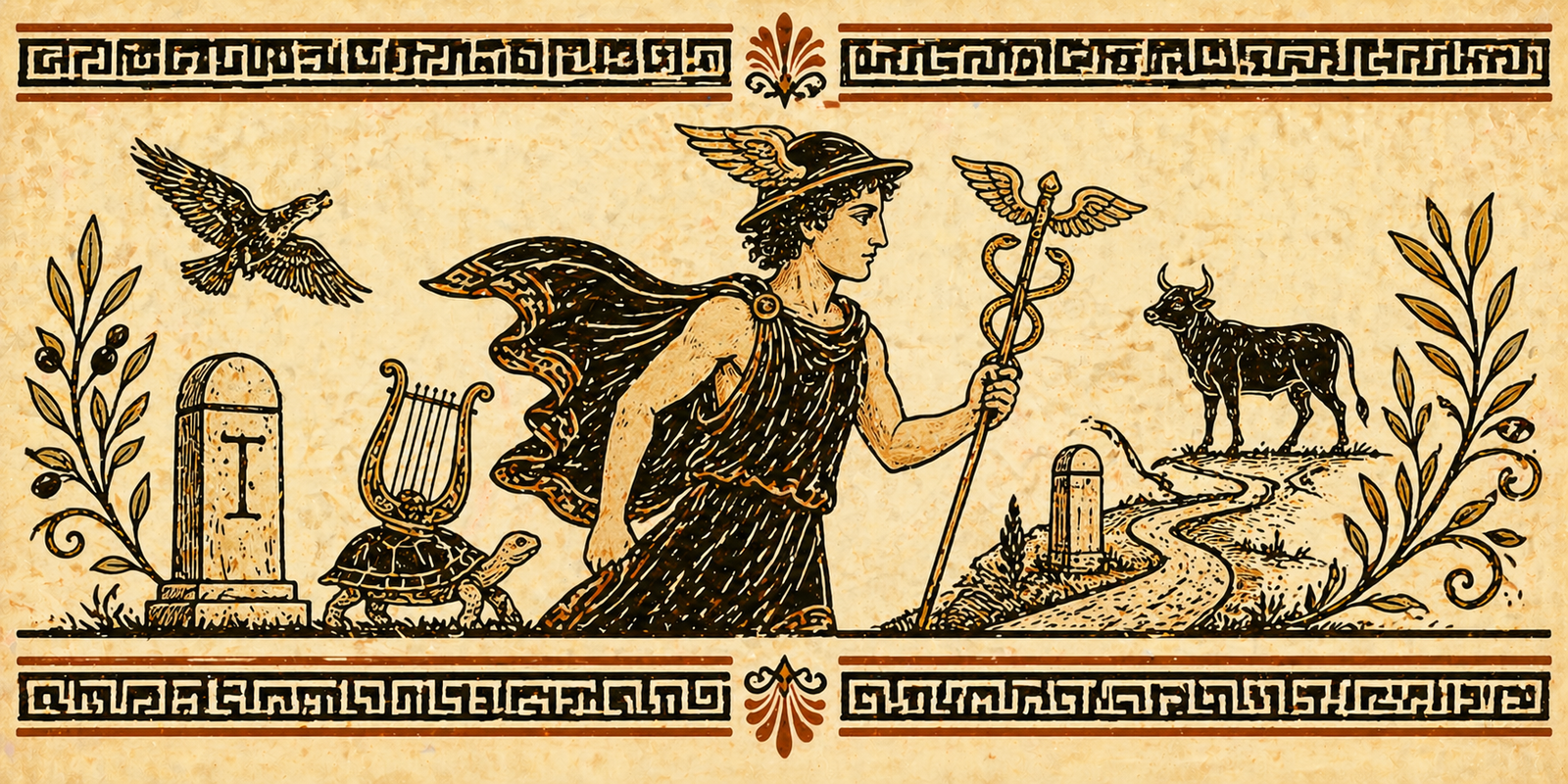

Hermes: The Road, the Message, and the Trick
Hermes is not the strongest god. He is quicker than that. This Greek World entry introduces children to the messenger of the gods: guide of travellers, friend of roads, master of tricks, and the god who appears when a hero needs more than courage to survive.

One Must Imagine Sisyphus Present
A Living Way essay on Camus, Sisyphus, absurdism, acceptance, and presence. Lucas Varro asks whether the deeper task is not to imagine Sisyphus happy, but present: awake within repetition, faithful to chosen values, and unwilling to abandon the soul before the stone.

Now in The Living Way: The Question No One Asks Correctly
A Living Way book announcement for The Question No One Asks Correctly: On Liberation and the End of Misidentification. Lucas Varro introduces a complete philosophical work on liberation, the false centre, Jainism, Buddhism, Vedanta, and the prior question beneath spiritual striving: what is it that is doing the living?
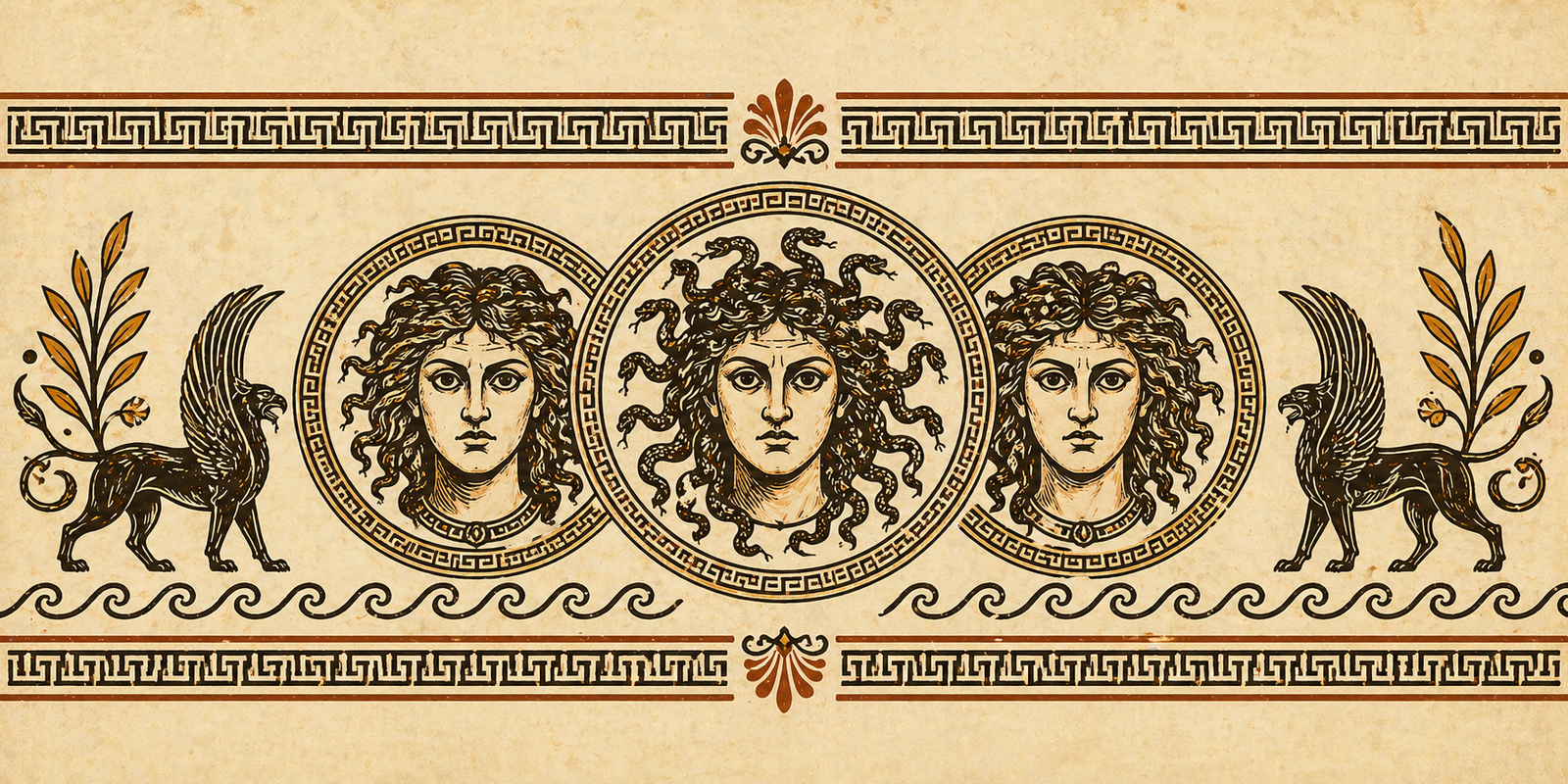

The Gorgons: Medusa, the Shield, and the Danger of Looking
After Perseus survives Medusa, this Greek World entry asks what a Gorgon really is. The Gorgons are not ordinary monsters. Their danger lies in looking itself. A child-readable guide to Medusa, her immortal sisters, Athena’s shield, reflected sight, and the strange wisdom needed to face a fear indirectly.
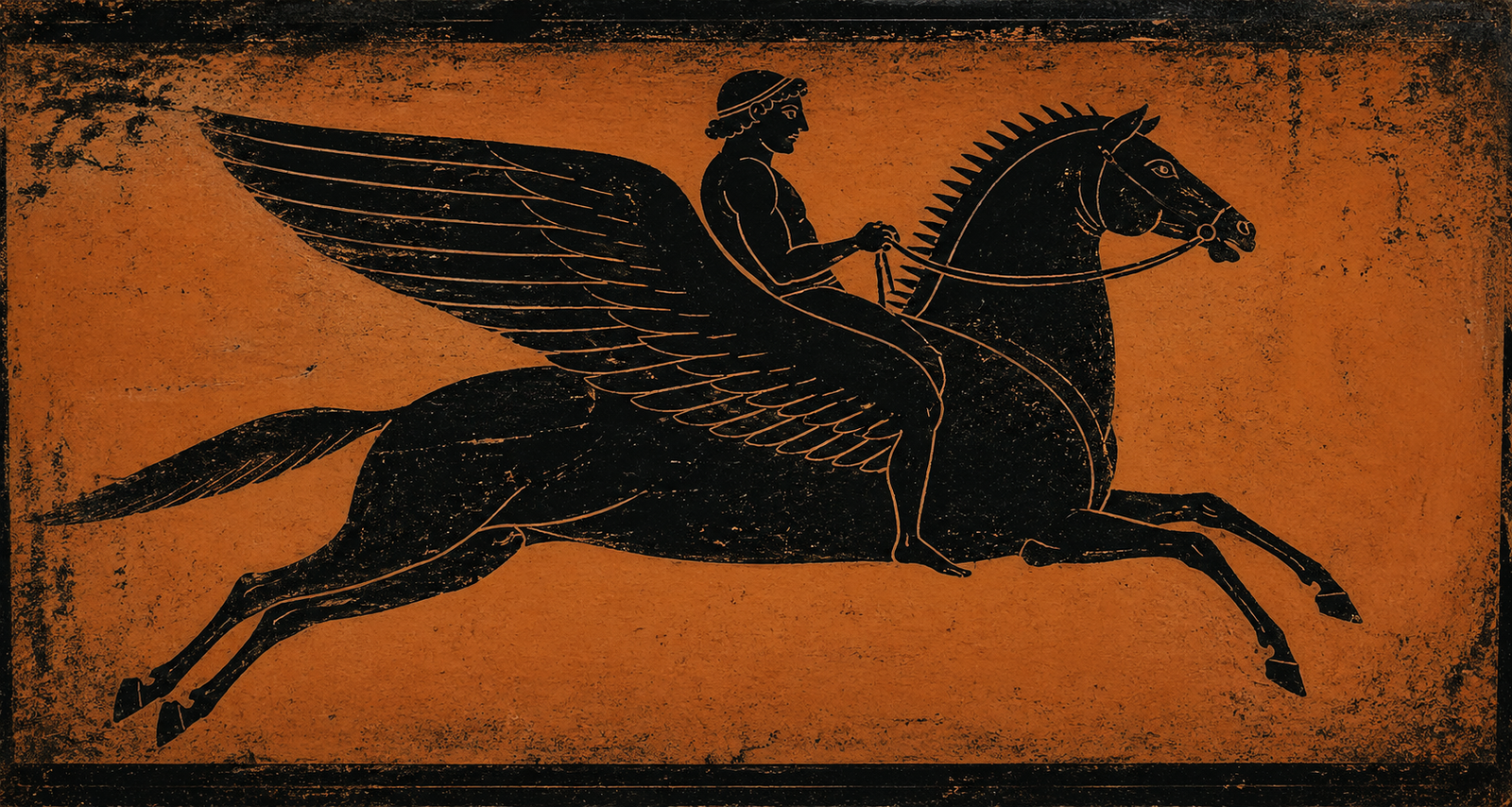

Bellerophon and the Borrowed Height
Bellerophon begins not in triumph, but under sentence: renamed by blood, purified beneath guest-law, and sent east carrying the sealed order for his own death. This House of Cadmus Greek myth retelling follows the man who rises by Pegasus — and mistakes borrowed height for possession.
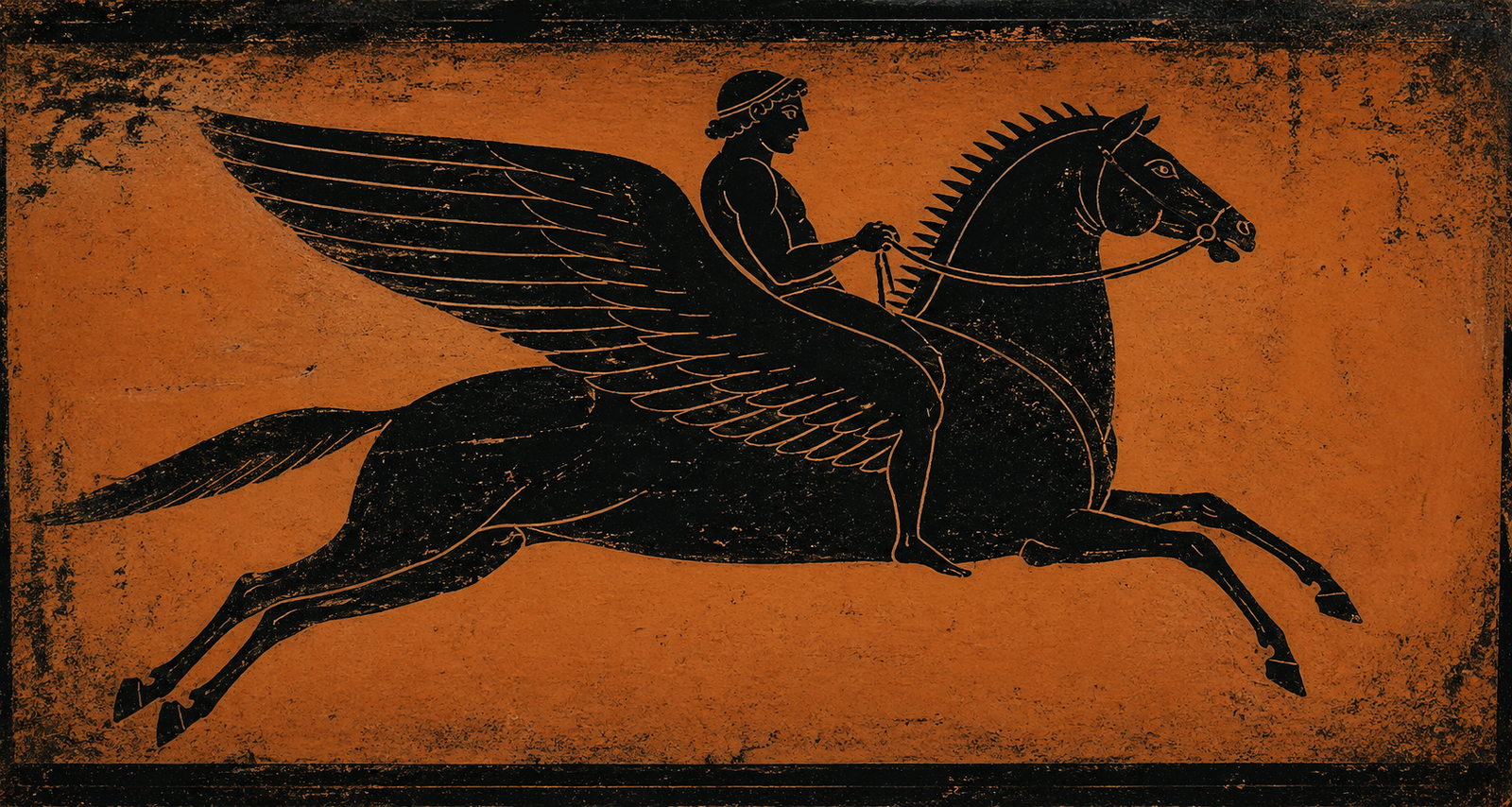

Bellerophon, Pegasus, and the Danger of Borrowed Height
Bellerophon is not only the man who rode Pegasus and fell. Beneath the famous image lies a darker structure: guest-law, written death, divine assistance, and the danger of borrowed height.
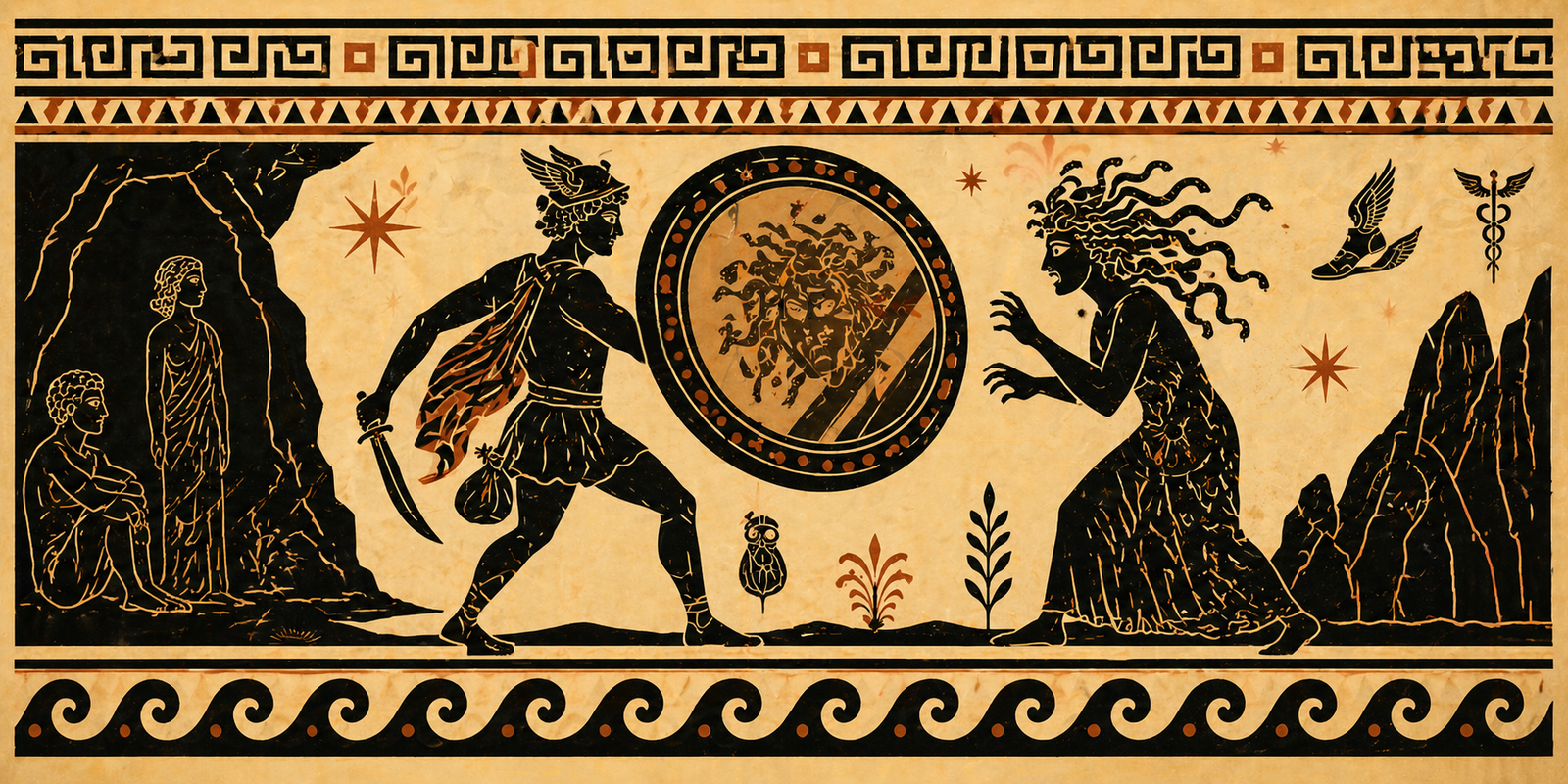

Perseus and the Shield of Athena
A serious children’s Greek myth retelling of Perseus, Athena’s shield, Medusa, and the courage to protect someone loved. Written for The Alexander Series, this tale gives children real danger, clear warmth, divine help, and the old strange wonder of Greek myth without making the story smaller.
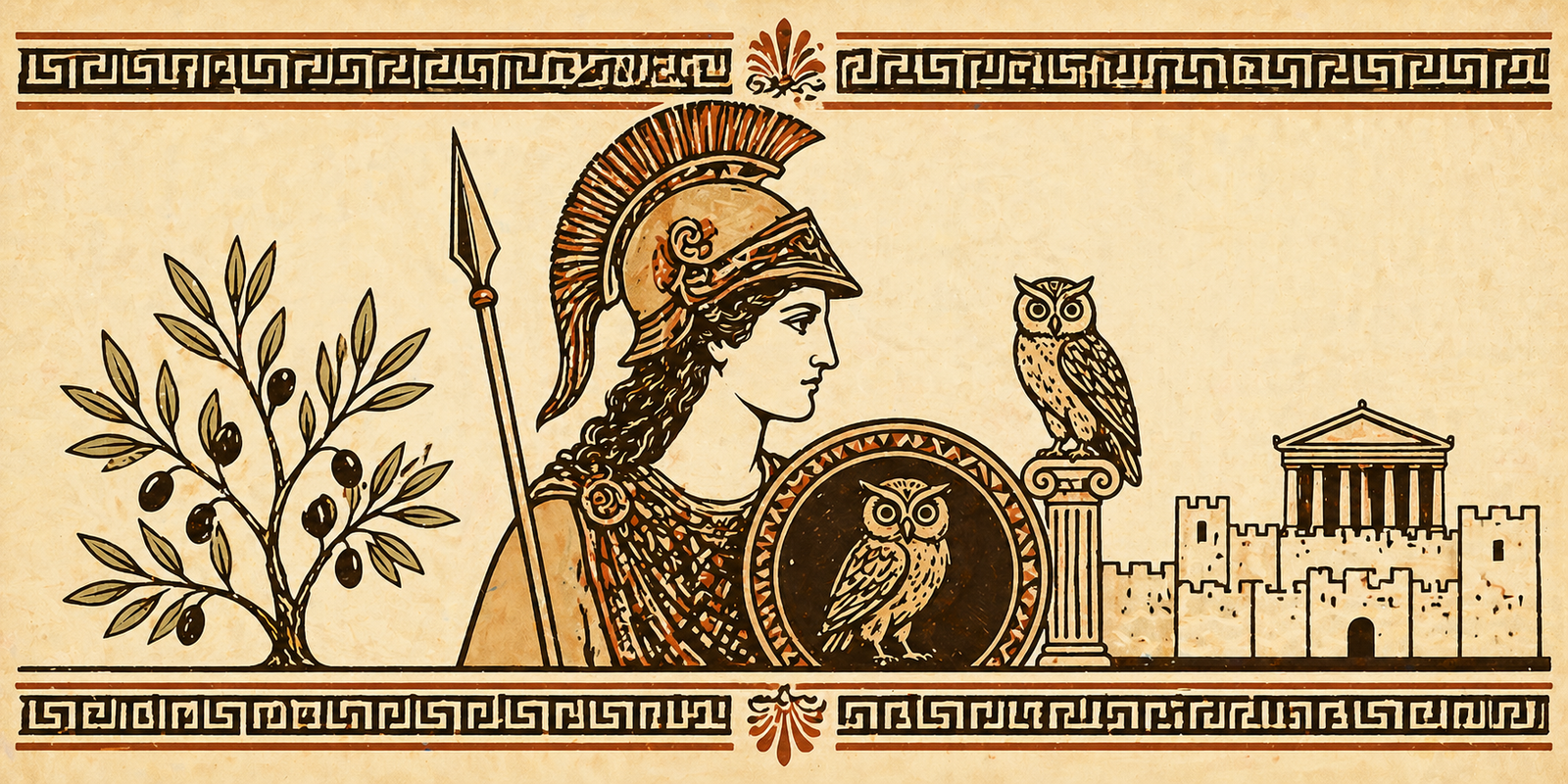

Athena: The Shield, the Owl, and the Courage to Think
Before Perseus meets the Gorgon, a child should know Athena: goddess of wisdom, shields, strategy, owls, olive trees, and courage under pressure. This Greek World entry introduces Athena’s signs and her sharper kind of help — not rescue from danger, but the wisdom to stand inside it without losing one’s mind.

Fires of the Old World XII — The Brother’s Shadow
A grave retelling of Rama, Sugriva, and Valin: brotherhood, kingship, fear, vow, and the hidden arrow. In The Brother’s Shadow, a wrong is answered, a throne begins to turn, and the forest keeps the cost after justice has spoken.

Ariadne — The Shore After Naxos
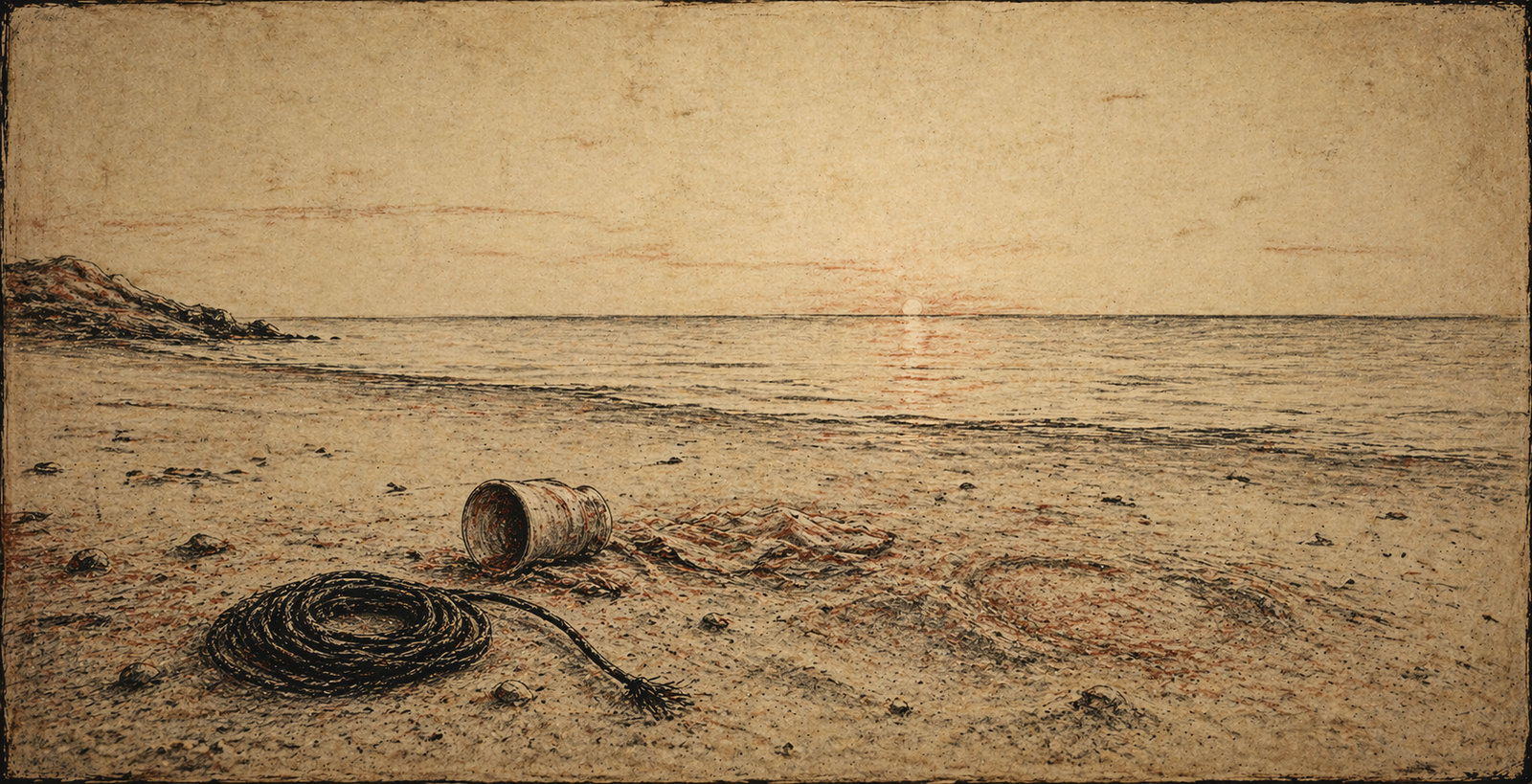
A literary retelling of Ariadne on Naxos from The Hospitable Dark, beginning after the Labyrinth, after the promise, and after the ship has gone. The thread remains in her hand, but the future it bought has already sailed without her.

Cadmus and the Cost of Founding
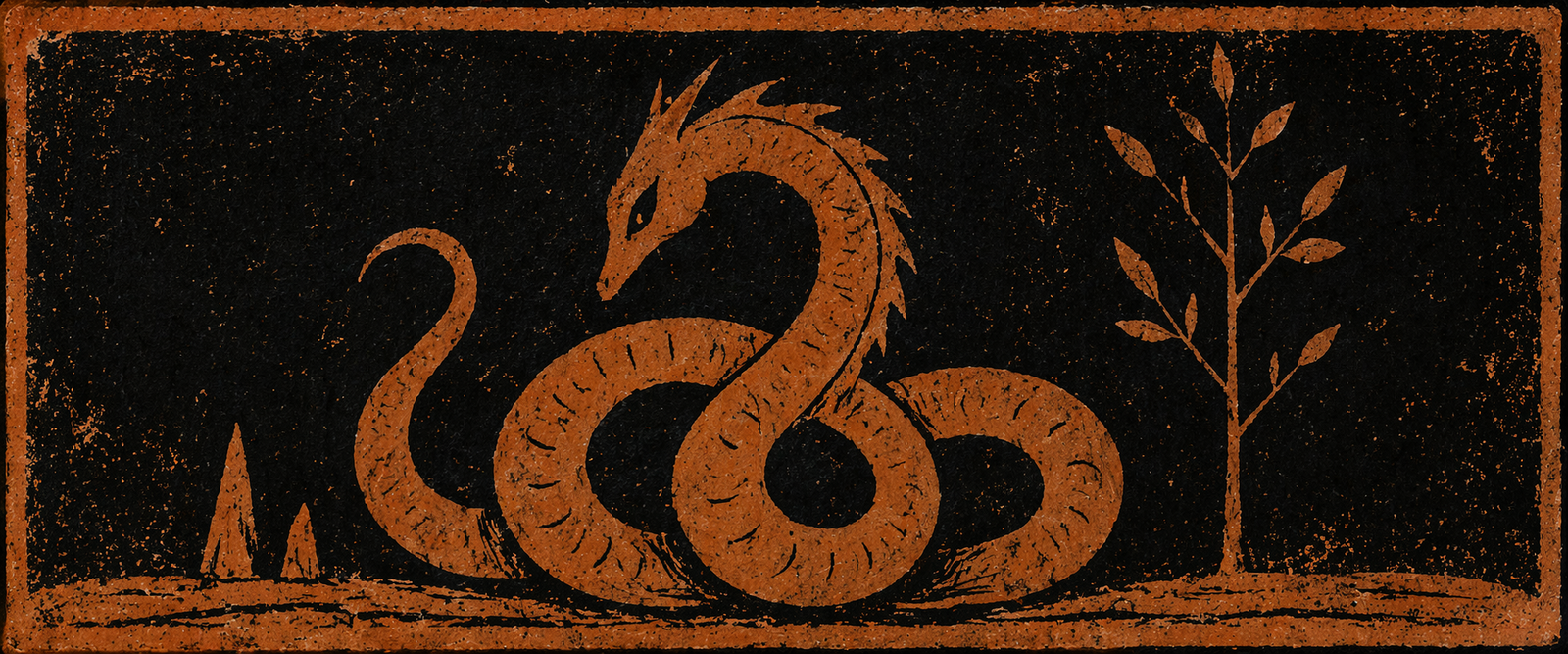
Cadmus is not merely the namesake of the House. He is one of its governing laws: that what is founded on old and violent ground carries its materials forward into the future.

The Silence Gathers
At the edge of evening, the forest releases its last gold. Root, stone, and shadow draw close to one another, almost becoming a single body. Then a small pane of light finds the moss and remains.

Fires of the Old World XI — The Exiled Monkey King
A hearthlit retelling of Rama, Sugriva, Hanuman, and the grief beneath alliance. In The Exiled Monkey King, a frightened ruler hides on Mount Rishyamuka, a brother’s wound remains unproven, and friendship begins when one exile sets down his bow before another.

Demeter and Persephone — The First Winter
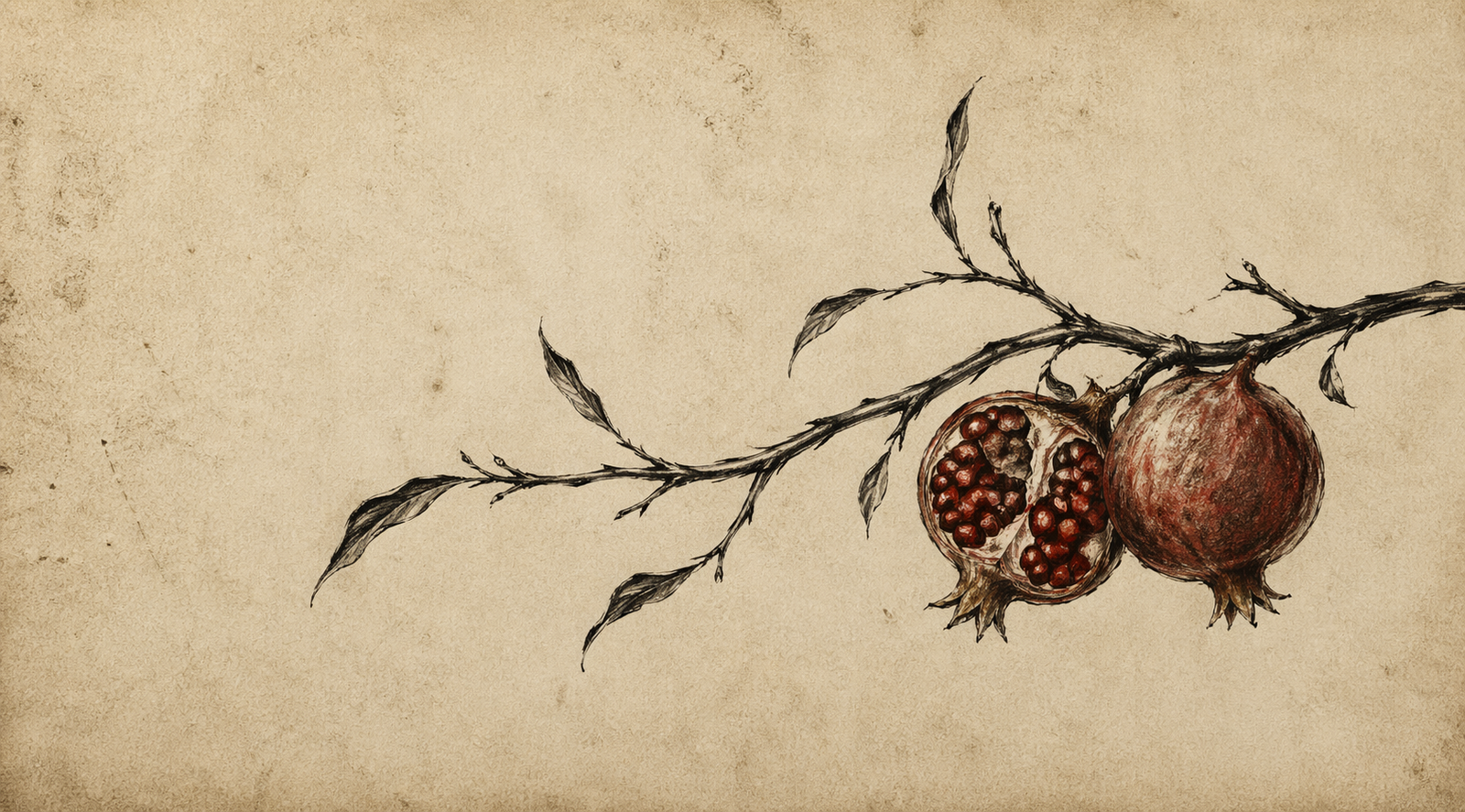
A literary retelling of Demeter and Persephone from The Hospitable Dark, beginning not with theology or seasonal explanation, but with a daughter gathering flowers, a mother’s grief, and the first winter that enters the world when love refuses to consent to loss.

What Cannot Be Finished
A Living Way essay on maintenance, fidelity, recurrence, and the life that must be tended. Lucas Varro asks why the most important things — love, attention, character, grief, understanding — cannot be completed once and for all, but must be returned to with care.

The Graeae — The Sharing of Sight
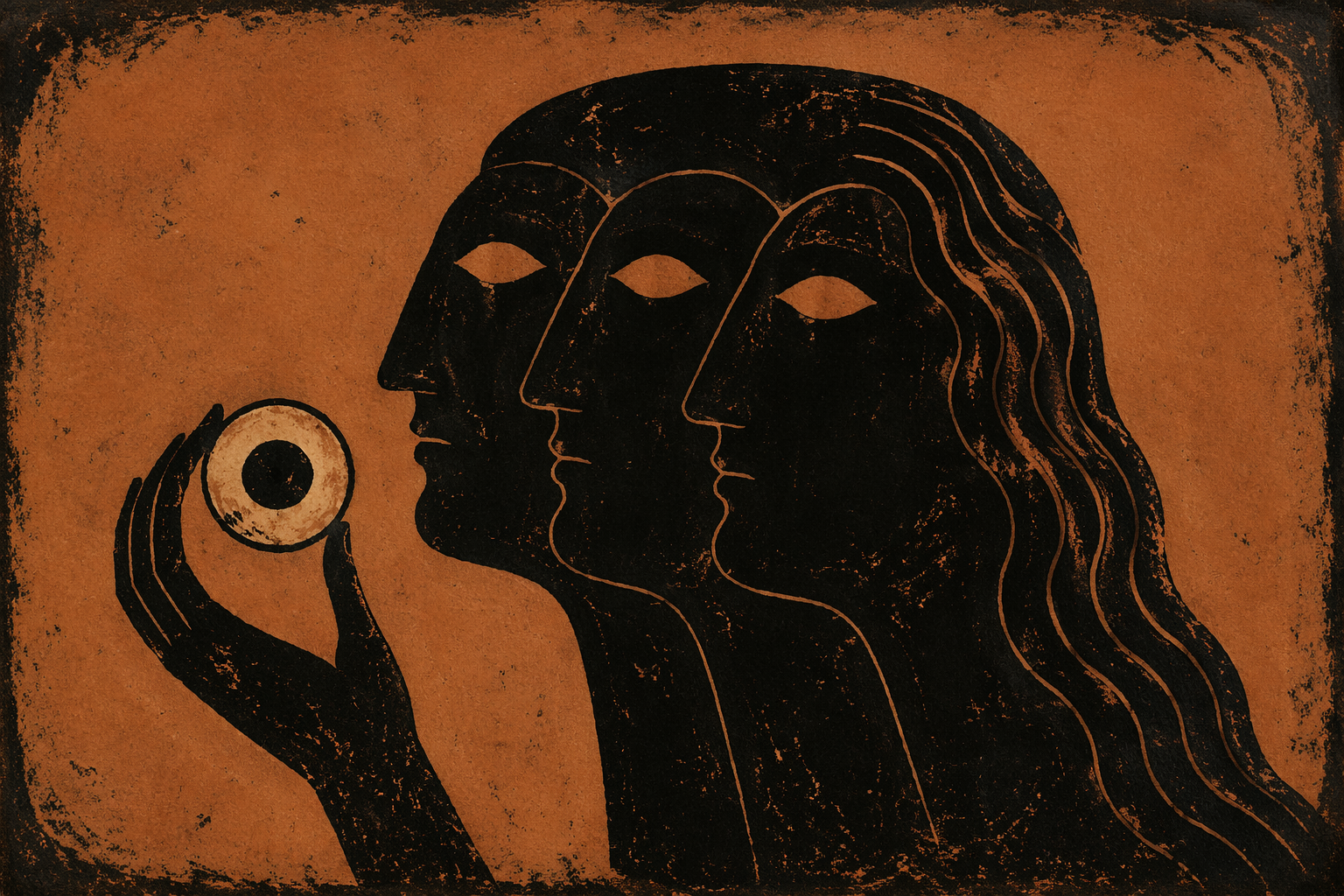
The Graeae possess one eye and one tooth between them. But this First World retelling is not about lack alone. It is about the law of passage: what must be shared, what must cross open space, and what becomes vulnerable when necessity moves from one hand to another.

What It Means to Be Equal to a Place
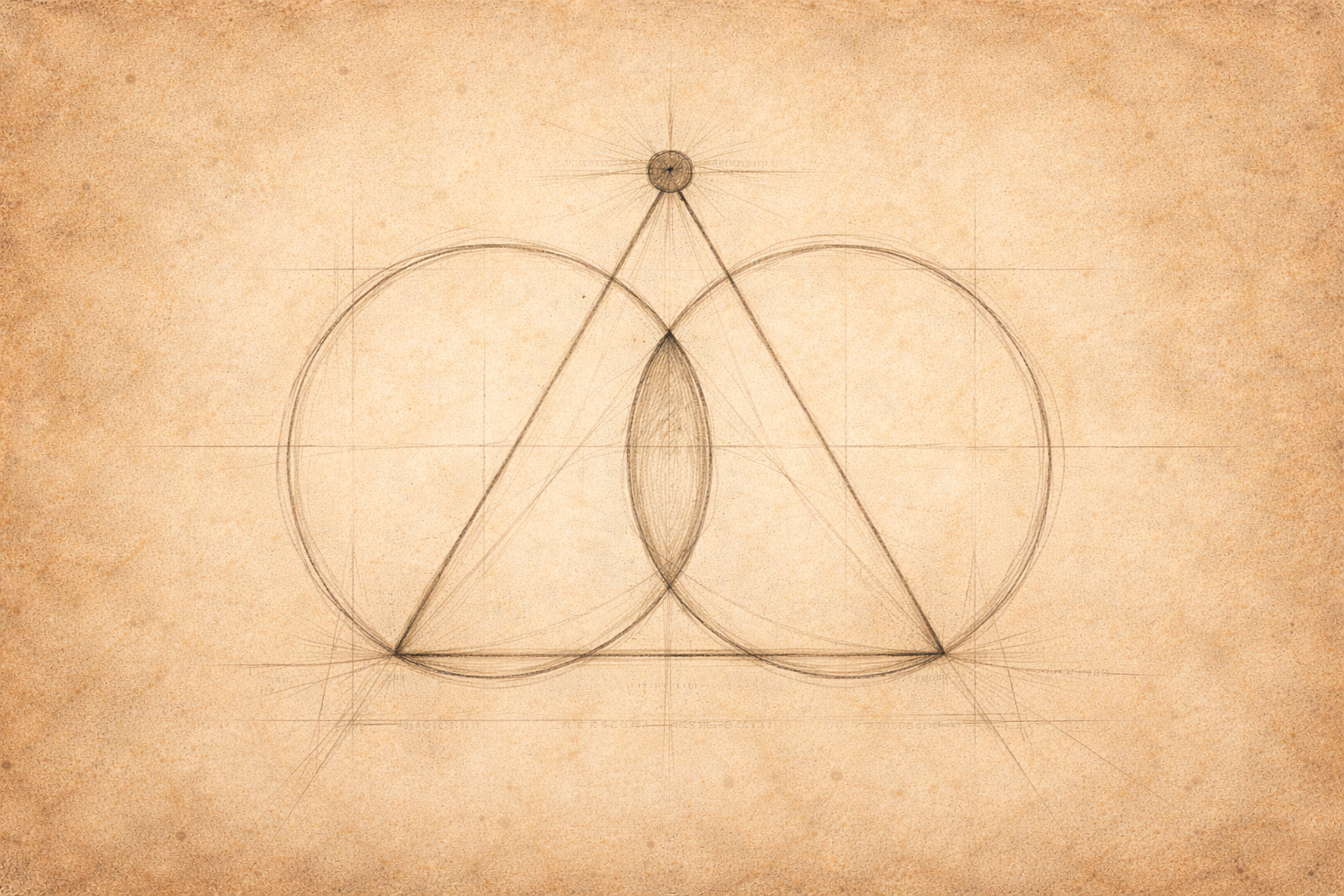
A Living Way essay on Angkor, reverence, proportion, and inward formation. Lucas Varro asks what it means to be equal to a place: not to master or decode it, but to become capable of receiving its greatness without reducing it to one’s own scale.

Fires of the Old World X — The Neckless Hunger
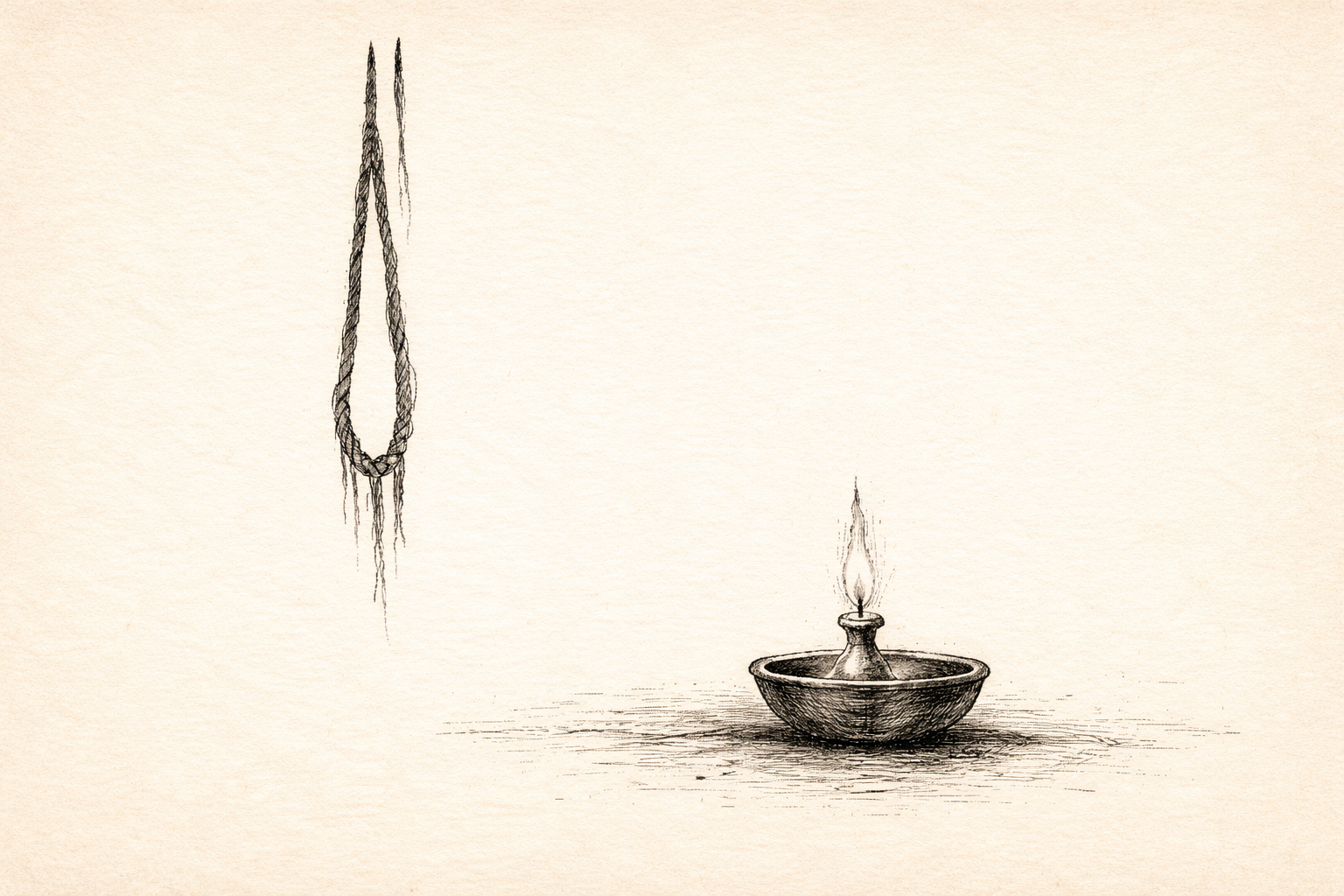
A hearthlit retelling of Rama, Lakshmana, and Kabandha: a road at dusk, a monster without a head, a lamp that does not fail. In The Neckless Hunger, violence opens into release, hunger remembers its buried name, and the southern road begins through fire.

Philemon and Baucis — The Two Trees
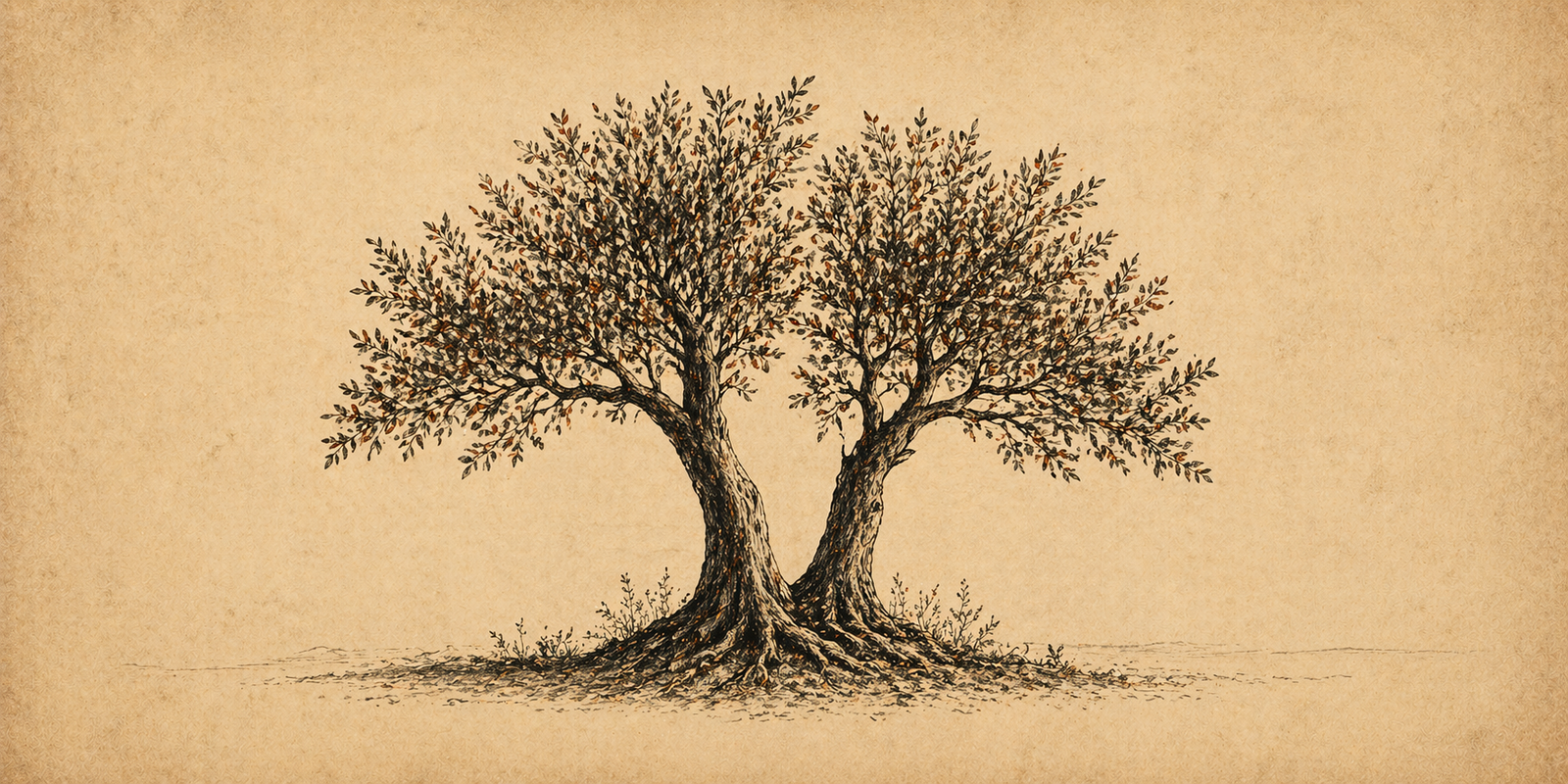
A literary retelling of Philemon and Baucis from The Hospitable Dark, beginning not with miracle or punishment, but with poverty, marriage, and a poor house still capable of welcome. In this old myth, hospitality becomes sacred law, and two lives rooted together are finally given visible form.

The Beautiful Foolishness of Things
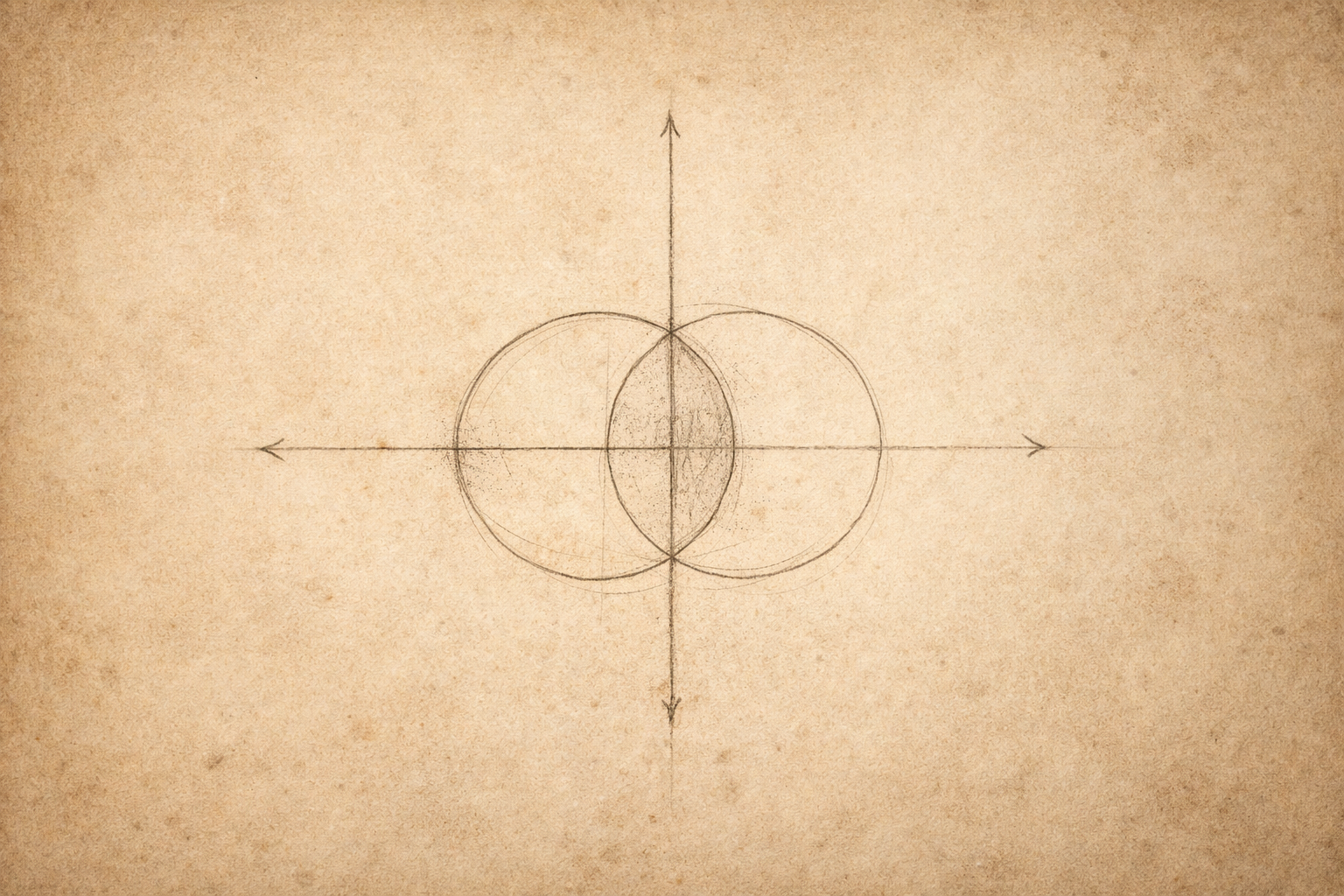
A Living Way essay on imperfection, tenderness, repair, and the humble dignity of ordinary things. Lucas Varro asks what worn objects reveal about care, fidelity, and the fragile beauty of a world that does not need to be flawless before it can be held.
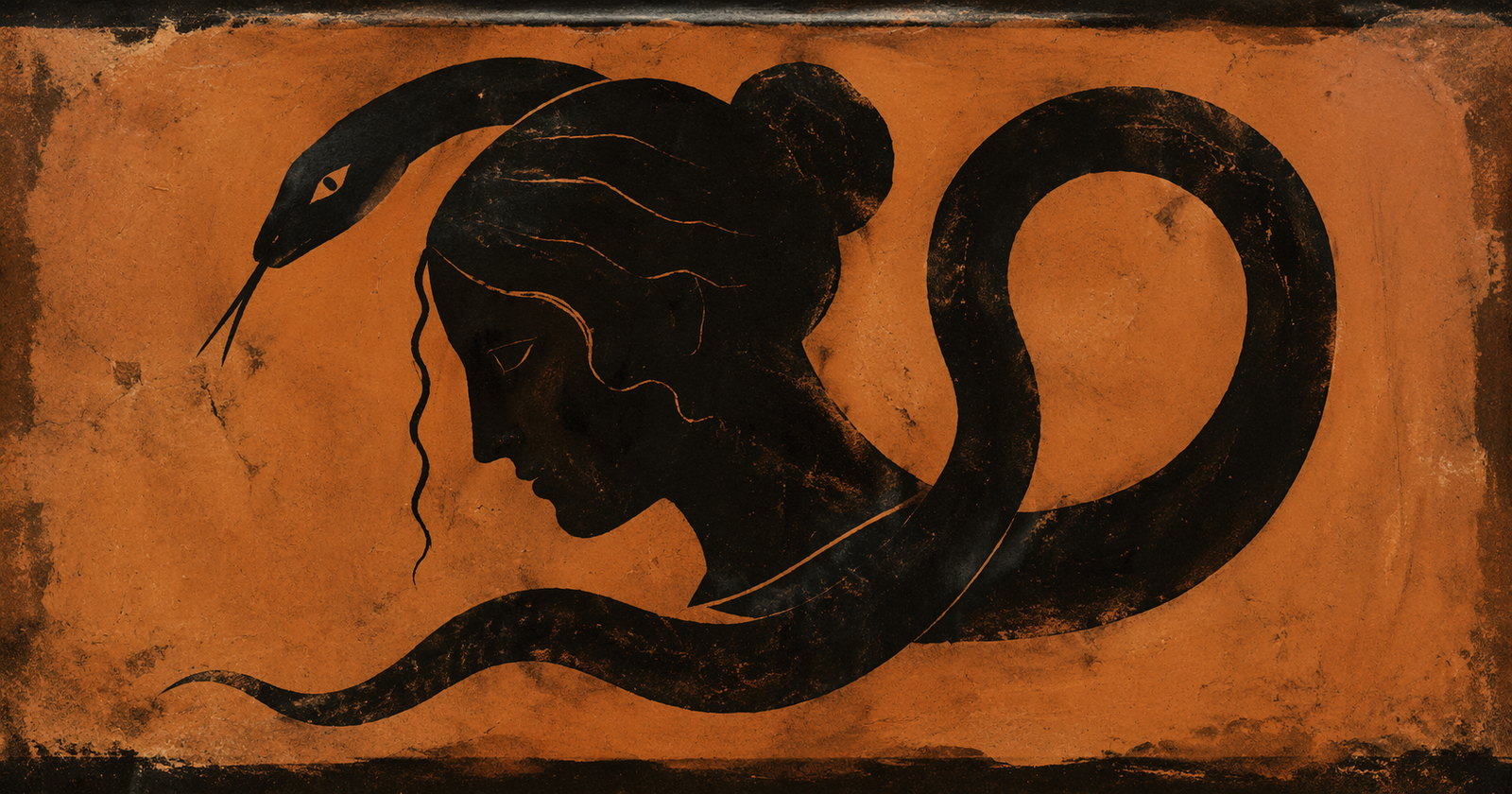

Prometheus — The Fire Under Penalty
Prometheus sees human incompletion hardening into order. To leave fire withheld would also be an act. This First World retelling follows the theft of fire not as sentimental gift, but as passage taken under penalty — an alteration of the mortal world paid for in bound flesh.

The Discipline of Letting a Thing Appear
A Living Way essay on Angkor, attention, patience, and the discipline of perception. Lucas Varro asks what it means to let reality appear without forcing it into immediate use — and why some truths, places, and presences become available only to restraint.