

What Light Remembers
The light was already waiting.
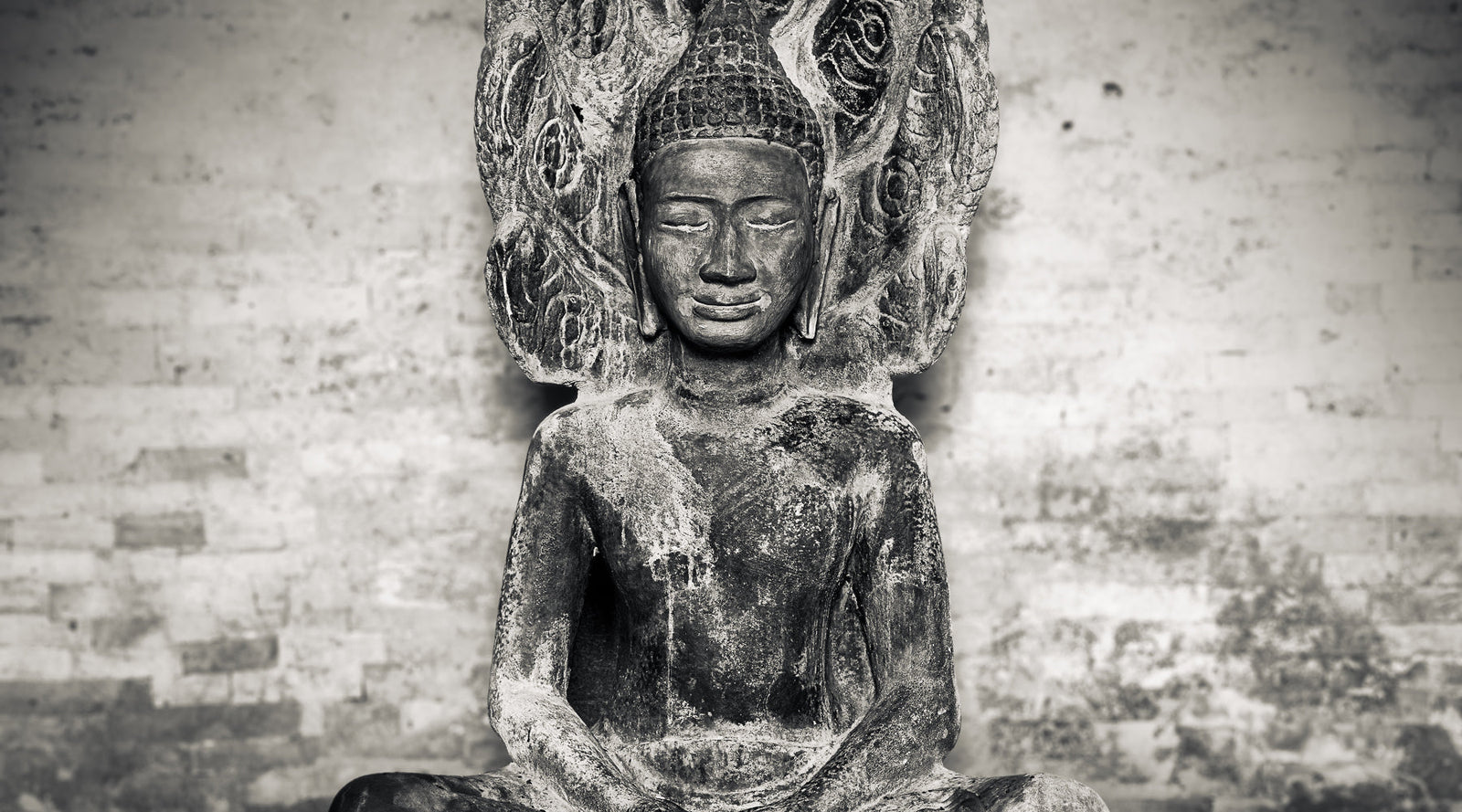
It touched the Buddha’s chest without revealing him. A gesture without insistence. A kind of reverence.
The serpent’s hood rose above like a curved breath—its silence shaped in sandstone, its stillness more vivid than the air. No birds moved. No shadows slipped.
In that unmoving, something opened. Not toward understanding, but toward presence.
I framed the image slowly. The exposure long. As if light itself had to remember what it was becoming. I did not adjust—I yielded.
Later, in the studio, I shaped the image by hand, letting shadow do what it knows best: speak without sound.
The film held the silence. The hand-toning returned its warmth.
The Buddha never moved. But I did. A little closer to what light remembers.
The poem followed. Not like a caption. But like a prayer:
The stone does not forget.
It softens.
It deepens.
It cradles what was once light
and gives it back as presence.What coils above is not defence—
but grace in spiral form,
shelter made visible.And the Buddha?
He listens still,
not for sound,
but for what comes after it.He does not open his eyes.
The world has already entered.
More from the Library

See Also
A concise and impartial dictionary of absence, promises, quarrels, ordinary objects, and the troublesome instability of words.

The City of Service
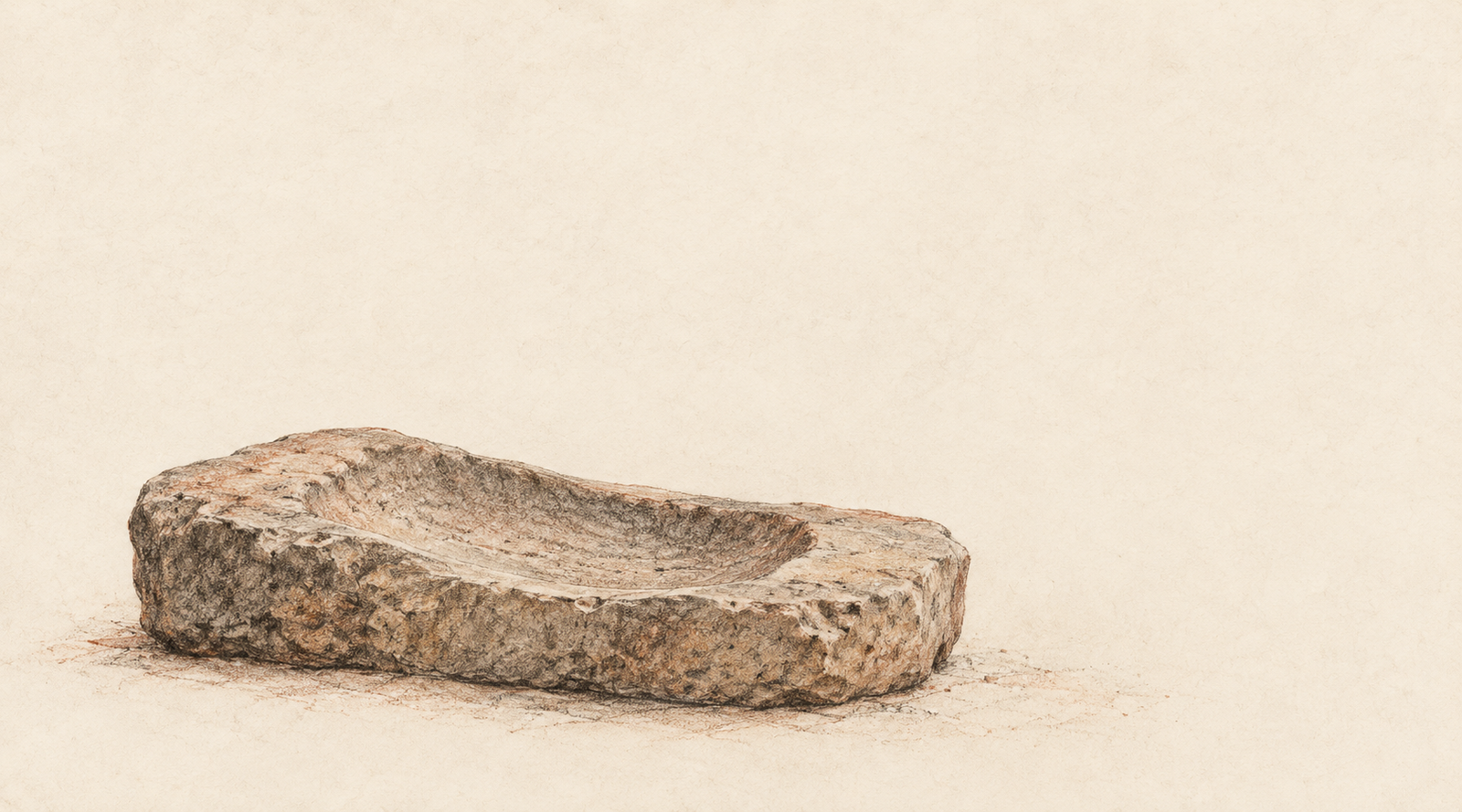
The temple we inherit is a building from which almost all necessity has been removed. Nothing must be brought for it to continue being what we call a temple. The sanctuary asks nothing of us. Stone is good at this kind of independence.
A living temple was otherwise.
Water had to come in. So did grain, cloth, oil, aromatic substances, fuel. The things required for worship arrived because someone carried them across a threshold.

Houses of Wood, Light, and Smoke
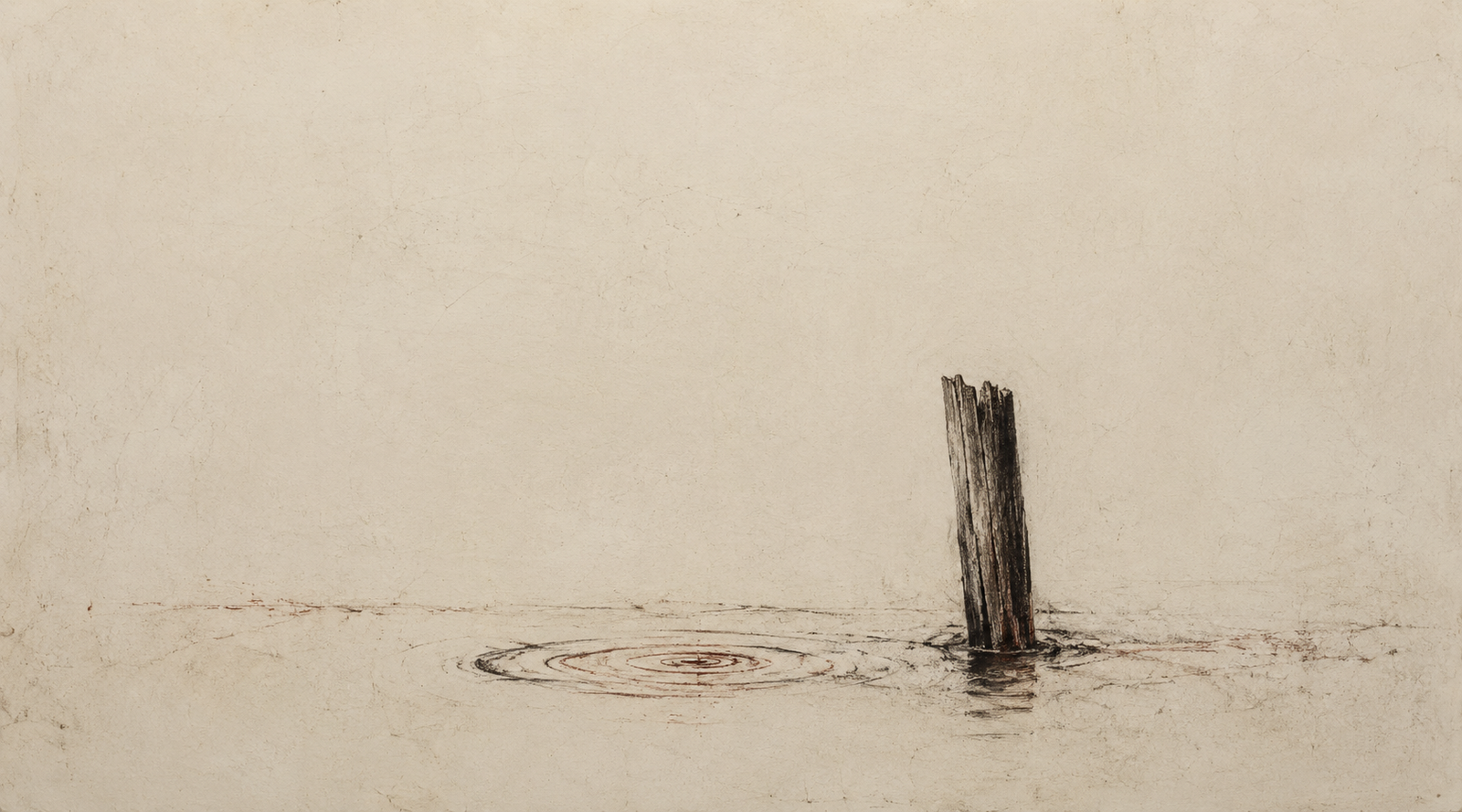
Some of Angkor’s most intimate ruins do not rise above the ground at all. They are postholes, low mounds, hearths and ponds: durable traces of a domestic city built largely from things that decay. To restore that city is to see Angkor not only as stone, but as wood, smoke, water, repair, and people living within calling distance.

$895
East Mebon Temple, Angkor, Cambodia — 2020
Limited Edition Archival Pigment Print
Edition
Strictly limited to 7 prints + 2 Artist’s Proofs
Edition Number
This listing is for the first numbered print from the Large Collector Edition: 1/7
Medium
Hand-toned black-and-white archival pigment print on Hahnemühle Bamboo — a museum-grade fine art paper chosen for its quiet tactility and reverent depth, echoing the spirit of the temples.
Signature & Numbering
Each print is individually signed and numbered by the artist on the border (recto)
Certificate of Authenticity
Accompanies every print
Image Size
28 x 28 inches (71.1 x 71.1 cm)
A Buddha rests in the sanctum of East Mebon Temple, still beneath the hooded coil of a naga. The stone is weathered. The light, faint. And yet, something here endures—not in form, but in stillness.
This is not the stillness of death, but of shelter. A breath held in stone. A silence that has chosen to remain.
Captured on medium-format black-and-white film, the exposure was slow, shaped more by reverence than composition. In the studio, chiaroscuro techniques guided the image’s depth and dimension. Each print was hand-toned to echo the warmth and inwardness felt in the moment of capture.
This signed and numbered work is printed as an archival pigment print on museum-grade Hahnemühle Bamboo paper, offered in a strictly limited edition of 25 with 2 Artist’s Proofs. The print holds not only image, but presence—a quiet companion for spaces of reflection.
To welcome this image is to allow stillness to shelter the light in you.
Click here to explore the Artist’s Journal and enter the silence.