

The Rabbit and the Elephant
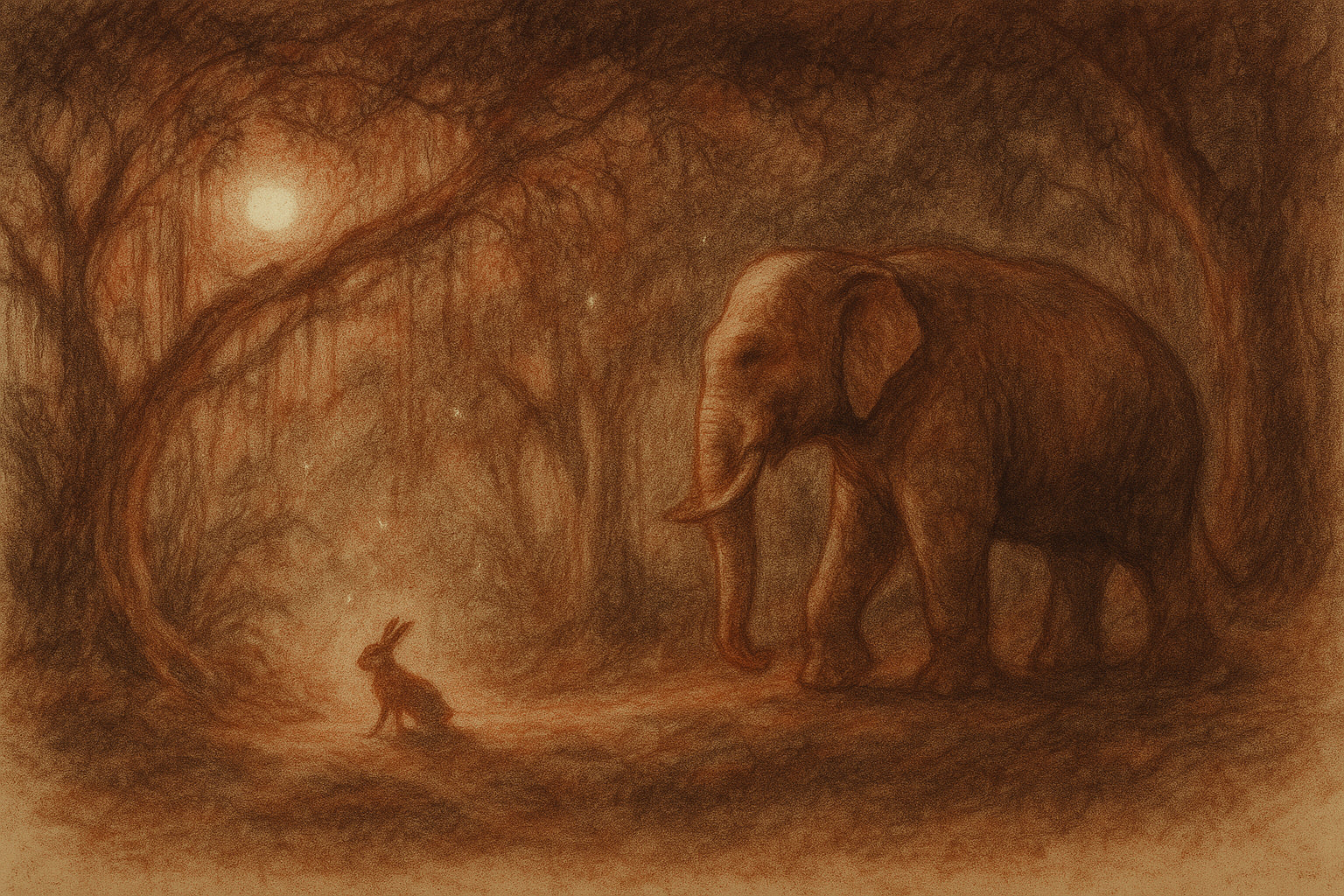
“The elephant knelt before the moon in a pool that did not ripple.”
There was a time when the forest trembled—
not with wind,
but with footsteps.
He came with thunder in his heels,
this great elephant,
born with tusks pale as moonlight
and a voice that cracked the branches.
The trees parted when he passed.
The monkeys hushed.
The deer stilled their hearts.
Even the clouds took care not to shadow him.
He was not cruel, this elephant—only proud.
And proud beasts often forget
how much silence the world requires
to keep breathing.
He claimed the choicest banyan groves,
splashed through sacred ponds,
and drank where the tiger dared not.
Birds whispered in the branches:
He is too big for the world.
But none dared confront him.
None but the rabbit.
The rabbit was small—not only in size,
but in presence.
He passed through the forest like a shadow between leaves.
He watched.
He listened.
And when the elephant’s boasting grew so loud
that even the wind turned away,
the rabbit quietly made a plan.

One evening, when the air was soft
with moonlight and jasmine,
the rabbit stepped onto a path
where he knew the elephant would walk.
The elephant looked down, surprised.
“Little one,” he rumbled,
“why do you stand in my way?”
The rabbit bowed.
“I do not block your path, great one.
I bring a message.”
The elephant lifted his head.
“A message? From whom?”
“From the Moon.”
The forest fell still.
“She is angry,” said the rabbit, gently.
“You have trampled her reflection
in her sacred pond.
You have stirred waters meant for silence.
She asks that you come and kneel,
if you wish her favor to return.”
The elephant shifted.
“I meant no harm.
I did not know.”
“She knows,” said the rabbit.
“Follow me.”

Through winding paths
and sleeping vines,
the rabbit led the elephant
to a hidden clearing
where a still pond lay
in perfect quiet.
The moon floated on its surface—
whole,
unbroken,
watching.
“There,” whispered the rabbit.
“See how she shines?”
The elephant gazed into the water.
And in that silver gaze,
he saw not only the moon—
but himself.
Large.
Restless.
Proud.
For the first time,
he felt the stillness of the world
without him in it.
He knelt.

The pond did not ripple.
The moon did not blink.
And in that moment,
something shifted.
The elephant bowed—
not to a god,
not to a rabbit,
but to a truth he had forgotten.
From that night on,
he walked softer.
He listened to birdsong.
He let the deer pass.
And when he drank,
he left the center of the pool undisturbed,
so the moon could continue watching.
As for the rabbit,
he said nothing.
He simply returned
to the shadows beneath the leaves—
where stories begin
and end
in silence.
Some say the moon still remembers that night.
Some say she watches for such moments always.
And if you come to a still pond beneath a silver sky,
you may yet see an elephant kneeling.
—
Receive the next work
Subscribe free to receive new work from the Lucas Varro Library by email.
More from the Library

Houses of Wood, Light, and Smoke
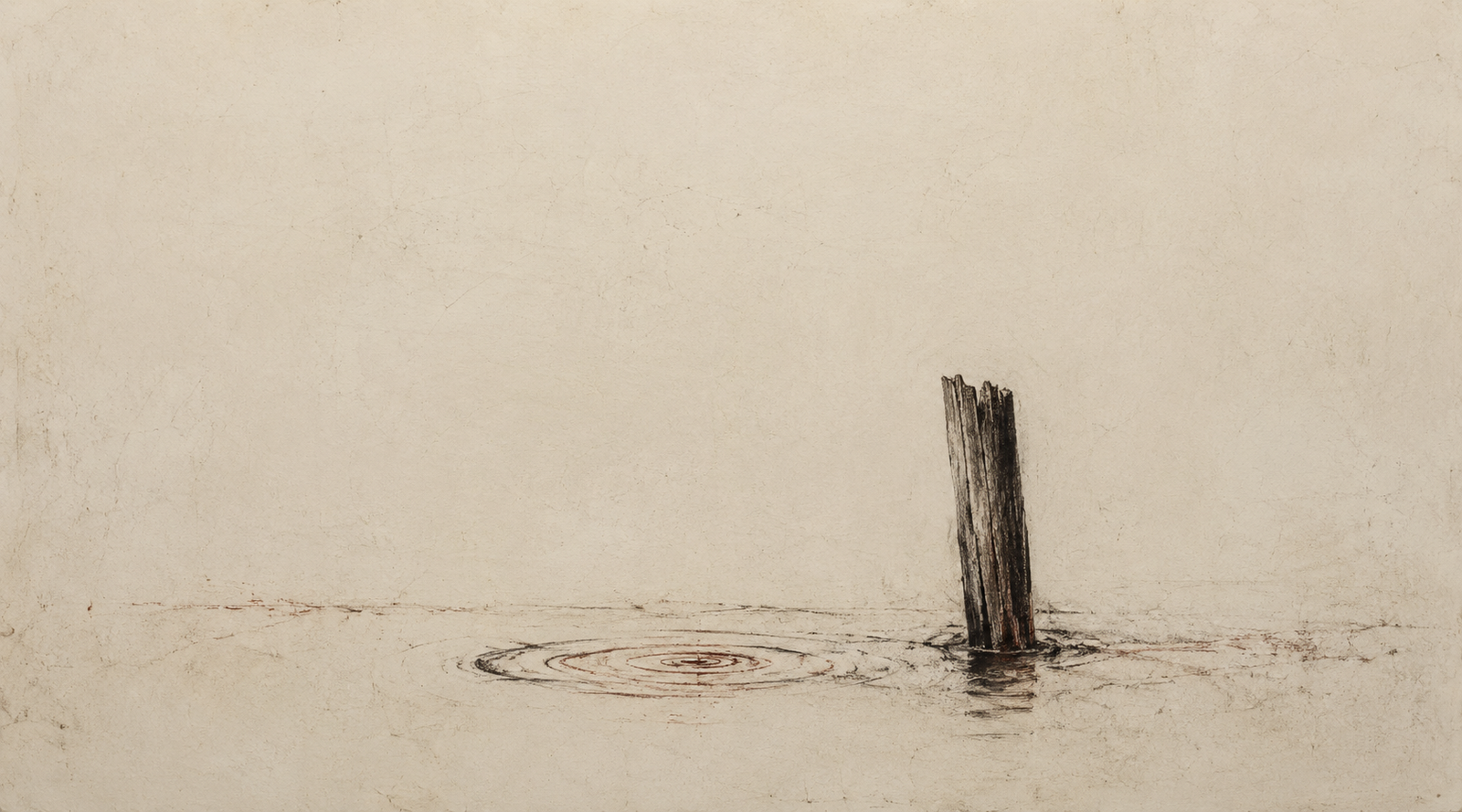
Some of Angkor’s most intimate ruins do not rise above the ground at all. They are postholes, low mounds, hearths and ponds: durable traces of a domestic city built largely from things that decay. To restore that city is to see Angkor not only as stone, but as wood, smoke, water, repair, and people living within calling distance.

What Stone Brings Forth
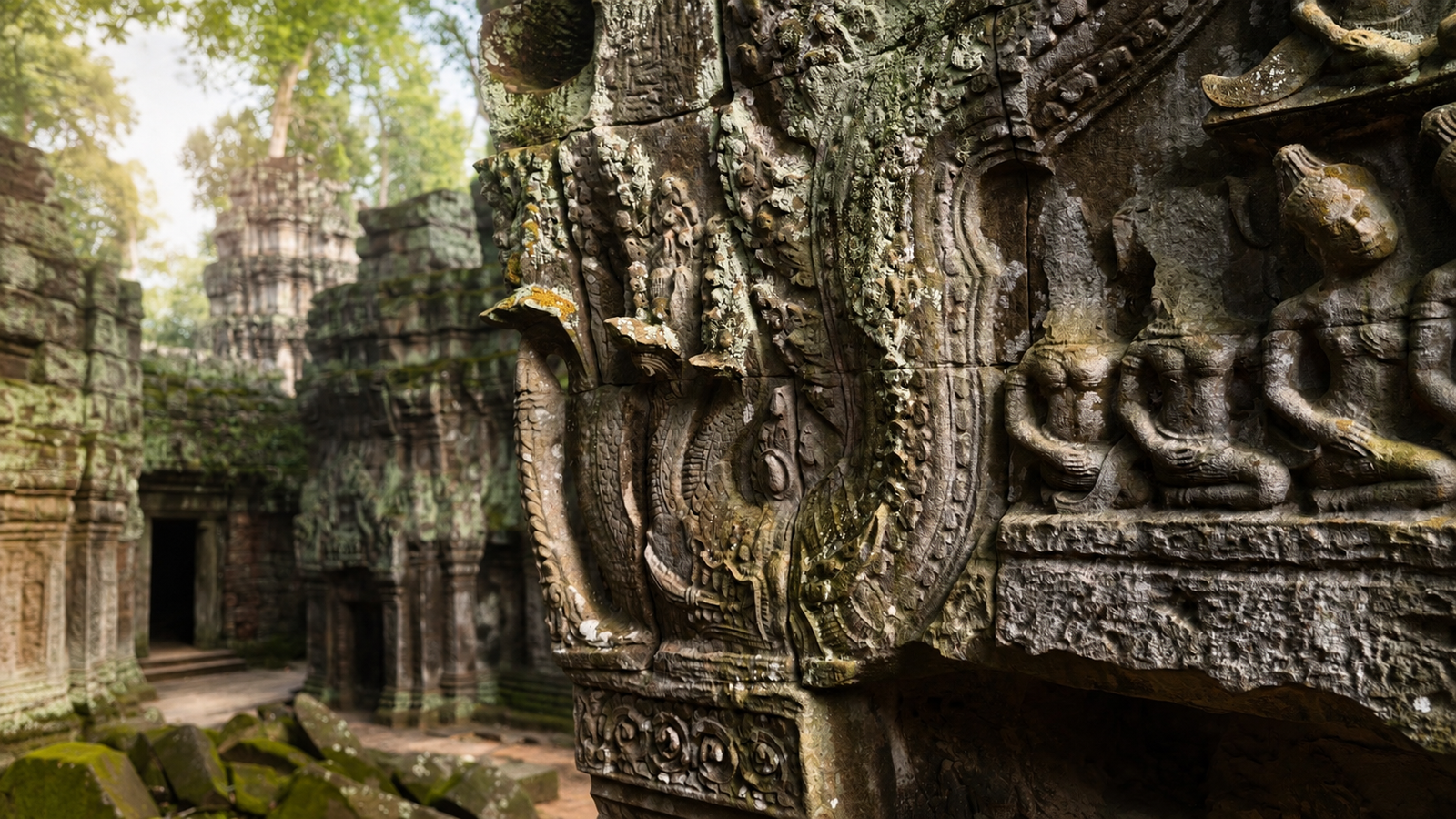
I had mistaken a gift for something being expelled.
Beneath the nāga's mouth, a stone garland descended bead by bead. Nearby, a makara opened its jaws and another form emerged. Looking closer, the whole temple began to change: serpent became ornament, ornament became architecture, architecture became foliage.
The forest did not introduce this language.
It answered it.

The Eighth Daughter
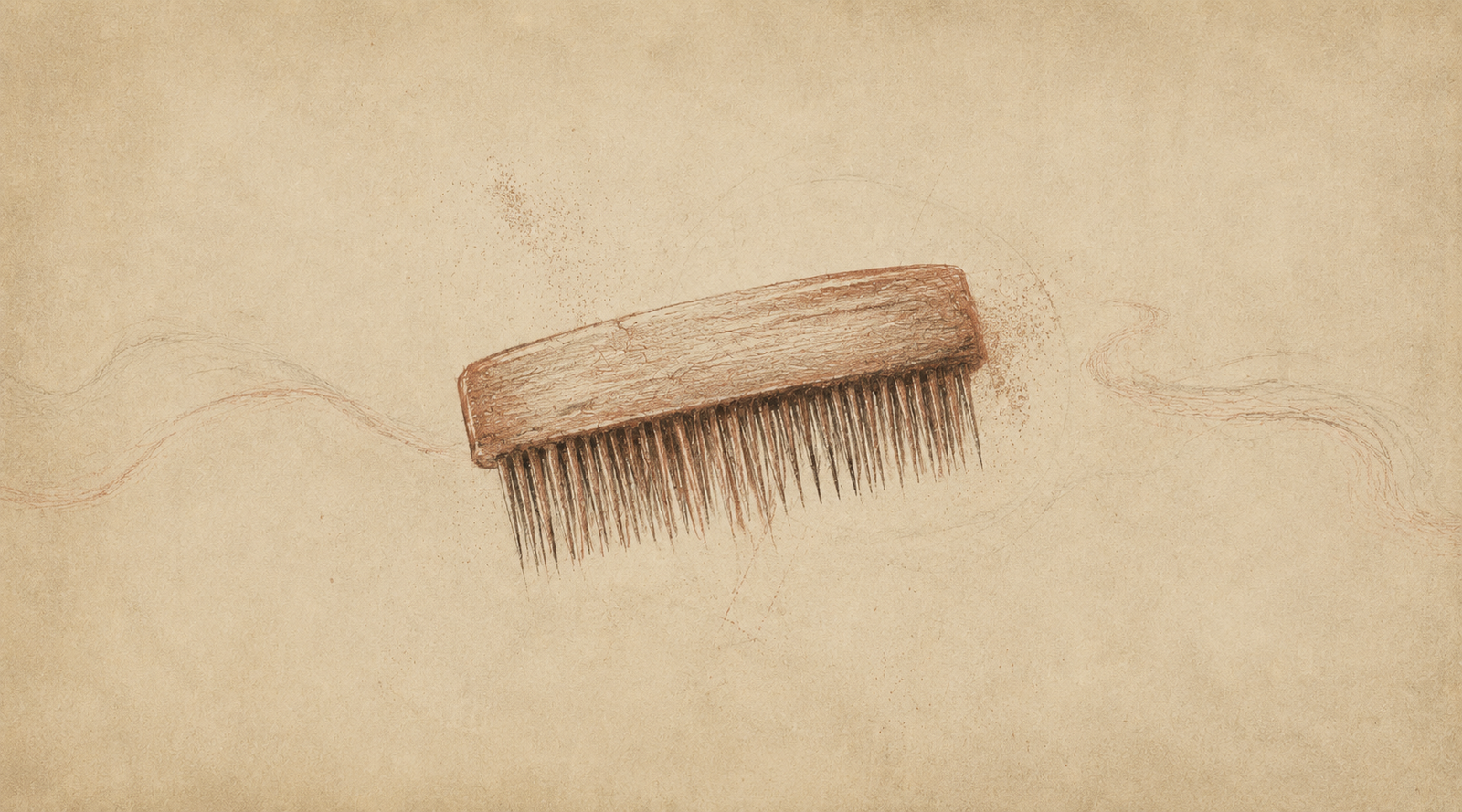
Seven daughters have already been taken by Yamata-no-Orochi when Susanoo reaches the River Hi. Only Kushinada-hime remains. The Eighth Daughter retells the Kojiki episode through a family’s waiting, a girl transformed into a comb, and the patient preparation for the serpent’s return.