
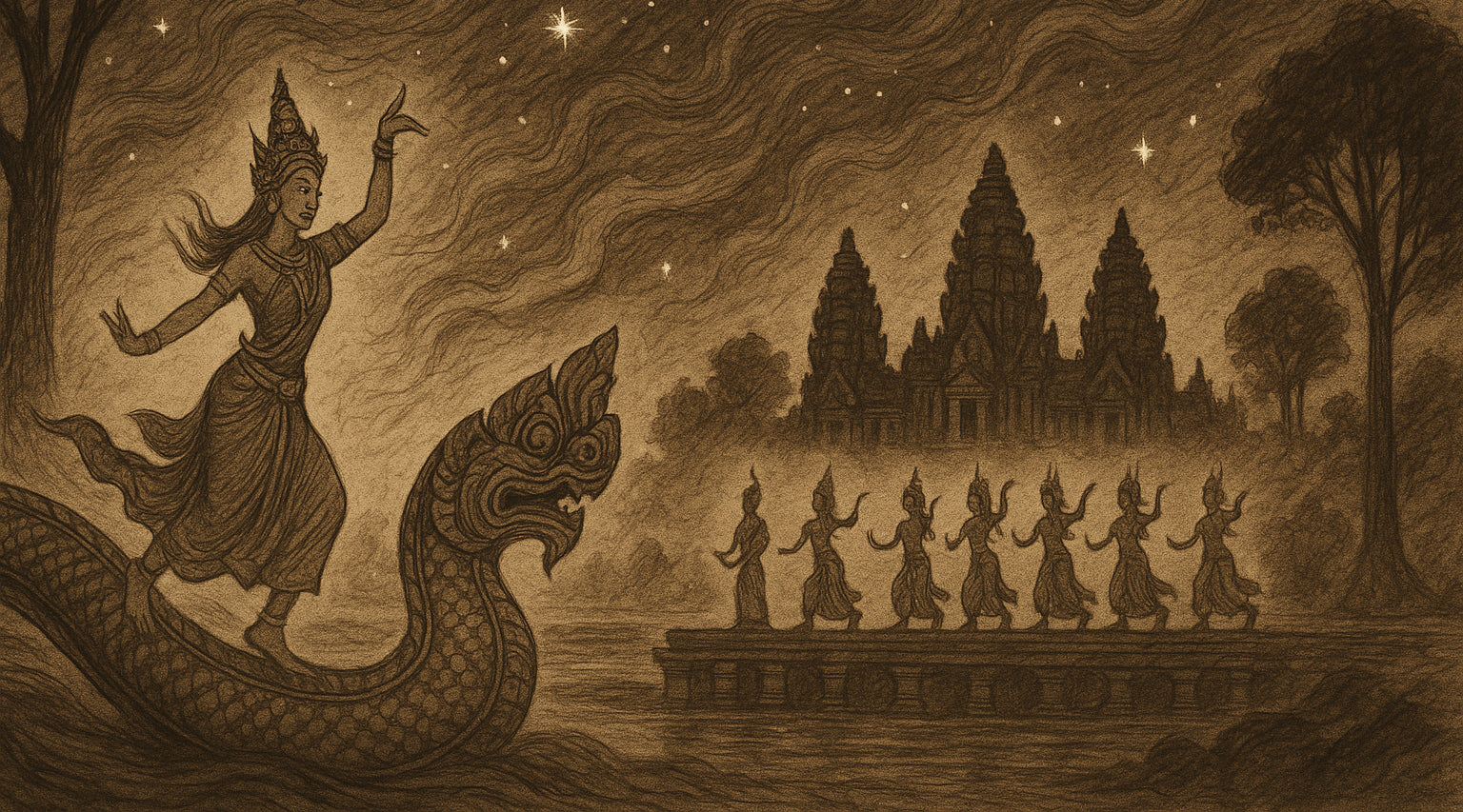

A Threshold of Stone and Soul: Entering the Sanctuary of Meaning
There are places on this earth whose stones remember the language of light, whose silent walls keep watch over mysteries deeper than history. Angkor is such a place—an ancient sanctuary where stone speaks, not with words, but in whispers of cosmic order, spiritual devotion, and profound human longing.
Sanctuary of Meaning is a compendium of luminous, contemplative essays that journey into the quiet heart of Angkor. More than historical interpretation or architectural observation, these writings trace the unseen bridges that link stone and soul, structure and story, myth and meaning. Each piece is a meditative pilgrimage—pausing at thresholds, wandering beneath lintels, listening to the breath of moss-covered stone.
To walk these temples is to enter a sacred text. Every bas-relief is a stanza carved in shadow. Every tower, a sacred axis. Every causeway, a bridge between realms. These essays invite you to read the temples not as crumbling monuments, but as living mandalas—shaped by ancient hands, guided by celestial geometry, and sanctified through centuries of devotion.
As a spiritual and aesthetic companion to the Spirit of Angkor photographic series, this written offering deepens the resonance of each image. Word and image together unveil Angkor not simply as a place, but as a state of being—timeless, symbolic, and luminous with presence.
You are warmly invited to step into this sanctuary of meaning. May it quiet your thoughts, stir your wonder, and return you, again and again, to the still centre where stone remembers light.
—
Receive the next work
Subscribe free to receive new work from the Lucas Varro Library by email.
More from the Library


See Also
A concise and impartial dictionary of absence, promises, quarrels, ordinary objects, and the troublesome instability of words.
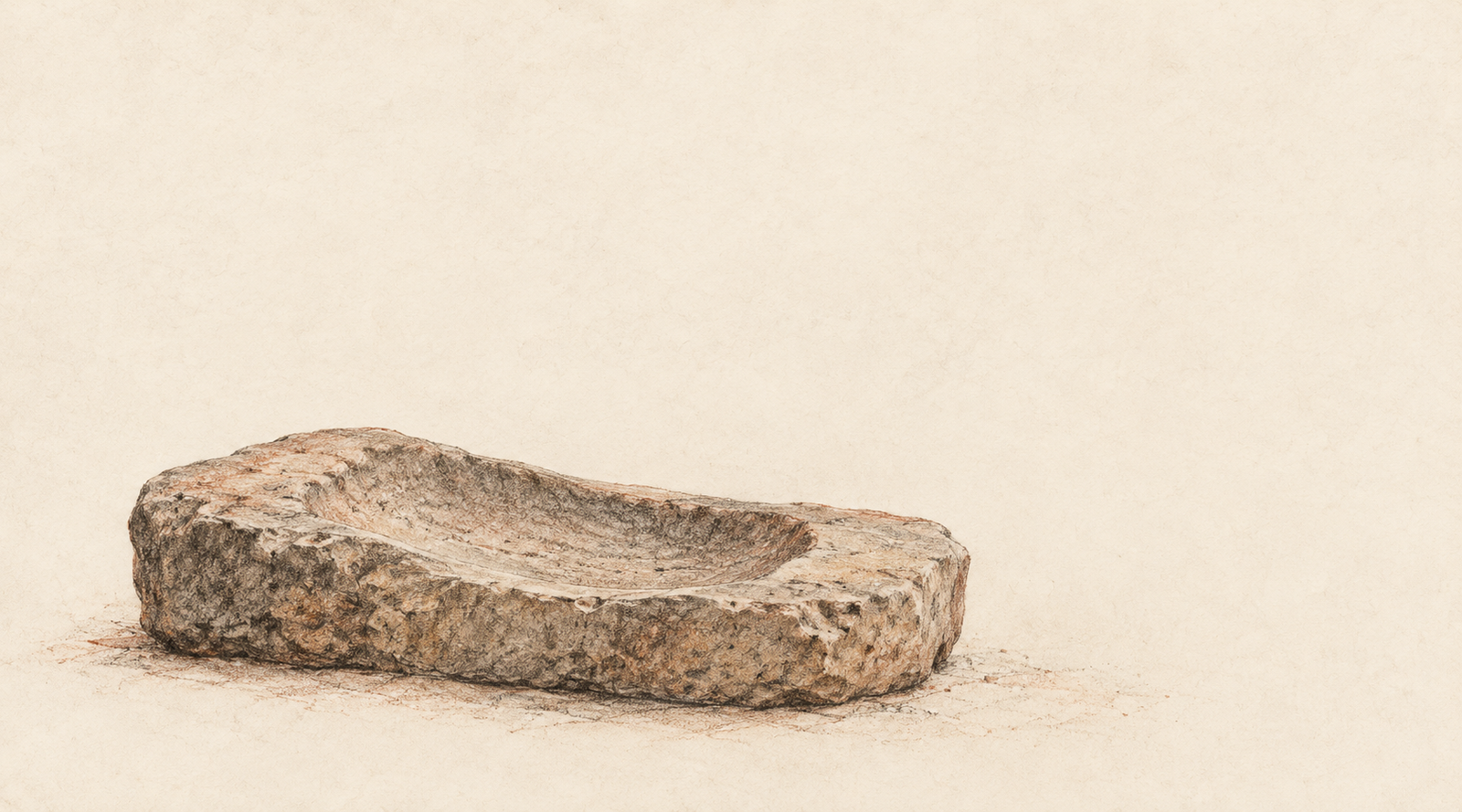

The City of Service
The temple we inherit is a building from which almost all necessity has been removed. Nothing must be brought for it to continue being what we call a temple. The sanctuary asks nothing of us. Stone is good at this kind of independence.
A living temple was otherwise.
Water had to come in. So did grain, cloth, oil, aromatic substances, fuel. The things required for worship arrived because someone carried them across a threshold.
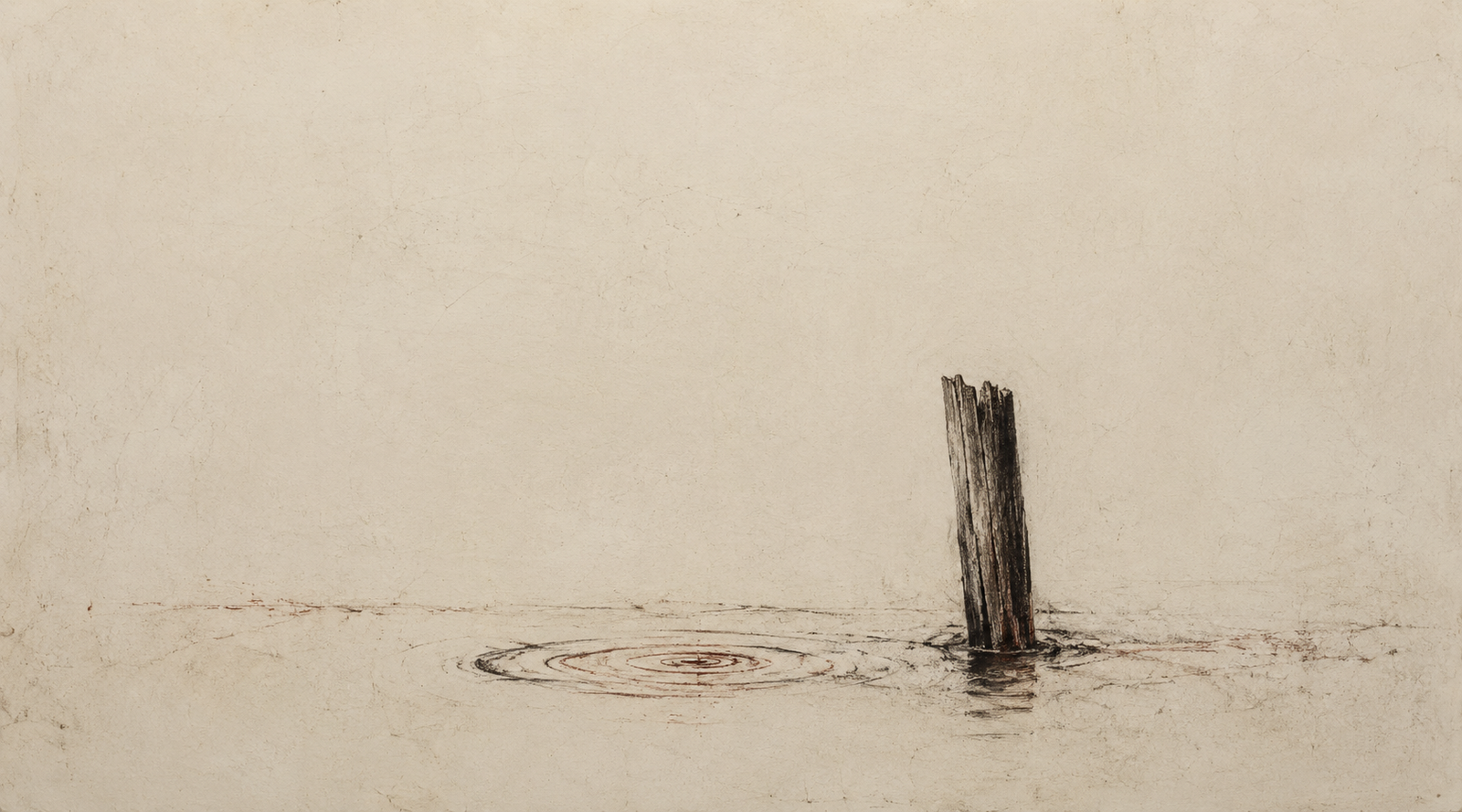

Houses of Wood, Light, and Smoke
Some of Angkor’s most intimate ruins do not rise above the ground at all. They are postholes, low mounds, hearths and ponds: durable traces of a domestic city built largely from things that decay. To restore that city is to see Angkor not only as stone, but as wood, smoke, water, repair, and people living within calling distance.