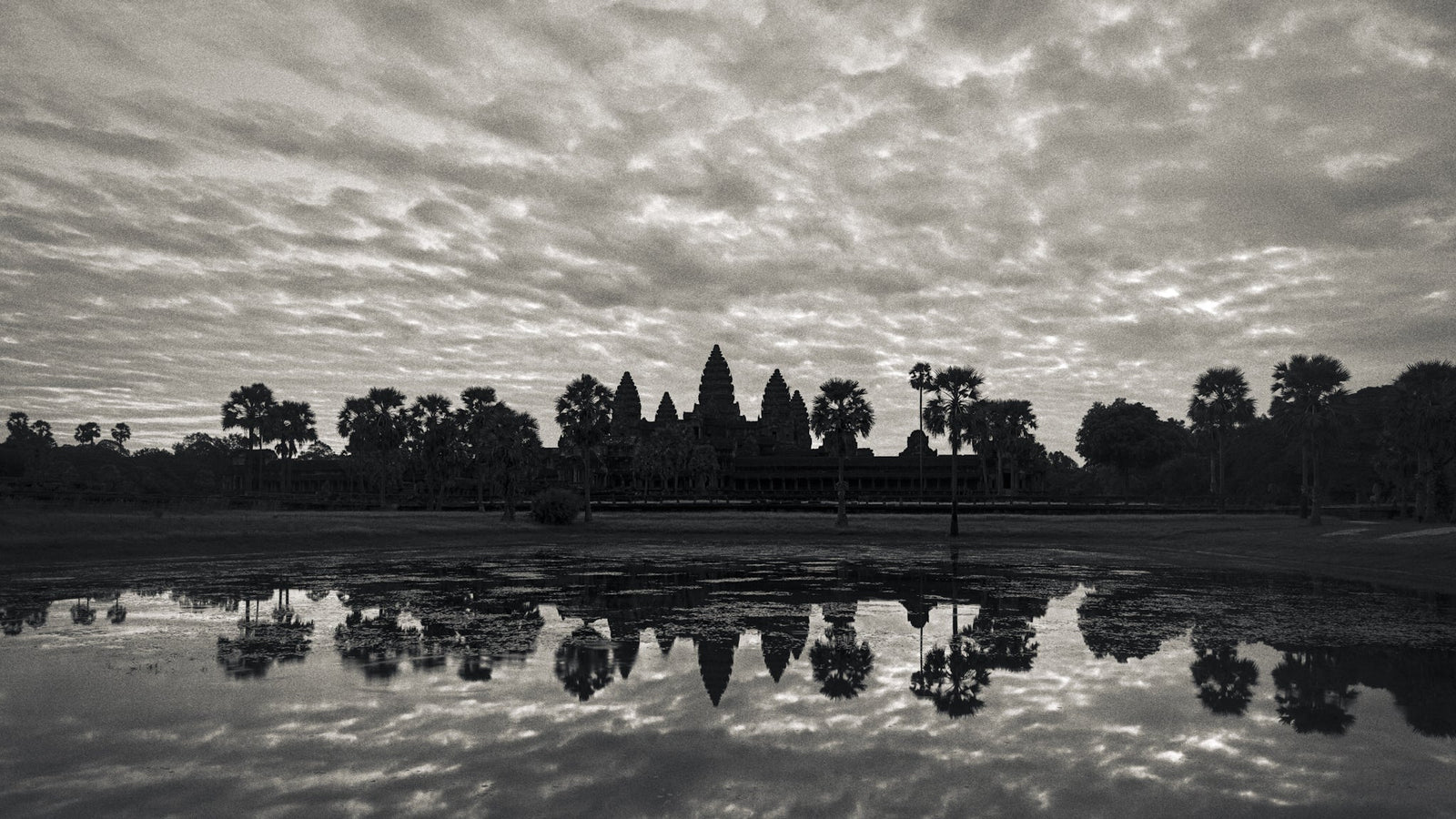
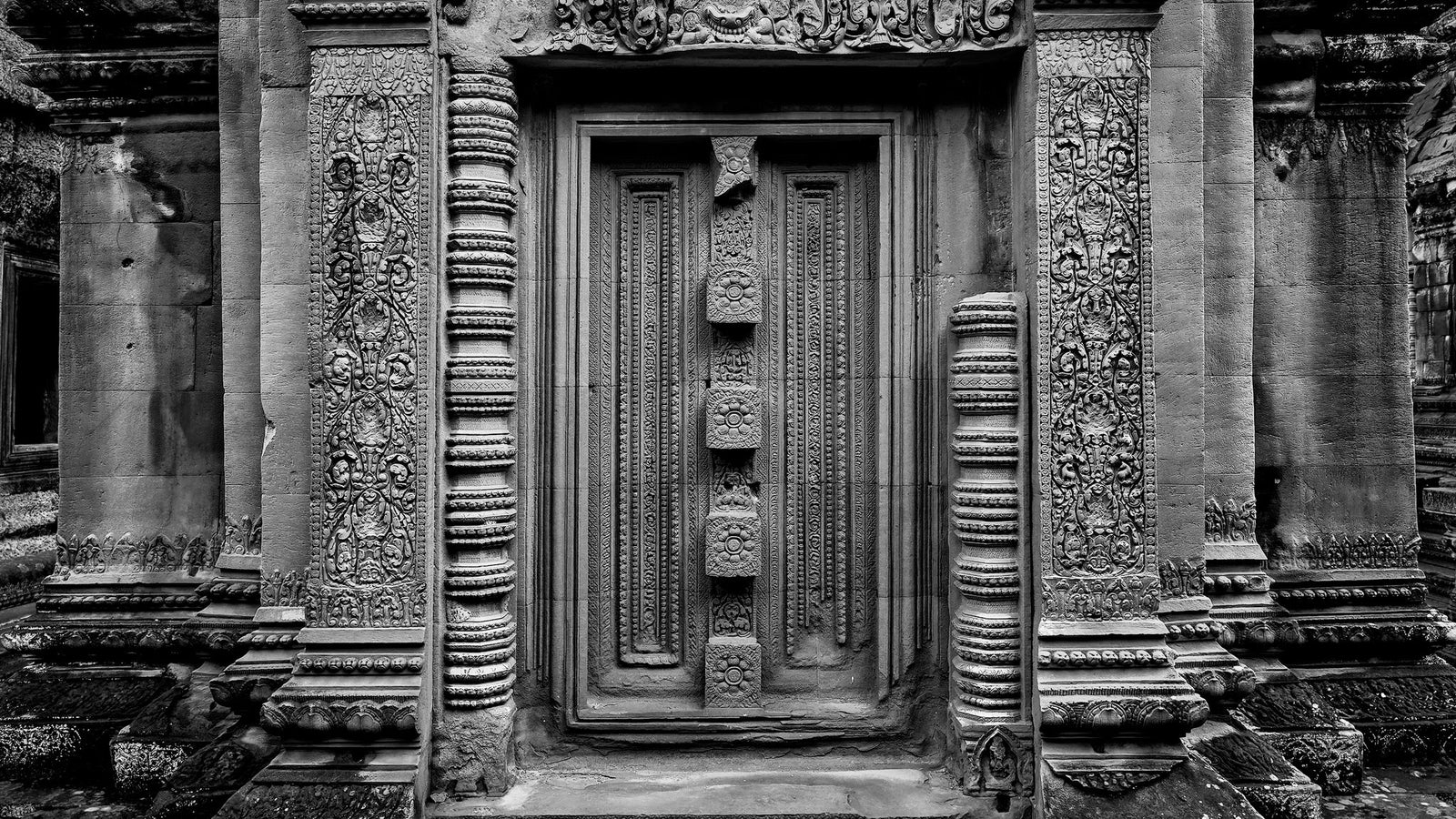
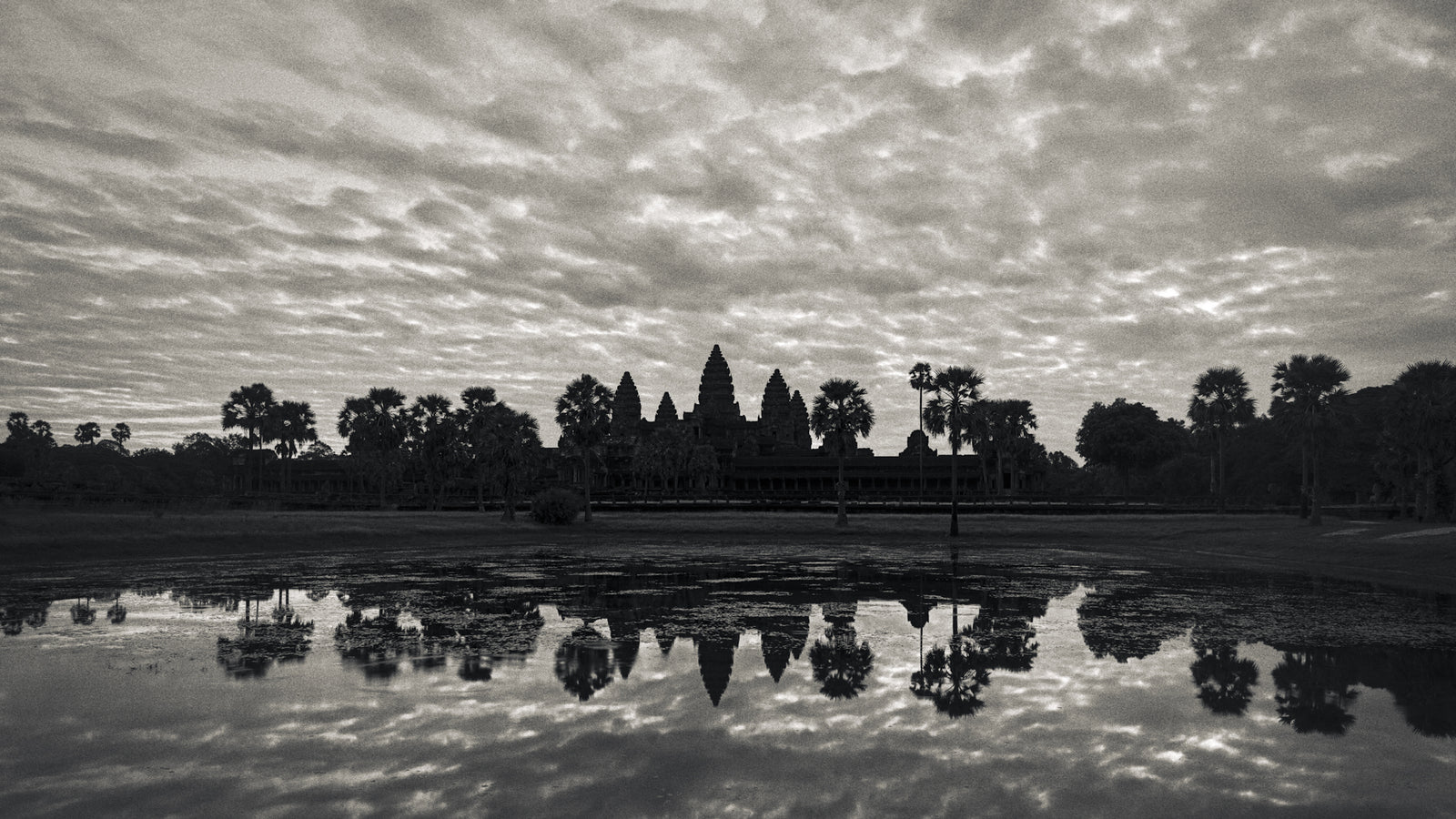
Phnom Rung Temple
| Date: | Early 12th century CE |
| Style: | Angkor Wat |
| King: | Suryavarman II (reign 1113 – 1150 CE) by Narendraditya |
| Cult: | Hindu (Shaivism) |
Phnom Rung, in eastern Thailand, is a Khmer Empire temple complex set on the rim of an extinct volcano at 402 metres (1,319 ft) elevation ("phnom" means "hill" in the Khmer language).
This Hindu shrine dedicated to Shiva symbolises Mount Kailasa, Shiva's heavenly dwelling.
Phnom Rung, located on the royal road between Angkor and Phimai Temple, was built early in the reign of Suryavarman II by Narendraditya, a local vassal ruler and kinsman of the king.
Phnom Rung was built after Phimai Temple and before Angkor Wat Temple. It has several design features in common with both, particularly the use of naga bridges and the Khmer-type sanctuary pioneered at Phimai Temple, but there is not a sense of progressive development in these three temples; Phnom Rung goes its own way, with a distinct triangular shape to its tower and an antarala (antechamber) between the entrance hall and sanctuary.