
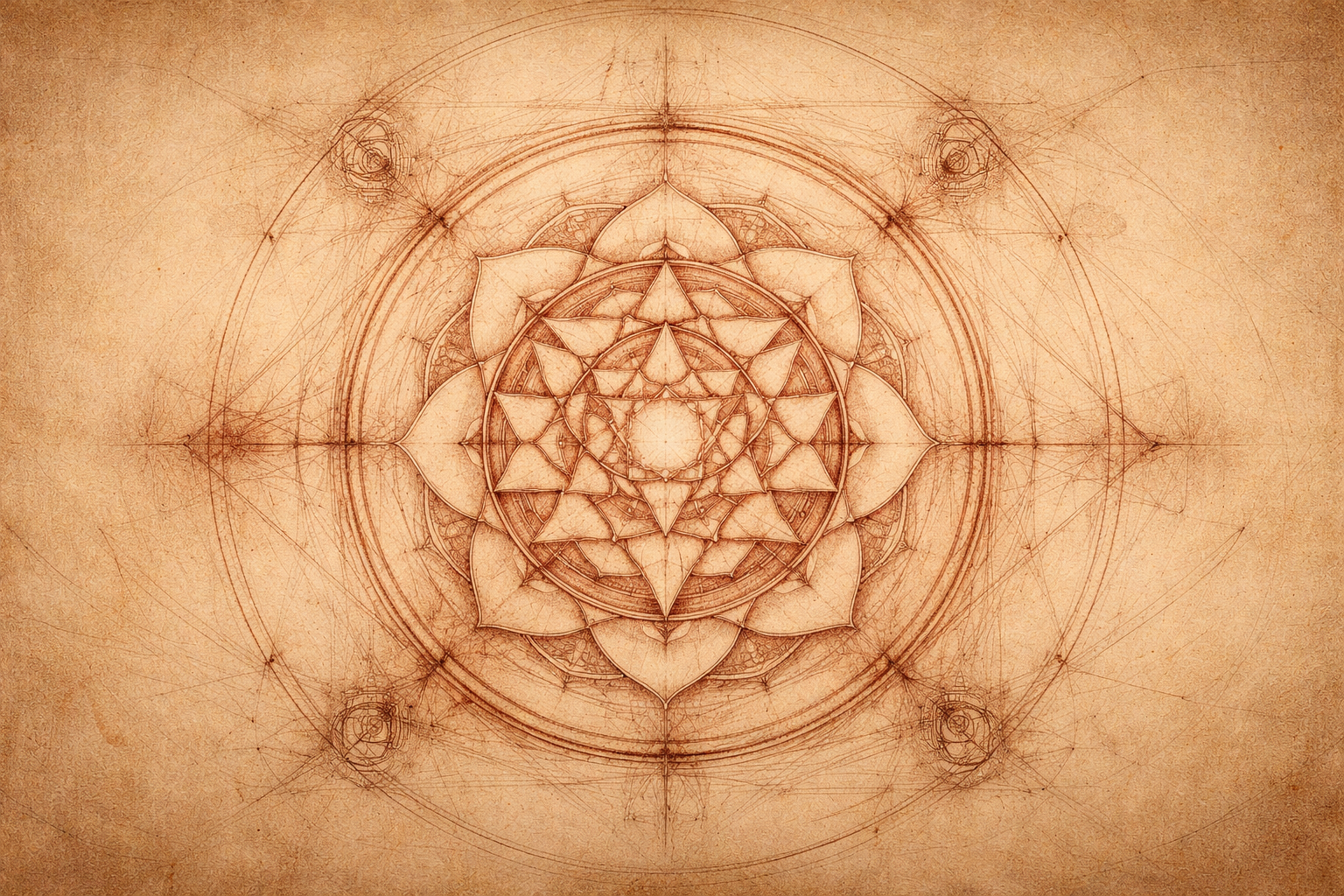

A New Book in The Living Way: The Many Gods
In A New Book in The Living Way: The Many Gods, Lucas Varro reintroduces a work first published in 2010, returning to it not as an artefact of an earlier intellectual life, but because its central pressure remains alive: the refusal of simplification, and the intuition that reality may be richer in form than modern habits of thought often permit.
This is a Living Way book announcement and threshold essay on Hindu multiplicity, non-duality, form, attention, and the discipline of remaining with difficulty until it becomes intelligible on its own terms.
There are books one leaves behind because their labour is finished, and books one returns to because the question in them never quite released its hold. The Many Gods belongs to the second kind. I first published it in 2010, but I do not bring it here now out of sentiment, or to preserve some earlier intellectual self in amber. I am placing it back into the light because its central pressure still feels exact to me: the refusal of cheap simplification, the sense that reality may be richer in form than our habits of thought know how to permit.
What drew me then, and draws me still, was not the wish to explain Hindu multiplicity away, but to remain with its difficulty long enough for it to become intelligible on its own terms. Not a crowded mythology to be tidied, but a disciplined world of attention, relation, and recognition. With the years, I think I have only grown more suspicious of any vision of truth that requires the many to become thin before the one can be affirmed.
So I offer this book again as one returns to an old path and finds that it has not grown smaller.
There is a familiar modern reflex when Hindu multiplicity comes into view: to soften it, simplify it, or translate it into something more comfortable. Too many names. Too many forms. Too many gods. The solution is usually offered quickly: all the gods are really one. A single centre, many costumes. Reassurance restored.
The Many Gods begins by refusing that reassurance.
This book asks how a richly populated world of gods, images, mantra, and geometry can coexist with non-duality without contradiction. It does not treat the gods as symbolic leftovers, nor as mythological curiosities, nor as devotional objects requiring assent. It approaches them instead as functional differentiations: ways attention is trained, stabilised, intensified, and released through form.
The movement of the book is deliberate. It begins with the problem of plurality, then turns through the cosmic functions of Brahma, Vishnu, and Shiva; through Shakti and the differentiated intensities of the goddess traditions; through image, sound, and geometry as technologies of attention; and finally inward, towards the recognition that these divine operations are not merely represented from outside, but enacted continuously within consciousness itself.
The result is not a survey of Hinduism, nor an argument for belief. It is an inquiry into how the many may remain many without standing outside the one.
Continue reading: A New Book in The Living Way: The Many Gods at The Living Way on Substack.
—
Receive the next work
Subscribe free to receive new work from the Lucas Varro Library by email.
More from the Library

See Also
A concise and impartial dictionary of absence, promises, quarrels, ordinary objects, and the troublesome instability of words.
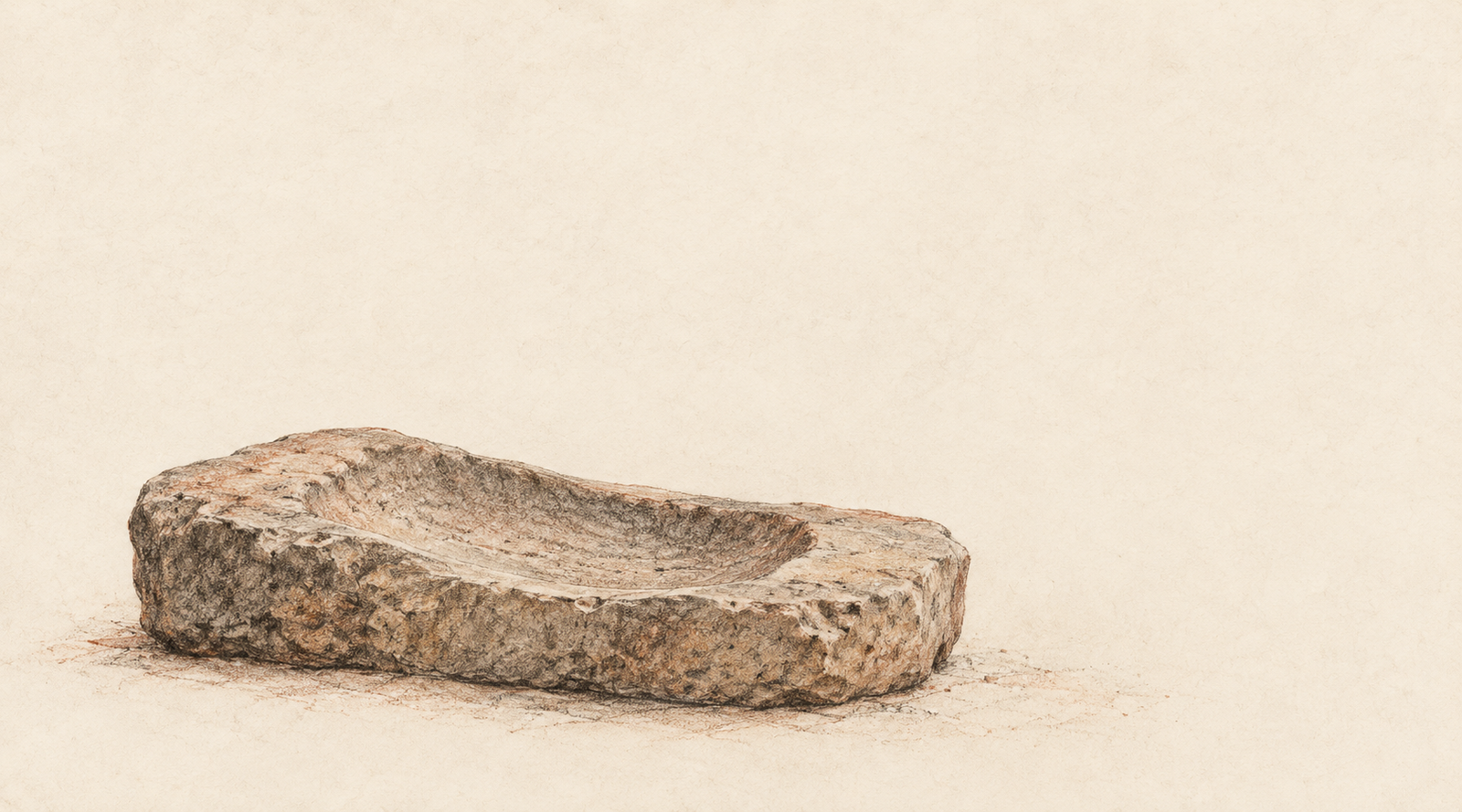

The City of Service
The temple we inherit is a building from which almost all necessity has been removed. Nothing must be brought for it to continue being what we call a temple. The sanctuary asks nothing of us. Stone is good at this kind of independence.
A living temple was otherwise.
Water had to come in. So did grain, cloth, oil, aromatic substances, fuel. The things required for worship arrived because someone carried them across a threshold.
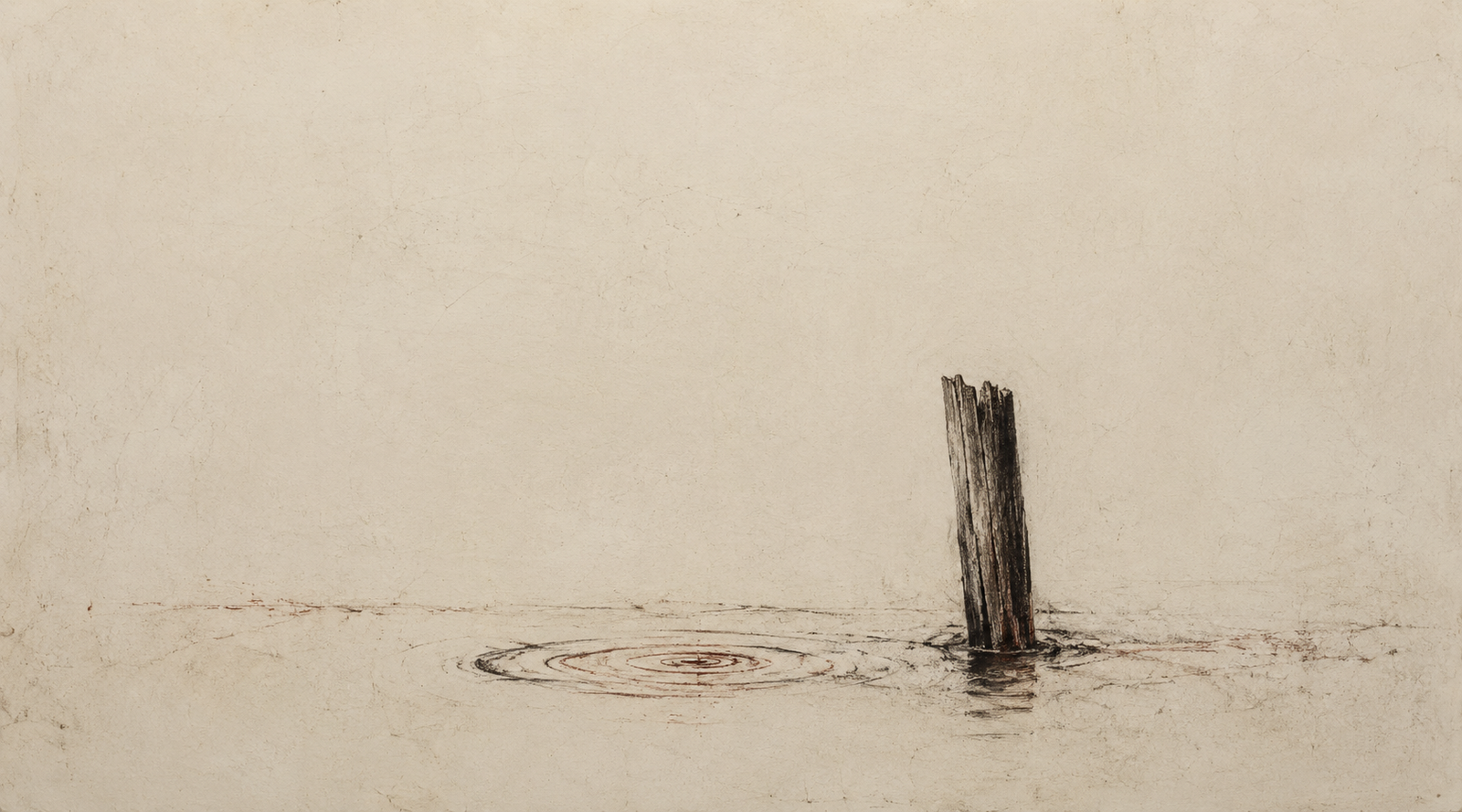

Houses of Wood, Light, and Smoke
Some of Angkor’s most intimate ruins do not rise above the ground at all. They are postholes, low mounds, hearths and ponds: durable traces of a domestic city built largely from things that decay. To restore that city is to see Angkor not only as stone, but as wood, smoke, water, repair, and people living within calling distance.