
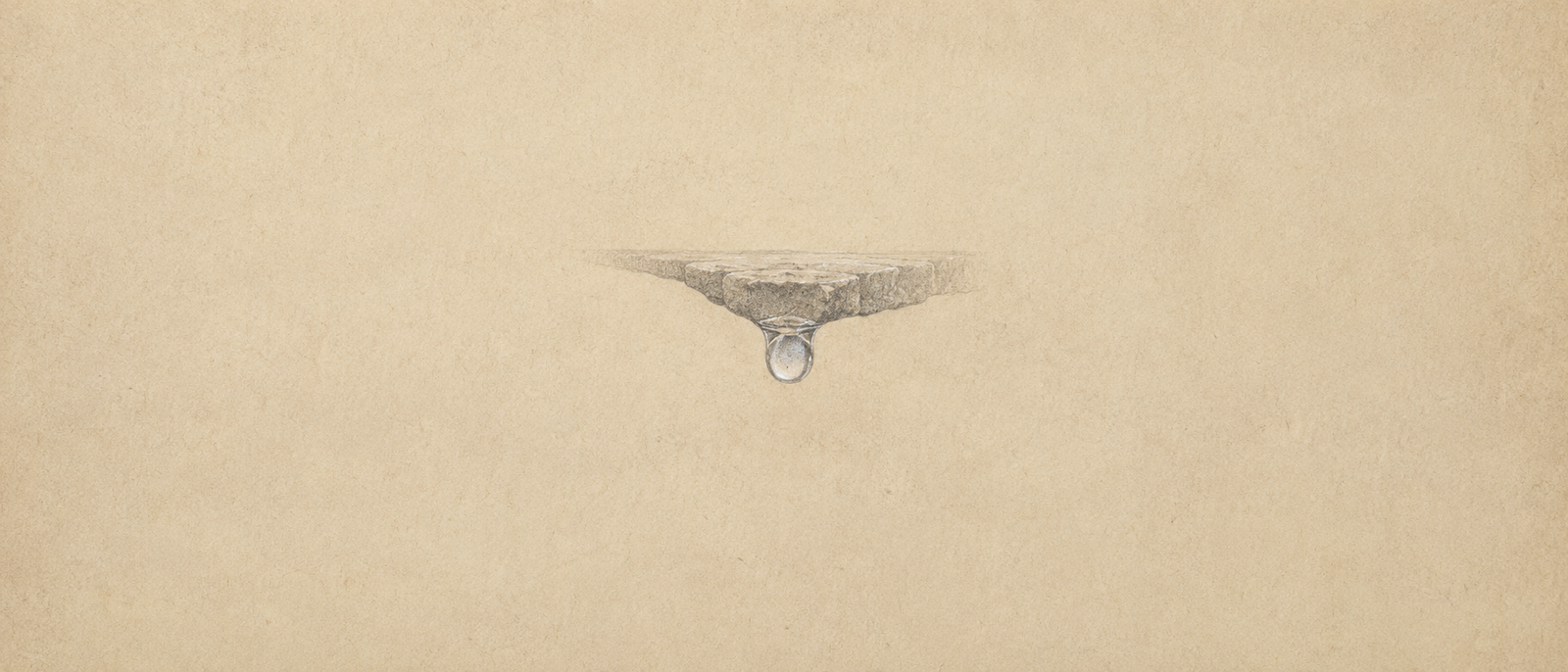

At the Lip
A poem on falling, stillness, and the thin bright edge before descent.
—
The mountain opens its mouth
and the river goes through.
All morning, all century,
the green body gathers
from seep, root, cloud,
from snow the sun loosened
grain by grain
on the high stone.
Then the edge.
No hesitation.
Not courage.
Nothing in it choosing.
The river reaches
the cut in the world
and is taken by it.
Down—
not once,
but over and over,
sheet into rope,
rope into smoke,
smoke into cold beads
flung back
against the fern.
The cliff stands still
so falling
can have a shape.
In the black throat below,
one rock receives
the whole white body
and does not move.
Water strikes,
breaks open,
throws itself upward,
comes down again,
breaks,
brightens,
vanishes
into itself.
Mist climbs.
Moss darkens.
The small grass
at the rim
bows all day
and is not swept away.
A swallow cuts through,
one dark stitch
drawn across
the torn white cloth,
then gone.
Under the roar,
the pool holds
its round black silence.
Foam circles.
Leaves turn.
A branch, stripped clean,
knocks once
against stone
and passes.
Below,
the river goes on,
lower now,
carrying sky
in pieces
between the walls.
Above,
more water arrives.
Always more.
The lip keeps shining—
thin, exact,
and never emptied.
—
For paid subscribers, I have added a Workroom note on the making of this poem: the image that began it, the phrase that had to be cut, and the still line that finally held the fall.
—
Receive the next work
Subscribe free to receive new work from the Lucas Varro Library by email.
More from the Library


See Also
A concise and impartial dictionary of absence, promises, quarrels, ordinary objects, and the troublesome instability of words.
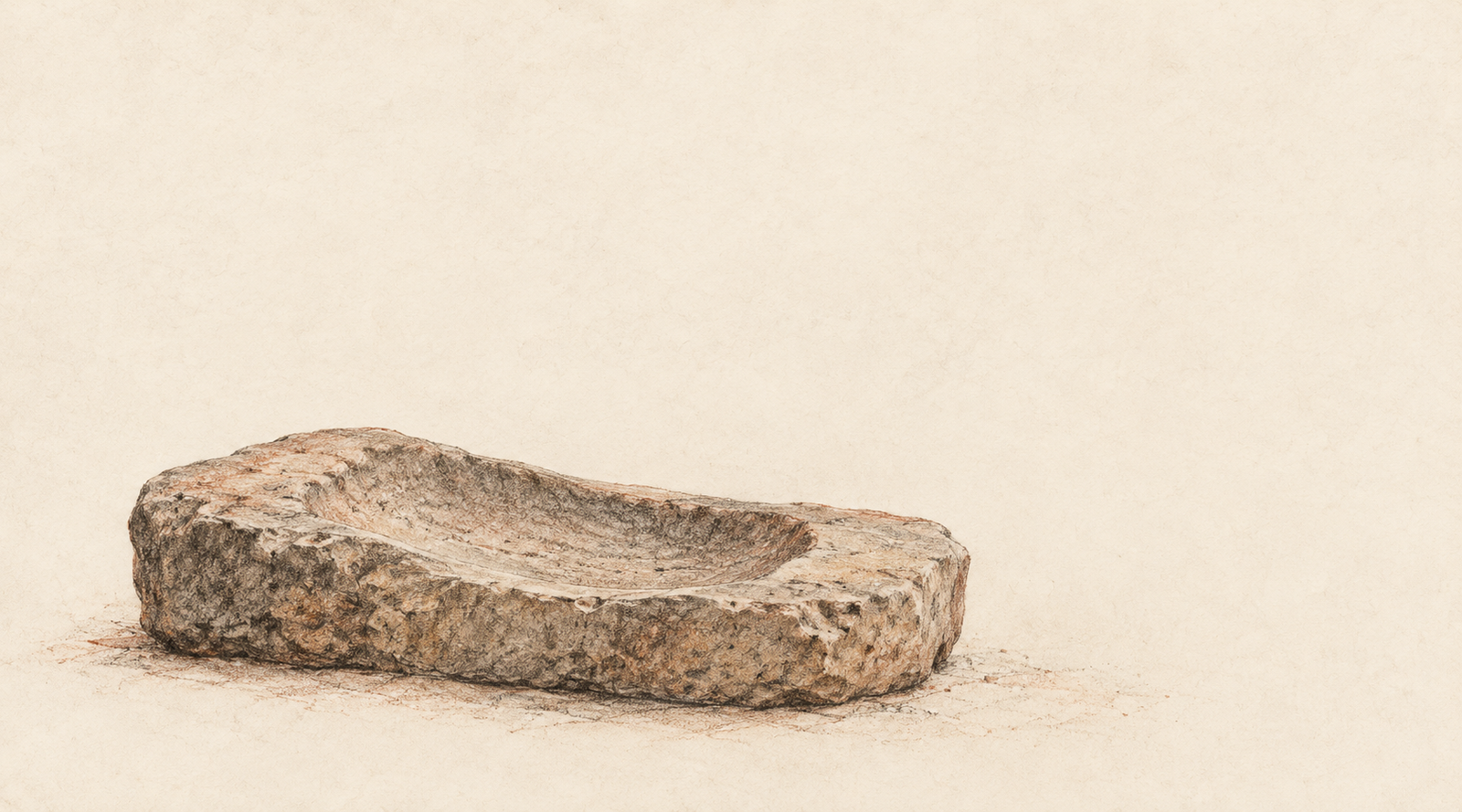

The City of Service
The temple we inherit is a building from which almost all necessity has been removed. Nothing must be brought for it to continue being what we call a temple. The sanctuary asks nothing of us. Stone is good at this kind of independence.
A living temple was otherwise.
Water had to come in. So did grain, cloth, oil, aromatic substances, fuel. The things required for worship arrived because someone carried them across a threshold.
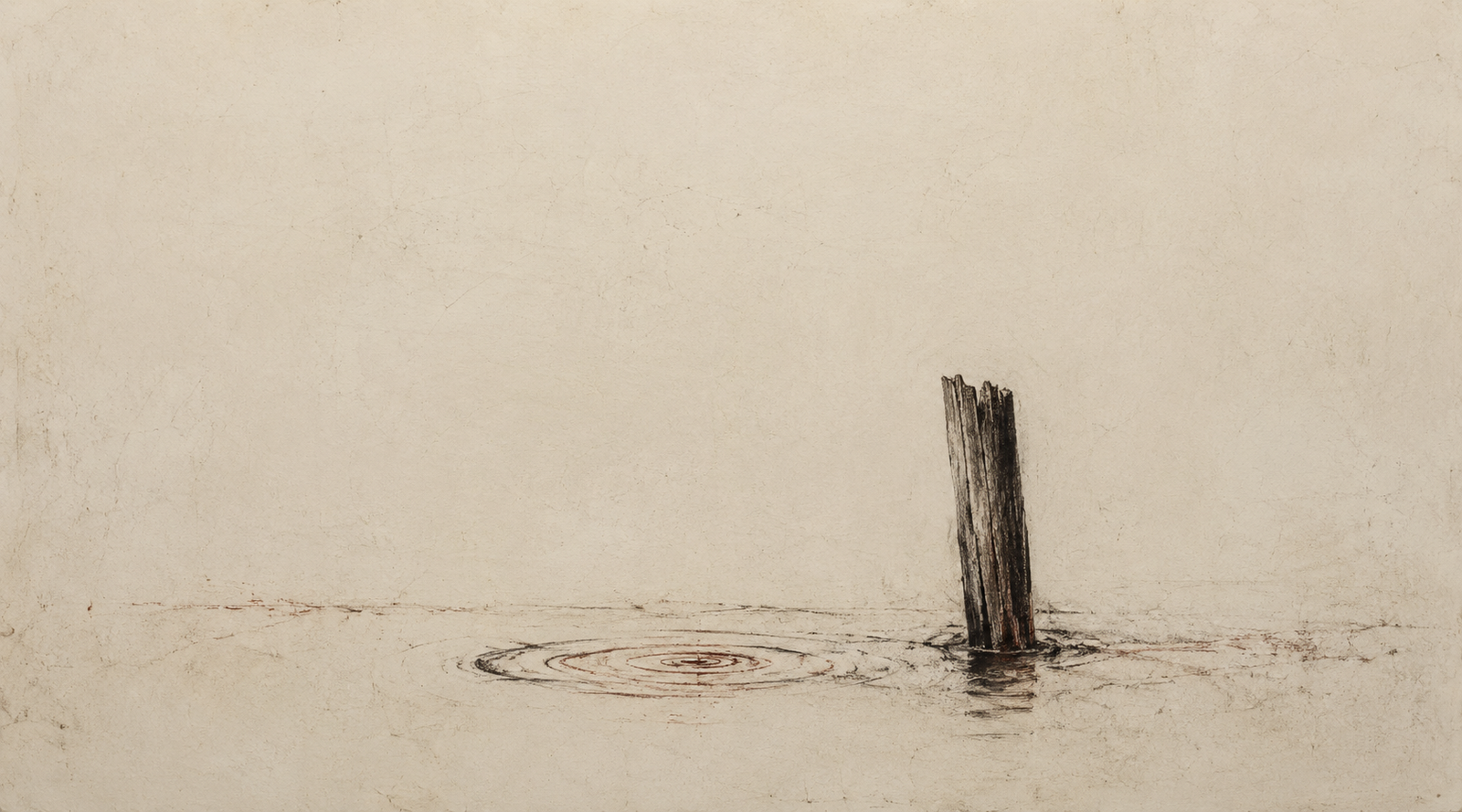

Houses of Wood, Light, and Smoke
Some of Angkor’s most intimate ruins do not rise above the ground at all. They are postholes, low mounds, hearths and ponds: durable traces of a domestic city built largely from things that decay. To restore that city is to see Angkor not only as stone, but as wood, smoke, water, repair, and people living within calling distance.