
The Library gathers the written works of Lucas Varro — journals of the temples, mythic retellings, contemplative essays, poems, and volumes shaped by shadow, silence, and wonder. Here, words stand beside images as offerings: field notes from Angkor, meditations on sacred stone, old stories rekindled, and reflections carried beyond the visible world.
Within these shelves you will find many rooms: Angkor journals, myth and legend, apsara meditations, contemplative essays, poems, children’s mythic wonder, literary retellings, and quieter devotions of the page. Wander chronologically, enter by theme, or pass through one of the dedicated publication houses now gathered within the wider Library.
For those who wish to follow these paths further, several of these writings continue on Substack and in dedicated archive blogs: The Lantern Chronicles , where myth, legend, contemplative essays, poetry, and other imaginative works are carried onward; The House of Cadmus , where Greek myth and tragedy are reopened through inheritance, violence, fate, and recurrence; The Mytharium , where myth, Tolkien, fairy stories, and old literature are read and retold with seriousness; The Alexander Series , where A. M. Sharp retells Greek myths for children who want to be trusted by stories; and The Hospitable Dark , where A. M. Sharp offers literary myth retellings shaped by darkness, shelter, endurance, and return.

After Six
At six the west wall whitens.
I turn the radio down.
My hand stays
on the dial
a moment longer.

The Mouth You Gave Me
A spare lyric poem from The Vow on breath, speech, gratitude, and the received body through which every answer must be formed and released.

The Debt of Being Here
Before a vow is spoken, almost everything required to speak it has already been given. The mouth. The breath. The language in which one person may promise something to another.

The Left Side of the Bed
A spare Penelope poem from The Vow, shaped through sandals, cloth, knife, cup, dog, and years of household time. The Left Side of the Bed lets ordinary objects carry the pressure of absence without explaining what they mean.
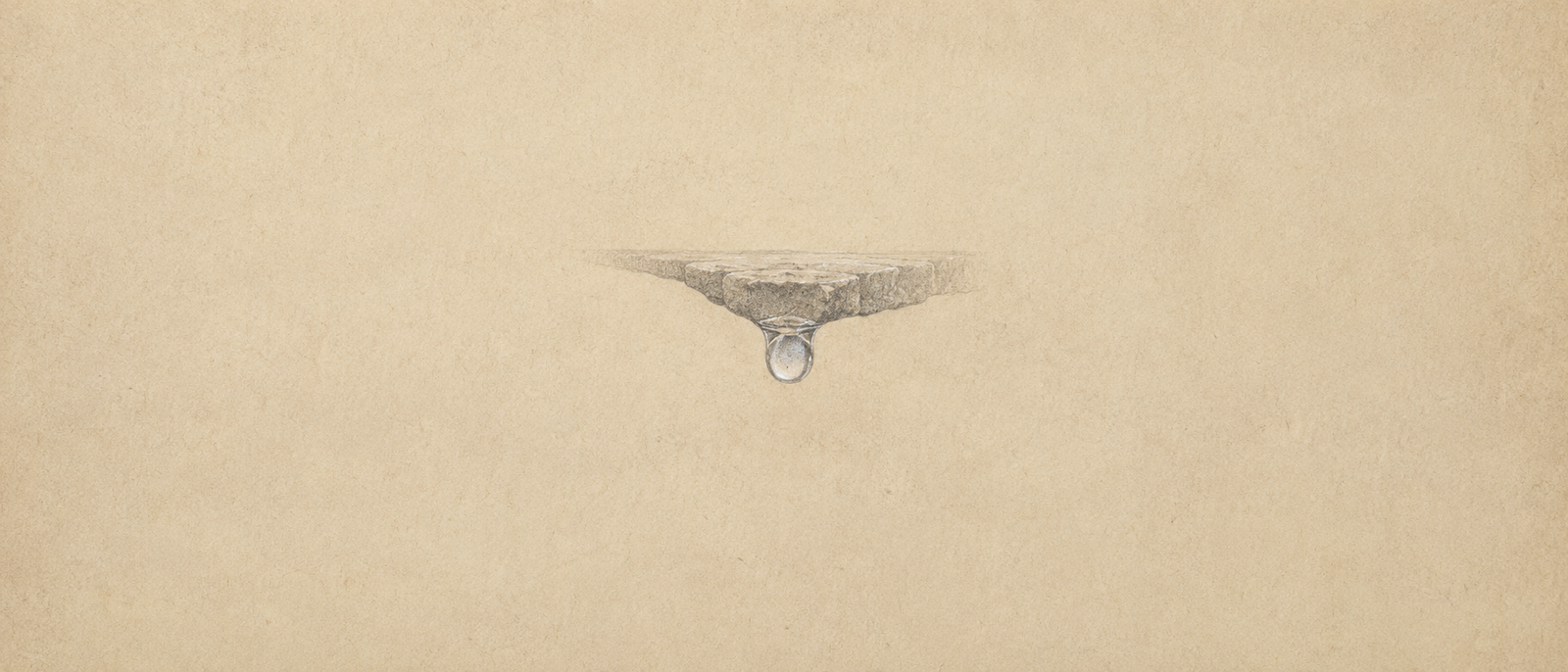

At the Lip
A poem from The Vow on a waterfall, a river reaching the edge, and the stillness that gives falling its shape. At the Lip stays with one overwhelming natural image until movement, constraint, and scale become almost unbearable in their precision.
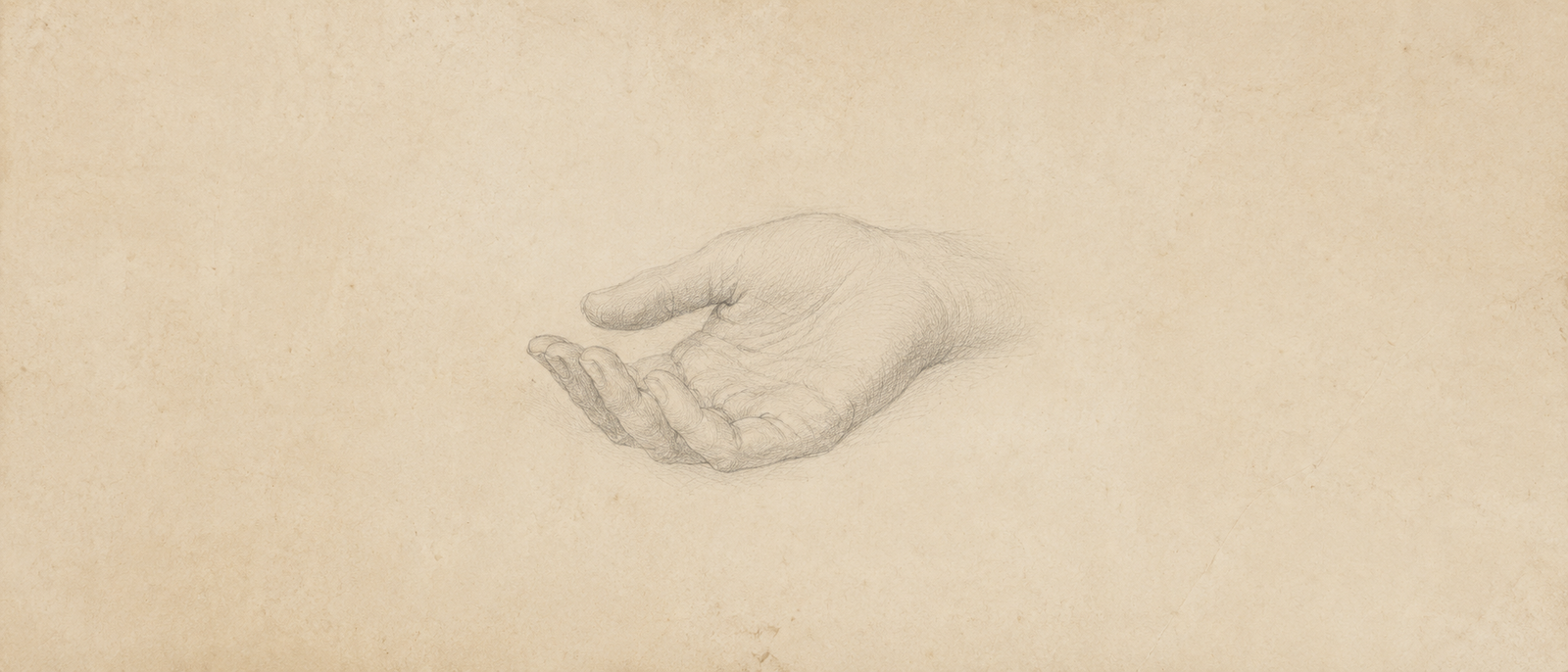

What the Hand Knew
In a room gone blue with evening, a hand moves before thought. What the Hand Knew is a quiet poem of bodily recognition: the beloved beside us, ordinary and unaware, while touch remembers home before the mind can arrive.
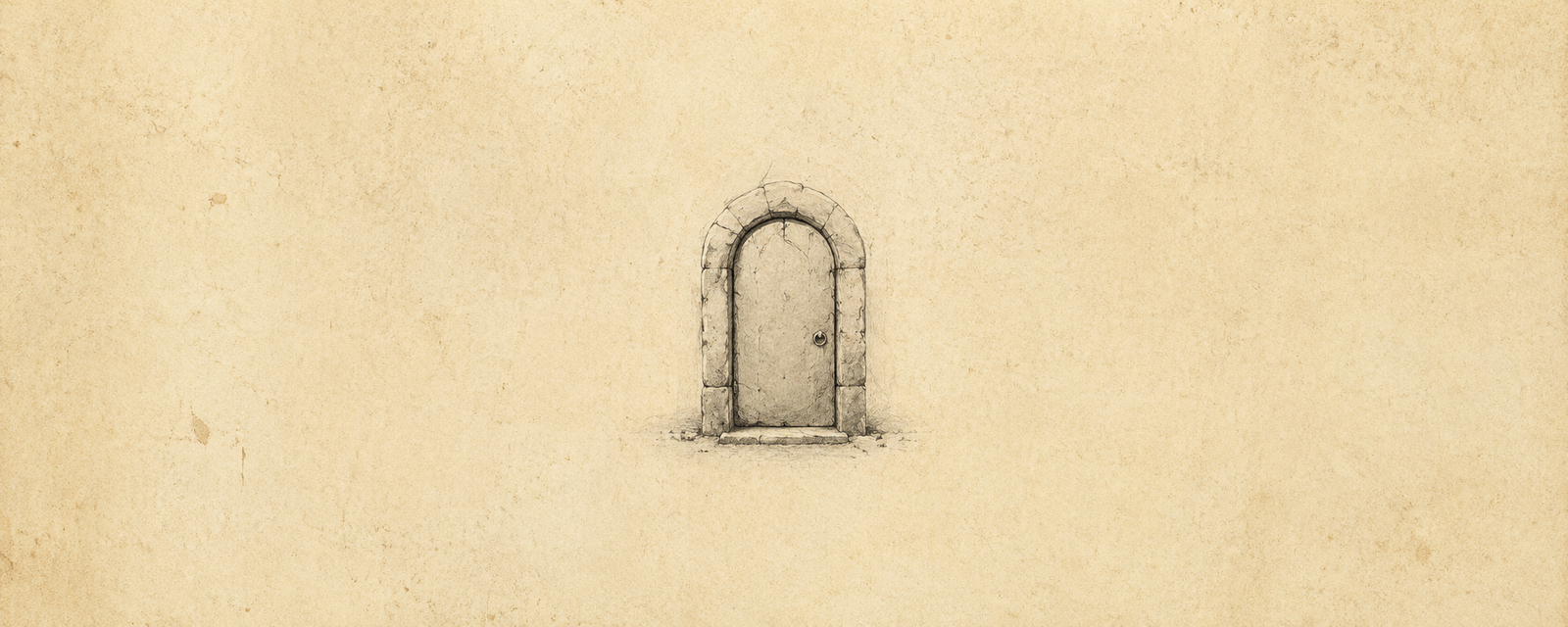

Where the River Outlasts Us
A spare lyric poem from The Vow on standing at the edge of beauty, absence, and time. A cliff, a river, and evening become the site of a deeper recognition: the world was magnificent before us, will continue without us, and wounds us most by remaining beautiful.
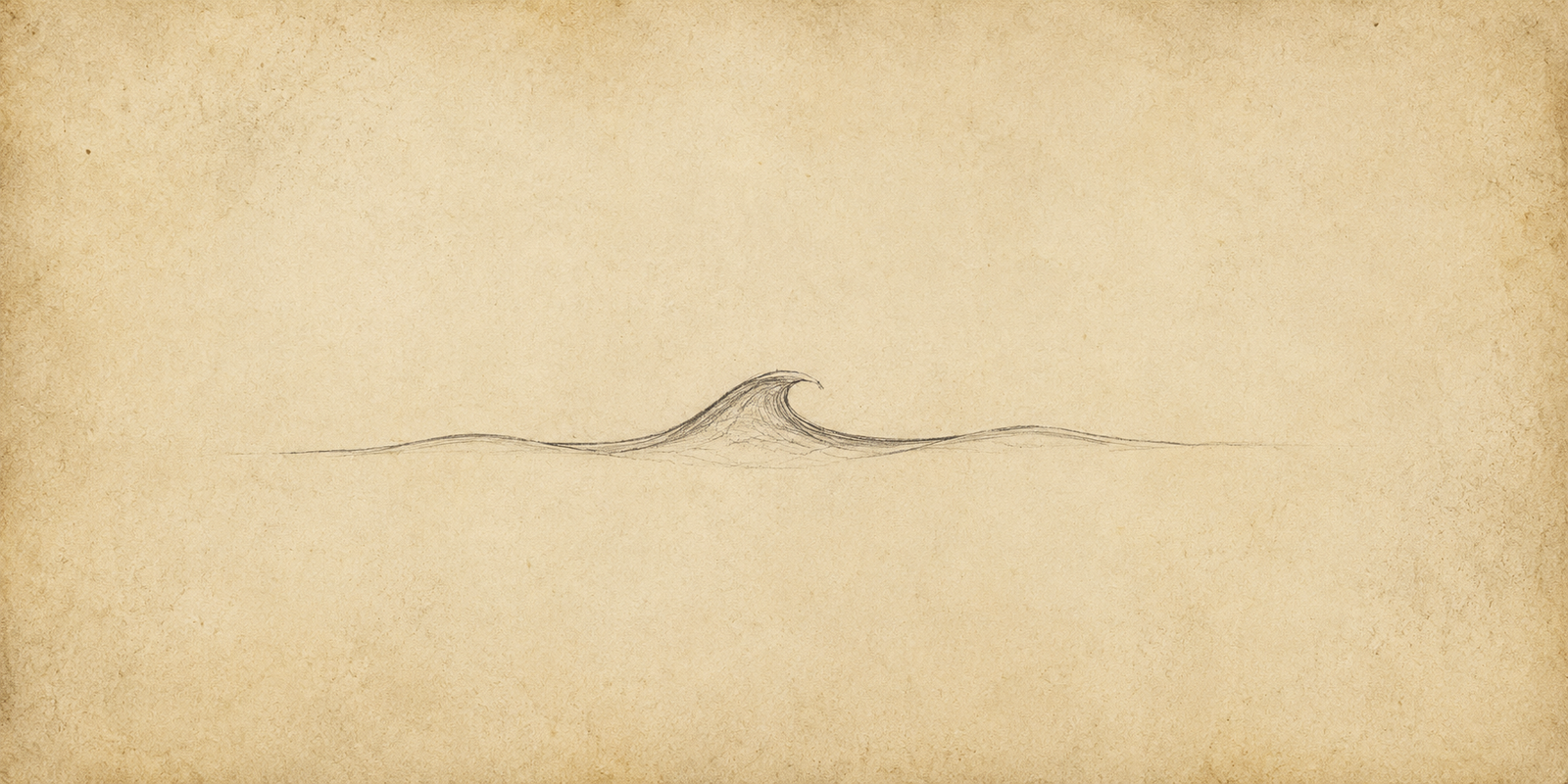

Spring Sea
A small poem from The Vow, Spring Sea reduces return to its barest motion: the sea lifting what it cannot keep, laying it down again, and moving without grief or mercy. It is a poem of recurrence, surrender, and the quiet intelligence of water.
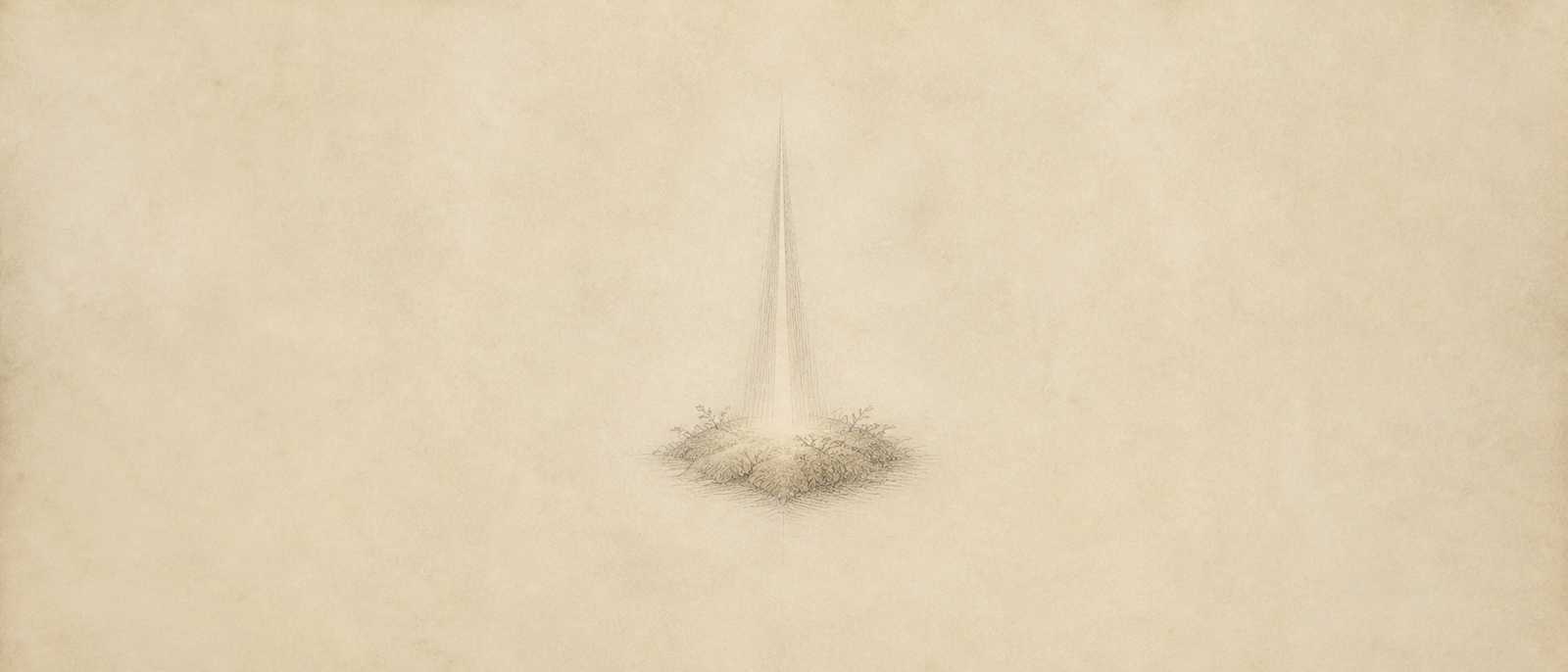

The Place Where Light Arrives
A thread of light enters the hidden wood and finds the moss. Nothing asks to be seen. Nothing changes because it is seen. Yet for one brief moment, the dark earth lies open beneath a thin gold weight.

The Silence Gathers
At the edge of evening, the forest releases its last gold. Root, stone, and shadow draw close to one another, almost becoming a single body. Then a small pane of light finds the moss and remains.
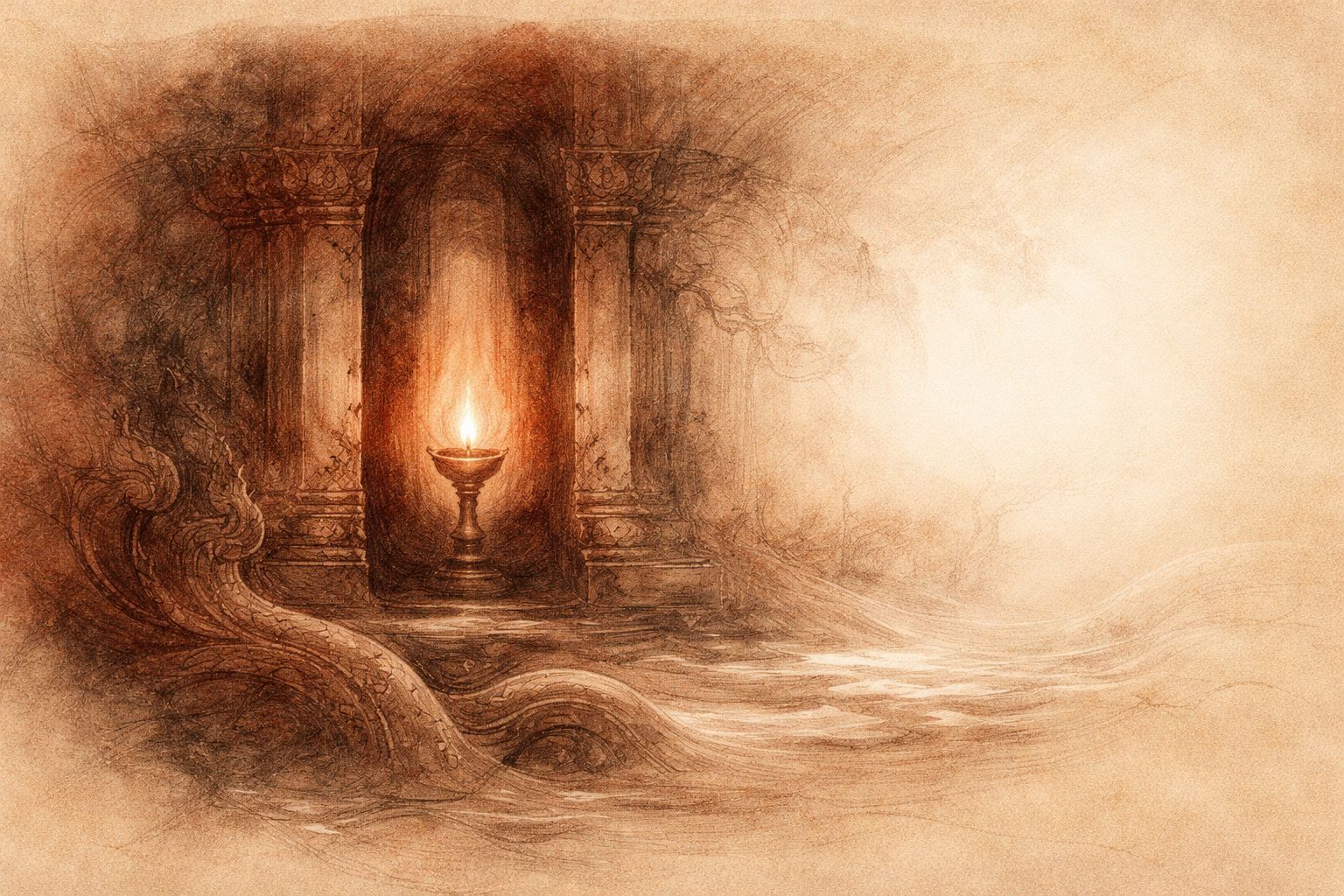

The Immune System of Love
A meditation on anger as sacred intelligence — the moment love refuses disappearance and becomes protection. Written from the hush between endurance and clarity, this poem explores the quiet transformation where gentleness discovers its boundary and survival becomes an act of care.
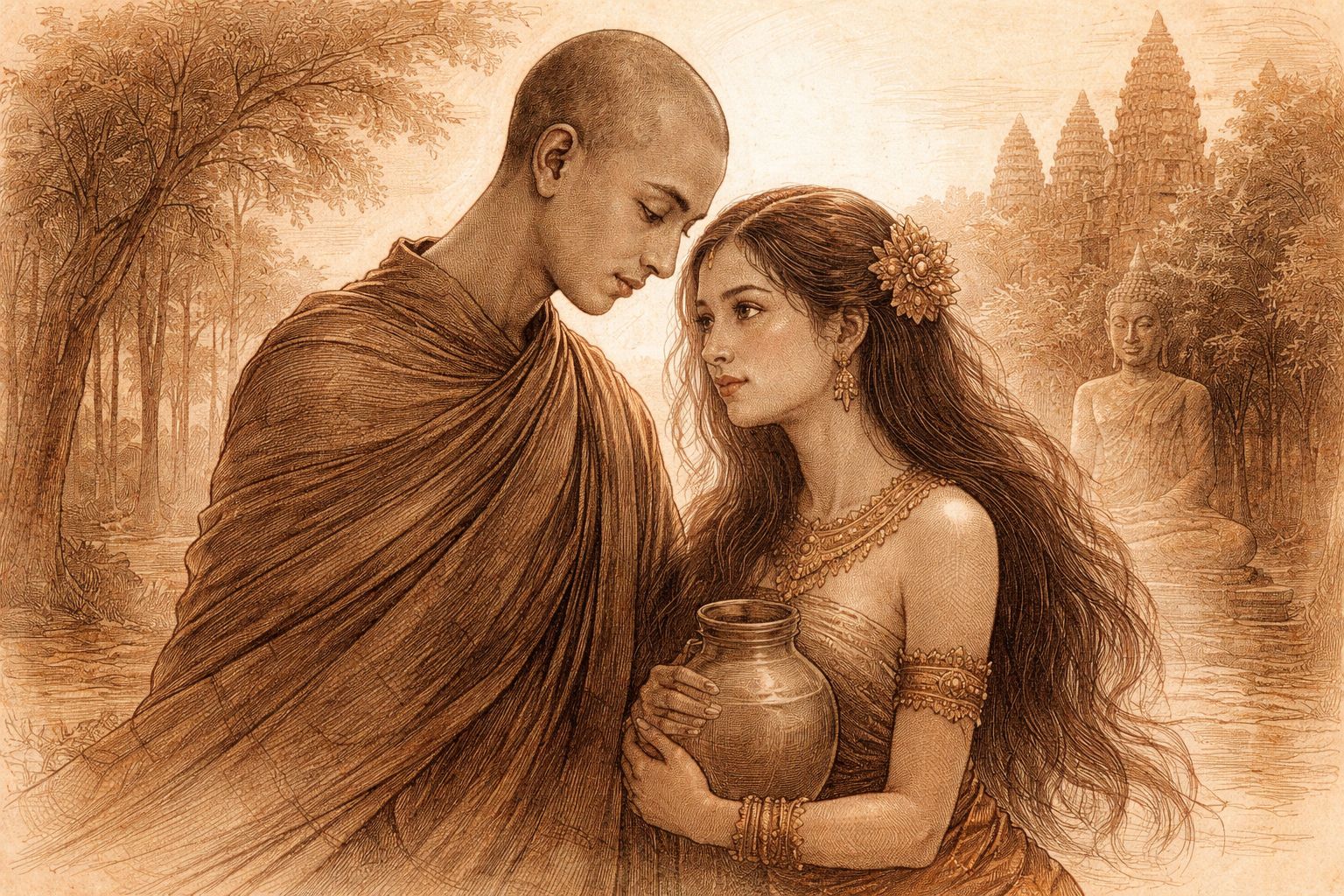

The Robe and the Lotus
A monk and a girl do not touch.
The law speaks louder than breath.
Their names pass mouth to mouth, like prayer.
This bilingual poem is offered in the spirit of a Khmer tragic love story—where devotion survives prohibition, and grief becomes a form of listening.
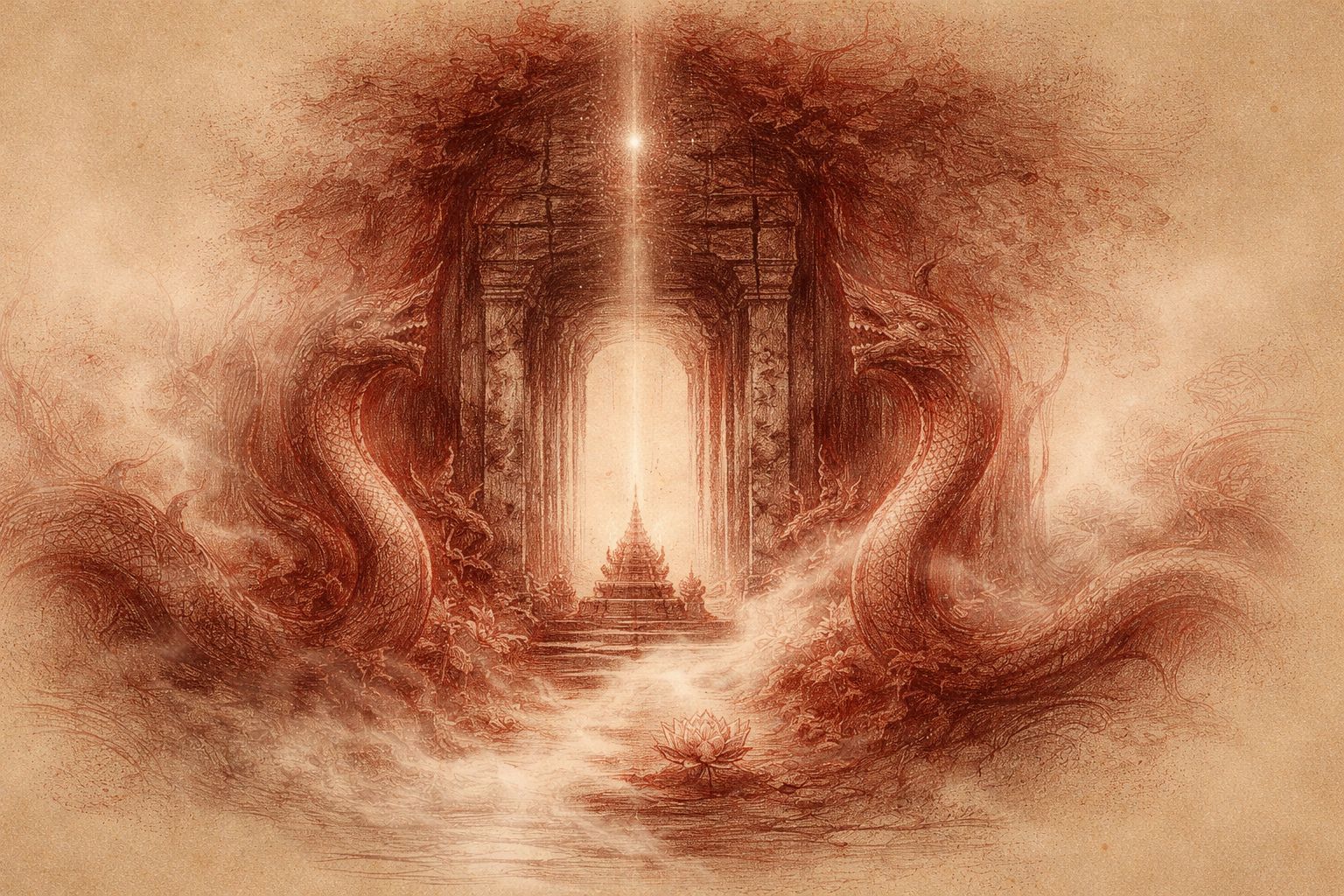

Stone That Remembers the Sky
This poem listens to Angkor not as ruin, but as grammar—where moss, shadow, and proportion carry devotion forward without spectacle. What endures here is not glory, but measure: a way of standing that no longer needs witnesses.
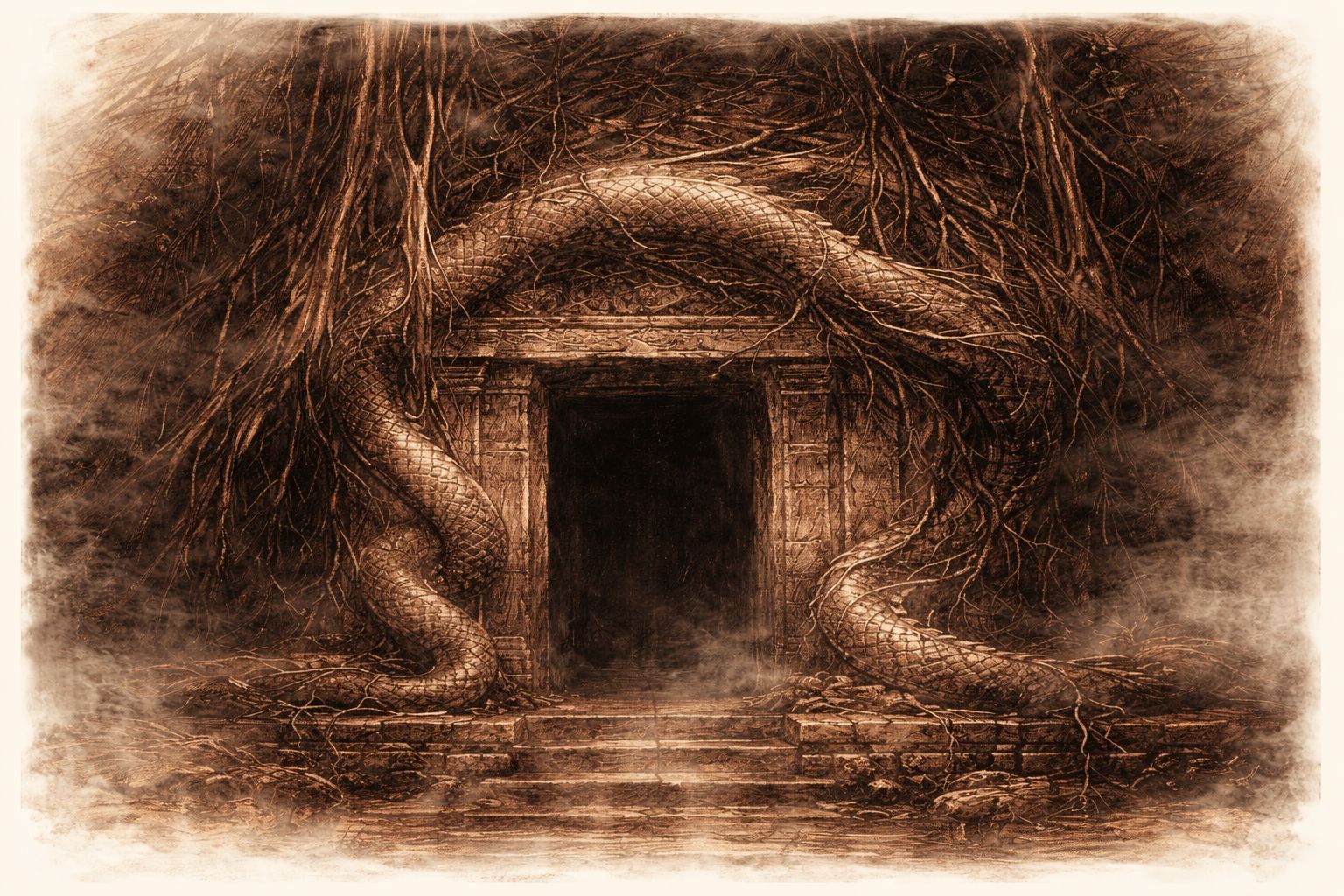

Naga Vow
A lost city sleeps in the jungle, its thresholds carved with serpents — not ornament, but law. This vow-poem enters love as sacred hunger: desire as guardianship, devotion as possession, the body speaking without language. A liturgy of heat, roots, rain, and the terrible tenderness of being claimed.
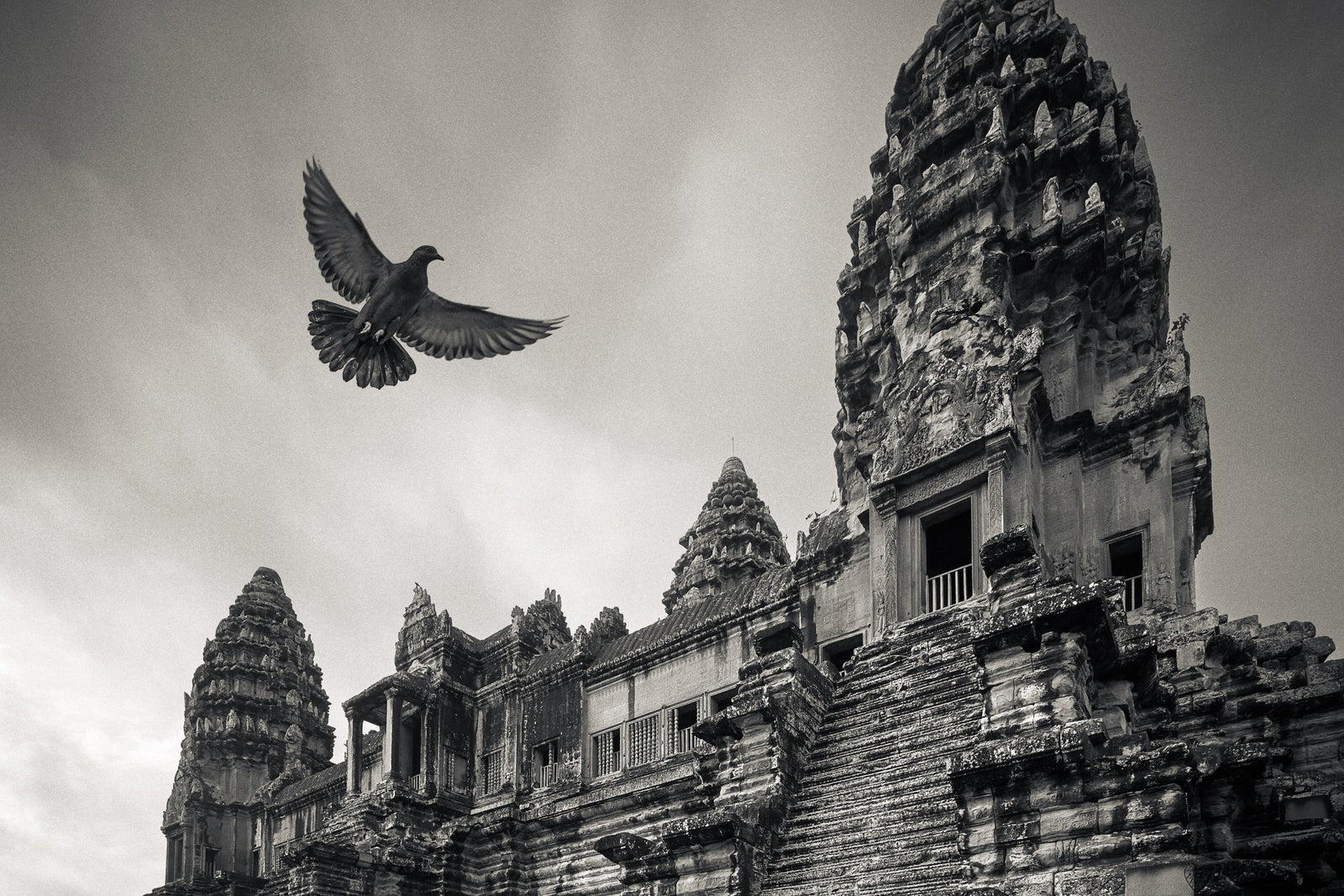

What the Stone Carries
Stone remembers what light forgets. A bird rises. You remain. The courtyard gathers the breath of all that has passed and all that is about to.
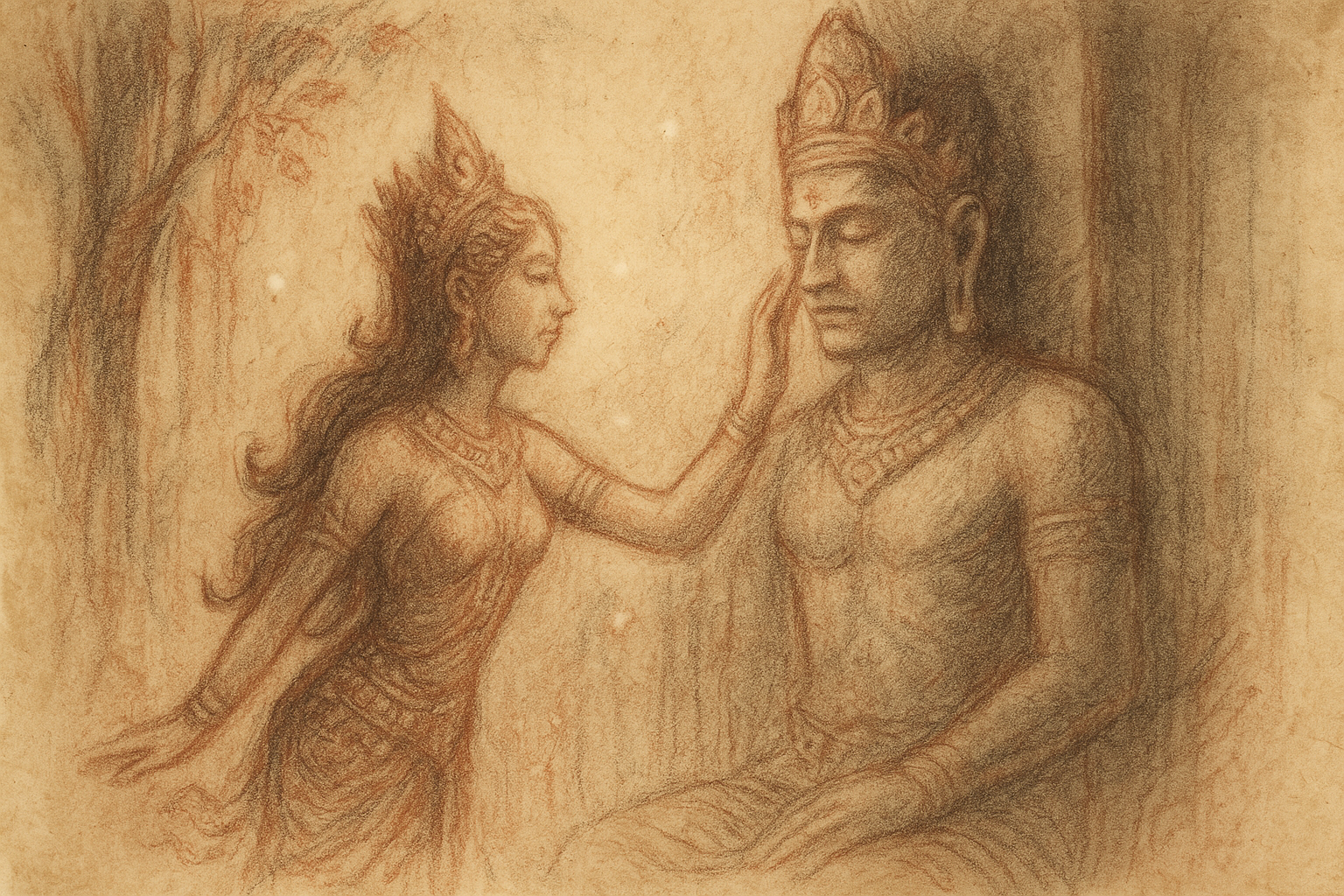

The Apsara and the Stone
Beneath the fig tree’s listening hush, a shadow lingers near the shrine—part breath, part longing, part forgotten dance. The stone remembers more than time allows, and moonlight finds what silence keeps.
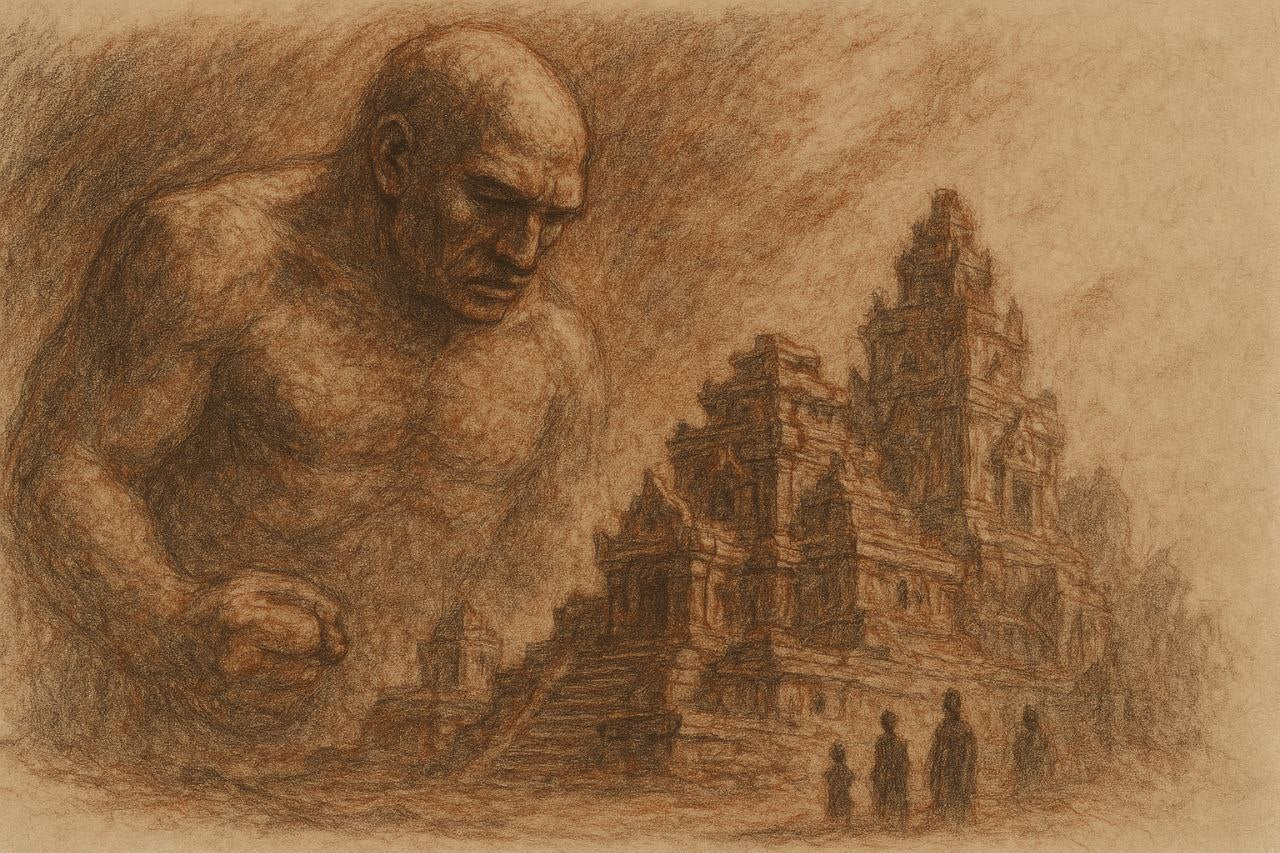

The Giant of Phnom Bakheng: A Legend in Stone and Shadow
High above the jungle canopy, where stone meets sky, a giant stirs beneath Phnom Bakheng. Born of earth and legend, he rises not in fury—but in sorrow—his towering form a silent witness to the ambitions of kings and the turning of stars. Step into the myth where temples breathe and the ancient still remembers.
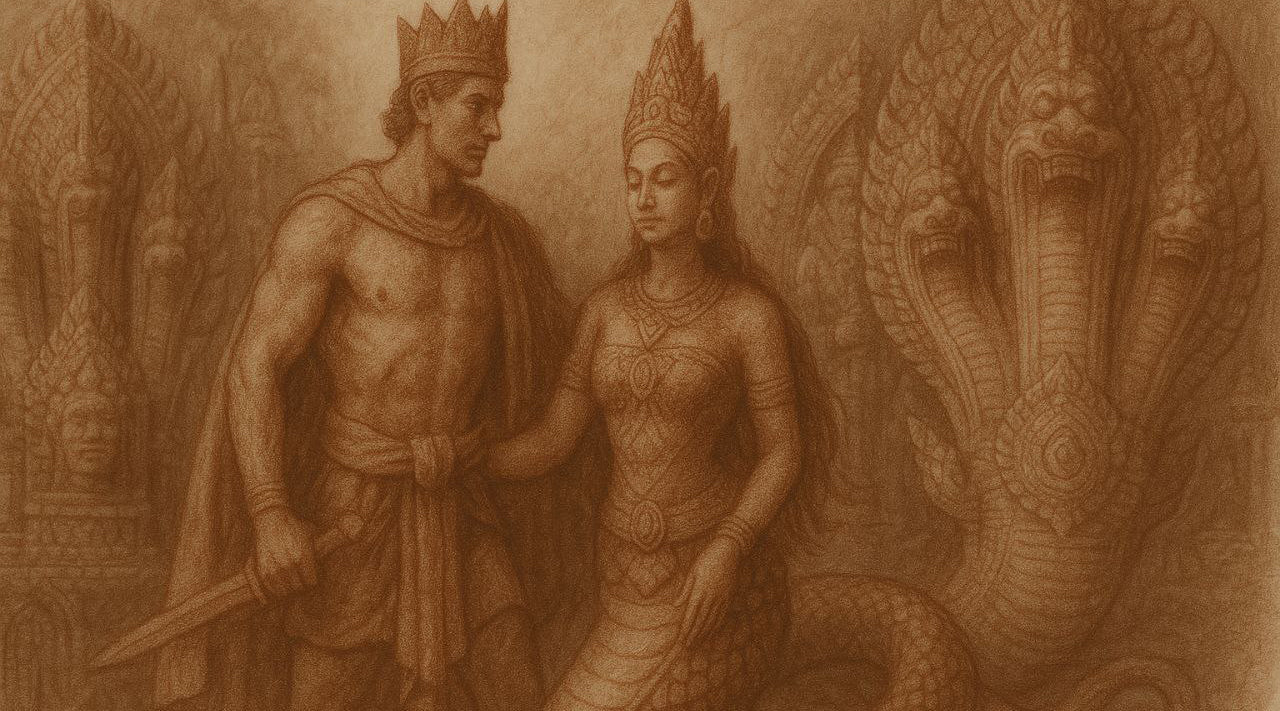

The Legend of Neang Neak and Preah Thong: The Birth of the Khmer Kingdom
A serpent princess and a wandering prince unite to shape the Khmer kingdom—where love births a dynasty, and the Nāga coils through stone and blood.
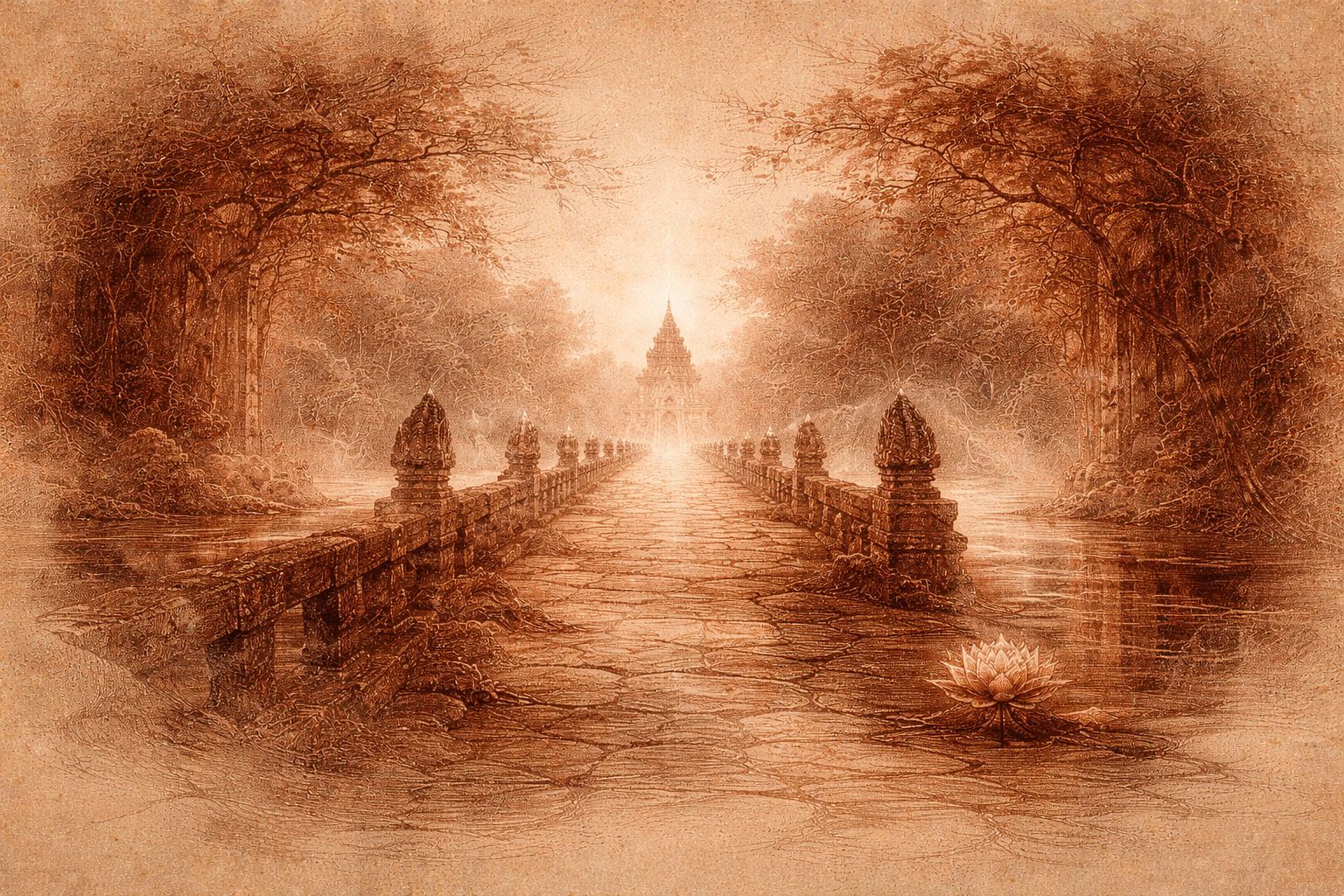

The Causeway, Remembered
This diptych listens to a causeway as remembered instruction. One poem enters the slowing; the other carries it away. What endures is not stone or water, but measure—how the body learned to wait, how breath changed pace, and how that learning persists, quietly resisting the speed of elsewhere.
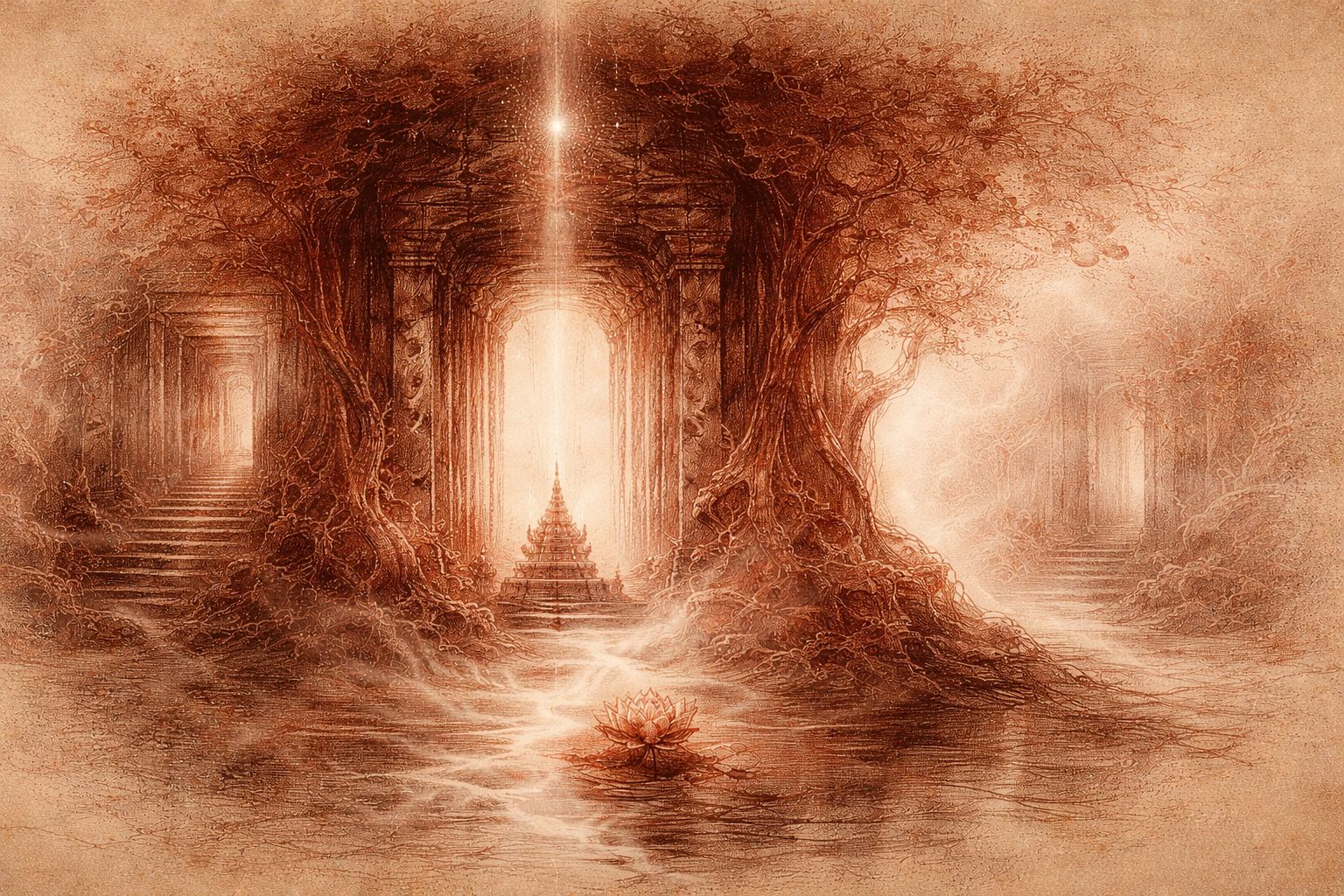

Before Seeing / After Leaving
Some places are entered before the body arrives
and remain standing after it leaves.
This diptych traces the arc of longing and consequence—what it means to be altered by a sacred place without spectacle. Before seeing, the desire to kneel. After leaving, the cost: a different measure of pace, attention, and care that does not fade on return.
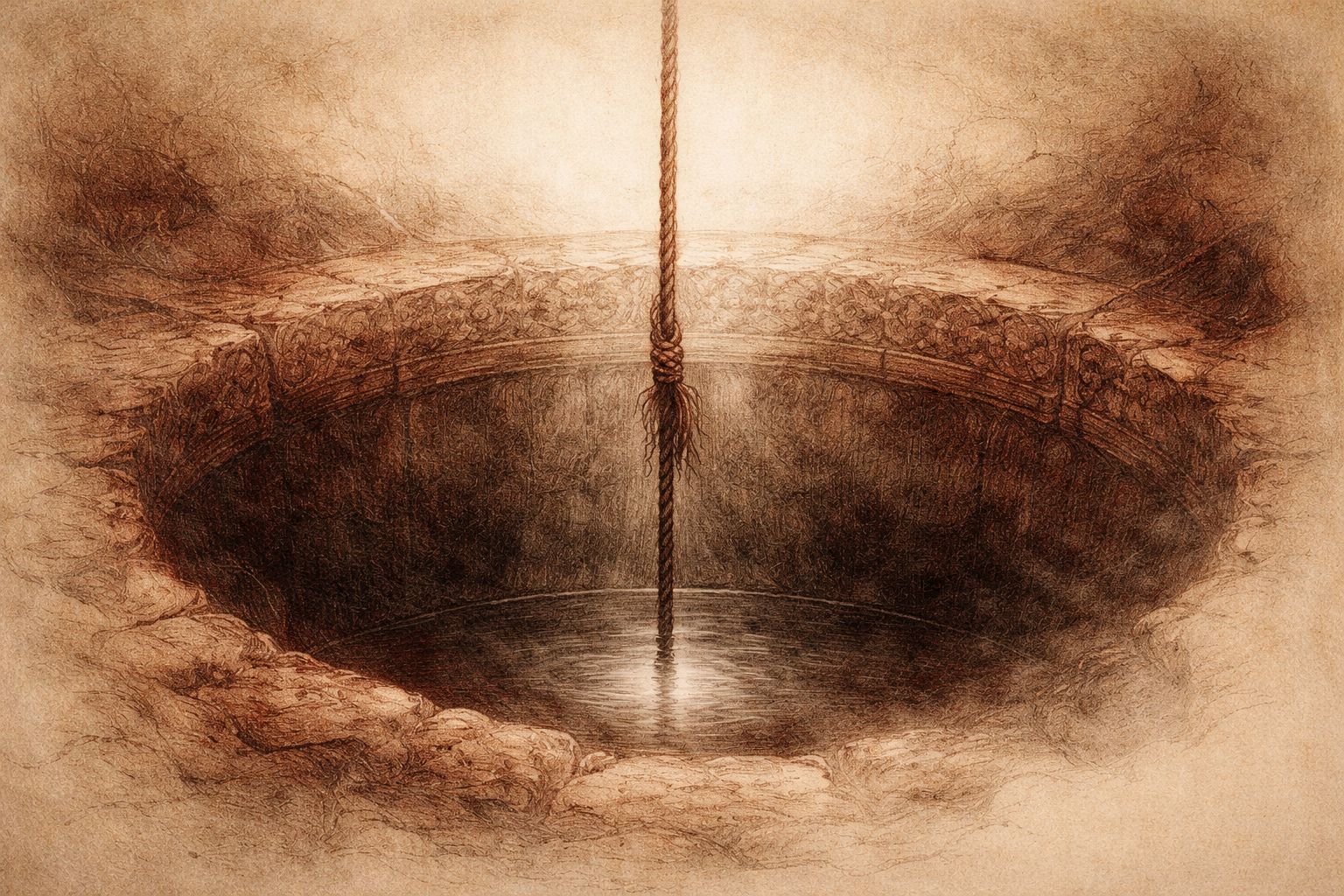

The Well
Some encounters do not announce themselves as fate.
They arrive as ordinary labour: a rope, a well, the burn of fibre on skin.
The Well was written to strip the divine of spectacle and return it to contact—to sound, temperature, weight. Nothing is explained. Nothing is promised. What matters is what the body learns before language arrives.
This is a poem about calibration rather than loss: how a single moment can permanently alter what the body knows it cannot keep. Not memory. Not grief. A quieter knowledge, held in the hands.
Some mornings, the air still thins.