
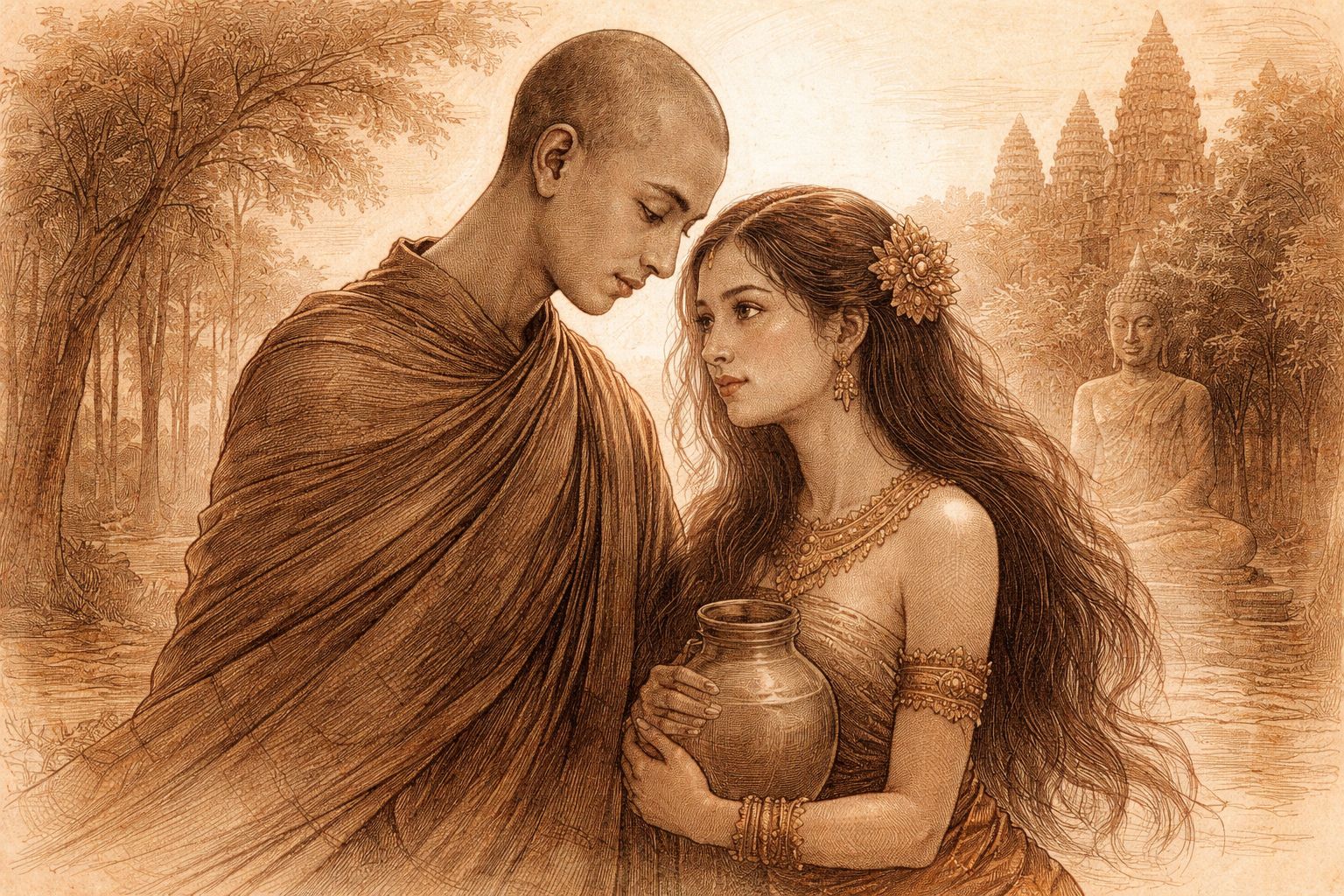

The Robe and the Lotus
សង្ឃ និង ផ្កាឈូក
a poem by Lucas Varro, after a traditional Khmer tragic love story
សេចក្ដីស្រឡាញ់
មិនខុសទេ—
ពិភពលោក
គ្រាន់តែមិនអត់ឱន។
Love is not at fault—
the world simply does not yield.
He learned silence
the way others learn song—
by repetition,
by kneeling,
by letting the world pass
without reply.
គាត់រៀនភាពស្ងៀម
ដូចដែលអ្នកដទៃរៀនបទចម្រៀង—
រៀនដោយធ្វើម្តងហើយម្តងទៀត
រៀនដោយជង្គង់
រៀនដោយឲ្យពិភពលោក
ឆ្លងកាត់
ដោយគាត់មិនឆ្លើយតប
The robe was meant to erase him.
It did not.
It only thinned the boundary
between breath and vow.
សង្ឃត្រូវបានគេយល់ថា
នឹងលុបអត្តសញ្ញាណរបស់គាត់
ប៉ុន្តែវាមិនបានធ្វើដូច្នោះទេ
វាគ្រាន់តែធ្វើឲ្យព្រំដែន
រវាងដង្ហើម
និងសច្ចា
កាន់តែស្តើង
Tum learned this slowly.
Tum រៀនវា
ដោយចិត្តយឺត
ដោយជីវិត
She came carrying water.
Nothing ceremonial.
Just weight in the arms,
sun on the throat,
a life ordinary enough
to undo him.
នាងមក
ដោយកាន់ទឹក
គ្មានពិធី
គ្មានការរៀបចំ
មានតែទម្ងន់នៅលើដៃ
ពន្លឺថ្ងៃលើក
ជីវិតធម្មតា
ដែលអាចបំបែកចិត្តគាត់
They did not touch.
This is how the tragedy begins—
not with transgression,
but with recognition.
ពួកគេមិនប៉ះគ្នាទេ
ហើយសោកនាដកម្ម
ចាប់ផ្តើមនៅទីនោះ—
មិនមែនដោយអំពើខុស
ប៉ុន្តែដោយការទទួលស្គាល់
Something older than discipline
stirred where obedience had been planted.
Not hunger.
Not rebellion.
A remembering.
អ្វីមួយ
ចាស់ជាងវិន័យ
រលត់ឡើង
នៅកន្លែងដែលការស្តាប់បង្គាប់
ត្រូវបានដាំ
មិនមែនភាពឃ្លាន
មិនមែនការបះបោរ
ជាការចងចាំ
Teav did not name it either.
She simply stood
and felt the world
tilt toward him.
Teav ក៏មិនដាក់ឈ្មោះវាដែរ
នាងគ្រាន់តែឈរ
ហើយមានអារម្មណ៍ថា
ពិភពលោក
កំពុងលំអៀងទៅរកគាត់
The village watched.
The elders measured.
Rank cleared its throat.
The law sharpened its voice.
ភូមិមើល
អ្នកចាស់វាស់វែង
ឋានៈត្រៀមសម្លេង
ច្បាប់កាន់តែតឹង
Love, they said, must ask permission.
Love must kneel.
ពួកគេនិយាយថា
សេចក្ដីស្រឡាញ់
ត្រូវសុំអនុញ្ញាត
សេចក្ដីស្រឡាញ់
ត្រូវជង្គង់
But love had already risen.
ប៉ុន្តែសេចក្ដីស្រឡាញ់
បានឈរឡើង
រួចហើយ
At night the temple breathed around them—
stone listening to heart,
candles holding their quiet defiance
without judgment.
នៅពេលយប់
ប្រាសាទដកដង្ហើម
ជុំវិញពួកគេ—
ថ្មស្តាប់បេះដូង
ទៀនរក្សា
ការបដិសេធស្ងៀមស្ងាត់
ដោយគ្មានការវិនិច្ឆ័យ
Tum did not abandon the robe.
Teav did not flee her name.
This was not escape.
It was fidelity—
to what the body knows
before the world trains it to forget.
Tum មិនបោះបង់សង្ឃទេ
Teav មិនរត់គេចពីឈ្មោះរបស់នាងទេ
នេះមិនមែនជាការរត់គេច
វាជាការស្មោះត្រង់—
ចំពោះអ្វីដែលរាងកាយដឹង
មុនពេលពិភពលោក
បង្រៀនឲ្យភ្លេច
They were summoned.
Love always is.
ពួកគេត្រូវបានហៅ
សេចក្ដីស្រឡាញ់
តែងតែត្រូវបានហៅ
Gold outweighed breath.
Titles stood taller than truth.
A future was arranged
with the calm efficiency of violence.
មាសធ្ងន់ជាងដង្ហើម
ឋានៈឈរខ្ពស់ជាងសេចក្ដីពិត
អនាគតមួយ
ត្រូវបានរៀបចំ
ដោយភាពស្ងប់ស្ងាត់
នៃអំពើហិង្សា
They were told this was order.
They were told this was mercy.
ពួកគេត្រូវបានប្រាប់ថា
នេះគឺជារបៀប
ពួកគេត្រូវបានប្រាប់ថា
នេះគឺជាមេត្តា
What followed was quiet.
Not screams.
Not spectacle.
អ្វីដែលបន្ត
គឺភាពស្ងៀម
មិនមានស្រែក
មិនមានការបង្ហាញ
Just the sound of a heart
discovering there is no place
left to stand.
មានតែសំឡេងបេះដូង
ដែលដឹងថា
មិនមានកន្លែង
សម្រាប់ឈរទៀតឡើយ
When Tum fell,
the earth did not recoil.
When Teav followed,
it did not turn away.
នៅពេល Tum ដួល
ដីមិនរអាក់
នៅពេល Teav តាមទៅ
វាមិនបង្វែរ
It received them
as it receives rain—
too late,
but fully.
វាទទួលពួកគេ
ដូចទទួលភ្លៀង—
យឺតពេក
ប៉ុន្តែពេញលេញ
Now their names travel mouth to mouth—
Tum. Teav.
Not as warning,
but as ache.
ឥឡូវនេះ
ឈ្មោះរបស់ពួកគេ
ឆ្លងពីមាត់ទៅមាត់—
Tum. Teav.
មិនមែនជាការព្រមាន
ប៉ុន្តែជាការឈឺចាប់
And still—
still—
someone hears their names
and feels the chest open,
as if grief were a doorway,
and devotion
were passing through.
ហើយទោះជាយ៉ាងណា—
ទោះជាយ៉ាងណា—
មាននរណាម្នាក់
ស្តាប់ឈ្មោះរបស់ពួកគេ
ហើយមានអារម្មណ៍ថា
បេះដូងបើកចំហ
ដូចជាការសោកស្តាយ
ជាទ្វារ
ហើយការស្មោះត្រង់
កំពុងឆ្លងកាត់
សូមឲ្យឈ្មោះ Tum និង Teav
ស្នាក់នៅក្នុងដង្ហើម
របស់អ្នកដែលស្តាប់។
សូមឲ្យការសោកស្តាយ
ក្លាយជាការយកចិត្តទុកដាក់
មិនមែនជាការភ្លេចភ្លាំង។
សូមឲ្យសេចក្ដីស្រឡាញ់
ដែលមិនត្រូវបានអនុញ្ញាត
កុំត្រូវបាត់បង់
ដោយឥតសូម្បីតែសម្លេង។
សូមឲ្យដី
ដែលទទួលពួកគេ
ទទួលយើងផង
នៅថ្ងៃណាមួយ—
ដោយភាពស្ងប់
និងមេត្តា។
*May the names of Tum and Teav
remain in the breath
of those who have listened.
May grief become attentiveness,
not forgetting.
May forbidden love
not vanish
without even a voice.
May the earth that received them
receive us also, one day—
in stillness
and compassion.*
សូមឲ្យអ្នករាល់គ្នា
ត្រឡប់ទៅដោយសន្តិភាព
និងរក្សាឈ្មោះទាំងនេះ
ក្នុងចិត្ត។
May you return in peace
and keep these names
within the heart.
—
Receive the next work
Subscribe free to receive new work from the Lucas Varro Library by email.
More from the Library

See Also
A concise and impartial dictionary of absence, promises, quarrels, ordinary objects, and the troublesome instability of words.
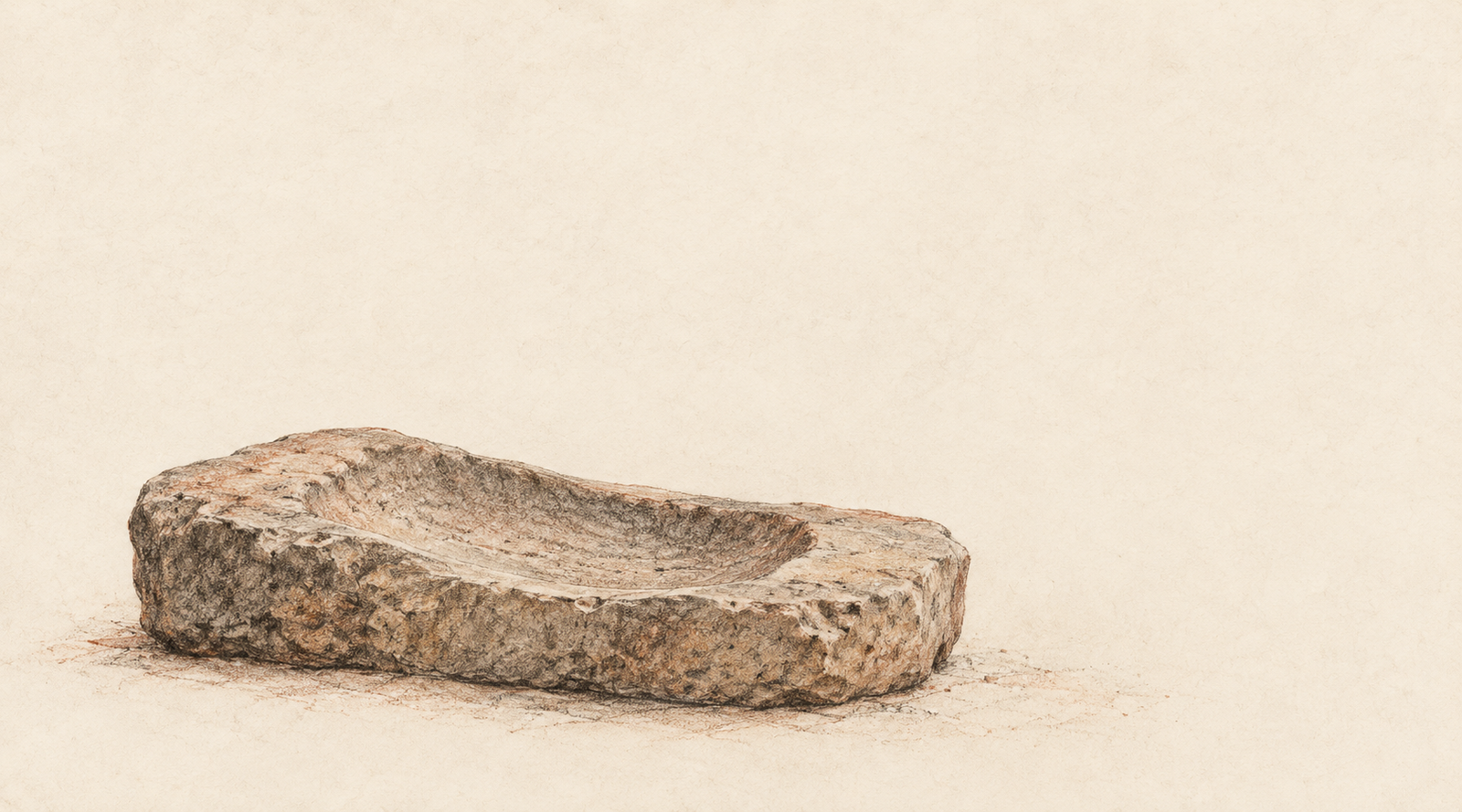

The City of Service
The temple we inherit is a building from which almost all necessity has been removed. Nothing must be brought for it to continue being what we call a temple. The sanctuary asks nothing of us. Stone is good at this kind of independence.
A living temple was otherwise.
Water had to come in. So did grain, cloth, oil, aromatic substances, fuel. The things required for worship arrived because someone carried them across a threshold.
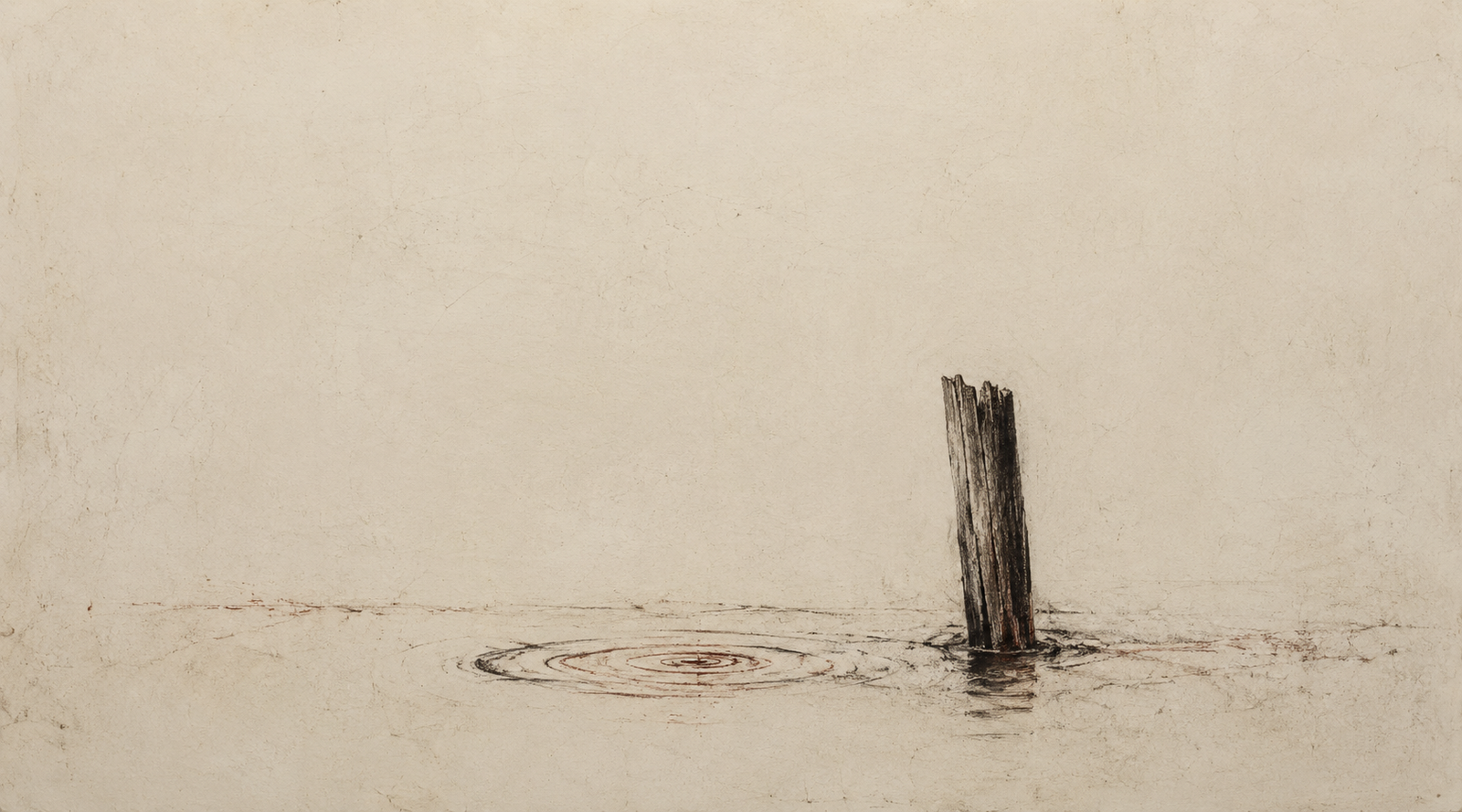

Houses of Wood, Light, and Smoke
Some of Angkor’s most intimate ruins do not rise above the ground at all. They are postholes, low mounds, hearths and ponds: durable traces of a domestic city built largely from things that decay. To restore that city is to see Angkor not only as stone, but as wood, smoke, water, repair, and people living within calling distance.