
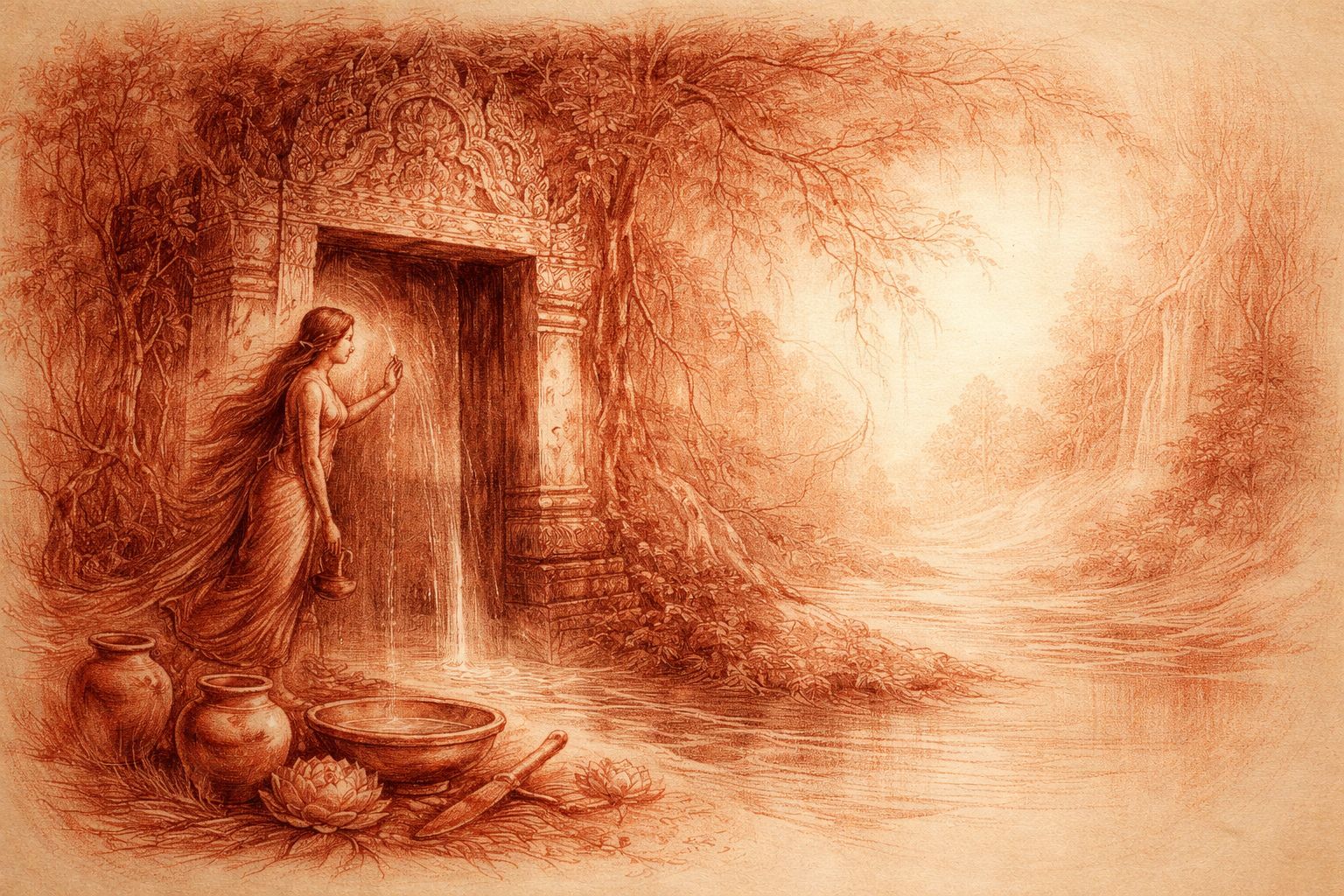

Salt-Wife at the Rain Gate
(The Marriage of Drought)
Retold from Khmer oral tradition, shaped by long listening among fields, gates, and seasons.
In the year the ponds went flat and bright, the Rain Gate stayed shut.
It stood where the old spillway meets the road. In other years, water moved through it like breath. That year, dust made its own noise. The elders said the gate hadn’t closed. They said it had stepped back. It would open only for a vow.
No one wanted a vow. The fields split. Buffalo showed bone. Children learned to count by what was gone.
Near evening, when heat hangs on, the Salt-Wife came up from the flats. She’d followed the tide inland seasons before. The sea had settled in her bones. Her footprints went pale, then were gone. She smelled of old nets. She didn’t ask. She put her hand on the gate the way you do on a wrist to feel if someone’s still there.
The gate stayed still.
That night she spoke to the elders. She said, “This isn’t hunger. It’s a marriage refused. You want water without keeping what it turns into.”
They said rain was a gift. They said the sky owed the land. She said, “Gifts pass through. Oaths stay.”
She named her price: a year without salt in the fields; a year without fresh water in the sea; and one person who would stay and see.
They laughed. Not loud. They said salt kills soil. They said fresh water dies at the shore. They said people always look away.
She came back every night. She sang, if you can call it that—no tune, just keeping time. The stone warmed under her hand. A child watched one night. A man who’d buried two sons stood another and didn’t leave. On the ninth night, the elders counted what little fish they had and said yes.
They set the pots by the gate. Salt in one. Old rain in another. Ash in the third. She asked for a blade that had cut rope and rice. A bowl that had seen birth. Then she told them to be quiet.
At dawn she married.
There wasn’t anyone to point to.
She said to the stone, “I won’t soften you. I won’t sweeten you. I’ll stand where things close and keep what’s owed.”
She cut her hand. Blood fell, then lightened when the salt took it. She pressed her palm to the gate. It answered cold.
They poured the rain. Then ash. Then salt. It went the colour of burned river-mud.
She drank it.
Three days passed. Nothing. On the fourth, a cloud stopped where clouds don’t stop. On the fifth, the wind lost track of itself. On the sixth, the gate opened a little and no more.
Water came. Not plenty. Enough to darken the dust.
People complained. She said, “A marriage isn’t a flood.”
She stayed through the first rains. When the water came down dirty, she skimmed it. When fish pushed up too soon, she turned them back. The salt stayed sealed. The witness stayed too. Some nights his legs shook. He sat anyway.
The drought came to her in the dark. It came as thirst. As memory. As the sound of the sea calling her name. She answered by saying out loud what the land did when it drank. Clay. Pebble. Root.
When the year turned, the fields held. The salt hadn’t ruined them. The witness didn’t leave the way he used to.
She washed her hands in the spillway. The gate closed—but not all the way.
She went back toward the flats. Where she walked, things didn’t hurry. But they didn’t die.
People still argue about her. Sea, drought, something else. The gate doesn’t say.
When the ponds go still again, people come. They don’t ask for floods. They bring a blade that’s worked. A bowl that remembers. Someone who can stay.
The gate listens.
—
Receive the next work
Subscribe free to receive new work from the Lucas Varro Library by email.
More from the Library

See Also
A concise and impartial dictionary of absence, promises, quarrels, ordinary objects, and the troublesome instability of words.
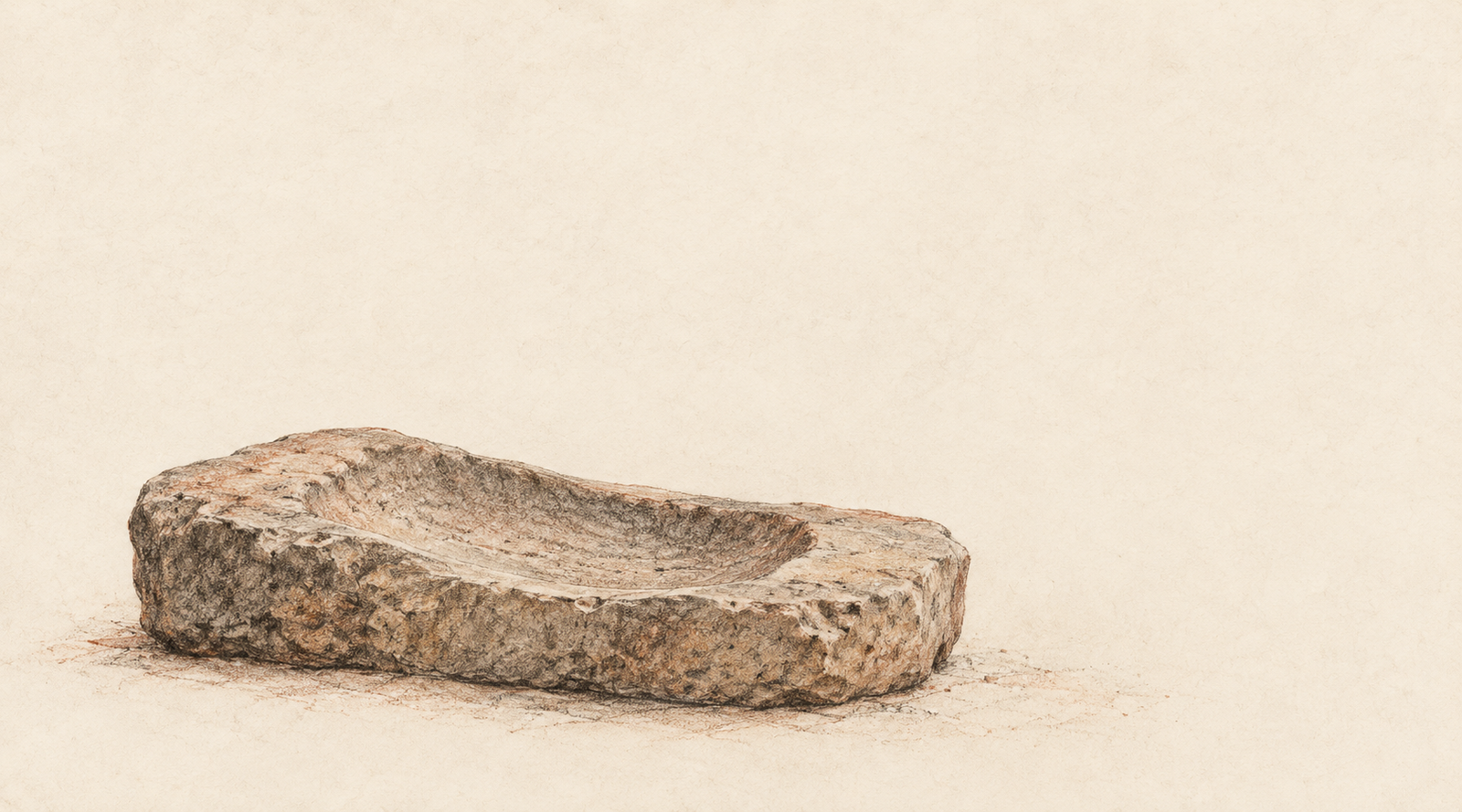

The City of Service
The temple we inherit is a building from which almost all necessity has been removed. Nothing must be brought for it to continue being what we call a temple. The sanctuary asks nothing of us. Stone is good at this kind of independence.
A living temple was otherwise.
Water had to come in. So did grain, cloth, oil, aromatic substances, fuel. The things required for worship arrived because someone carried them across a threshold.
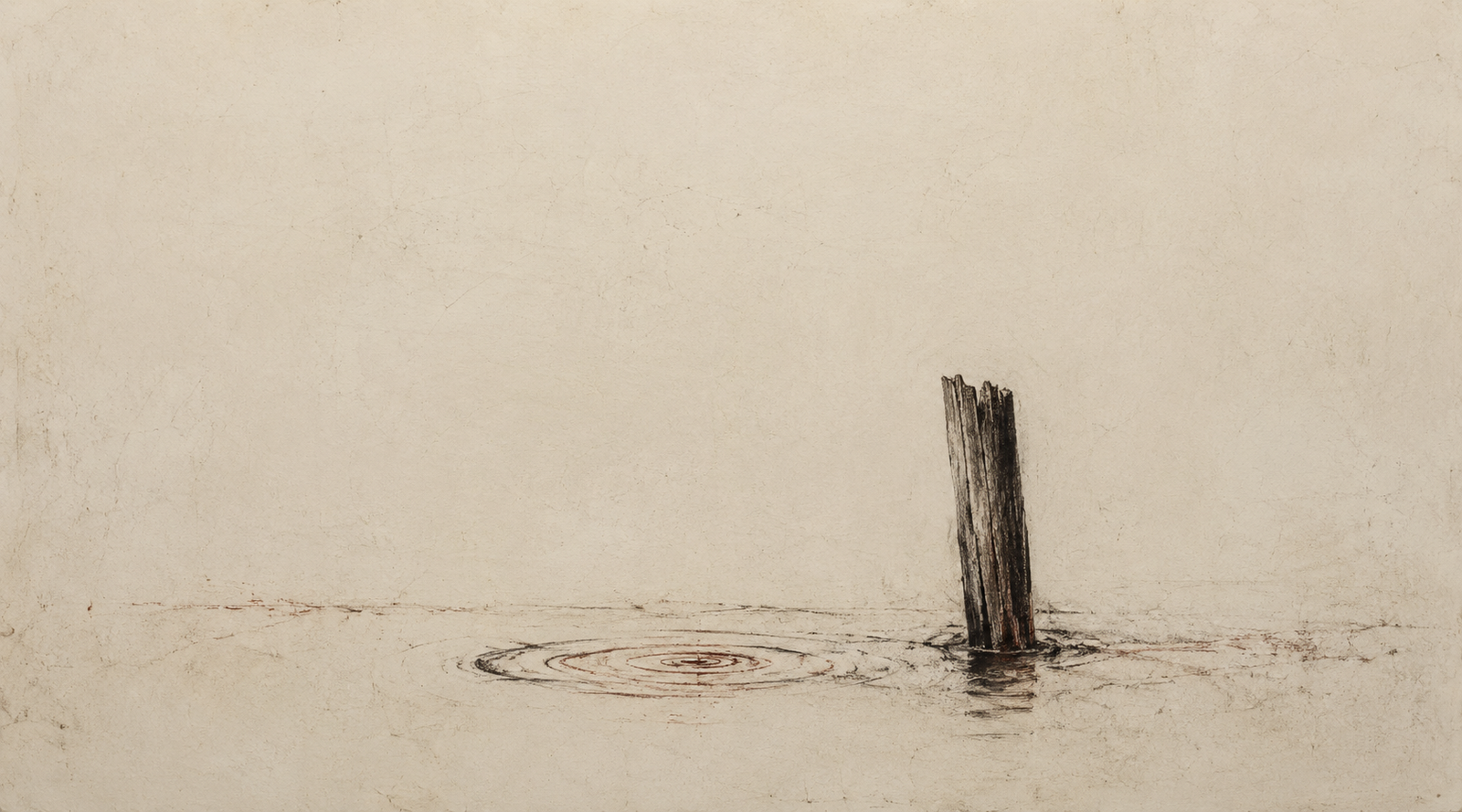

Houses of Wood, Light, and Smoke
Some of Angkor’s most intimate ruins do not rise above the ground at all. They are postholes, low mounds, hearths and ponds: durable traces of a domestic city built largely from things that decay. To restore that city is to see Angkor not only as stone, but as wood, smoke, water, repair, and people living within calling distance.