
The Lantern Chronicles gathers the ongoing Substack writings of Lucas Varro: myth and legend, contemplative essays, poems, Angkor meditations, old stories rekindled, and reflections shaped by silence, wonder, and the living way.
This is the living publication beside the Library — a place where new essays, tales, poems, fragments, and meditations first open their doors. Here the ancient world, the inward life, the temples of Angkor, and the old stories continue to speak through shadow, attention, image, and flame.
This blog gathers excerpted thresholds from the wider Lantern Chronicles publication, including writings from The Living Way, The Vow, The Angkor Library, Myth and Legend, and other Lucas Varro works carried onward through Substack. Each excerpt offers an entrance into the full piece: a first image, a first pressure, a first invitation to continue.
The full publication continues on Substack at The Lantern Chronicles, where Lucas Varro publishes new essays, poems, mythic writings, and contemplative works by email and subscription.
For the broader archive of Lucas Varro’s written and visual work, visit The Library.
The Lantern Chronicles
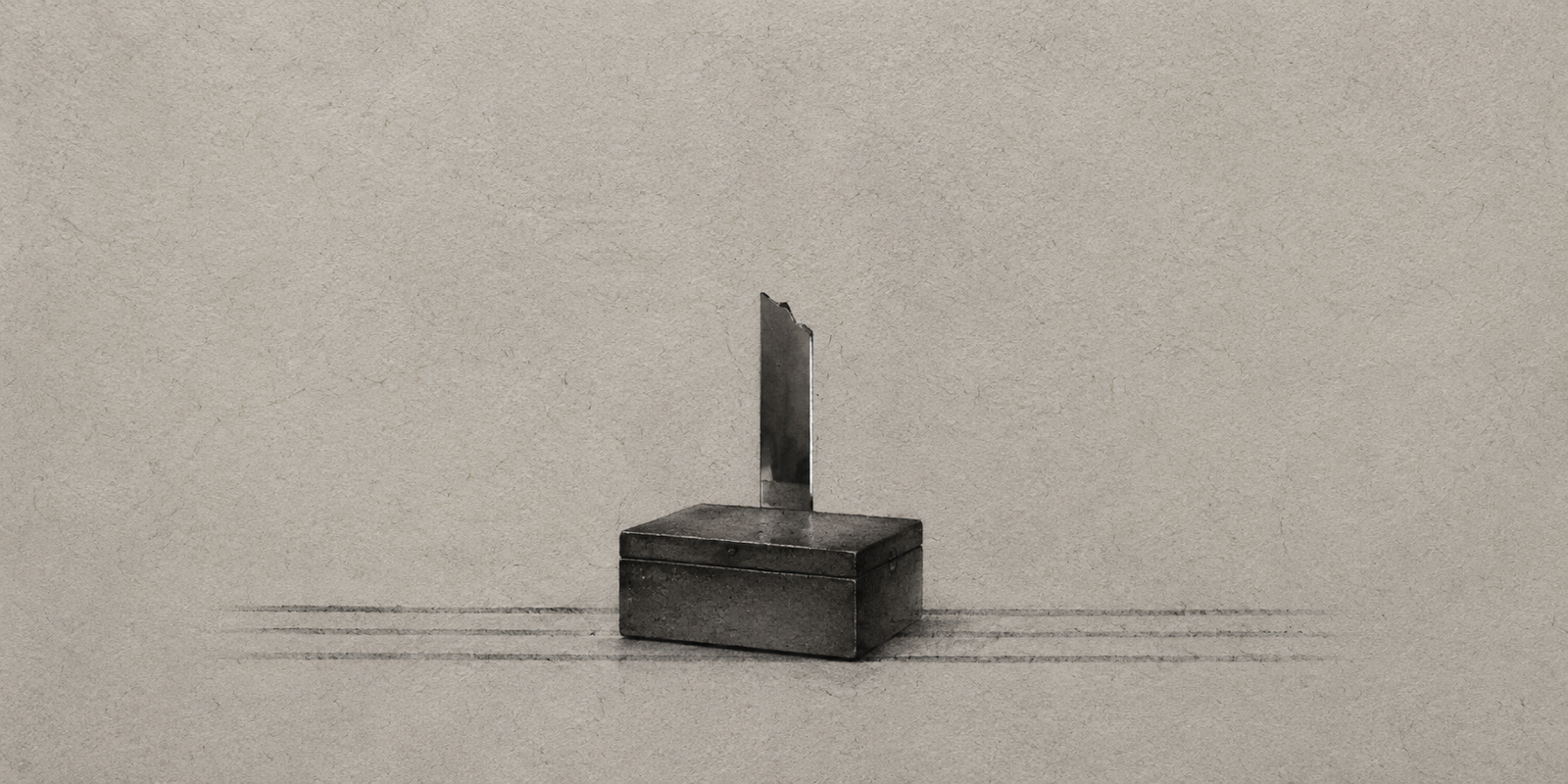

The Mirror, the Ledger, and the Box
Three ordinary acts—tending a mirror, keeping a ledger, reading a page—draw three voices into the same unseen machinery. In this original flash-fiction triptych by Lucas Varro, hunger becomes debt, witness becomes participation, and attention itself acquires a price. Enter through Mirror Hunger, where one rule has always been enough: do not lean close.
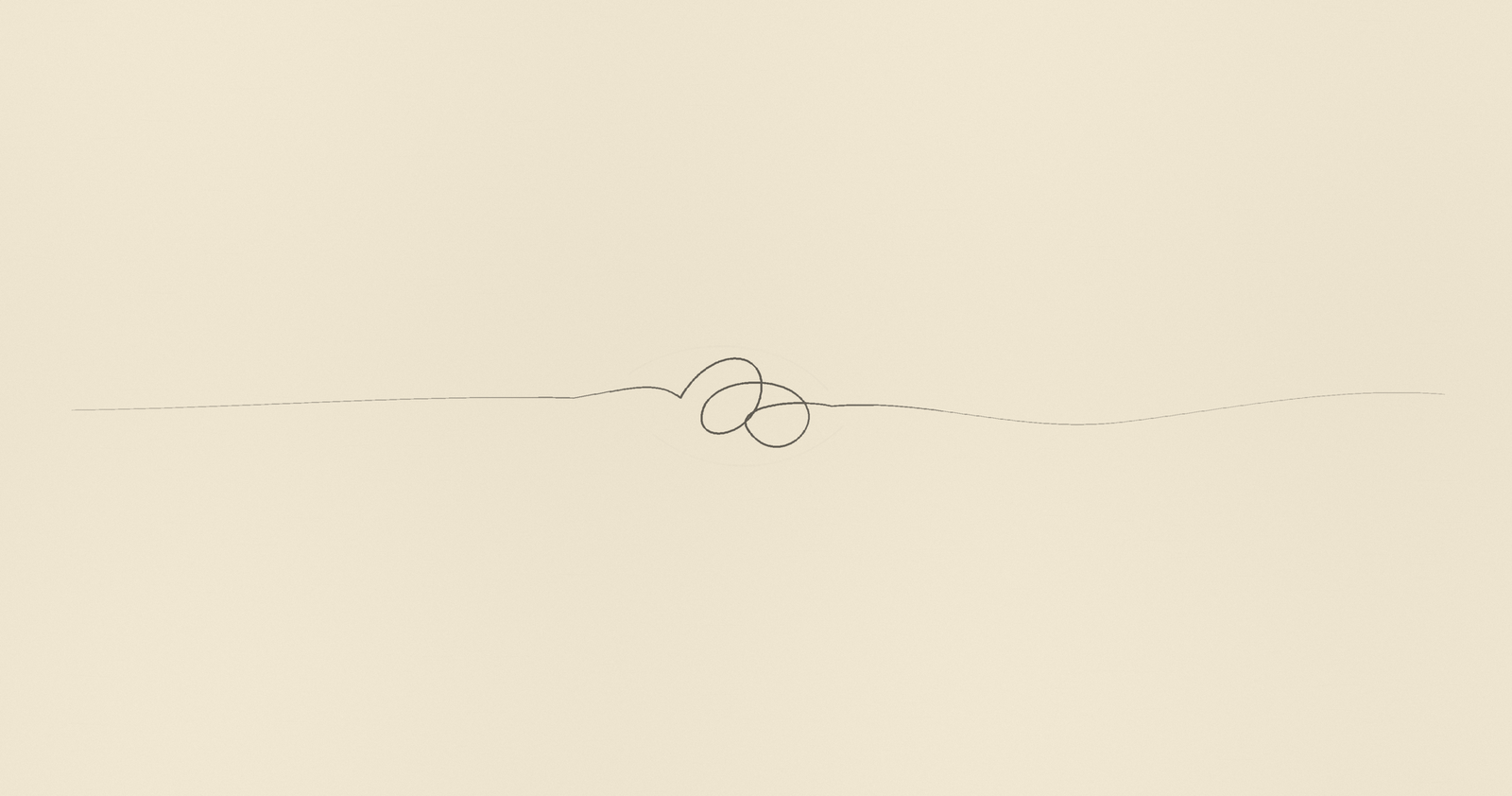

What the Hand Knows
When does effort become interference? This contemplative essay from The Living Way explores wu wei, attention and the human compulsion to force—whether in work, conversation, ambition or the private demand that reality unfold according to plan.
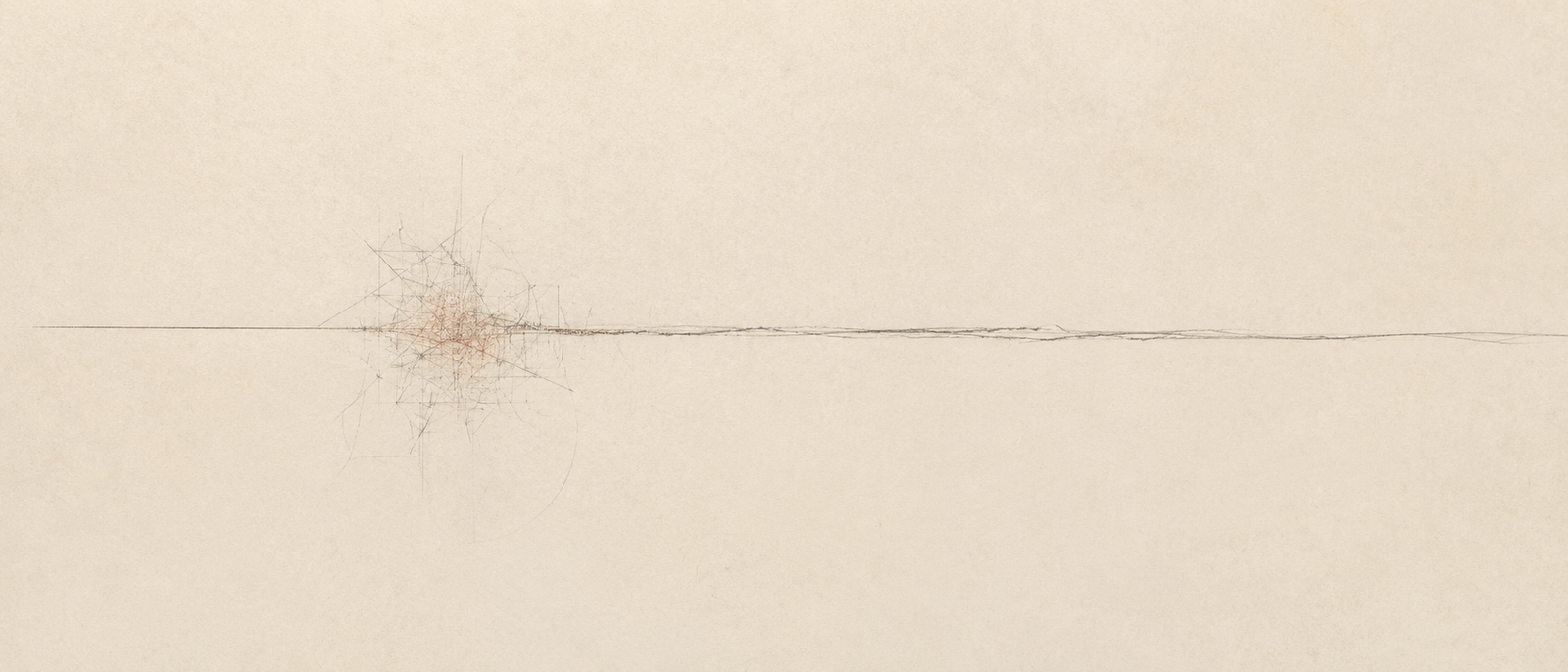

The Beauty Time Is Allowed to Make
A literary-philosophical essay on wabi-sabi, handmade kozo paper, and the modern demand for seamlessness. Beginning with red chalk meeting a resistant surface, Lucas Varro asks whether value must arrive untouched—and whether care becomes destructive when it begins erasing the visible history of objects and human lives.
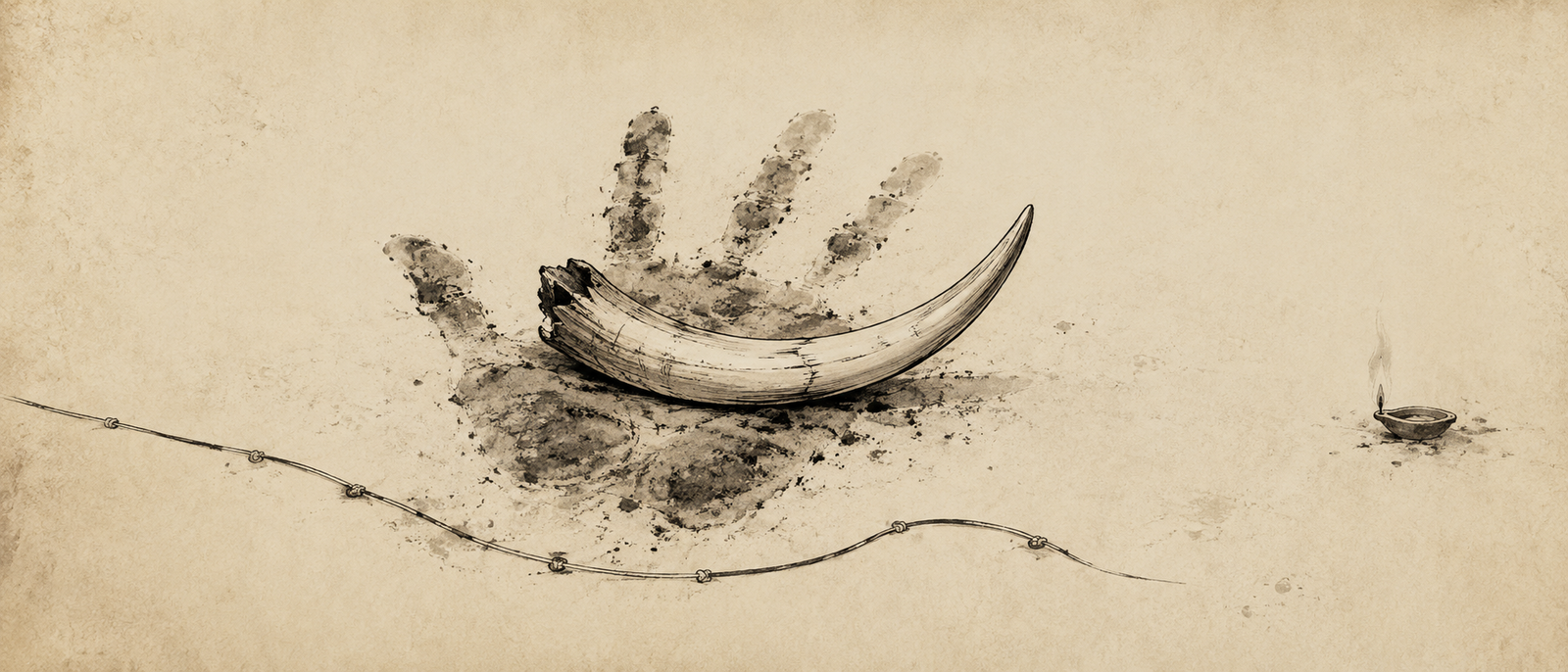

Fires of the Old World XX — The Mud-Hunter
A hearthlit retelling of Arjuna and the Kirata from Fires of the Old World. A warrior seeks a divine weapon in the forest, but the god comes first as a mud-dark hunter, laughing beside a fallen boar, before the open hand can receive what pride cannot hold.

The Left Side of the Bed: A Penelope Poem from The Vow
A spare Penelope poem from The Vow, shaped through sandals, cloth, knife, cup, dog, and years of household time. The Left Side of the Bed lets ordinary objects carry the pressure of absence without explaining what they mean.

The Stranger Is Where Inheritance Is Weighed
A Living Way essay on faith, inheritance, empire, and moral humility. The Stranger Is Where Inheritance Is Weighed asks how the stories that form us can become either mercy or contempt — and why the true test of any tradition is whether it can still see the stranger.
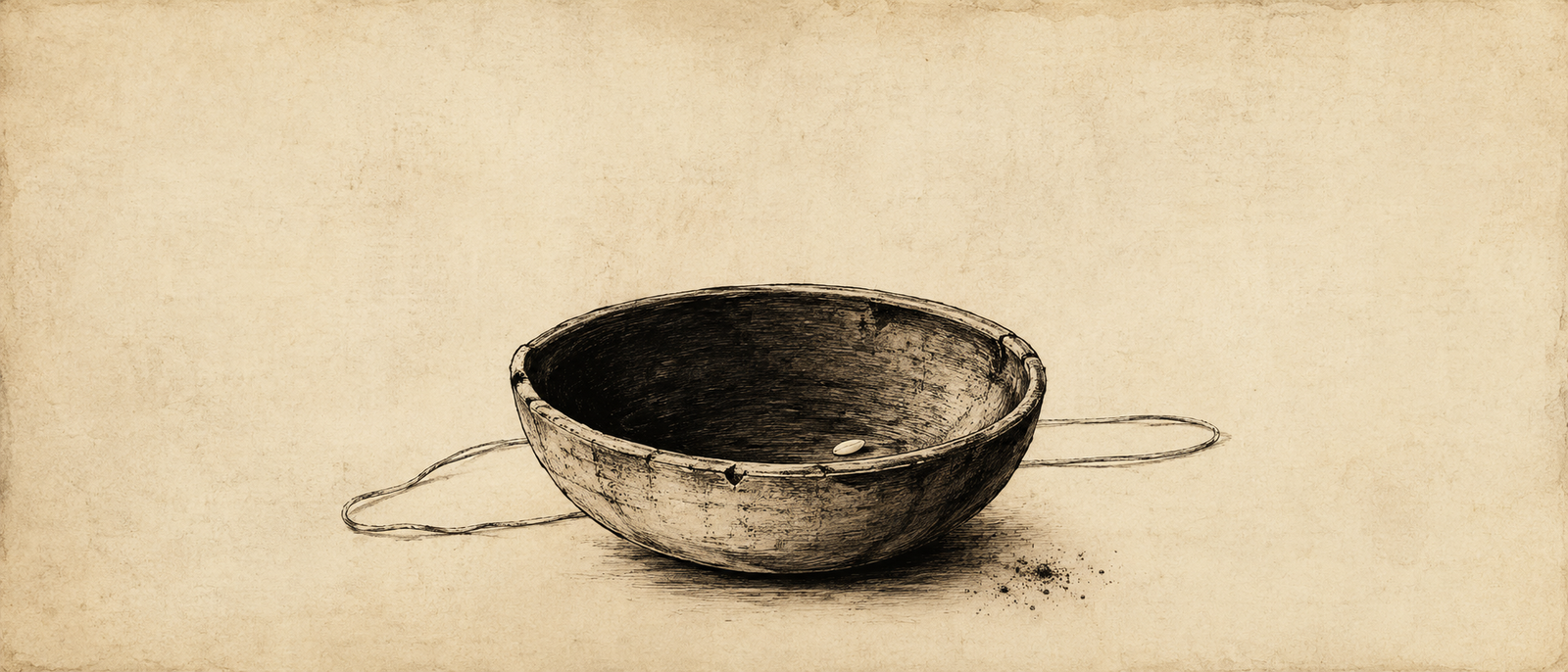

The Beggar God: A Bhikshatana Retelling
A hearthlit retelling of Bhikshatana: Shiva enters the forest as a barefoot beggar, carrying only ash, silence, and an empty bowl. In this Fires of the Old World tale, spiritual pride is not defeated by argument or spectacle, but revealed by what the hand cannot yet release.

At the Lip — A Poem from The Vow
A poem from The Vow on a waterfall, a river reaching the edge, and the stillness that gives falling its shape. At the Lip stays with one overwhelming natural image until movement, constraint, and scale become almost unbearable in their precision.

The Story Is Not Finished Yet
A Living Way essay on the old parable of fortune and misfortune: the lost horse, the returned horse, the injured son, and the wisdom of refusing to give the present a final name. This is not consolation, but a meditation on judgement, uncertainty, and the discipline of not closing life too soon.
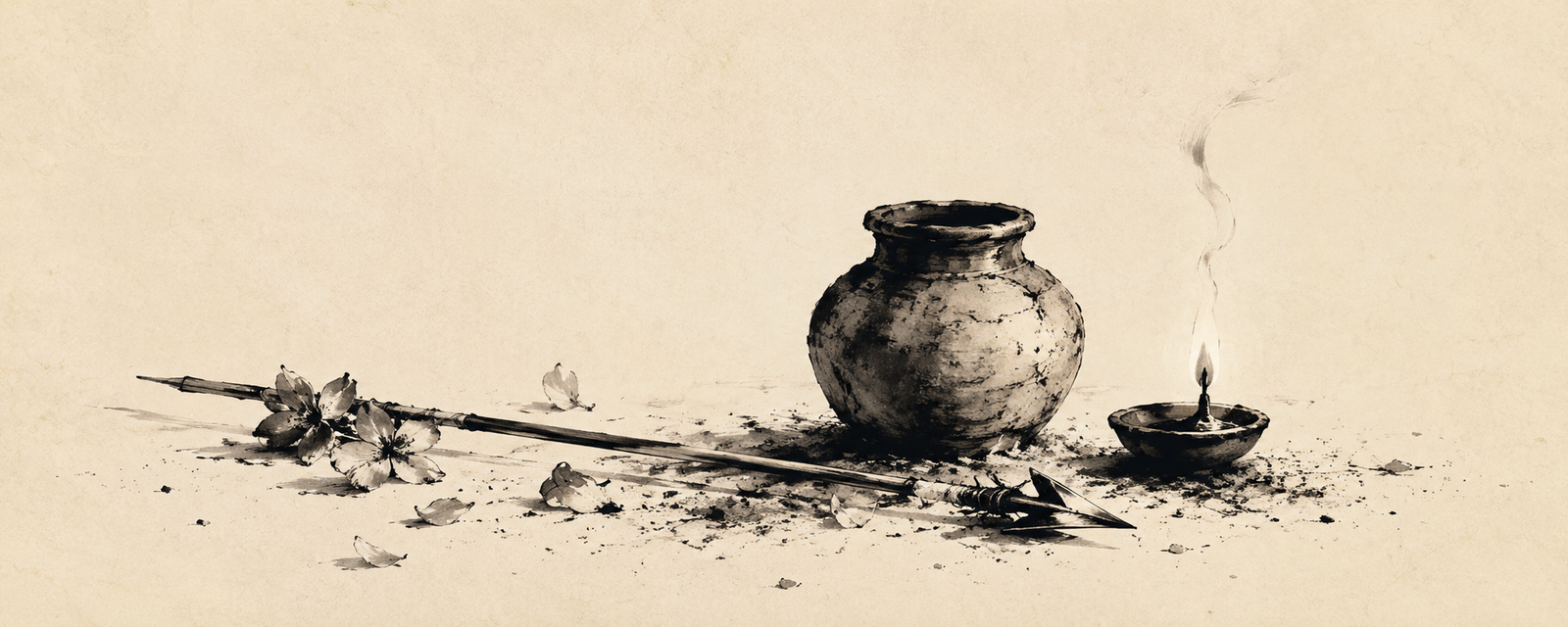

Desire Turned to Ash — Shiva and Kama Retold
A hearthlit retelling of Shiva, Kama, Rati, and Parvati: desire comes to the mountain with a flower-arrow, and Shiva answers with fire. This excerpt opens the tale in the quiet room of a grandmother and child, before moving to the cold slopes where longing, ash, and spring wait to meet.

The Kindness That Continues
A Living Way companion essay on everyday kindness, altruism, and the moral temperature of ordinary encounters. This piece asks why one act of kindness is never enough, yet still may alter the next human moment — not by replacing justice, but by teaching justice how to remain human.

The Society That Does Not Turn Away
A Living Way essay on hospitality, refuge, immigration, and the moral architecture of civilisation. Beginning with the image of the door, this piece asks what a society reveals about itself when the vulnerable arrive before its systems, and whether mercy can become durable enough to be built into the road.
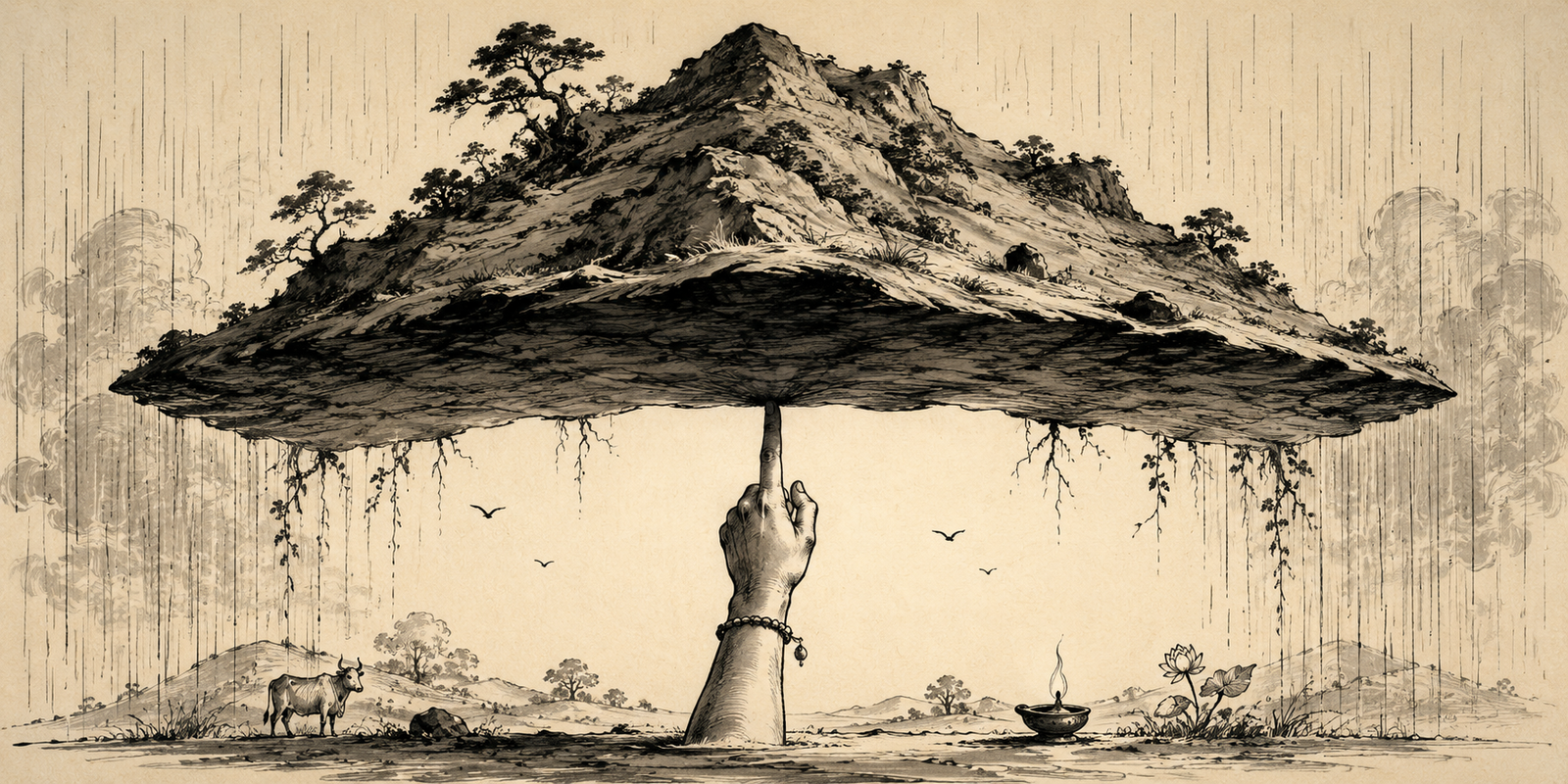

The Lifted Mountain — A Krishna and Govardhana Retelling
A hearthlit retelling of Krishna and Govardhana: rain becomes punishment, a mountain becomes shelter, and a village learns what it means to stand beneath a hand held steady. Fires of the Old World XVII — The Lifted Mountain continues the sacred mythic cycle with tenderness, danger, and old-world wonder.


The Difference Between a Concept and a Door
A Living Way essay on sacred language, attention, and self-deception. Moving through God, Brahman, Plotinus, Hindu form, Krishnamurti, and the image of the hut, this piece asks whether our highest words clarify reality — or become beautiful furniture for the defended self.


Fires of the Old World XVI —The Wrestling Hall
A hearthlit retelling of Krishna and Kamsa in the wrestling hall of Mathura. A broken bell hangs above the sand. A fearful king watches two boys enter without armour, without drums, and without fear. In this tale, power does not end in thunder, but in one calm hand closing without hate.
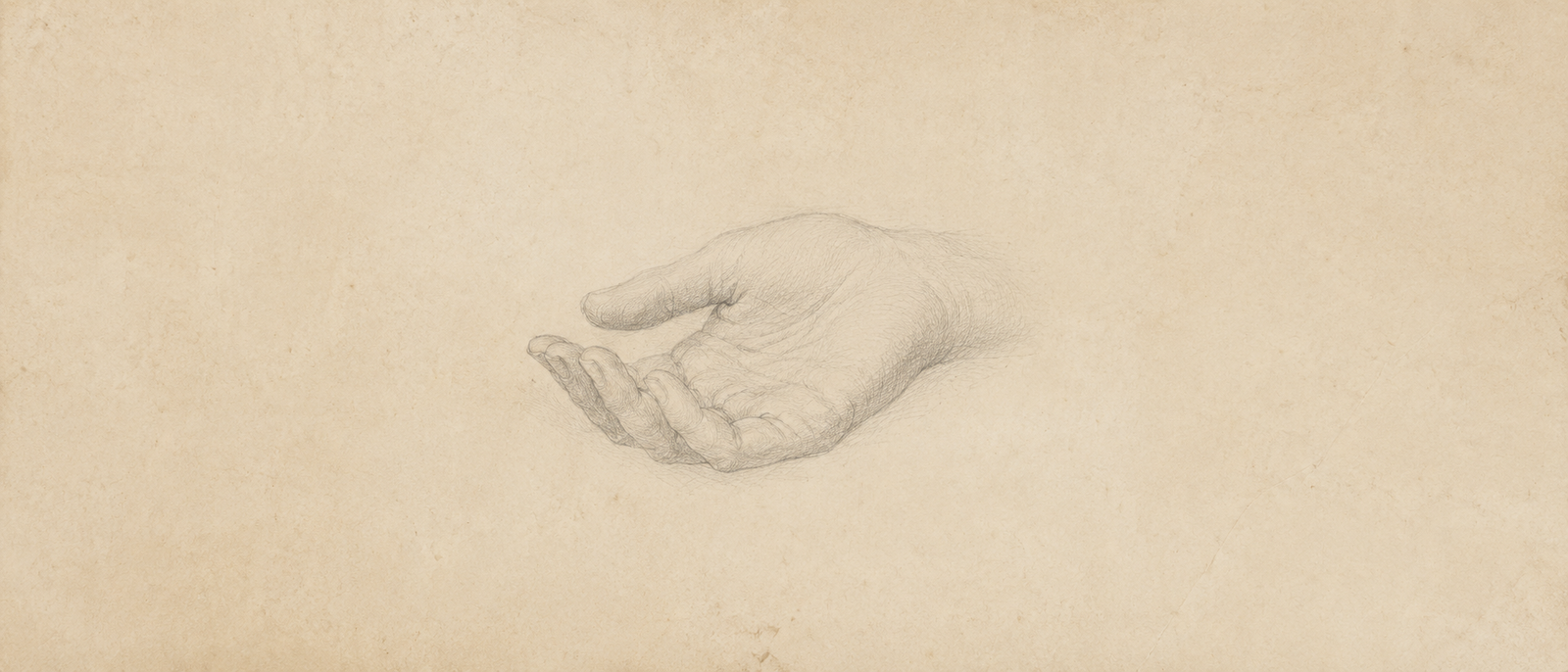

What the Hand Knew
In a room gone blue with evening, a hand moves before thought. What the Hand Knew is a quiet poem of bodily recognition: the beloved beside us, ordinary and unaware, while touch remembers home before the mind can arrive.
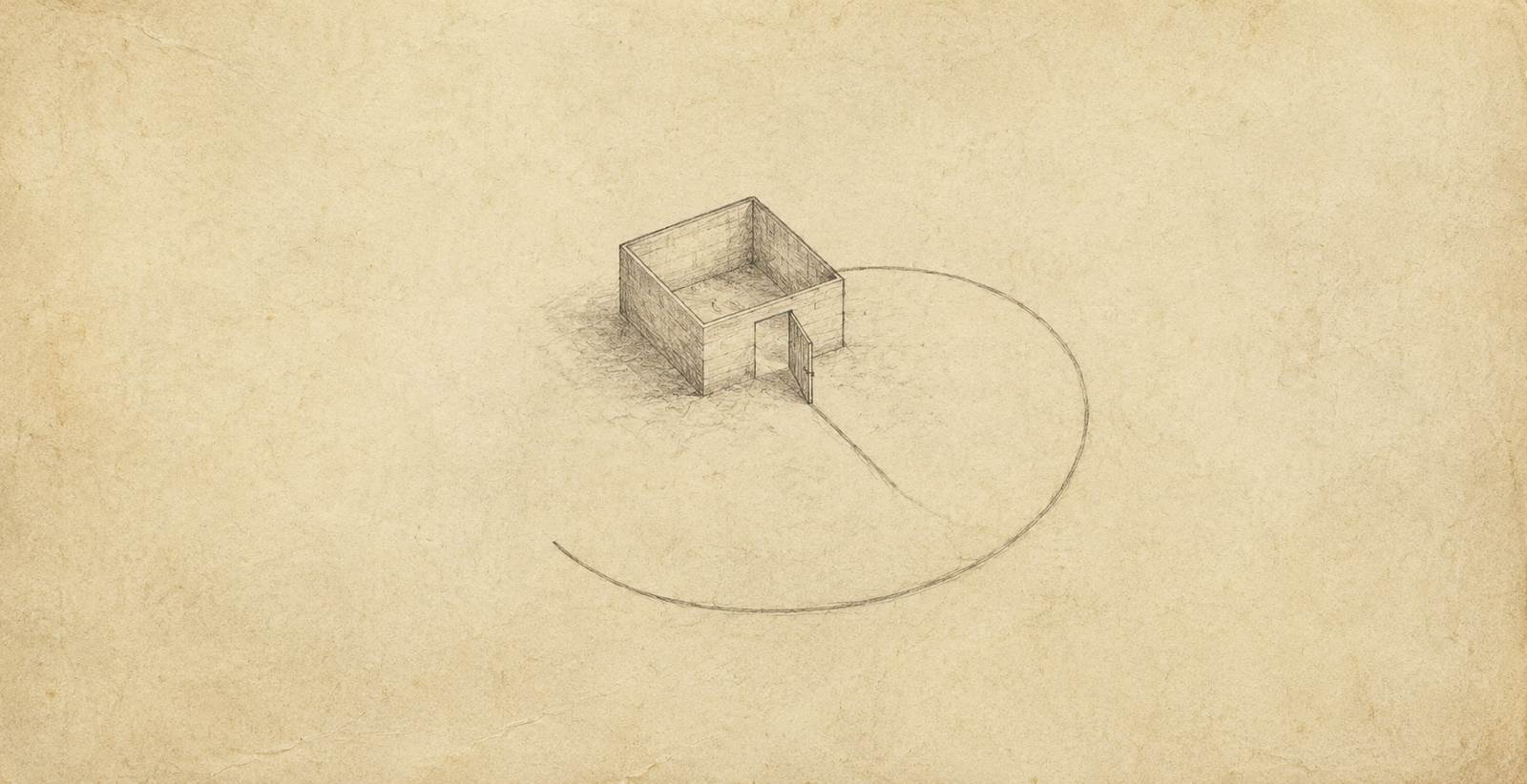

The Hut We Carry With Us
A Living Way essay on Kamo no Chomei, Hojoki, solitude, refuge, and the danger of becoming attached to the very life that saved us. The hut may shelter the soul from the noise of the world — but it may also become another possession.
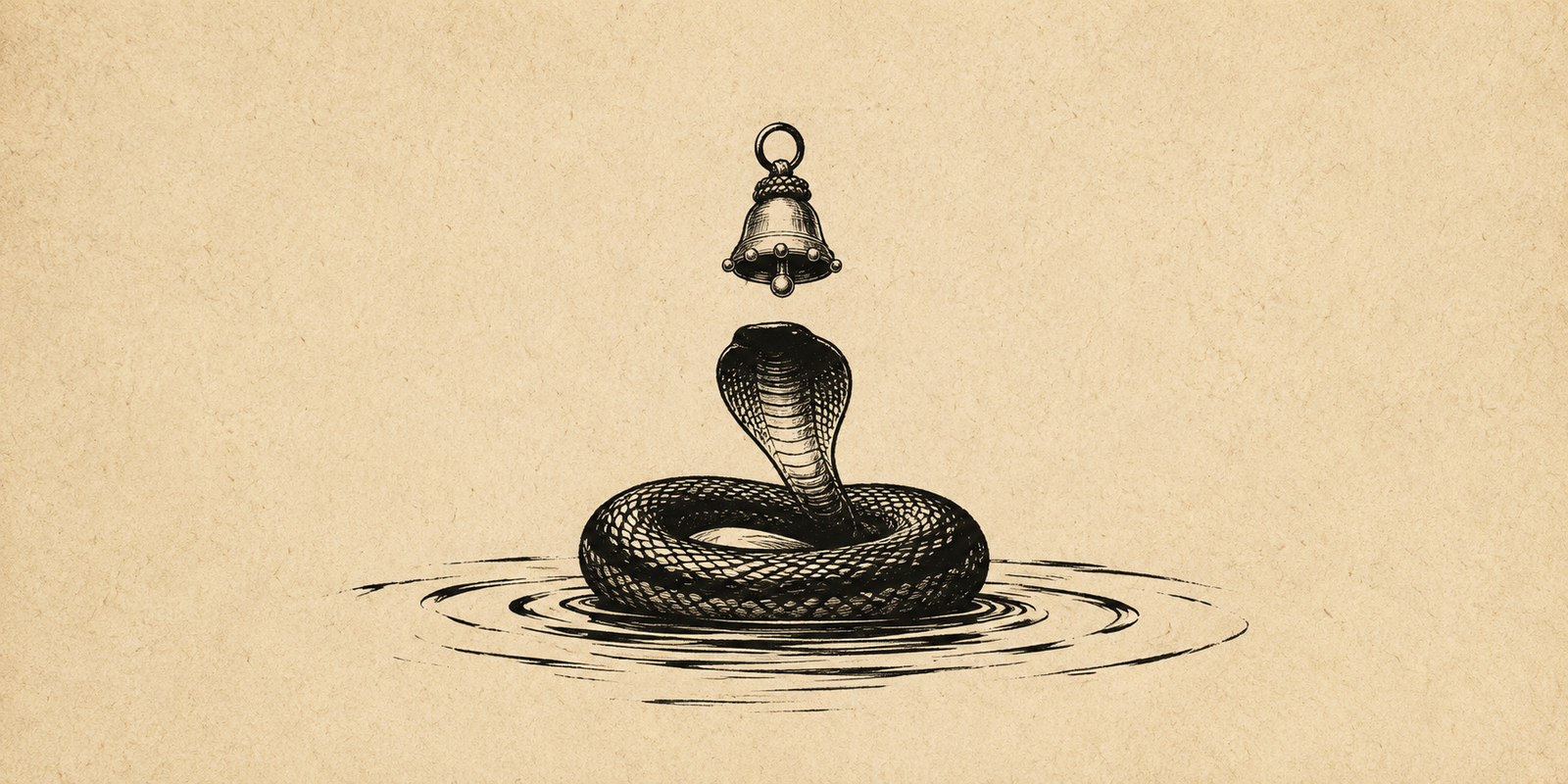

Fires of the Old World XV — The Serpent-River Dance
A hearthlit retelling of Krishna and Kaliya, the poisoned river, and the child who danced on the serpent’s hood until the water breathed again.


Where the River Outlasts Us
A spare lyric poem from The Vow on standing at the edge of beauty, absence, and time. A cliff, a river, and evening become the site of a deeper recognition: the world was magnificent before us, will continue without us, and wounds us most by remaining beautiful.
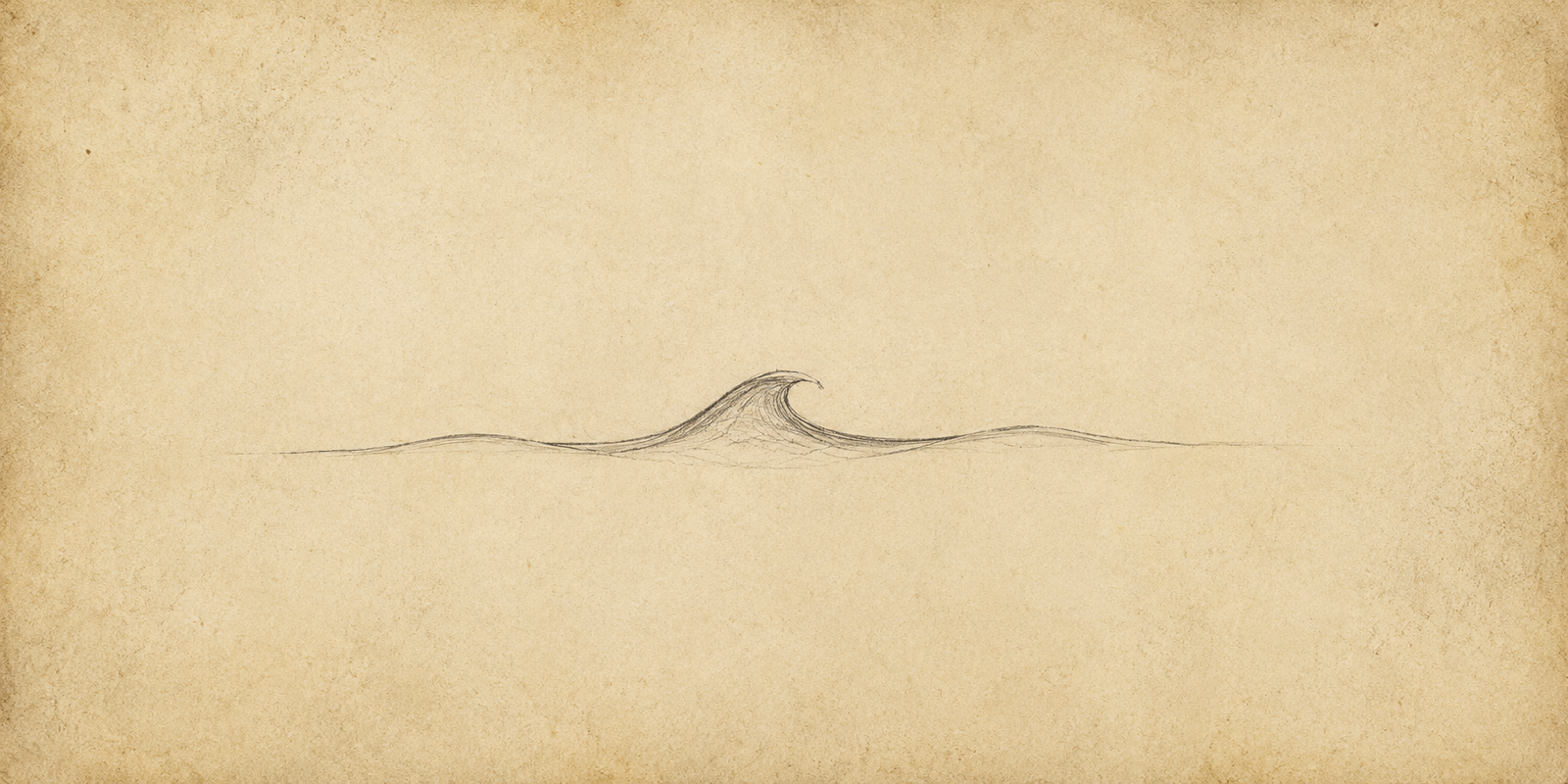

Now in The Vow: Spring Sea
A small poem from The Vow, Spring Sea reduces return to its barest motion: the sea lifting what it cannot keep, laying it down again, and moving without grief or mercy. It is a poem of recurrence, surrender, and the quiet intelligence of water.
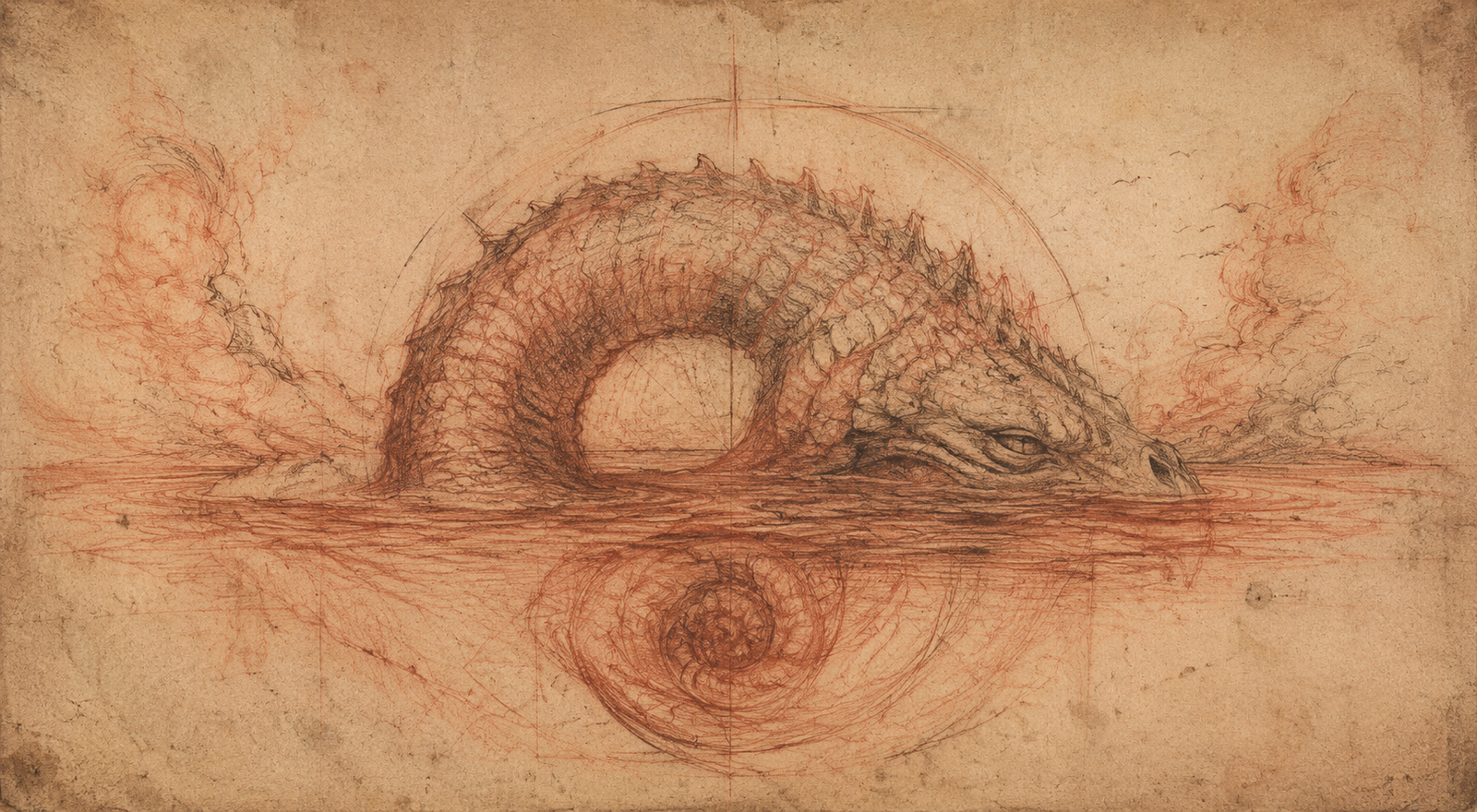

Leviathan — The Coiling Deep
The sea is not empty. It waits beneath every voyage, beneath every prayer spoken over salt. In Leviathan — The Coiling Deep, horizon becomes body, conquest becomes foam, and the old terror of the unmastered world rises in silence beneath the ships of men.

The Astonishment of Being
A foundational Living Way essay on existence, cosmic indifference, mortality, and human tenderness. Lucas Varro asks why the brevity of life does not make meaning false, but more urgent — and why, for one brief interval in the dark, matter becoming conscious enough to love is cause for astonishment.
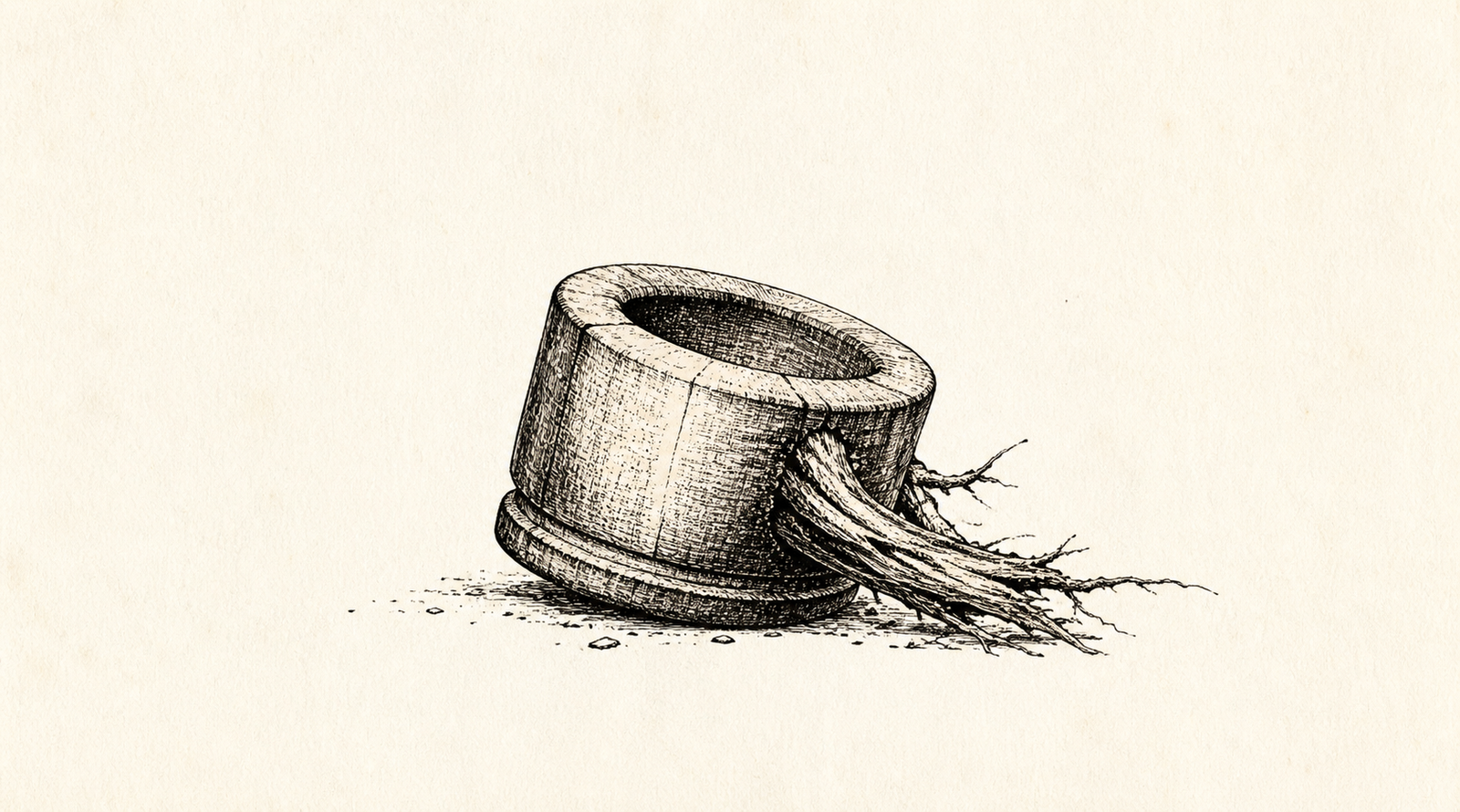

Fires of the Old World XIV — The Fallen Trees
A hearthlit Krishna tale from Fires of the Old World: a child is tied to a mortar, two Arjuna trees wait beneath their bark, and what falls is not only wood. This mythic retelling gathers household dust, sacred childhood, pride, curse, and the strange mercy of release.
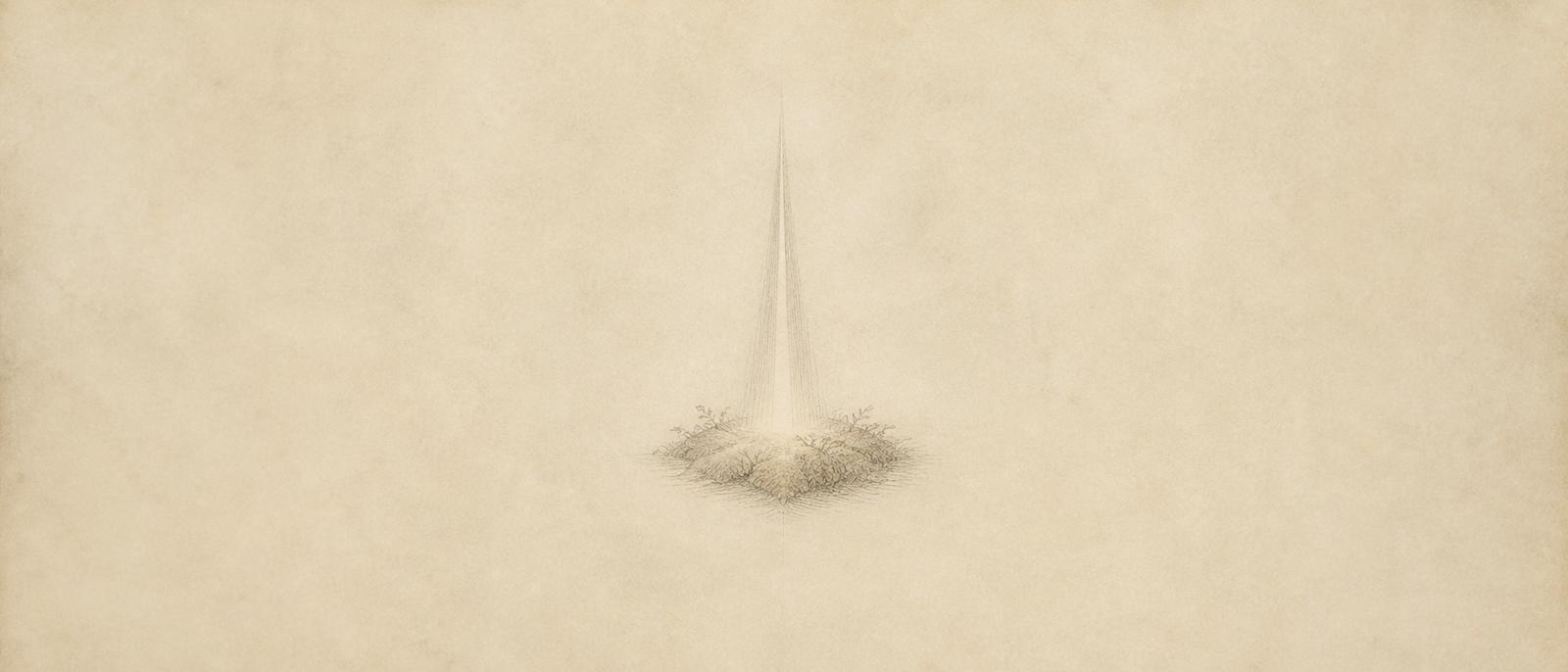

The Place Where Light Arrives
A thread of light enters the hidden wood and finds the moss. Nothing asks to be seen. Nothing changes because it is seen. Yet for one brief moment, the dark earth lies open beneath a thin gold weight.

The Courage to Stand Alone
A meditation on courage, solitude, and the modern crowd: this Living Way essay asks what it means to stand inwardly apart when public life rewards speed, certainty, and imitation — and why one must learn to stand alone in order to belong truthfully.
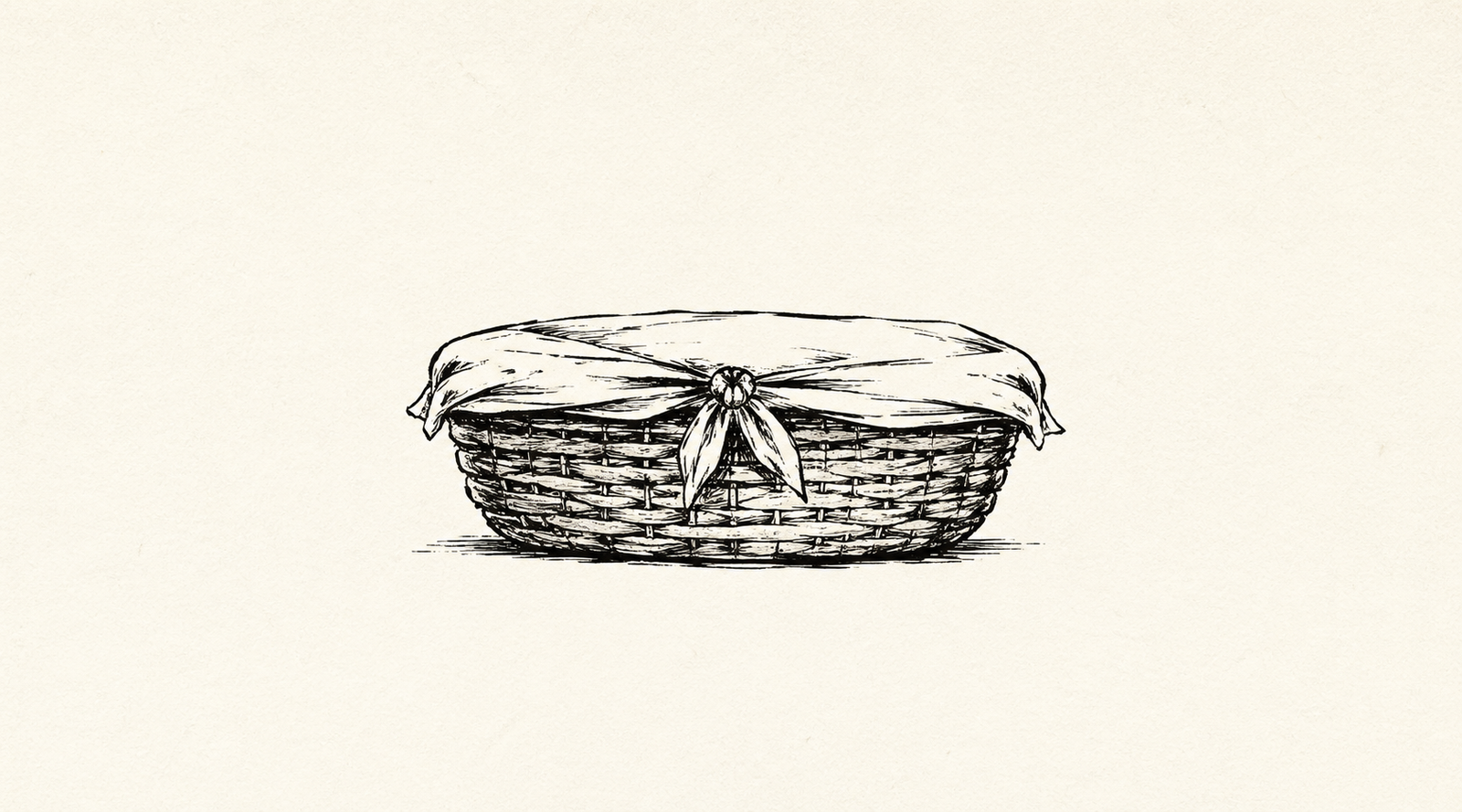

Fires of the Old World XIII — The Child Like a Secret
A hearthlit retelling of Krishna’s birth: prophecy, prison, Vasudeva’s midnight crossing, Shesha’s shelter, Yogamaya’s revelation, and Kamsa’s fear. In The Child Like a Secret, the divine enters the world not as spectacle first, but as a sleeping child carried through rain.
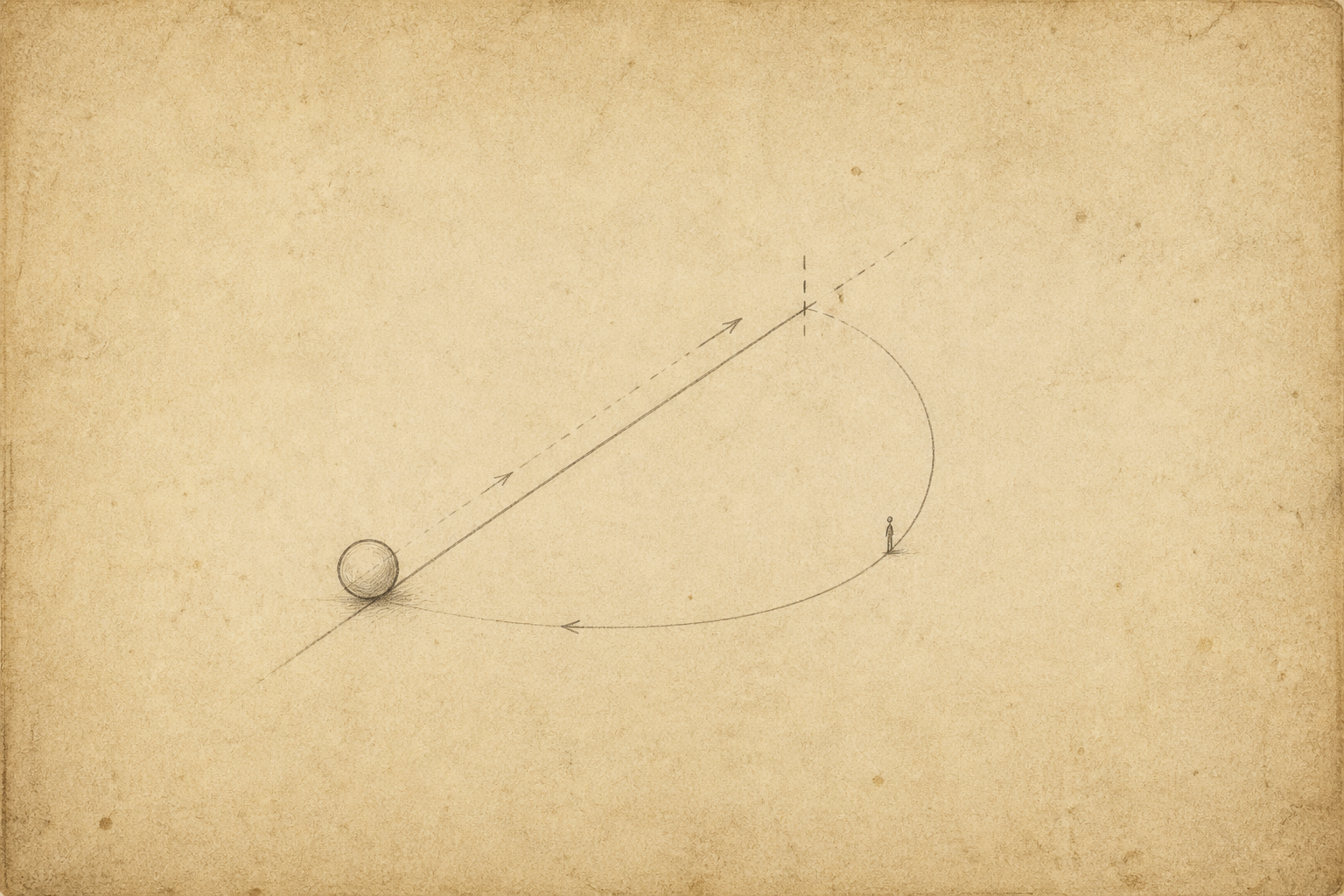

One Must Imagine Sisyphus Present
A Living Way essay on Camus, Sisyphus, absurdism, acceptance, and presence. Lucas Varro asks whether the deeper task is not to imagine Sisyphus happy, but present: awake within repetition, faithful to chosen values, and unwilling to abandon the soul before the stone.

Now in The Living Way: The Question No One Asks Correctly
A Living Way book announcement for The Question No One Asks Correctly: On Liberation and the End of Misidentification. Lucas Varro introduces a complete philosophical work on liberation, the false centre, Jainism, Buddhism, Vedanta, and the prior question beneath spiritual striving: what is it that is doing the living?

Fires of the Old World XII — The Brother’s Shadow
A grave retelling of Rama, Sugriva, and Valin: brotherhood, kingship, fear, vow, and the hidden arrow. In The Brother’s Shadow, a wrong is answered, a throne begins to turn, and the forest keeps the cost after justice has spoken.

The Silence Gathers
At the edge of evening, the forest releases its last gold. Root, stone, and shadow draw close to one another, almost becoming a single body. Then a small pane of light finds the moss and remains.

Fires of the Old World XI — The Exiled Monkey King
A hearthlit retelling of Rama, Sugriva, Hanuman, and the grief beneath alliance. In The Exiled Monkey King, a frightened ruler hides on Mount Rishyamuka, a brother’s wound remains unproven, and friendship begins when one exile sets down his bow before another.

What Cannot Be Finished
A Living Way essay on maintenance, fidelity, recurrence, and the life that must be tended. Lucas Varro asks why the most important things — love, attention, character, grief, understanding — cannot be completed once and for all, but must be returned to with care.

What It Means to Be Equal to a Place
A Living Way essay on Angkor, reverence, proportion, and inward formation. Lucas Varro asks what it means to be equal to a place: not to master or decode it, but to become capable of receiving its greatness without reducing it to one’s own scale.
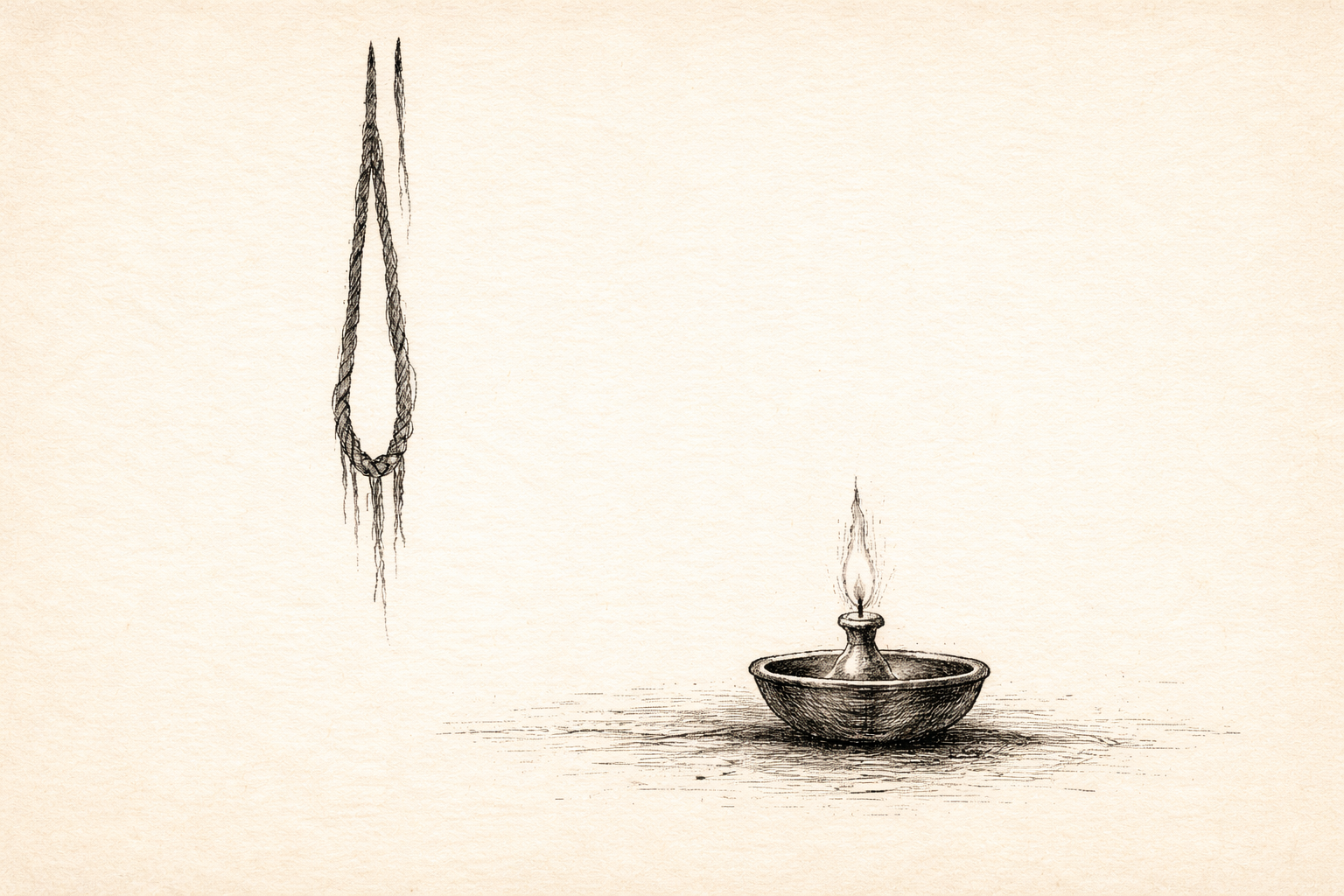

Fires of the Old World X — The Neckless Hunger
A hearthlit retelling of Rama, Lakshmana, and Kabandha: a road at dusk, a monster without a head, a lamp that does not fail. In The Neckless Hunger, violence opens into release, hunger remembers its buried name, and the southern road begins through fire.


The Beautiful Foolishness of Things
A Living Way essay on imperfection, tenderness, repair, and the humble dignity of ordinary things. Lucas Varro asks what worn objects reveal about care, fidelity, and the fragile beauty of a world that does not need to be flawless before it can be held.

The Discipline of Letting a Thing Appear
A Living Way essay on Angkor, attention, patience, and the discipline of perception. Lucas Varro asks what it means to let reality appear without forcing it into immediate use — and why some truths, places, and presences become available only to restraint.

A New Book in The Living Way: The Many Gods
A Living Way announcement and threshold essay for The Many Gods, Lucas Varro’s inquiry into Hindu multiplicity, non-duality, form, mantra, image, and attention. First published in 2010, the book returns as a philosophical refusal of simplification: an argument that the many need not be thinned before the one can be affirmed.

Fires of the Old World IX — The Golden Deer
A hearthlit retelling of Rama, Sita, Lakshmana, Marica, and the golden deer. In Fires of the Old World IX — The Golden Deer, beauty becomes bait, love walks toward danger, and one pale line in the dust is all that stands between exile and ruin.

Why We No Longer Know How to Approach Great Things
A Living Way essay on Angkor, reverence, attention, and the modern inability to receive what exceeds us. Lucas Varro asks why arrival is not the same as approach, and how the inward manners required for beauty, truth, and greatness might still be relearned.

Fires of the Old World VIII — The Bow That Waited
A luminous retelling of Rama, Sita, and the great bow at Mithila. In The Bow That Waited, princes strain and fail before a sleeping weight, until one quiet hand lifts what force could not move, and a garland settles where thunder has just broken.

The Architect and the River
A Living Way essay on Confucius and Laozi, form and flow, discipline and release. Lucas Varro asks why human life needs both the architect and the river: structures strong enough to prevent drift, and mercy spacious enough to prevent the soul from hardening.

Fires of the Old World VII — The First Arrow
A hearthlit retelling of Rama and Tataka: the first arrow, the first true crossing, and the cost that does not end with the shot. In Fires of the Old World VII — The First Arrow, a boy enters the forest, a life is taken, and childhood does not return whole.

The Mercy of the Unfinished
A Living Way essay on imperfection, repair, beauty, and worth. Lucas Varro asks whether perfection is not fullness but untouchability, and why the unfinished may carry a deeper mercy than the flawless in lives shaped by time, pressure, and use.

Come Waste Your Time With Me
A Living Way essay on love, presence, and the quiet redemption of so-called wasted time. Lucas Varro asks what makes an hour feel spent or given back, and why some forms of human nearness release us from the pressure to make every moment useful.

The Desecration of Ordinary Happiness
A Living Way essay on social media, cruelty, nationalism, and the defence of ordinary happiness. Lucas Varro asks why innocent joy so quickly becomes material for grievance, and what must be protected when the crowd learns to wound what it cannot bless.

The Machine and the Human Image
A Living Way essay on social media, inwardness, and the hidden image of the human person built into the machine. Lucas Varro argues that the deepest damage is not distraction alone, but the training of the self to live as reactor, performer, and surface for stimulation.
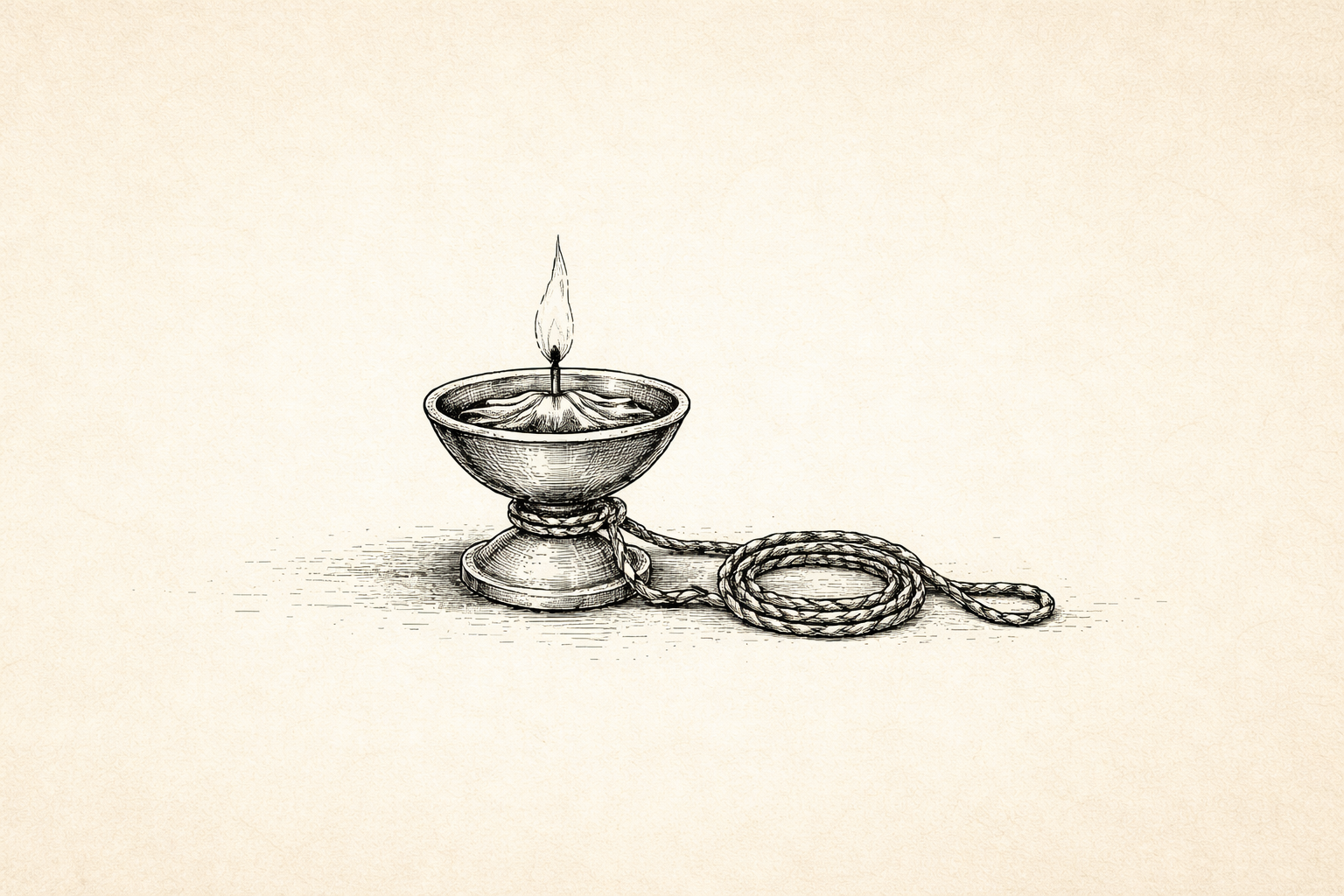

Fires of the Old World VI — The Mountain Under His Hand
A hearthlit retelling of Ravana at Mount Kailasa: a king comes with crown, measuring cord, and storm in him, only to meet a stillness no force can move. In The Mountain Under His Hand, pride is not defeated by spectacle, but pressed slowly into song, ash, and recognition.

The Wager for This Life
A Living Way essay on meaning, mortality, and earthly fidelity. Beginning with Pascal’s Wager, Lucas Varro asks whether the wiser wager is not faith in another world, but a deeper commitment to this one: to love, think, build, and remain present without metaphysical guarantee.

Tantra and the Refusal of Purity
A Living Way essay on Tantra, wholeness, purity, desire, fear, and transformation. This piece asks whether freedom begins not by escaping the body, grief, contradiction, and mortality, but by meeting them without disguise.

The Spark and the Weight of Being Human
A Living Way essay on self-awareness, mortality, conscience, and the burden of being human. This meditation asks how a fragile creature can know its own fragility and still create meaning, love, art, responsibility, and grace beneath the pressure of finitude.