
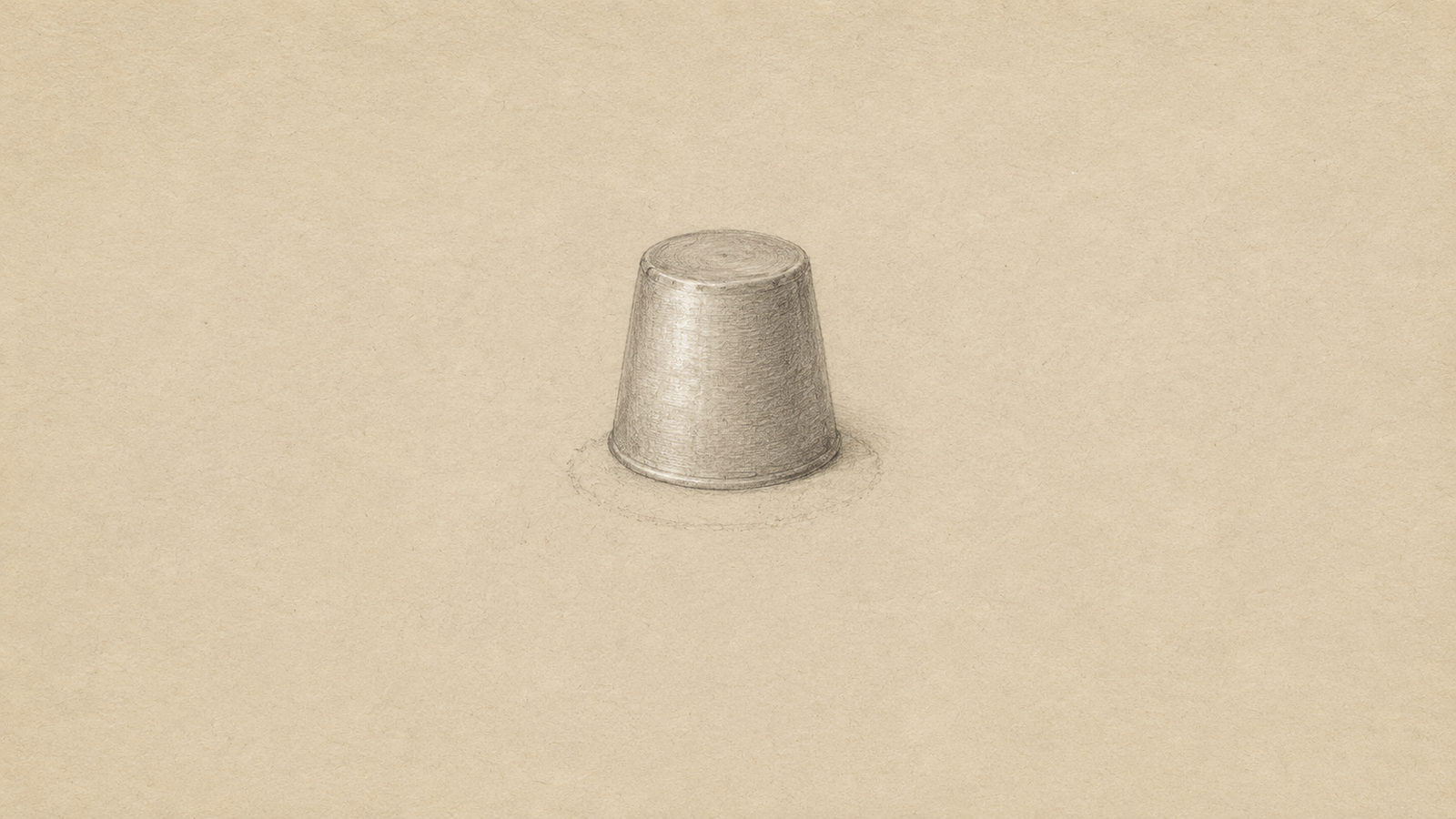

The Left Side of the Bed: A Penelope Poem from The Vow
The Left Side of the Bed is a poem from The Vow, Lucas Varro’s poetry publication for compressed, image-led poems shaped by pressure, restraint, and afterlife.
The poem returns to Penelope without placing her in the usual posture of myth. It does not announce fidelity, endurance, or grief. Instead, it lets the years move through ordinary things: sandals, cloth, a cracked jar, a cup, a knife, a dog, a cloak, a hollowed stool. Time is not explained. It is worn into the house.
The poem begins:
The first winter after he sailed
I kept his sandals by the door.
Not as a sign.
They had dried badly in the salt weather,
one strap gone stiff,
the heel dark with his weight.
At night I stepped around them
with the lamp held low.
Later, the years have become harder to deny:
In the twelfth year
I moved his knife.
Only once.
It had lain too long
beside the breadboard,
its handle polished
where his palm had held it.
A servant cut figs with it
and left the blade wet.
I took it from her gently,
dried it on my sleeve,
and put it in the chest
with the cedar comb,
the bronze pin,
the belt he wore
before Troy became
a word in other men’s mouths.
The poem’s final movement does not offer the expected reunion scene. It remains with the domestic gesture, the object kept ready, the side of the table that has not lost its place.
Continue reading: The Left Side of the Bed at The Vow on Substack
Also in The Lantern Chronicles
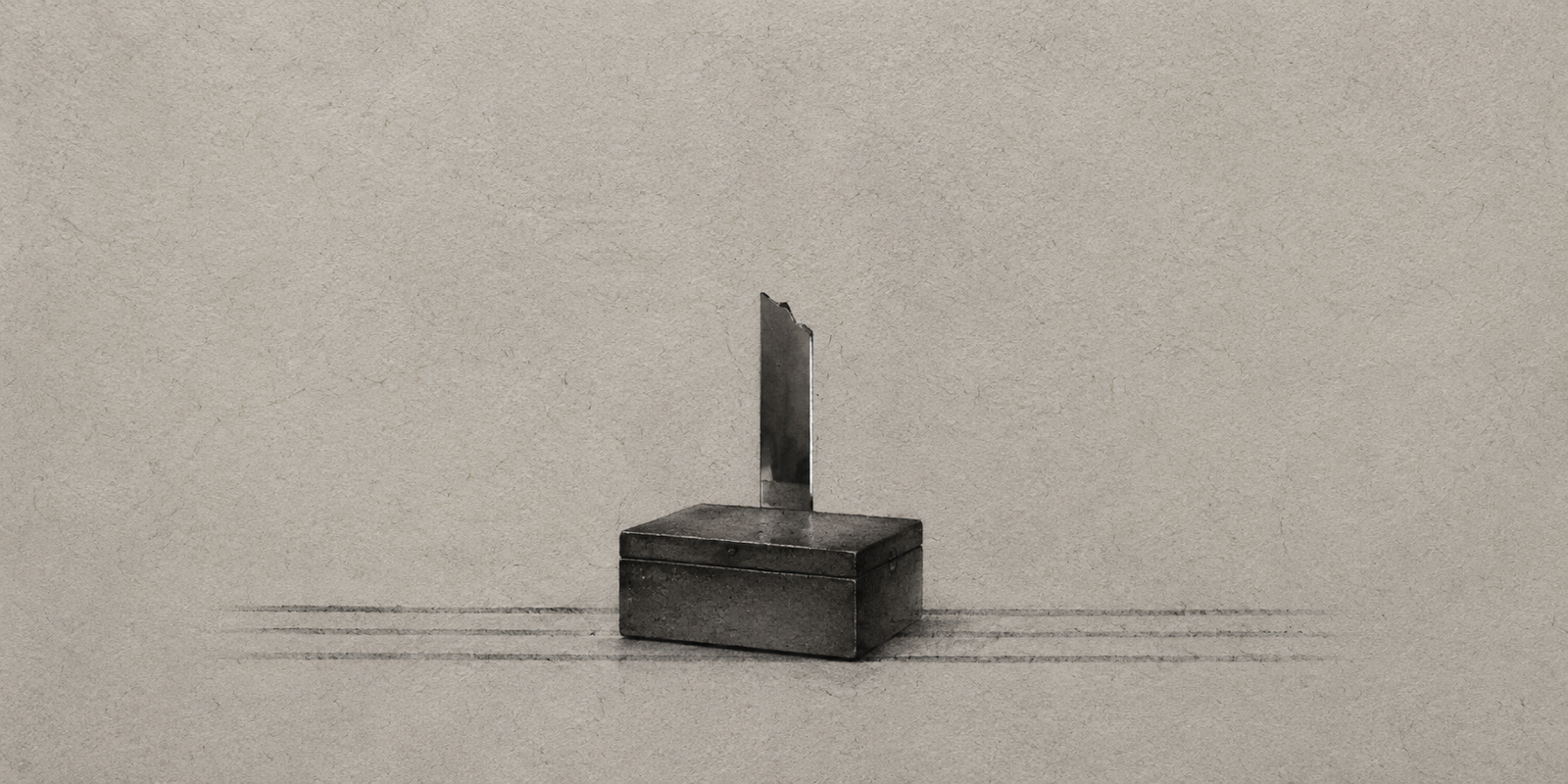

The Mirror, the Ledger, and the Box
Three ordinary acts—tending a mirror, keeping a ledger, reading a page—draw three voices into the same unseen machinery. In this original flash-fiction triptych by Lucas Varro, hunger becomes debt, witness becomes participation, and attention itself acquires a price. Enter through Mirror Hunger, where one rule has always been enough: do not lean close.

What the Hand Knows
When does effort become interference? This contemplative essay from The Living Way explores wu wei, attention and the human compulsion to force—whether in work, conversation, ambition or the private demand that reality unfold according to plan.
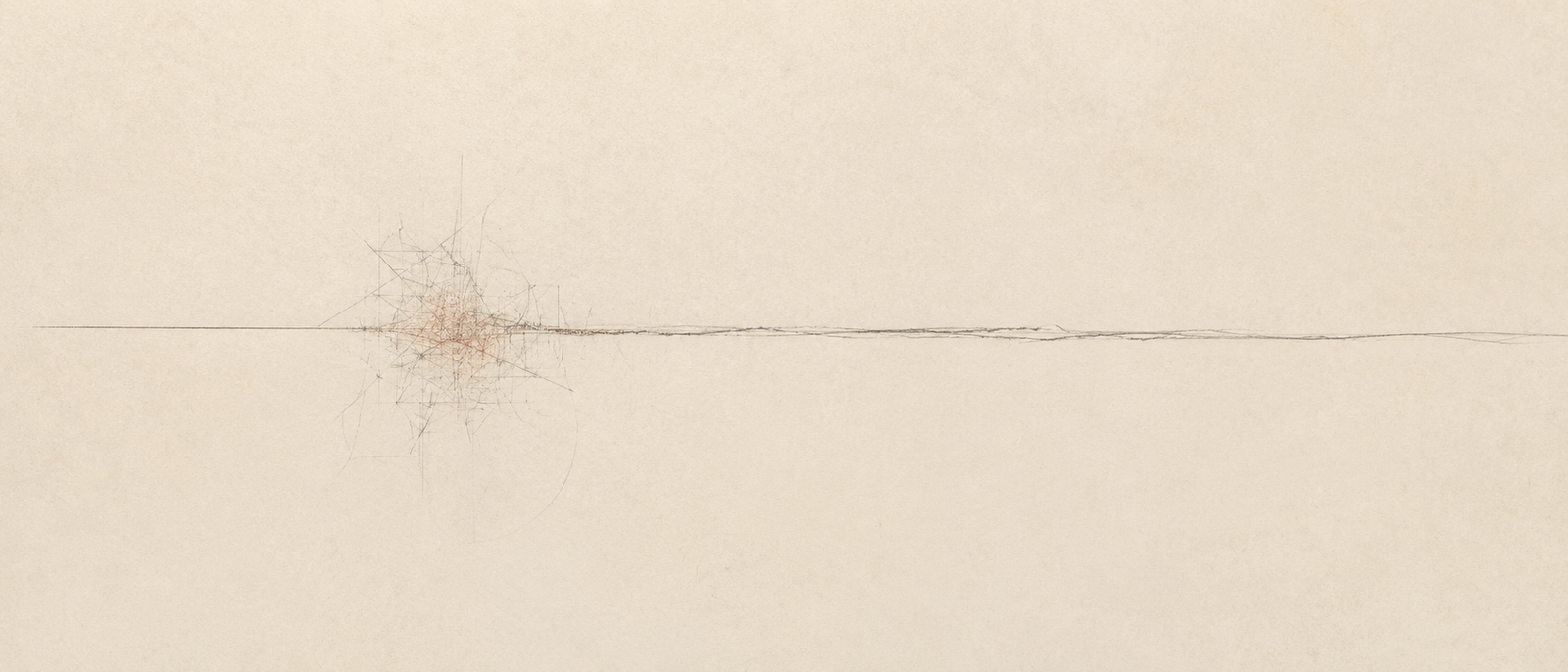

The Beauty Time Is Allowed to Make
A literary-philosophical essay on wabi-sabi, handmade kozo paper, and the modern demand for seamlessness. Beginning with red chalk meeting a resistant surface, Lucas Varro asks whether value must arrive untouched—and whether care becomes destructive when it begins erasing the visible history of objects and human lives.
Continue Reading
If this piece found something in you, you may wish to continue the journey elsewhere.
On The Lantern Chronicles, I gather writings from Angkor, myth and legend, contemplative essays, and poetry — works shaped by silence, beauty, wonder, memory, and the deeper questions that follow us through the world.
It is a place for stone and story, reflection and vow, shadow and revelation.
You would be most welcome there.