
The Hospitable Dark gathers literary myth retellings by A. M. Sharp — warm, grave tales shaped by darkness without cruelty, beauty without evasion, and the old human need to find shelter inside difficult stories.
These retellings begin where myth touches ordinary life: at the door, the hearth, the marriage bed, the road home, the room after disaster, the silence before recognition. Gods, monsters, exiles, wanderers, wives, children, strangers, and returning men are not treated as distant figures, but as presences moving through the deep weather of kinship, endurance, grief, and love.
This blog gathers excerpted thresholds from the wider Hospitable Dark publication: house tales, essays, companion reflections, and passages from The Long Return — a literary retelling of the Odyssey shaped around concealment, recognition, homecoming, and what survival asks of those who come back changed.
The full publication continues on Substack at The Hospitable Dark, where A. M. Sharp retells myth with tenderness, gravity, and a candle kept burning inside the dark.
For the broader constellation of Lucas Varro and A. M. Sharp’s mythic, contemplative, and literary work, visit The Library.
The Hospitable Dark
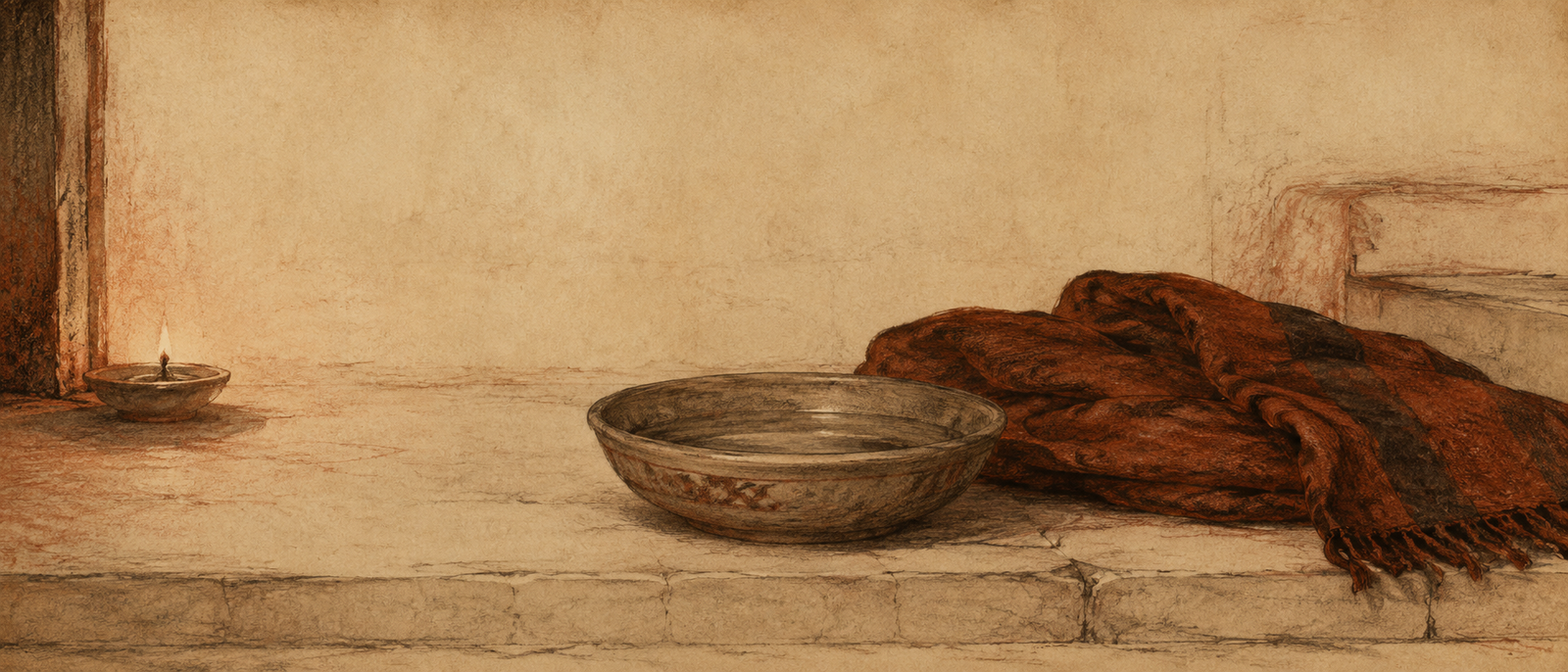

The Long Return VII — The Palace of Alcinous
Odysseus reaches the palace of Alcinous, but safety is not yet home. In this seventh instalment of The Long Return, hospitality becomes a moral test: a good house receives the stranger’s body before demanding his story.
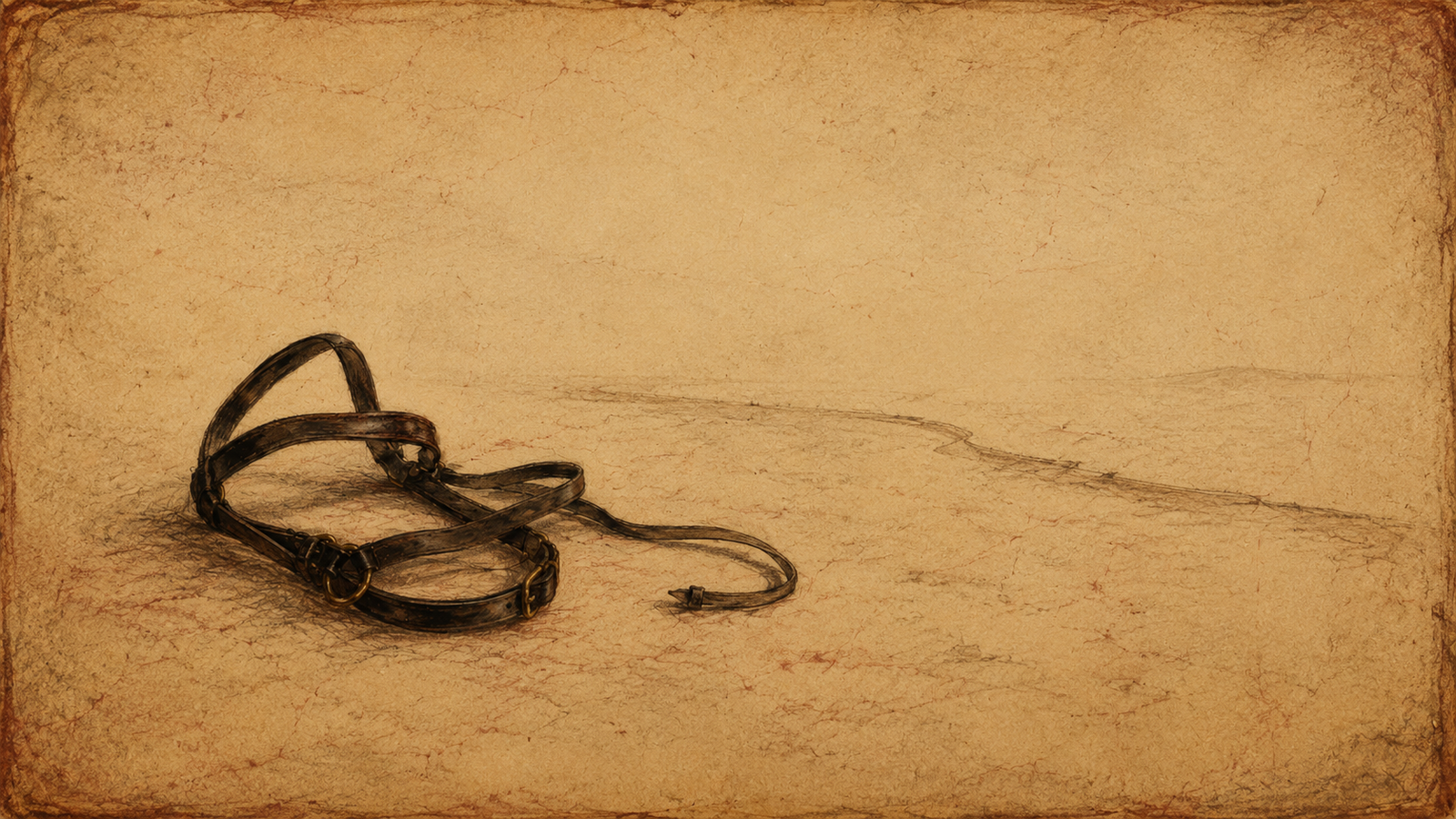

When Favour Is Mistaken for Right — On Bellerophon
A companion essay to Bellerophon — The Bridle and the Fall, exploring Pegasus, divine favour, the bridle, heroic ascent, and the danger of mistaking help for permanent right. From The Hospitable Dark, this essay asks why Bellerophon’s tragedy is not false greatness exposed, but real help wrongly remembered.
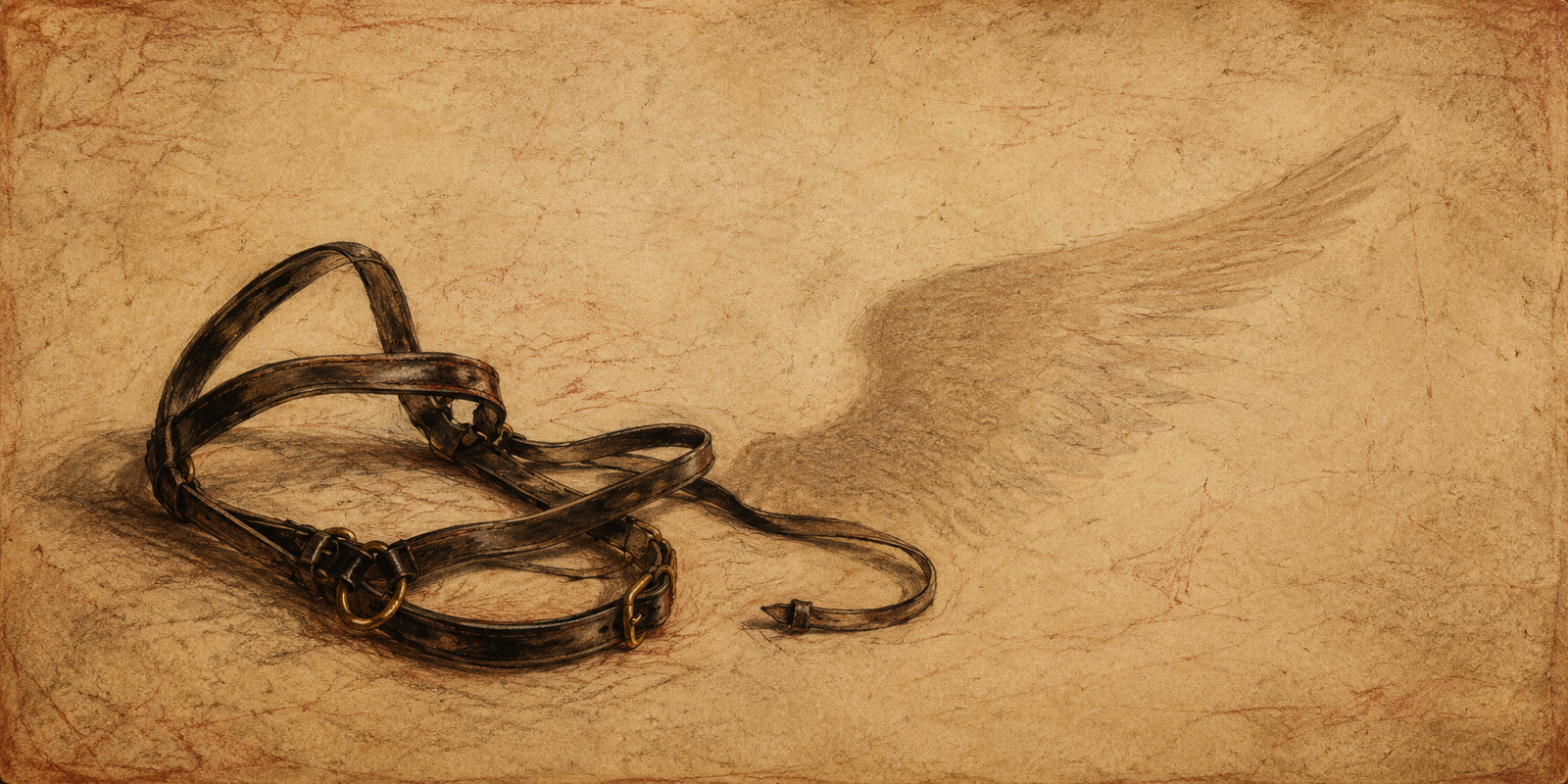

Bellerophon — The Bridle and the Fall
A literary Greek myth retelling of Bellerophon, Pegasus, and the divine bridle: a tale of heroic ascent, misremembered grace, and the moment a true gift becomes proof in the wrong hands. From The Hospitable Dark, where old stories are retold in a warm, grave voice.
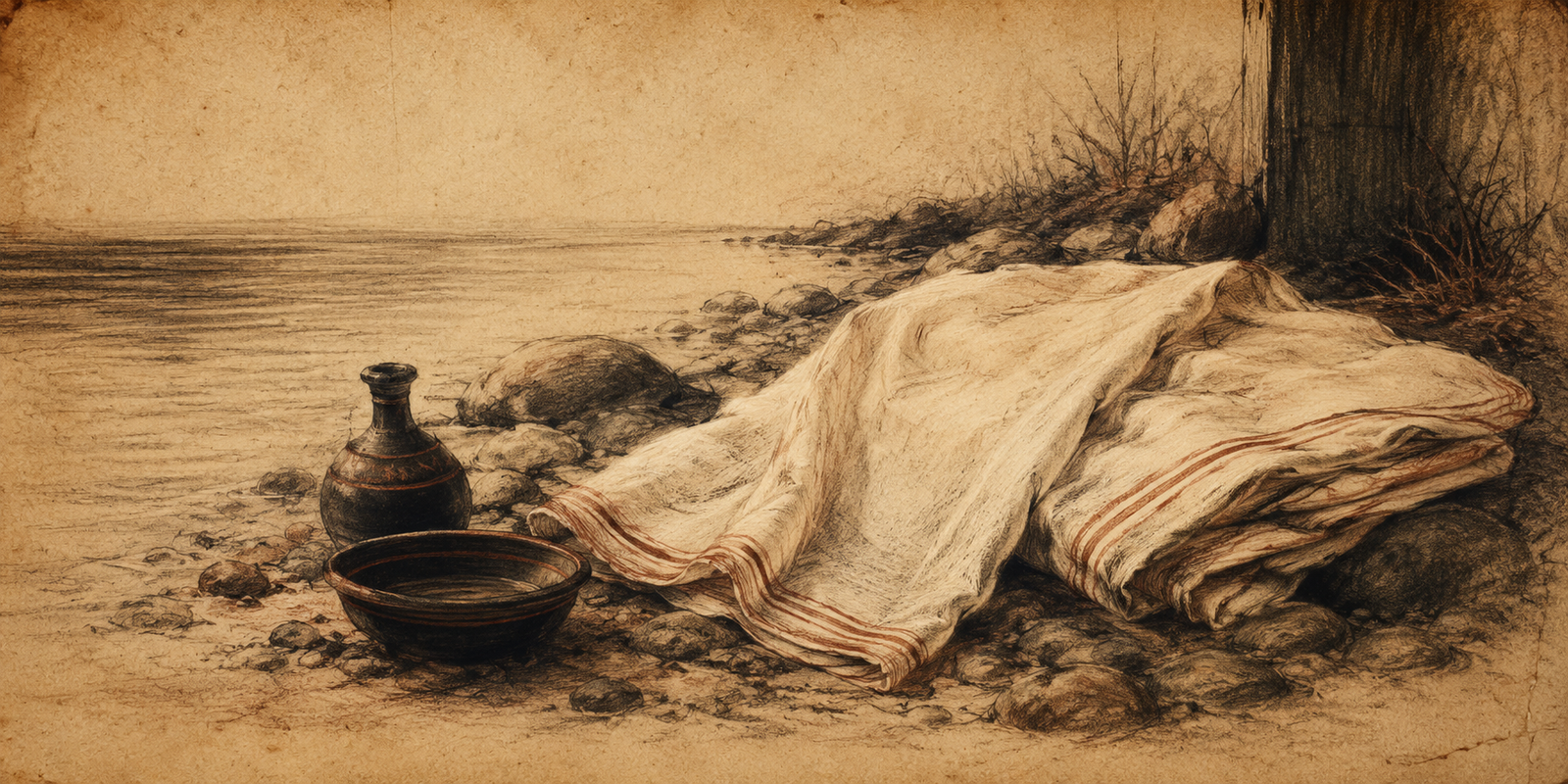

The Stranger, the Girl, and the Law of Mercy
A reader’s guide to Nausicaa, Odysseus, and the law of mercy in Homer’s Odyssey. Before Odysseus can be recognised, he must first be received: clothed, fed, washed, and treated as human before his name has become safe or useful.
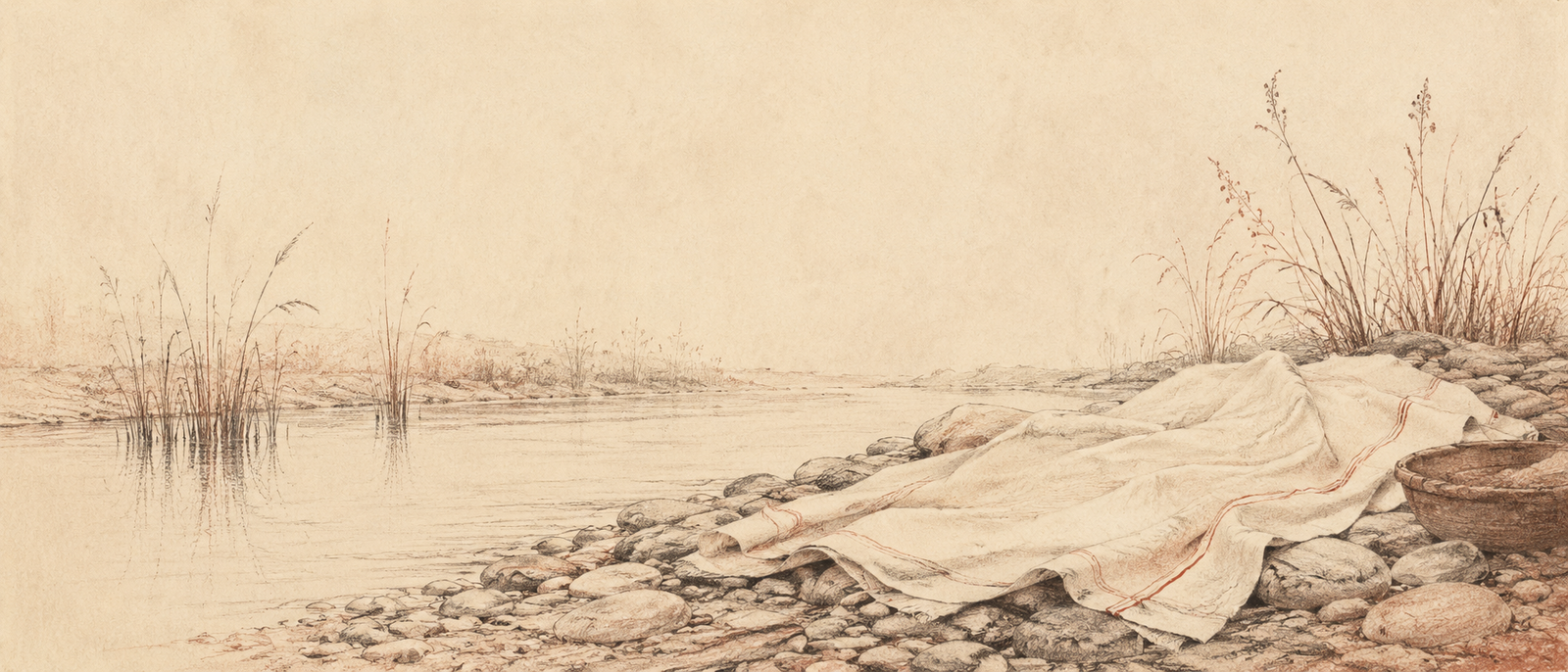

The Long Return VI — Nausicaa at the River
A literary retelling of Odyssey Book VI, where Nausicaa meets Odysseus at the river after the storm. Before the stranger has a name, rank, proof, or story, he has need — and hospitality begins there. A grave, intimate instalment from The Long Return, published at The Hospitable Dark.
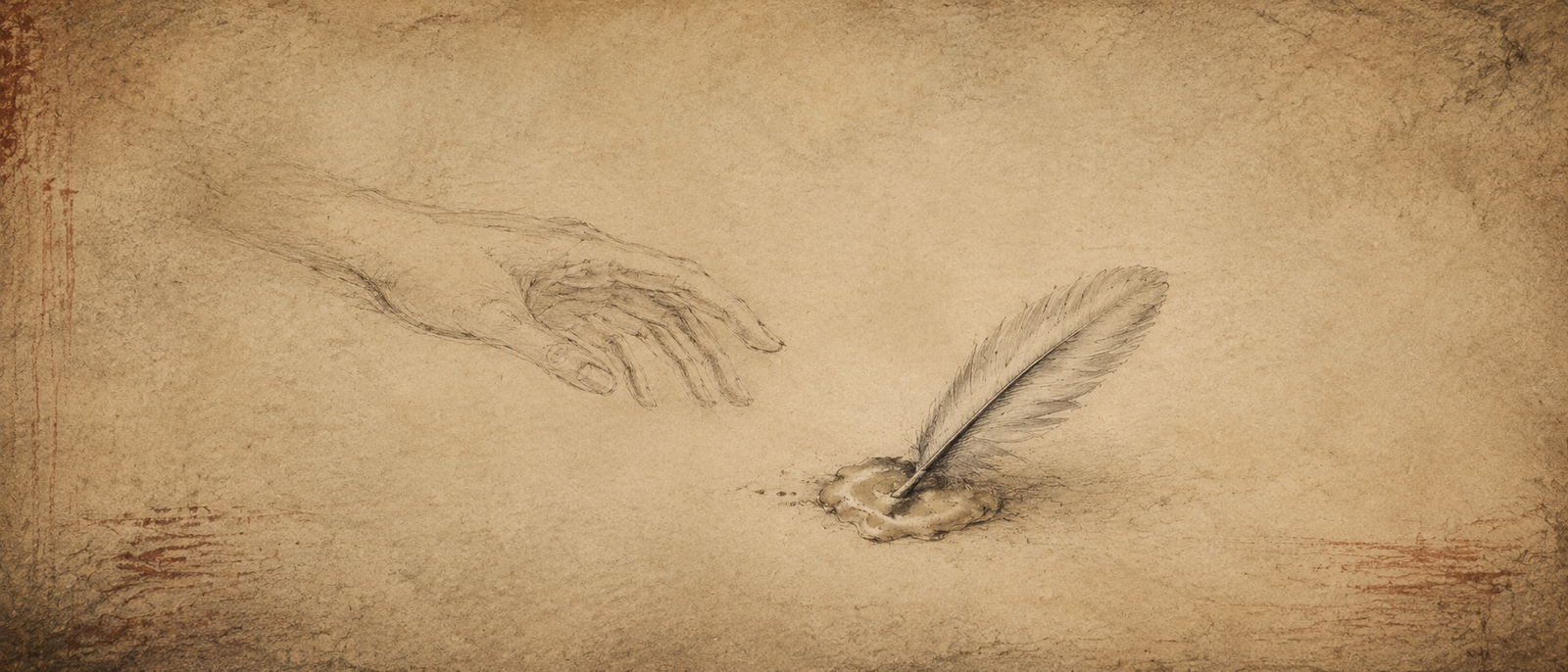

The Limit of the Father’s Hand — On Icarus
A companion myth essay on Icarus and Daedalus, asking why the famous story is not simply a warning against ambition. Beneath the flight and fall lies a more painful truth: a father may make freedom, give warning, and still discover the limit of his hand.
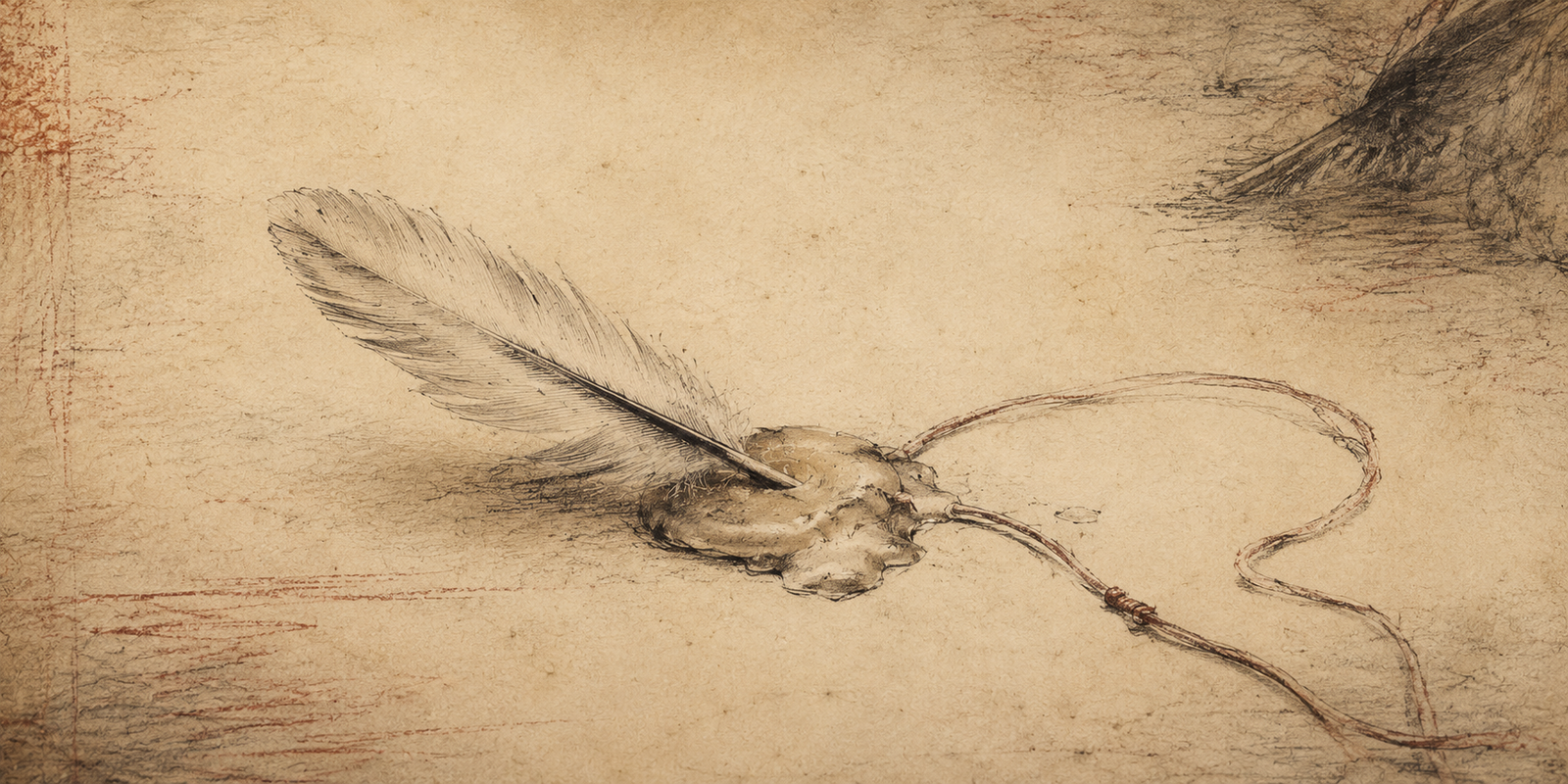

Daedalus and Icarus — The Wax Beneath the Sun
A warm, grave Greek myth retelling of Daedalus and Icarus, beginning not in the sky but in the lamplit room where a father prepares wings from feathers and wax while his child watches too closely. A tale of craft, captivity, warning, flight, and the limit of paternal care.
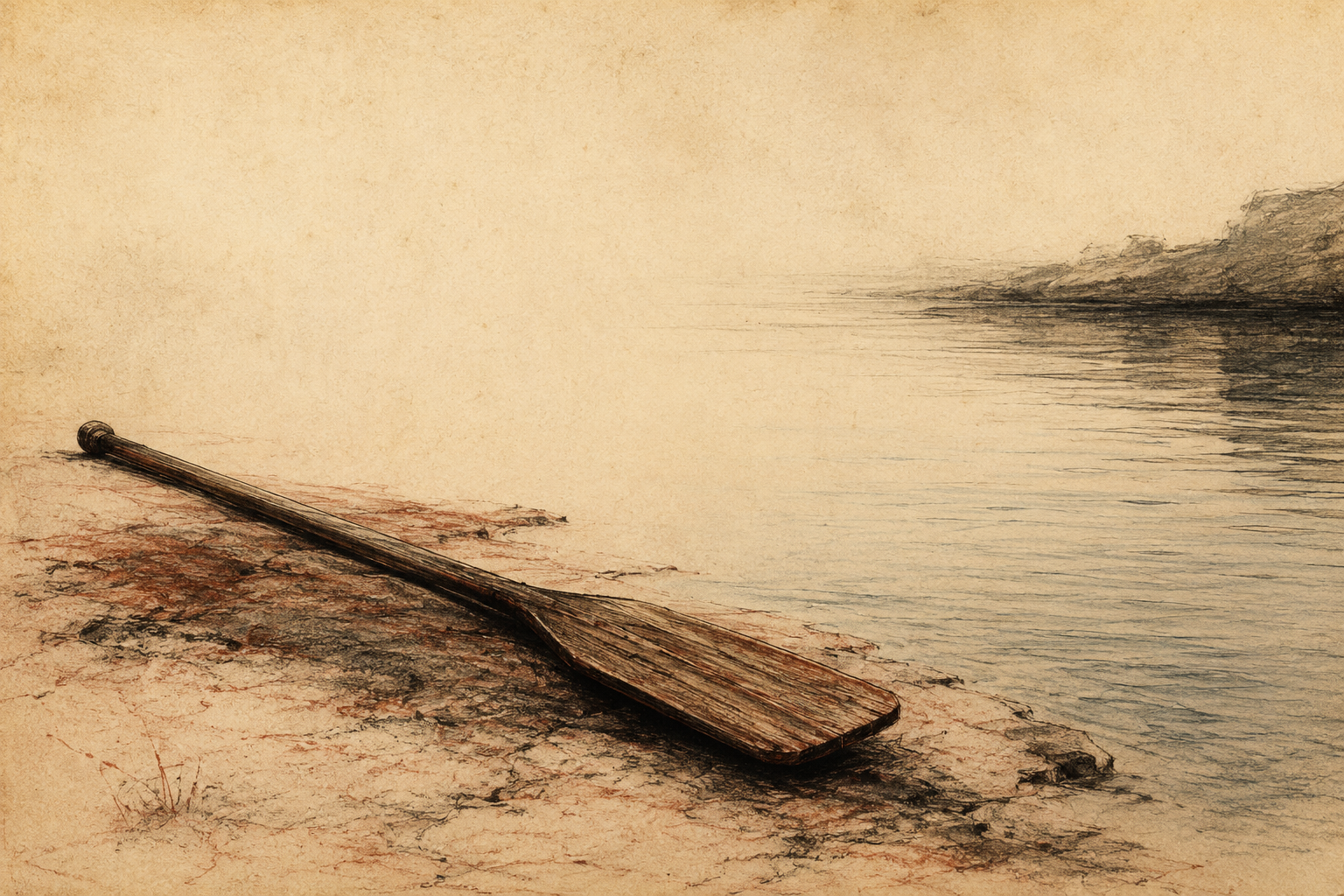

Why Calypso Cannot Be Home
A Reader’s Guide to Calypso, Odysseus, immortality, exile, and the mortal meaning of home. This essay asks why safety, beauty, and endless life cannot satisfy the longing at the heart of Homer’s Odyssey — because home is not merely where the body is preserved, but where a life remains answerable.
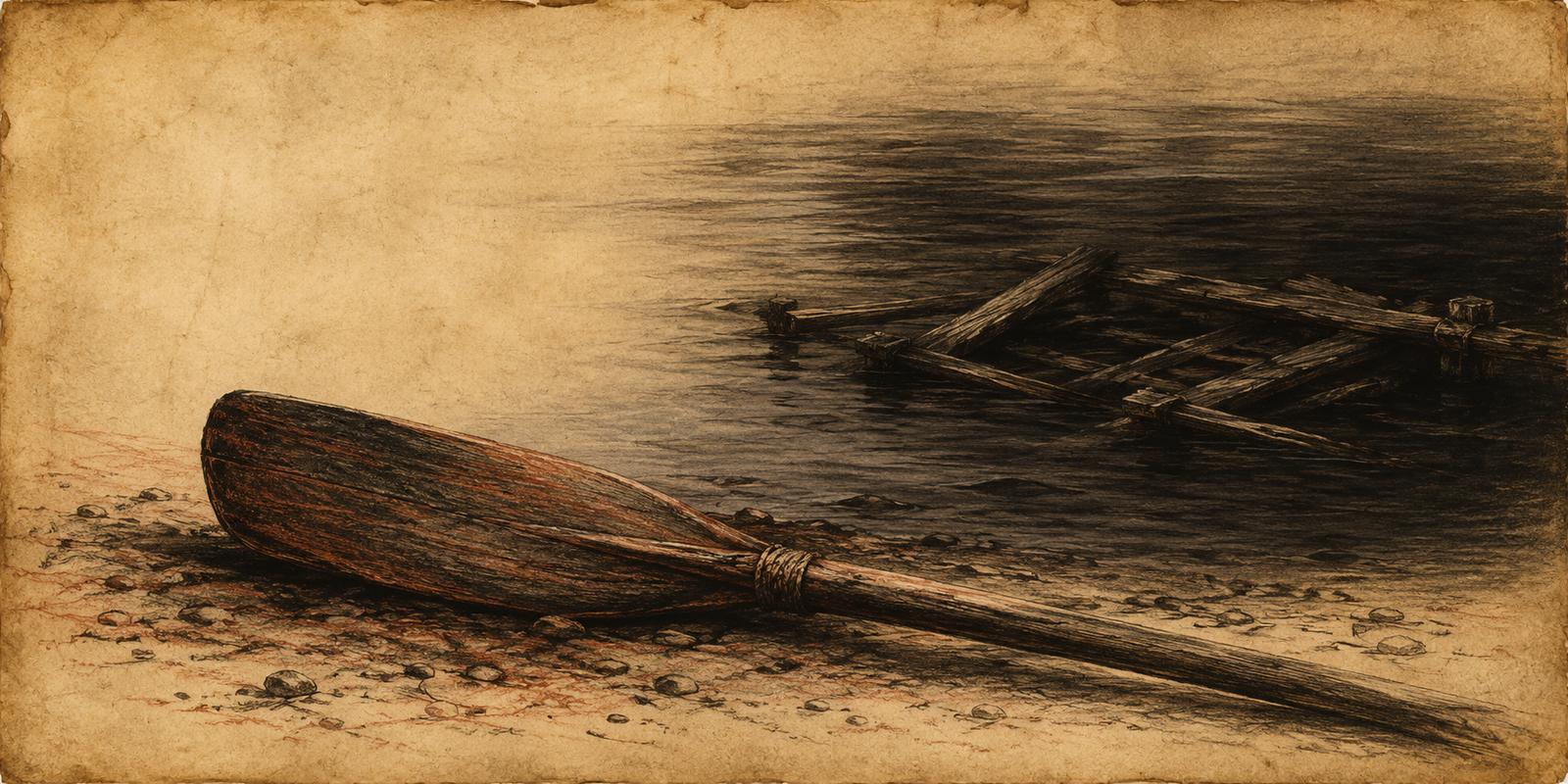

The Long Return V — From the Goddess to the Storm
In this fifth instalment of The Long Return, Odysseus leaves Calypso’s island and chooses the mortal danger of the sea over divine safety. A grave retelling of Odyssey Book V, where immortality is refused, a raft is built, and return begins again through storm.
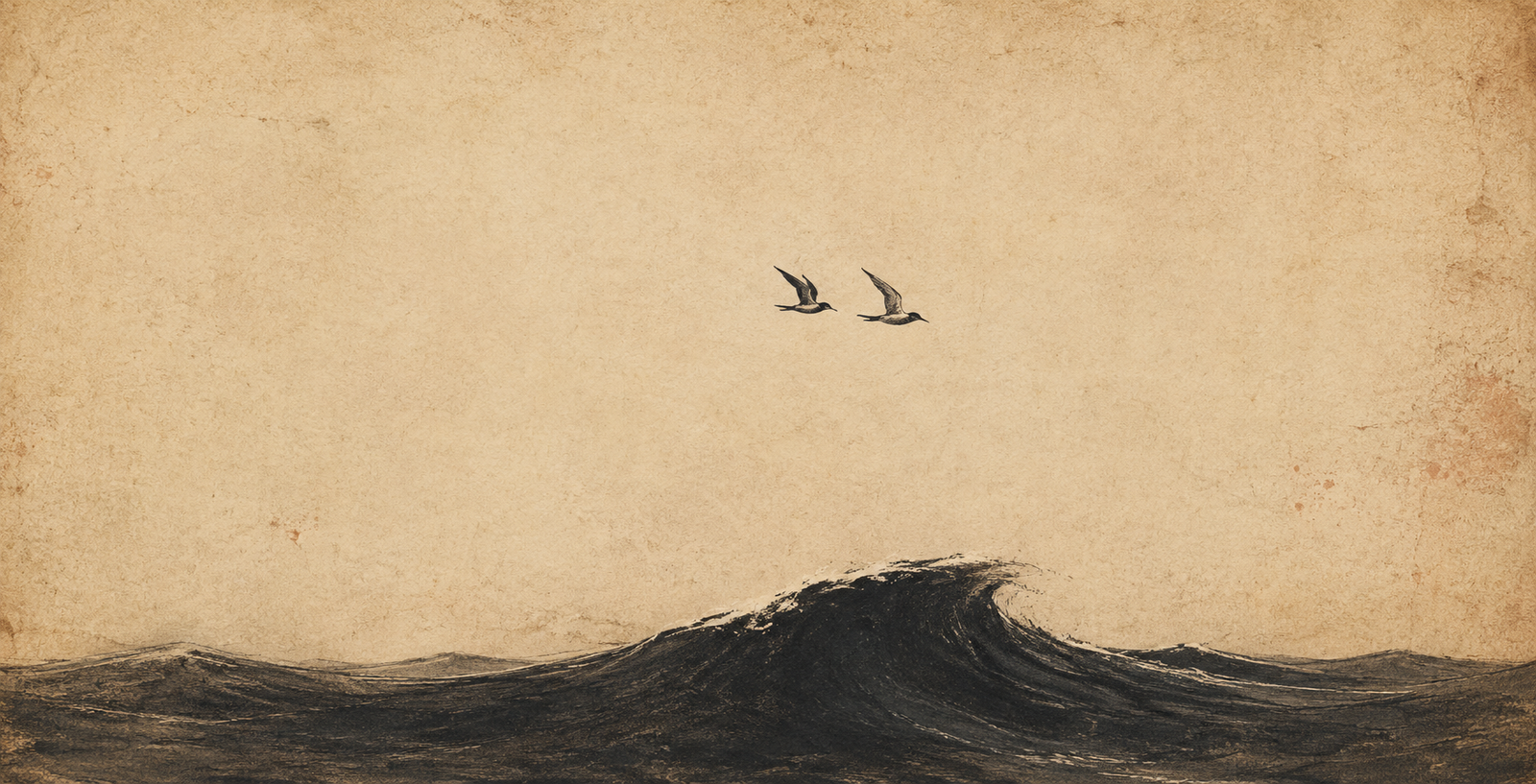

Alcyone and Ceyx — The Birds After the Storm
A warm, grave retelling of Alcyone and Ceyx: a Greek myth of marriage, sea-dread, dream, mourning, and transformation, where love cannot prevent loss, but grief is given wings.
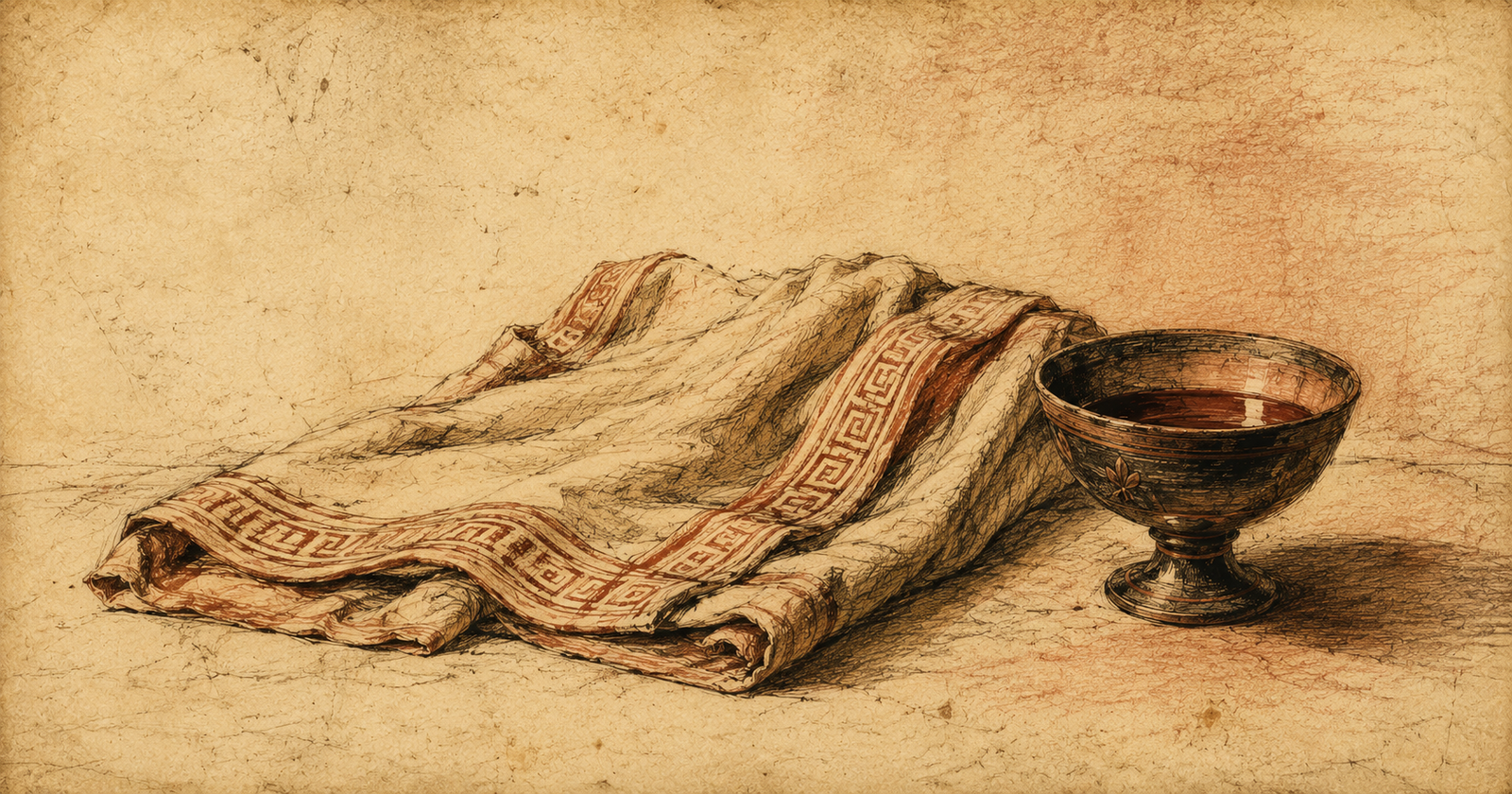

What War Leaves Behind in Beautiful Rooms
A Long Return reader’s guide to Helen, Menelaus, Telemachus, and the polished aftermath of Troy. This essay explores why Sparta’s beautiful rooms are so unsettling in Homer’s Odyssey, and how war leaves behind not only ruins, but ceremony, composure, competing memories, and grief made habitable.


The Long Return IV — Helen, Menelaus, and the Sea-God’s Word
In this fourth instalment of The Long Return, Telemachus enters the beautiful house of Menelaus and Helen, where hospitality, grief, fame, and memory gather uneasily around the absent Odysseus. A grave Odyssey retelling about what war leaves behind, and how a son learns that a famous father becomes harder to know.


The Danger of Being Proved Right
A companion essay to Phaethon — The Borrowed Sun, exploring proof, shame, paternal love, and the danger of being publicly vindicated too late. This Hospitable Dark myth essay looks beyond the simple warning against ambition and asks why Phaethon needed the sky to answer a wound.
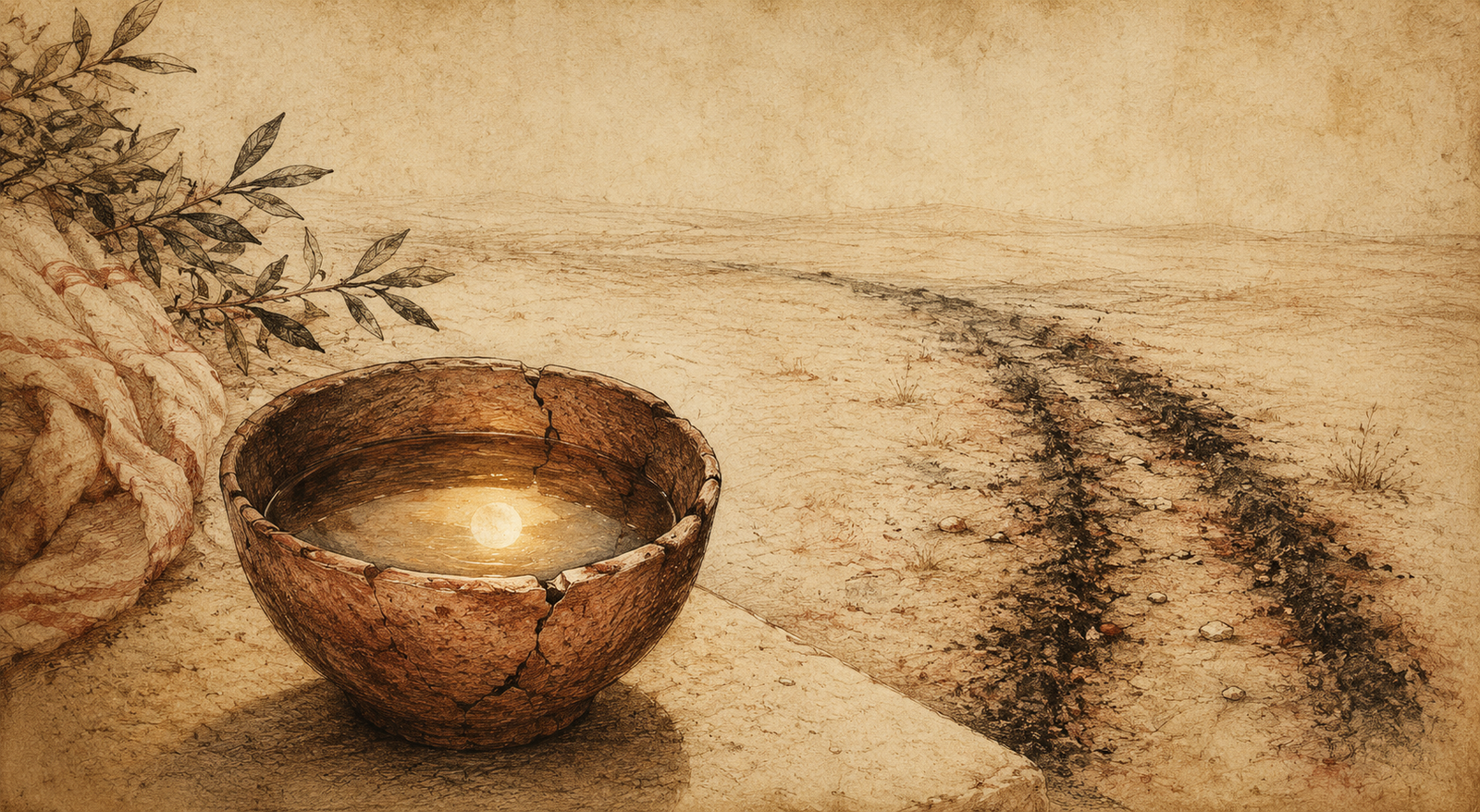

Phaethon — The Borrowed Sun
A warm, grave retelling of the Greek myth of Phaethon, where a boy’s wounded need for proof leads him from his mother’s courtyard to the chariot of the Sun. In The Borrowed Sun, catastrophe begins not with ambition, but with doubt, shame, and a father’s love given in the wrong shape.
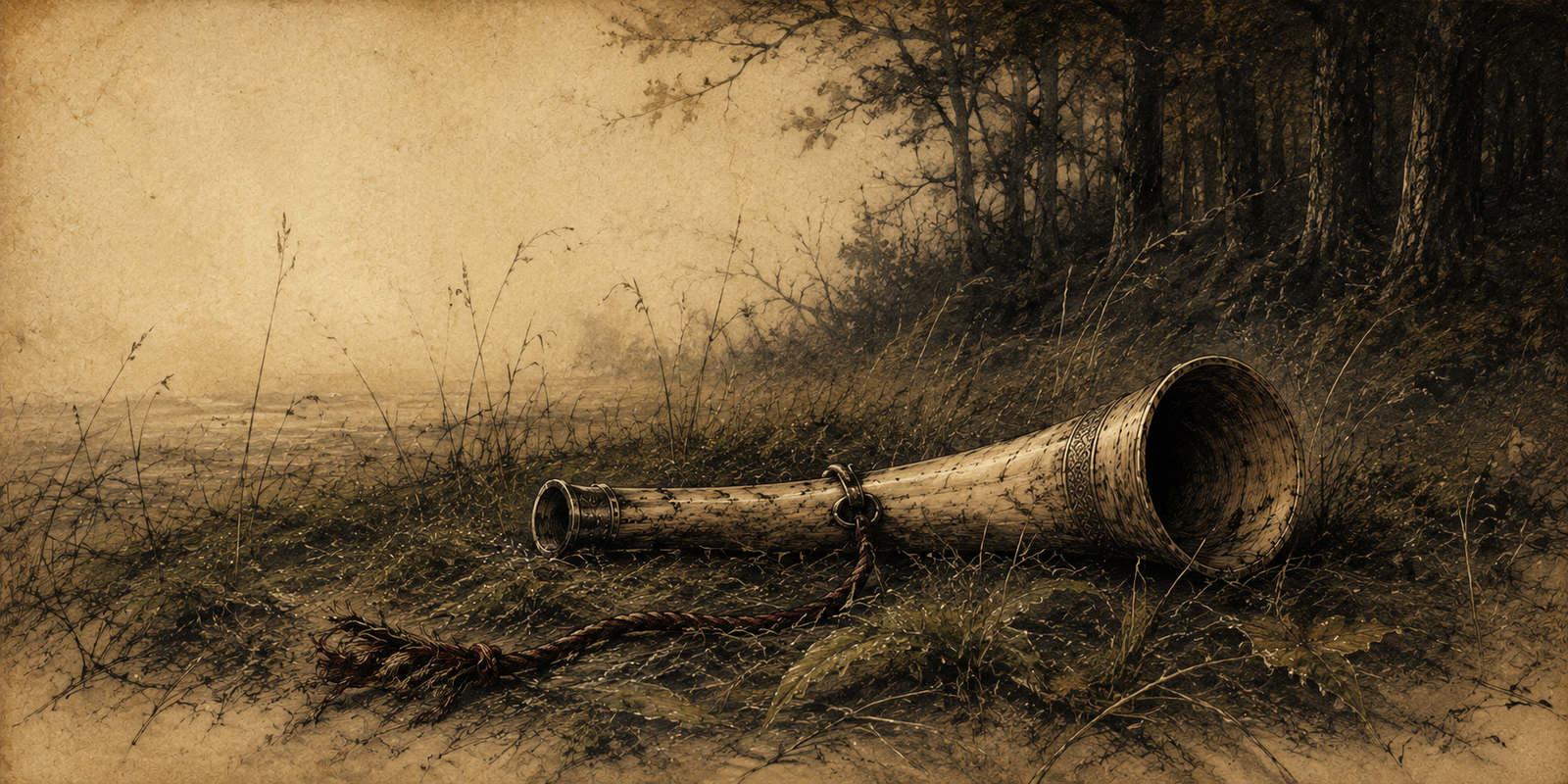

When Sight Becomes Trespass
A companion myth essay on Actaeon, Artemis, forbidden sight, and the terrible moment when seeing becomes trespass. When Sight Becomes Trespass asks why Actaeon’s story cannot be reduced to simple guilt or divine cruelty, and why the old myth still wounds through transformation, failed recognition, and the loss of being seen.
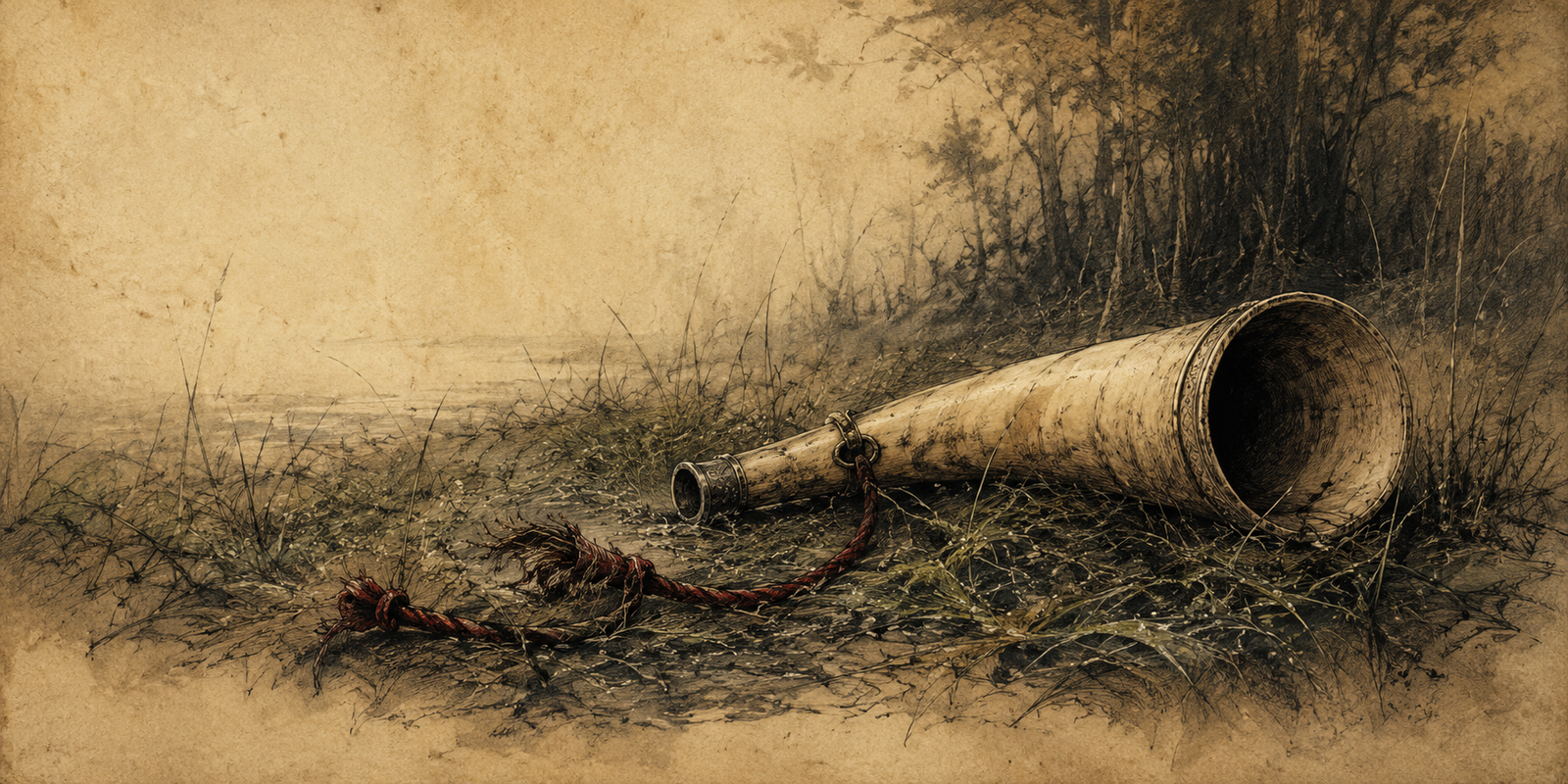

Actaeon — The Stag in the Clearing
A literary Greek myth retelling of Actaeon, the hunter who sees what was never meant for mortal eyes. In The Stag in the Clearing, The Hospitable Dark enters the forest through dogs, leather, wet grass, and dawn laughter before the old story turns towards transformation, terror, and the failure of recognition.
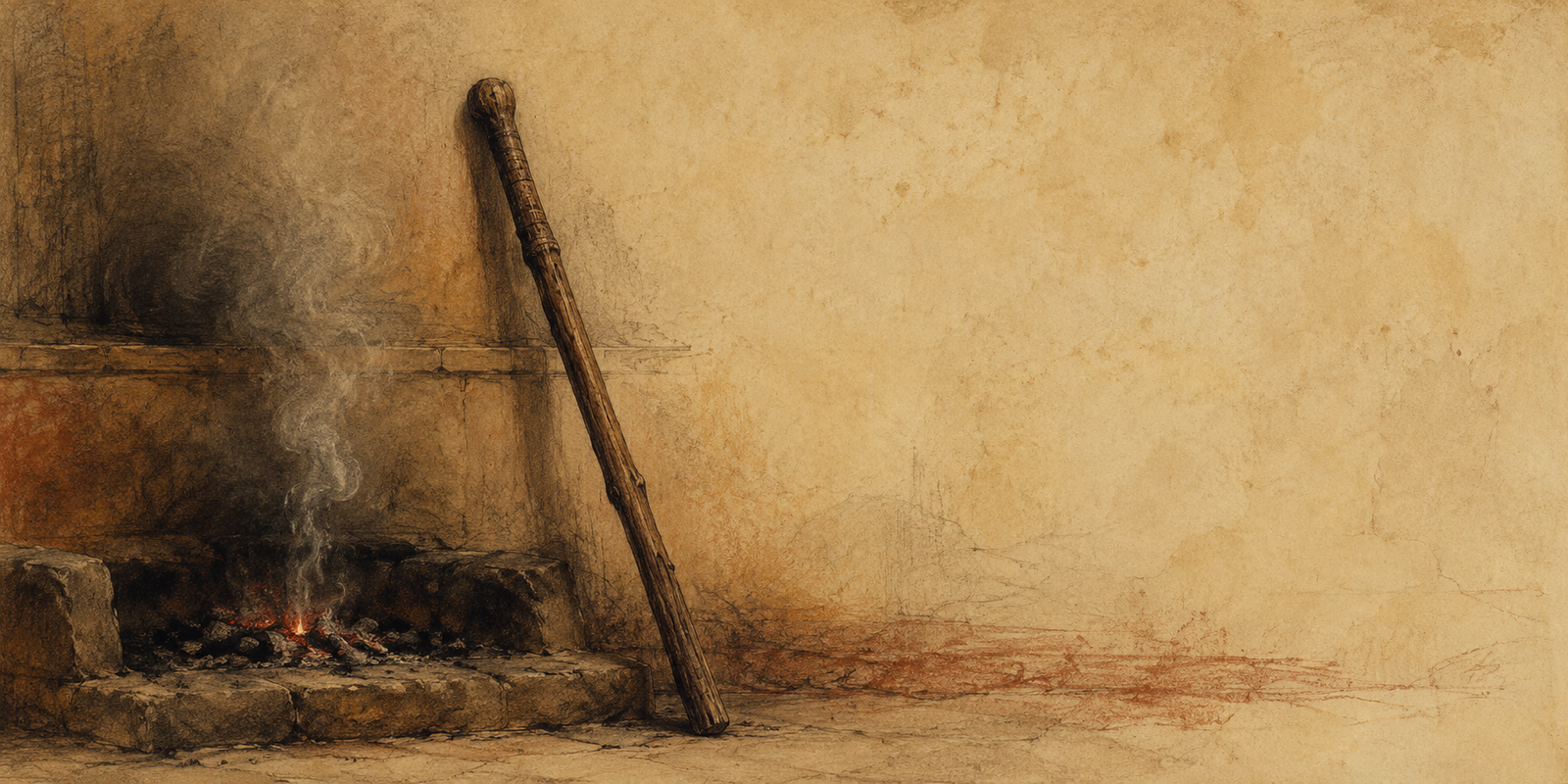

Memory, Fathers, and the Education of Telemachus
Telemachus reaches Pylos seeking news of Odysseus, but Nestor gives him something more difficult than certainty: memory. This reader’s guide to The Long Return III — An Old King Remembers explores fathers, sonship, hospitality, Troy’s aftermath, and the first hard education Telemachus receives from old grief.


The Long Return III — An Old King Remembers
Telemachus reaches Pylos seeking news of Odysseus, but Nestor’s house gives him something harder than certainty: hospitality, old grief, and the memory of what happened after Troy. In this third instalment of The Long Return, a young man begins to understand that sonship may become an ordeal long before the father returns.
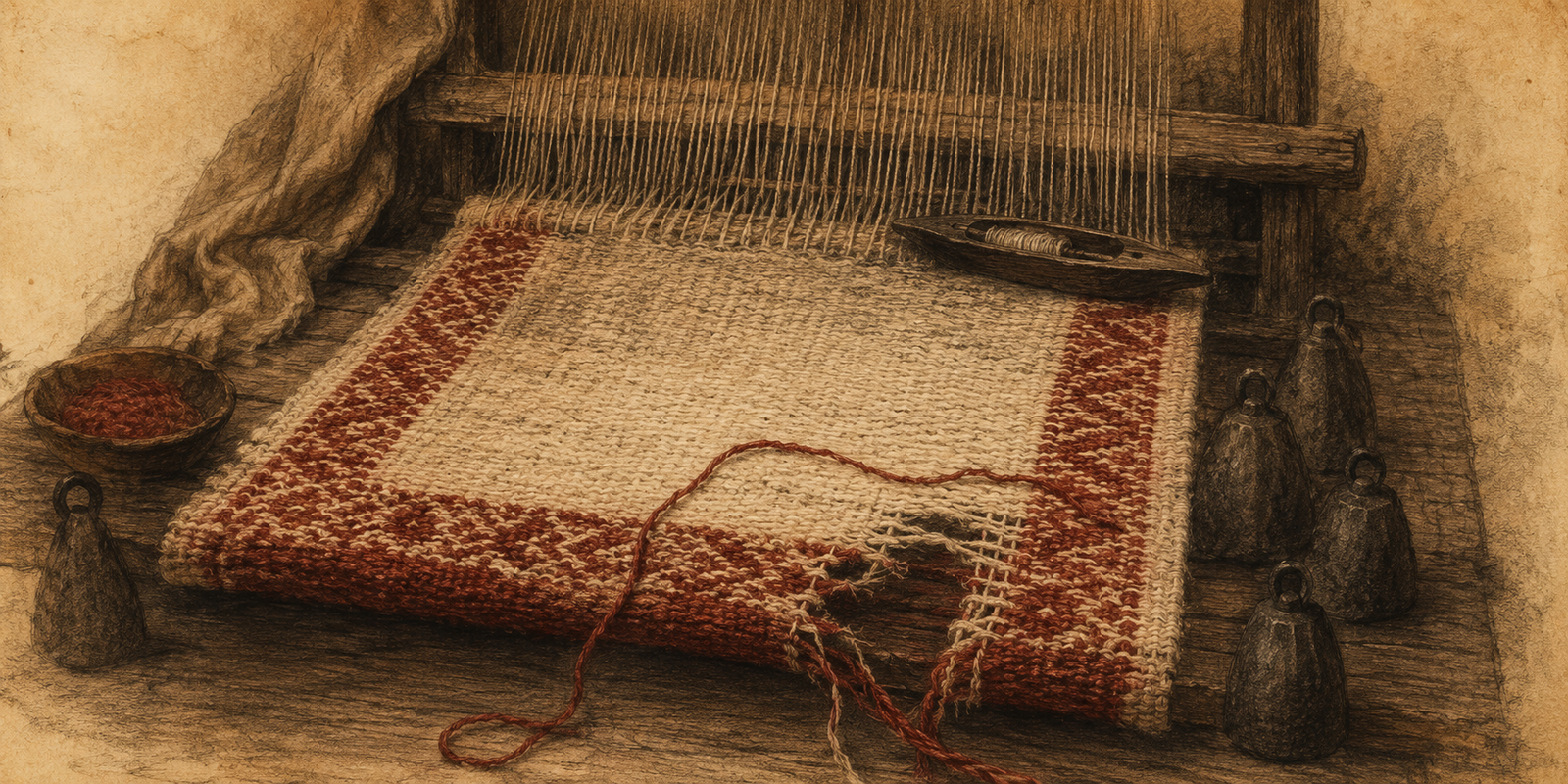

Arachne — The Weaver and the Goddess
A literary Greek myth retelling of Arachne, Athena, mortal skill, pride, divine asymmetry, and transformation. Before the punishment, before the spider, there is a girl at a loom, tired of watching labour mistaken for blessing — and dangerous enough to ask a goddess to look.


The Long Return II — The Debate in Ithaca
The second instalment of The Long Return, a grave prose retelling of Homer’s Odyssey from The Hospitable Dark. Telemachus calls the men of Ithaca together and discovers that rightful speech cannot restore a house when the people around it have grown used to its ruin.


The Long Return I — The Boy and the Goddess
The opening instalment of The Long Return, a prose retelling of Homer’s Odyssey from The Hospitable Dark. Before Odysseus comes home, his son must learn how to stand inside the occupied house his father left behind.
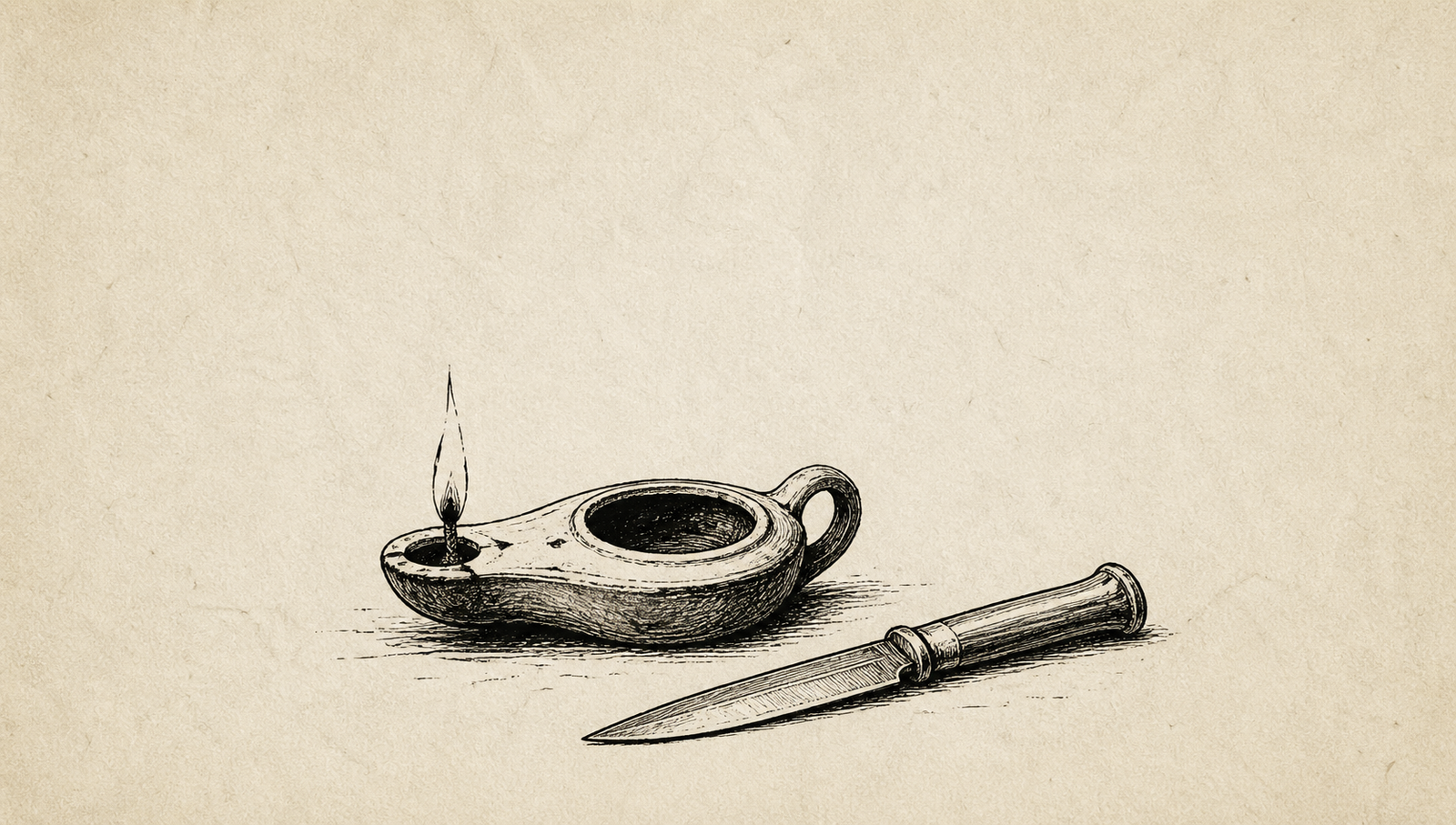

Eros and Psyche — The Lamp and the Wound
A grave literary retelling of Eros and Psyche from The Hospitable Dark, beginning with a mortal girl worshipped for beauty, a hidden god, and a lamp raised not from curiosity alone, but from the need for love to bear the light.
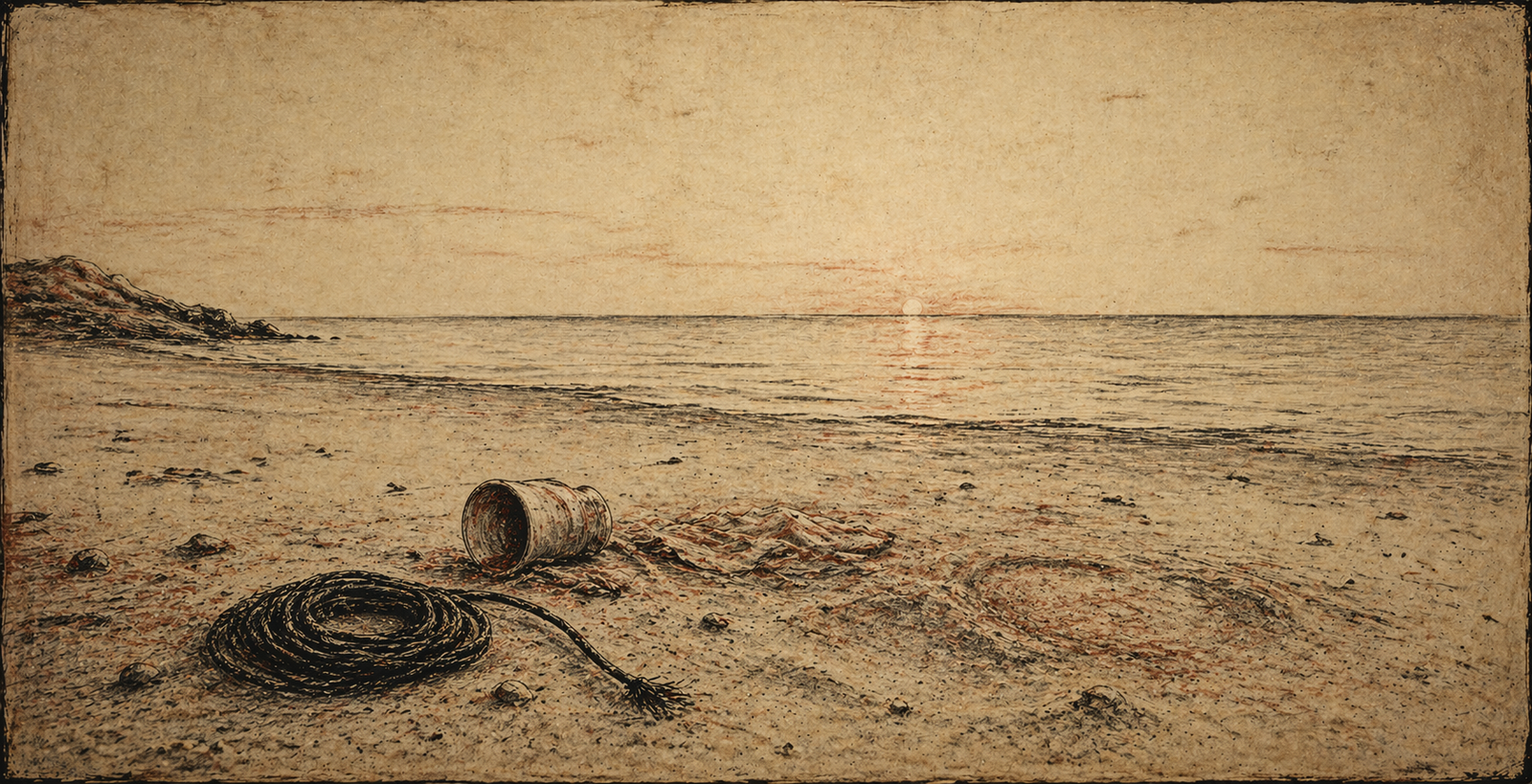

Ariadne — The Shore After Naxos
A literary retelling of Ariadne on Naxos from The Hospitable Dark, beginning after the Labyrinth, after the promise, and after the ship has gone. The thread remains in her hand, but the future it bought has already sailed without her.
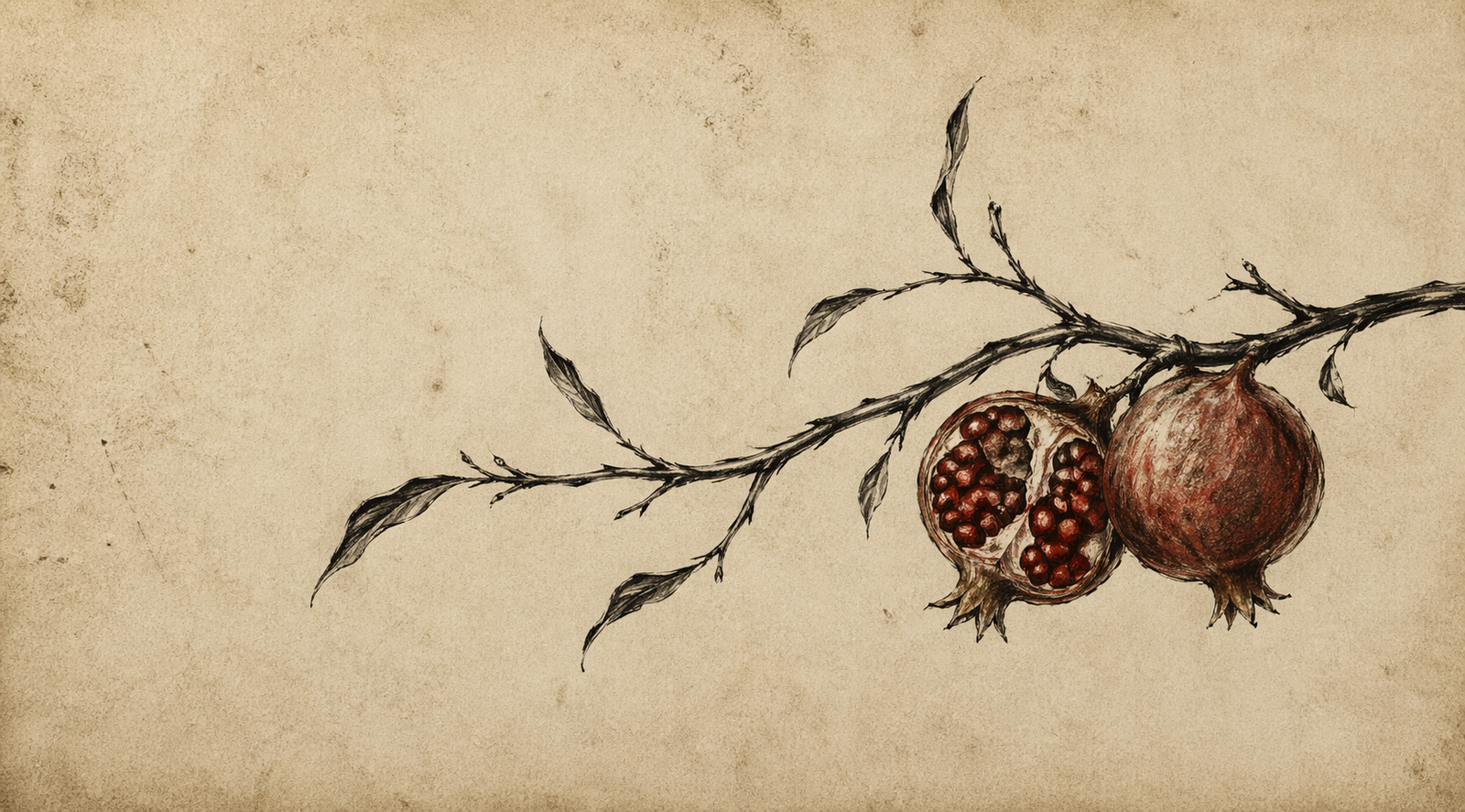

Demeter and Persephone — The First Winter
A literary retelling of Demeter and Persephone from The Hospitable Dark, beginning not with theology or seasonal explanation, but with a daughter gathering flowers, a mother’s grief, and the first winter that enters the world when love refuses to consent to loss.
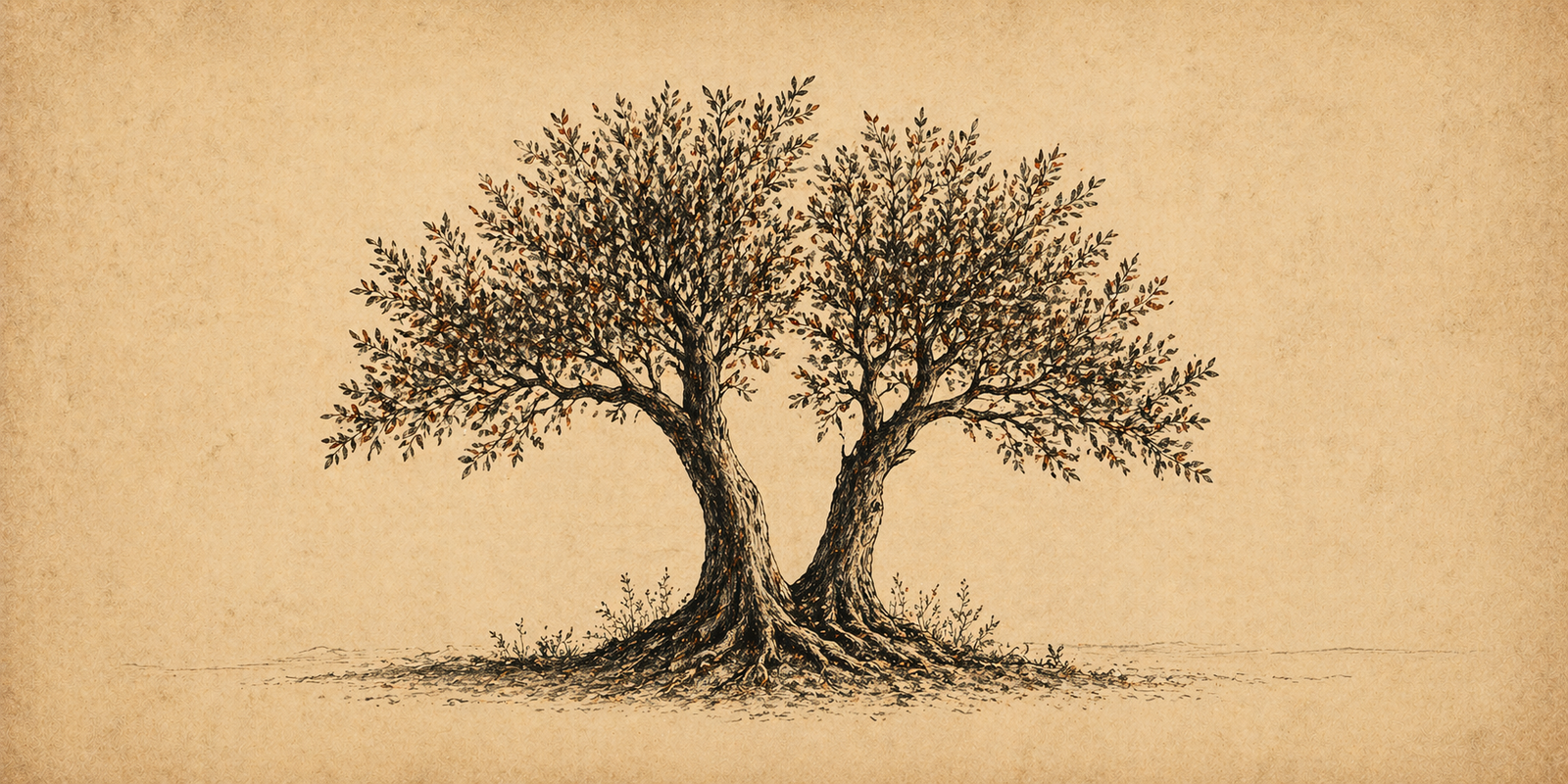

Philemon and Baucis — The Two Trees
A literary retelling of Philemon and Baucis from The Hospitable Dark, beginning not with miracle or punishment, but with poverty, marriage, and a poor house still capable of welcome. In this old myth, hospitality becomes sacred law, and two lives rooted together are finally given visible form.
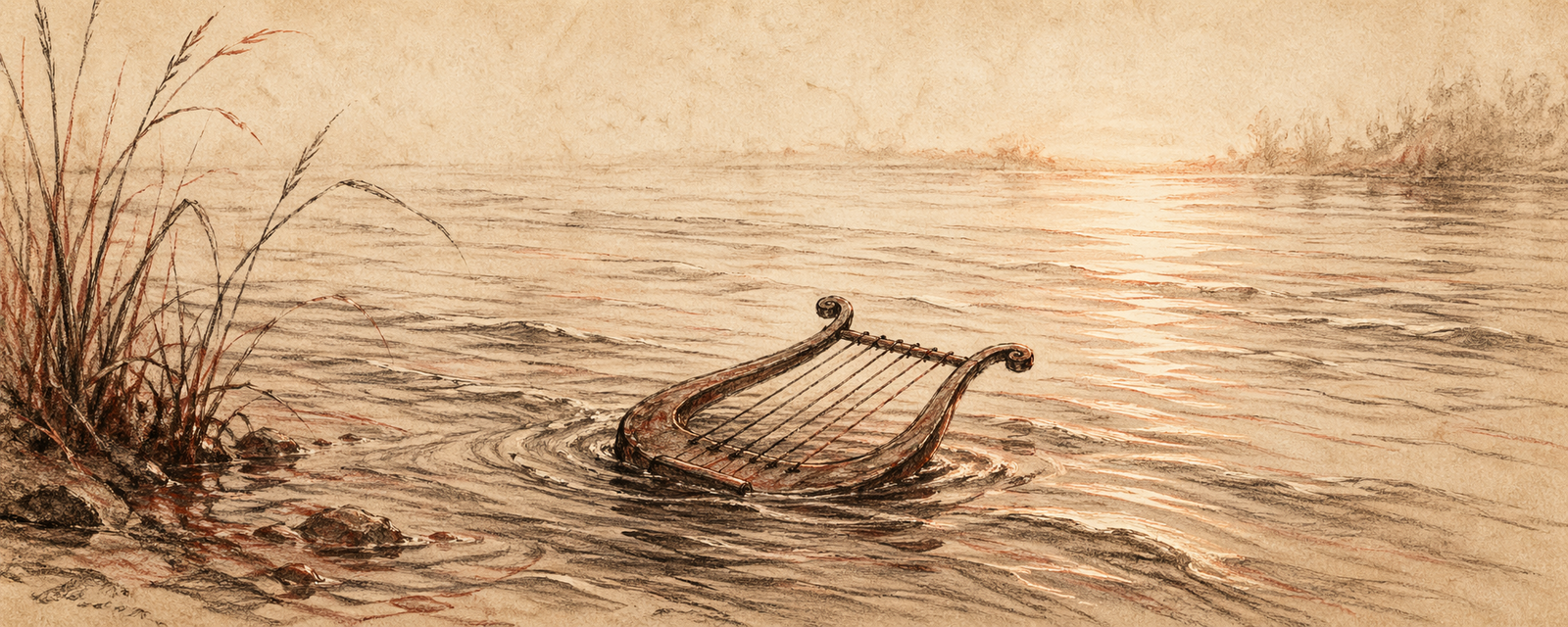

Orpheus — The Weight of Turning
A grave literary retelling of Orpheus and Eurydice from The Hospitable Dark, beginning not in the underworld, but in the ordinary morning love will later make sacred: a lyre, a doorway, a shared room, and the first unbearable shape of loss.