
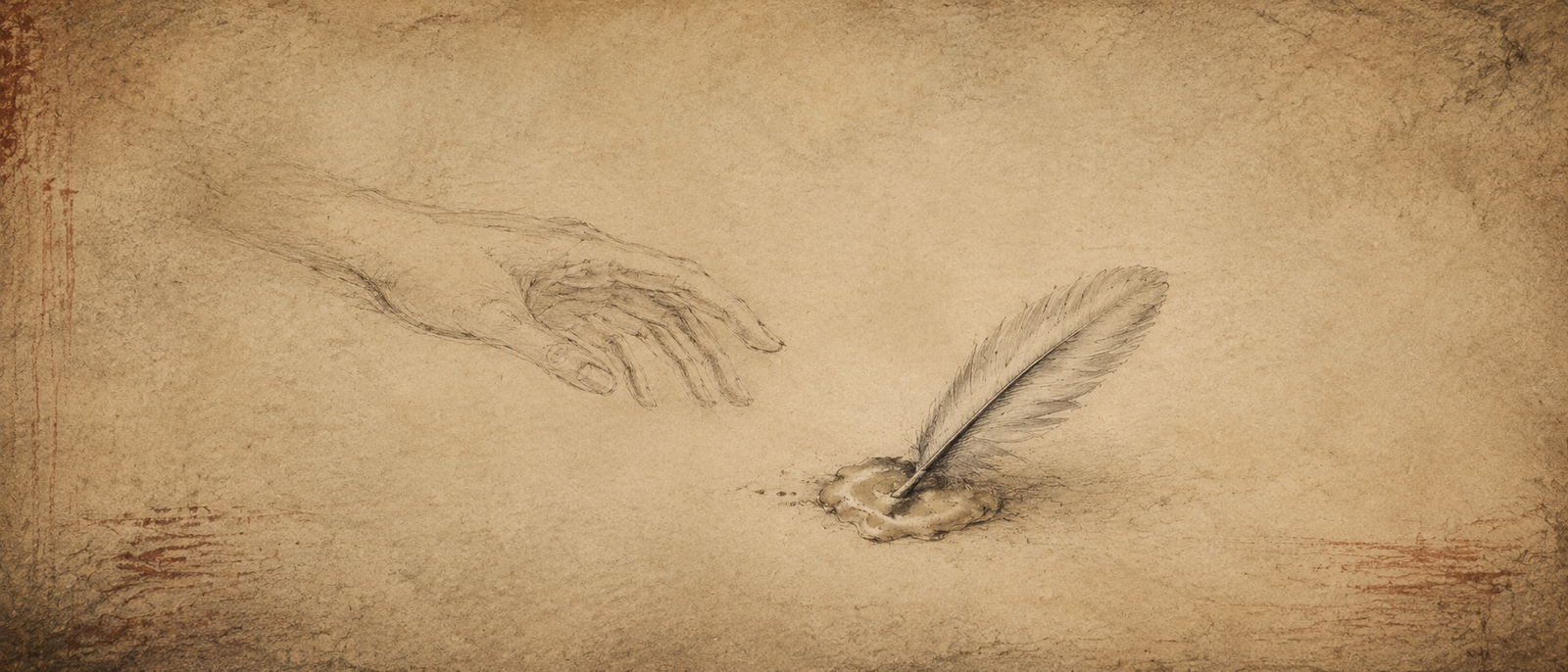

The Limit of the Father’s Hand — On Icarus
A companion essay to Daedalus and Icarus — The Wax Beneath the Sun, published at The Hospitable Dark: a myth essay on Icarus, Daedalus, wax, warning, flight, and why the old story is not only about ambition.
The story of Icarus has suffered from being too easy to remember.
A boy is given wings. He is warned not to fly too high. He ignores the warning, rises toward the sun, the wax melts, and he falls. The lesson seems almost embarrassingly ready-made: do not be ambitious beyond your measure; do not mistake exhilaration for wisdom; do not think yourself exempt from consequence.
That reading is not entirely false. It survives because it has some truth in it. But it is too clean for the story.
The old myth is more painful than a warning against ambition. It is not only about a child who flies too high. It is about a father who has done nearly everything right and still cannot keep his child alive inside the freedom he has made for him.
That is the deeper wound of the tale.
In the older shape of the myth, Daedalus is not merely an inventor looking for glory. He is the maker of the labyrinth, the servant of Minos, the man whose own skill has helped build the world that later imprisons him. That matters. The wings are not born from restlessness. They are born after doors, roads, and ships have failed.
Before the sky there is a room. Before ascent there is confinement. Before the fall there are hands working by lamplight, sorting feathers, softening wax, binding what might hold long enough to save a life.
In that room, the myth changes.
The wings are no longer merely an emblem of overreach. They are an object of care. Every feather is a decision. Every join is a hope. Every strap is a fear given practical form. Daedalus does what parents do when danger cannot be abolished: he prepares. He measures. He instructs. He gives warning the shape of a rule.
Do not fly too low. The sea will take the feathers.
Do not fly too high. The sun will loosen the wax.
Keep between them. Keep near me.
This is one of the most heartbreaking structures in myth: the middle path that exists, but only barely. Safety is real, but narrow. The father knows it. The son is told it. The danger is not hidden. No one can say the warning was absent.
And still, the warning fails.
The full essay continues into Daedalus as maker, wax as material trust, flight as brief success, and the terrible truth beneath the familiar moral: love can prepare a path and still not govern the journey.
Continue reading: The Limit of the Father’s Hand at The Hospitable Dark on Substack.
Also in The Hospitable Dark
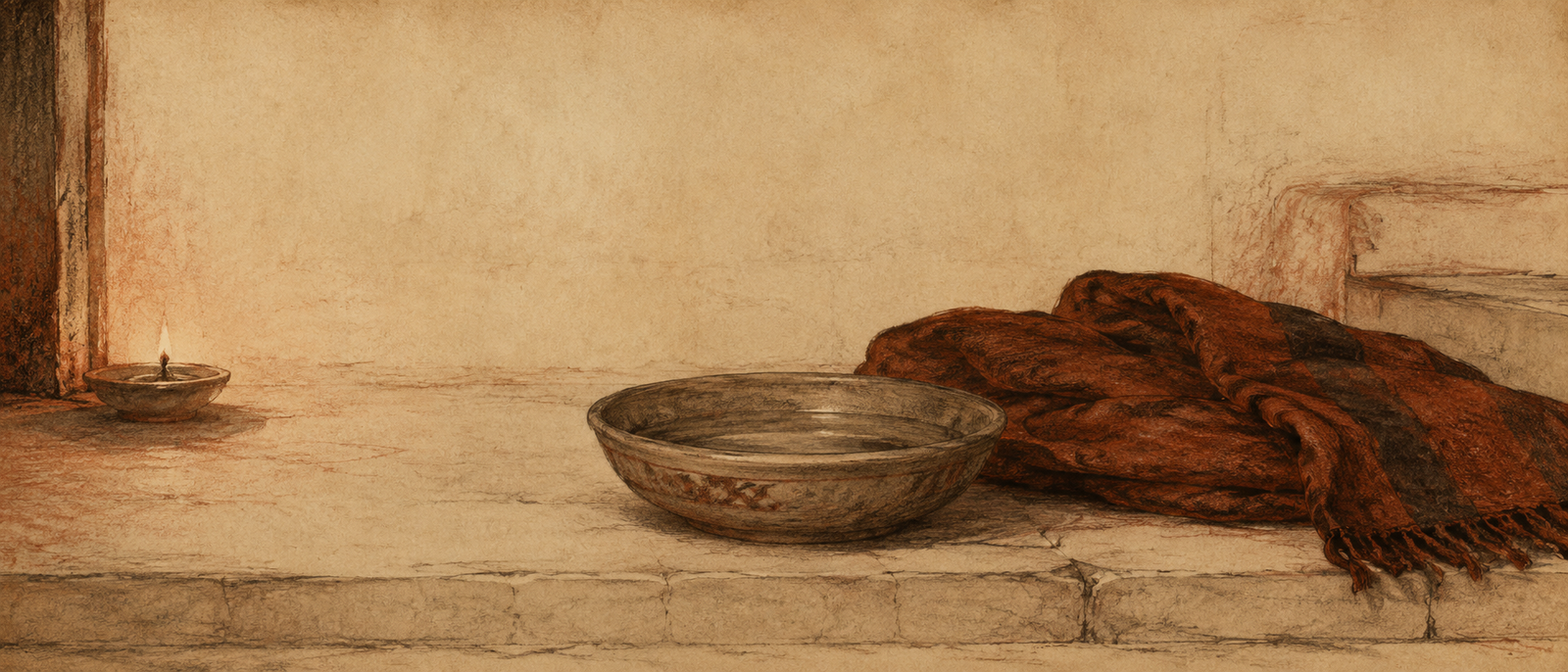

The Long Return VII — The Palace of Alcinous
Odysseus reaches the palace of Alcinous, but safety is not yet home. In this seventh instalment of The Long Return, hospitality becomes a moral test: a good house receives the stranger’s body before demanding his story.
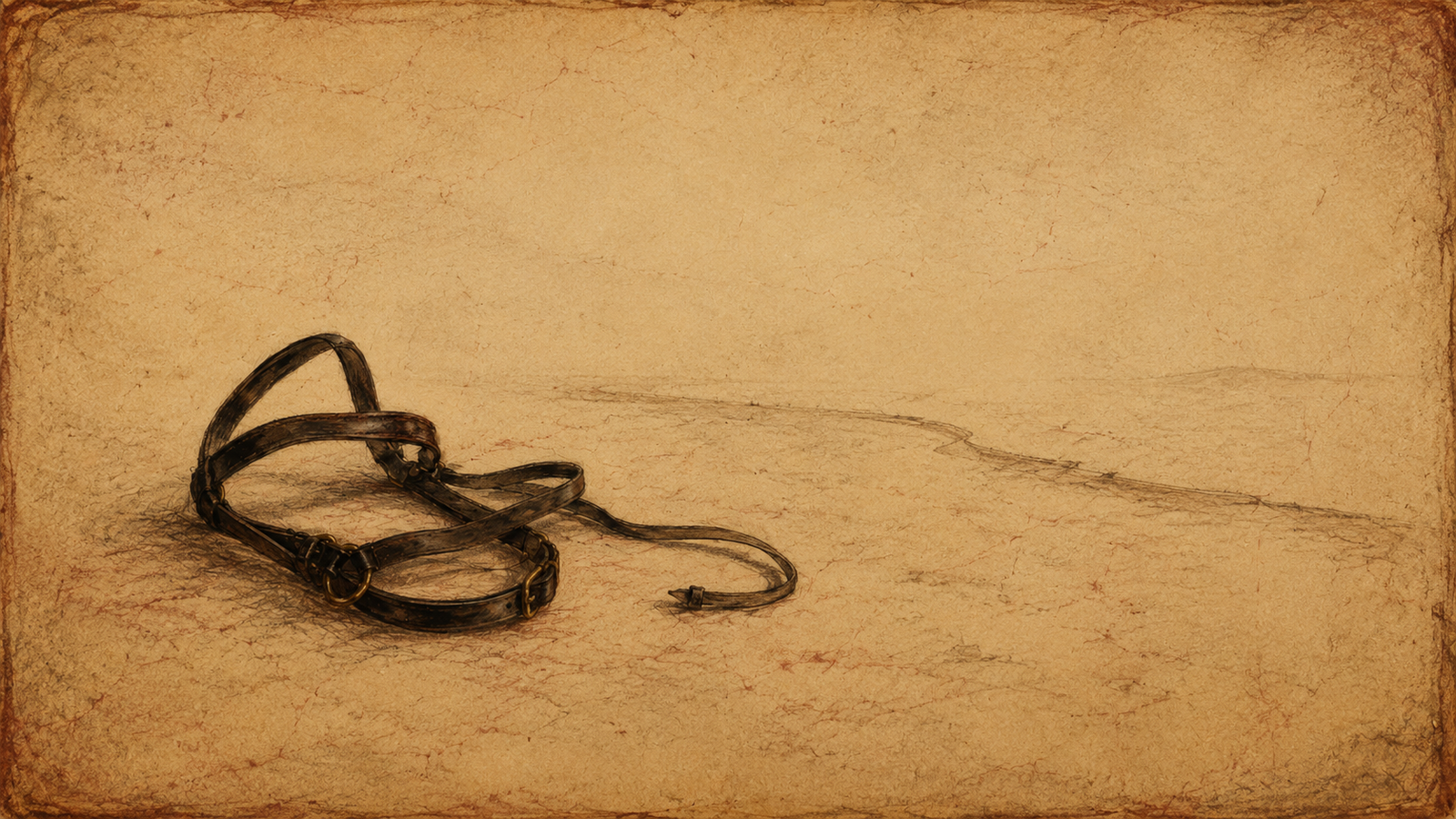

When Favour Is Mistaken for Right — On Bellerophon
A companion essay to Bellerophon — The Bridle and the Fall, exploring Pegasus, divine favour, the bridle, heroic ascent, and the danger of mistaking help for permanent right. From The Hospitable Dark, this essay asks why Bellerophon’s tragedy is not false greatness exposed, but real help wrongly remembered.
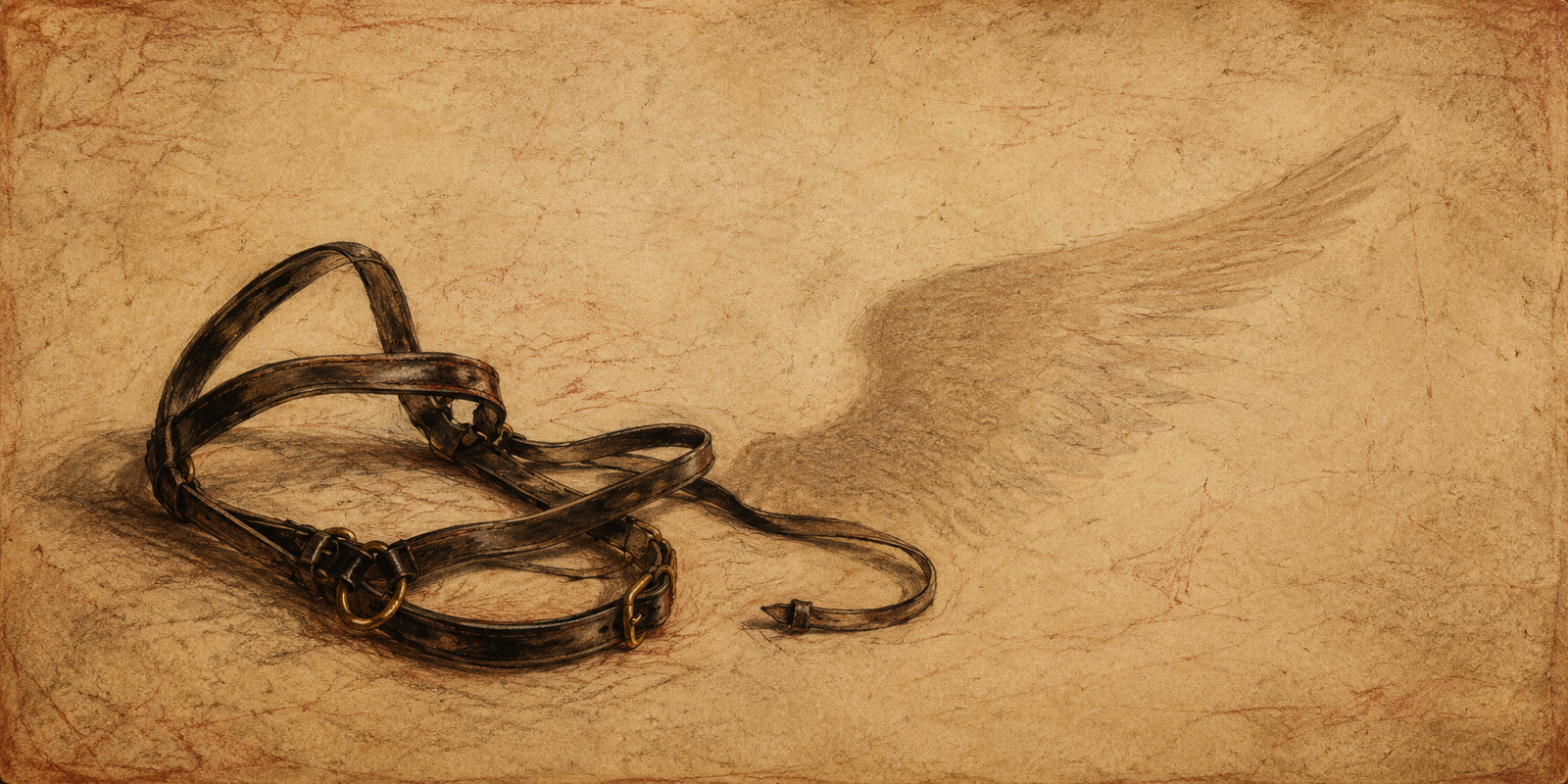

Bellerophon — The Bridle and the Fall
A literary Greek myth retelling of Bellerophon, Pegasus, and the divine bridle: a tale of heroic ascent, misremembered grace, and the moment a true gift becomes proof in the wrong hands. From The Hospitable Dark, where old stories are retold in a warm, grave voice.
Continue Reading
If this piece found something in you, you may wish to continue the journey elsewhere.
On The Lantern Chronicles, I gather writings from Angkor, myth and legend, contemplative essays, and poetry — works shaped by silence, beauty, wonder, memory, and the deeper questions that follow us through the world.
It is a place for stone and story, reflection and vow, shadow and revelation.
You would be most welcome there.