
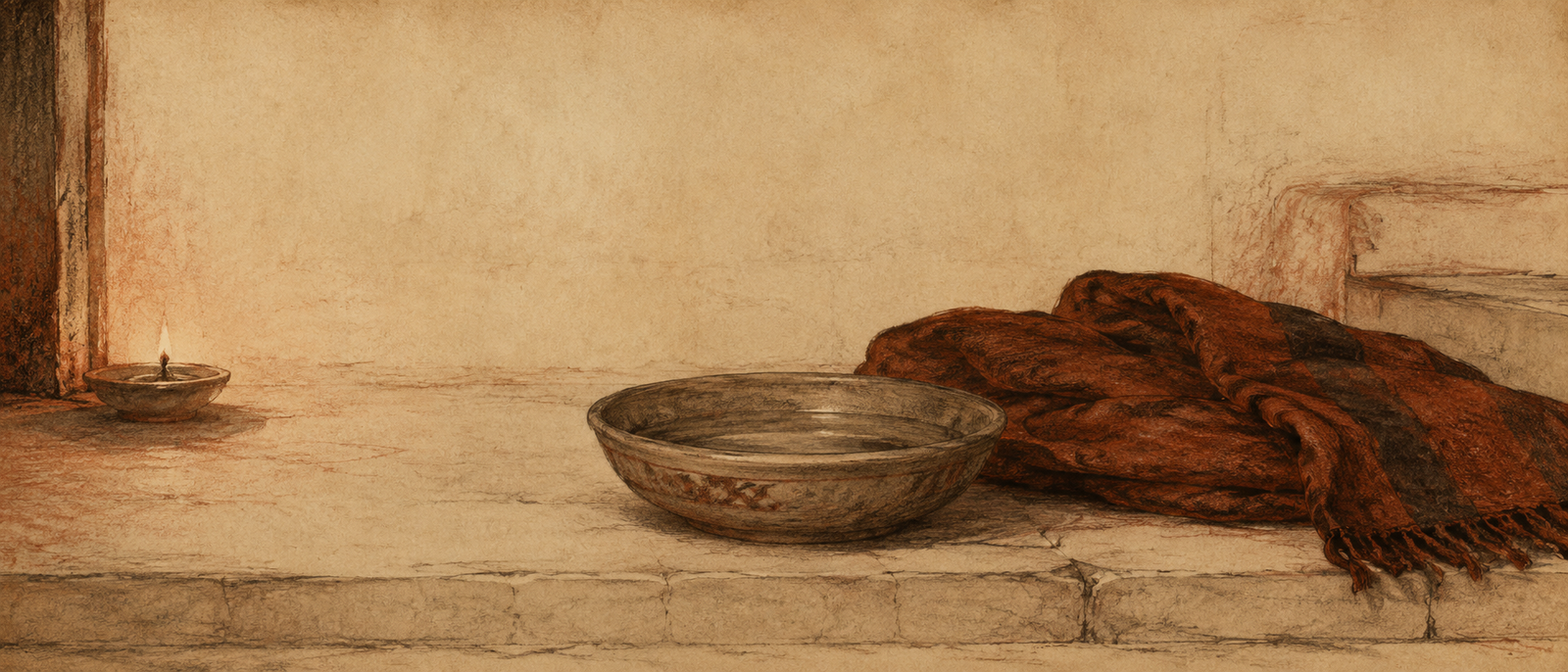

The Long Return VII — The Palace of Alcinous
In the seventh instalment of The Long Return, Odysseus has survived the storm, the river, and the exposed mercy of Nausicaa. But safety is not yet home. Before he can be sent onward, he must enter another kind of danger: a civilised room.
At the palace of Alcinous, the law of hospitality is tested not through splendour, but through restraint. A good house does not demand the stranger’s story before it receives his body.
The cloak sat strangely on him.
It was clean, and that was the first strangeness. It carried no salt, no splintered smell of raft-wood, no torn edge from the sea. It had not stiffened around his shoulders in a storm. It had not dried against him beneath a hostile sun. It belonged to rooms, to storage chests, to women’s hands, to a house where cloth was folded before it was needed and brought out when a stranger had nothing left.
Odysseus wore it carefully.
A man who has been naked among reeds learns the dignity of cloth very quickly. He also learns its danger. The girl had given it before asking his name. That was mercy. But the same garment would carry him into her father’s city, and whoever recognised it might begin asking questions before he had secured the right to answer them.
He walked alone from the grove.
Behind him, the river moved under its low banks. Ahead, the road lifted toward the city of the Phaeacians, where the houses stood above the harbour and the smoke of evening rose cleanly into the air. Nausicaa had gone before him with her maids and the mule-cart, taking the washed clothes home by the road that would bring no gossip to her door. She had told him where to wait, whom to approach, what to say, and which name mattered most when he entered the palace.
Not the king’s first.
The queen’s.
This, too, Odysseus carried carefully.
This is an instalment about the intelligence of welcome: the bowl of water placed before the question, the bread given before the name, the queen whose authority does not need to announce itself, and the stranger who must speak carefully enough to protect the girl who saved him.
The full instalment continues at The Hospitable Dark.
Continue reading: The Long Return VII — The Palace of Alcinous at The Hospitable Dark on Substack.
Also in The Hospitable Dark

When Favour Is Mistaken for Right — On Bellerophon
A companion essay to Bellerophon — The Bridle and the Fall, exploring Pegasus, divine favour, the bridle, heroic ascent, and the danger of mistaking help for permanent right. From The Hospitable Dark, this essay asks why Bellerophon’s tragedy is not false greatness exposed, but real help wrongly remembered.

Bellerophon — The Bridle and the Fall
A literary Greek myth retelling of Bellerophon, Pegasus, and the divine bridle: a tale of heroic ascent, misremembered grace, and the moment a true gift becomes proof in the wrong hands. From The Hospitable Dark, where old stories are retold in a warm, grave voice.
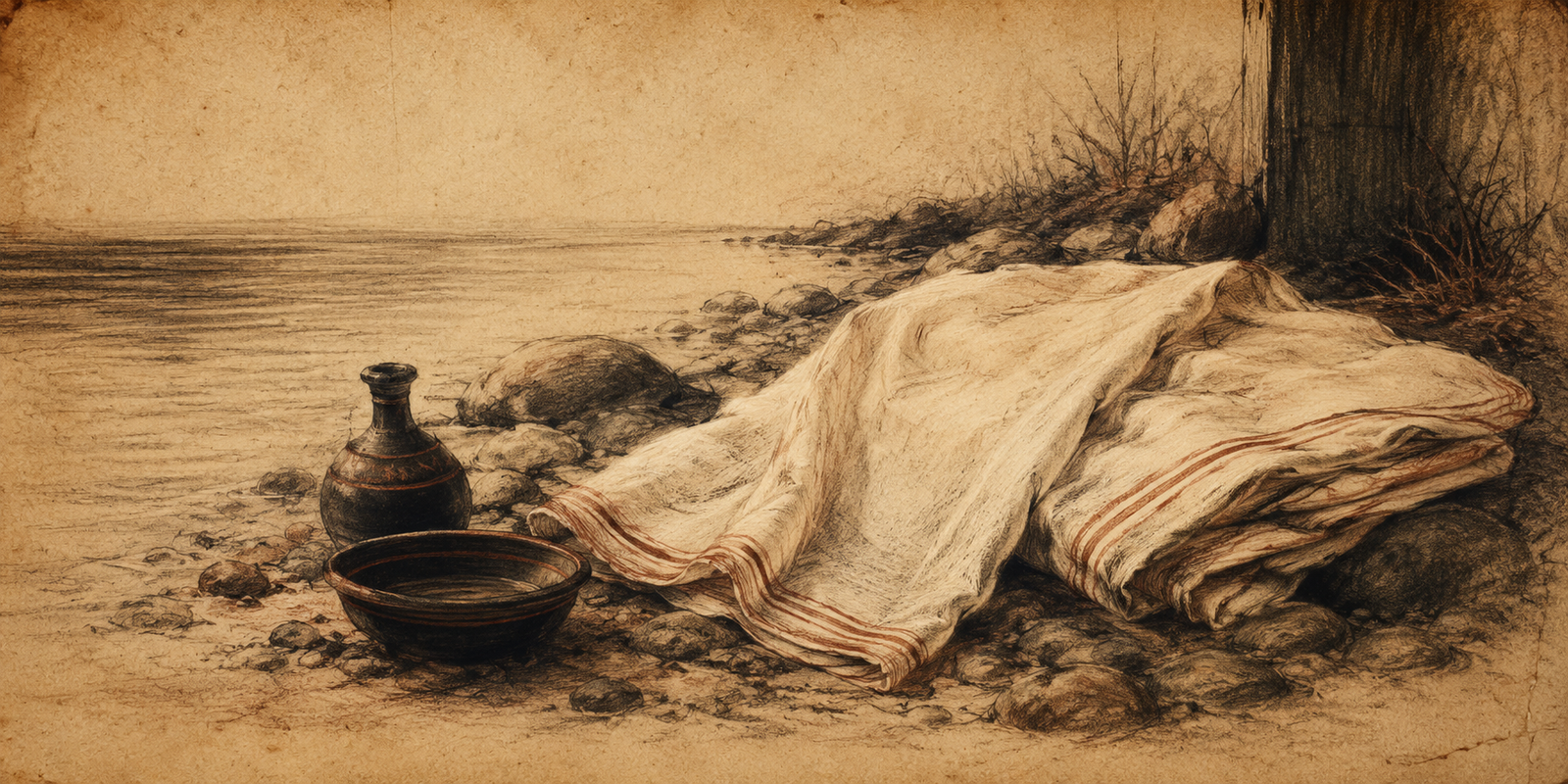

The Stranger, the Girl, and the Law of Mercy
A reader’s guide to Nausicaa, Odysseus, and the law of mercy in Homer’s Odyssey. Before Odysseus can be recognised, he must first be received: clothed, fed, washed, and treated as human before his name has become safe or useful.
Continue Reading
If this piece found something in you, you may wish to continue the journey elsewhere.
On The Lantern Chronicles, I gather writings from Angkor, myth and legend, contemplative essays, and poetry — works shaped by silence, beauty, wonder, memory, and the deeper questions that follow us through the world.
It is a place for stone and story, reflection and vow, shadow and revelation.
You would be most welcome there.