
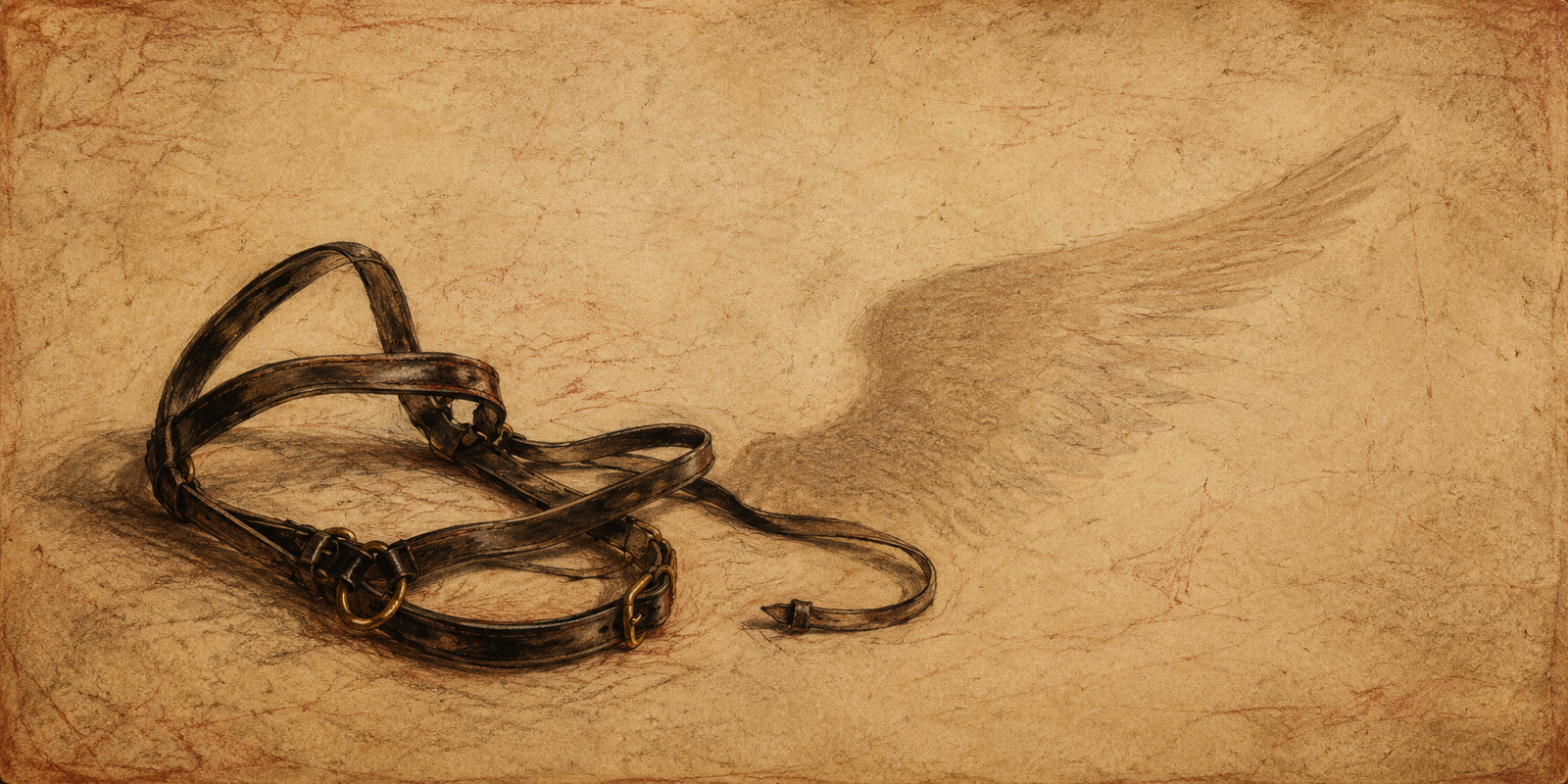

Bellerophon — The Bridle and the Fall
Bellerophon — The Bridle and the Fall is a literary Greek myth retelling from The Hospitable Dark: a warm, grave tale of Pegasus, divine aid, heroic height, and the danger of mistaking a gift for proof of one’s own nature.
Before he rode the winged horse, before the fire-breathing beast, before the fall that made men speak his name softly, Bellerophon stood in a courtyard with a bridle in his hands.
It was not large. That was one of the strange things about it.
A man expects divine gifts to announce themselves by size. A shield broad as a door. A spear that no ordinary shoulder could lift. A cup worked in gold so heavily that even drinking from it would seem like labour. But the bridle was small enough to hold against his chest. Its leather was dark and supple. Its bronze rings had been polished until they caught the morning light in thin, red flashes. The bit was plain. The reins were long. There was no jewel on it, no writing, no sign stamped upon the metal to say that a goddess had touched it.
Only the workmanship told the truth.
No mortal hand had made this thing.
Bellerophon knew that before anyone told him. He knew it the way a thirsty man knows water, the way a horse knows thunder before it breaks. He held the bridle and felt the world around it grow quieter.
The courtyard belonged to the house of Proetus, king of Tiryns, though Bellerophon had not come there as a son, nor as a guest who could sleep easily under another man’s roof. He had come carrying the old trouble that follows a man who has done something that cannot be undone.
There are stories about why he left Corinth. Some say he killed a man in anger. Some say by accident. Some say the dead man was kin to him, which makes even an accident sit more heavily in the room. The old tales do not agree on this point, and perhaps that is because shame has a way of blurring the lamp. It is enough to say that Bellerophon had blood behind him and uncertainty ahead of him, and that a young man may be very brave and still not know what to do with the thing he has already done.
Proetus received him because kings knew the law of the stranger. A man who came stained with trouble could not always be turned away. He might need cleansing. He might need judgement. He might be dangerous. He might be under the notice of the gods. Often he was all four.
So Bellerophon ate in the king’s hall. He slept beneath the king’s roof. He spoke with restraint and kept his eyes lowered when restraint was required. He was young, beautiful, strong, and silent in the way men are silent when they have learned that speech can make a wound larger.
This would have been enough trouble for one house.
But houses are seldom content with the trouble they already have.
The full tale continues through accusation, exile, Pegasus, the Chimera, and the terrible loneliness of a man who was lifted higher than he knew how to bear.
Continue reading: Bellerophon — The Bridle and the Fall on Substack.
Also in The Hospitable Dark
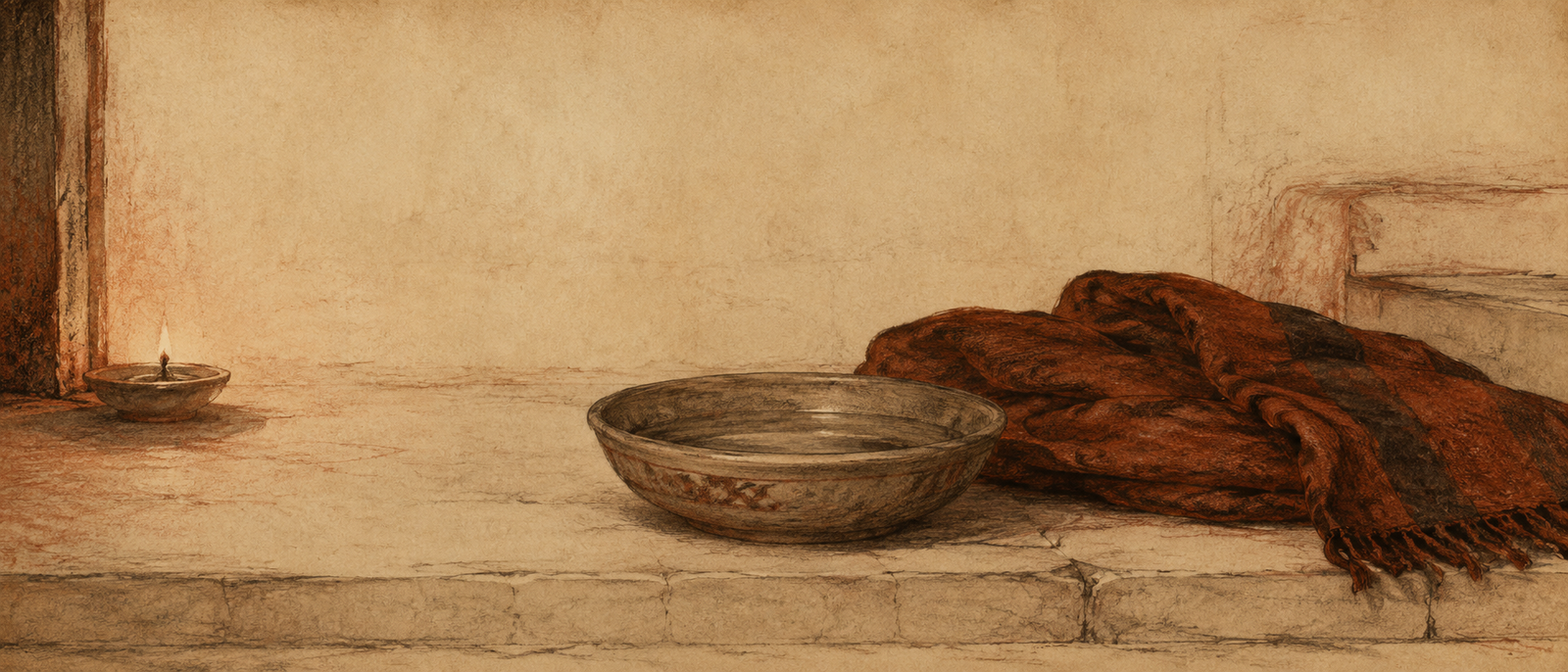

The Long Return VII — The Palace of Alcinous
Odysseus reaches the palace of Alcinous, but safety is not yet home. In this seventh instalment of The Long Return, hospitality becomes a moral test: a good house receives the stranger’s body before demanding his story.
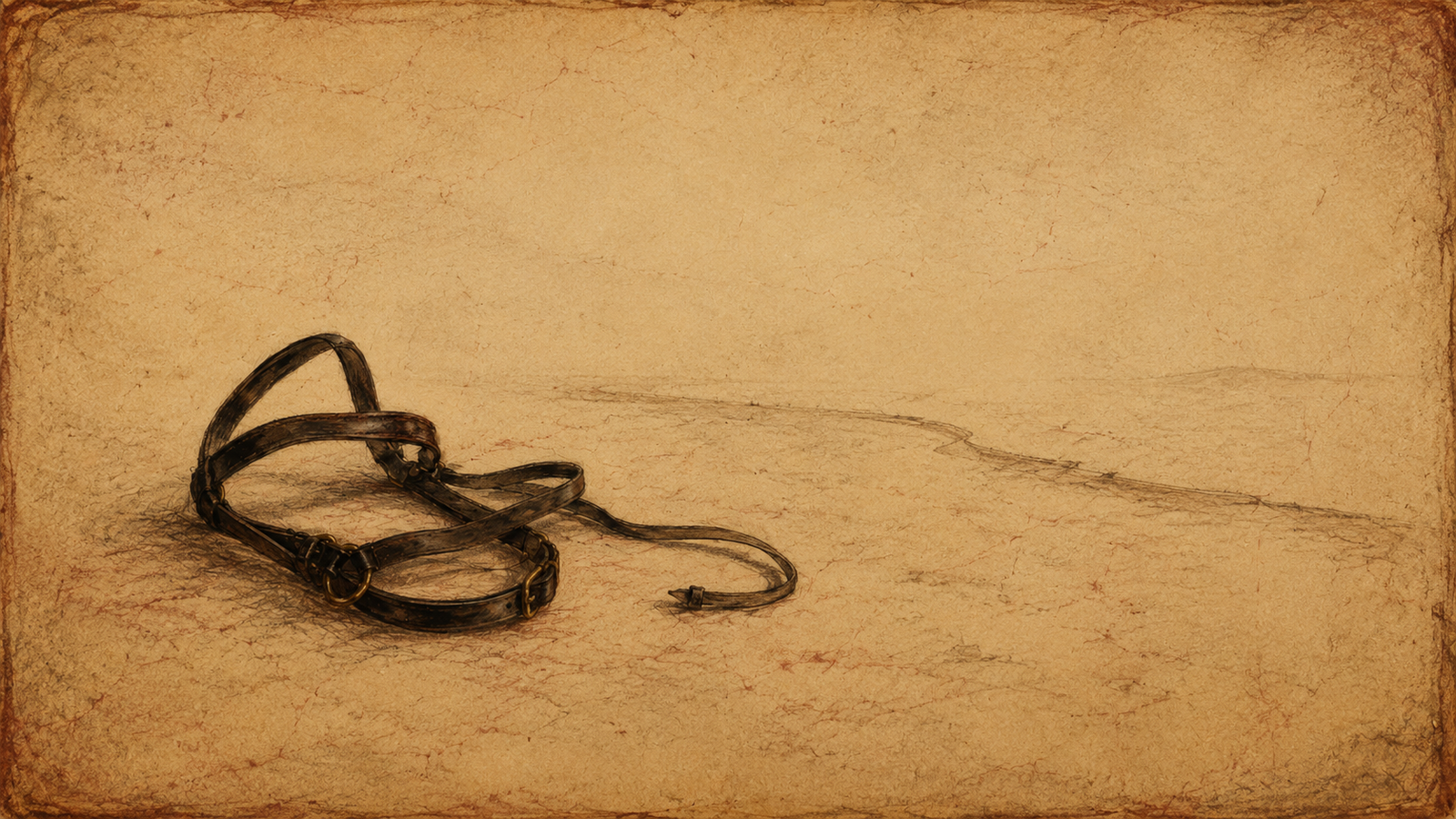

When Favour Is Mistaken for Right — On Bellerophon
A companion essay to Bellerophon — The Bridle and the Fall, exploring Pegasus, divine favour, the bridle, heroic ascent, and the danger of mistaking help for permanent right. From The Hospitable Dark, this essay asks why Bellerophon’s tragedy is not false greatness exposed, but real help wrongly remembered.
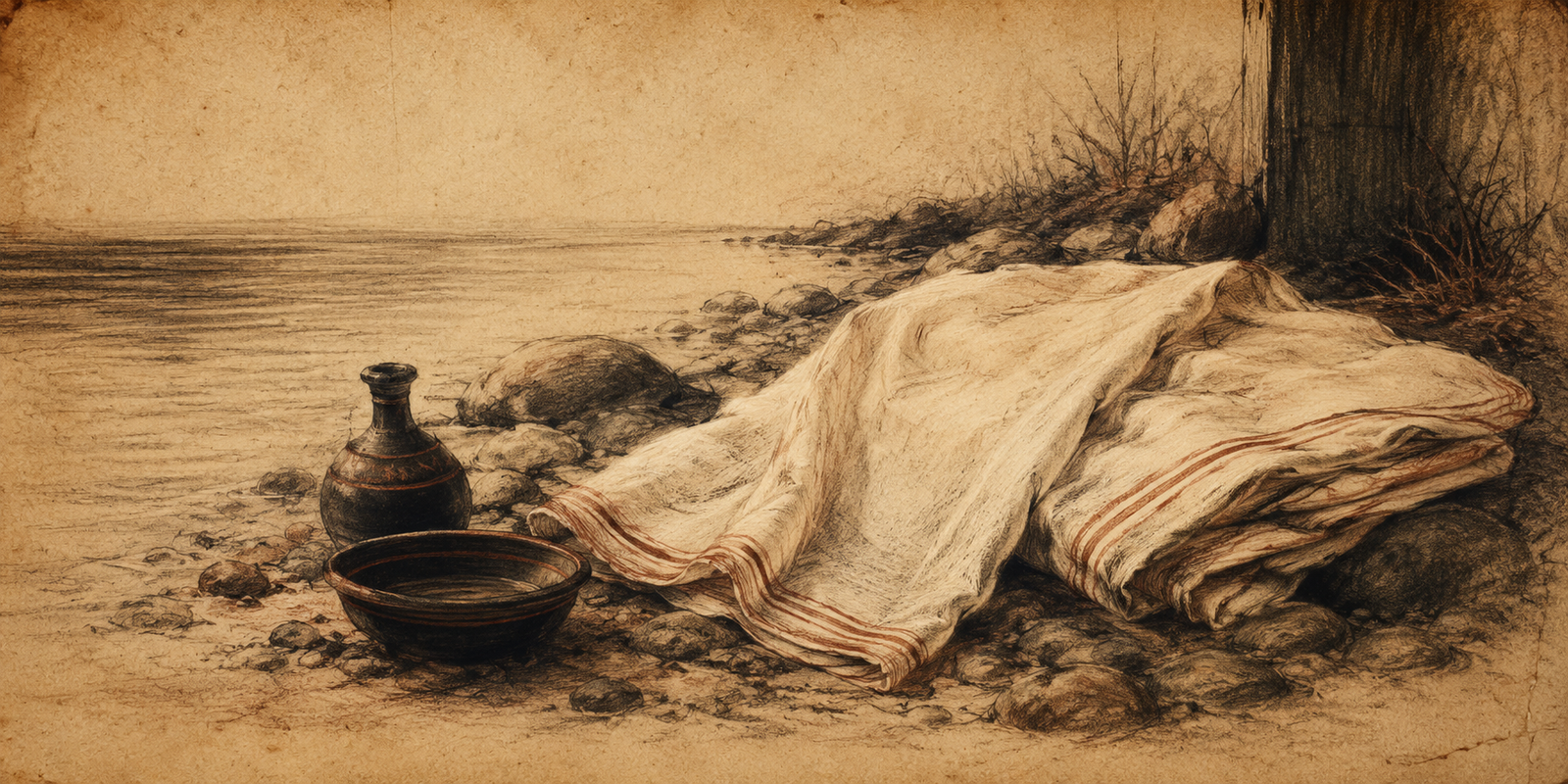

The Stranger, the Girl, and the Law of Mercy
A reader’s guide to Nausicaa, Odysseus, and the law of mercy in Homer’s Odyssey. Before Odysseus can be recognised, he must first be received: clothed, fed, washed, and treated as human before his name has become safe or useful.
Continue Reading
If this piece found something in you, you may wish to continue the journey elsewhere.
On The Lantern Chronicles, I gather writings from Angkor, myth and legend, contemplative essays, and poetry — works shaped by silence, beauty, wonder, memory, and the deeper questions that follow us through the world.
It is a place for stone and story, reflection and vow, shadow and revelation.
You would be most welcome there.