


The Long Return III — An Old King Remembers
In the third instalment of The Long Return, Telemachus reaches Pylos in search of news of Odysseus. What he finds first is not information, but order: a kingdom still capable of sacrifice, hospitality, memory, and reverence. After the disorder of Ithaca, the house of Nestor becomes the first true school of sonship.
He had seen men eat badly.
That was one of the things his father’s absence had taught him. In Ithaca, the eating had become a kind of conquest. Men took bread as if it had no history, lifted cups as if no hand had filled them, sat in another man’s hall as if a house were only a roof and walls and a place where hunger might be satisfied. There had been sacrifices, of course. Men who want to look respectable seldom forget the public shape of religion. But Telemachus had learned the difference between an offering and an appetite wearing clean clothes.
At Pylos, the difference was visible before anyone spoke.
The shore was bright with bodies and smoke. The people had gathered by the sea in ordered companies, and the black bulls stood garlanded for Poseidon, who hears every oar and every drowning prayer. The fires were already working. Fat hissed. Meat darkened. Wine was poured upon the ground with hands that knew what they were doing. Boys ran where boys were needed. Men stood where men were expected. Old men watched without needing to command loudly, because command had already entered the habits of the place.
Telemachus looked at it all and felt, with a sudden sharpness, how badly his own house had been allowed to come apart.
Beside him, the one who looked like Mentor watched with a calm that was almost unkind.
“You must go forward,” she said.
He did not answer at once. The ship lay behind them, hauled up out of the water, its men waiting to see what their prince would do. That was another new thing: men waiting for him. In Ithaca they had either mocked him or pitied him, and pity was often the harder thing to bear. Now the sailors stood back with their cloaks gathered against the wind, trusting him to speak because he had brought them here.
It is one thing to leave home in anger.
It is another thing to arrive somewhere as the person who must ask.
“I do not know how to begin,” he said quietly.
Mentor turned and looked at him. The face was old and familiar enough. The gaze was not.
“No one knows how to begin until the first word has left him.”
This was not comforting. Gods, when they comfort at all, often do it by removing the easier escape.
Continue reading: The Long Return III — An Old King Remembers at The Hospitable Dark on Substack.
Also in The Hospitable Dark
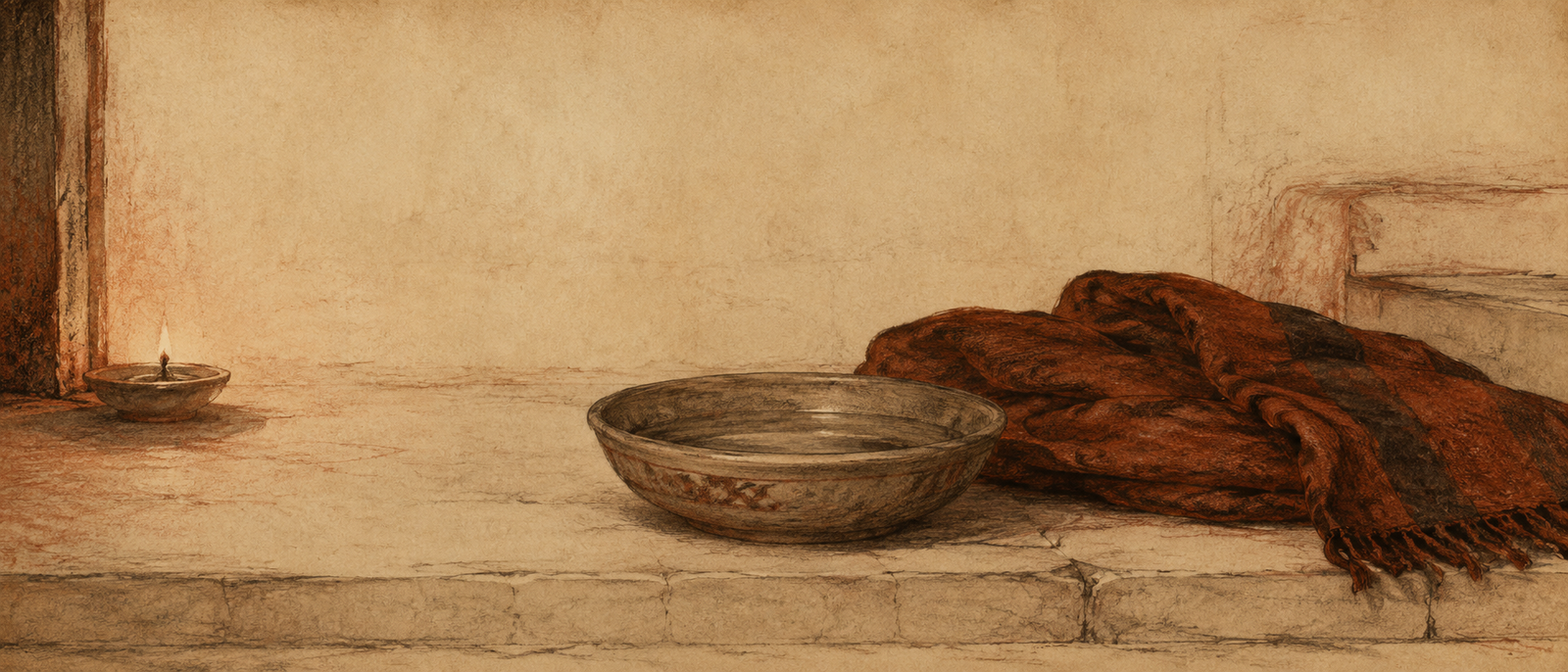

The Long Return VII — The Palace of Alcinous
Odysseus reaches the palace of Alcinous, but safety is not yet home. In this seventh instalment of The Long Return, hospitality becomes a moral test: a good house receives the stranger’s body before demanding his story.
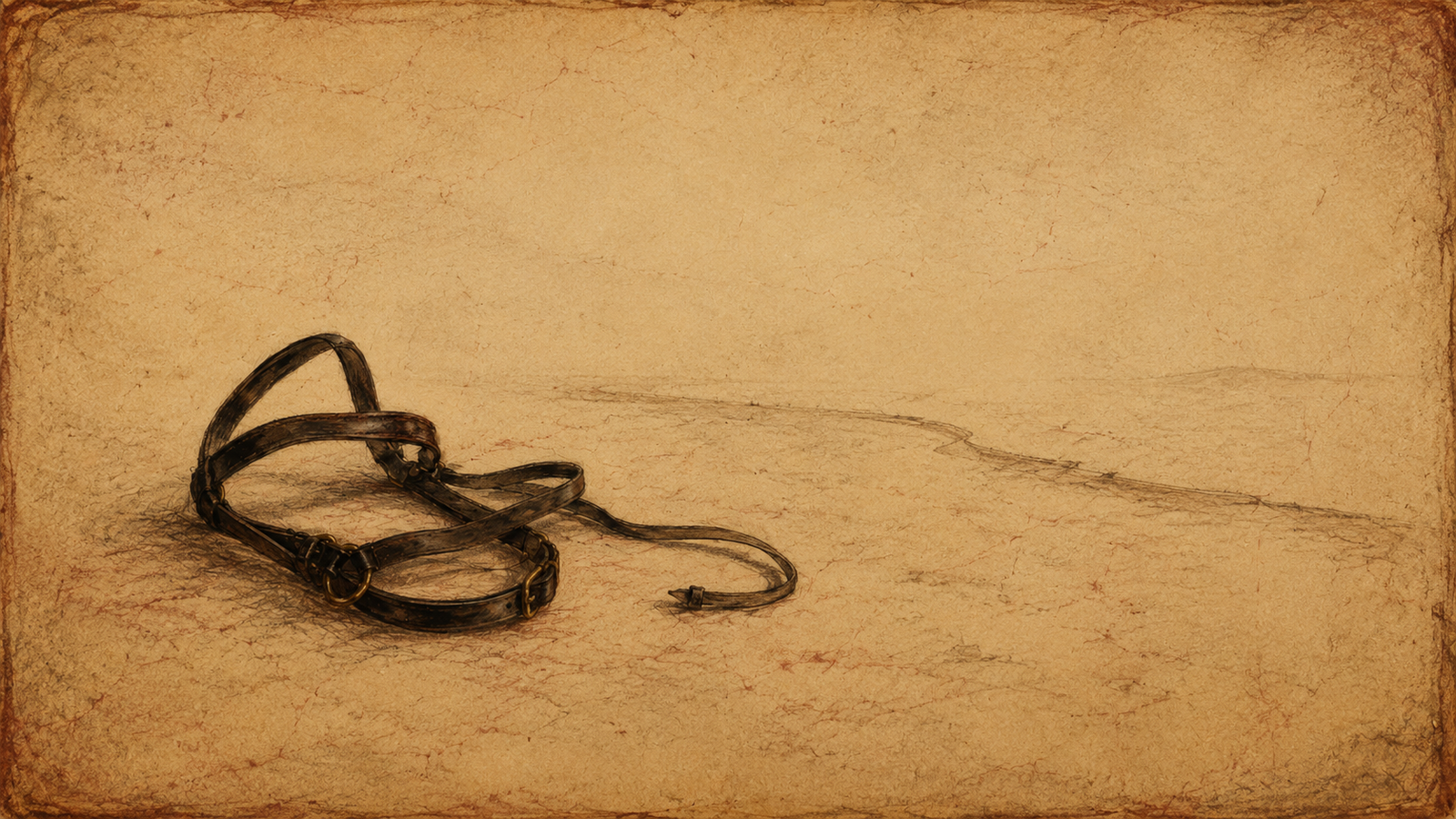

When Favour Is Mistaken for Right — On Bellerophon
A companion essay to Bellerophon — The Bridle and the Fall, exploring Pegasus, divine favour, the bridle, heroic ascent, and the danger of mistaking help for permanent right. From The Hospitable Dark, this essay asks why Bellerophon’s tragedy is not false greatness exposed, but real help wrongly remembered.
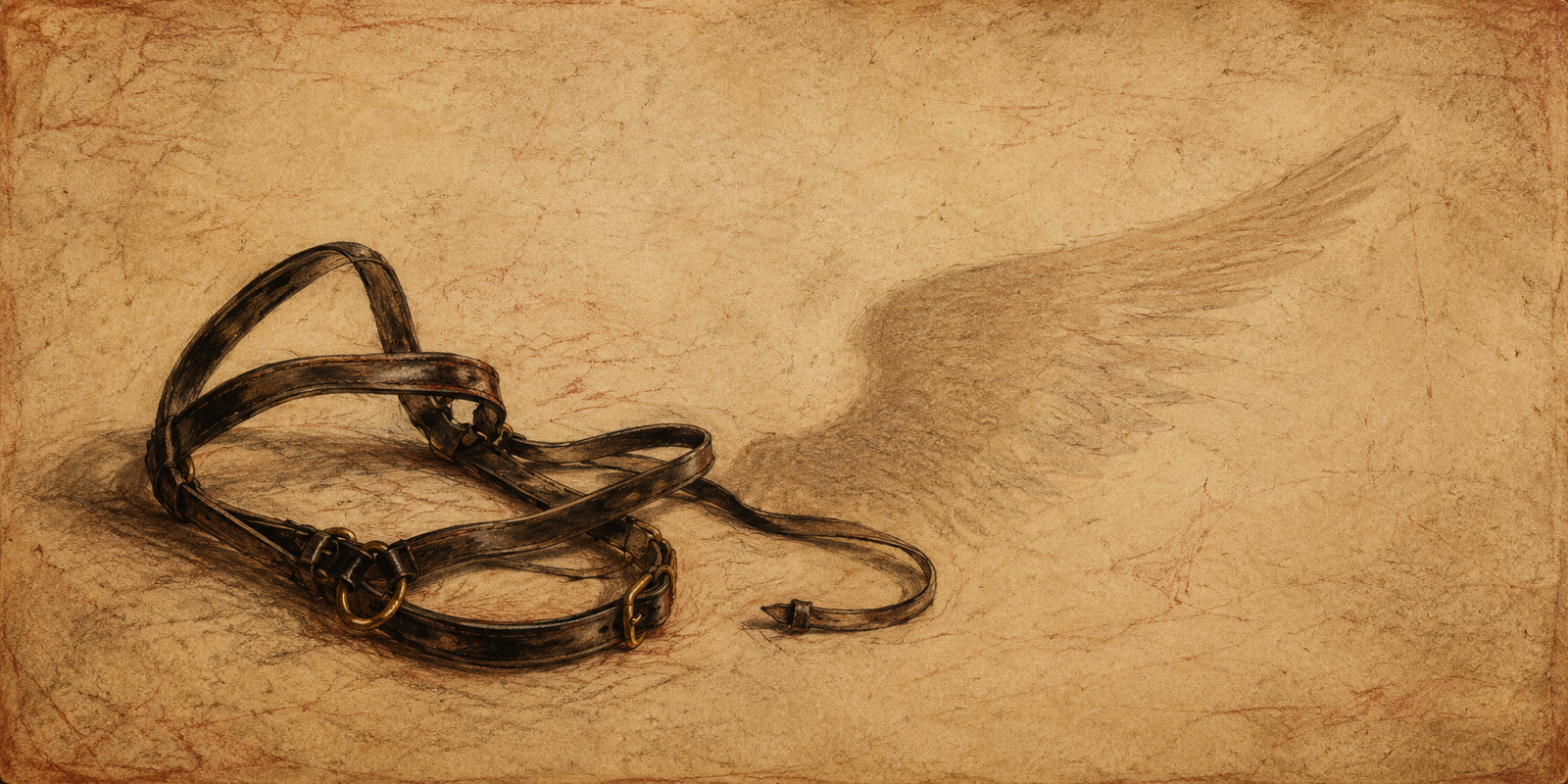

Bellerophon — The Bridle and the Fall
A literary Greek myth retelling of Bellerophon, Pegasus, and the divine bridle: a tale of heroic ascent, misremembered grace, and the moment a true gift becomes proof in the wrong hands. From The Hospitable Dark, where old stories are retold in a warm, grave voice.
Continue Reading
If this piece found something in you, you may wish to continue the journey elsewhere.
On The Lantern Chronicles, I gather writings from Angkor, myth and legend, contemplative essays, and poetry — works shaped by silence, beauty, wonder, memory, and the deeper questions that follow us through the world.
It is a place for stone and story, reflection and vow, shadow and revelation.
You would be most welcome there.