
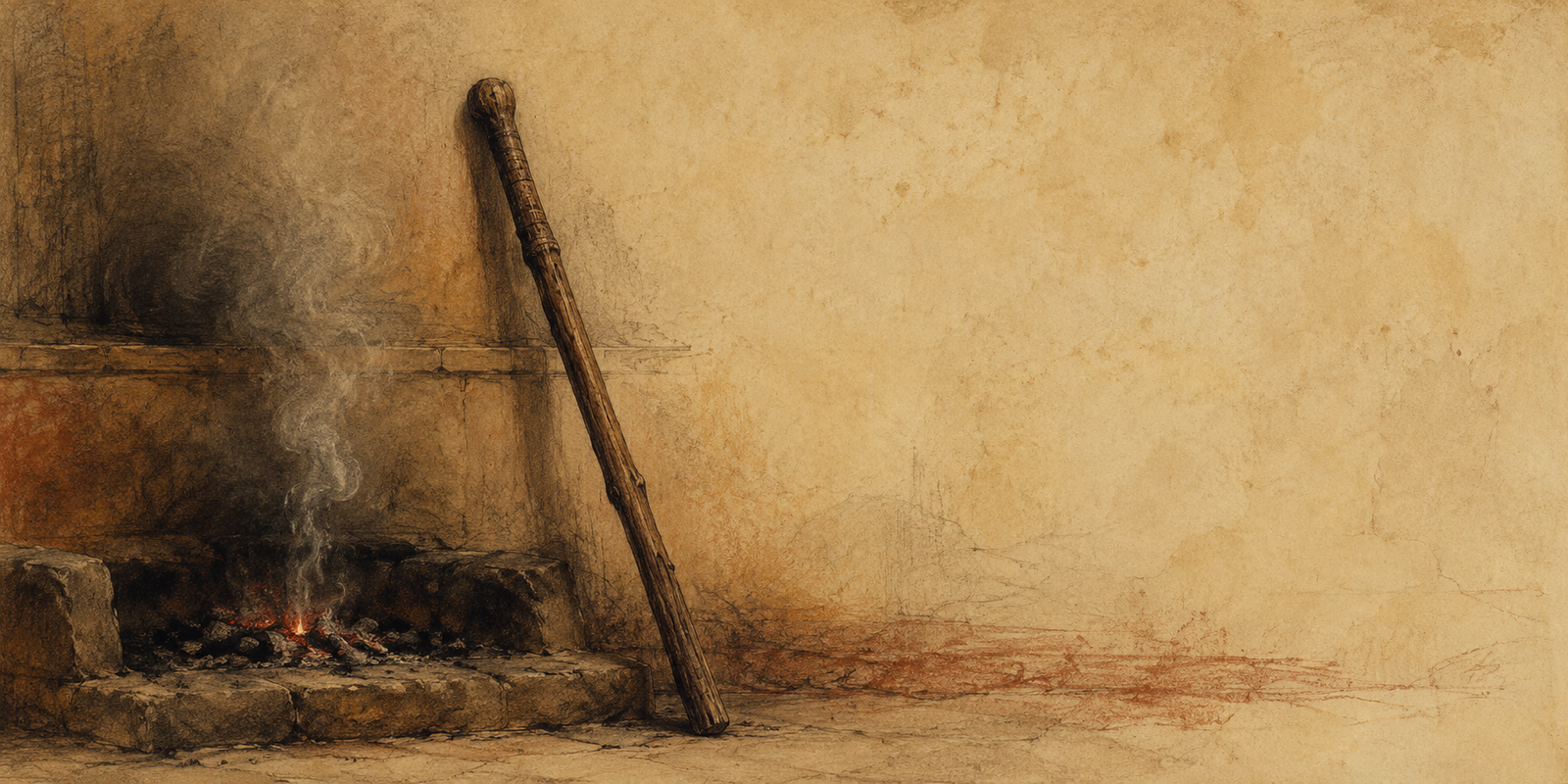

Memory, Fathers, and the Education of Telemachus
In this reader’s guide to The Long Return III — An Old King Remembers, Telemachus’s visit to Pylos becomes more than a search for news of Odysseus. Nestor cannot give him certainty. What he gives instead is memory: the dangerous inheritance of Troy, the burden of fathers, and the first hard shape of what sonship may require.
A fatherless child does not only lack a man. He lacks the stories that tell him what kind of man he has come from.
That is part of Telemachus’s difficulty at the beginning of The Odyssey. Odysseus has not simply been away for a long time. His absence has become the condition inside which Telemachus has grown. It has shaped the house, the servants, the marriage bed, the public reputation of Ithaca, the behaviour of the suitors, and the young man’s own sense of what he may or may not claim. A father absent in war is still a father, but a father absent through years of silence becomes something more unstable: rumour, wound, inheritance, embarrassment, hope.
In Ithaca, Telemachus knows Odysseus mostly as lack. Other men sit where his father should sit. Other men eat what his father stored. Other men speak in the house with the confidence of those who have learned that absence can be treated as permission. When Telemachus calls the assembly in Book II, he does the proper thing and is still unable to make rightness powerful. He speaks, weeps, rebukes, appeals — and the forms of public order prove too weak to protect him. He is old enough to know the shame of being disregarded, and young enough not yet to know what manhood should do with that shame.
Pylos gives him something different.
At first, what it gives him is not information. That matters. Telemachus has crossed the sea looking for news: Is Odysseus alive? Has anyone seen him? Is there some report, some survivor’s tale, some hard piece of certainty he can bring back to Ithaca? He wants his father restored to fact. But Nestor cannot give him that. The old king does not know where Odysseus is. He cannot say whether he lives or has gone down among the unnamed dead.
What he can give is memory.
This is not a lesser gift. In fact, for Telemachus, it may be the first gift that makes any future action possible. In Ithaca, Odysseus is an absence contested by appetite. In Pylos, he becomes a man remembered by another man. Nestor speaks his name as someone who knew him in council, danger, silence, and war. He remembers not the domestic Odysseus — not the husband beside Penelope, not the father bending over a small child — but the Odysseus of Troy: the strategist, the speaker, the man whose mind found passages through difficulty.
For Telemachus, this is both comfort and injury. To hear one’s father praised by an honourable old man gives the father shape. It also sharpens the knowledge that the son has not known him. Praise does not fill the empty chair. It tells the son what kind of man is missing from it.
Continue reading: Memory, Fathers, and the Education of Telemachus at The Hospitable Dark on Substack.
Also in The Hospitable Dark
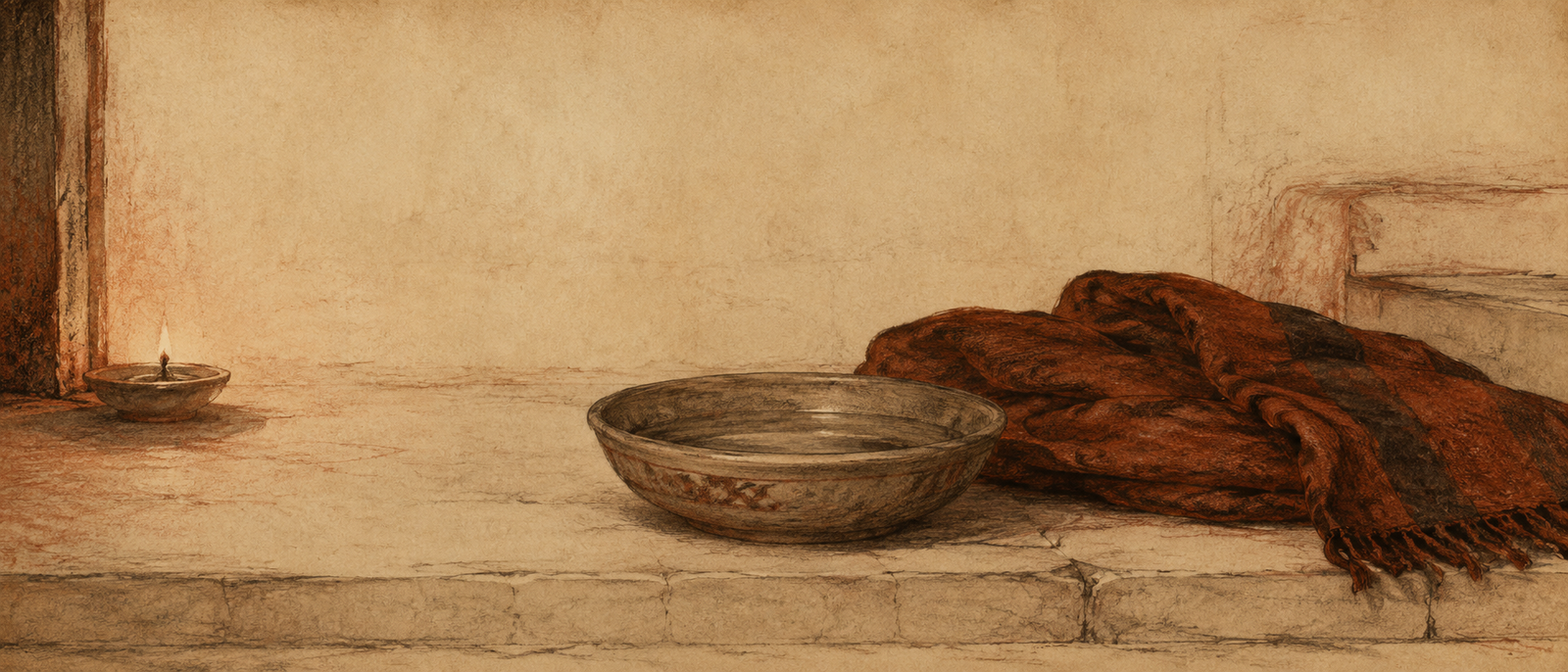

The Long Return VII — The Palace of Alcinous
Odysseus reaches the palace of Alcinous, but safety is not yet home. In this seventh instalment of The Long Return, hospitality becomes a moral test: a good house receives the stranger’s body before demanding his story.
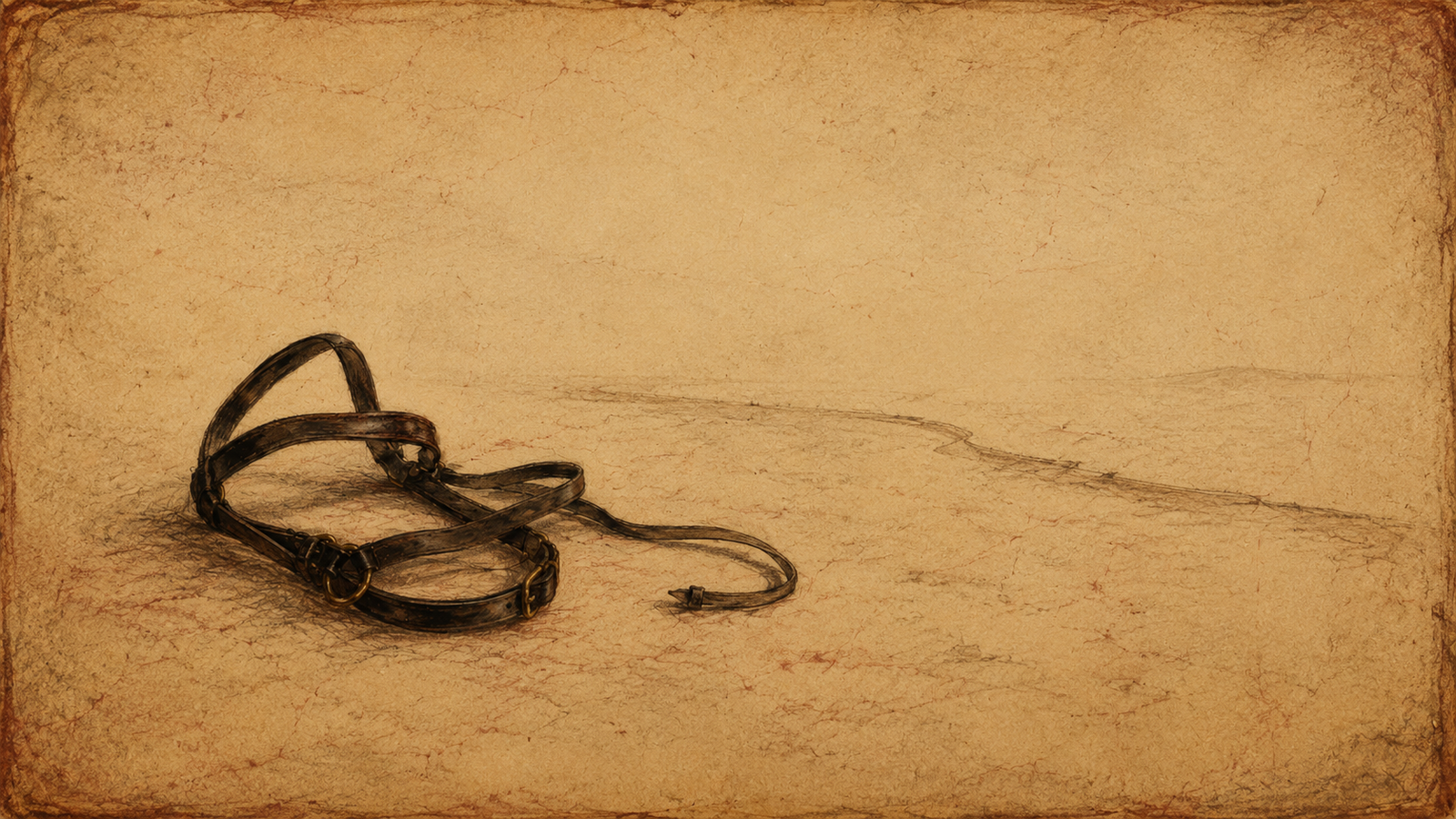

When Favour Is Mistaken for Right — On Bellerophon
A companion essay to Bellerophon — The Bridle and the Fall, exploring Pegasus, divine favour, the bridle, heroic ascent, and the danger of mistaking help for permanent right. From The Hospitable Dark, this essay asks why Bellerophon’s tragedy is not false greatness exposed, but real help wrongly remembered.
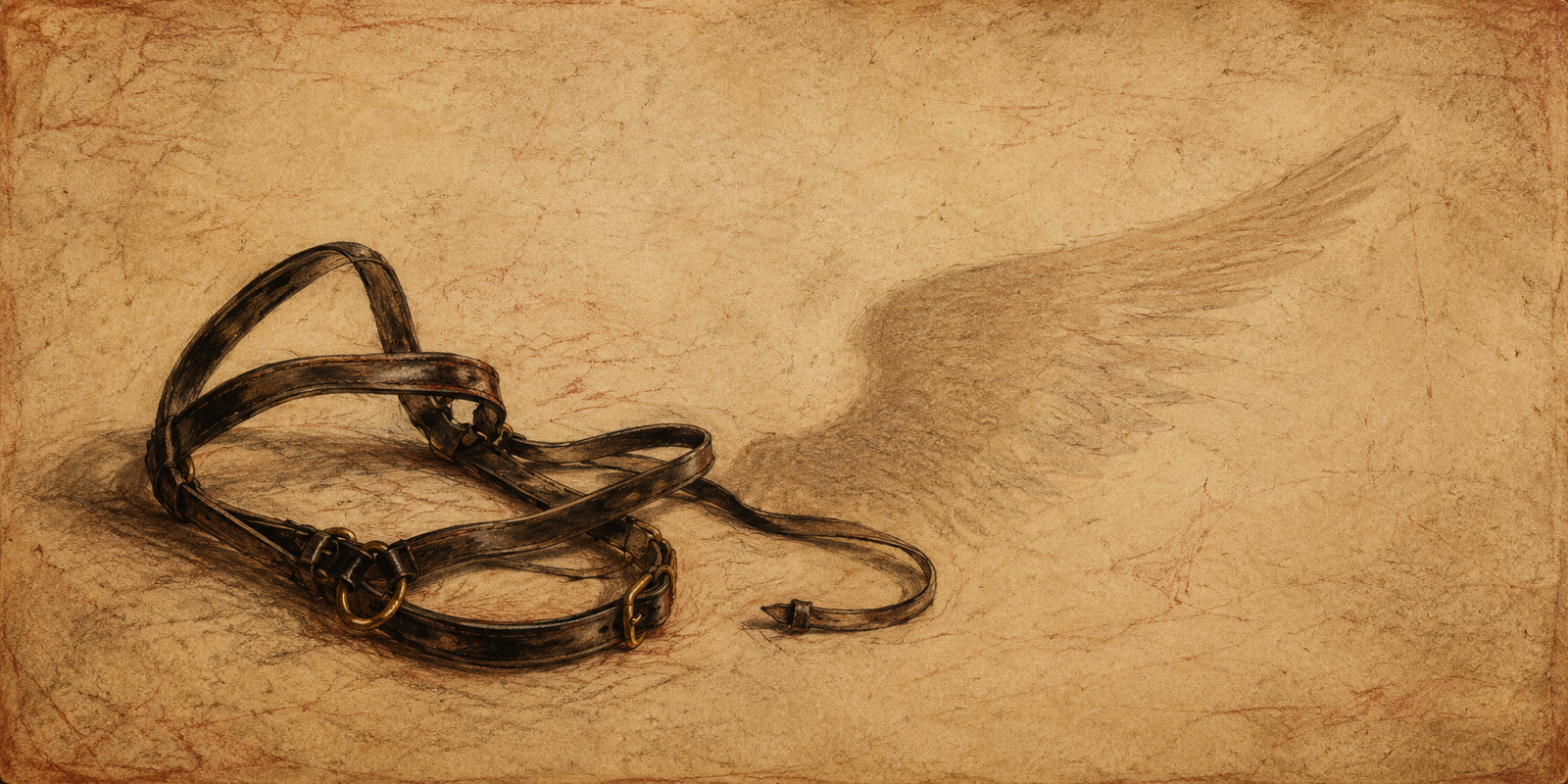

Bellerophon — The Bridle and the Fall
A literary Greek myth retelling of Bellerophon, Pegasus, and the divine bridle: a tale of heroic ascent, misremembered grace, and the moment a true gift becomes proof in the wrong hands. From The Hospitable Dark, where old stories are retold in a warm, grave voice.
Continue Reading
If this piece found something in you, you may wish to continue the journey elsewhere.
On The Lantern Chronicles, I gather writings from Angkor, myth and legend, contemplative essays, and poetry — works shaped by silence, beauty, wonder, memory, and the deeper questions that follow us through the world.
It is a place for stone and story, reflection and vow, shadow and revelation.
You would be most welcome there.