
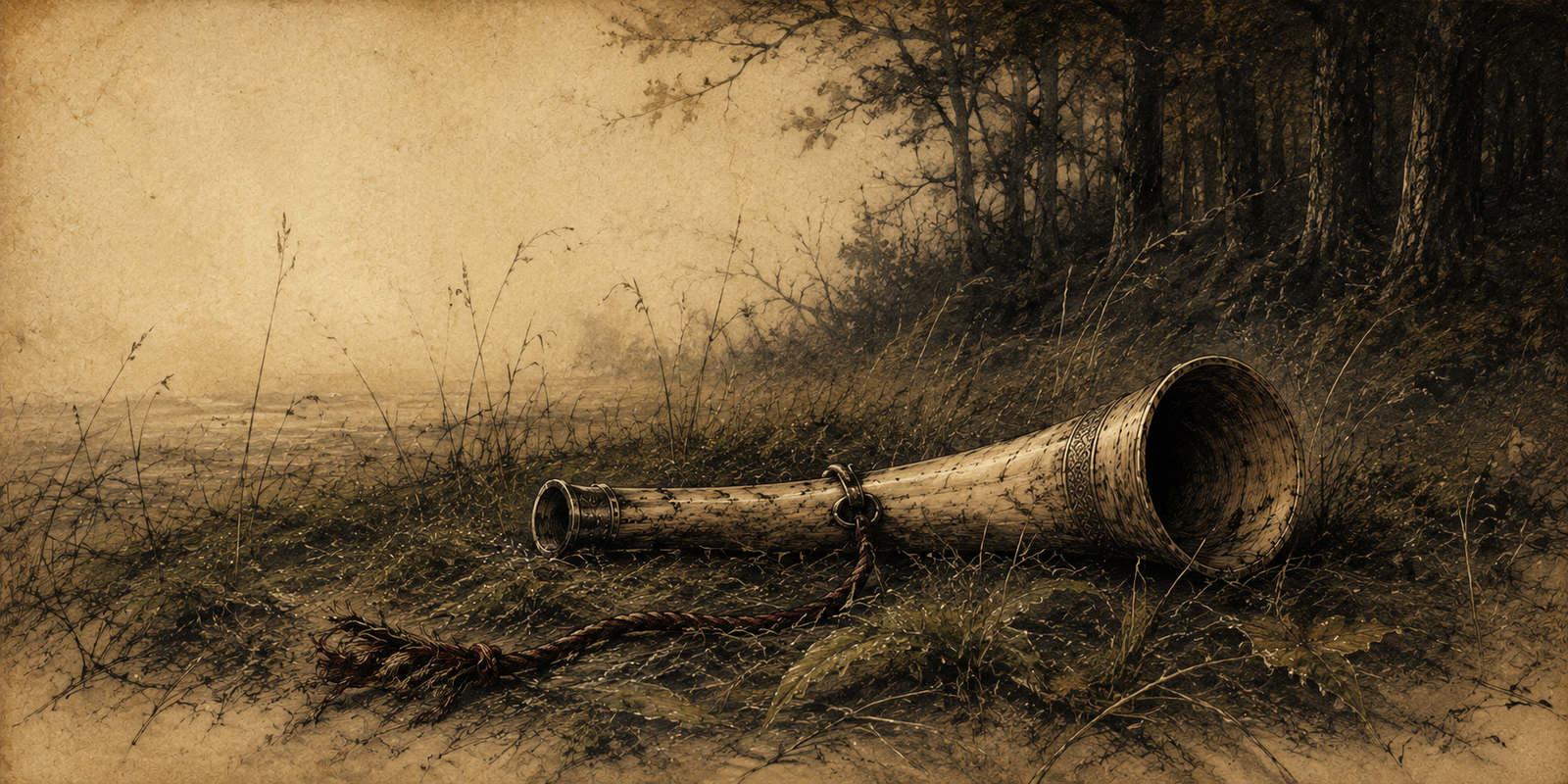

When Sight Becomes Trespass
In this companion essay to Actaeon — The Stag in the Clearing, The Hospitable Dark turns from the tale itself toward the mythic pressure beneath it: the terrible idea that sight can cross a boundary before intention has time to defend itself.
Actaeon does not arrive in the old story as a villain. He does not storm the clearing. He does not set out to profane Artemis. He sees — and in the ancient world of the myth, that may already be enough.
What makes Actaeon’s story so difficult is that he does not arrive as a villain.
He does not storm the clearing. He does not set out to profane the goddess. He does not boast, challenge, seize, or blaspheme. He is hunting, as he has hunted before. He follows the track. He leaves the company of men. He hears water. He enters a place he does not yet know how to read.
Then he sees.
That is almost all he does.
And in the old story, almost is enough.
The myth comes to us most famously through Ovid’s Metamorphoses. Actaeon, a young hunter, comes by accident upon Diana — Artemis to the Greeks — as she bathes with her attendants in a hidden valley. The goddess, deprived of her bow, takes water in her hands and throws it over him. He is changed into a stag. He runs. His own hounds, unable to recognise the master they love, pursue him.
It is a brutal tale, but not a simple one.
Modern readers often want the old myths to arrange themselves into moral answers. Was Actaeon guilty? Was Artemis cruel? Was the punishment disproportionate? These questions matter. The myth does not make them vanish. But it does not answer them as a verdict, or as a clean hierarchy of blame, because it belongs to a world where the sacred does not always wait for intention to explain itself.
Actaeon’s eye crosses the boundary before Actaeon knows there is a boundary to cross.
The clearing is not neutral ground. It is not simply a pretty place where a goddess happens to be. It is an interior: a room made of laurel, water, shade, and divine privacy. Actaeon has no map for that kind of room. He is a hunter. The forest has always offered itself to him as ground to be crossed, read, tracked, entered, and mastered. He knows paths, hoofmarks, wind, dogs, water, pursuit. He knows how to move through the green world as though movement itself were permission.
Then he comes to a place where movement is not permission.
Continue reading: When Sight Becomes Trespass at The Hospitable Dark on Substack.
Also in The Hospitable Dark
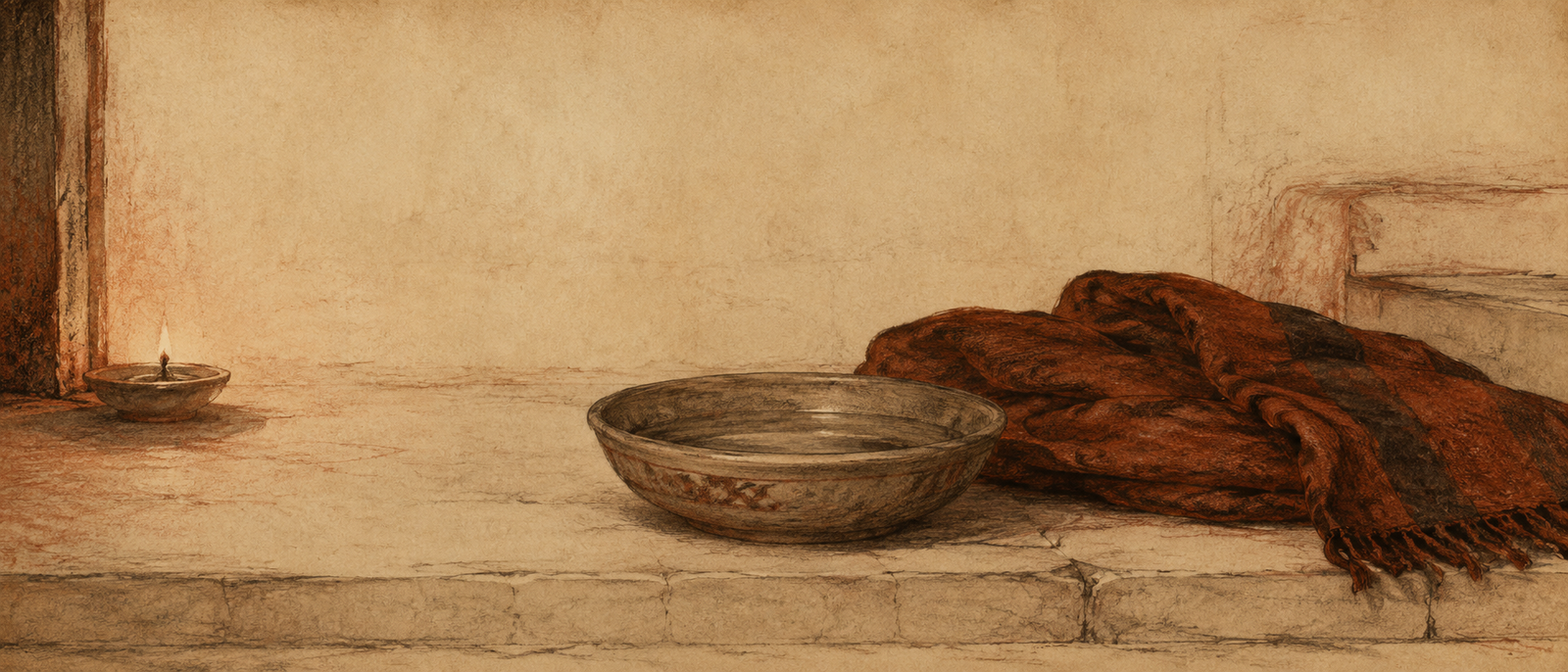

The Long Return VII — The Palace of Alcinous
Odysseus reaches the palace of Alcinous, but safety is not yet home. In this seventh instalment of The Long Return, hospitality becomes a moral test: a good house receives the stranger’s body before demanding his story.
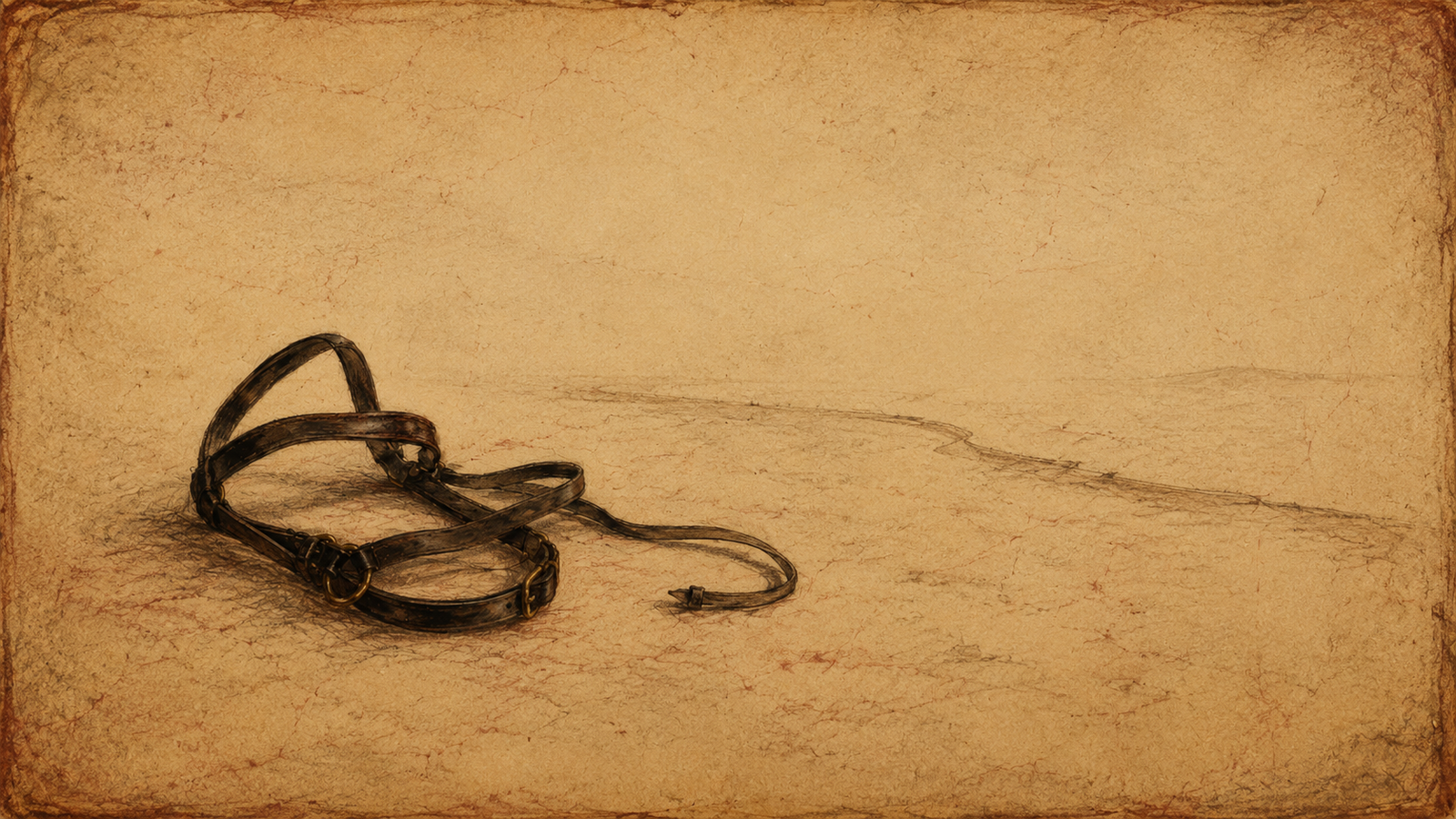

When Favour Is Mistaken for Right — On Bellerophon
A companion essay to Bellerophon — The Bridle and the Fall, exploring Pegasus, divine favour, the bridle, heroic ascent, and the danger of mistaking help for permanent right. From The Hospitable Dark, this essay asks why Bellerophon’s tragedy is not false greatness exposed, but real help wrongly remembered.
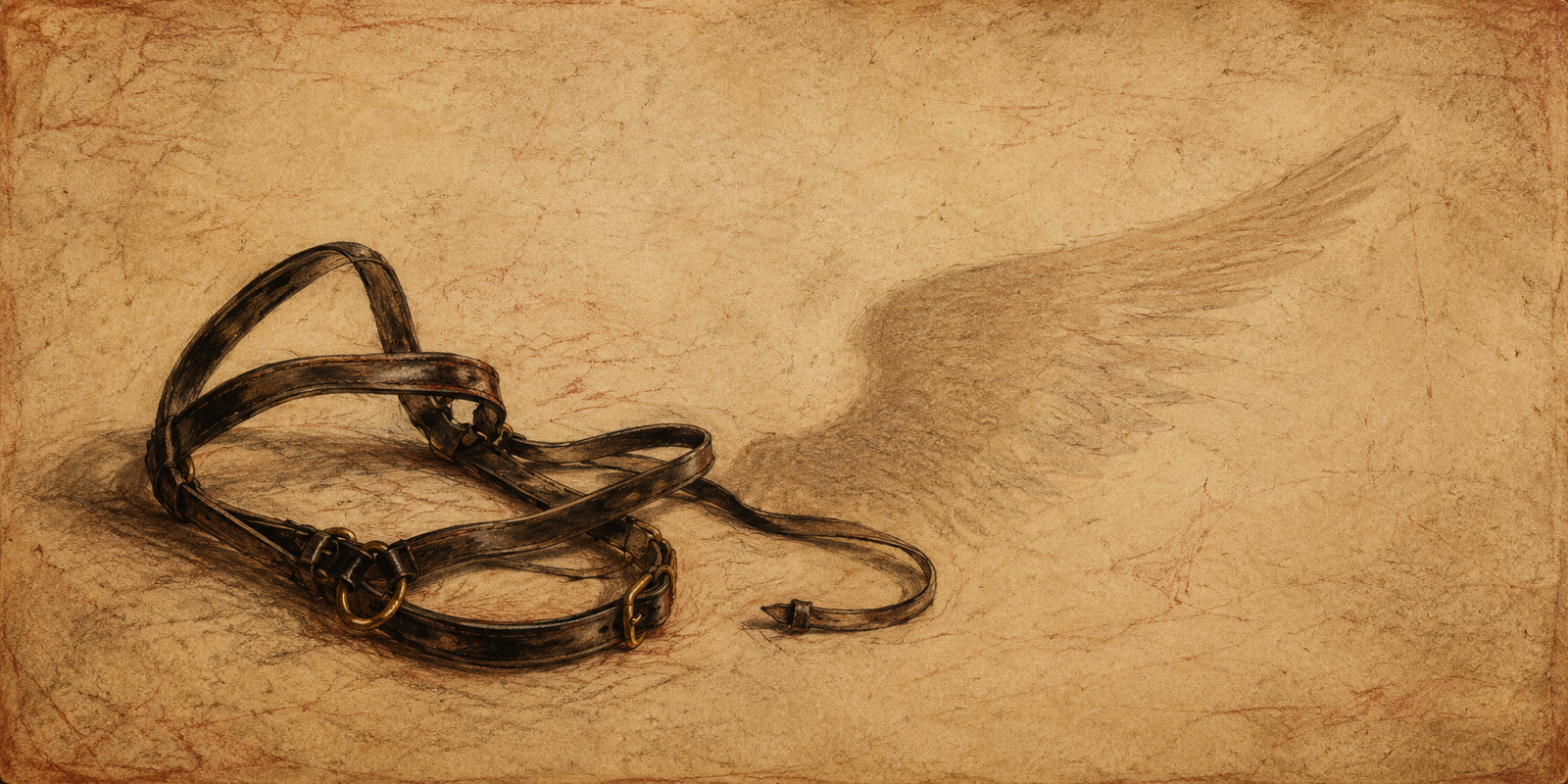

Bellerophon — The Bridle and the Fall
A literary Greek myth retelling of Bellerophon, Pegasus, and the divine bridle: a tale of heroic ascent, misremembered grace, and the moment a true gift becomes proof in the wrong hands. From The Hospitable Dark, where old stories are retold in a warm, grave voice.
Continue Reading
If this piece found something in you, you may wish to continue the journey elsewhere.
On The Lantern Chronicles, I gather writings from Angkor, myth and legend, contemplative essays, and poetry — works shaped by silence, beauty, wonder, memory, and the deeper questions that follow us through the world.
It is a place for stone and story, reflection and vow, shadow and revelation.
You would be most welcome there.