

Phaethon — The Borrowed Sun
In this Hospitable Dark retelling of the Greek myth of Phaethon, the catastrophe does not begin in the sky.
It begins in a courtyard.
A boy sees the sun reflected in a cracked cup. Then another boy laughs and questions the thing Phaethon has been told all his life: that his father is Helios, the Sun. From that small wound, the old myth widens into oath, chariot, fire, and the terrible danger of asking love to prove itself by granting what it should refuse.
The full tale is published at The Hospitable Dark.
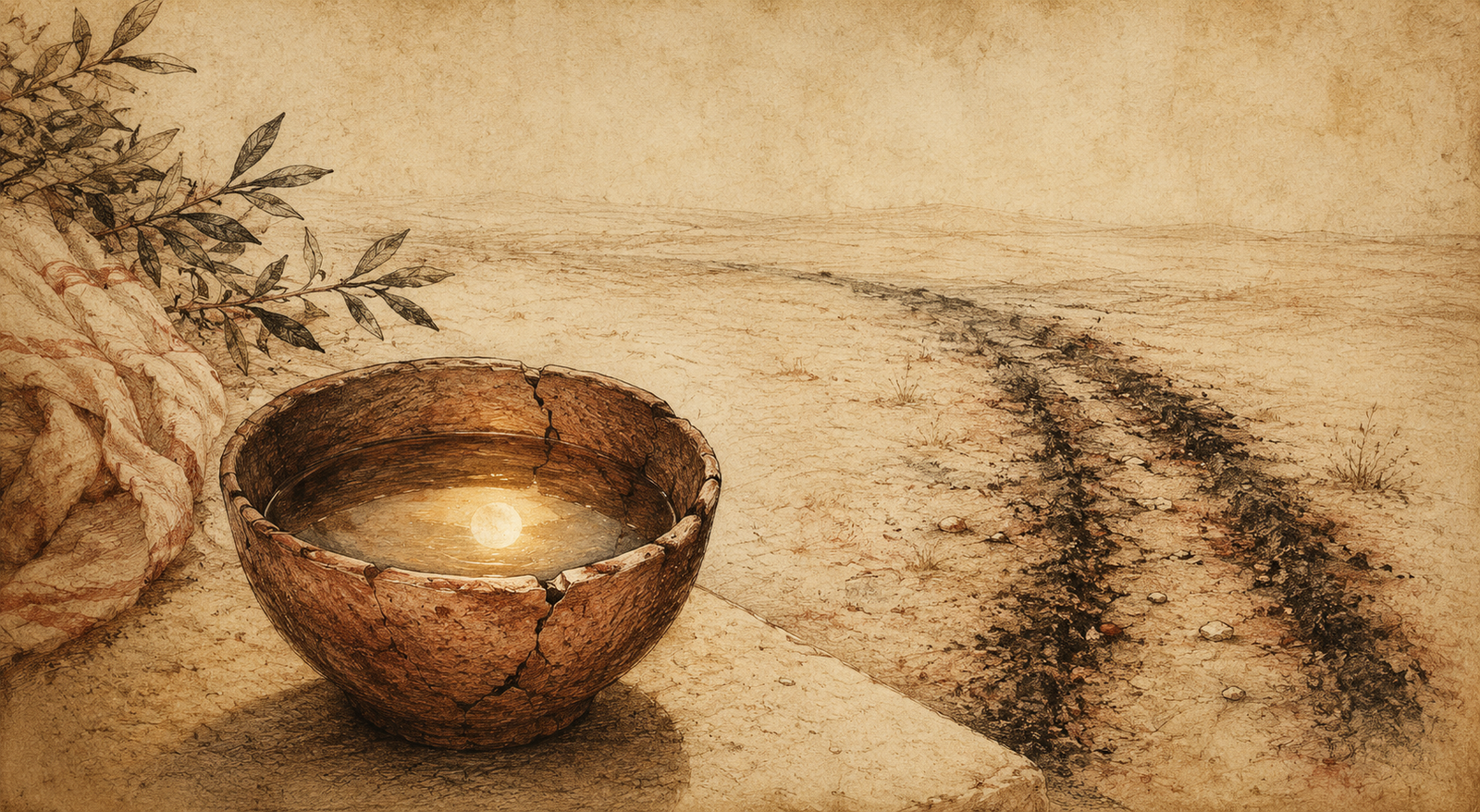
The first thing Phaethon saw that morning was the sun inside a cup.
It was not much of a cup. Clay, brown at the rim, cracked along one side and mended by someone with more patience than skill. It stood on the low table outside his mother’s house, where the morning came down white and warm over the courtyard stones. A little water remained in it from the night before, and in that water the sun had set a trembling disc of itself.
Phaethon leaned over it.
There it was: bright, round, impossible to touch, and small enough, for one brief moment, to be held by a child’s two hands.
He was still looking at it when the other boy laughed.
There were three of them in the courtyard that morning, though only one mattered afterward. The others were boys from nearby houses, boys who came and went as boys do, carrying figs, sticks, rumours, bruises, and the particular cruelty that belongs to children before anyone has taught them its proper name. They had been playing at races with bits of reed for horses, dragging lines through the dust and arguing over whose chariot had won. Phaethon had won twice, which was perhaps the beginning of the trouble. It is often dangerous to win in front of someone who had hoped not to lose.
“You only say that,” said the other boy, “because your father is supposed to be the Sun.”
Phaethon turned.
No one had said the word supposed before.
The boy saw what it had done and came nearer. Children are quick in that way. They hear the floor give beneath another child’s foot and know at once where to step.
“My father says no god leaves a son in a little house with his mother,” he said. “My father says men tell women all kinds of things, and women tell boys all kinds of things after that.”
The courtyard went still.
The cup on the table held the sun without trembling now.
Phaethon struck him, of course. There are boys who can hear their mother mocked and answer with philosophy, but they are either very rare or very untruthful in the stories told about them. Phaethon struck him in the mouth. The other boy struck back. The reeds were crushed underfoot. Someone shouted. Someone ran to fetch the mothers. By the time Clymene came out from the house, Phaethon was standing with dust on his knees and blood under one nostril, breathing hard, trying not to cry from fury rather than pain.
The other boy had begun to cry openly by then, which was one of the privileges of having started the trouble and lost it.
“What happened?” Clymene asked.
No one answered.
Then Phaethon said, “He said you lied.”
There are questions a mother can answer easily. Have you eaten? Where is your cloak? Who broke the handle from the jar? There are other questions that can be answered truthfully and still not answered enough.
Clymene looked at her son.
She was not a queen, though some later tellers made her one, perhaps because they could not bear the thought of such a grief beginning in a plain house with cracked cups. She was beautiful, yes, but beauty is not a rank. She had known a god, and that is a thing which makes a woman important in songs and lonely in life. She had raised the boy under ordinary roofs. She had washed him, fed him, rebuked him, sung him to sleep, watched his height come upon him too quickly, and seen in his face, sometimes, a light that frightened her because it was not wholly hers.
She came close and wiped the blood from his lip with her thumb.
“I did not lie.”
He stared at her.
“Then make him know it.”
“That is not always given to us.”
“Then make me know it.”
That was the truer wound. Not the insult. Not even the shame before the others. Phaethon had believed her all his life, but belief is a lamp, and there are rooms where the wind gets in. One sentence from a jealous boy had made the lamp flutter.
Continue reading: Phaethon — The Borrowed Sun
Also in The Hospitable Dark
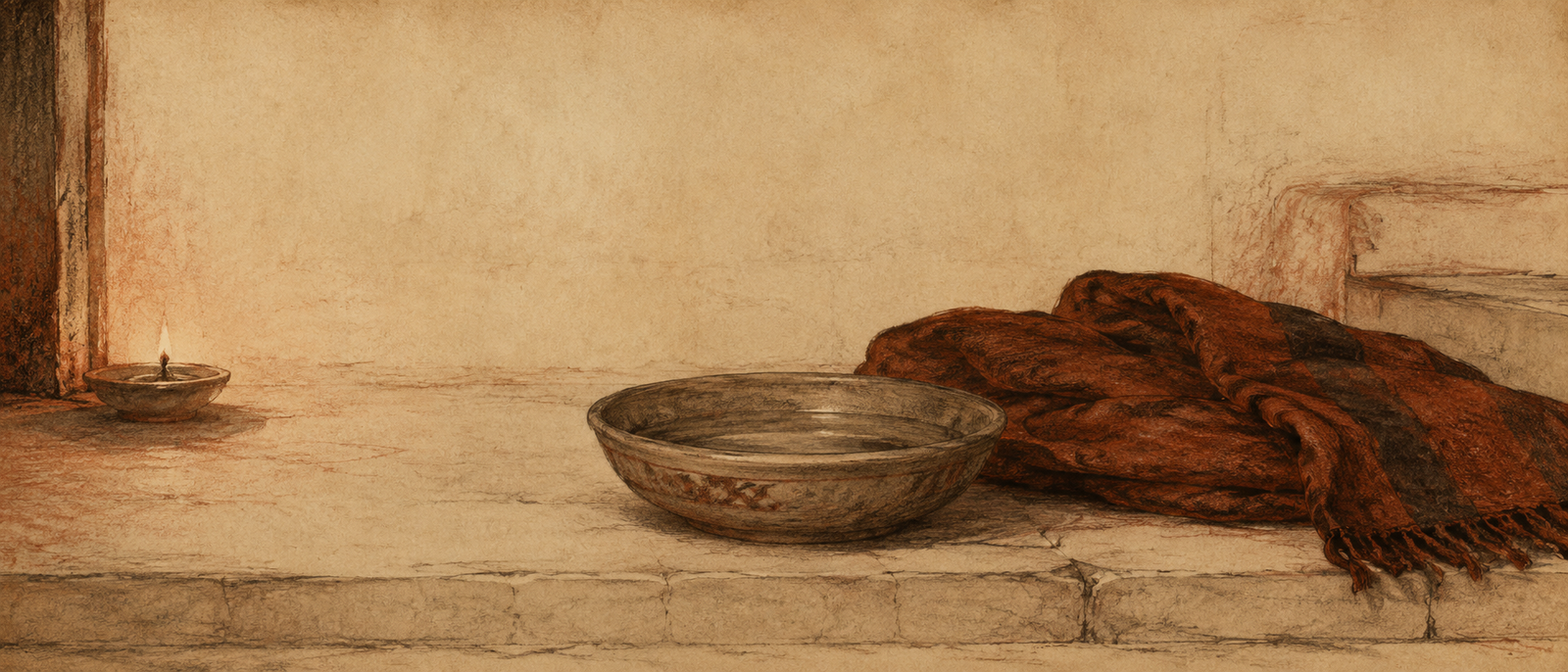

The Long Return VII — The Palace of Alcinous
Odysseus reaches the palace of Alcinous, but safety is not yet home. In this seventh instalment of The Long Return, hospitality becomes a moral test: a good house receives the stranger’s body before demanding his story.
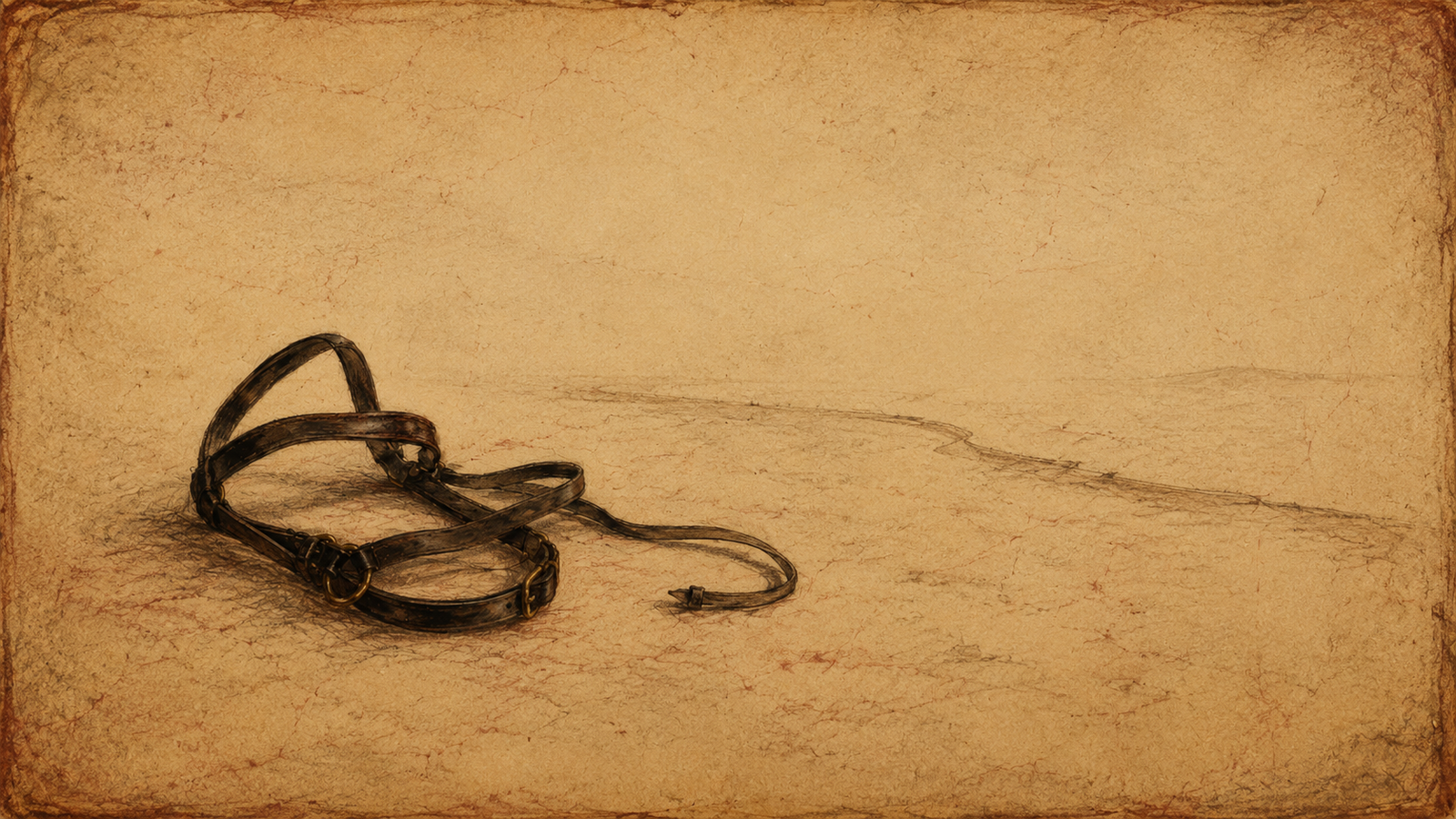

When Favour Is Mistaken for Right — On Bellerophon
A companion essay to Bellerophon — The Bridle and the Fall, exploring Pegasus, divine favour, the bridle, heroic ascent, and the danger of mistaking help for permanent right. From The Hospitable Dark, this essay asks why Bellerophon’s tragedy is not false greatness exposed, but real help wrongly remembered.
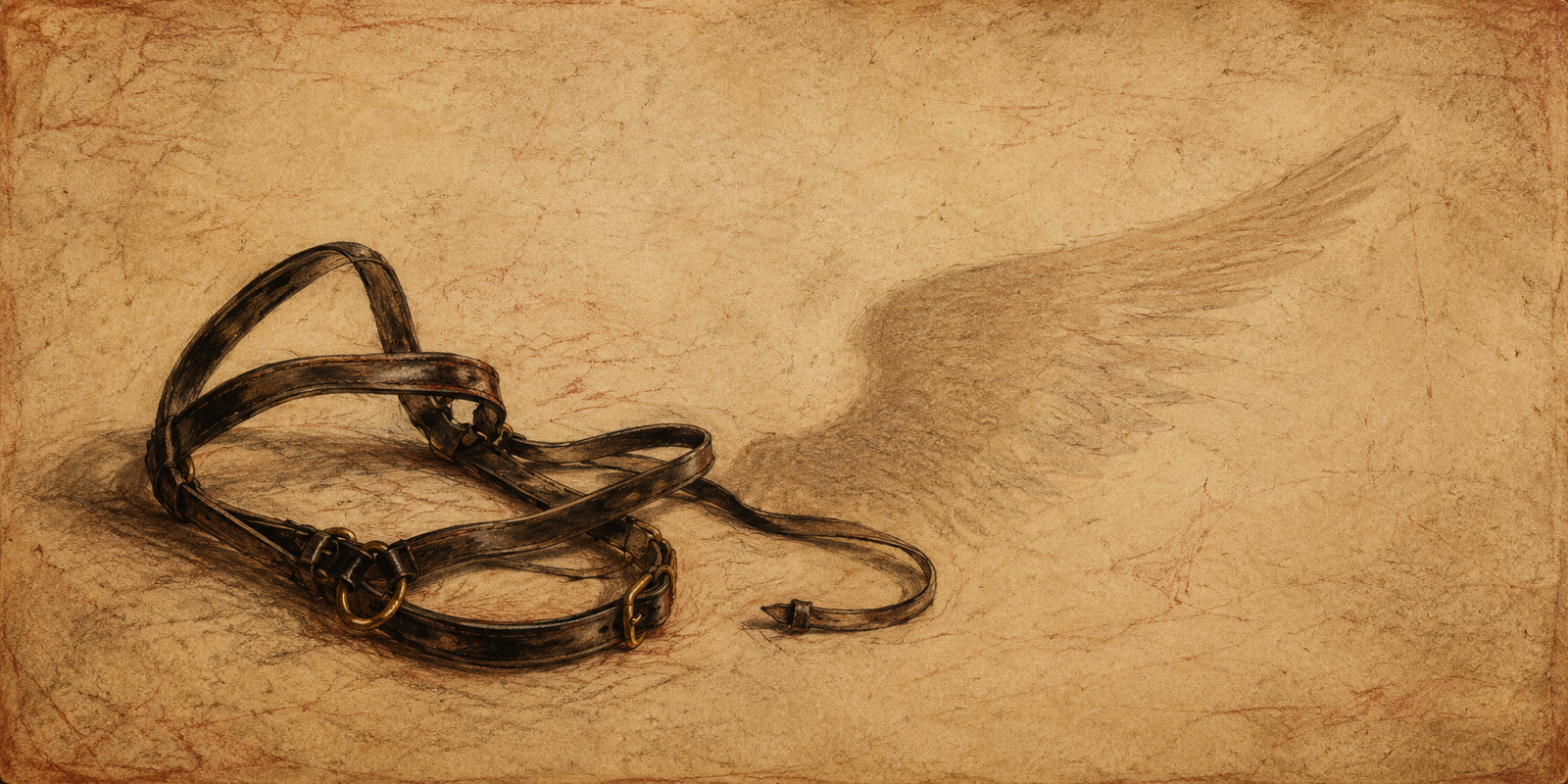

Bellerophon — The Bridle and the Fall
A literary Greek myth retelling of Bellerophon, Pegasus, and the divine bridle: a tale of heroic ascent, misremembered grace, and the moment a true gift becomes proof in the wrong hands. From The Hospitable Dark, where old stories are retold in a warm, grave voice.
Continue Reading
If this piece found something in you, you may wish to continue the journey elsewhere.
On The Lantern Chronicles, I gather writings from Angkor, myth and legend, contemplative essays, and poetry — works shaped by silence, beauty, wonder, memory, and the deeper questions that follow us through the world.
It is a place for stone and story, reflection and vow, shadow and revelation.
You would be most welcome there.