
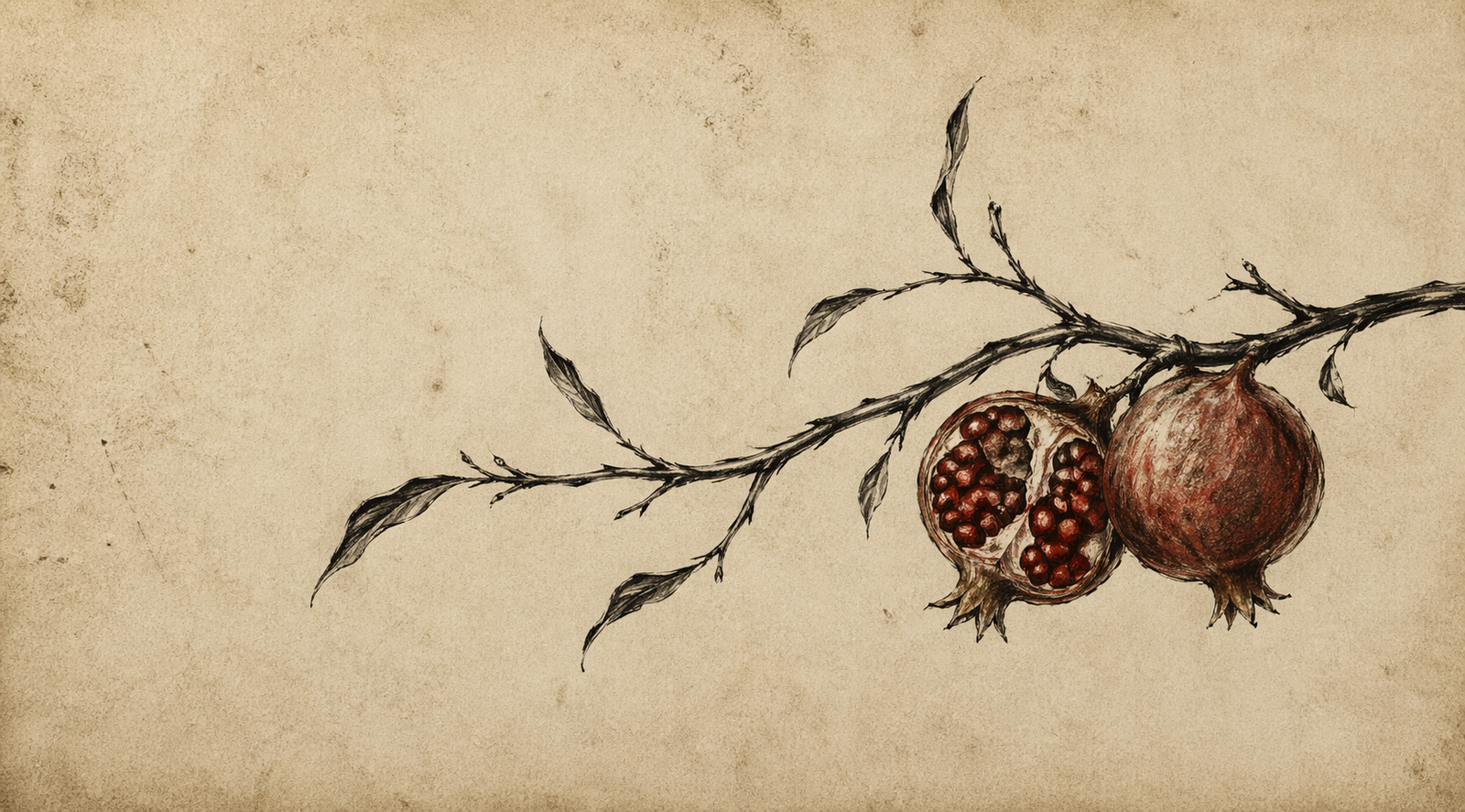

Demeter and Persephone — The First Winter
Demeter and Persephone — The First Winter is a literary myth retelling from The Hospitable Dark, returning the ancient story of abduction, grief, famine, and return to its first human wound: a daughter gathering flowers, a mother hearing the cry too late, and a world discovering what happens when love withdraws its blessing from the earth. The excerpt below follows the tale’s threshold movement, in accordance with the lucasvarro.com excerpt law: substantial enough to open the door, partial enough to lead the reader onward to the full Substack piece.
Persephone was gathering flowers when the day broke.
It did not look, at first, like a day made for breaking. It was one of those mild mornings when the earth seems content with itself, and a girl might walk a little way from home with her hands already half full of bloom and no one think much of it. There are days that carry their danger openly, with a hard wind in them or a strangeness among the birds, and there are days — which are worse — that wear such innocence upon their face that even the wise are deceived. This was one of the latter kind.
She had gone out among the meadow grasses with the daughters of Oceanus, who were laughing not far off, though not so near as they ought to have been for what was coming. The flowers grew thick there: crocus and iris, violet and hyacinth, little white stars that children pluck in handfuls because one seems too small a thing to carry home alone. Persephone moved among them lightly, as young girls do when the world has not yet taught them that beauty sometimes stands where the ground is weakest. She bent, gathered, rose, and bent again, the hem of her robe catching seed-heads and shining pollen, her arms slowly filling with spring.
She was not yet the Queen Below.
She was only a daughter then.
And if you think that is no great distinction, you have not yet learned how much of the world is built upon such small words.
For to be a daughter is to belong somewhere without question. It is to hear one’s name called across a field and know it is meant in love. It is to gather flowers because flowers are there, and because someone at home will smile to see them set in water. There is no law written against such things. No warning is given. The day itself seems to approve them.
So Persephone went a little further among the grasses than she had meant to go.
Then she saw the flower.
It stood a little apart from the rest, not taller by very much, nor brighter in any vulgar way, yet so strangely complete in its beauty that the whole meadow seemed, in that moment, arranged merely to lead the eye towards it. A narcissus, white at the edge and deepening inward to a richness almost golden, though gold was not quite the word. There are flowers that delight, and flowers that console, and flowers that make one think for a passing moment that the earth is gentler than it truly is.
This flower did none of those things.
It compelled.
Persephone paused with her gathered blooms against her breast and looked at it.
Perhaps she glanced back once towards her companions. Perhaps they were still laughing. Perhaps one of them lifted a hand and called something to her which the breeze took and thinned before it reached her. It would be pleasant to imagine that there was warning, some tremor in the air, some sudden darkening in the grass, but catastrophe often enters by the gate of ordinary desire. She wanted the flower. That was enough.
She stepped towards it.
The ground beneath her feet was warm with spring. She knelt. A strand of her hair slipped over her shoulder as she reached out her hand. Her fingers closed about the stem.
And the earth opened.
Continue reading: Demeter and Persephone — The First Winter at The Hospitable Dark on Substack.
Also in The Hospitable Dark
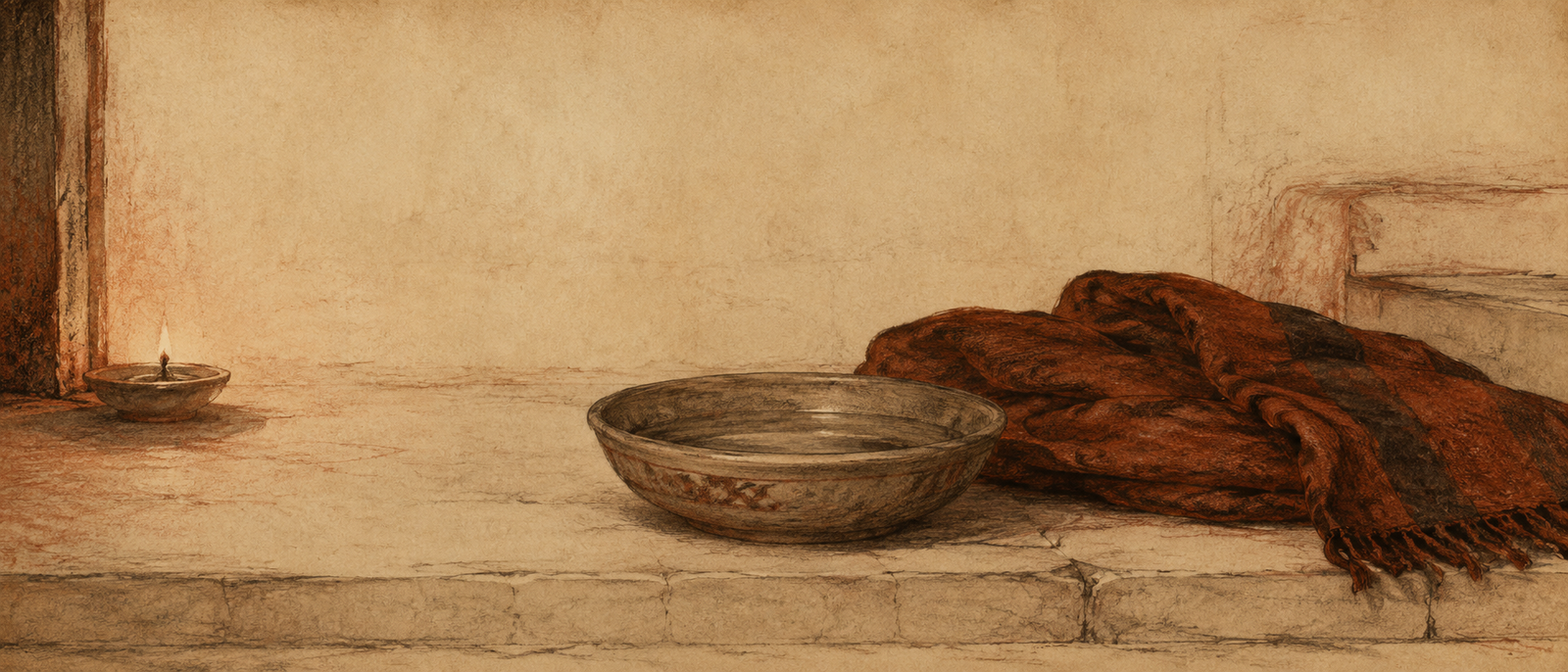

The Long Return VII — The Palace of Alcinous
Odysseus reaches the palace of Alcinous, but safety is not yet home. In this seventh instalment of The Long Return, hospitality becomes a moral test: a good house receives the stranger’s body before demanding his story.
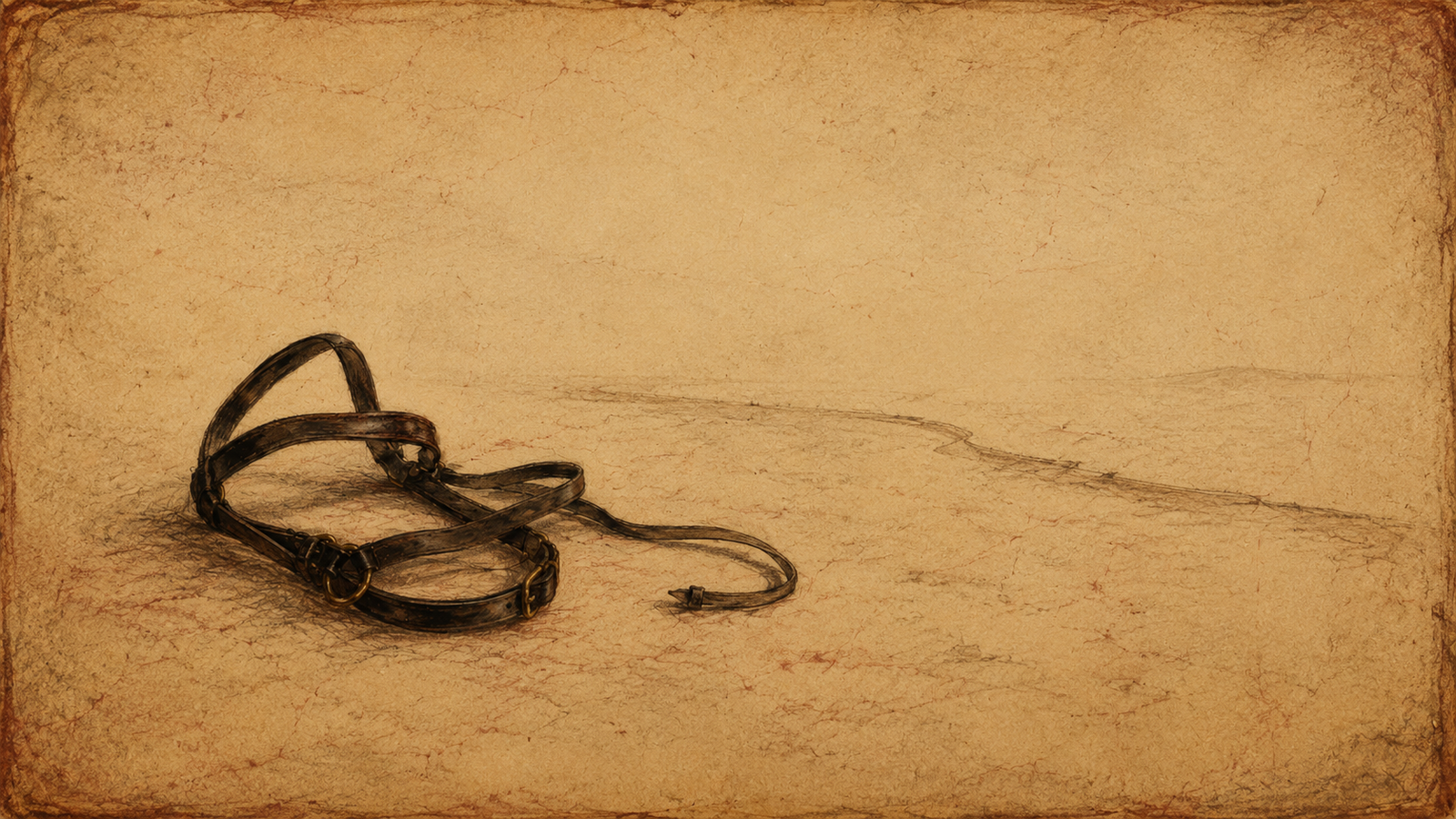

When Favour Is Mistaken for Right — On Bellerophon
A companion essay to Bellerophon — The Bridle and the Fall, exploring Pegasus, divine favour, the bridle, heroic ascent, and the danger of mistaking help for permanent right. From The Hospitable Dark, this essay asks why Bellerophon’s tragedy is not false greatness exposed, but real help wrongly remembered.
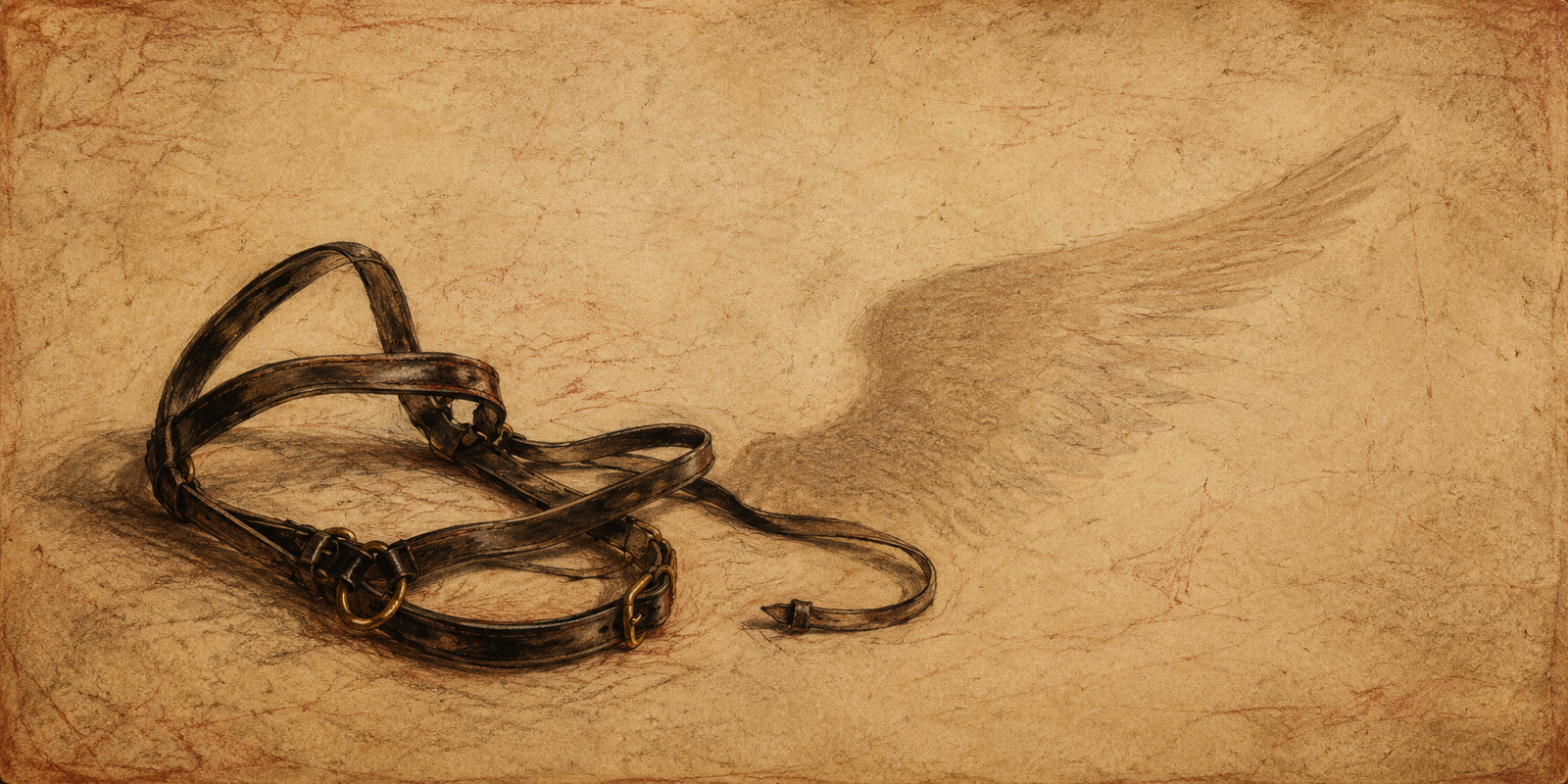

Bellerophon — The Bridle and the Fall
A literary Greek myth retelling of Bellerophon, Pegasus, and the divine bridle: a tale of heroic ascent, misremembered grace, and the moment a true gift becomes proof in the wrong hands. From The Hospitable Dark, where old stories are retold in a warm, grave voice.
Continue Reading
If this piece found something in you, you may wish to continue the journey elsewhere.
On The Lantern Chronicles, I gather writings from Angkor, myth and legend, contemplative essays, and poetry — works shaped by silence, beauty, wonder, memory, and the deeper questions that follow us through the world.
It is a place for stone and story, reflection and vow, shadow and revelation.
You would be most welcome there.