
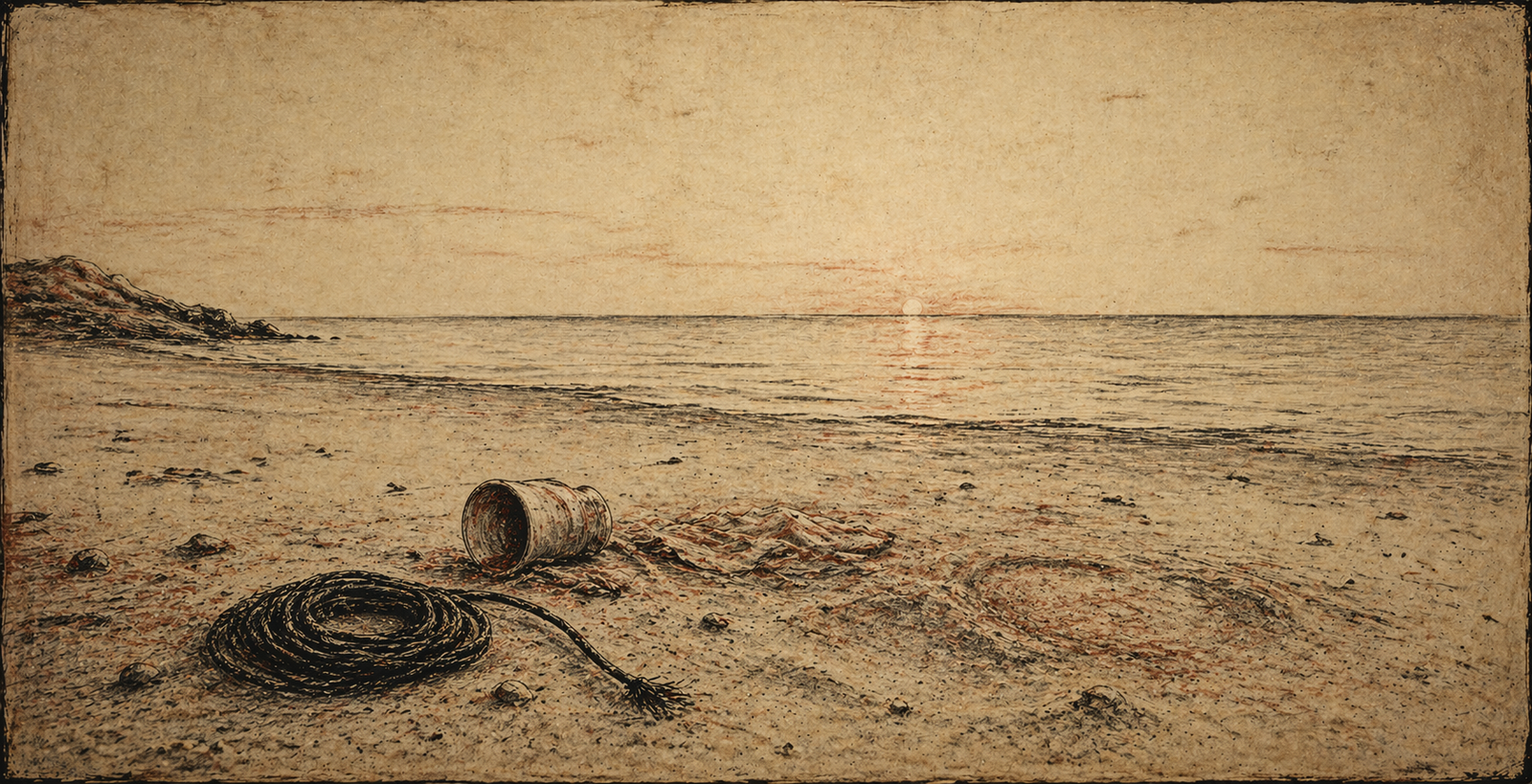

Ariadne — The Shore After Naxos
Ariadne — The Shore After Naxos is a literary myth retelling from The Hospitable Dark, returning the old story of Ariadne not to the Labyrinth, but to the morning after it: the shore, the vanished ship, the coil of thread, and the terrible clarity of being abandoned after making another person’s escape possible. The excerpt below follows the lucasvarro.com excerpt law by offering a substantial threshold into the tale without duplicating the full Substack publication.
She woke with sand against her face and salt dried at the corner of her mouth.
For a little while she did not move. Sleep still weighed upon her, though morning had already begun its patient work along the shore. Light pressed red through her closed lids. The sea kept breathing. Somewhere near her, she thought, he would still be lying wakeful after danger, or sitting with his arms around his knees and watching day separate itself from the water. They had come too far, and paid too much, for anything but this brief carelessness. She had slept because she believed herself no longer alone.
Then she opened her eyes.
The place beside her was empty.
Not fear at once. Only the mind’s first refusal. She turned, expecting to find him a little way off—at the edge of the water perhaps, or among the low scrub beyond the strand, or bent over the few things they had brought ashore. A man might rise before dawn. A man might go for water. A man might walk a short distance from the woman who had helped save his life and still intend to return.
She pushed herself up on one elbow.
A cup lay overturned in the sand. A fold of cloth stirred and settled. There were marks where weight had pressed, where something had been lifted, where something had been dragged. Beyond them the shore ran pale and bare toward the rocks.
No ship.
Ariadne sat upright so quickly that the world tilted. She looked again, not now at the land but at the open sea, searching the thin morning brightness for the dark line that ought to have been there simply because it had been there when she slept.
There was nothing.
Only water, and the long clear light spread over it.
She rose. Her limbs were still heavy from the voyage and the nights before it, and for an instant they seemed to belong to someone else. She took a few steps over the sand, then more, as if a different angle might restore the missing thing. Once she turned back and looked at the place where she had lain, absurdly, as though absence might yet prove itself a mistake of posture, or distance, or waking too suddenly.
The ship did not return.
Then the knowledge came in fully, as the sea comes into a hollow of stone: not in one blow, but in a gathering that leaves nowhere dry.
He had gone.
Not gone inland for water. Not gone before her to make some easier way. Gone.
Theseus had sailed without her.
She stood still after that. Morning, which a moment before had seemed almost kind in its mildness, showed itself for what it was: clear, indifferent, already occupied with the making of day. It gave her nothing back. No movement upon the horizon. No sound of oars. No wavering shape that pity might mistake for a hull. Not even uncertainty.
Only this: he had waited until she slept.
She looked down and saw, half-buried where her hand had pressed into the sand, a small coil of thread.
She bent and picked it up.
It clung damply to her palm, streaked with grit. In another life it might have been almost nothing: a household thing, a woman’s remnant, the sort of length one winds about the fingers while thinking of something else. Here it lay with all its meaning returned to it.
There had been a moment—she could feel its shape with a cruelty sharper than sight—when she had placed such thread into his hand in the dark below her father’s house. Stone had sweated around them. The air had seemed not to move. She had told him what he must do, where he must fasten it, how he must trust the line and not his own courage when the turns began to defeat him.
Courage was of little use in a place built to unmake direction.
Courage could carry a man inward.
It was the road back that needed help.
Continue reading: Ariadne — The Shore After Naxos at The Hospitable Dark on Substack.
Also in The Hospitable Dark
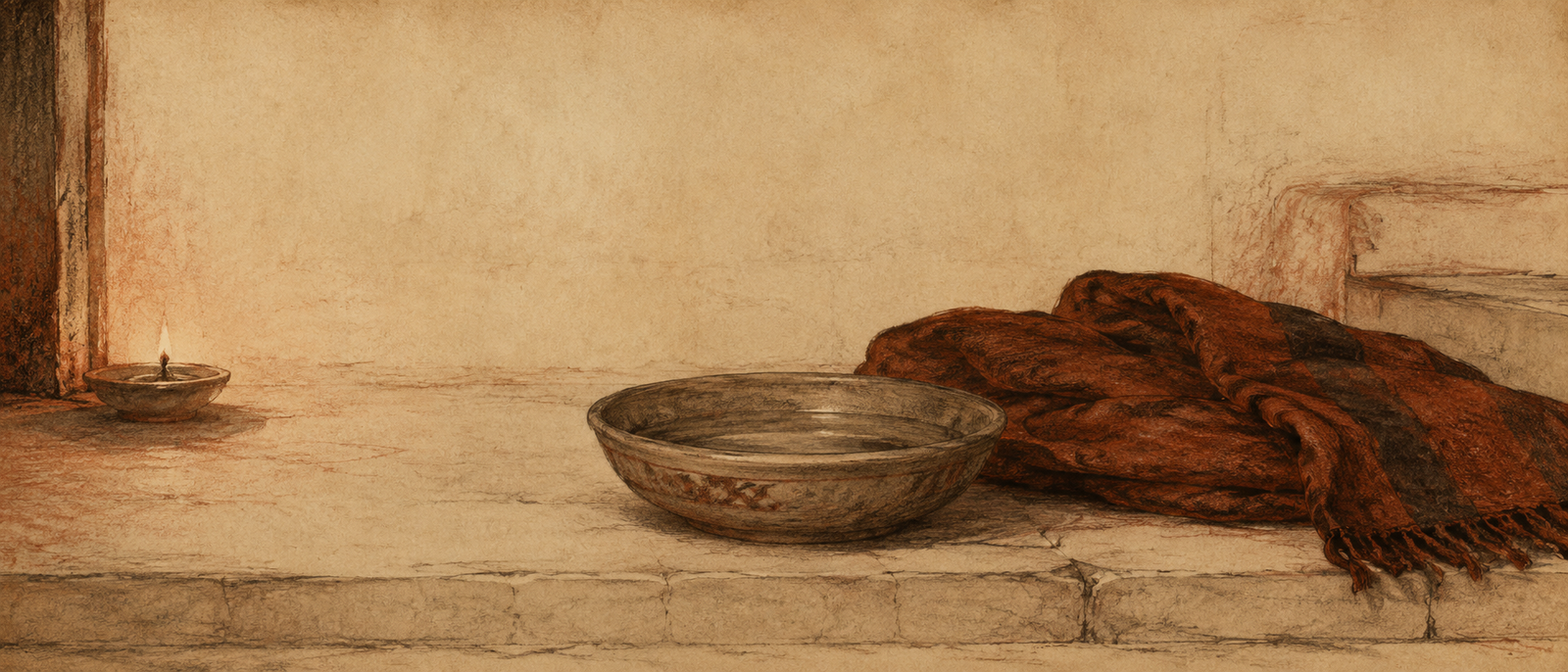

The Long Return VII — The Palace of Alcinous
Odysseus reaches the palace of Alcinous, but safety is not yet home. In this seventh instalment of The Long Return, hospitality becomes a moral test: a good house receives the stranger’s body before demanding his story.
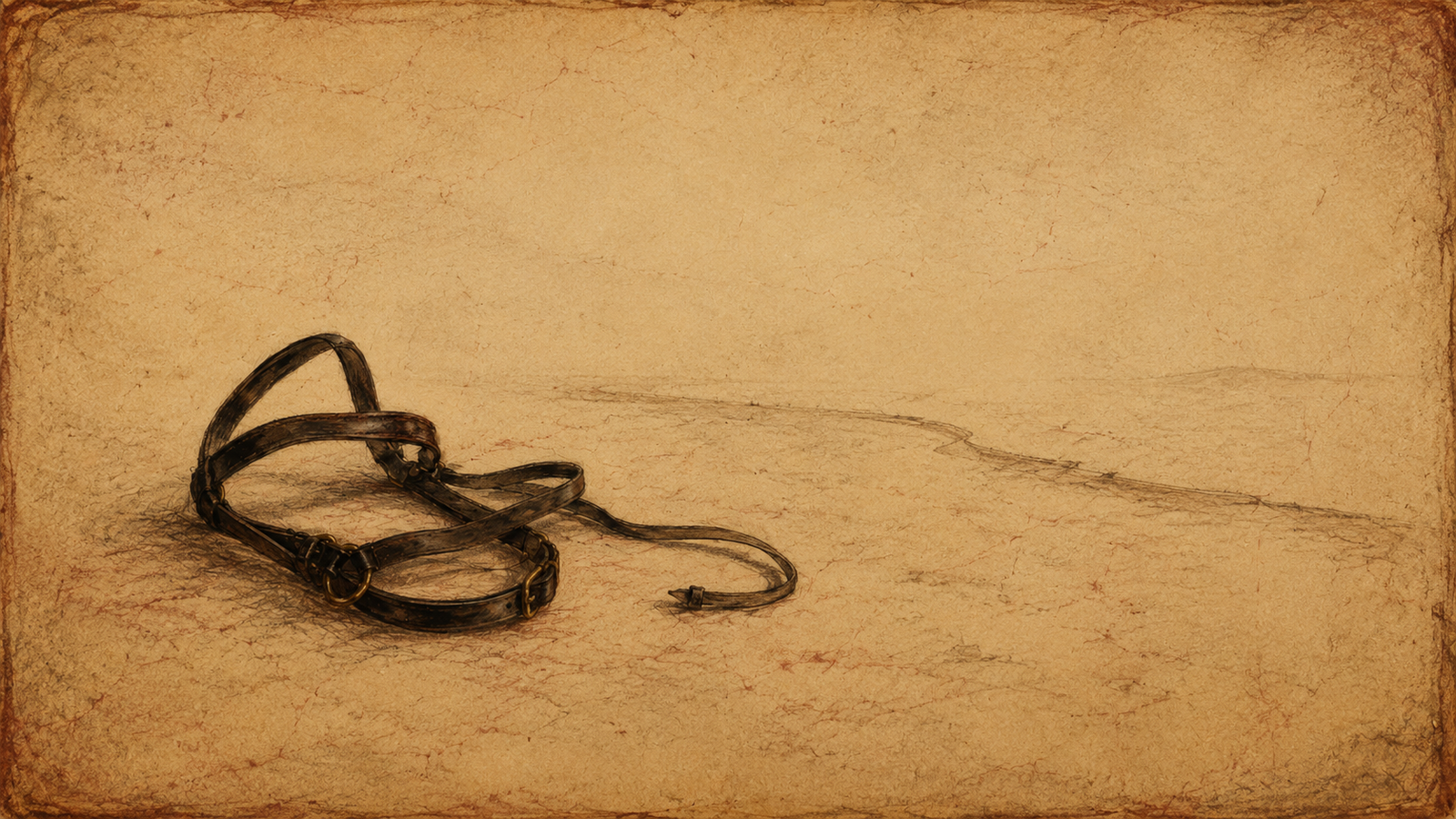

When Favour Is Mistaken for Right — On Bellerophon
A companion essay to Bellerophon — The Bridle and the Fall, exploring Pegasus, divine favour, the bridle, heroic ascent, and the danger of mistaking help for permanent right. From The Hospitable Dark, this essay asks why Bellerophon’s tragedy is not false greatness exposed, but real help wrongly remembered.
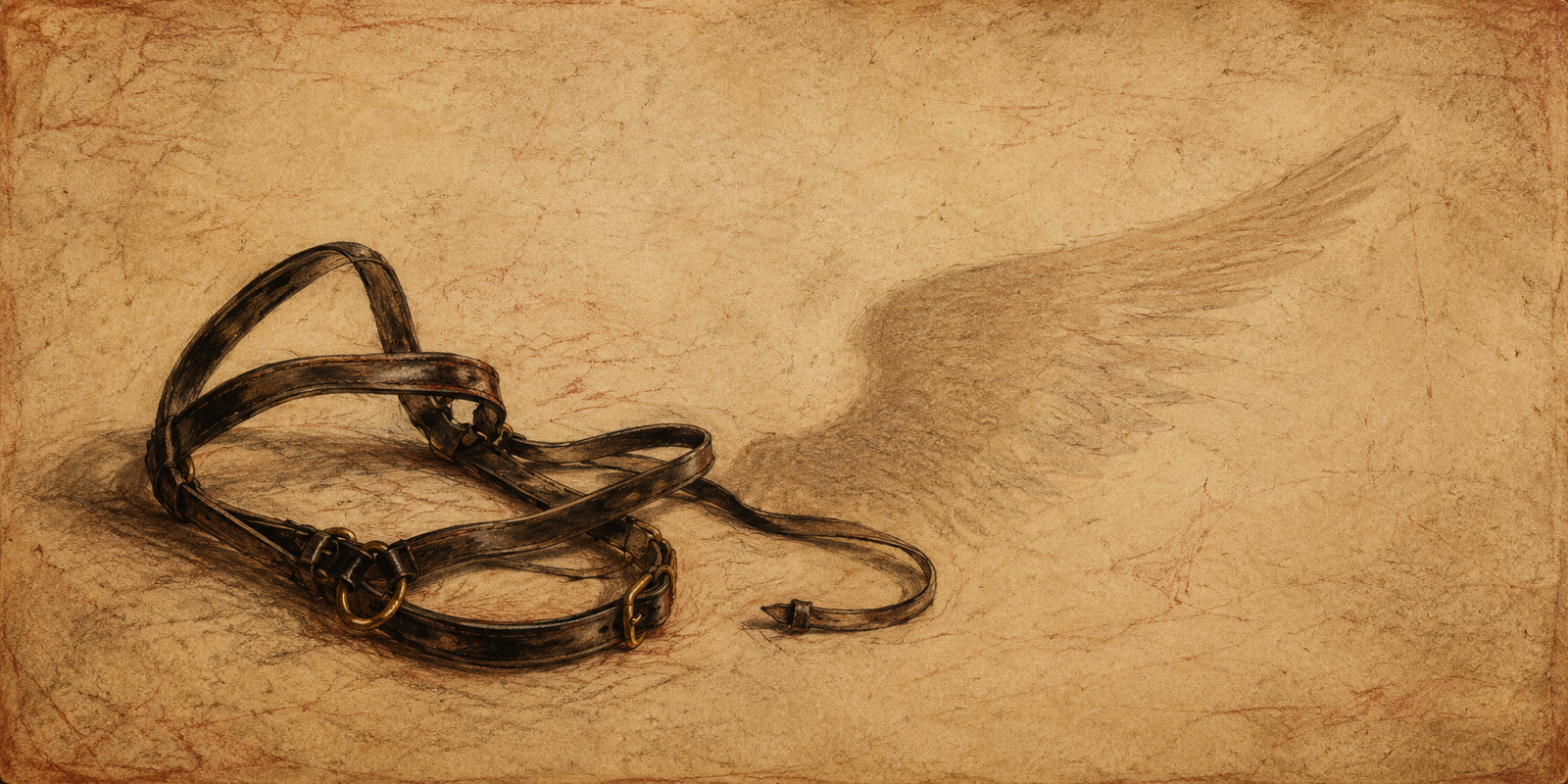

Bellerophon — The Bridle and the Fall
A literary Greek myth retelling of Bellerophon, Pegasus, and the divine bridle: a tale of heroic ascent, misremembered grace, and the moment a true gift becomes proof in the wrong hands. From The Hospitable Dark, where old stories are retold in a warm, grave voice.
Continue Reading
If this piece found something in you, you may wish to continue the journey elsewhere.
On The Lantern Chronicles, I gather writings from Angkor, myth and legend, contemplative essays, and poetry — works shaped by silence, beauty, wonder, memory, and the deeper questions that follow us through the world.
It is a place for stone and story, reflection and vow, shadow and revelation.
You would be most welcome there.