
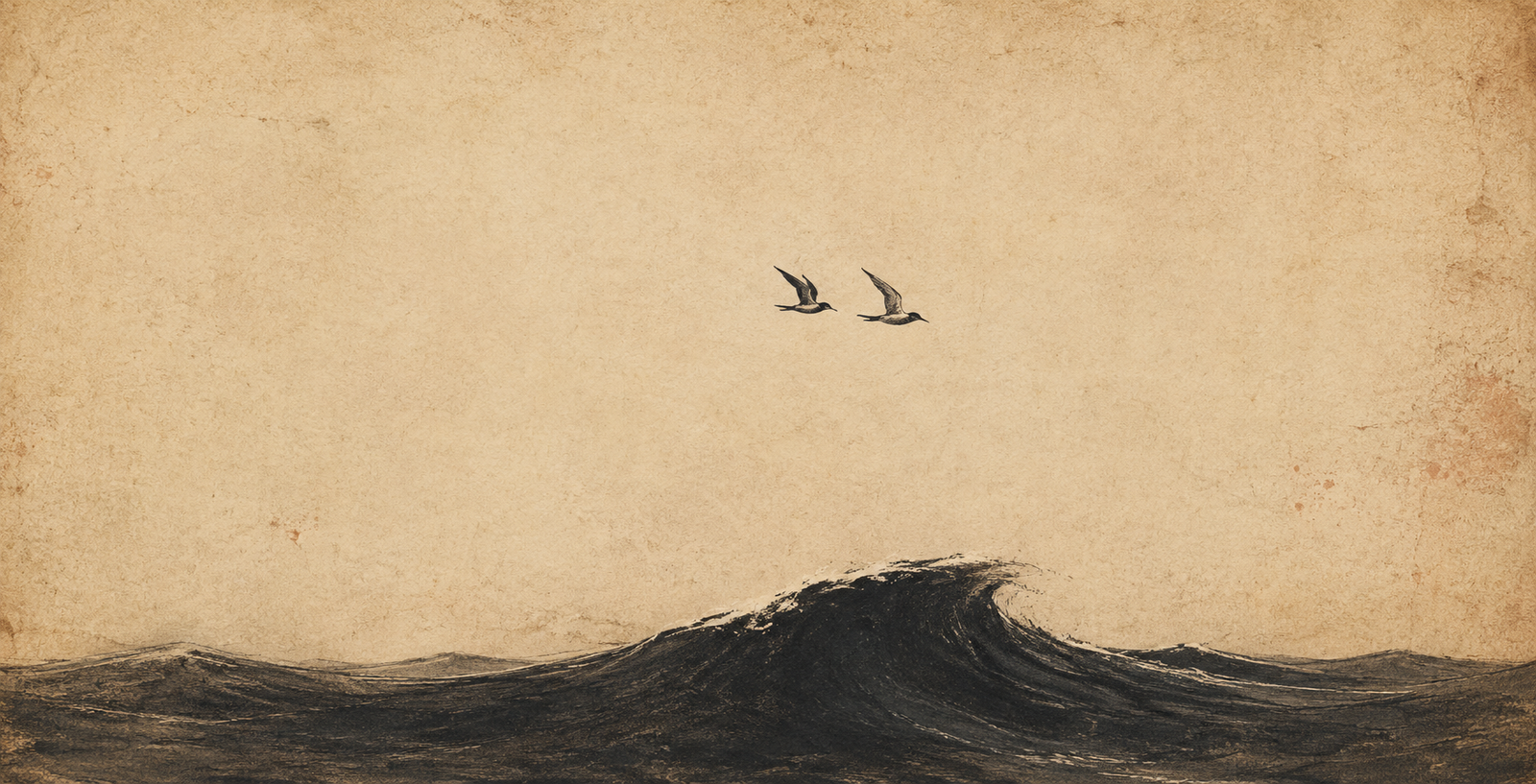

Alcyone and Ceyx — The Birds After the Storm
A warm, grave retelling of the Greek myth of Alcyone and Ceyx: a tale of marriage, sea-dread, dream, mourning, and the strange mercy by which grief is given wings.
This is not a myth in which love prevents loss. It is not a story where devotion commands the sea, or where a prayer simply restores what the storm has taken. Its mercy is smaller, stranger, and more sorrowful than that. In this telling, the myth begins where grief is most humanly enterable: not on the open water, but in a married room before departure — with a folded cloak, a lamp, and sea-wind at the shutters.
Alcyone folded the cloak twice before morning.
The first time she folded it badly, though she would not have admitted this to anyone, least of all to Ceyx, who was sitting on the edge of their bed with the air of a man who had already left the room in his thoughts and was only waiting for his body to be reasonable enough to follow.
It was a travelling cloak, dark from use and salt at the hem. She shook it once beside the lamp, laid it across her knees, smoothed the crease with the flat of her hand, and folded it as she had folded his garments many times before. Then she unfolded it again.
Ceyx watched her do this.
He was a kind man, which is not the same as being an easily governed one. It is worth remembering that. Many sorrowful things in the world have been done by people who loved well but believed that love should stand aside when a man had business with the horizon.
“You have made that cloak smaller than I am,” he said.
“You may become smaller at sea.”
“That is not usually what men hope for.”
“No,” said Alcyone. “Men hope for many things. That is often the trouble.”
He smiled, because he loved her and because he was not yet frightened enough to understand her.
Outside, the dawn had not quite entered the house. The shutters were still closed, but the wind had found every narrow place in the wood and pressed its mouth there. It was a sea-wind, damp and restless, smelling faintly of weed and distance. The lamp burned low on the table. Beside it lay the small things of departure: a bronze clasp, a rolled belt, a knife in its plain sheath, a cup he had not finished drinking from, and the folded strip of linen she had torn for him in case of some ordinary injury.
A cut hand. A blister from rope. A shoulder bruised by labour.
The little harms for which love can make provision.
Ceyx had to sail. That was how he said it, and because he was a king, or close enough to a king for men to use that word when they wanted something from him, many people had already agreed that he had to. There were questions of counsel, kinship, obligation, signs badly read, promises half-made, and one matter concerning his father that had troubled him for too long. Men can build a whole ship out of such reasons, and after they have built it they are surprised when a woman hears only the water underneath.
The full tale follows Alcyone through departure, waiting, dream, shoreline, and transformation. It is a myth of the storm that cannot be prevented — and of the small, winged mercy that comes after the storm has already done what it came to do.
Continue reading: Alcyone and Ceyx — The Birds After the Storm at The Hospitable Dark on Substack.
Also in The Hospitable Dark
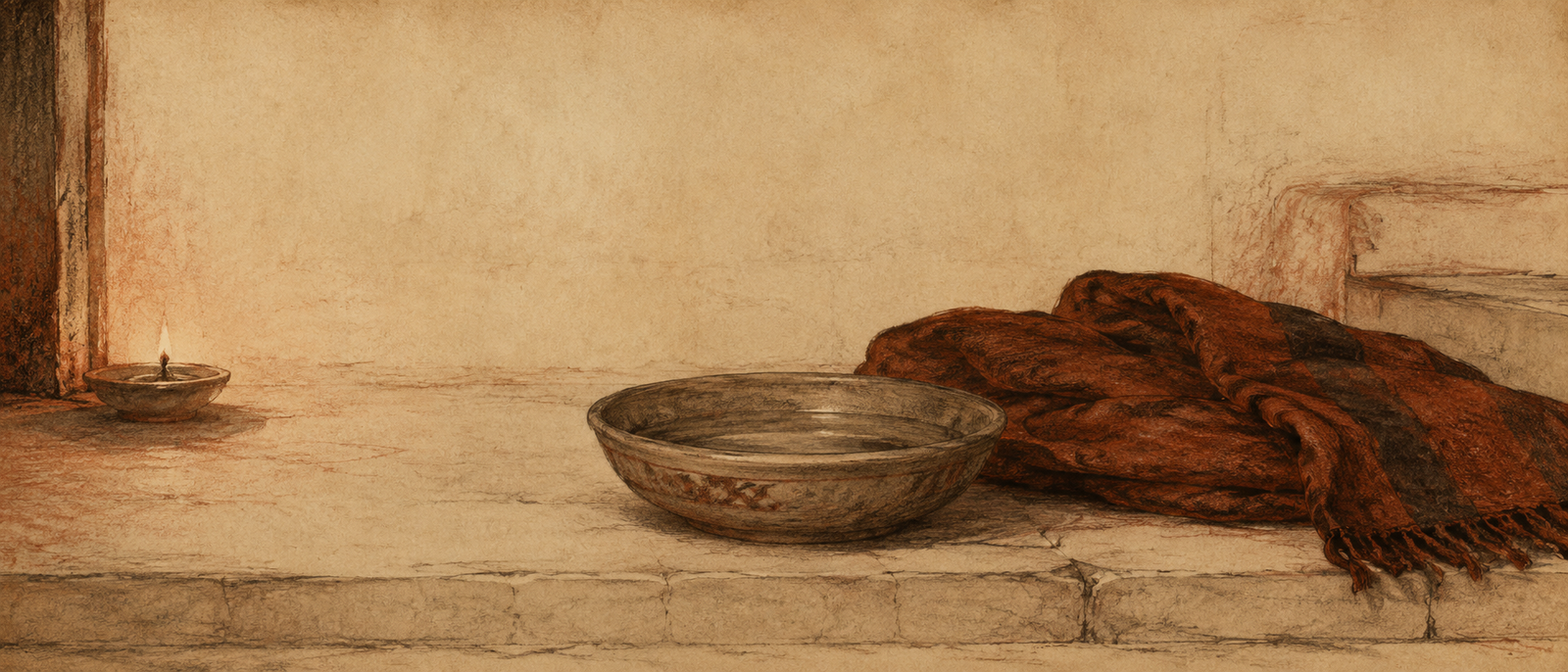

The Long Return VII — The Palace of Alcinous
Odysseus reaches the palace of Alcinous, but safety is not yet home. In this seventh instalment of The Long Return, hospitality becomes a moral test: a good house receives the stranger’s body before demanding his story.
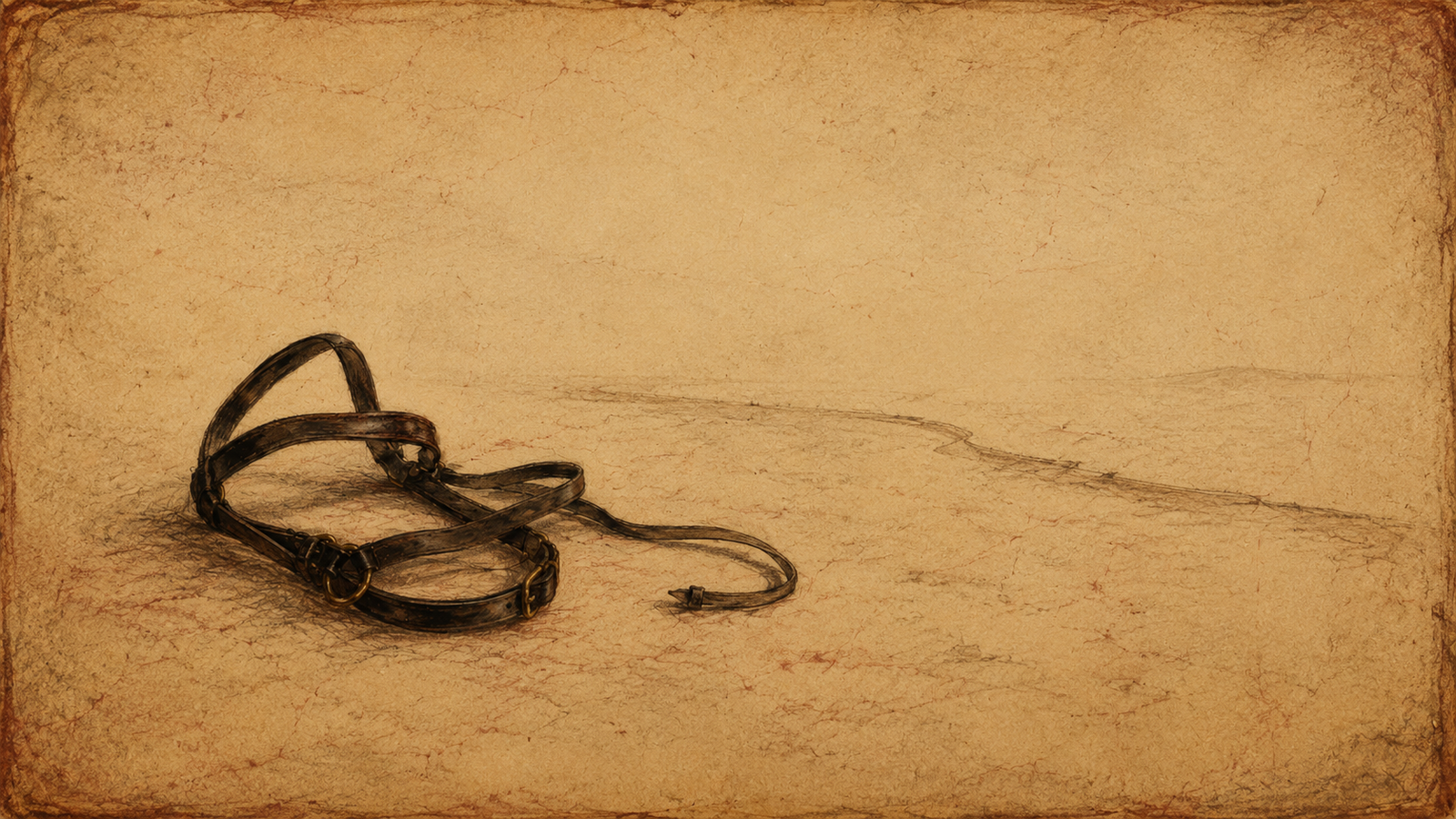

When Favour Is Mistaken for Right — On Bellerophon
A companion essay to Bellerophon — The Bridle and the Fall, exploring Pegasus, divine favour, the bridle, heroic ascent, and the danger of mistaking help for permanent right. From The Hospitable Dark, this essay asks why Bellerophon’s tragedy is not false greatness exposed, but real help wrongly remembered.
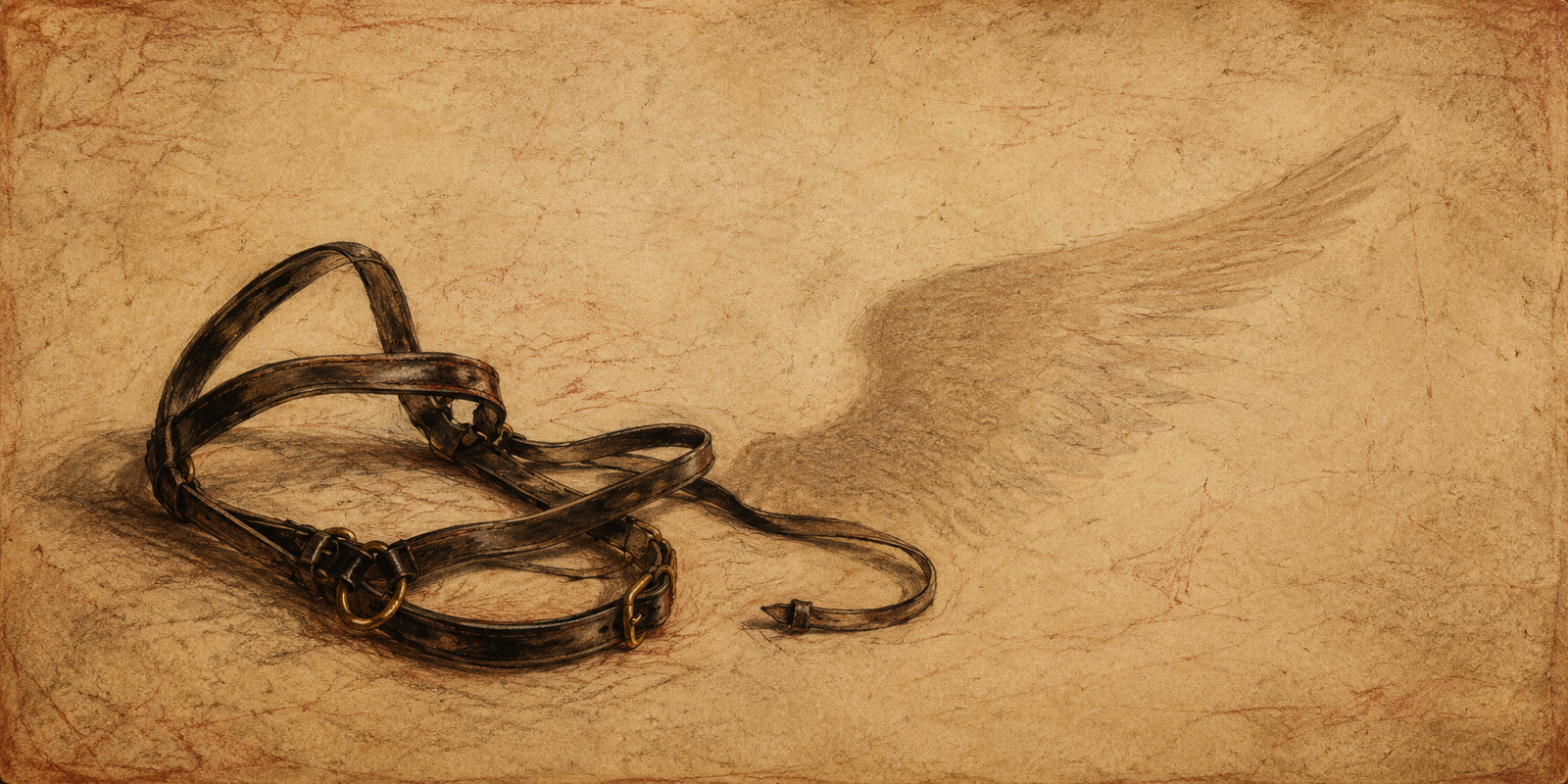

Bellerophon — The Bridle and the Fall
A literary Greek myth retelling of Bellerophon, Pegasus, and the divine bridle: a tale of heroic ascent, misremembered grace, and the moment a true gift becomes proof in the wrong hands. From The Hospitable Dark, where old stories are retold in a warm, grave voice.
Continue Reading
If this piece found something in you, you may wish to continue the journey elsewhere.
On The Lantern Chronicles, I gather writings from Angkor, myth and legend, contemplative essays, and poetry — works shaped by silence, beauty, wonder, memory, and the deeper questions that follow us through the world.
It is a place for stone and story, reflection and vow, shadow and revelation.
You would be most welcome there.