


The Long Return IV — Helen, Menelaus, and the Sea-God’s Word
In the fourth instalment of The Long Return, Telemachus reaches Sparta and enters a house that has survived war, wealth, marriage, grief, and memory. Menelaus has returned from Troy, but return has not made him whole. Helen is there too — composed, watchful, and dangerous not because she confesses, but because she knows how to speak calmly inside a room still shaped by ruin.
Here, Telemachus receives what he came seeking: news of his father. But news does not simplify Odysseus. It multiplies him.
Helen remembers one Odysseus. Menelaus remembers another. The boy who came looking for a father must begin to understand that famous men become many different people in other people’s mouths.
A ruined house tells the truth more easily. A beautiful one has choices.
Peisistratus, Nestor’s son, stood beside Telemachus with the self-possession of a young man who had been raised among good horses, good meals, and long stories. If he was impressed by Sparta, he was wise enough not to show it too much. Telemachus, who had already learned that shame could grow in a hall like mould, tried to hold his own face still.
The servants looked at them. Strangers were always a question before they were guests. But Menelaus had not become poor in the long years after Troy, and his house had not forgotten the old law. They were received before they were explained.
That matters.
A house reveals itself by what it gives a stranger before asking his name.
Water was brought. Hands were washed. Food was set before them. Wine was mixed. Menelaus, red-haired still though weather and kingship had worked upon him, came forward with the grave courtesy of a man who knew both the value of ceremony and the foolishness of trusting it too completely.
He was celebrating marriages that day: his son’s and his daughter’s. The house was full of the preparations by which families pretend that the world begins again. Garments lay folded for departure. Gifts had been counted. Horses were being harnessed. Women moved between rooms with cloth over their arms. Men spoke too loudly in the way men do when they are trying to keep tenderness from becoming visible.
Menelaus looked at the two young travellers and saw, first, only what hospitality required him to see: dust from the road, youth, noble bearing, the need for food.
“Eat first,” he said. “Questions can wait. A hungry man gives poor answers, and a host who hurries him is worse than hunger.”
This was a better welcome than Telemachus had known in his own house for many years. He lowered his eyes quickly, because gratitude can be almost as exposing as grief.
They ate. They drank. They sat in the recovered splendour of Sparta while servants crossed the floor with bread and meat and cups bright enough to hold a second image of the room inside them.
Then, because no rich house is content to remain merely rich, one of the attendants began to speak of the treasure Menelaus had gathered on his long wandering home. There was gold from here, silver from there, vessels from lands whose names sounded less like places than like rumours. Menelaus listened, and for a moment the old weariness came through his face like a crack through polished stone.
“Yes,” he said. “I have many things.”
No one contradicted him.
He looked over the room, over the cups, the bronze, the folded cloth, the servants, the sons and daughters whose futures were being arranged beneath his roof.
“Much of what I have,” he said, “came by grief. A man may fill his house that way. It does not mean he has been fortunate.”
The room altered. Not visibly. No cup fell, no servant stopped moving, no guest cried out. But Telemachus felt the air change, as one feels weather change before rain touches the skin.
Menelaus spoke then of the men who had not come home from Troy, and of those who had come home only to find that home had prepared another wound for them. He spoke of Agamemnon, great king of men, returning to murder under his own roof. He spoke of long delays, broken ships, sea-roads that opened and closed like hostile mouths. He spoke carefully, as a man may speak of horrors he has folded many times and stored in a drawer, knowing exactly where the creases are.
And then he spoke of Odysseus.
Not first. That would have been too much. Not loudly. That would have made the name cheaper than it was. He came to it as one comes to a grave slightly apart from the others.
“No man suffered more for us,” Menelaus said. “And no man’s house has been made to wait more cruelly for news. Odysseus was always difficult to praise properly. Praise one part of him, and another part steps from the dark and proves you have not understood him.”
Telemachus bent his head.
It was not much. A boy may lower his face for many reasons: respect, modesty, the shadow from a lamp. But Menelaus had spent too many years watching men hide what had wounded them. He saw.
Peisistratus saw as well. Friendship has many forms, and one of the better ones is knowing when to speak for someone who cannot safely speak for himself.
“Lord Menelaus,” he said, “this is Telemachus, son of Odysseus.”
The name entered the room and took its place there.
Menelaus stared at the young man. Not rudely. More as one might stare at a door thought sealed and now found open. In Telemachus’s face he looked for the man he remembered: not because sons are copies, which they rarely are, but because the grieving are always tempted to make the living carry the dead.
Then Menelaus rose and took Telemachus by the hand.
“Child,” he said, and the word was not diminishing. It was full of all that had been taken before Telemachus was old enough to refuse it. “Your father was dear to me.”
That was enough. Telemachus covered his face with his cloak.
Continue reading: The Long Return IV — Helen, Menelaus, and the Sea-God’s Word at The Hospitable Dark on Substack.
Also in The Hospitable Dark
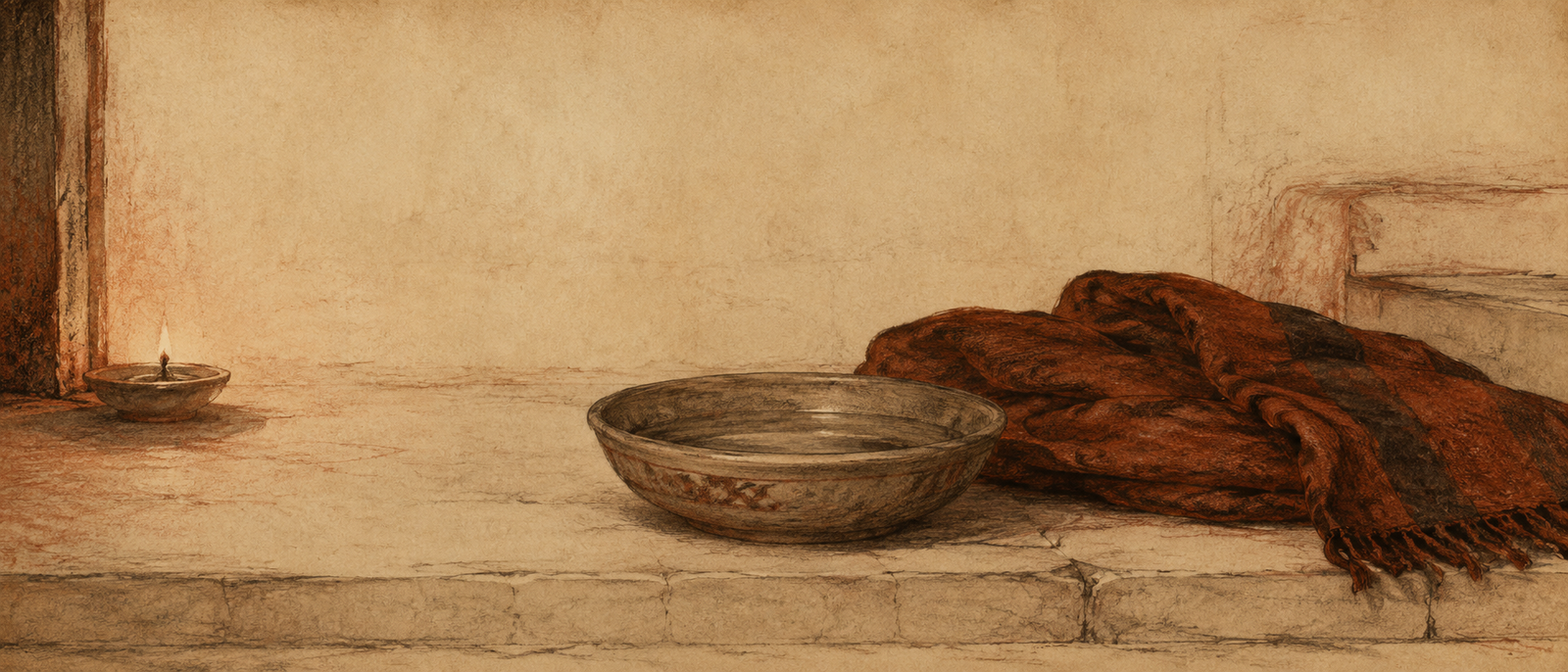

The Long Return VII — The Palace of Alcinous
Odysseus reaches the palace of Alcinous, but safety is not yet home. In this seventh instalment of The Long Return, hospitality becomes a moral test: a good house receives the stranger’s body before demanding his story.
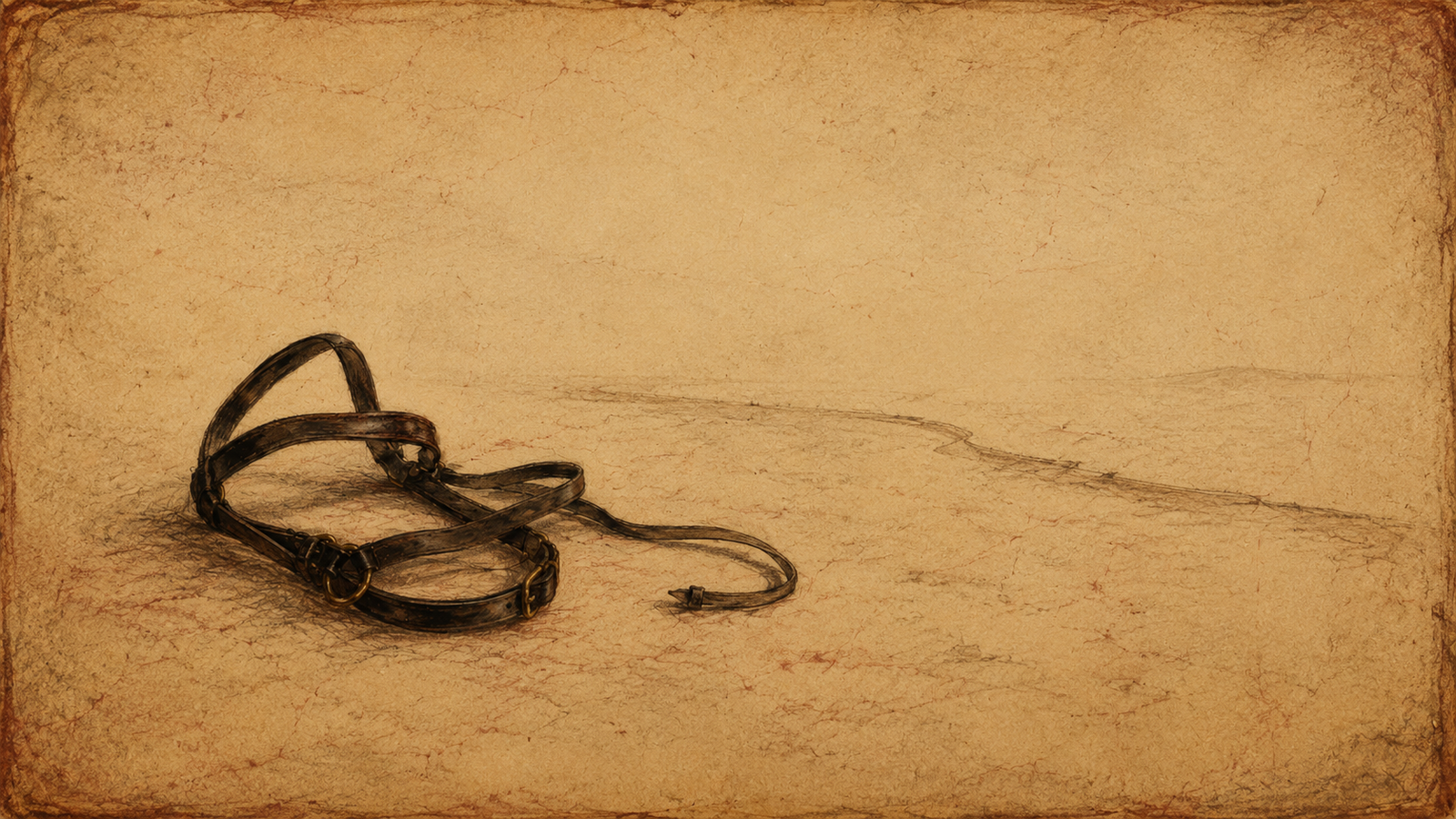

When Favour Is Mistaken for Right — On Bellerophon
A companion essay to Bellerophon — The Bridle and the Fall, exploring Pegasus, divine favour, the bridle, heroic ascent, and the danger of mistaking help for permanent right. From The Hospitable Dark, this essay asks why Bellerophon’s tragedy is not false greatness exposed, but real help wrongly remembered.
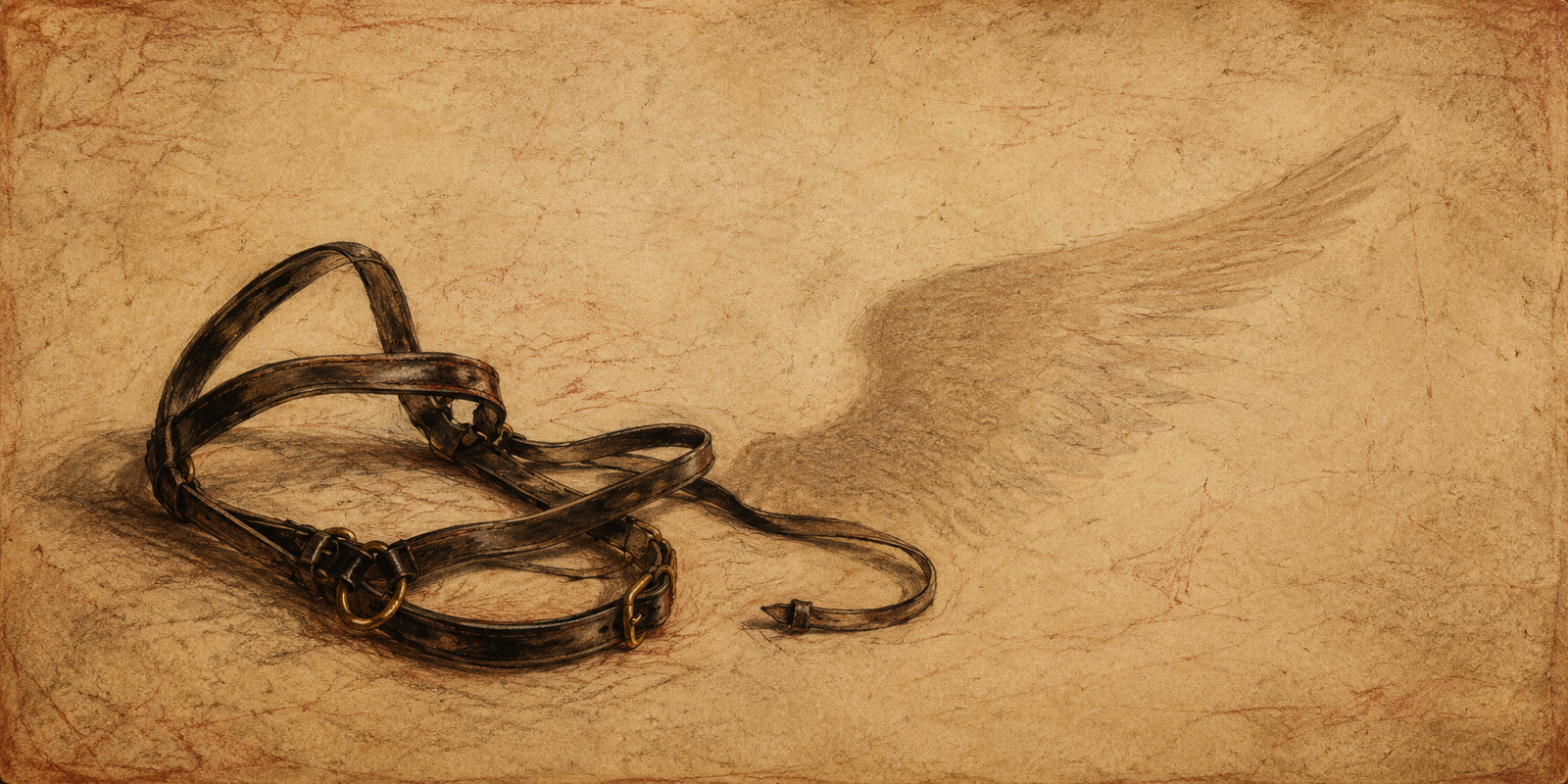

Bellerophon — The Bridle and the Fall
A literary Greek myth retelling of Bellerophon, Pegasus, and the divine bridle: a tale of heroic ascent, misremembered grace, and the moment a true gift becomes proof in the wrong hands. From The Hospitable Dark, where old stories are retold in a warm, grave voice.
Continue Reading
If this piece found something in you, you may wish to continue the journey elsewhere.
On The Lantern Chronicles, I gather writings from Angkor, myth and legend, contemplative essays, and poetry — works shaped by silence, beauty, wonder, memory, and the deeper questions that follow us through the world.
It is a place for stone and story, reflection and vow, shadow and revelation.
You would be most welcome there.