


The Long Return II — The Debate in Ithaca
The Long Return II — The Debate in Ithaca is the second instalment of The Long Return, a twenty-four-part prose retelling of Homer’s Odyssey within The Hospitable Dark. It follows Telemachus into the morning after Athena’s visit, when courage must leave the privacy of his room and stand before the men of Ithaca. The excerpt below opens the instalment at its human threshold: a house still stained by the suitors’ presence, a son not yet recognised as a man, and the first public naming of a private ruin.
By morning, courage had become something Telemachus had to put on in front of other people.
He had slept little. The house had not helped him. Even after the suitors had gone from the hall, leaving their cups overturned and their laughter caught among the beams, the place did not settle into peace. Men who misuse a house do not leave it when they leave its rooms. They remain in the wine on the floor, in the grease on the tables, in the servants’ lowered eyes, in the small disorder of things that should have been put back where they belonged.
Telemachus rose before the light had fully entered.
For a little while he stood beside his bed and listened. Somewhere below him a woman was drawing water. Somewhere in the courtyard a man coughed and said nothing. Beyond the walls, Ithaca was waking into the same day it had woken into for years: a day in which Odysseus was absent, Penelope waited, and the men who called themselves her suitors ate another man’s food as though hunger were a claim.
Only Telemachus was not quite the same as he had been the day before.
That is the trouble with a god’s visit. It does not change the world at once. It changes the measure by which the world can be endured.
Athena had come to him in the likeness of a stranger and had spoken as though the shame of his house were not simply a thing to be suffered. She had told him to call the men of Ithaca together, to stand in public, to speak, to send the suitors away if they could be sent away, and then to take ship for Pylos and Sparta in search of news of his father.
It had sounded possible while a god was saying it.
By daylight, in his own room, with his own hands fumbling at the fastening of his cloak, it sounded like madness.
He was not a child. That was part of the pain. Had he been smaller, helplessness would have been natural. Had he been older, perhaps authority would have sat on his shoulders without sliding off. But he was in the narrow country between the two, old enough to feel insult burn cleanly through him, young enough for other men to remember him naked in a nurse’s arms, crying for his mother.
He washed. He put on clean clothes. He took his sword, not because there would be fighting, but because a man who came into the assembly without the signs of manhood would be granting the laughter before it began. He stepped into the courtyard and called the heralds.
His voice did not shake.
That surprised him.
It surprised the servants too. They looked up from their tasks. One of them, an old man who had served Laertes before he served Odysseus, stared at Telemachus as if he had seen, not Odysseus himself, but a line of Odysseus drawn hastily in charcoal on a wall.
“Call the assembly,” Telemachus said.
The heralds obeyed.
News travels differently on an island. It does not spread; it crosses thresholds. It goes from courtyard to courtyard, from market to harbour, from man to man, each receiving it with the small tightening of someone who understands that an old discomfort has finally been given a public name.
An assembly had not been called in Ithaca since Odysseus sailed for Troy.
There had been disputes in those years, certainly. There had been quarrels over goats, debts, fishing rights, boundary stones, marriages promised and regretted. Men had shouted in doorways and in fields. Old women had settled matters more efficiently than judges. But no one had called the island together beneath the old forms. No one had taken up the staff of speech and made the people remember that a kingdom is not merely land under one name, but a community with an ear and a conscience.
So they came.
Continue reading: The Long Return II — The Debate in Ithaca at The Hospitable Dark on Substack.
Also in The Hospitable Dark
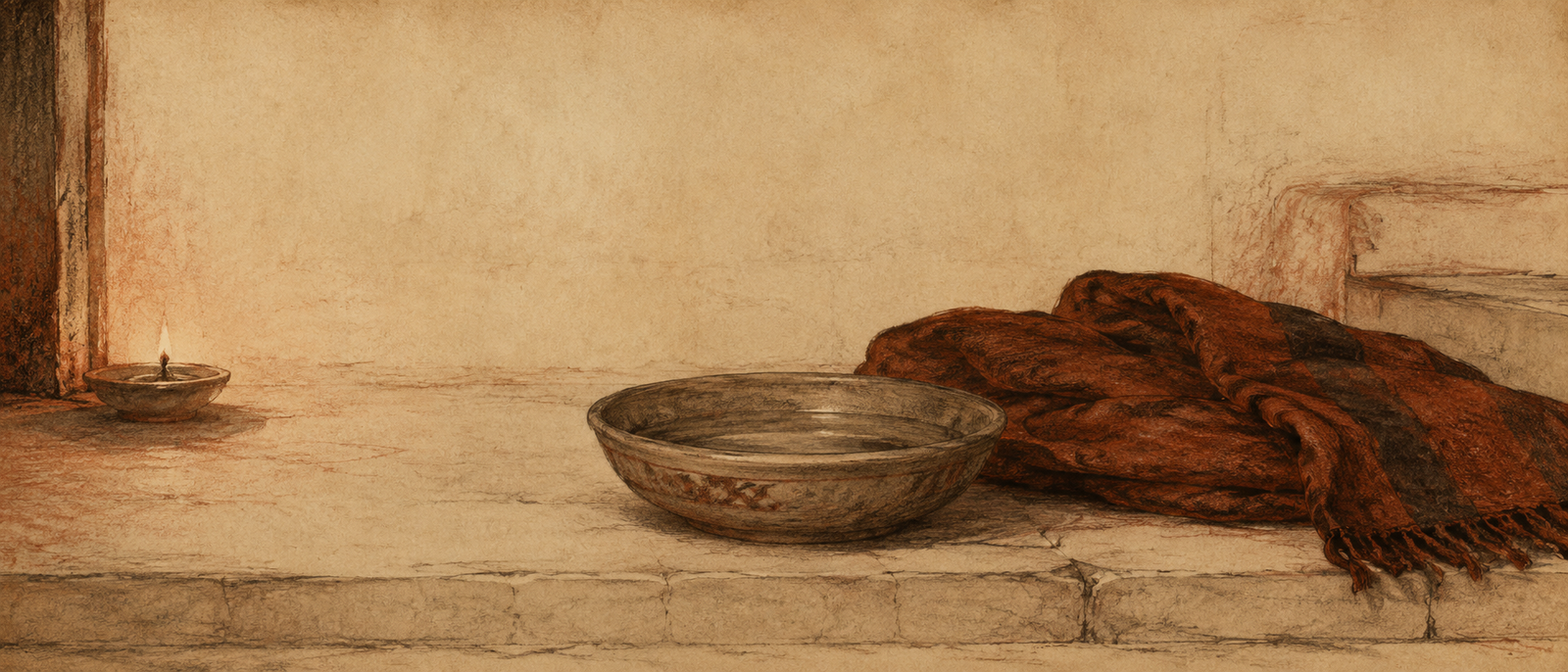

The Long Return VII — The Palace of Alcinous
Odysseus reaches the palace of Alcinous, but safety is not yet home. In this seventh instalment of The Long Return, hospitality becomes a moral test: a good house receives the stranger’s body before demanding his story.
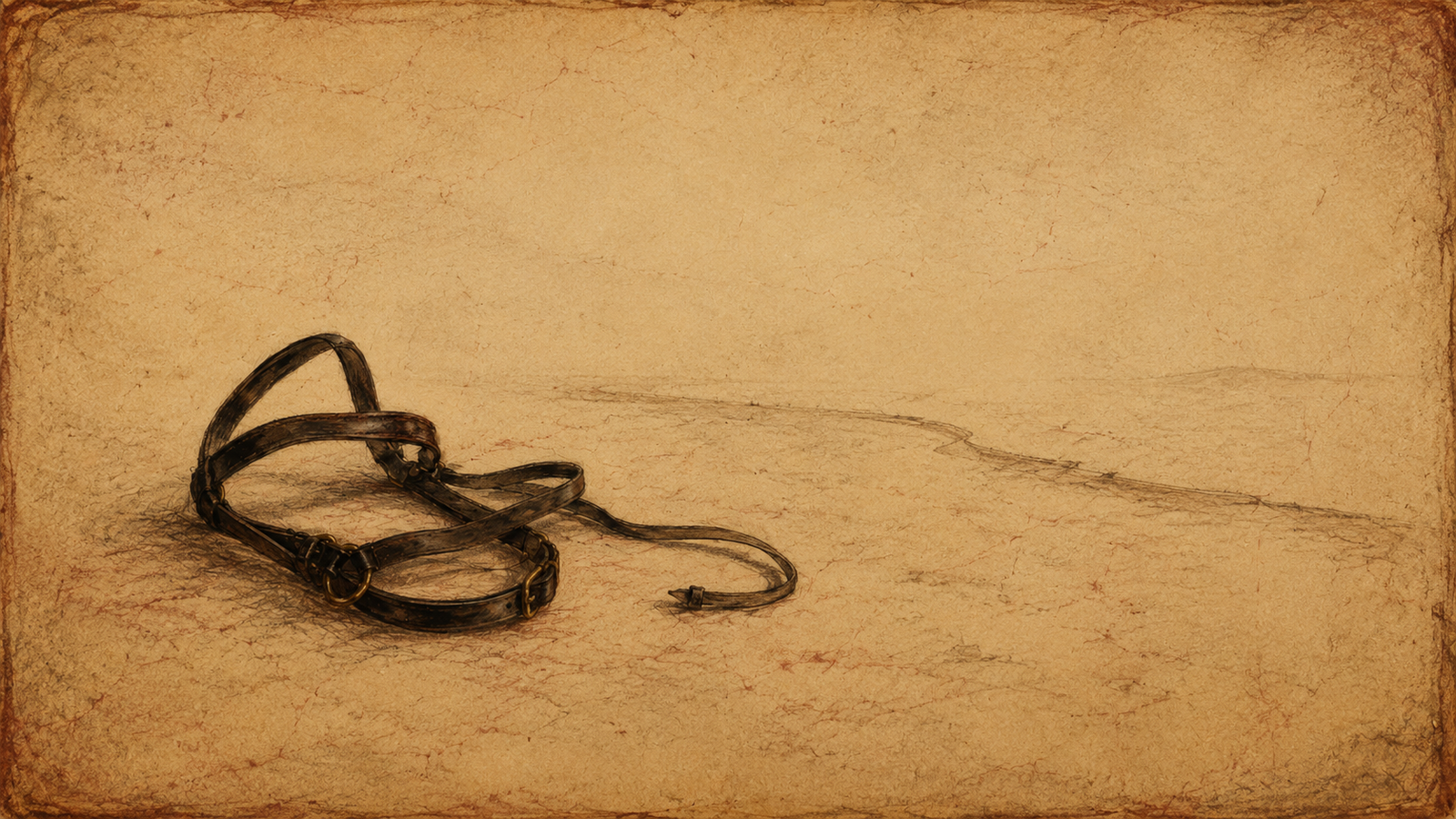

When Favour Is Mistaken for Right — On Bellerophon
A companion essay to Bellerophon — The Bridle and the Fall, exploring Pegasus, divine favour, the bridle, heroic ascent, and the danger of mistaking help for permanent right. From The Hospitable Dark, this essay asks why Bellerophon’s tragedy is not false greatness exposed, but real help wrongly remembered.
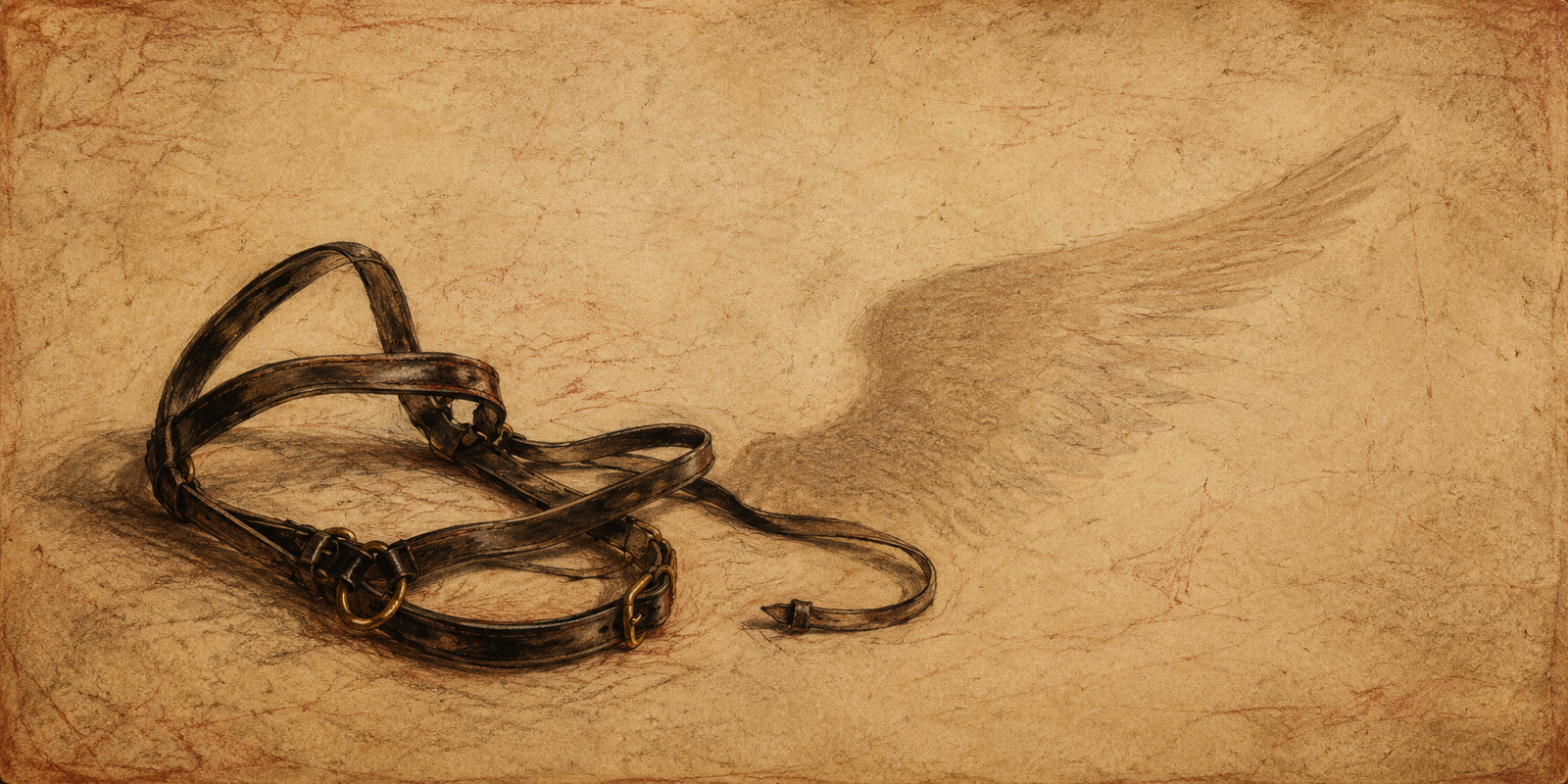

Bellerophon — The Bridle and the Fall
A literary Greek myth retelling of Bellerophon, Pegasus, and the divine bridle: a tale of heroic ascent, misremembered grace, and the moment a true gift becomes proof in the wrong hands. From The Hospitable Dark, where old stories are retold in a warm, grave voice.
Continue Reading
If this piece found something in you, you may wish to continue the journey elsewhere.
On The Lantern Chronicles, I gather writings from Angkor, myth and legend, contemplative essays, and poetry — works shaped by silence, beauty, wonder, memory, and the deeper questions that follow us through the world.
It is a place for stone and story, reflection and vow, shadow and revelation.
You would be most welcome there.