


The Long Return I — The Boy and the Goddess
The Long Return I — The Boy and the Goddess is the opening instalment of The Long Return, a twenty-four-part prose retelling of Homer’s Odyssey within The Hospitable Dark. It begins where the poem itself begins: not with Odysseus, but with the damage his absence has done to Ithaca, to Penelope, and most of all to the son growing up inside an occupied house. The excerpt below opens the first doorway into the sequence: a hall too full of suitors, a boy not yet master, and a goddess arriving in the likeness of a stranger.
The house had learned to make room for absence.
At first, perhaps, there had been a place left for him. A chair not taken. A cup not touched. A servant pausing at the sound of a step beyond the door. A wife turning her face, not because she believed, exactly, but because grief is slower than knowledge and will look up at almost anything.
But years are patient.
They take what sorrow leaves unguarded. They teach hands to move around what cannot be repaired. They settle dust where hope once stood. In time, even longing becomes a household object: familiar, heavy, often moved, never put away.
So it was in Ithaca.
Odysseus had been gone so long that his absence no longer felt like a wound newly opened. It had become part of the house’s structure. Men ate beneath it. Servants crossed under it. His son grew up inside it, learning the shape of a father from stories, rumours, silences, and the behaviour of men who had begun to treat the missing as dead because it suited them.
They filled the hall now.
The suitors came early and stayed late. They lounged on the benches, called for wine, took meat from the tables, and laughed with the careless force of men spending another man’s wealth. Their sandals scraped against the floor. Their hands shone with grease. Their voices rose whenever the singer paused. They had the confidence of those who had discovered that no one present could make them ashamed.
The lamps burned before evening had fully gathered.
That was one of the wrongnesses Telemachus noticed. In a well-ordered house, light answered need. Here it answered appetite. The hall was too bright, too noisy, too full of men who should have been guests but had become something closer to a siege.
Telemachus sat among them because there was nowhere else for the son of the house to sit. He was no child now, though many still spoke to him as if he were. His shoulders had begun to broaden; his face had lost the softness of boyhood; there were moments when the servants, glancing up, saw his father in the line of his brow and looked away too quickly.
That only made the shame worse.
He could see what was happening. That was the torment of it. He was old enough to understand the ruin, but not yet strong enough to stop it. Every cup poured for the suitors was taken from what should have been his inheritance. Every animal slaughtered for their feasting thinned the substance of the house. Every laugh at his expense entered him and lodged there.
His mother remained above.
Penelope lived in the upper rooms with her women, weaving by day, grieving when grief would not be governed, and holding the house together by the strange power of not yielding. Her absence from the hall had its own authority. Yet it also deepened the insult. The men below waited for her as wolves might wait around a closed door.
Telemachus watched them and hated them.
More painfully, he hated himself for watching.
Outside, beyond the court and the doors and the sloping land of Ithaca, the sea kept its own counsel. It had carried his father away before Telemachus could remember the weight of his hand. It had brought rumours back instead: Odysseus dead at Troy, Odysseus wandering, Odysseus drowned, Odysseus kept by gods, Odysseus forgotten, Odysseus coming home tomorrow, Odysseus never coming home at all.
A man can fight an enemy. It is harder to fight uncertainty.
It enters the house softly and sits down.
Continue reading: The Long Return I — The Boy and the Goddess at The Hospitable Dark on Substack.
Also in The Hospitable Dark
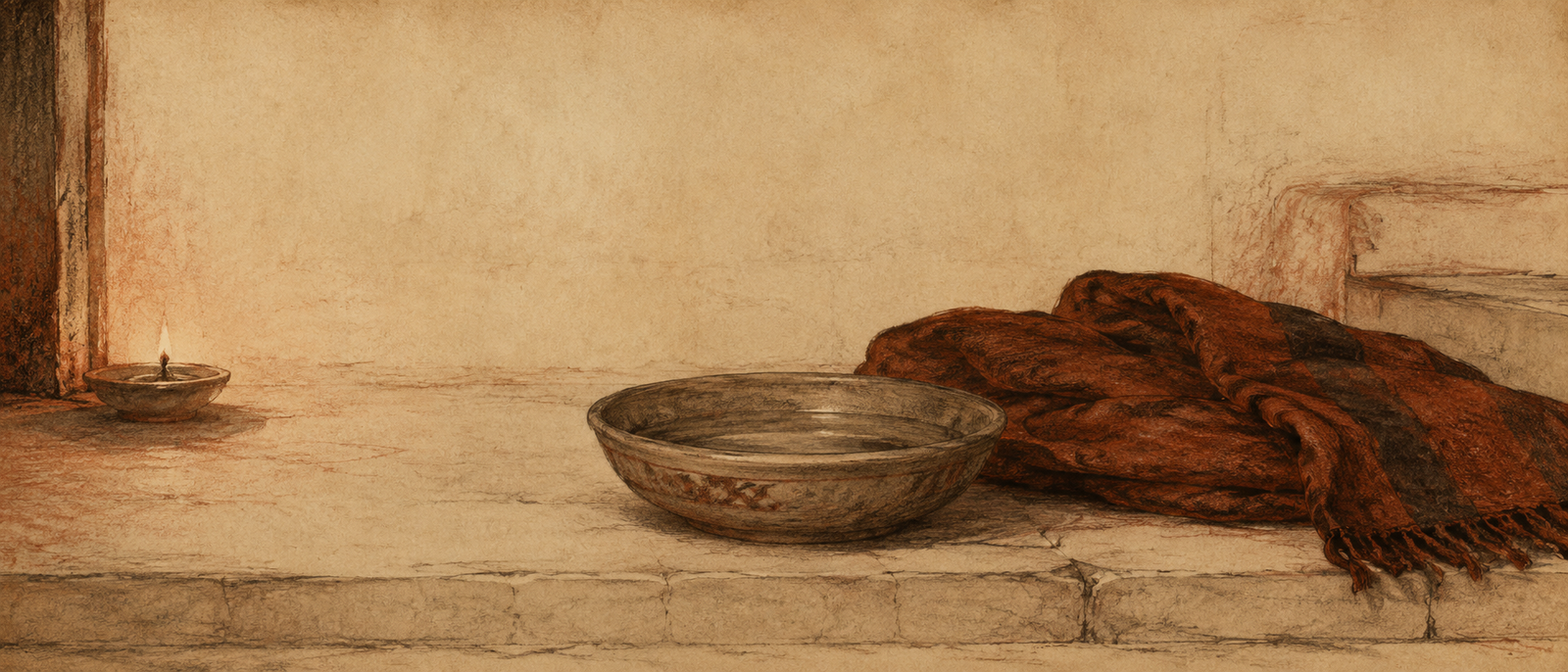

The Long Return VII — The Palace of Alcinous
Odysseus reaches the palace of Alcinous, but safety is not yet home. In this seventh instalment of The Long Return, hospitality becomes a moral test: a good house receives the stranger’s body before demanding his story.
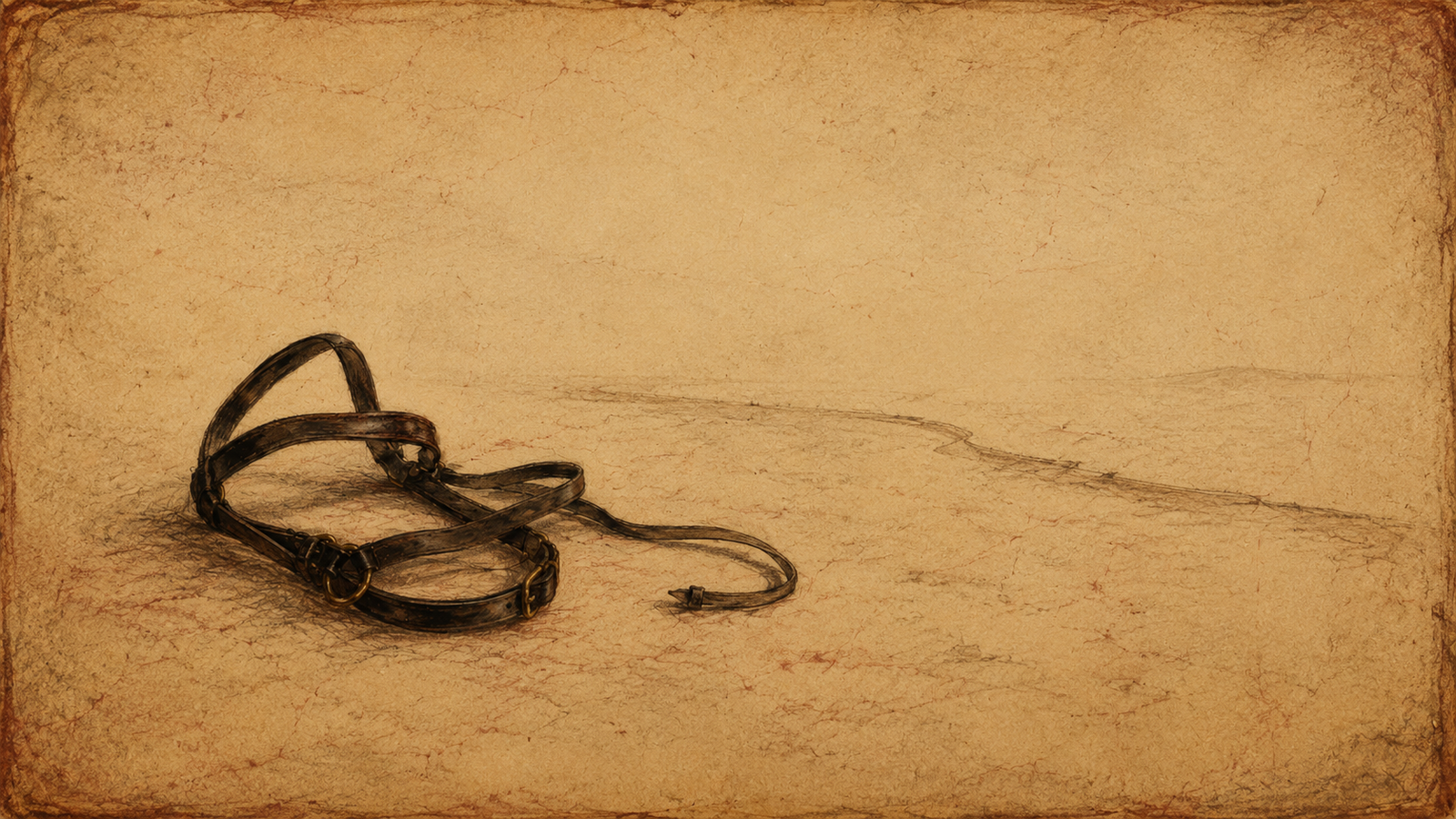

When Favour Is Mistaken for Right — On Bellerophon
A companion essay to Bellerophon — The Bridle and the Fall, exploring Pegasus, divine favour, the bridle, heroic ascent, and the danger of mistaking help for permanent right. From The Hospitable Dark, this essay asks why Bellerophon’s tragedy is not false greatness exposed, but real help wrongly remembered.
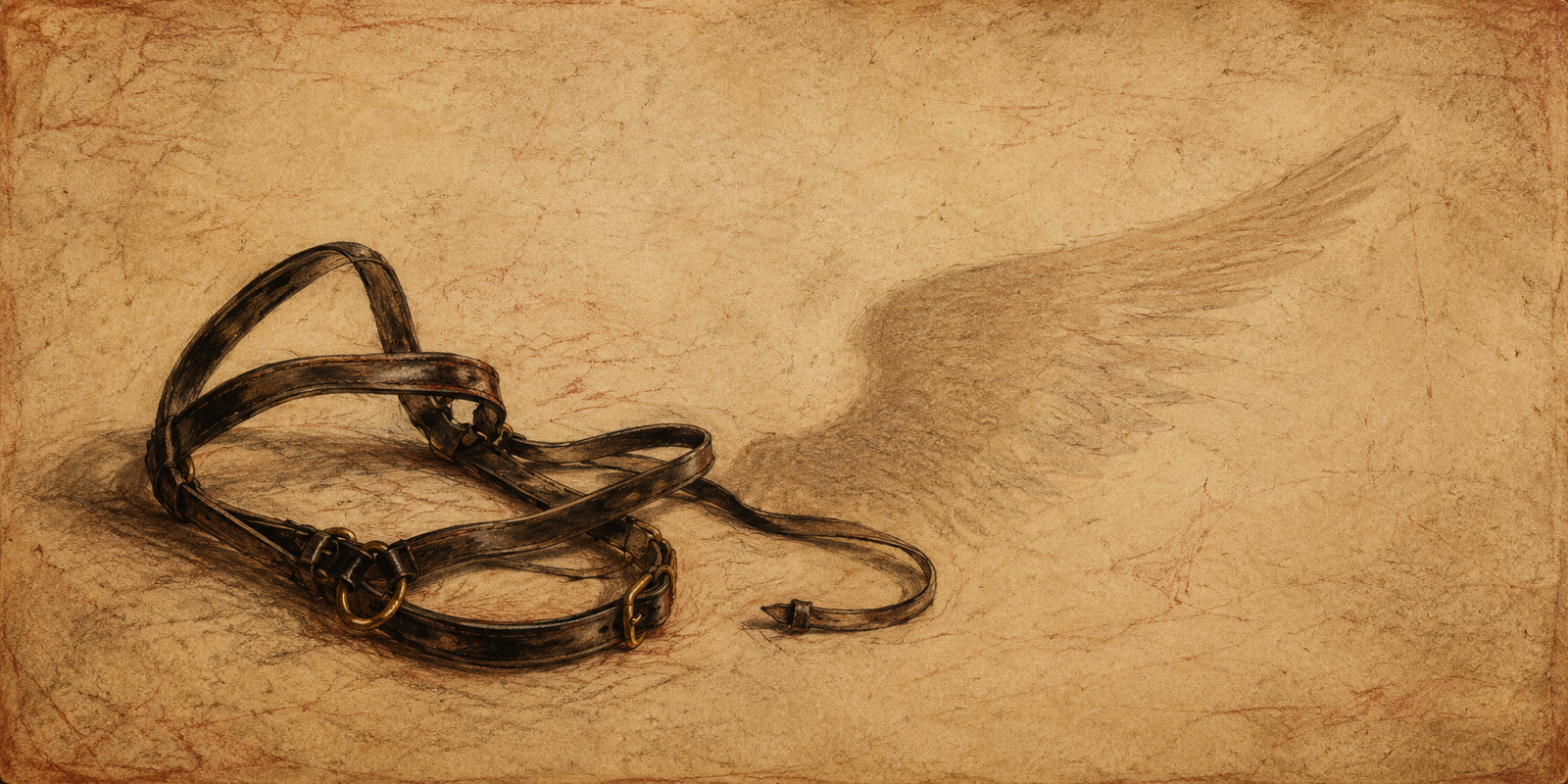

Bellerophon — The Bridle and the Fall
A literary Greek myth retelling of Bellerophon, Pegasus, and the divine bridle: a tale of heroic ascent, misremembered grace, and the moment a true gift becomes proof in the wrong hands. From The Hospitable Dark, where old stories are retold in a warm, grave voice.
Continue Reading
If this piece found something in you, you may wish to continue the journey elsewhere.
On The Lantern Chronicles, I gather writings from Angkor, myth and legend, contemplative essays, and poetry — works shaped by silence, beauty, wonder, memory, and the deeper questions that follow us through the world.
It is a place for stone and story, reflection and vow, shadow and revelation.
You would be most welcome there.