
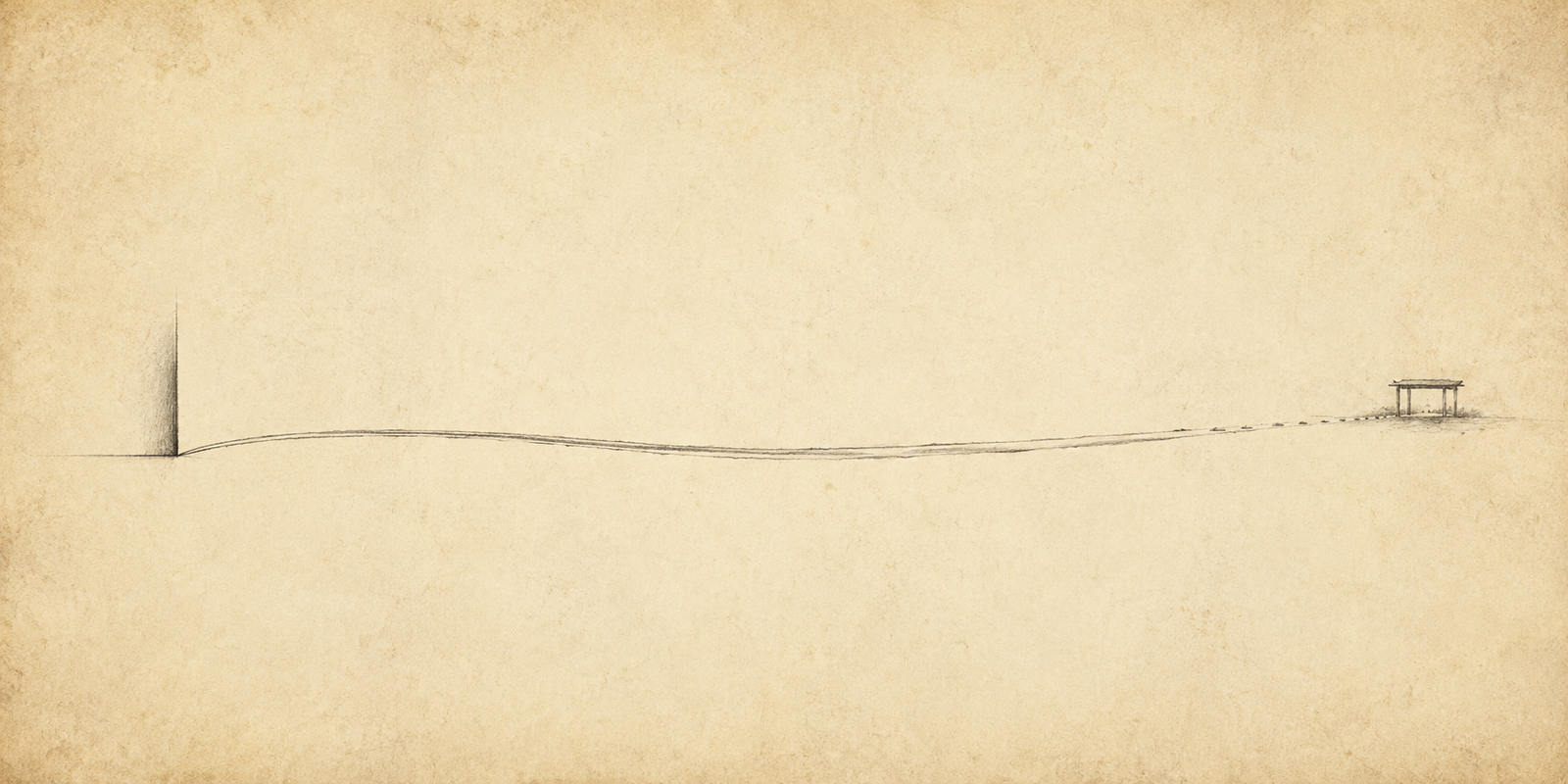

The Society That Does Not Turn Away
The door is one of the oldest moral instruments in the world.
It is not only wood, hinge, threshold, lock. It is the place where a household, a city, or a nation discovers what it believes a human being is before that human being has become useful. Someone stands outside. Traveller, exile, refugee, widow, scholar, child, labourer, stranger, defeated neighbour, foreigner, inconvenient guest. They may bring gifts. They may bring need. They may bring skill, hunger, language, grief, memory, trade, knowledge, danger, song.
The door asks its question before any policy does.
Who is this person allowed to be?
Most societies prefer to answer after calculation. Will the stranger contribute? Will the exile assimilate? Will the refugee become grateful? Will the migrant labour, invent, enrich, obey, disappear into usefulness? Practical questions are not immoral. A society must have roads, schools, houses, work, law, language, patience, and order. Mercy without form can become confusion. Welcome without wisdom can create resentment. The door is not improved by pretending it has no hinges.
But a civilisation has already failed the test if it can welcome the stranger only after calculating what the stranger may become worth.
There is a powerful historical argument for welcome, and it should not be surrendered to those who imagine compassion to be economically naive. Again and again, societies that received outsiders were enlarged by them. Huguenot exiles carried craft, discipline, finance, and manufacture into the places that gave them room. Jewish scientists fleeing Nazi Germany helped alter the intellectual destiny of the twentieth century. The Dutch Republic gathered persecuted minorities, traders, printers, financiers, mapmakers, and makers of instruments into a density of exchange that helped ignite one of Europe’s great periods of art, science, and commerce. America, in its great periods of openness, became repeatedly more than it knew how to be because it received labour, invention, restlessness, music, language, ambition, and argument from elsewhere.
The pattern is not mysterious. Human beings carry worlds with them.
They carry techniques, recipes, prayers, tools, stories, wounds, networks, disciplines, and ways of solving problems that the receiving society did not yet know it had. When people meet in sufficient density under conditions of relative freedom, knowledge crosses from hand to hand. A loom changes. A workshop improves. A word is borrowed. A business model travels. A philosophy is translated. A child grows up between languages and sees what neither parent could see alone.
Culture thickens where difference does not have to spend all its strength defending its right to breathe.
But the deeper question is not whether welcome pays.
It is what welcome practises.
Continue reading: The Society That Does Not Turn Away at The Living Way on Substack
Also in The Lantern Chronicles

The Stranger Is Where Inheritance Is Weighed
A Living Way essay on faith, inheritance, empire, and moral humility. The Stranger Is Where Inheritance Is Weighed asks how the stories that form us can become either mercy or contempt — and why the true test of any tradition is whether it can still see the stranger.
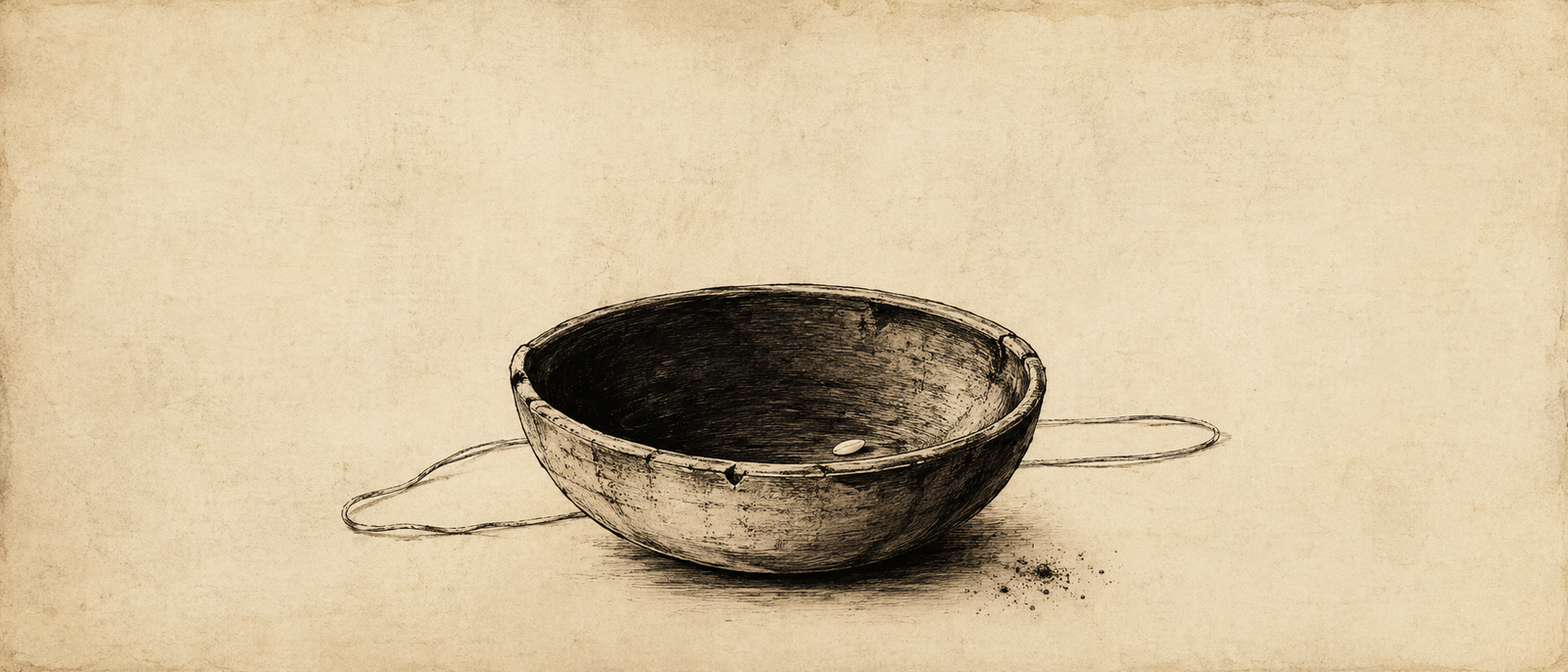

The Beggar God: A Bhikshatana Retelling
A hearthlit retelling of Bhikshatana: Shiva enters the forest as a barefoot beggar, carrying only ash, silence, and an empty bowl. In this Fires of the Old World tale, spiritual pride is not defeated by argument or spectacle, but revealed by what the hand cannot yet release.
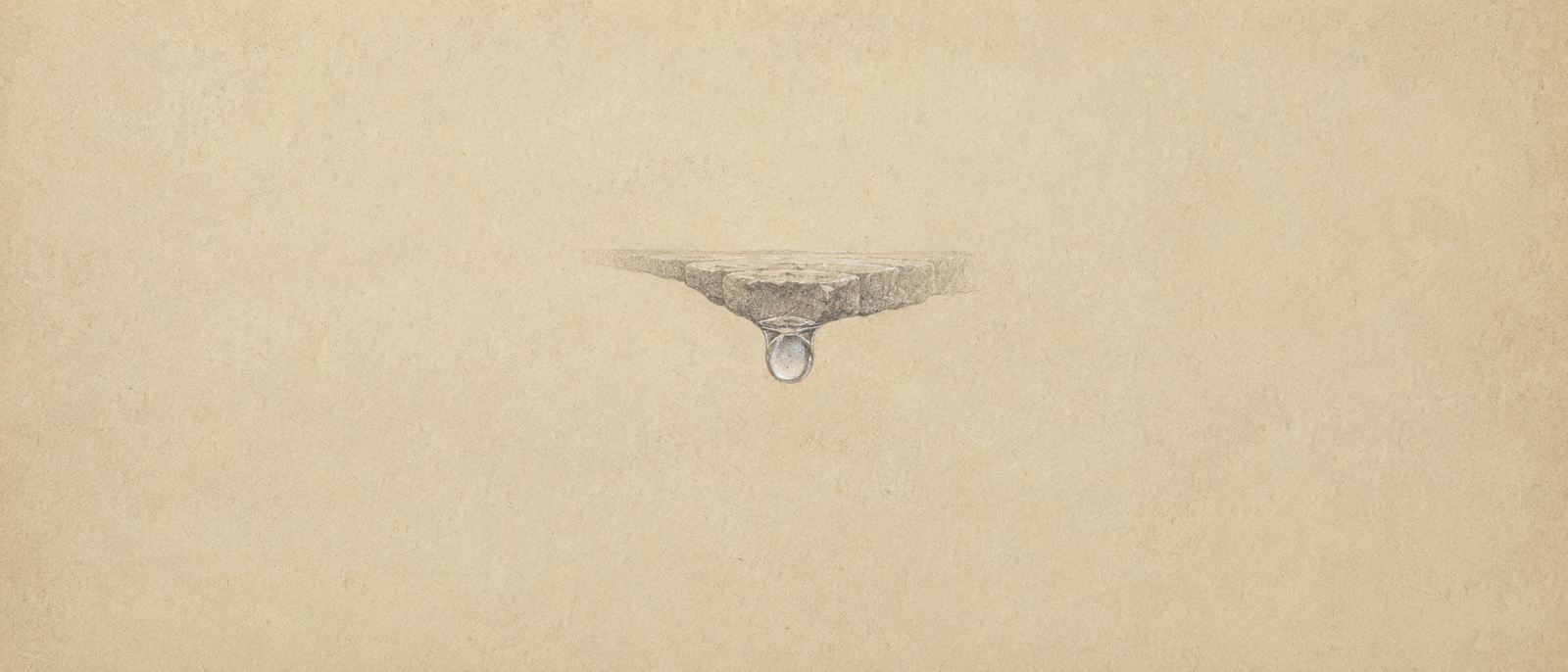

At the Lip — A Poem from The Vow
A poem from The Vow on a waterfall, a river reaching the edge, and the stillness that gives falling its shape. At the Lip stays with one overwhelming natural image until movement, constraint, and scale become almost unbearable in their precision.
Continue Reading
If this piece found something in you, you may wish to continue the journey elsewhere.
On The Lantern Chronicles, I gather writings from Angkor, myth and legend, contemplative essays, and poetry — works shaped by silence, beauty, wonder, memory, and the deeper questions that follow us through the world.
It is a place for stone and story, reflection and vow, shadow and revelation.
You would be most welcome there.