
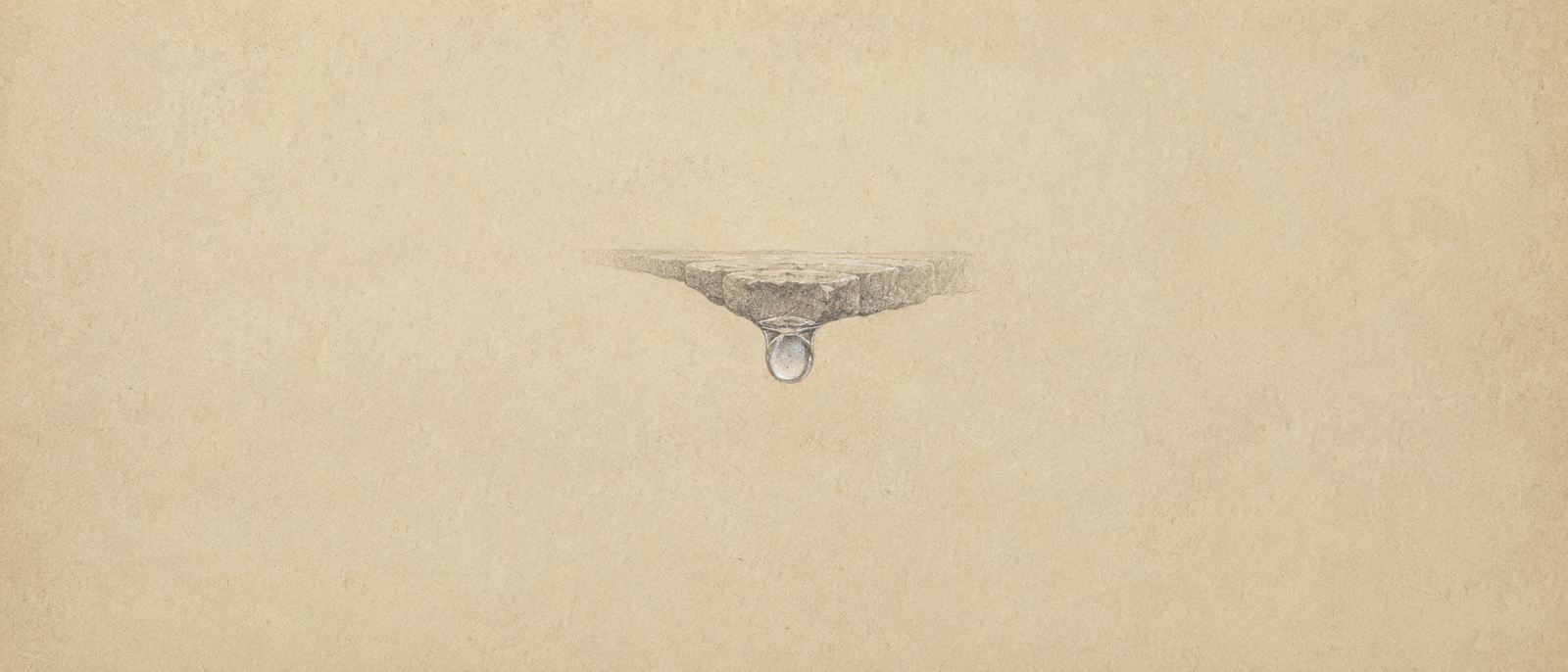

At the Lip — A Poem from The Vow
At the Lip is a poem from The Vow, Lucas Varro’s poetry publication for serious, compressed poems shaped by image, silence, pressure, and afterlife.
The poem begins with a single natural event: a river reaching the edge of a waterfall. It does not turn that event into a lesson. It stays with the fall itself — the gathering, the drop, the rock, the spray, the swallow crossing briefly through the white violence, the pool holding its darkness beneath the roar.
The result is a poem of motion and stillness, scale and exactness, force and restraint.
Excerpt:
The mountain opens its mouth
and the river goes through.
All morning, all century,
the green body gathers
from seep, root, cloud,
from snow the sun loosened
grain by grain
on the high stone.
Then the edge.
No hesitation.
Not courage.
Nothing in it choosing.
The river reaches
the cut in the world
and is taken by it.
Down—
not once,
but over and over,
sheet into rope,
rope into smoke,
smoke into cold beads
flung back
against the fern.
The cliff stands still
so falling
can have a shape.
In the full poem, the waterfall continues to break and gather, the pool holds its silence, and the river moves on below the fall, carrying the sky in pieces between the walls.
Continue reading: At the Lip at The Vow on Substack.
Also in The Lantern Chronicles
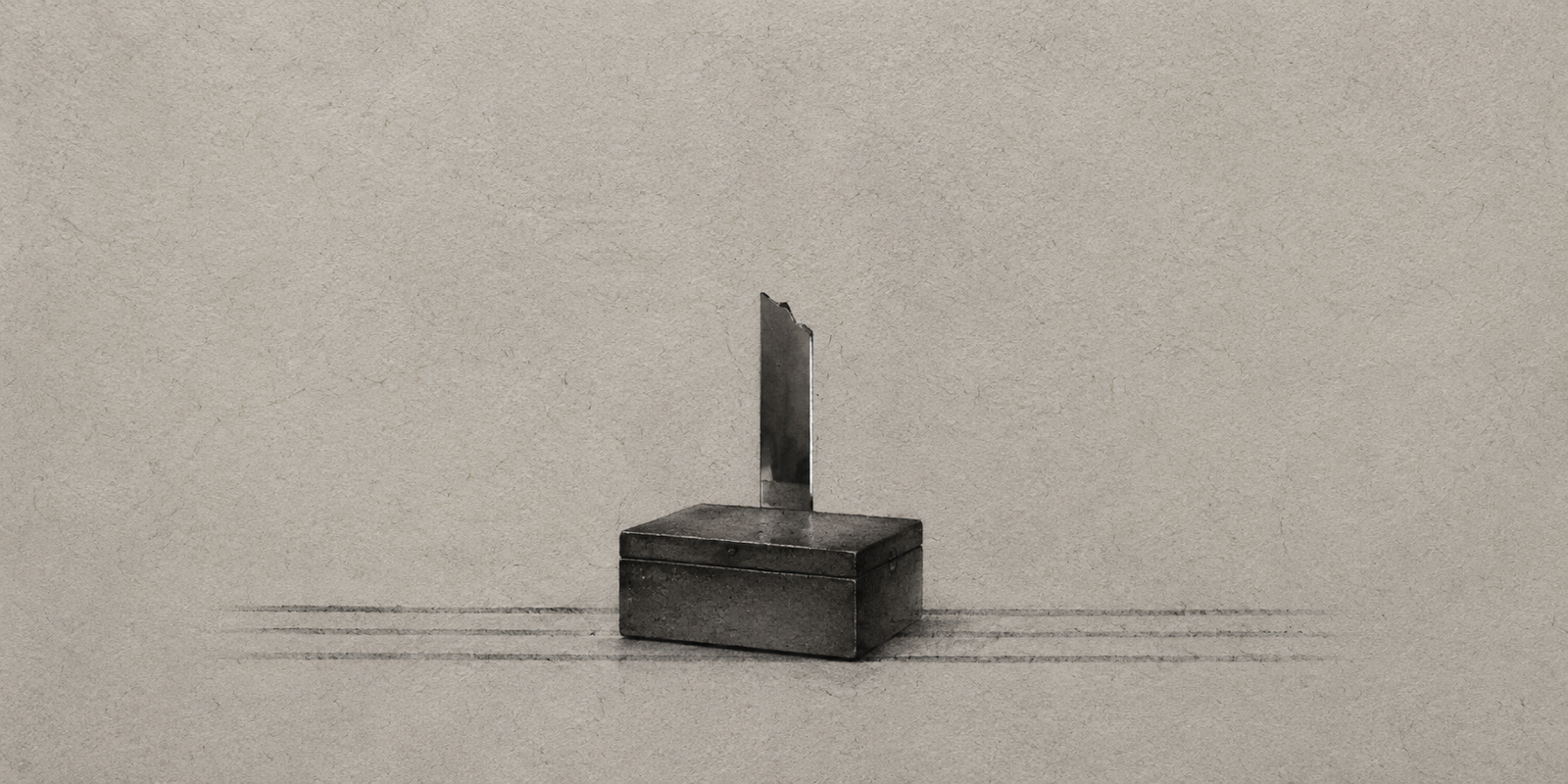

The Mirror, the Ledger, and the Box
Three ordinary acts—tending a mirror, keeping a ledger, reading a page—draw three voices into the same unseen machinery. In this original flash-fiction triptych by Lucas Varro, hunger becomes debt, witness becomes participation, and attention itself acquires a price. Enter through Mirror Hunger, where one rule has always been enough: do not lean close.
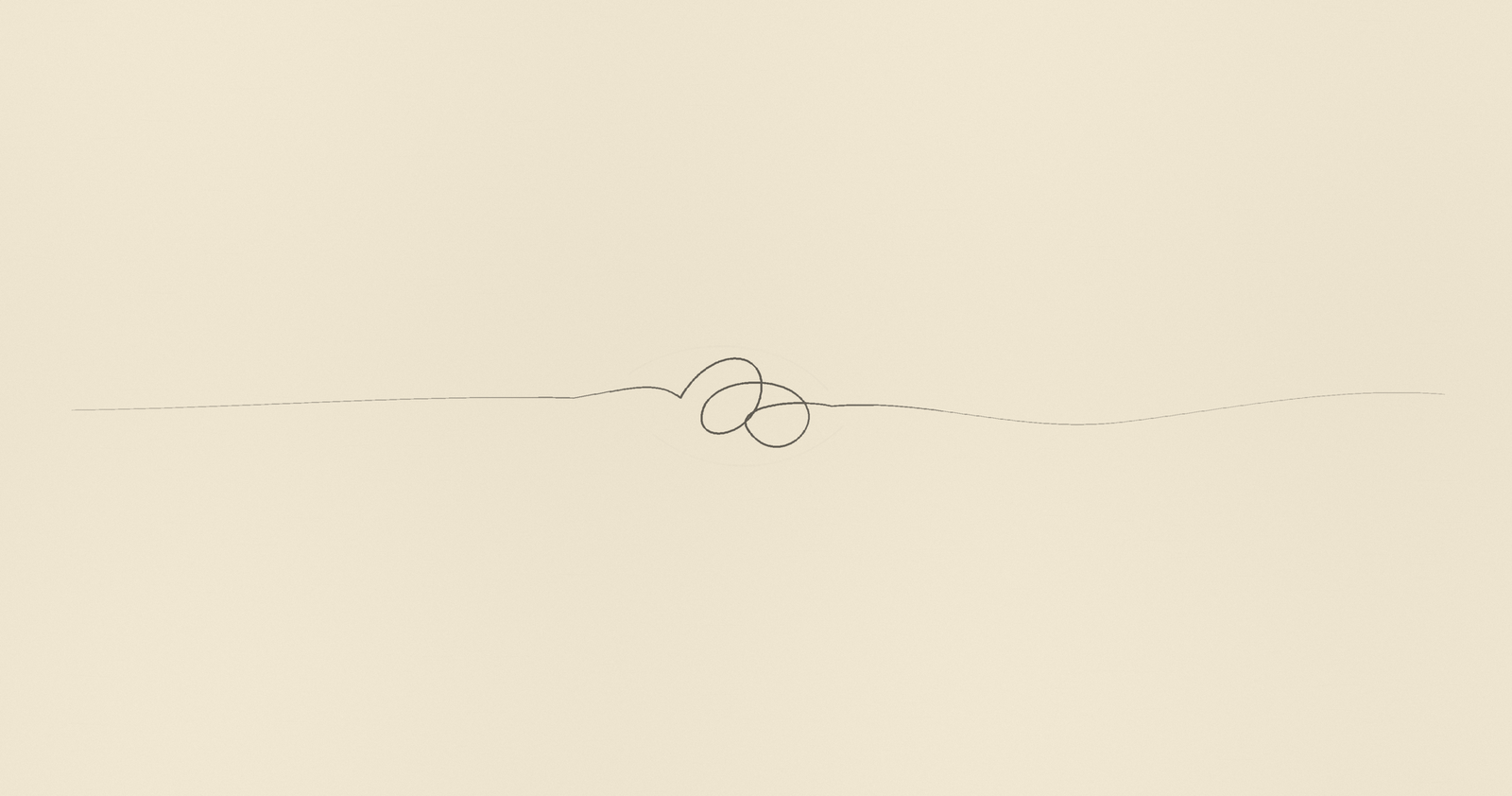

What the Hand Knows
When does effort become interference? This contemplative essay from The Living Way explores wu wei, attention and the human compulsion to force—whether in work, conversation, ambition or the private demand that reality unfold according to plan.
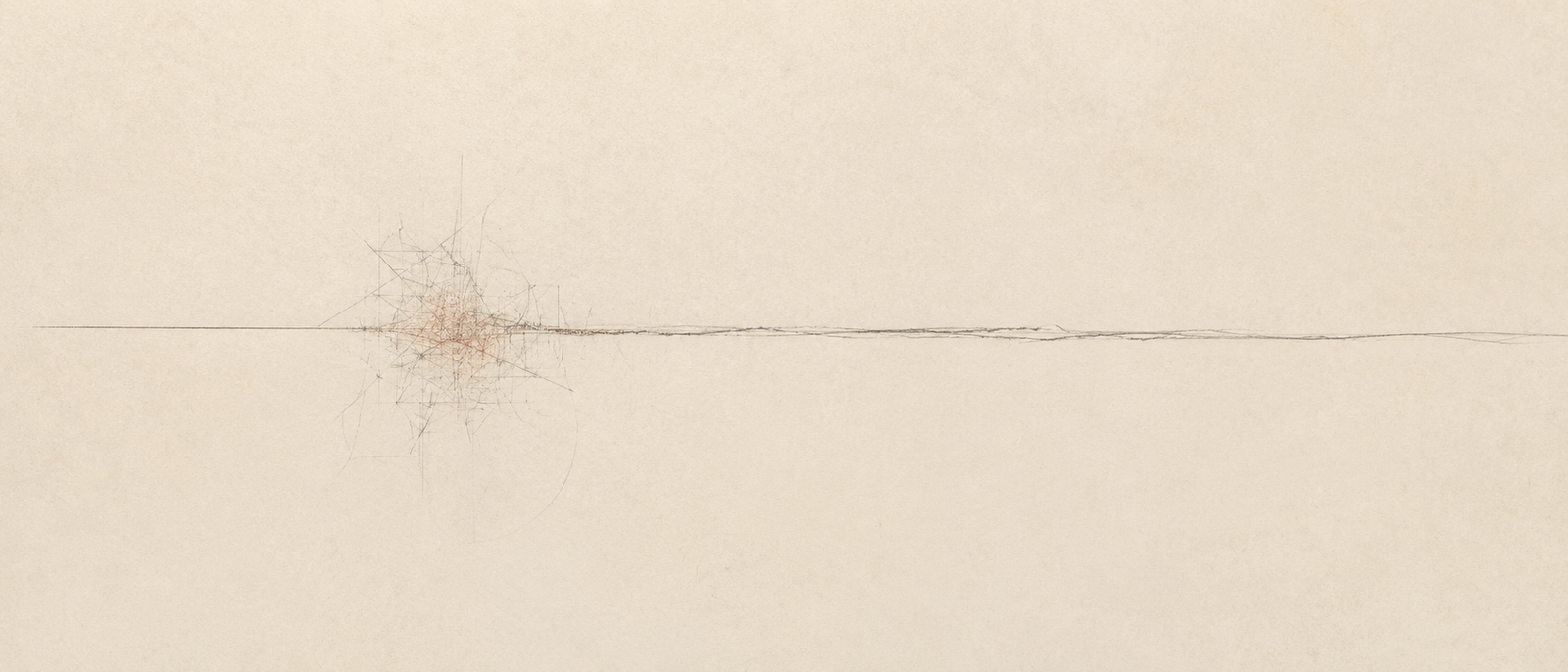

The Beauty Time Is Allowed to Make
A literary-philosophical essay on wabi-sabi, handmade kozo paper, and the modern demand for seamlessness. Beginning with red chalk meeting a resistant surface, Lucas Varro asks whether value must arrive untouched—and whether care becomes destructive when it begins erasing the visible history of objects and human lives.
Continue Reading
If this piece found something in you, you may wish to continue the journey elsewhere.
On The Lantern Chronicles, I gather writings from Angkor, myth and legend, contemplative essays, and poetry — works shaped by silence, beauty, wonder, memory, and the deeper questions that follow us through the world.
It is a place for stone and story, reflection and vow, shadow and revelation.
You would be most welcome there.