
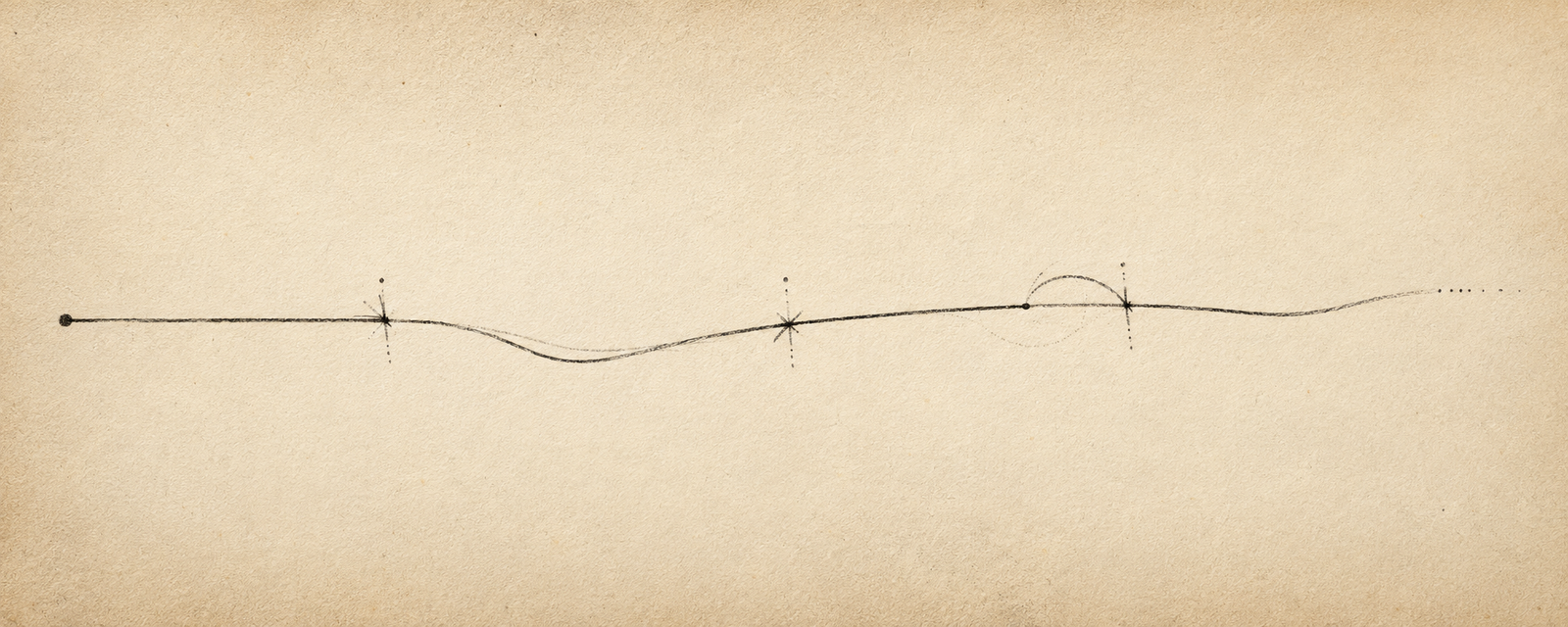

The Story Is Not Finished Yet
In The Story Is Not Finished Yet, a Living Way essay from Lucas Varro, an old parable of fortune and misfortune becomes a meditation on one of the mind’s oldest habits: the need to name an event before life has finished unfolding it.
A door closes, and we call it loss. A door opens, and we call it blessing. Someone leaves, and we call it abandonment. Someone praises us, and we call it proof. But the event has not finished becoming what it is. Only our feeling has arrived early.
There is an old story about a farmer who lived near the border of his country. He was not wealthy, but he had a horse, and the horse was strong. In a place where work depended on animals and distances were long, this was no small thing. The horse was not a luxury. It was labour, transport, strength, and security. It was part of the household’s future.
One morning, the horse was gone.
The neighbours came, as neighbours always come when life has given them something to name.
“What terrible luck,” they said. “Your horse has run away.”
The farmer looked at the empty place where the horse had been. He did not pretend that nothing had happened. He did not smile wisely at his own loss. He did not turn deprivation into poetry. He knew what a horse meant. He knew what work would now become. He knew what absence costs when the household has already been arranged around what is missing.
But he did not give the absence a final name.
“We do not yet know what this is,” he said.
The essay follows the old story through loss, return, injury, war, and spared life — but refuses the sentimental version of its wisdom. It does not argue that every sorrow secretly becomes a blessing. It does not ask suffering to justify itself. Instead, it asks a harder and more disciplined question: how should one live when the meaning of what has happened cannot yet be known?
The farmer is not wise because he is untouched. He is wise because he does not let the first feeling become the final truth.
Continue reading: The Story Is Not Finished Yet at The Living Way on Substack.
Also in The Lantern Chronicles
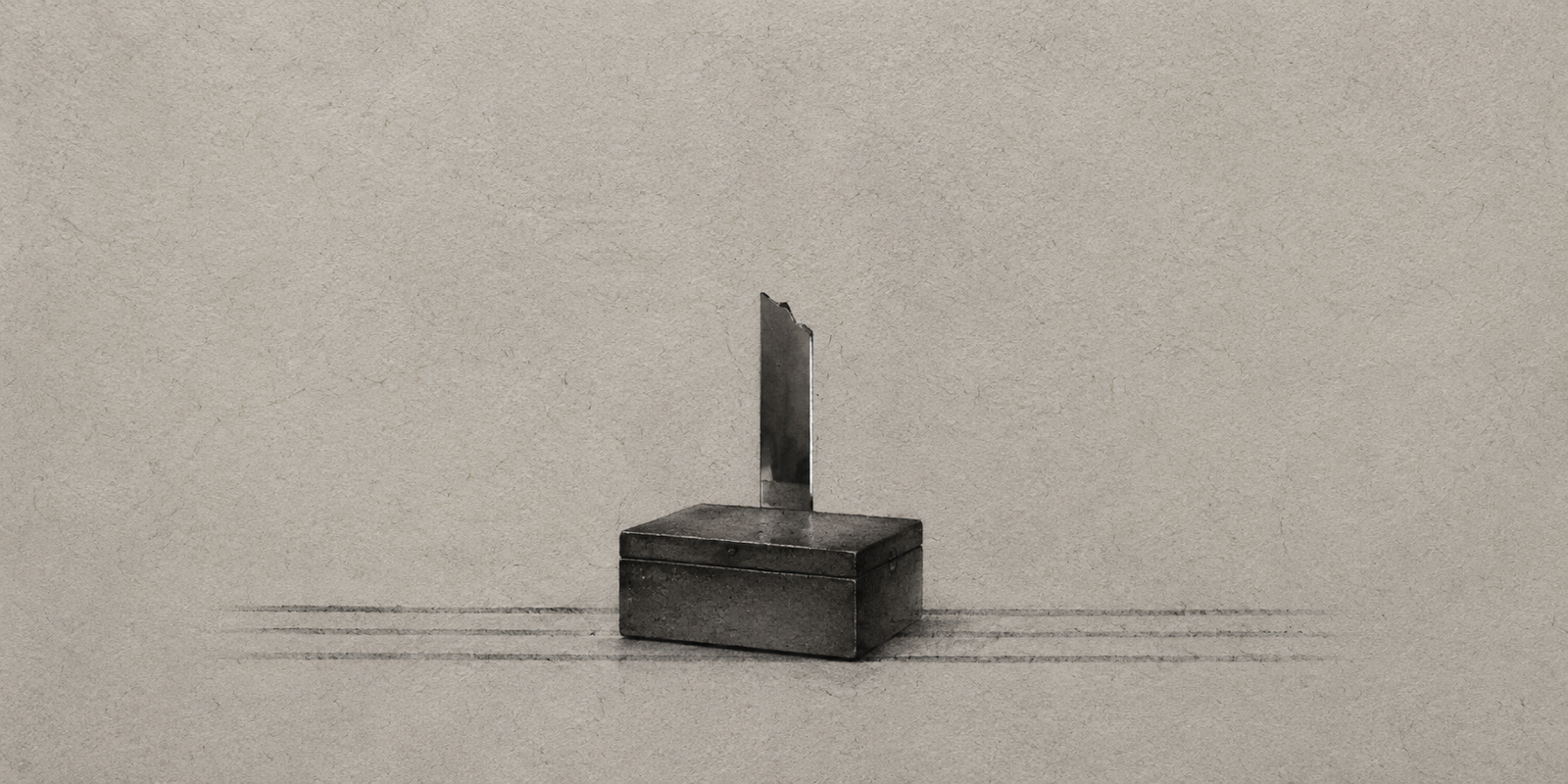

The Mirror, the Ledger, and the Box
Three ordinary acts—tending a mirror, keeping a ledger, reading a page—draw three voices into the same unseen machinery. In this original flash-fiction triptych by Lucas Varro, hunger becomes debt, witness becomes participation, and attention itself acquires a price. Enter through Mirror Hunger, where one rule has always been enough: do not lean close.
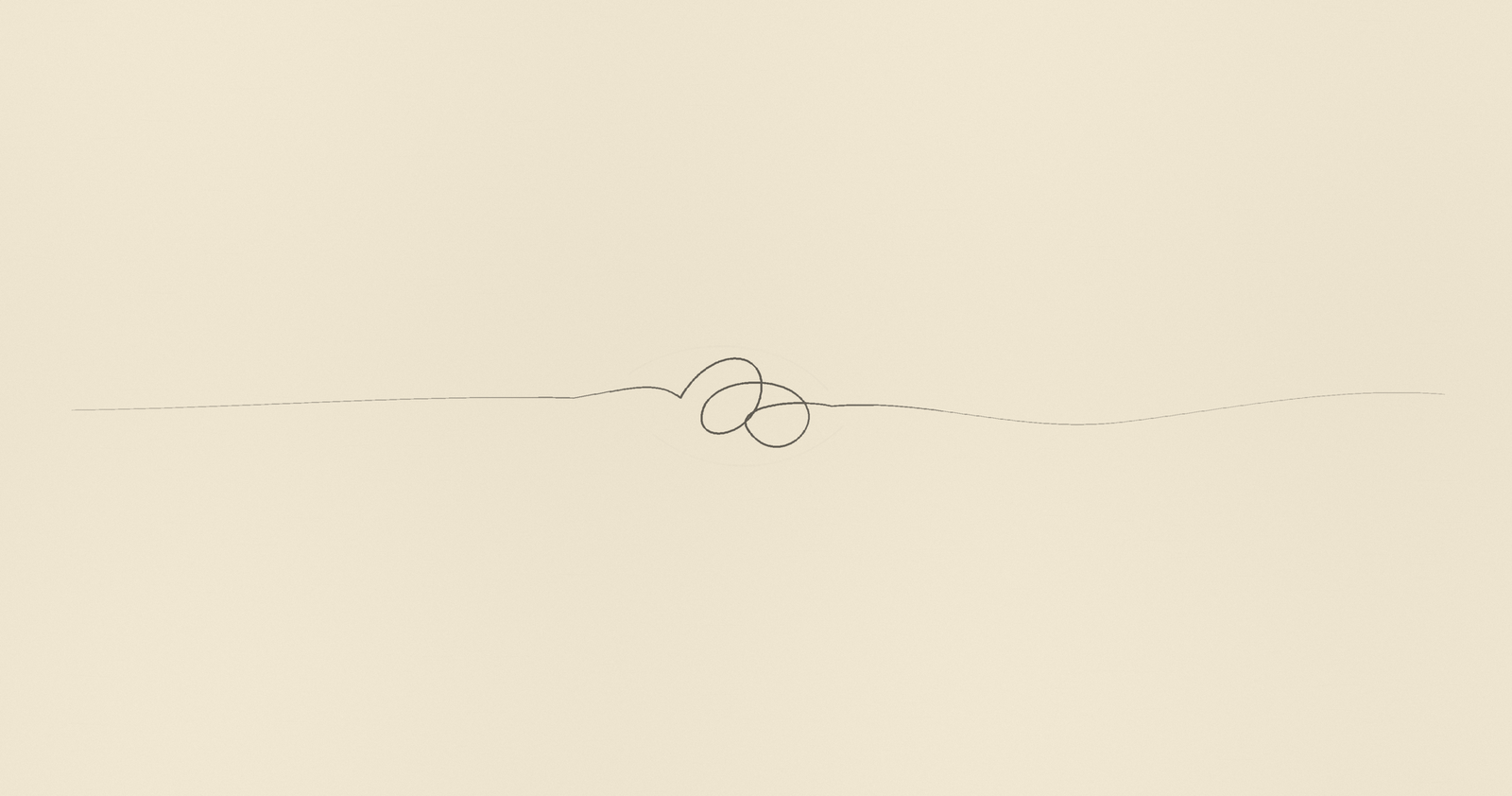

What the Hand Knows
When does effort become interference? This contemplative essay from The Living Way explores wu wei, attention and the human compulsion to force—whether in work, conversation, ambition or the private demand that reality unfold according to plan.
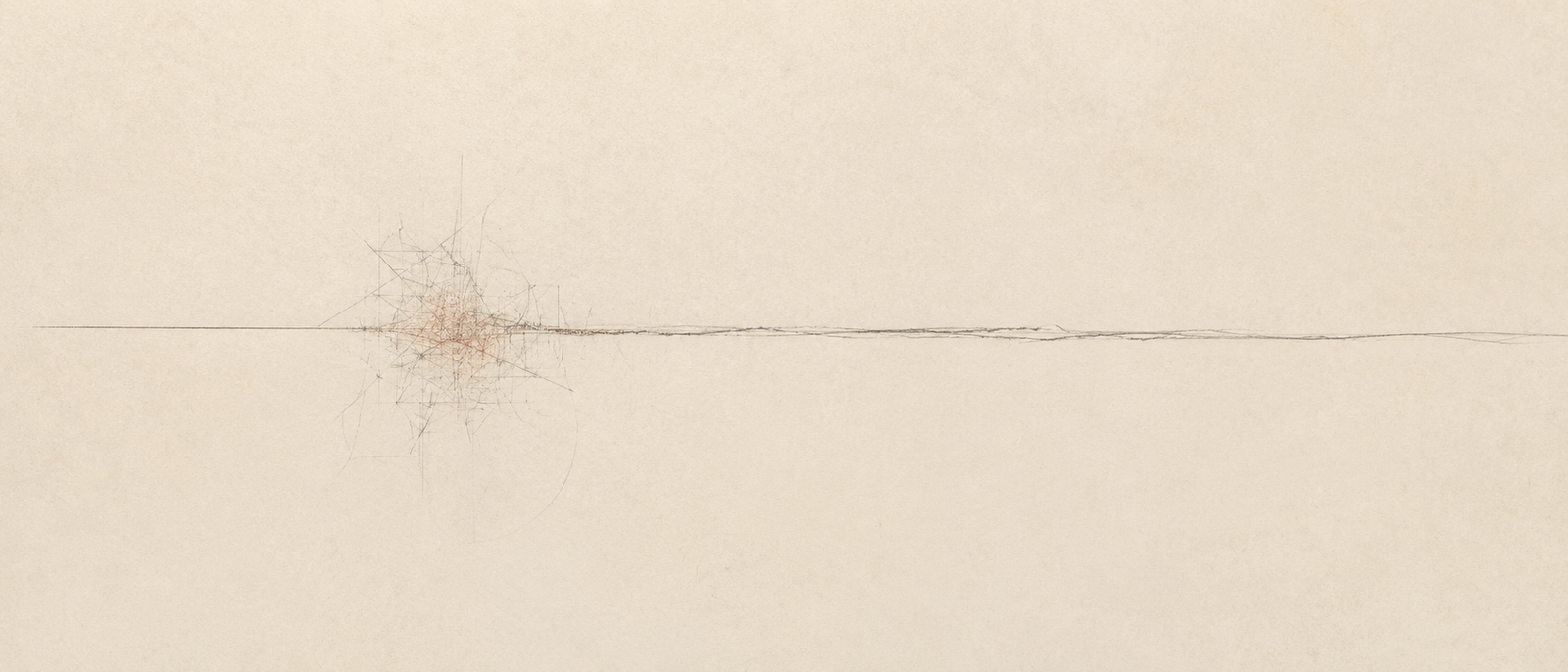

The Beauty Time Is Allowed to Make
A literary-philosophical essay on wabi-sabi, handmade kozo paper, and the modern demand for seamlessness. Beginning with red chalk meeting a resistant surface, Lucas Varro asks whether value must arrive untouched—and whether care becomes destructive when it begins erasing the visible history of objects and human lives.
Continue Reading
If this piece found something in you, you may wish to continue the journey elsewhere.
On The Lantern Chronicles, I gather writings from Angkor, myth and legend, contemplative essays, and poetry — works shaped by silence, beauty, wonder, memory, and the deeper questions that follow us through the world.
It is a place for stone and story, reflection and vow, shadow and revelation.
You would be most welcome there.