
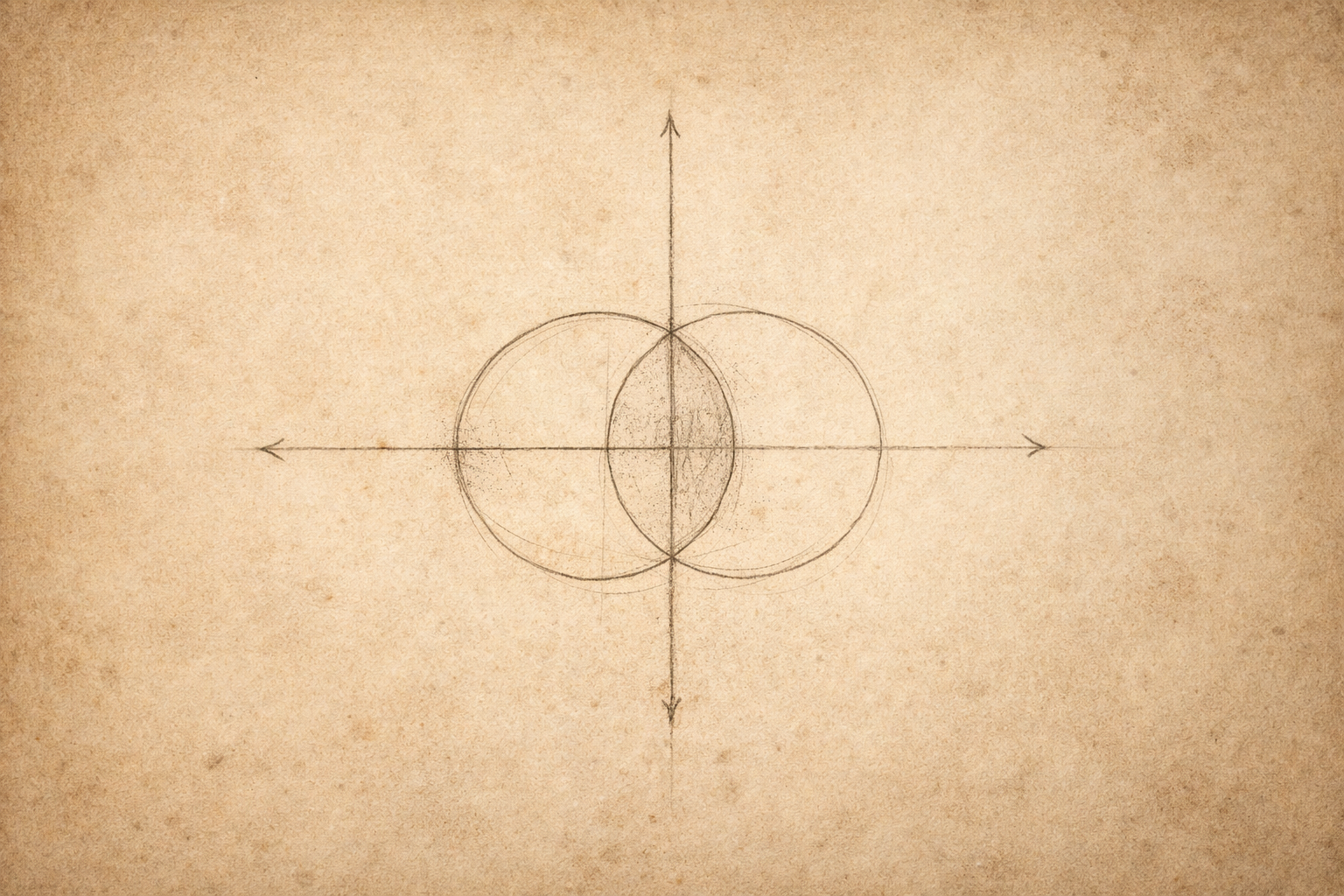

The Beautiful Foolishness of Things
In The Beautiful Foolishness of Things, Lucas Varro turns toward the humble, worn, repaired, and ordinary objects through which human tenderness often becomes visible. An old kettle, a mended bowl, a rubbed table, a leaning gate: these are not failed forms, but forms in which life has remained.
This is a Living Way essay on imperfection, care, fidelity, and the quiet dignity of things that have not escaped time. It asks whether the slightness of ordinary things may not be a failure of scale, but a correction of it — and whether tenderness, rather than perfection, is one of the deepest forms of human attention.
The kettle is old enough now that no one would call it elegant. Its handle has darkened where hands have lifted it a thousand times. Its metal has lost the brightness of the new and entered another register: a rubbed, inward sheen, as though time had not merely passed over it but settled there. When the water begins to stir, it does not announce itself at once. There is first a waiting. Then a tremor. Then that low, gathering sound which is never only sound, but atmosphere: a room becoming attentive, an hour drawing itself together.
Nothing important, by the standards of the age, is happening here.
A kettle warms. Water nears its singing point. Someone pauses long enough to hear it. From the standpoint of utility, it is almost laughable: this care, this lingering, this disproportion between the slightness of the thing and the seriousness of the attention given to it. And yet there are moments when one suspects that the slightness is not a failure of scale but a correction of it; that the little thing has not become too important, but that everything else has become swollen through false measure.
What polished things conceal, worn things confess. The mark of the hand. The strain of use. The small indignities of time. A repaired thing goes further still. It does not hide the fact that it has had a life. It has been dropped, perhaps; struck; chipped; mended because someone could not bear to lose it. The repair, if it is honest, does not erase the wound. It folds the wound into the object’s continued existence.
That is why such things often feel closer to us than flawless ones. Not because damage is beautiful. Not because ruin is charming. But because the repaired thing no longer pretends to have escaped time. It bears its history openly. Someone has judged it still worthy of keeping.
There is tenderness in that judgement.
The world is full of these survivals. A table rubbed pale where elbows rested through years of meals and silences. A gate leaning slightly out of true, but still opening. A sleeve invisibly darned. A stone stair hollowed in the middle where feet went up and down long after the names of the dead were forgotten. These are not failed forms. They are forms in which life has remained. Not splendour, but fidelity.
That word belongs to humble things. To mending what could be replaced. To preparing a place though no grand occasion dignifies the effort. To continuing to care for what cannot repay one in prestige. Fidelity does not dazzle. It appears in kitchens, doorways, shrines, hospital rooms, and the tired middle hours of ordinary days. Much of what is most human depends upon it.
The language of imperfection is too easy for this. It slips too quickly into style. The reality is sterner, and more beautiful.
Continue reading: The Beautiful Foolishness of Things at The Living Way on Substack.
Also in The Lantern Chronicles

The Stranger Is Where Inheritance Is Weighed
A Living Way essay on faith, inheritance, empire, and moral humility. The Stranger Is Where Inheritance Is Weighed asks how the stories that form us can become either mercy or contempt — and why the true test of any tradition is whether it can still see the stranger.
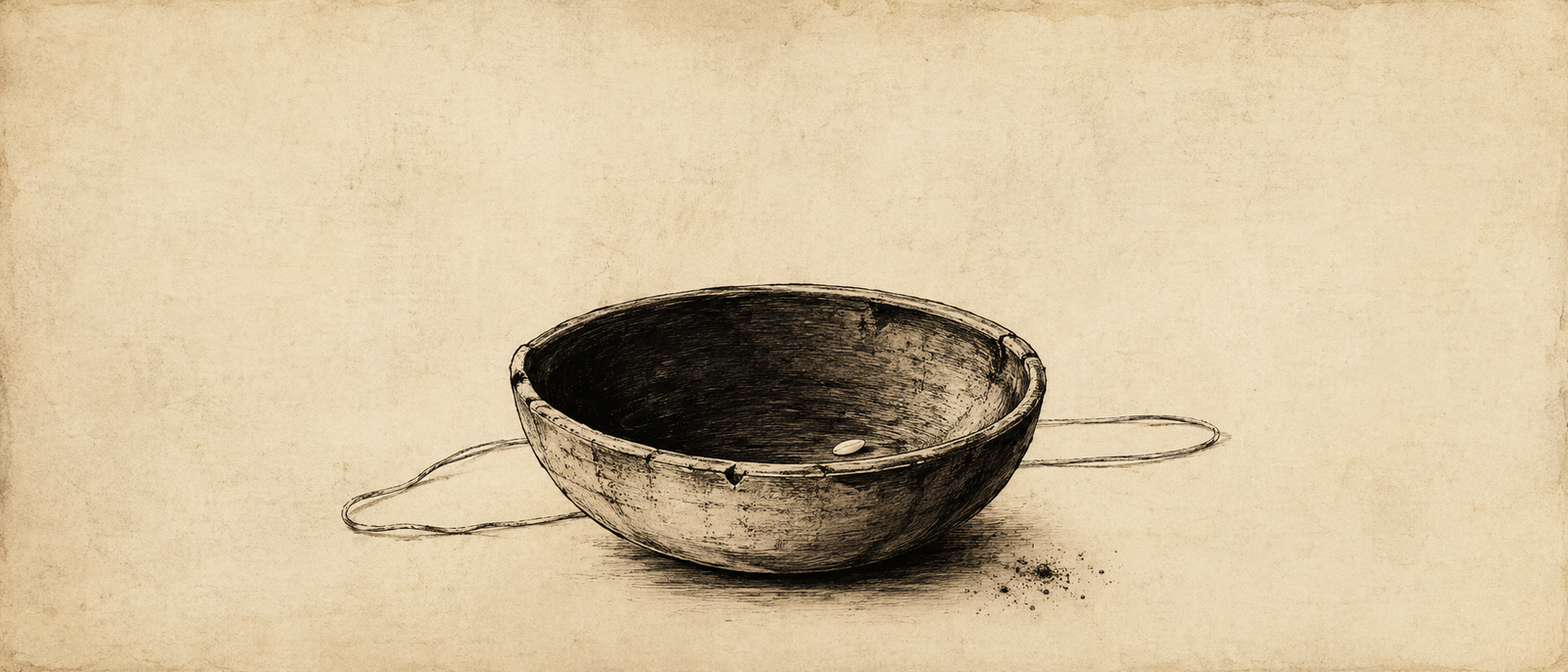

The Beggar God: A Bhikshatana Retelling
A hearthlit retelling of Bhikshatana: Shiva enters the forest as a barefoot beggar, carrying only ash, silence, and an empty bowl. In this Fires of the Old World tale, spiritual pride is not defeated by argument or spectacle, but revealed by what the hand cannot yet release.

At the Lip — A Poem from The Vow
A poem from The Vow on a waterfall, a river reaching the edge, and the stillness that gives falling its shape. At the Lip stays with one overwhelming natural image until movement, constraint, and scale become almost unbearable in their precision.
Continue Reading
If this piece found something in you, you may wish to continue the journey elsewhere.
On The Lantern Chronicles, I gather writings from Angkor, myth and legend, contemplative essays, and poetry — works shaped by silence, beauty, wonder, memory, and the deeper questions that follow us through the world.
It is a place for stone and story, reflection and vow, shadow and revelation.
You would be most welcome there.