

Fires of the Old World XI — The Exiled Monkey King
In this tale from Fires of the Old World, Rama’s search for Sita leads him into the hill country, where another exile lives beneath fear, shame, and unfinished grief. The Exiled Monkey King retells the meeting of Rama and Sugriva: not as a simple alliance of convenience, but as the moment when one sorrow recognises another, and friendship begins where kingdoms have failed.
When the rains had gone and the nights grew mild again, an old woman in the hill country lit a small oil lamp and set it between herself and the child at her knee. The lamp smelled faintly of sesame. The stone floor had already given up the day’s warmth. Outside, the leaves of the jackfruit tree rubbed against one another in the cool dark with a dry, secret sound. The child held a little garland of green leaves not yet wilted, and the old woman touched it once with the back of her finger.
“Listen,” she said. “This is the tale of the brother who lost a kingdom at the mouth of a cave.”
In the days when Rama walked the forests in sorrow, searching for Sita of the bright eyes, there was another exile hidden among the hills.
His name was Sugriva.
Once he had walked openly beneath banners, with courtyards behind him and servants at his word. But all that had been taken away. Now he lived upon Mount Rishyamuka where the rock rose steep and the wind carried every sound far off. There he slept lightly. There he woke at the crack of a twig. There he turned his head whenever a bird broke from a branch too suddenly.
Fear had made a second skin for him.
He did not wear jewels now. He wore dust. His hands were hard from gripping stone. His throat was often dry. Sometimes, in the early morning, he would climb to a shelf of rock and stare across the trees toward the lands that had once obeyed him. Then his mouth would tighten, and he would come down again before the sun was high, as though even longing might betray his hiding place.
With him stayed Hanuman, wise in speech and deep in strength, whose mind was clear when other minds darkened. Hanuman kept watch. Hanuman brought fruit and water. Hanuman listened when Sugriva’s thoughts ran in circles like trapped animals.
For Sugriva had not lost his kingdom in battle before a thousand witnesses. He had lost it in a narrower place.
There had been a demon once, a roaring thing called Mayavi, who came to challenge his brother Valin in the night. Valin went out to meet him, fierce with wrath, and Sugriva followed close behind. The demon fled. The brothers pursued. At last the creature vanished into the mouth of a cave from which there came a wet wind and a smell like old blood on stone.
Valin turned then and said, “Wait here. If I do not return, you will know what has happened.”
So Sugriva waited.
He waited one day and part of another. He heard sounds from within: blows, cries, a noise like rock split by iron. Then there came a rush of blood from the darkness. It ran over the cave floor and touched his feet.
Sugriva stood in dread.
He called his brother’s name. Nothing answered him but the cave’s own deep mouth.
At last, shaking with grief and terror, he heaved a great stone across the entrance. Then he went back alone.
But Valin had not died.
Continue reading: Fires of the Old World XI — The Exiled Monkey King at The Lantern Chronicles on Substack.
Also in The Lantern Chronicles

The Stranger Is Where Inheritance Is Weighed
A Living Way essay on faith, inheritance, empire, and moral humility. The Stranger Is Where Inheritance Is Weighed asks how the stories that form us can become either mercy or contempt — and why the true test of any tradition is whether it can still see the stranger.
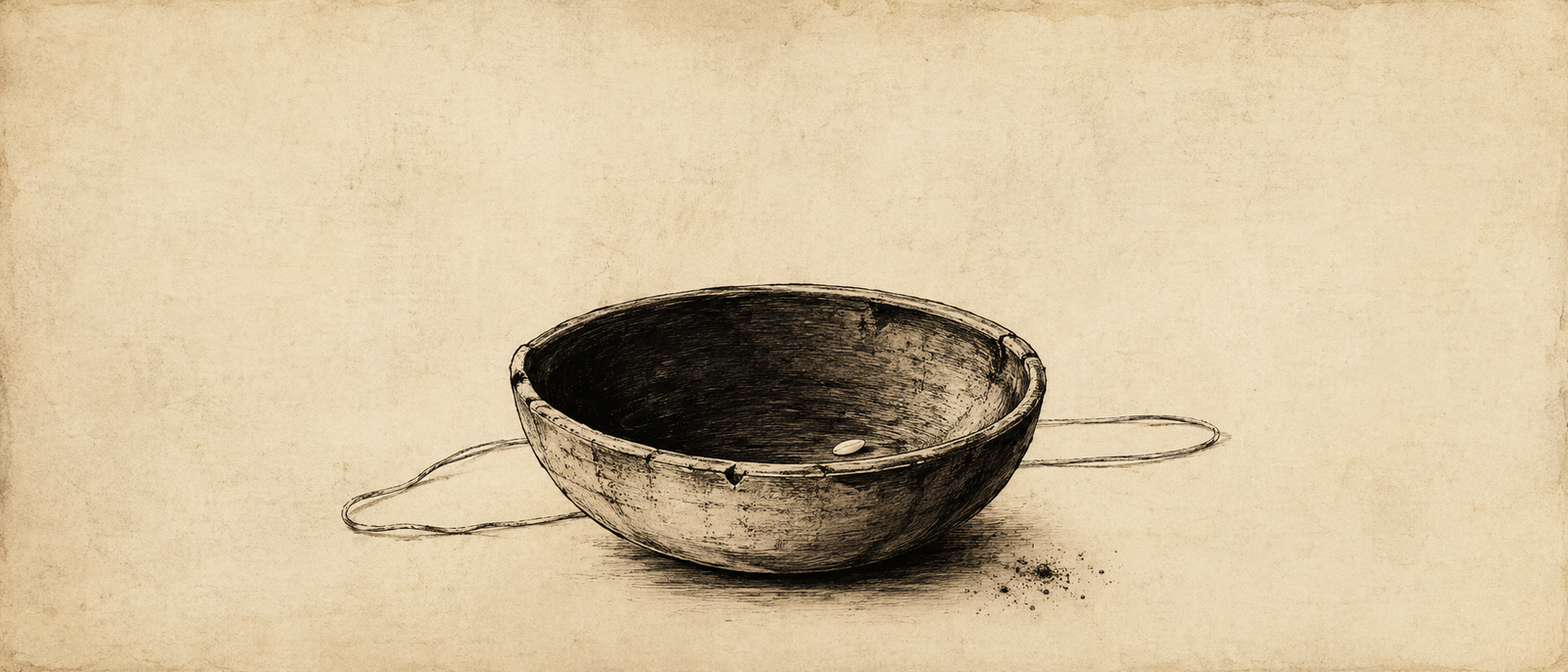

The Beggar God: A Bhikshatana Retelling
A hearthlit retelling of Bhikshatana: Shiva enters the forest as a barefoot beggar, carrying only ash, silence, and an empty bowl. In this Fires of the Old World tale, spiritual pride is not defeated by argument or spectacle, but revealed by what the hand cannot yet release.
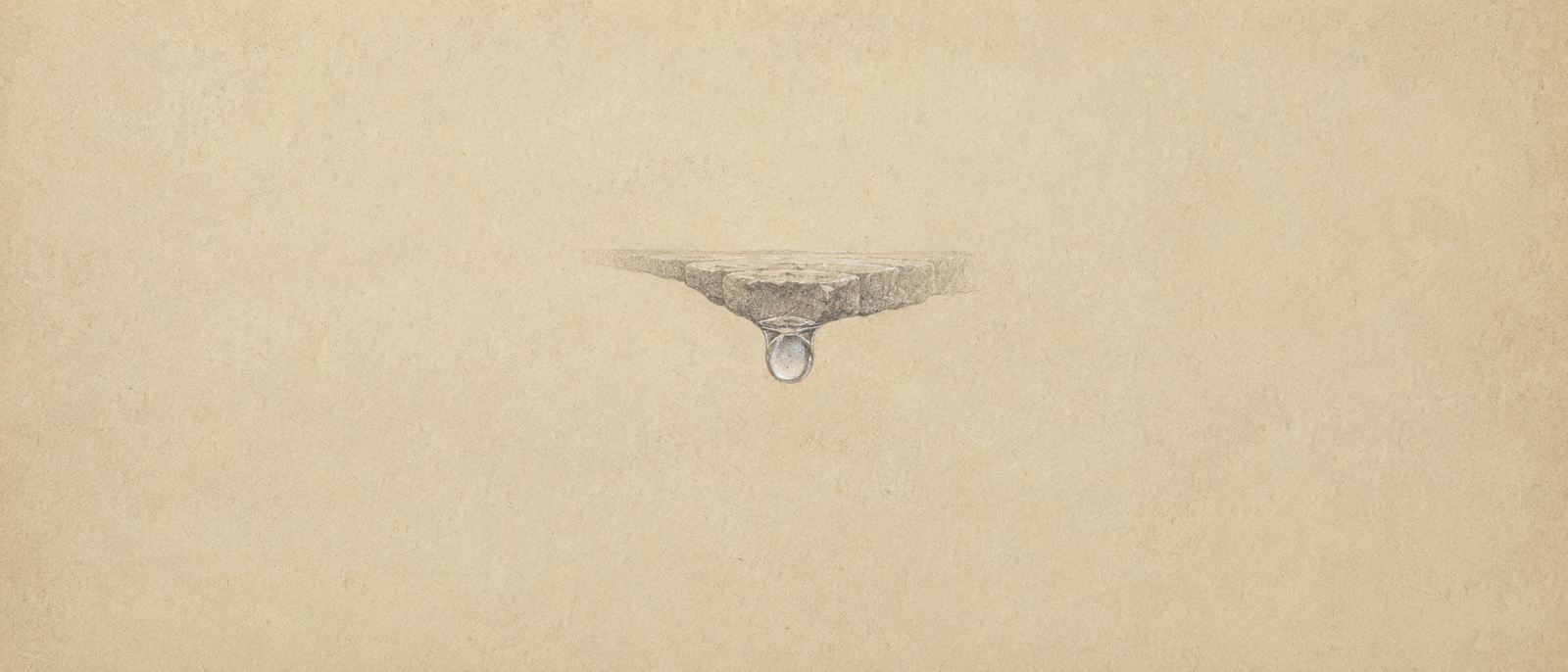

At the Lip — A Poem from The Vow
A poem from The Vow on a waterfall, a river reaching the edge, and the stillness that gives falling its shape. At the Lip stays with one overwhelming natural image until movement, constraint, and scale become almost unbearable in their precision.
Continue Reading
If this piece found something in you, you may wish to continue the journey elsewhere.
On The Lantern Chronicles, I gather writings from Angkor, myth and legend, contemplative essays, and poetry — works shaped by silence, beauty, wonder, memory, and the deeper questions that follow us through the world.
It is a place for stone and story, reflection and vow, shadow and revelation.
You would be most welcome there.