


The Difference Between a Concept and a Door
A Living Way essay on sacred language, attention, and the danger of turning even the highest words into furniture for the defended self.
—
A person can leave the crowd and still remain crowded. He can close the door, silence the phone, step away from the world’s demands, and discover that the world has entered him by another route. The hut is quiet, but not empty. Yesterday is already inside it.
It sits there with its old posture. The unfinished conversation. The resentment that still knows its lines. The regret that has learned how to appear humble. The private verdict one has passed on another person and continued to call discernment. The old wound, no longer bleeding, but still asking to be recognised as identity. A person may withdraw from noise and discover that noise has learned to continue without the world’s assistance.
A hut protects silence. It does not guarantee truth.
That distinction matters because the self is remarkably skilled at furnishing its shelters. It can fill a room with resentment and call it memory. It can place grievance beside the fire and call it justice. It can hang an image of itself on every wall: the injured one, the generous one, the misunderstood one, the one who has suffered enough to know, the one who has seen through what others still obey.
This is why sacred language is dangerous precisely where it is most beautiful. The highest words can be made to perform the lowest psychological labour. God. Brahman. The One. The Absolute. Soul. Self. Awareness. Non-duality. Emptiness. Grace. Surrender. These words may humble the mind, open the heart, steady attention, and return a person to life less defended than before. They may also become the most elegant furniture in the hut.
A person can say “God” and mean: do not trouble me further. A person can say “Brahman” and mean: I have risen above the need to be corrected. A person can speak of “the One” while remaining inwardly scattered among a thousand private claims. A person can say “non-duality” while preserving every division that protects his pride.
The word may be vast. The one who holds it may remain small.
But the word “construct” can mislead as well as clarify. It often assumes that because something is made, it is therefore arbitrary, false, or evasive. Yet not everything made is a lie. A door is made. A lens is made. A musical instrument is made. A discipline is made. The question is not whether a form has passed through human making. The question is whether the making distorts or clarifies.
The full essay continues through Plotinus, Brahman, Hindu forms of attention, Krishnamurti’s observer and observed, and the severe instruction of the sea. Its central question is simple and demanding:
The question is not whether God is a construct. The question is whether the word has become furniture or door.
Continue reading: The Difference Between a Concept and a Door at The Living Way on Substack.
Also in The Lantern Chronicles
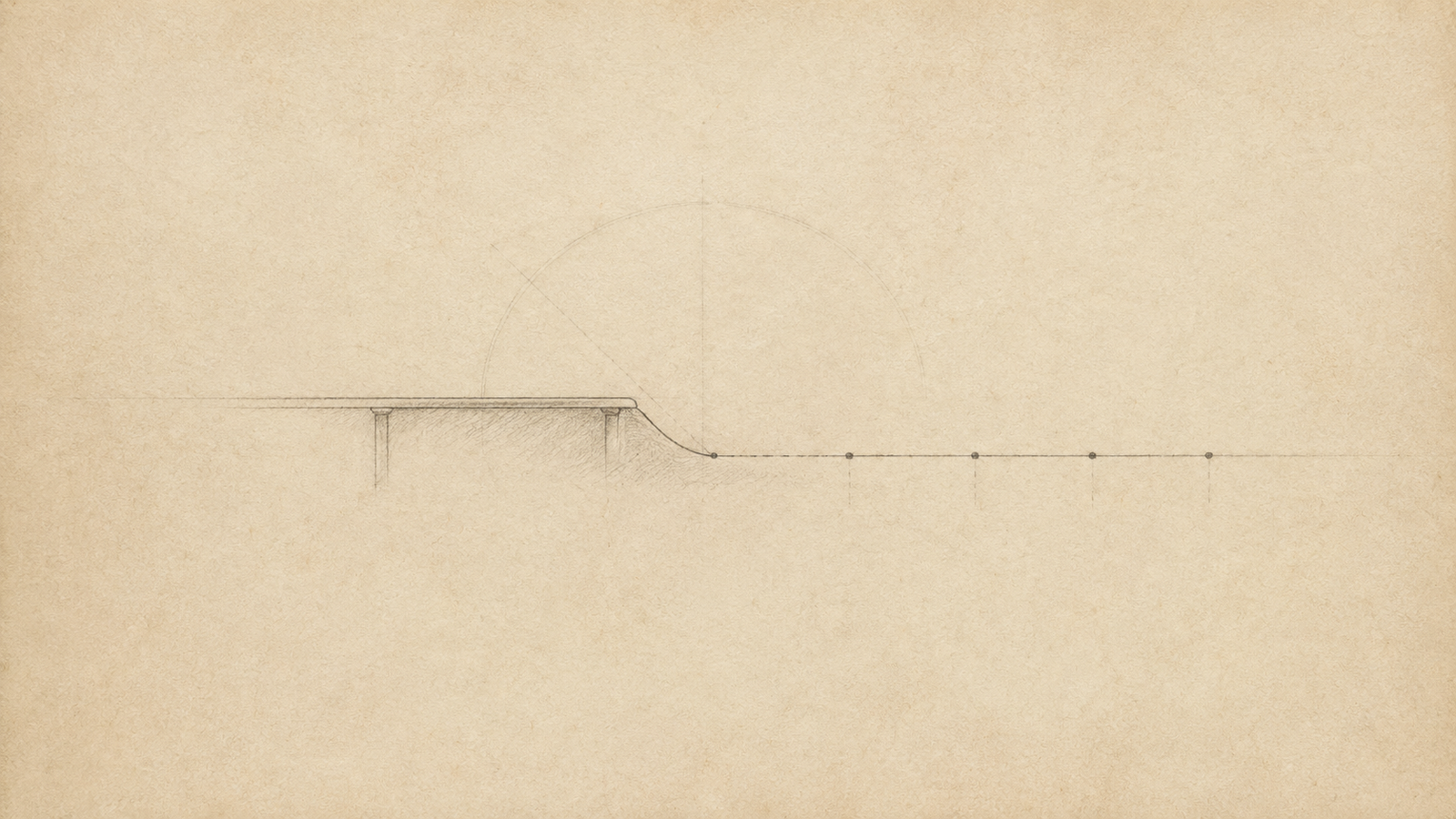

The Stranger Is Where Inheritance Is Weighed
A Living Way essay on faith, inheritance, empire, and moral humility. The Stranger Is Where Inheritance Is Weighed asks how the stories that form us can become either mercy or contempt — and why the true test of any tradition is whether it can still see the stranger.
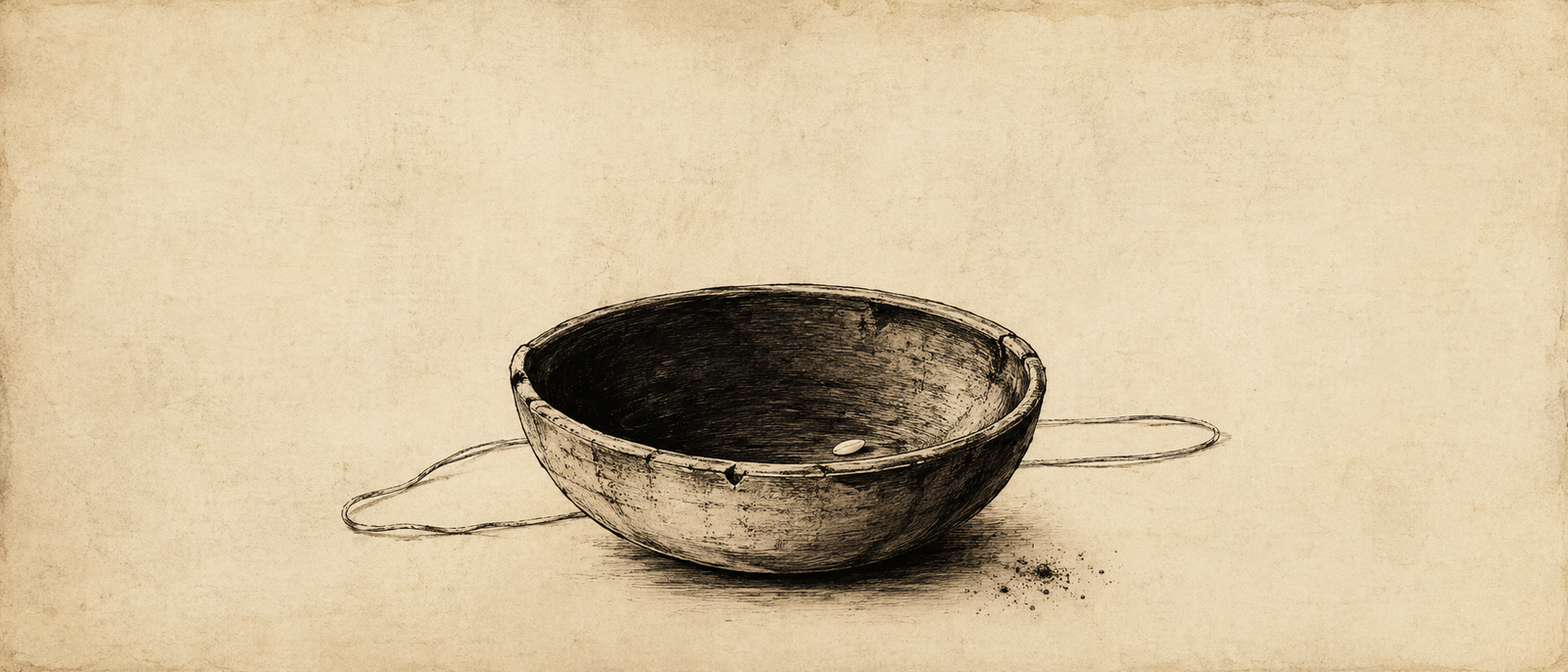

The Beggar God: A Bhikshatana Retelling
A hearthlit retelling of Bhikshatana: Shiva enters the forest as a barefoot beggar, carrying only ash, silence, and an empty bowl. In this Fires of the Old World tale, spiritual pride is not defeated by argument or spectacle, but revealed by what the hand cannot yet release.
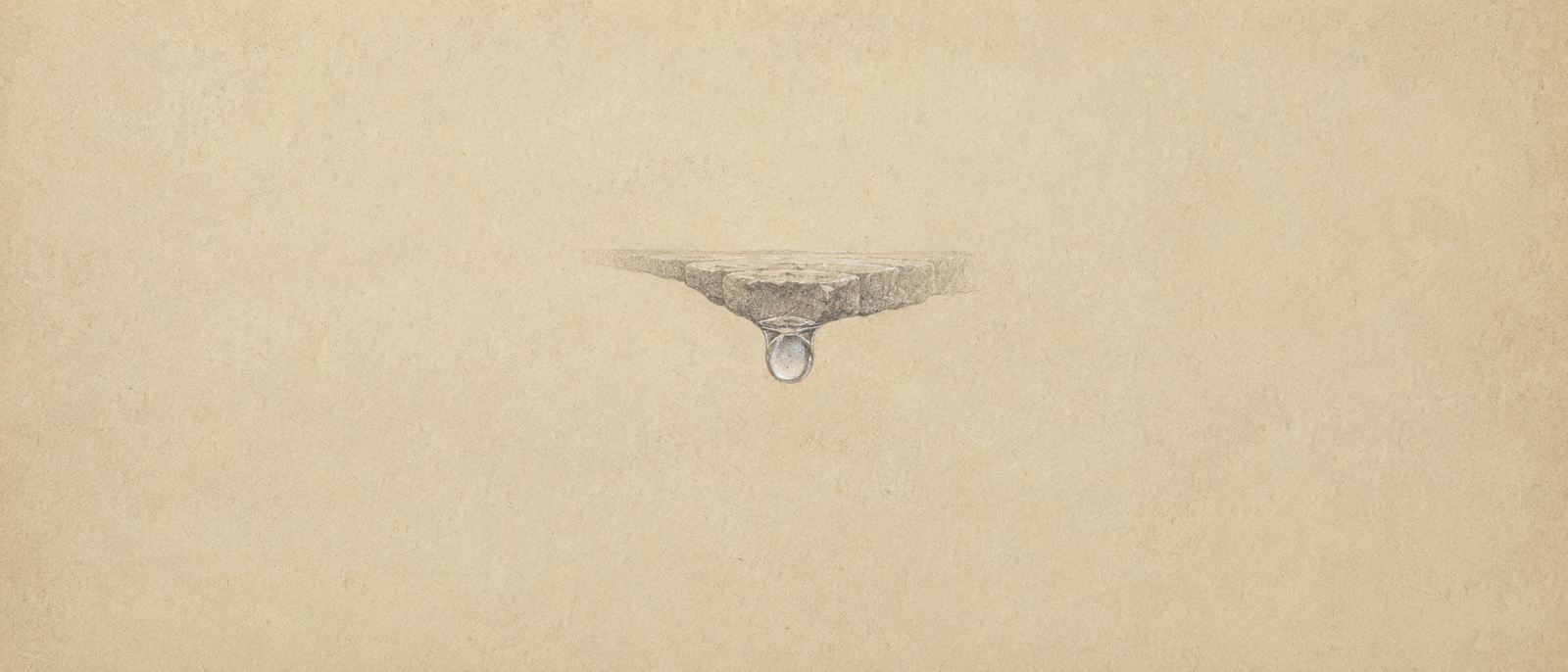

At the Lip — A Poem from The Vow
A poem from The Vow on a waterfall, a river reaching the edge, and the stillness that gives falling its shape. At the Lip stays with one overwhelming natural image until movement, constraint, and scale become almost unbearable in their precision.
Continue Reading
If this piece found something in you, you may wish to continue the journey elsewhere.
On The Lantern Chronicles, I gather writings from Angkor, myth and legend, contemplative essays, and poetry — works shaped by silence, beauty, wonder, memory, and the deeper questions that follow us through the world.
It is a place for stone and story, reflection and vow, shadow and revelation.
You would be most welcome there.