


The Desecration of Ordinary Happiness
In The Desecration of Ordinary Happiness, Lucas Varro begins with a modest public act of joy: a restaurant closing for the day because a member of staff is getting married. What should have remained a simple communal blessing becomes, through the machinery of social media, material for mockery, nationalist spite, accusation, and public malice.
The essay asks why ordinary happiness has become so exposed to desecration, and why social media so easily turns innocent human goods into stages for grievance. This is not merely an essay about trolling. It is an essay about cruelty, resentment, nationalism, and the moral climate that teaches people to wound what they cannot bless.
A restaurant announces that it will be closed for the day because a member of staff is getting married. There are words of congratulations. There are photographs of the happy couple in traditional dress. It is not a manifesto. It is not an argument. It is simply one modest act of communal joy entering public view.
By the next morning, the view has curdled.
The photographs are no longer being seen as photographs. They are treated as material for grievance. The comments fill with mockery, accusation, nationalist spite, and the coarse excitement of people who have discovered that another person’s happiness can be used as a stage for their own resentment. What was posted in honour becomes, almost at once, something to be defended against. The person who made the post spends the morning deleting filth, blocking strangers, shutting down comments, trying to protect a moment that should never have required protection in the first place.
There is a particular nausea in this. Not only because the comments are vile, but because of the disproportion. One expects to find a little shared gladness and finds instead that a simple human gesture has been turned overnight into a sewer. The scale feels wrong. The world feels slightly wrong with it. For a moment one sees how exposed ordinary goodness has become, how quickly the crowd can find it, how little innocence now protects anything once it has been handed to the machine.
One can describe this as trolling, and at one level that is what it is. But the word is too small. It names the behaviour without touching the insult. Something more serious has happened. A harmless human good has been dragged under the machinery of public malice and forced to serve ends alien to it. Joy has been made to kneel before grievance.
Why does this happen so easily now?
Why are so many people willing, even eager, to defile what is innocent?
The first answer is the oldest and least sufficient one: because human beings contain cruelty. Envy, resentment, tribal pride, hunger for humiliation, the desire to wound what one cannot bear to bless — none of this is new. There has never been a golden age in which the human heart was free from ugliness. Anyone who expects innocence from the species has not yet looked at it steadily enough.
But to say that cruelty belongs to the human condition is not yet to explain what happened here. Human beings have always been capable of malice. They have not always had the same permissions, incentives, and amplifiers. A vice changes its force when a civilisation builds channels for it.
Social media is one of those channels.
It does not create hatred from nothing. It does something more consequential. It organises hatred.
Continue reading: The Desecration of Ordinary Happiness at The Living Way on Substack.
Also in The Lantern Chronicles
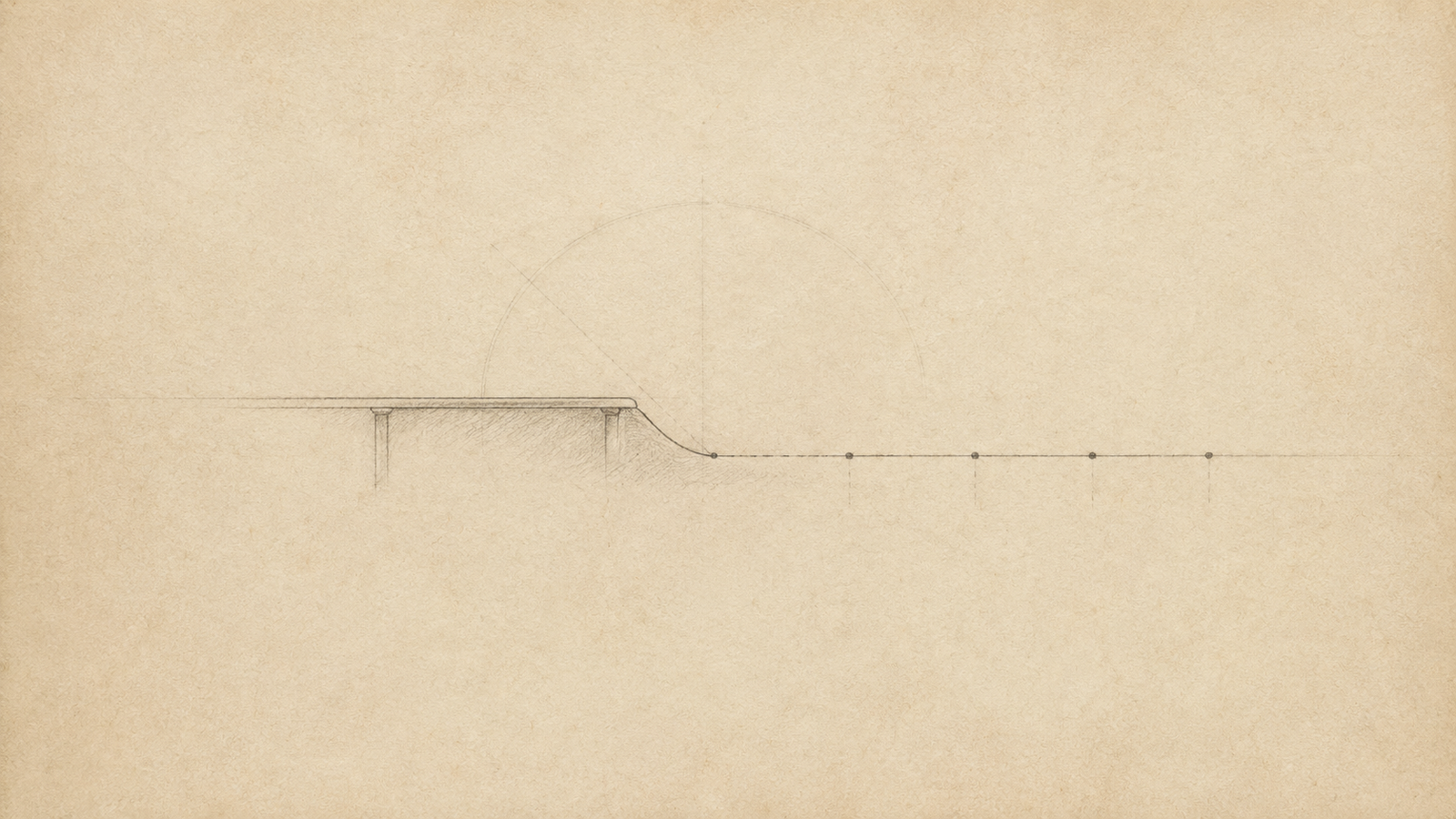

The Stranger Is Where Inheritance Is Weighed
A Living Way essay on faith, inheritance, empire, and moral humility. The Stranger Is Where Inheritance Is Weighed asks how the stories that form us can become either mercy or contempt — and why the true test of any tradition is whether it can still see the stranger.
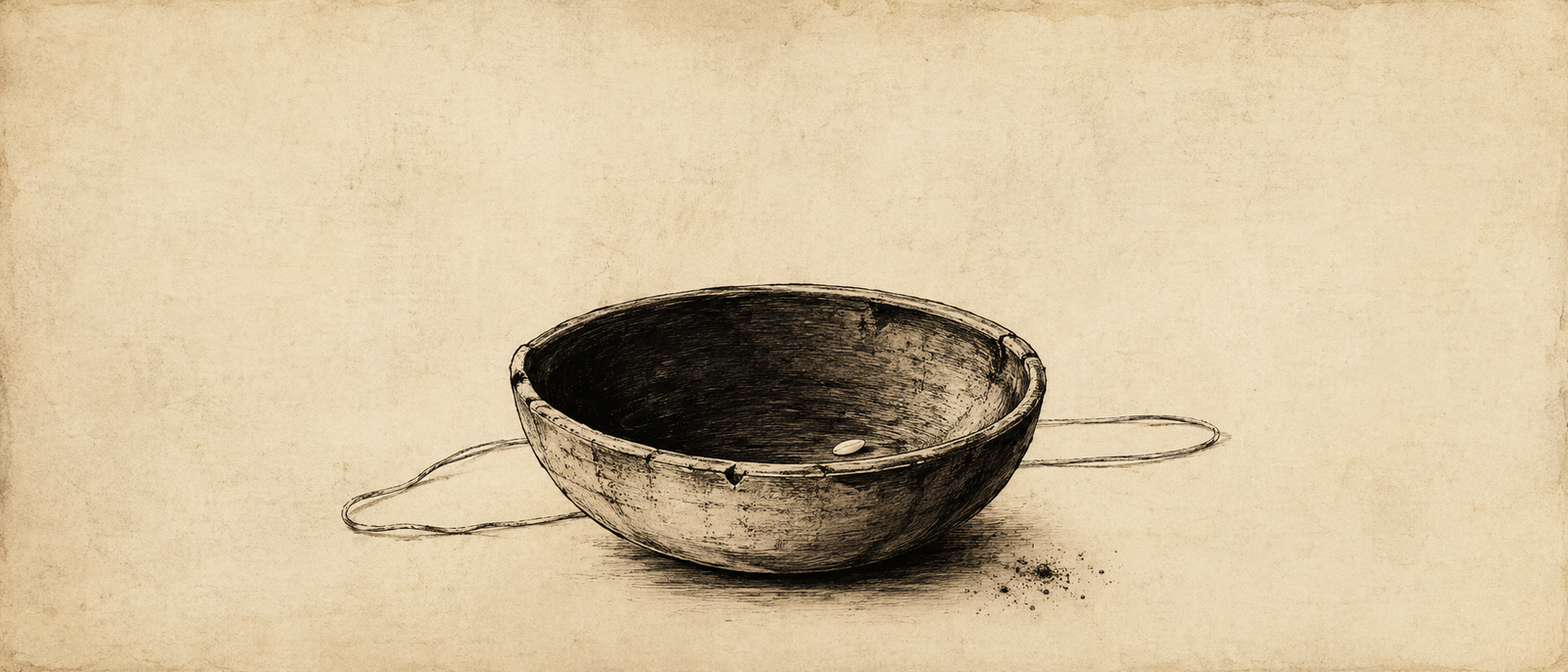

The Beggar God: A Bhikshatana Retelling
A hearthlit retelling of Bhikshatana: Shiva enters the forest as a barefoot beggar, carrying only ash, silence, and an empty bowl. In this Fires of the Old World tale, spiritual pride is not defeated by argument or spectacle, but revealed by what the hand cannot yet release.
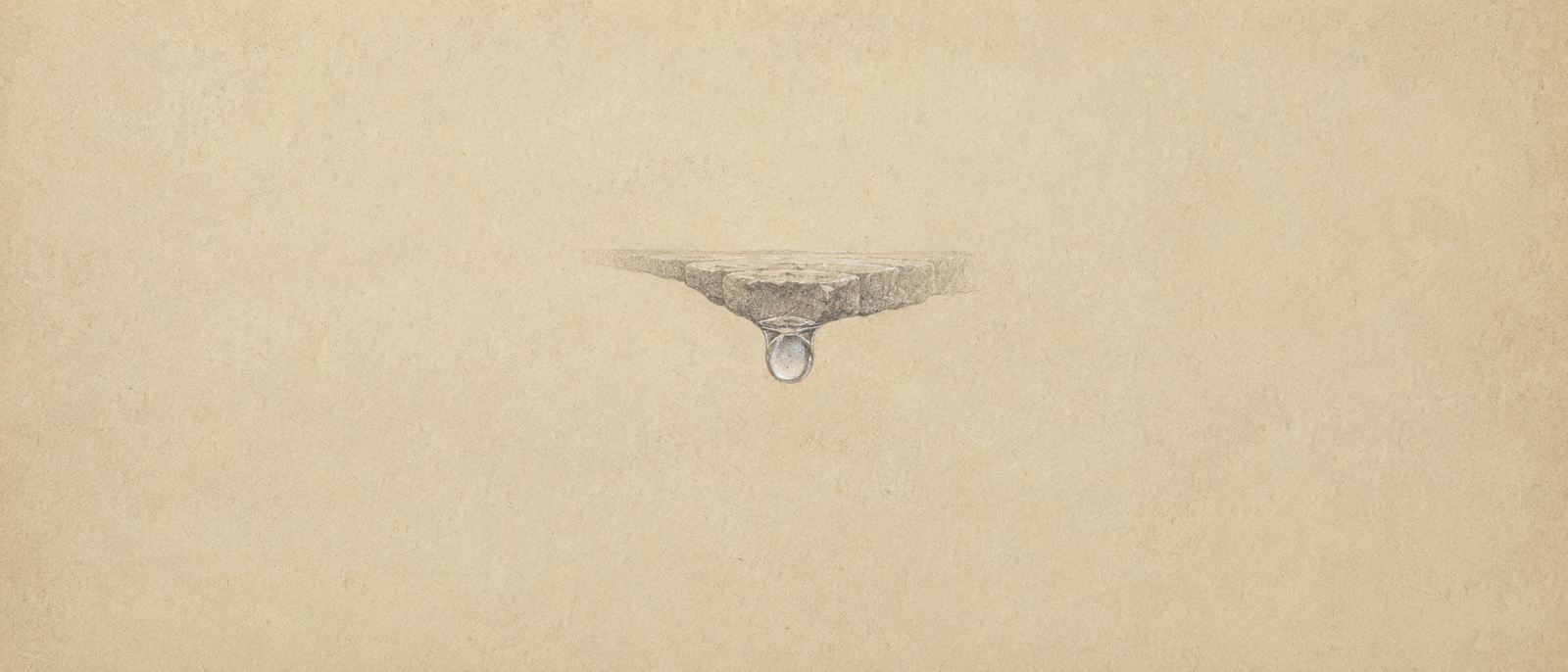

At the Lip — A Poem from The Vow
A poem from The Vow on a waterfall, a river reaching the edge, and the stillness that gives falling its shape. At the Lip stays with one overwhelming natural image until movement, constraint, and scale become almost unbearable in their precision.
Continue Reading
If this piece found something in you, you may wish to continue the journey elsewhere.
On The Lantern Chronicles, I gather writings from Angkor, myth and legend, contemplative essays, and poetry — works shaped by silence, beauty, wonder, memory, and the deeper questions that follow us through the world.
It is a place for stone and story, reflection and vow, shadow and revelation.
You would be most welcome there.