
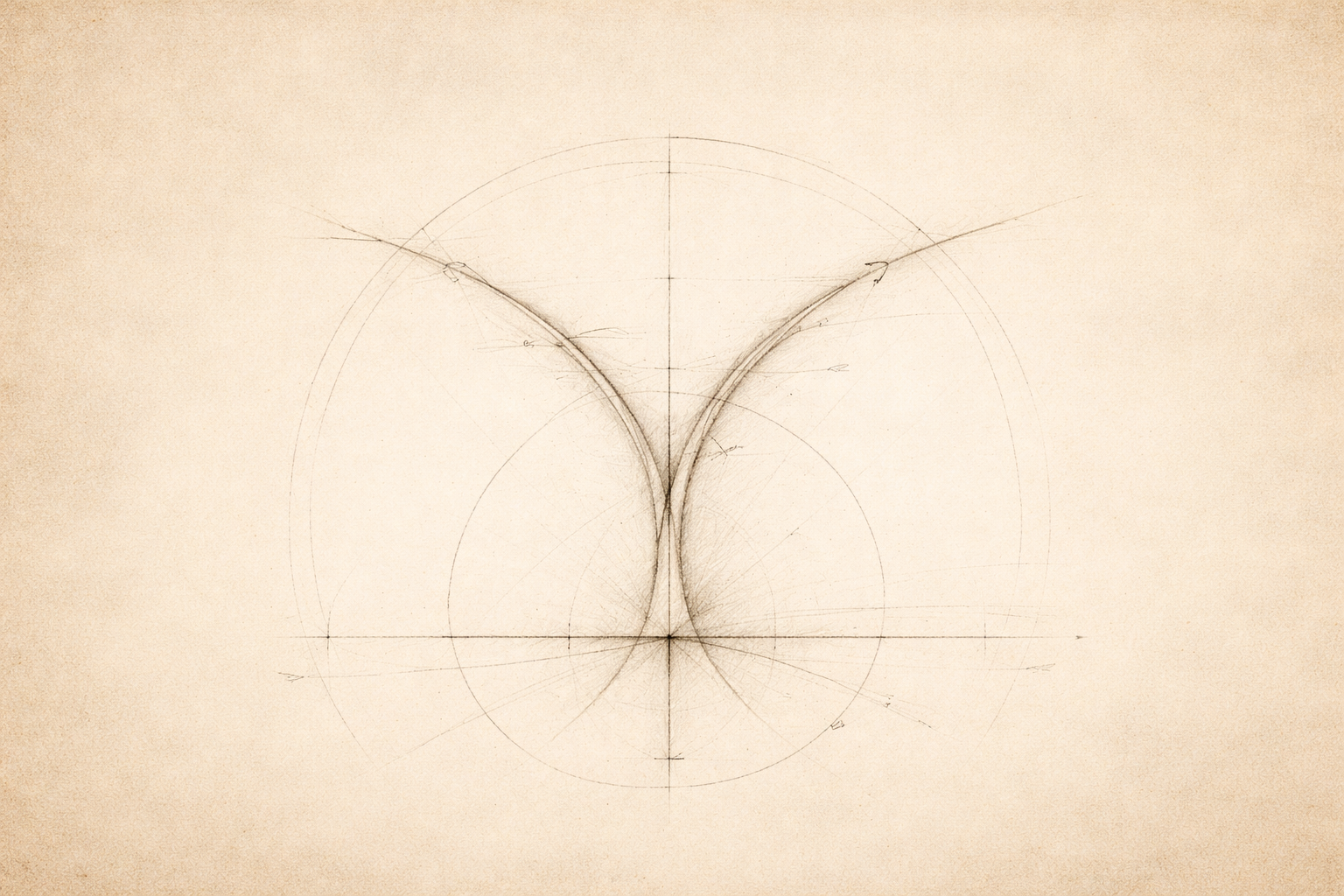

The Machine and the Human Image
In The Machine and the Human Image, Lucas Varro examines social media not merely as a distraction, but as a rival anthropology: a hidden theory of the person embedded in architecture, habit, and reward. The essay asks what kind of self is being trained when human attention is continually routed through stimulus, visibility, reaction, and display.
This is not an argument for purity or retreat. It is a defence of inwardness: of the formed soul, the unobserved hour, the private act of attention, and the human capacities that make love, judgement, freedom, and presence possible.
Most people now begin the day with a small surrender.
Before the body has properly entered morning, the hand reaches for the phone. The gesture is so common it escapes notice. It can even look harmless. But it is rarely innocent. Something in it is already bent outward, already expectant, already faintly afraid. Has something happened? Has one been summoned, accused, overtaken, forgotten? Many of us no longer wake first into a room, a body, a patch of light, the heaviness or lightness of our own mind. We wake into the possibility of demand.
That demand has been normal for so long that its violence has become difficult to feel.
A machine waits beside the bed. It is sold as a convenience, a link, an instrument. In practice it is often a customs gate through which the whole agitated empire of public feeling enters the mind before breakfast. Panic, humiliation, spectacle, grievance, flirtation, accusation, war, performance, emergency, opinion, derangement: all of it can pass into consciousness before one has looked properly at the sky.
Then, sometimes, one does look up. Light on the wall. A cup still warm. The muffled sounds of a house. A neighbour dragging a broom through dust. The ordinary world continuing with an almost insulting indifference to the fever of the feed.
That contrast is not trivial. It names one of the central fractures of modern consciousness. We now live between reality as lived and reality as circulated. The first comes through bodies, weather, labour, friendship, grief, touch, obligation, place. The second comes through salience. What matters there is not what is truest, or wisest, or most deserving of care, but what can seize attention and hold it long enough to be sold.
Much has already been said about the political and psychological harms of this arrangement, and rightly. It inflames division. It rewards deceit. It shortens attention. It produces anxiety. All true. But these descriptions, though accurate, still do not reach the bottom of the matter. They describe effects without quite touching the deeper insult.
For social media does not merely distract human beings. It trains them in a false idea of what a human being is.
That is why its damage runs so deep. Every durable order rests on some image of the person. A school does. A church does. A prison does. A market does. Each assumes something about what in us is highest, what in us is weakest, what can be cultivated, what can be exploited. Social media is no different. Its anthropology is simply hidden in its architecture.
And what does that architecture assume?
That a human being is, above all, a reactor.
Continue reading: The Machine and the Human Image at The Living Way on Substack.
Also in The Lantern Chronicles

The Stranger Is Where Inheritance Is Weighed
A Living Way essay on faith, inheritance, empire, and moral humility. The Stranger Is Where Inheritance Is Weighed asks how the stories that form us can become either mercy or contempt — and why the true test of any tradition is whether it can still see the stranger.

The Beggar God: A Bhikshatana Retelling
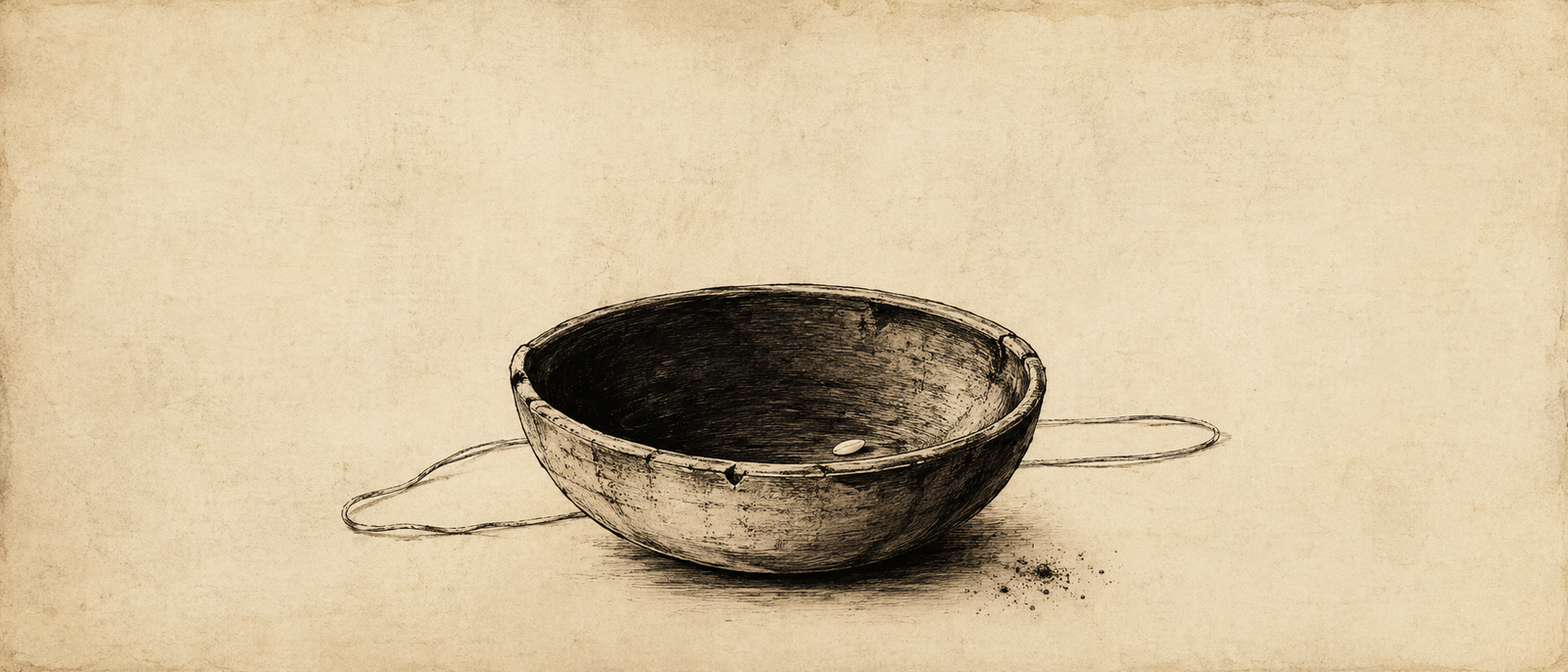
A hearthlit retelling of Bhikshatana: Shiva enters the forest as a barefoot beggar, carrying only ash, silence, and an empty bowl. In this Fires of the Old World tale, spiritual pride is not defeated by argument or spectacle, but revealed by what the hand cannot yet release.

At the Lip — A Poem from The Vow
A poem from The Vow on a waterfall, a river reaching the edge, and the stillness that gives falling its shape. At the Lip stays with one overwhelming natural image until movement, constraint, and scale become almost unbearable in their precision.
Continue Reading
If this piece found something in you, you may wish to continue the journey elsewhere.
On The Lantern Chronicles, I gather writings from Angkor, myth and legend, contemplative essays, and poetry — works shaped by silence, beauty, wonder, memory, and the deeper questions that follow us through the world.
It is a place for stone and story, reflection and vow, shadow and revelation.
You would be most welcome there.